REVIEW · KATHMANDU
9 Days short and Easy Ghorepani Poonhill Trekking in Nepal
Book on Viator →Operated by Welcome Nepal Treks P.ltd · Bookable on Viator
Poon Hill makes early mornings worth it. This 9-day Ghorepani Poonhill trek focuses on big mountain sunrise/sunset views and an Annapurna trail experience in a short window, so you save time without skipping the good stuff. I like how the route moves you from Kathmandu to Pokhara, then straight into tea-house trekking with practical support and clear daily steps.
What I love most is the mix of effort and reward: the early hike to Poon Hill, then a steady rhythm of village paths through forest and settlement. I also appreciate that the essentials are handled for you—meals during the trek and tea house lodge nights—so you can focus on the views instead of logistics.
The one thing to think about is that easy is relative here. Day 04 includes a steep climb via stone steps to Ulleri with 6–7 hours of walking, and Day 05 is also a long day (6–7 hours), with a pre-dawn start for Poon Hill.
In This Review
- Quick hits before you book
- Price and logistics: what $800 buys you (and what it doesn’t)
- Kathmandu and Pokhara: a smooth intro before the mountains
- Day 3: Nayapul to Tikhedhunga via Modi River
- Day 4: Ulleri stone steps and the Ghorepani climb
- Day 5: Pre-dawn Poon Hill sunrise and Tadapani’s quieter feel
- Day 6: Trek to Ghandruk and the Gurung village tour
- Day 7: Back downhill to Birethanti and the return to Pokhara
- Day 8 and 9: Kathmandu time, Thamel wander, then the flight home
- Culture included, not pasted on
- The guide and porter setup that keeps it manageable
- Accommodation: tea houses, Kathmandu hotels, and what you’re really paying for
- What the itinerary teaches you about pacing and timing
- Should you book this Ghorepani Poonhill trek?
- FAQ
- What is the duration of the Ghorepani Poonhill Trek?
- Where does the tour start?
- How do I get to the trekking start point?
- Is pickup and drop-off included?
- Are meals included during the trek?
- What permits are included?
- Is there a vegetarian option?
- Do I need travel insurance?
- How many people will be in the group?
Quick hits before you book
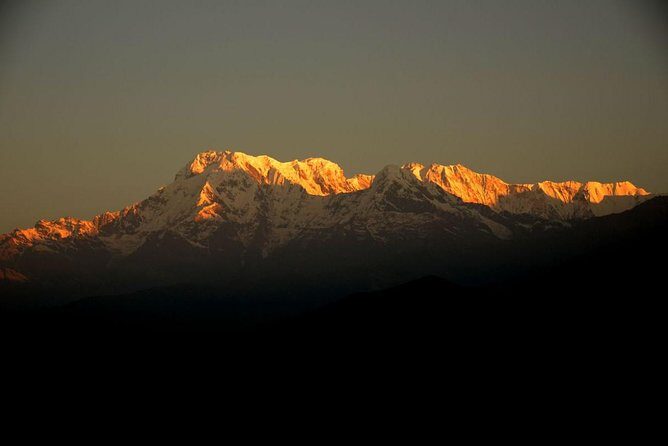
- Poon Hill sunrise timing: an early hike to catch the wide Himalayan panorama.
- Short Annapurna-area circuit: tea-house trekking plus village culture in under 10 days.
- Porter support (1 for 2 people): your pack load can be lighter, which helps on the longer walking days.
- ACAP + TIMS covered: permits and card fees are included.
- Ghandruk village tour: you get a proper look at Gurung village life on a night that’s more than just sleep.
- Farewell dinner with cultural dance: a neat end-of-trip cultural touch in Kathmandu.
Price and logistics: what $800 buys you (and what it doesn’t)
At $800 per person, this trip is priced like a guided package, not a bare-bones DIY. The value is in the bundle: airport transfers, Kathmandu hotels, Pokhara stays, ground transport, a guide, porter support, tea-house lodging, and trekking meals. It also includes Annapurna Conservation Area Project (ACAP) permits and TIMS fees, which you’d otherwise have to organize yourself.
Here’s what to expect to pay separately: your Nepal visa fee on arrival, travel insurance, drinks, and meals in Kathmandu and Pokhara (during free time). Tipping for guides/porters is mentioned as expected but not mandatory. If you don’t have your insurance sorted, the emergency helicopter arrangement being tied to insurance coverage matters—so plan that part before you arrive.
The group size cap (up to 15) also affects the vibe. You’re not stuck in a huge crowd, but you also shouldn’t expect total solitude—especially around the big viewpoint days.
You can also read our reviews of more hiking tours in Kathmandu


Kathmandu and Pokhara: a smooth intro before the mountains
Day 01 is a straightforward landing-to-hotel setup. You arrive in Kathmandu at about 1,345 meters, get a warm welcome, and then sleep in Kathmandu in a deluxe accommodation for that first night. It’s a good buffer: arrival day can be slow, and having your pickup handled helps.
Day 02 moves you to Pokhara, about a 6-hour tourist-bus ride (with two stops for breakfast and lunch). Once you reach Pokhara, you get real free time to explore the Lakeside area and nearby surroundings. You’ll appreciate this day more than you think. Trekking days start early, so having a calmer afternoon helps you settle in.
Accommodation-wise, the package includes two nights in Kathmandu (deluxe on arrival and after trekking) and standard accommodation in Pokhara for two nights. That’s a practical split: comfortable enough for rest, not trying to sell you luxury you don’t need before climbing days.
Day 3: Nayapul to Tikhedhunga via Modi River
This is your ramp-up day, not a test. After an hour drive to Nayapul, you begin walking along the Modi River. You’ll pass through Birethanti and then head up the main trail toward Tikhedhunga at about 1,577 meters.
What I like about this stage is that it gives you the trekking rhythm without throwing the steepest parts at you immediately. The tea-house night in Tikhedhunga is also a nice “first proper Nepal trek sleep.” You’ll see how daily life works in these villages—simple lodges, communal dining areas, and the calm pace that makes the bigger days feel more doable.
Downside: it’s still a hiking day. If you’re sensitive to early starts, treat this day like you’d treat Day 01 of a new training plan—steady pace, no hero moves.
Day 4: Ulleri stone steps and the Ghorepani climb
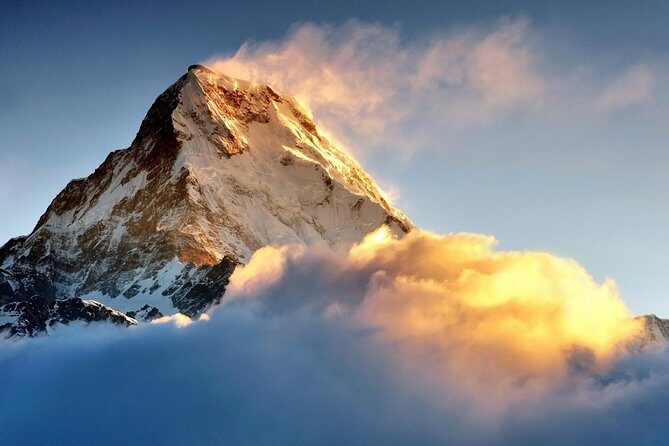
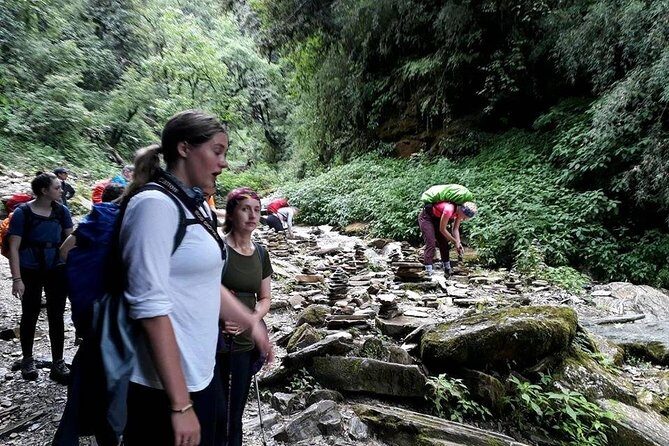
Day 04 is the day most people feel, even on an “easy” trek. You go from Tikhedhunga to Ghorepani (2,850m) in about 6–7 hours. The big feature is the steep ascent to Ulleri, famous for its stone steps.
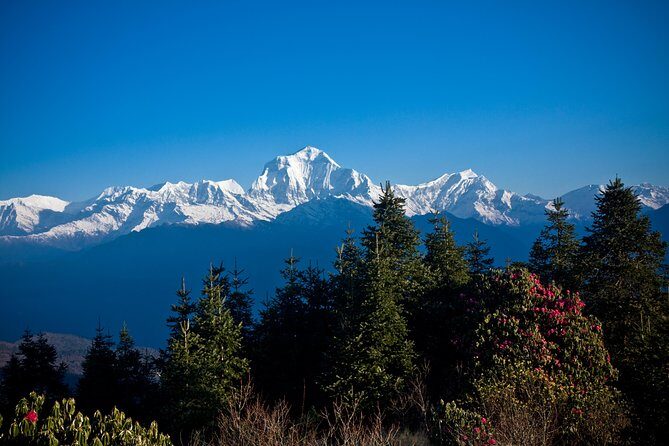
On the plus side, this isn’t just a stair workout. The route runs through rhododendron and oak forests, and you’ll get repeated mountain glimpses along the way. The itinerary also flags big nearby peaks you can see from this section—Annapurna South (7,219m), Hiunchuli (6,441m), and later Fishtail (6,993m) from a lunch stop at Banthanti.
The “why it matters”: Ghorepani is your positioning for Poon Hill. Reaching it the day before the sunrise hike means you’re not running on panic time at altitude.
Possible drawback: if you’re not used to uphill stair steps, pace yourself hard on the ascent. Stop early and rest often rather than pushing until you feel wrecked. Tea-house trekking is a game of steady legs, not sprinting.
Day 5: Pre-dawn Poon Hill sunrise and Tadapani’s quieter feel
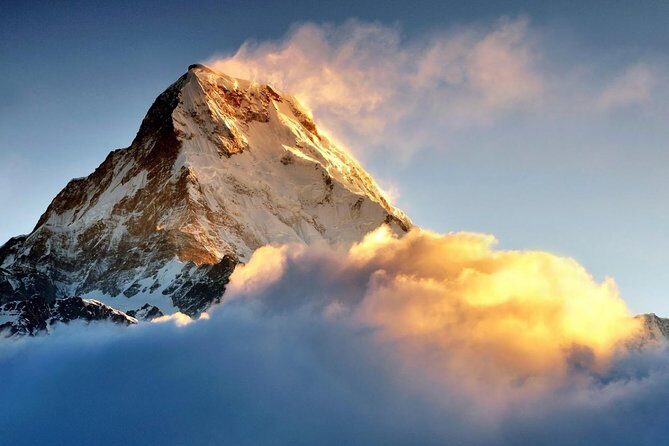
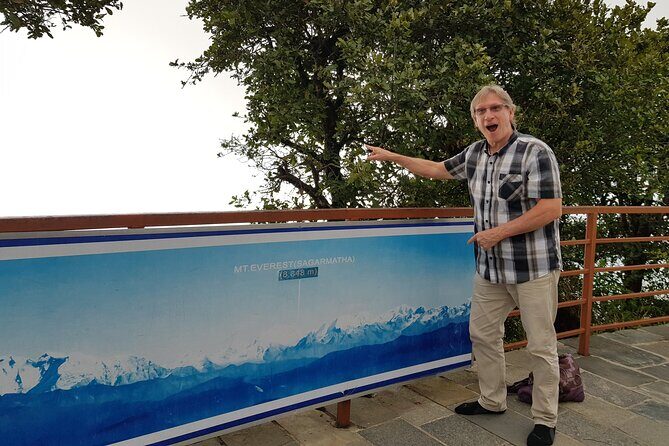
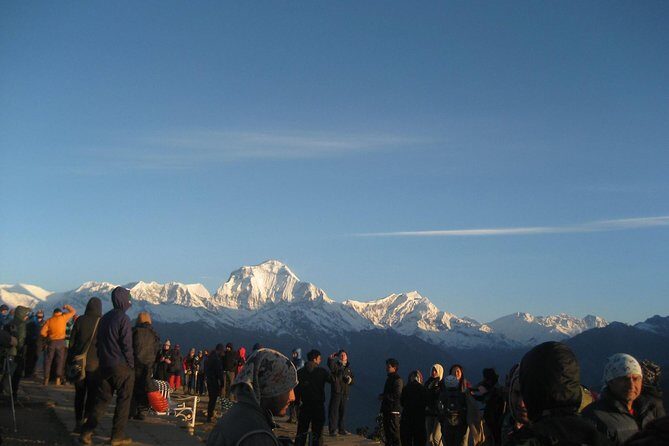
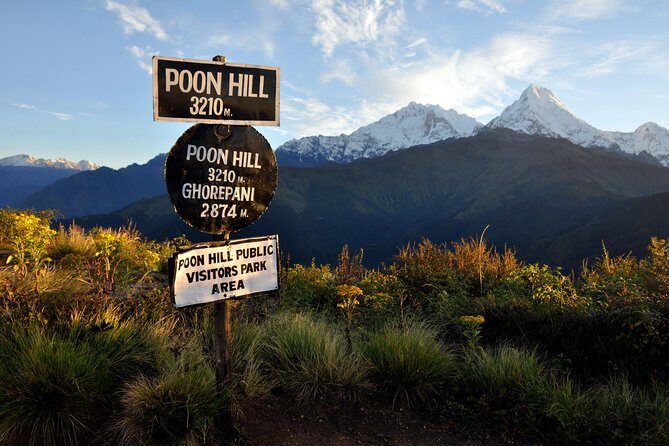
Day 05 starts with the highlight everyone comes for: the early hike to Poon Hill. The walk is about an hour, and the payoff is the Himalayan panorama view—particularly a sunrise scene where sunlight hits the peaks. The route description also notes viewpoints across Manaslu, Annapurna, and Dhaulagiri ranges.
Then you head back to Ghorepani for breakfast, and continue trekking to Tadapani (2,540m), with another 6–7 hours of walking. This is a long day, but it works because your most intense effort (the sunrise hike) is short in distance. After that, the walking becomes more about legs and endurance.
Tip that helps: on sunrise days, expect it to feel colder and earlier than you planned for. It’s not a “long hike in daylight” routine. Treat it like a timed mission: warm layers, headlamp if you use one, and a calm pace up.






Day 6: Trek to Ghandruk and the Gurung village tour
Day 06 shifts the tone. You trek to Ghandruk (1,940m) in about 3 hours, and it’s described as easy and pleasant, with lots of descending forest path. The idea here is recovery without boredom: you still get views of peaks like Annapurna South, Hiunchuli, and Fishtail, but you’re not fighting a steep climb.
Then comes a cultural bonus. You arrive with time for a village tour in the evening, and Ghandruk is called out as one of the biggest Gurung villages. It’s also described as modern and offers strong sightlines to major mountains.
What I love about this day is that it reminds you trekking isn’t just scenery. It’s people, routines, and architecture—tea houses, trails, and village life shaped by the seasons. The evening tour helps you connect the dots between the mountains and the communities living below them.
Day 7: Back downhill to Birethanti and the return to Pokhara
Day 07 is another easier-feeling day on paper: Ghandruk to Birethanti (1,025m), followed by a drive back to Pokhara. It’s a descent through village trails, crossing places like Kimchi and Seulibazzar along the way before you reach Birethanti.
Then the logistics get comfortable again. You drive back to Pokhara, meaning you trade trail time for road time. After a week of walking, this is a welcome change—your legs get a real break.
I’d think of this day as your “transition back to normal life” stage. It’s when you’ll notice you’re breathing easier and walking less aggressively. Keep your pace steady; you still have plenty of trail hours even if the climb isn’t the problem.
Day 8 and 9: Kathmandu time, Thamel wander, then the flight home
Day 08 takes you back from Pokhara to Kathmandu by car after breakfast. You’ll be transferred to your hotel, then the afternoon and evening are free for exploring Thamel. This is a practical choice because it’s easy to find food, souvenirs, and simple errands right near where many trekking groups stay.
Day 09 is the final transfer to the international airport for departure. The trip doesn’t add extra trekking stress at the end, which matters. You’ll want a clean exit after altitude days and early starts.
Culture included, not pasted on
This package doesn’t treat culture as a random photo stop. You have time in villages like Ghandruk, including an evening tour. And there’s a clear end-of-trip cultural element: a farewell dinner in a typical Nepali restaurant with a cultural dance show.
That’s a nice way to close the loop. You’ll have spent days moving through settlements, and then you get one night where the traditions are presented directly, in a setting built for visitors without needing a long detour.
Vegetarian eaters also get a helpful option here. The trip states a vegetarian option is available—just advise at booking.
The guide and porter setup that keeps it manageable
The human support is a big part of why this works for “short and easy.” You travel with an experienced, helpful, friendly guide. Porters are included with a ratio of 1 porter for 2 people, which is the right kind of compromise: you still hike your own body, but the heavy load can be shared.
In reviews tied to this company, the guide Hari Khadka is specifically praised for being loving, smart, and encouraging through to destinations. Another review mentions Hari as very helpful and supportive, including care even after the trek. I can’t guarantee which guide you’ll get, but it’s a good sign that guides are actively involved and not just there for paperwork.
Practical note: the guide and porter system also changes how you experience the steep day. If your pack is lighter, you’ll conserve energy for the climbs and enjoy the viewpoint days more.
Accommodation: tea houses, Kathmandu hotels, and what you’re really paying for
During the trek, you’ll stay in lodges/tea houses. These aren’t five-star resorts, and that’s the point. You pay for access to the trail network where the only realistic sleeping options are small village lodges. You also pay for being booked in advance—so you’re not hunting for a bed as night falls.
In Kathmandu and Pokhara, you get more standard comfort: two nights in Kathmandu in deluxe accommodation and two nights in Pokhara in standard accommodation. That split helps you recharge without paying premium prices for luxury rooms you wouldn’t use much.
The itinerary also notes that a duffle bag and sleeping bag are available if necessary. If you don’t own trekking gear, that’s a meaningful cost saver and a lot less stress.
What the itinerary teaches you about pacing and timing
This trek has a clear rhythm:
- One big climb day (Day 04).
- One short-but-early mission day (Poon Hill on Day 05).
- Then easier village connections and descents (Days 06–07).
That pattern is why the trek is short. It avoids turning every day into a grind. Instead, it concentrates effort where it creates reward—especially the sunrise view.
Altitude wise, you’re not going extreme. But you still start at 1,345m in Kathmandu, hit 2,850m at Ghorepani, and go through several mountain-view elevations. Sunrise mornings can feel cooler at these heights, so plan for layers even if the daytime looks mild.
Also, expect early starts. Day 05 includes the pre-dawn hike, and Day 04 is a long walking day. When someone tells you the trek is easy, they mean it’s short and structured, not that every day is flat.
Should you book this Ghorepani Poonhill trek?
If you want classic Annapurna views in a tight 9-day window, this is a strong choice. The included structure—guiding, porter support, permits, tea houses, and trekking meals—makes it less stressful than trying to assemble everything on your own. I’d especially recommend it if you’re excited about Poon Hill sunrise and you’d like a village experience at Ghandruk without spending weeks in the mountains.
Skip it or reconsider if you know you struggle with steep uphill days, because Day 04 and Day 05 are both 6–7 hours and include climbing steps. Also factor in that food in Kathmandu and Pokhara isn’t included, so you’ll still have a little budget for those meals.
For most people who want a guided, efficient Annapurna introduction with sunrise payoff, this one makes sense.
FAQ
What is the duration of the Ghorepani Poonhill Trek?
The trek is listed as 9 days (approx.).
Where does the tour start?
The meeting point is Tribhuvan Airport in Kathmandu, Nepal. You’ll also get airport pickup and transfer.
How do I get to the trekking start point?
After Kathmandu to Pokhara by tourist bus, you take a car from Pokhara to the trek starting point and then a return car to Pokhara after the trek ends.
Is pickup and drop-off included?
Yes. Airport picks up and drop by private car/van/bus are included, plus transfers during the program.
Are meals included during the trek?
Yes. Breakfast, lunch, and dinner during the trekking are included. Food in Kathmandu and Pokhara during free time is not included.
What permits are included?
The trek includes ACAP permits (Annapurna Conservation Area Project) and TIMS card fees.
Is there a vegetarian option?
Yes, a vegetarian option is available if you advise at the time of booking.
Do I need travel insurance?
Travel insurance is not included, and the emergency helicopter service arrangement is stated as being paid by your travel insurance.
How many people will be in the group?
The tour has a maximum of 15 travelers.