REVIEW · KATHMANDU
Annapurna Base Camp Trek 12 Days
Book on Viator →Operated by Nepal Nirvana Trails · Bookable on Viator
Himalaya mornings start early here. The Annapurna Base Camp Trek (12 days) by Nepal Nirvana Trails is built around safety-first planning and the kind of guide support that keeps you moving at a sensible pace, day after day. I like that the route is guided by pros who’ve mapped it hundreds of times, and that past trekkers repeatedly highlight how guides look after the group when someone’s tired. One thing to weigh: a trekking porter is not included, and tips for your guide are expected—so your real cost will be a bit more than $800 if you don’t plan to carry everything yourself.
You’ll spend your first days setting up in Kathmandu and Pokhara, then shift into early starts, downhill recoveries, and steady climbs that make the base camp approach feel earned rather than rushed. The itinerary also includes the popular sunrise rhythm—noise in the dark, then big sky views—so you’re not stuck wondering what to do with your time up high.
You should book this if you want a classic Annapurna Base Camp experience with straightforward logistics and a team that aims to keep you comfortable. If you’re expecting luxury comfort or a totally hands-off trek, this is still a mountain trek—some days will be cold, and your comfort depends heavily on the gear you bring.
In This Review
- Key highlights worth your attention
- Kathmandu arrival day: getting organized before the mountains
- Kathmandu to Pokhara to Nayapul: the transport day that sets your pace
- Day 4 to Day 7: classic Annapurna valley stages with sunrise energy
- Day 4: first mountain morning and the “still waking up” view
- Day 5: Poon Hill at sunrise (Ghorepani) for big returns
- Day 6: downhill relief to Sinuwa and arrival in Chhomrong
- Day 7: Sinuwa sunrise and the climb toward Deurali via Bamboo
- Day 8 and Day 9: getting to Annapurna Base Camp, plus the dawn run
- Day 8: Machhapuchhre Base Camp passing and arrival energy at base camp
- Day 9: base camp dawn (if weather cooperates) and the return toward Sinuwa
- Days 10 to 11: the descent, village transitions, and the endgame in Kathmandu
- Day 10: Sinuwa to Siwai, then ascent to Chhomrong
- Day 11: Pokhara to Kathmandu with free time and a goodbye dinner
- Day 12: final drop to the airport
- The guides and the safety factor: what reviews strongly reinforce
- Price and value: what $800 covers (and what to budget for anyway)
- What the itinerary days feel like on your body (altitude logic without guesswork)
- Gear and habits: simple steps that fit this route
- Should you book Nepal Nirvana Trails for Annapurna Base Camp?
- FAQ
- What is the meeting point and start time?
- Where does the trek end?
- How do I get from Kathmandu to Pokhara and onto the trek?
- Are meals included during the trek?
- Are permits included?
- Is airport transfer included?
- Is water purification provided?
- Do I need to buy my own trekking porter?
- Does the price include international flights and travel insurance?
- What is the cancellation rule?
Key highlights worth your attention
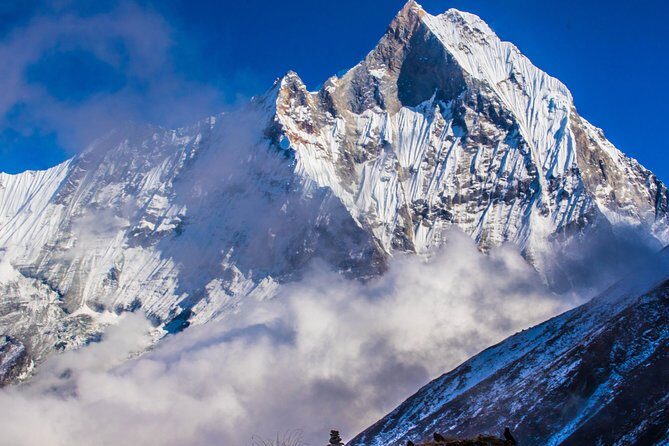
- Professional route knowledge: a team that has mapped the Annapurna Base Camp trek route hundreds of times.
- Sunrise payoff: Poon Hill for big early views, plus another dawn shot from Annapurna Base Camp (weather permitting).
- Meals and caffeine handled: breakfast/lunch/dinner on trek days, plus tea/coffee during trekking.
- Permits and purification included: ACAP, TIMS, local permits, plus a trekking map and water purification drop/tablets.
- Care-focused guides: reviews call out guides who set a good pace, stop when needed, and help solve problems.
- Private group experience: it’s listed as a private activity, so your group stays together.
Kathmandu arrival day: getting organized before the mountains
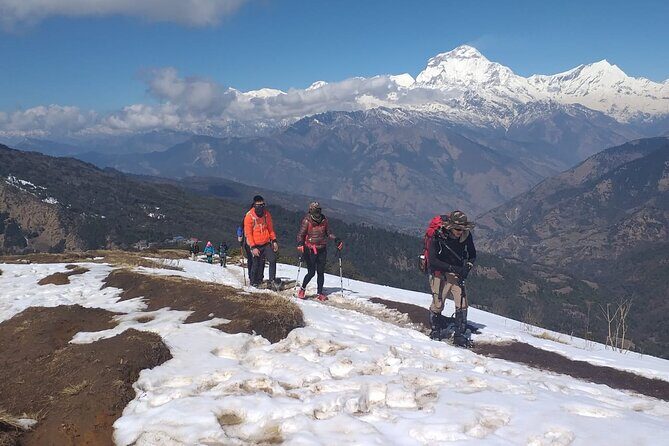
Your trek starts in Kathmandu, with the plan to meet you at Tribhuvan International Airport and then transfer you to your hotel. If you can, take half a day to rest—altitude waits for no one, but your body also likes not being rushed the moment you land.
What I like about this setup is that it reduces decision fatigue. You’ll also be escorted into the trek rhythm with a guide and clear next-step timing, instead of figuring out transport, permits, or logistics on your own. Also, because pickup is offered, you’re less likely to lose time to last-minute confusion in a busy city.
The only real caution here is mental: Nepal isn’t hard, but it can be fast. If you’re the type who hates waiting or prefers tight schedules, give yourself buffer time on arrival day so the rest of the trip feels calm.
You can also read our reviews of more hiking tours in Kathmandu


Kathmandu to Pokhara to Nayapul: the transport day that sets your pace
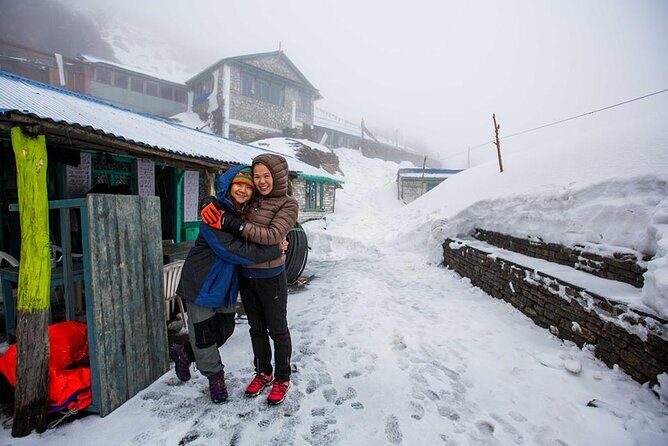
Day 2 begins with an early guide meet—6:30 am—then a short walk to Sorakhutte tourist bus station for a 7:00 am departure. You’ll drive from Kathmandu to Malekhu, which is a classic way to break up distance before the trekking part starts.
Then on Day 3, you’ll reach Pokhara for breakfast and transition toward the trek start. The guide arranges a car/taxi to the bus park, and from there you’ll take a sharing local bus/jeep toward Nayapul. The driving time listed here is about 1.5 hours.
Here’s the value: you’re not just “getting there.” The transport plan is timed so you reach the trail with enough energy to start properly rather than arriving late and exhausted. You’ll also learn the overall pacing early—something that matters because Annapurna punishes sloppy planning.
Potential drawback: shared vehicles can add stop-and-go unpredictability. If motion sickness hits you easily, pack what you need, because this portion is part bus/jeep rhythm rather than a private, smooth ride.
Day 4 to Day 7: classic Annapurna valley stages with sunrise energy
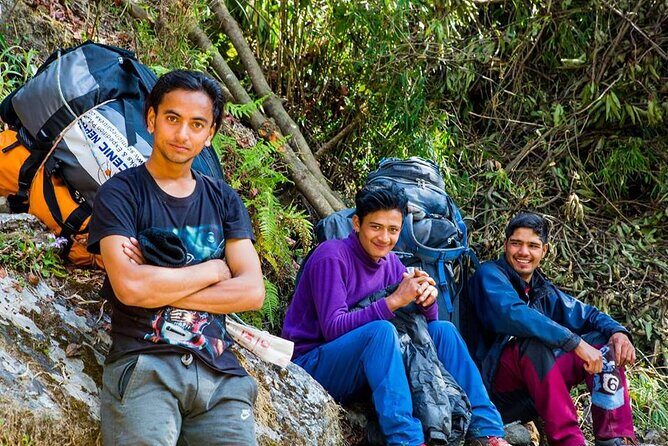
These middle days are where you’ll feel both the charm and the work of the Annapurna region.
Day 4: first mountain morning and the “still waking up” view
Day 4 is your first fresh morning on the mountain, with local sounds around you—donkey, goat, hen, dog—before sunrise views kick in. That contrast is part of the experience: the world feels alive, then the peaks start doing their thing.
This is also the day where you begin transitioning from travel mode to hike mode. The itinerary keeps the focus on getting you started smoothly rather than throwing you into a brutal climb immediately.
Day 5: Poon Hill at sunrise (Ghorepani) for big returns
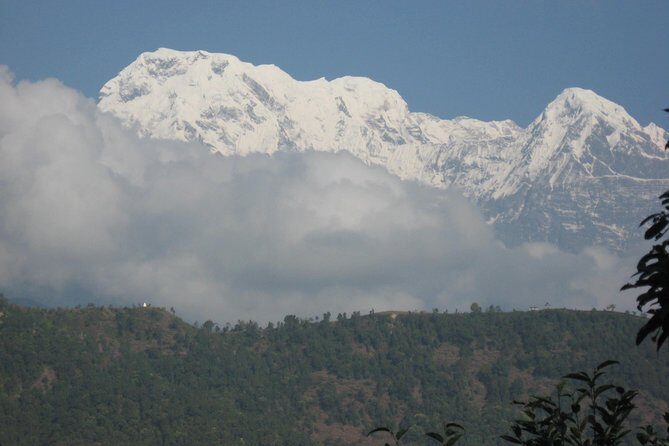
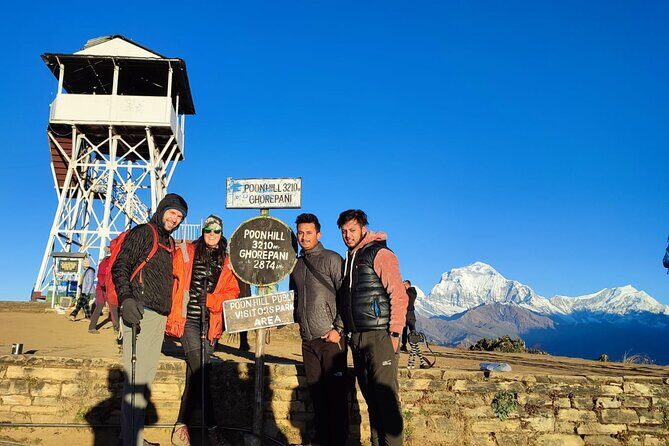
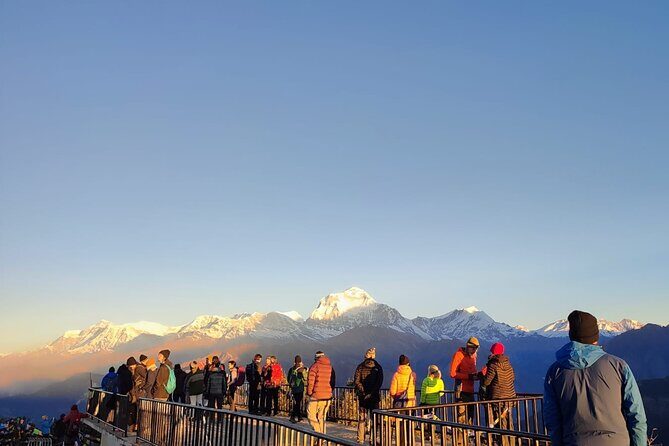
Day 5 is a chilly early start, with a hike of about 45 minutes to 1 hour to Poon Hill Viewpoint for sunrise. The route here is especially popular because it’s the kind of viewpoint where you can often count peaks—this itinerary notes 18 countable Himalayas peaks.
If you want one moment you’ll remember forever, this is usually it. Poon Hill is also a useful training day mentally: you’re doing a short, well-timed push uphill for a reward, then you can shift back into a longer trek day after.





Day 6: downhill relief to Sinuwa and arrival in Chhomrong
Day 6 shifts into downhill travel toward Sinuwa. That’s smart pacing because Sinuwa is described as a tiny village with views over Modi and Chhomrong Khola, and downhill sections are a chance to recover your legs.
You’ll arrive in Chhomrong during this day, which is one of the more well-known village areas on the Annapurna circuit style treks. Practically, it’s also a place where you’ll notice changes in scenery and the way villages sit against steep terrain.
Day 7: Sinuwa sunrise and the climb toward Deurali via Bamboo
After breakfast in Sinuwa, Day 7 brings an ascent toward Deurali, with a climb taking about 1.5 hours to reach Bamboo. The itinerary is written to help you understand the flow: start with a view moment, then step into the climb.
This is where a good guide matters. In the reviews, guides are praised for keeping pace fair and stopping if someone is tired. On days like this, you don’t want your group strung out, and you want someone watching the details so nobody is forced to “push through” in a way that makes altitude and fatigue worse.
Day 8 and Day 9: getting to Annapurna Base Camp, plus the dawn run
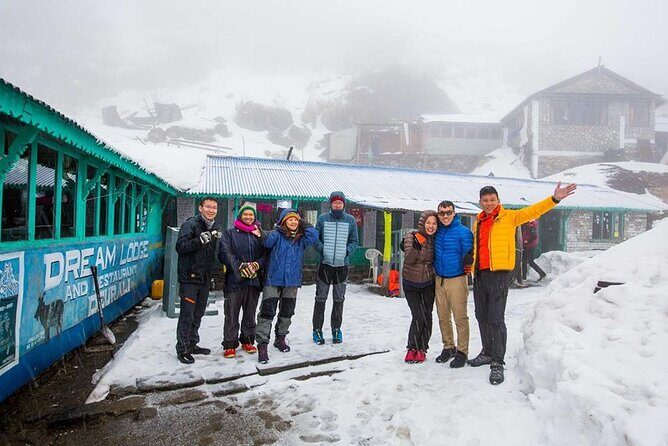
This is the heart of the trek, and the itinerary treats it like that.
Day 8: Machhapuchhre Base Camp passing and arrival energy at base camp
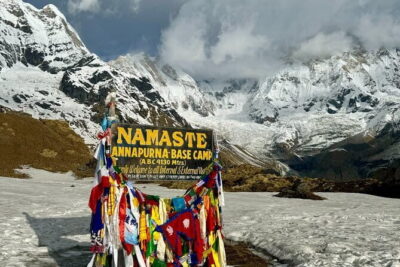
Day 8 is the day you trek to Annapurna Base Camp, described as encircled by stunning mountains. You’ll move toward base camp after passing through Machhapuchhre Base Camp area, which is a big part of why the approach feels scenic rather than just linear.
What this day means for you: the earlier you keep your effort controlled, the better you’ll enjoy base camp when you finally get there. A lot of people rush because they’re excited. The best value is in arriving calm enough to soak up views, take photos, and rest without feeling trashed.
Day 9: base camp dawn (if weather cooperates) and the return toward Sinuwa
On Day 9, you watch the dawn from Annapurna Base Camp if the weather is clean and clear. Then after breakfast, you return to Sinuwa via rugged trails and sparsely forested areas.
This is where you should adjust your expectations. Day 9 is not about “more mountain magic only.” It’s also about safe movement: rocky descents and changing footing. A guide who knows the route well helps you read the trail instead of guessing.
Days 10 to 11: the descent, village transitions, and the endgame in Kathmandu
Day 10: Sinuwa to Siwai, then ascent to Chhomrong
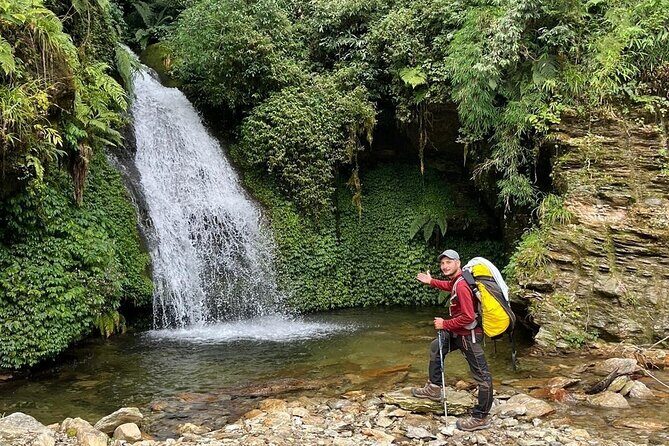
Day 10 is described as the final day of the adventure, with about two hours to reach Siwai from Sinuwa. You then ascend to Chhomrong again, taking in mountain vistas, cascades, and farmlands.
This day is a good reminder that “the end” doesn’t always mean flat. You’ll still be working, but the goal is clear: get to the endpoint trail-to-transport connection without overdoing it.
Day 11: Pokhara to Kathmandu with free time and a goodbye dinner
After breakfast, Day 11 includes heading from Pokhara back to Kathmandu, with the rest of the time free for you to relax or shop. There’s also a goodbye dinner in the evening.
What I like here is that you get a soft landing. You don’t end the trek and then immediately jump into more logistics. You can eat comfortably, do small souvenir browsing if that’s your thing, and reset your body for travel.
Day 12: final drop to the airport
Your last day is in Kathmandu. You fly to your next destination, and the team will drop you at the airport.
The guides and the safety factor: what reviews strongly reinforce
The itinerary itself signals a serious approach: an experienced team with more than two decades of Himalayan leadership and a professional group that has mapped this route hundreds of times.
The part that really pops is how reviews describe day-to-day care. Guides named in feedback include Prajil, Bhairas Tamang, Deepak, and Somnath Tripathi. Across those notes, the most praised themes are practical:
- Guides who explain what’s happening when you ask.
- Guides who keep a good pace and don’t rush people.
- Guides who stop and make sure everyone is alright if someone gets tired.
- Friendly humor and a calm way of handling problems.
- Added small comforts, like bringing snacks for tea time in guesthouses.
That doesn’t just sound nice—it’s operationally important on a trek. When you’re cold, tired, and focused on foot placement, reassurance and pacing become part of your safety plan.
Price and value: what $800 covers (and what to budget for anyway)
At $800 per person for this 12-day Annapurna Base Camp trek, the price is mainly about what the operator handles for you: planning, permits, food, and logistics.
Included highlights:
- Airport transfer services arrival/departure
- Ground transport Kathmandu–Pokhara–Kathmandu by tourist bus
- 11-night accommodations during the tour
- An experienced guide
- Trek meals: breakfast/lunch/dinner plus tea/coffee while trekking
- Pokhara to trek start point and trek ending point to Pokhara via private vehicle
- Trekking map and water purification drop/tablets
- All permits and fees: ACAP, TIMS, and local permits
- Government tax/VAT
Not included:
- International flights and Nepal entry visa
- Travel and health insurance (emergency rescues/evacuations)
- Personal expenses like snacks, drinks (beer/coke/juice), Wi‑Fi
- Meals in Kathmandu and Pokhara
- A trekking porter (if you need one)
- Tips for the guide (expected)
So the value question becomes simple: if you’d otherwise pay for a guide, permits, meals, and most of the transport chain, this package can be a good deal. The main “gotcha” is personal carry and after-trek meals and tips. If you want less load, budget for a porter. If you drink paid beverages at tea houses, plan extra cash on top of the $800.
What the itinerary days feel like on your body (altitude logic without guesswork)
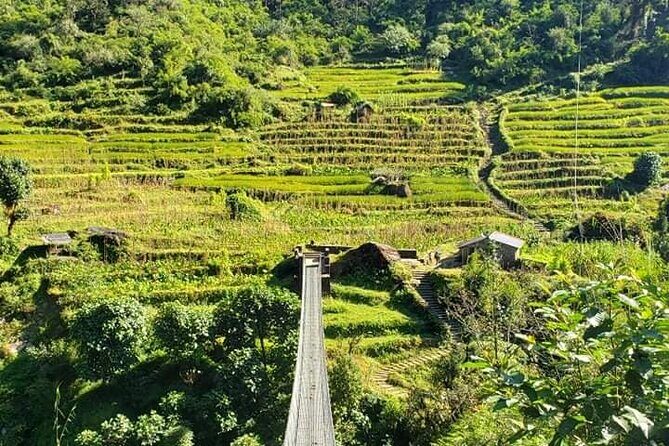
The itinerary is built with day-to-day movement that generally makes sense for a 12-day program: early starts for sunrise viewpoints, a downhill recovery day, and then a steady climb pattern toward Deurali and base camp.
Still, altitude and weather can’t be controlled. The itinerary notes chilly mornings, and the base camp dawn is explicitly conditional on clean weather. That’s a real-world reminder: you’ll want gear for cold mornings and layered clothing, even when the sunshine later in the day looks friendly.
From a “how to not ruin your trip” standpoint, the biggest practical lever you control is your pace. With guides like the ones praised in reviews—people who stop if you’re tired—you’re more likely to keep effort steady instead of sprinting at the wrong moments.
Gear and habits: simple steps that fit this route
I can’t tell you exactly what you should pack beyond what the trek data implies, but I can tell you what matters for this kind of Annapurna experience:
- Layering beats one warm jacket because you’ll likely feel cold during early sunrise starts.
- Bring what you need for personal water habits. The trek provides purification drop/tablets, which helps, but you’ll still manage how much you drink.
- Tea house snacks and drinks cost extra. The package covers tea/coffee, but not everything you might want to buy.
- If you think you’ll want a porter, decide that before you reach the trail. Since porters aren’t included, you don’t want to be improvising when your legs are already tired.
If you want maximum comfort-to-effort ratio, plan for the fact that some days include downhill and some include ascents. Your legs will feel it either way.
Should you book Nepal Nirvana Trails for Annapurna Base Camp?
If you want a classic Annapurna Base Camp trek with well-run logistics, this looks like a strong match. You get meals on trek days, permits handled, water purification support, and a guide team repeatedly praised for pacing and care. Guides named in reviews—Prajil, Bhairas Tamang, Deepak, Uttar, Buddha, and Somnath Tripathi—are all associated with organization, safety, and being helpful in the moment.
I’d especially recommend this trip if:
- you value clear planning over constant decision-making,
- you prefer a guided pace that adjusts when someone struggles,
- you’re aiming for the sunrise highlights without having to scramble for transport or timing.
I’d think twice if:
- you expect a porter by default (it’s not included),
- you don’t want to pay tips or handle personal expenses in the trekking area,
- you’re sensitive to shared-vehicle days during the Kathmandu–Pokhara–trail transitions.
My call: if you’re ready for a real Himalayan trek and you like being guided by people who pay attention, this is a solid way to reach Annapurna Base Camp without turning the trip into a logistics project.
FAQ
What is the meeting point and start time?
The start meeting point is Tribhuvan Airport in Kathmandu, Nepal, with a listed start time of 6:15 am.
Where does the trek end?
The end point is Cooperative Department, Deurali Club, 44600, Kathmandu, Nepal.
How do I get from Kathmandu to Pokhara and onto the trek?
Ground transportation from Kathmandu to Pokhara and back to Kathmandu is by tourist bus. Pokhara to the trek start point, and the trek ending point back to Pokhara, is by private vehicle.
Are meals included during the trek?
Yes. The package includes meals while trekking: breakfast/lunch/dinner, plus tea/coffee.
Are permits included?
Yes. Permits and fees included are ACAP, TIMS, and local permits.
Is airport transfer included?
Yes. Airport transfer services are included for both arrival and departure.
Is water purification provided?
Yes. The trek includes a trekking map and water purification drop/tablets.
Do I need to buy my own trekking porter?
A trekking porter is not included if you need one, so you would need to arrange that separately.
Does the price include international flights and travel insurance?
No. International flights and Nepal entry visa are not included, and travel/health insurance that covers emergency rescues and evacuations is also not included.
What is the cancellation rule?
Free cancellation is available if you cancel up to 24 hours in advance of the experience start time for a full refund. Changes within 24 hours are not accepted.