REVIEW · POKHARA
3-Day Ghandruk Loop Trek from Pokhara
Book on Viator →Operated by Breakfree Adventures Pvt. Ltd. · Bookable on Viator
Big Himalayan views in just three days. This guided Ghandruk loop is built for people who want the famous Annapurna vibe without the full-blown weeks-long trek. I like the way it handles logistics with pre-booked lodges and all-inclusive meals, plus a clear, day-by-day route through Gurung villages and viewpoints like Ghandruk and Pothana. The main consideration: it’s still real hiking every day, so you’ll trade comfort for time saved, not avoid effort.
What really makes it feel smooth is the door-to-trail setup. You get pickup from your Pokhara hotel, then a private drive to the trek start, and a vehicle waiting at the finish in Phedi back to town. I also like that you’re not left on your own—there’s an experienced English-speaking guide and porter support if you need it, which helps a short trek feel manageable (and safer).
In This Review
- Key things that make this trek work
- Why This 3-Day Ghandruk Loop Feels Like a Real Taste of Annapurna
- Route Snapshot: Nayapul → Ghandruk → Pothana → Phedi → Pokhara
- Day 1: Nayapul Start, Ascend to Ghandruk, and the Gurung Museum Stop
- Day 2: Sunrise Over the Himalayas, Modi Khola Descent, and Pothana’s Ridge Views
- Day 3: Morning Time at Pothana, the Finish at Phedi, and Back to Pokhara
- Price and Value: What $330 Covers and What It Doesn’t
- Your Guide and Porter Setup: Why People Feel Safe on a Short Trek
- What to Pack for Ghandruk Loop Comfort (and Fewer Surprises)
- Who This Trek Suits Best
- FAQ
- Where does the trek start and end?
- Is pickup from Pokhara included?
- How long is the trek?
- What are the main places you visit?
- Are meals included?
- Do I need permits?
- What photos do I need to bring?
- Is there a guide and porter support?
- What’s not included in the price?
- Is the guide and porter ratio fixed?
- Can I cancel and get a refund?
- Should You Book This Ghandruk Loop Trek from Pokhara?
Key things that make this trek work
- Pre-arranged lodge stays mean you spend your energy walking, not searching for rooms
- Meals are included on the trek, so you’re not constantly doing food math
- Ghandruk + Gurung museum give cultural context in the middle of the mountain views
- Sunrise from the ridgeline area adds drama to Day 2 without extra days
- Porter support (1 porter for 2 trekkers) keeps the pack weight realistic for a 3-day hike
Why This 3-Day Ghandruk Loop Feels Like a Real Taste of Annapurna
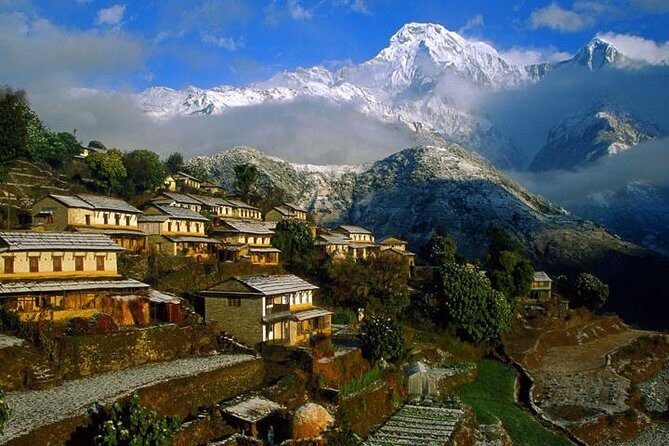
Let’s be honest: “Annapurna” often means a huge commitment. That’s why this version hits a sweet spot. You get the early part of the classic route—enough to see iconic peaks and village life—but in a tight time window of about three days.
The itinerary is practical. It doesn’t pretend the trek is effortless; it just avoids the long, slow grind of a multi-week approach. By using pre-booked guest houses/lodges and meals during the trek, the day-to-day rhythm stays predictable. That matters when you’re tired and the weather shifts. You’re also not improvising your own logistics between villages, which is a big deal in mountain terrain.
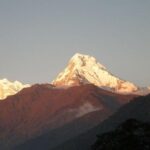
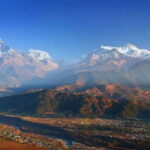
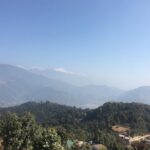
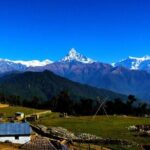
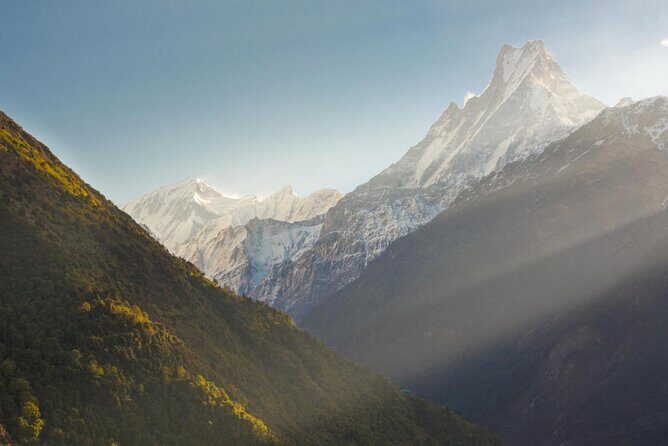
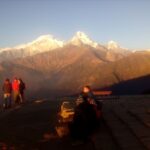
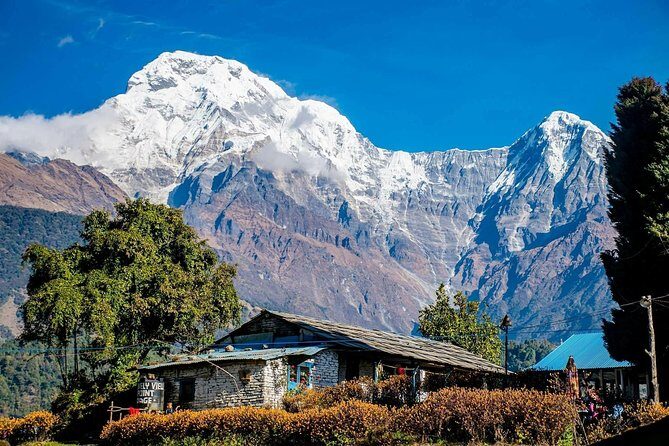
And the views are the reason most people sign up. From Ghandruk you can look out toward a cluster of peaks in the Annapurna world—Annapurna South, Gangapurna, Annapurna II, Hinuchuli, and Fishtail (Machhapuchhare). Then on Day 2 and Day 3, the route climbs and positions you for ridge and Himalayan-massif views around Deurali, Pothana, and Phedi.
The result: you return to Pokhara with photos you actually waited for, and a sense of the trail you can later build on if you want a longer Annapurna adventure.
You can also read our reviews of more hiking tours in Pokhara
Route Snapshot: Nayapul → Ghandruk → Pothana → Phedi → Pokhara
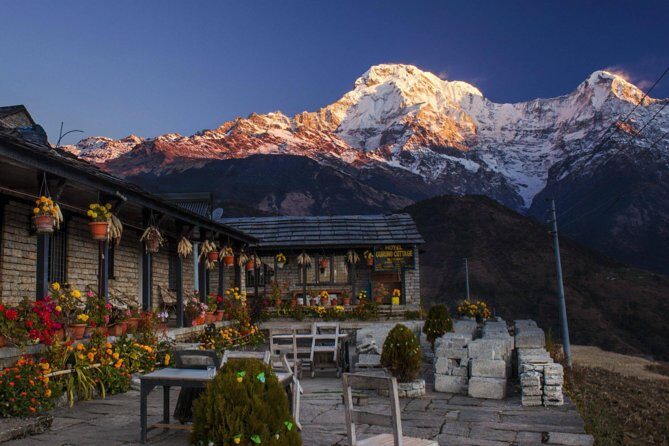
You’ll start with a drive from Pokhara to Nayapul, which is a smart way to jump onto the trail without wasting daylight. From there, the trek works as a loop-style intro: you ascend to Ghandruk on Day 1, move over village-and-ridge terrain toward Pothana on Day 2, then drop down toward Phedi on Day 3 for an end-of-trek vehicle pickup.
The stops are more than boxes on a map. Ghandruk anchors the cultural side. Pothana adds the ridge-view payoff. Phedi is the practical finish, where the transport is waiting for the ride back to Pokhara and your hotel drop-off.
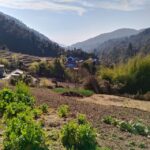
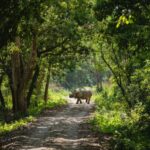
Also, this route includes some classic trail scenery elements that make a short trek feel bigger than its length: you’ll pass through paddy fields, you’ll walk through sections with lush green forest, and you’ll get multiple chances to look up at major peaks rather than just walking past them.
If you like tight itineraries with a clear finish line, this one is your friend.
Day 1: Nayapul Start, Ascend to Ghandruk, and the Gurung Museum Stop
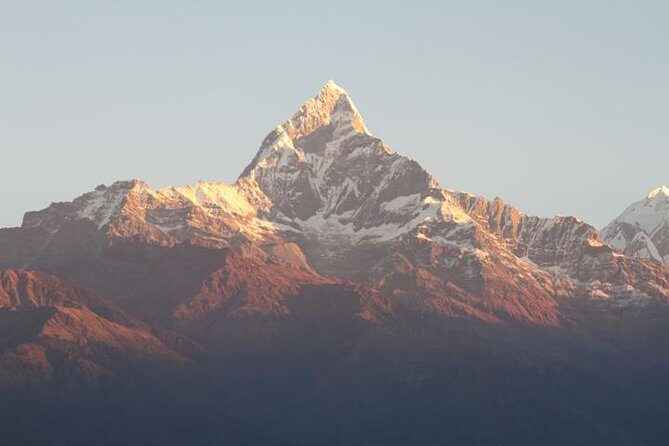
Day 1 starts with a hotel meet-up in Pokhara, then a drive to Nayapul. Once you begin trekking, the first push is uphill toward Ghandruk. That’s where you start stacking the trail moments: mountain views on the way up, then the village arrival.
On the way to Ghandruk, you get en-route panoramas that can include the Annapurna range and Manaslu, along with other surrounding peaks. It’s a good introduction because it’s not just scenery at the end—it’s scenery while you work.
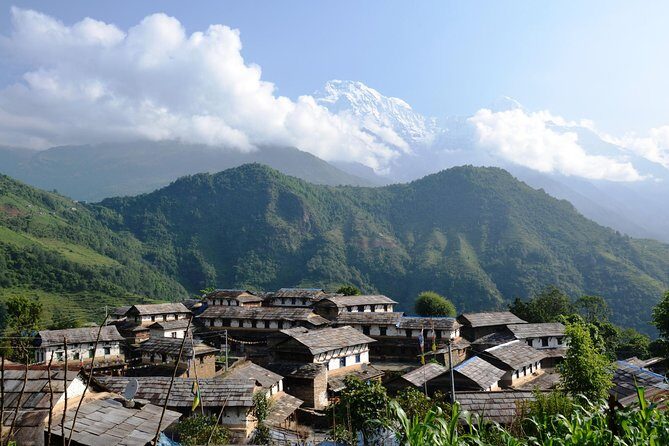
Ghandruk itself is the anchor point of the loop. This is a Gurung village in the Annapurna region, and it’s known for that postcard-arrival feeling once you get there. You’ll visit the Gurung museum, which adds more depth than you’d expect for a 3-day itinerary. It’s a quick way to understand the people and place you just started hiking through.
From Ghandruk, the views are a highlight. You can spot Annapurna South, Gangapurna, Annapurna II, Hinuchuli, and Fishtail (Machhapuchhare). That peak list may sound like a brochure, but the point is simple: you’re not looking at one mountain—you’re looking into a whole set of dramatic faces of the Himalayan chain.
One practical note: you’ll want to be ready for a full Day 1 walking block after the drive. Even with a guided, time-saver setup, the route begins with effort.
Day 2: Sunrise Over the Himalayas, Modi Khola Descent, and Pothana’s Ridge Views
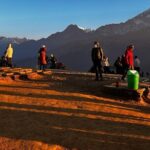
Day 2 begins early, with a sunrise moment over the mountains. You’ll have a morning window when the first rays hit the Himalayas. Even if you’re not a hardcore sunrise person, this is one of those “good use of time” ideas—because you’re already up and moving, and it adds a big emotional payoff to a short trek.
After breakfast, the trek moves toward Pothana. The route starts with a descent down to Modi Khola, then turns into a climb up toward Landruk village. The trail then continues through paddy fields and reaches Deurali before continuing onward to Pothana.
Here’s why that pattern matters: short treks can feel monotonous if every day is either only ascent or only descent. This one gives you rhythm. You descend, recover your breathing a bit, then climb again. You also get variety in what the trail looks like—rice-growing terraces or paddy fields, then higher village and ridge sections.
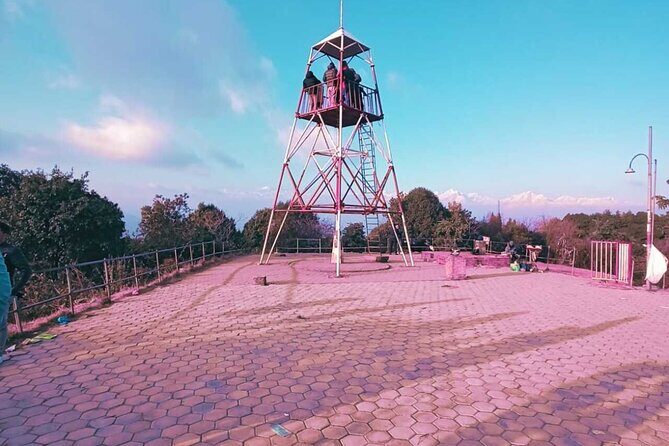
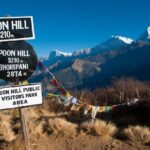
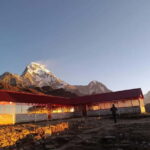
Pothana is the place you’ll feel the “payoff.” It’s described as a rural mountain village on a ridge, and it offers great views of the Annapurna massif, Fishtail, and other mountains. That ridge position is exactly what you want on a mini trek. You get a wide horizon without needing a long multi-day climb to earn it.
If you’re the kind of hiker who enjoys stopping for photos and then actually still enjoying the walk afterward, this day fits your style.
Day 3: Morning Time at Pothana, the Finish at Phedi, and Back to Pokhara
Day 3 starts with a morning at Pothana. You’ll spend some time there early, and the whole point is the views. From the ridge, you can look out across the Annapurna massif and see Fishtail and other peaks. It’s a calm way to end compared with how intense the middle of a longer trek can feel.
Then the trek begins to Phedi. Along the way, you’ll pass through areas with lush green forests, plus more good views of the Himalayas. This is where the short loop finishes the story: you started in a village viewpoint, moved to a ridge lookout, and now you get the green transition toward the trail’s end.
When you reach Phedi, your vehicle is waiting. From there, you drive back to Pokhara with drop-off at your hotel. That final “you don’t have to guess how you get back” piece is a major quality-of-life benefit. After three days of walking, having transport queued up keeps the end of your trek from turning into a stress session.
Also, in a trek like this, the last day can be mentally tricky. If you’ve pushed hard on Day 1 and Day 2, it’s easy to get tired before the finish. The structure here helps: you know there’s an endpoint and a pickup.
A few more Pokhara tours and experiences worth a look
Price and Value: What $330 Covers and What It Doesn’t
At $330 per person, this trek is priced like a proper guided service, not like a DIY “just show up” hike. The value comes from what’s included:
- Private vehicle transfers: Pokhara ↔ Nayapul and Phedi ↔ Pokhara
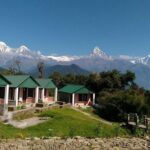
- Accommodation in guest houses/lodges during the trek
- Meals during the hiking days (breakfast, lunch, dinner are included)
- An English-speaking trekking guide plus porter support
- TIMS card fees and ACAP Trek permit (with required photos)
- Taxes and office service charges
That’s the bulk of what usually costs time and money when you DIY it: permits, arranging lodging, building meal plans, and lining up a guide and porter. By including permits like ACAP Trek permit and handling TIMS card fees, you’re reducing hassle before you even start walking.
What’s not included is also important for budgeting:
- Personal expenses like phone calls, internet, laundry, bar bills, battery recharge, and hot showers (if available)
- Drinks of any kind (tea/coffee, boiled water, bottle water, and similar items)
- Tips for guide/porters (expected but not mandatory)
My take: this is a fair price if you want comfort with planning—especially if you’re trying to do the Annapurna experience in limited time. If you already have permits, a guide, lodging, and you’re comfortable handling your own transport, you might find cheaper options. But for most people, the included setup is what makes this 3-day version actually work.
Your Guide and Porter Setup: Why People Feel Safe on a Short Trek
This trek leans on the idea that you can make short treks feel safer and less stressful with the right support. You travel with an experienced English-speaking trekking guide, and you also get porter help if needed—listed as 1 porter for 2 trekkers. Porters are included with transportation, food, accommodation, salary, equipment, and insurance.
In plain terms: your energy goes to walking and enjoying the route, not to carrying everything on your back plus figuring out logistics.
The review experience is consistent with that. Guides like Ramesh and Bhattabaikuntha came up in feedback as friendly, with a trip feeling safe and fun. That combination matters. Safety on a trek isn’t just gear—it’s route knowledge, pacing, and how confidently someone handles the everyday moments.
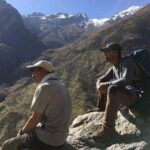
A short trek can be intimidating if you’re new. Having a guide who can manage the day, explain what you’re seeing, and keep the group on track can turn “we’re surviving this” into “we’re actually having fun.”
What to Pack for Ghandruk Loop Comfort (and Fewer Surprises)
Because this is only about three days, you can pack smart and not bring the full expedition kit. But you still want the basics ready for changing weather and early starts.
From what’s included, you’ll handle the following on your own: drinks, personal items, internet/phone needs, and extras like hot shower access. So pack for comfort and plan for buying drinks separately.
Here’s a no-drama approach:
- Bring a daypack for water, snacks, a layer, and small essentials
- Bring rain protection (mountain weather shifts fast)
- Bring a warm layer for early morning timing, especially for sunrise moments
- Plan for walking shoes you trust, because you’ll hike daily on a mix of trail types
- Bring the required photos ahead of time for documentation: the trip asks you to provide 2 passport-size photos for TIMS & permit
The trek includes meals, so you won’t worry about finding food each time you stop. But drinks are separate, so keep cash or cards ready for the places along the route where you can buy what you need.
Who This Trek Suits Best
This mini trek is a strong match if you want a guided Annapurna intro without committing to a long trek. It’s also a good fit if you like village walking, ridge views, and a predictable plan with pickups and a vehicle waiting at the end.
You’re likely to enjoy it most if you:
- Have limited time in Nepal but still want the Annapurna experience
- Prefer a guided group setting with an English-speaking guide and porter support
- Like culture stops like the Gurung museum rather than only peak-chasing
- Want to return to Pokhara with energy left for dinner and a lakeside stroll
If you’re the type who wants complete freedom and doesn’t want to pay for permits and guide support, then you might prefer a DIY approach. But for the majority of people, the included structure makes this feel like value.
FAQ
Where does the trek start and end?
It starts with a drive from Pokhara to Nayapul, then you trek to the Ghandruk area on Day 1. On the final day, the trek ends at Phedi, and a vehicle takes you back to Pokhara with hotel drop-off.
Is pickup from Pokhara included?
Yes. Pickup is offered from your Pokhara hotel area, with private vehicle transfers included for the trek start and finish.
How long is the trek?
The trek runs for 3 days (approximately).
What are the main places you visit?
You trek from Nayapul to Ghandruk, then onward toward Pothana (with stops like Landruk and Deurali along the way), and finish at Phedi before returning to Pokhara.
Are meals included?
Yes. Meals are included during the trek, including breakfast, lunch, and dinner.
Do I need permits?
Yes. The trip includes the ACAP Trek permit and TIMS card fees.
What photos do I need to bring?
You need 2 passport-size photos for TIMS & permit.
Is there a guide and porter support?
Yes. You’ll have an experienced English-speaking trekking guide, and porter support is included with the setup listed as 1 porter for 2 trekkers.
What’s not included in the price?
Personal expenses and any drinks are not included. Tips for guide and porters are expected but not mandatory.
Is the guide and porter ratio fixed?
The included details specify 1 porter for 2 trekkers, so the support is planned around that ratio.
Can I cancel and get a refund?
Yes. You can cancel up to 6 days in advance for a full refund. Shorter notice reduces refunds, and changes less than 2 full days before the start time are not accepted.
Should You Book This Ghandruk Loop Trek from Pokhara?
Book it if you want the Annapurna experience in a short window and you value a setup that removes planning stress. The combination of pre-booked lodge stays, meals included, private transport, and guide/porter support makes this feel like a smart shortcut to a classic trek experience.
Skip it if you’re chasing maximum independence or you want to control every part yourself, because drinks and personal extras are on you and you’re paying for the included guidance and logistics. If you’re deciding between doing a full trek or only a taste, this is a very reasonable way to taste first—and then decide whether you want more Annapurna later.