REVIEW · POKHARA
Pokhara: Day City Tour by Sharing Bus
Book on Viator →Operated by Couch Adventure Nepal (CAN) · Bookable on Viator
Pokhara in 6–7 hours sounds impossible, but this day bus tour makes it practical. You’re set up with lakeside pickup and a packed route that cycles from temple viewpoints to caves and waterfalls. It’s the kind of day that helps you get your bearings fast.
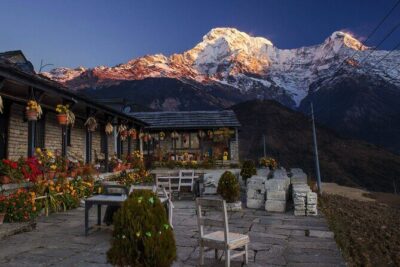
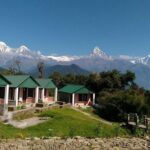
I especially like the built-in Annapurna mountain views—first from Shree Bindhyabasini Temple and later again from Dream City Pumdikot. I also like that the tour gives you variety without extra planning: cave stops, gorge geology, and lake-side time in one loop.
One thing to watch: it’s a sharing bus, and there have been complaints about overbooking and seat comfort. Also, don’t assume every day runs exactly the same—if Begnas Lake is important to you, confirm it with the operator the day you book or before you board.
In This Review
- Key things to know before you go
- Price and logistics: what you really get for $9.77
- How the 6–7 hour loop fits together
- Stop 1: Shree Bindhyabasini Temple and Annapurna views
- Stop 2: Mahendra Cave for a different kind of Pokhara
- Stop 3: Seti River Gorge—quick, cool, and very Pokhara
- Stop 4: Devi’s Fall for the waterfall moment
- Stop 5: Gupteswar Gupha adds texture and mystery
- Stop 6: Fewa Lake side time and walking back to your hotel
- Stop 7: Dream City Pumdikot for Shiva statue and panoramic views
- What the group experience feels like (and how to make it better)
- Entrance fees and snacks: budgeting without surprises
- Who this tour suits best
- Should you book the Pokhara day city tour by sharing bus?
- FAQ
- What time does the tour start?
- How long is the Pokhara day city tour?
- Is pickup and drop-off included?
- What places are visited on the tour?
- Are entrance fees included?
- Are meals and drinks included?
- Do I get a guide?
- What’s the group size limit?
- What’s the cancellation policy?
Key things to know before you go
- Lakeside pickup and drop-off: you don’t have to arrange separate transport around Phewa Lake.
- Annapurna viewpoints at two stops: temple views plus a later panoramic look from Pumdikot.
- Two cave visits: Mahendra Cave and Gupteswar Gupha add variety beyond falls and lakes.
- Classic Pokhara water highlights: Seti River Gorge and Devi’s Fall are both on the day’s route.
- Dream City Pumdikot admission is included: you won’t be surprised by that particular ticket.
- Max 20 people: you’ll share the day with a small enough group that it usually stays organized.
Price and logistics: what you really get for $9.77
At $9.77 per person, this tour is priced for people who want a lot of sights without spending much. You’re not paying for private comfort. You’re paying for a route, shared transport, and a guided day structure.
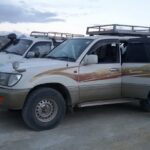
The ride is a “sharing normal mini bus,” and the cap is 20 travelers. That matters because timing in Pokhara can get tricky. On a day tour like this, the operator’s goal is to keep stops moving and keep you from getting stranded between sights.
Pickup is offered inside the lakeside area of Pokhara, and you get drop-off back on the Phewa Lake side area at the end. You’ll also get a mobile ticket, which is convenient if you don’t want to juggle printed paperwork.
Two practical cautions based on what I see can go wrong on shared tours:
- Seat space can be tight. If you’re particular about comfort, arrive a little early at pickup and be ready for basic seating.
- Itinerary changes can happen. One past experience complained that Begnas Lake wasn’t visited as expected. So if Begnas matters to you, treat it as a “verify the day-of” item rather than a guarantee.
Good news: the tour includes a local guide, but you may need to ask the guide if you want basic information. That’s a smart setup for travelers who just want the route—still, it means you should be proactive if you want context.
You can also read our reviews of more city tours in Pokhara
How the 6–7 hour loop fits together
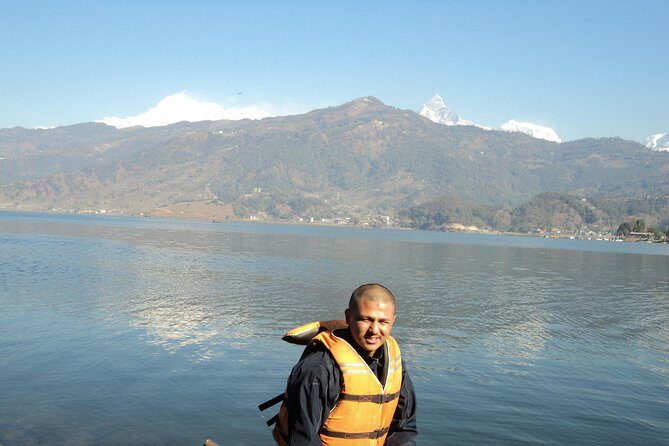
The day tour runs about 6 to 7 hours, starting at 9:45 am. The schedule is built around travel between nearby areas, then short stops you can actually enjoy without feeling rushed all day.
A helpful way to think about it: this is a “see it, walk around briefly, move on” itinerary. You’re not signing up for long museum-style visits. You’re stacking Pokhara highlights and viewpoints in one continuous day.
Also, note the timing rhythm:
- Several stops land in the 20–40 minute range.
- The longer “value” time blocks are the viewpoints and caves.
- The end of the day gives you lake-side freedom: you can walk back to your hotel from the Phewa Lake area.
If you only have a short stay in Pokhara, this format can be a lifesaver. If you hate group pacing, you’ll need to mentally switch from slow travel to “efficient sightseeing.”
Stop 1: Shree Bindhyabasini Temple and Annapurna views
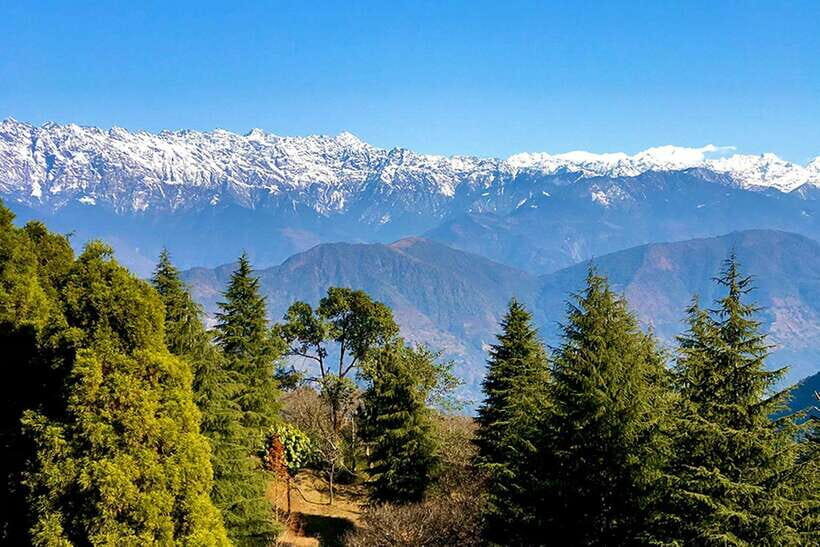
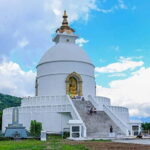
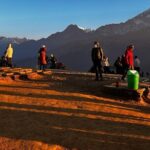
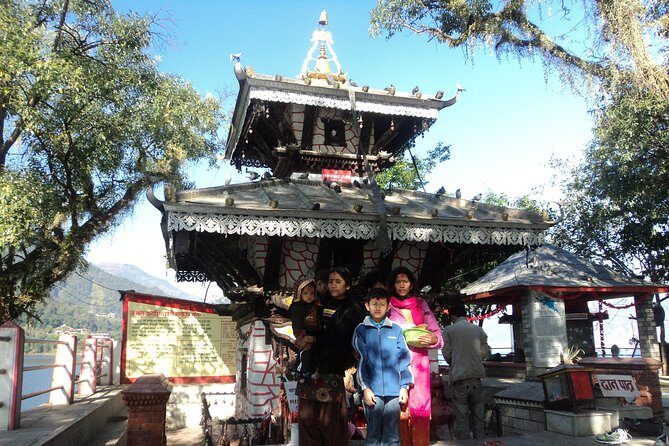
You start at Shree Bindhyabasini Temple. It’s the first big payoff of the day: after pickup, you drive up, visit the Hindu temple, then take in the view from the top.
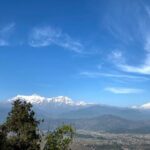
The stop is listed as about 35 minutes, and the admission ticket is free. That combination is what makes this a great opener. You get payoff without a fee, and you set yourself up for the rest of the day by seeing how Pokhara sits under the Annapurna range.
What you’ll likely enjoy most here is the mix of:
- a real temple visit (not just a quick photo stop)
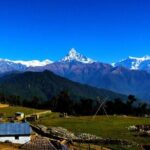
- a strong viewpoint over the Pokhara valley and Annapurna mountain range
Practical tip: if you care about photos, don’t treat this as a “rush through it” stop. The best angles come from where you pause, not where you pass. Even within 35 minutes, you can get a solid photo set if you stay alert and move with intention.
Stop 2: Mahendra Cave for a different kind of Pokhara
Next up is Mahendra Cave, around 30 minutes. Cave time is one of those things where expectations matter. You’re not looking at a theme park experience—you’re visiting a cave space, and the value is in the atmosphere and the novelty of the route.
The itinerary lists admission for Mahendra Cave as not included, so budget a bit for entrance. The good part is that you’re getting a shift in scenery after the temple viewpoint. That contrast keeps the day from feeling repetitive.
If you’re thinking about comfort: wear shoes that work well on uneven ground. Also bring a quick hand for items like water and small snacks so you’re not rummaging in the group line.
Stop 3: Seti River Gorge—quick, cool, and very Pokhara
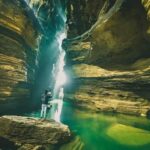
Then you go to Seti River Gorge for about 20 minutes. This is a short stop, but gorge stops are usually about viewpoint and understanding the terrain—more “look and learn” than “stay and explore.”
Admission is not included, so again: plan on paying entrance or whatever small fee is required at the spot. The real reason this stop is worth it is variety. After temples and caves, you get a different kind of natural feature: water-carved rock and a dramatic sense of place.
For the best experience in a 20-minute window:
- get oriented fast
- pick one or two viewing points
- take photos, then refocus on the terrain rather than chasing every angle
Short stops like this can feel rushed if you let them. If you treat it as a quick “read the landscape and move,” it works.


Stop 4: Devi’s Fall for the waterfall moment
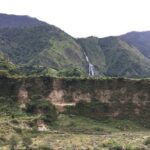
After that comes Devi’s Fall, about 30 minutes. Devi’s Fall is one of Pokhara’s best-known water stops, and this schedule gives you enough time for the basic circuit without forcing you into a long hike day.
Admission is not included. So this is one of the places where you’ll likely pay on the spot (or pay through whatever system the guide follows).
What I like about Devi’s Fall in a day tour context is that it’s a memorable centerpiece. Even if you’re not a waterfall person, the “wow” factor is usually immediate. It helps anchor the day so you don’t feel like you just chased random entrances and corridors.
If you want photos, aim to move early within the stop time. Popular spots can get busy, and waiting for an empty view can cost you your whole 30 minutes.
Stop 5: Gupteswar Gupha adds texture and mystery
Next is Gupteswar Gupha (the Gupteshwor Cave) for about 40 minutes. This stop has the longest cave time after the temple. That extra chunk matters because caves can take a while to fully walk through at a comfortable pace.
Admission is not included again, so budget for entrance fees.
Why this stop is valuable: you get a second cave experience in the same day, which gives the tour real variety. You’re not just repeating the same type of stop twice; Mahendra Cave and Gupteswar Gupha offer different vibes and different visuals, even if you only have limited time in each.
Practical advice: keep expectations realistic. You’re touring a cave—so plan for basic conditions like uneven ground and the need to watch your footing.
Stop 6: Fewa Lake side time and walking back to your hotel
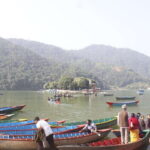
At the end, you head back toward Phewa Tal (Fewa Lake) for about 30 minutes. This is a smart choice for a day tour because it’s not another “pay and enter” activity. It’s time to reset and enjoy the lake area without feeling locked into one final attraction.
The itinerary says you’ll drive to the Phewa Lake side area and then you can walk back to your hotel from there. That means the tour ends where many people actually stay—lakeside.
Admission isn’t listed here, which makes it an easy landing point. If you’re tired, this section is your decompression window. If you’re not tired, it’s a great time to grab a drink, do a quick stroll, or simply watch boat movement and lake life.
Stop 7: Dream City Pumdikot for Shiva statue and panoramic views
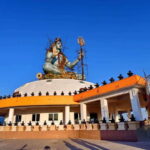
The final featured stop is Dream City Pumdikot, about 25 minutes. This is where the tour earns its “last wow” feeling.
Two key details:
- Admission is listed as included here.
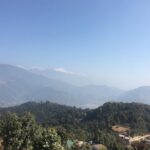
- You’ll visit the village area with a statue of Lord Shiva and a panoramic view of the Annapurna Mountain range.
This is another viewpoint moment, and it helps you close the day with the scenery you came for. If you’re traveling as a couple or family, this stop can be the one where everyone finally slows down for a shared photo moment.
In practical terms, 25 minutes is just enough to enjoy the views if you move efficiently. If you linger too long talking, you might end up rushing photos at the end. I’d treat it like: take in the scene, then get your pictures while you still have time to breathe.
What the group experience feels like (and how to make it better)
This is a shared day tour with a small cap of 20 travelers. That’s a good middle ground: big enough to feel easy to join, small enough that you can usually hear the guide and see what’s going on.
But shared tours are also where you notice differences in comfort. One unhappy experience mentioned an overbooked bus and difficulty getting a proper seat. That doesn’t mean it’s guaranteed every day, but it’s a heads-up.
To improve your odds:
- get to the pickup point promptly
- bring a small bottle of water (meals aren’t included)
- wear layers if the morning feels cool and midday feels warm
- keep your phone charged for photos and a mobile ticket
The guide is included, but basic information may depend on whether you ask. If you want context—like why a cave stop matters or how these water features connect to the region—say so early in the day. Guides are usually happiest when you help them help you.
Entrance fees and snacks: budgeting without surprises
Here’s the simple math mindset for your day:
- Entrance fees are not included for most sightseeing stops.
- The tour notes entrance fees are around $10 total.
- Shree Bindhyabasini Temple is free.
- Dream City Pumdikot is listed as included.
Meals and drinks are not included, but they should be available for purchase. So plan for a snack-and-drink day rather than a full meal break.
My practical recommendation: don’t rely on finding time for a proper meal. Instead, think small and flexible—grab something light before the tour if you can, then buy drinks as needed.
Also, keep some small cash or ready-to-pay method for entrance fees. Even if the guide handles it, you don’t want to delay the group while you figure out payments.
Who this tour suits best
This tour fits best if you:
- have limited time in Pokhara and want a strong “greatest hits” day
- like mix-and-match sightseeing (viewpoints, caves, waterfalls, lake area)
- don’t mind sharing a mini bus and working around group pacing
- want a low-cost day plan with pickup included
It’s less ideal if you:
- need guaranteed seat comfort in a shared bus
- want long stays at each attraction
- are very sensitive to itinerary variation (especially if Begnas Lake is a must-do for you)
If you’re traveling as a family, the shared format can be a fun, structured day—one past experience mentioned a great family time on this kind of bus tour setup.
Should you book the Pokhara day city tour by sharing bus?
If you want value and you’re okay with group logistics, I think this is a good booking. The price is low, the route is varied, and the day ends in a useful place near the lake where you can continue your trip on foot.
Just do two things before you go:
1) confirm the day-of inclusion for anything you care about—especially if Begnas Lake is on your personal checklist
2) be ready for basic seating on a shared mini bus, since overbooking complaints have happened
If you show up flexible and focused on the major highlights—Annapurna views from Shree Bindhyabasini Temple and Pumdikot, plus caves and Devi’s Fall—you’ll likely come away feeling like you made the most of a short Pokhara stay.
FAQ
What time does the tour start?
The tour starts at 9:45 am.
How long is the Pokhara day city tour?
It runs about 6 to 7 hours.
Is pickup and drop-off included?
Yes. Pickup and drop-off are included within the Lakeside area of Pokhara.
What places are visited on the tour?
The stops are Shree Bindhyabasini Temple, Mahendra Cave, Seti River Gorge, Devi’s Fall, Gupteswar Gupha, Phewa Tal (Phewa Lake side area), and Dream City Pumdikot.
Are entrance fees included?
Most entrance fees are not included. Entrance fees are around $10 total, with Shree Bindhyabasini Temple listed as free and Dream City Pumdikot listed as included.
Are meals and drinks included?
No. Meals and drinks are not included, but they are available for purchase.
Do I get a guide?
A local guide is included, and you may need to ask the guide if you want basic information.
What’s the group size limit?
The maximum number of travelers is 20.
What’s the cancellation policy?
Free cancellation is available up to 24 hours in advance for a full refund. If you cancel less than 24 hours before the start time, the amount paid is not refunded.