REVIEW · KATHMANDU
Spiritual Nepal: Expert insight into Multifaith Journey
Book on GetYourGuide →Operated by Intrepid Urban Adventures - Asia · Bookable on GetYourGuide
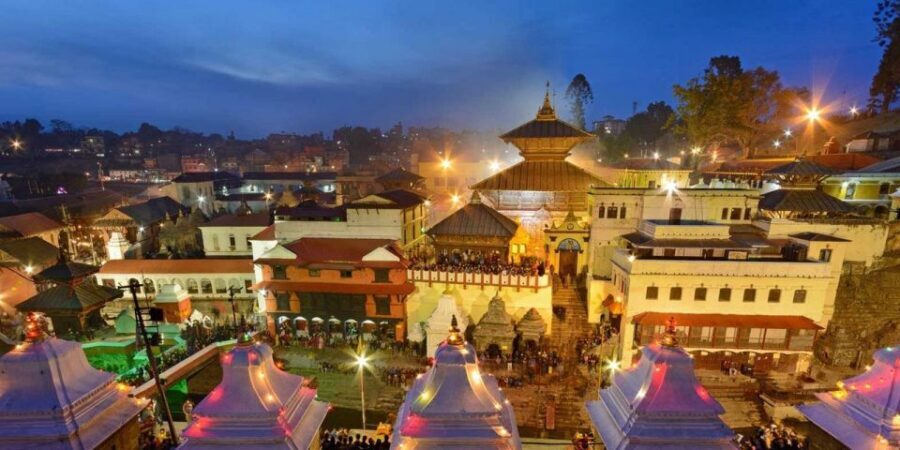
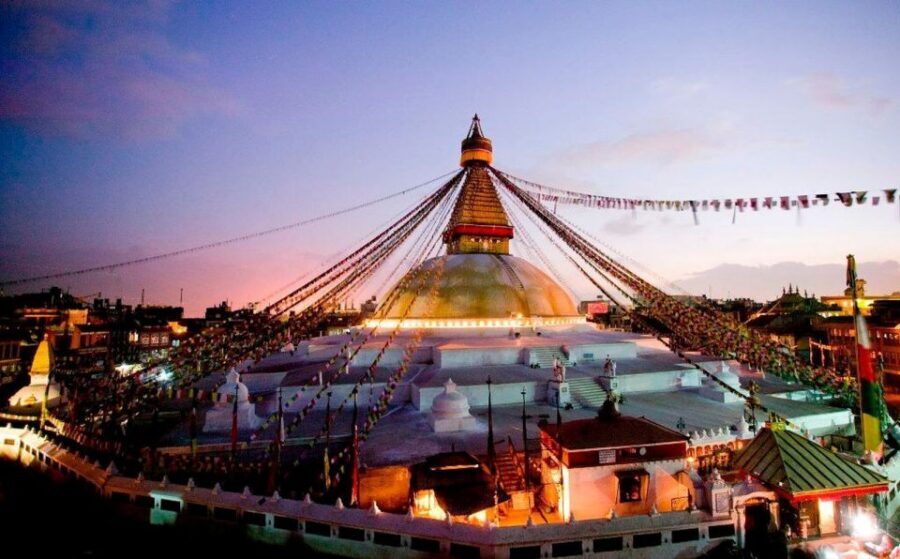
Prayer wheels and cremation rituals in Kathmandu are hard to forget, and this multifaith journey strings together two UNESCO sights with real-life glimpses of daily devotion. You start at Boudhanath’s giant stupa, then head to Pashupatinath for Hindu sacred river rituals, including arati by the Bagmati.
What I like most is how active it feels: you’ll rotate prayer wheels with local Buddhists and take in the Kora around the stupa at a human pace. Then, at Pashupatinath, you’re not just watching from the sidelines—you get context for why sadhus matter here and what the light offerings mean during arati.
One drawback to plan for: the area around Pashupatinath can feel crowded and time can run tight, so you’ll need to stay close to your guide if you want everything on the agenda.
In This Review
- Key Things You’ll Notice on This Multifaith Journey
- Two UNESCO Sites, One Spiritual Circuit in Kathmandu
- Meeting at Hotel Marshyangdi and Keeping Your Day Tight
- Boudhanath: Prayer Wheels, Kora, and the Feeling of Motion
- Pashupatinath Temple: Sadhus, the Bagmati River, and Arati
- Optional Extras: Palm Reading and Interactions That Have a Cost
- Palm reader option
- Interaction and alms option
- Guide Quality: Why the People Matter Here
- Transportation, Entrance Fees, and What Your $150 Really Covers
- Dress Code and Etiquette: Avoid Headaches at the Gates
- Who This Tour Suits Best
- Carbon Neutral and Child-Friendly Notes
- Should You Book the Spiritual Nepal Multifaith Journey?
- FAQ
- What sights are visited on the Spiritual Nepal multifaith journey?
- How long is the tour and how much walking is involved?
- What is included in the $150 per person price?
- Is food and drinks included?
- Can I get a palm reading or offer anything to sadhus?
- What should I wear to visit the religious sites?
- Is the tour suitable for children and how big is the group?
- Can I cancel for free?
Key Things You’ll Notice on This Multifaith Journey
- Two UNESCO sites in one morning-block: Boudhanath stupa and Pashupatinath temple (both entrance included).
- You join the routine, not just the view: prayer wheels and the Kora path at Boudhanath.
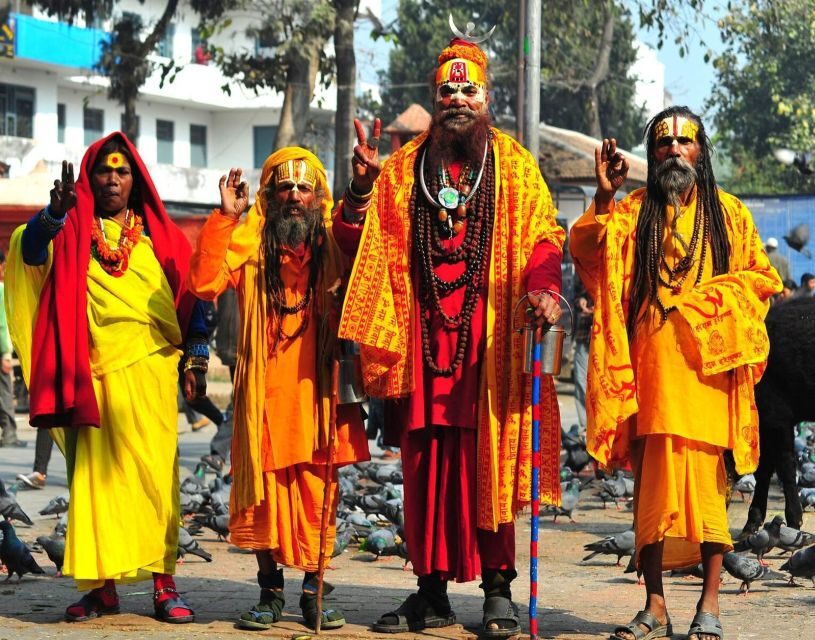
- Sadhus and river rituals are the main event: you’ll see cremation activity along the Bagmati and attend arati.
- Small private group attention: designed for up to 12 people with an English-speaking Nepali guide.
- Optional personal experiences with real local support: butter lamps, palm reading, and alms/interaction options (extra cost).
- Conservative dress norms, respectfully handled: guidance is built into the tour’s temple flow.
Two UNESCO Sites, One Spiritual Circuit in Kathmandu
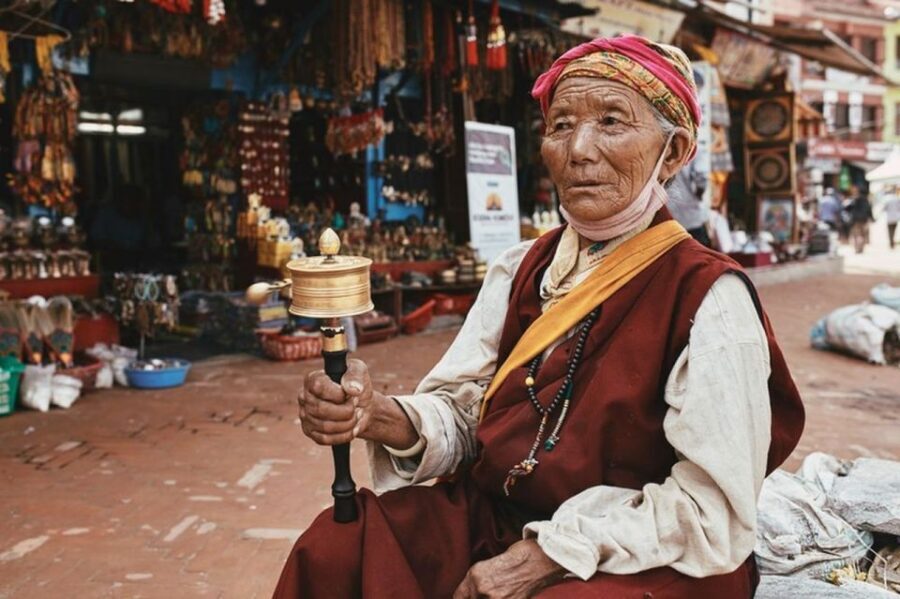
This is a short, focused tour that connects Buddhism and Hinduism through the places where locals actually practice. You’re not trying to “collect” landmarks. Instead, you’re walking a spiritual route that people take every day, just on a tighter schedule than most locals would manage.
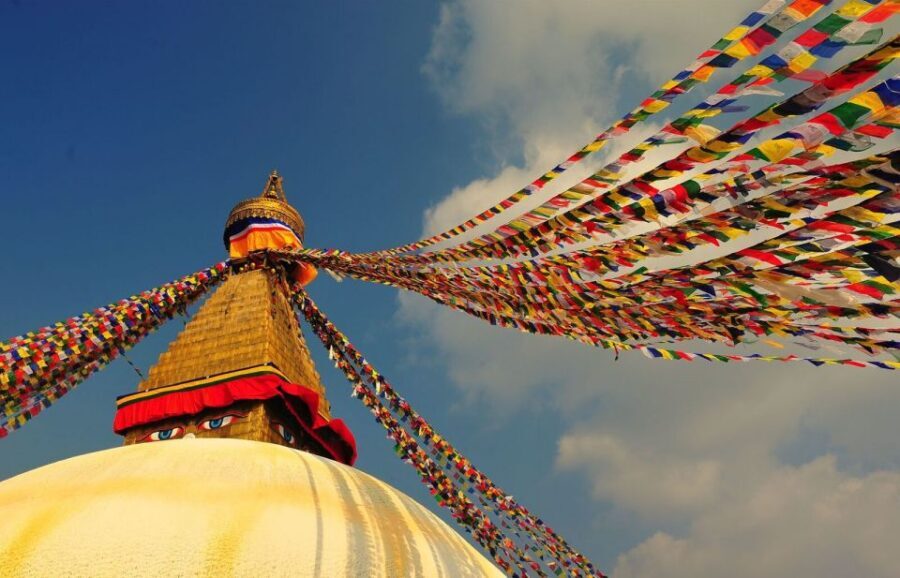
Boudhanath is the bigger first statement: a massive Buddhist stupa, white and spherical, with constant motion from prayer wheels and pilgrims. Pashupatinath follows with a completely different rhythm. It’s Nepal’s largest Hindu pilgrimage site, and along the Bagmati River the religious life you’re watching is ongoing—not staged.
The value here is the structure. In 4 hours, you get: guided context, a guided route, entrance fees, transportation, and time for optional extras. At this price point ($150 per person for a 4-hour private group), that’s what you want: fewer logistics headaches and more time looking at what matters.
You can also read our reviews of more tours and experiences in Kathmandu.

Meeting at Hotel Marshyangdi and Keeping Your Day Tight
You’ll start at Hotel Marshyangdi, then head out with your English-speaking Nepali guide and the group. With a duration of 4 hours, the tour is designed to move efficiently between both sites. That means you’ll want to arrive ready—comfortable shoes, water if allowed, and your questions lined up.
You’ll do a mix of walking and transit. After Boudhanath, you’ll either walk for around 15 minutes or drive to Pashupatinath, depending on what’s practical in the moment. Also note the approximate walking distance is about 2 km, so this isn’t a long hiking day. It’s more about navigating crowds respectfully and staying on time at ritual zones.
A key practical tip: at Pashupatinath, you’ll often be shoulder-to-shoulder. The tour’s “keep near the guide and group” advice isn’t just safety talk—it’s how you avoid missing the parts that make this tour special, like the timing of arati.
Boudhanath: Prayer Wheels, Kora, and the Feeling of Motion
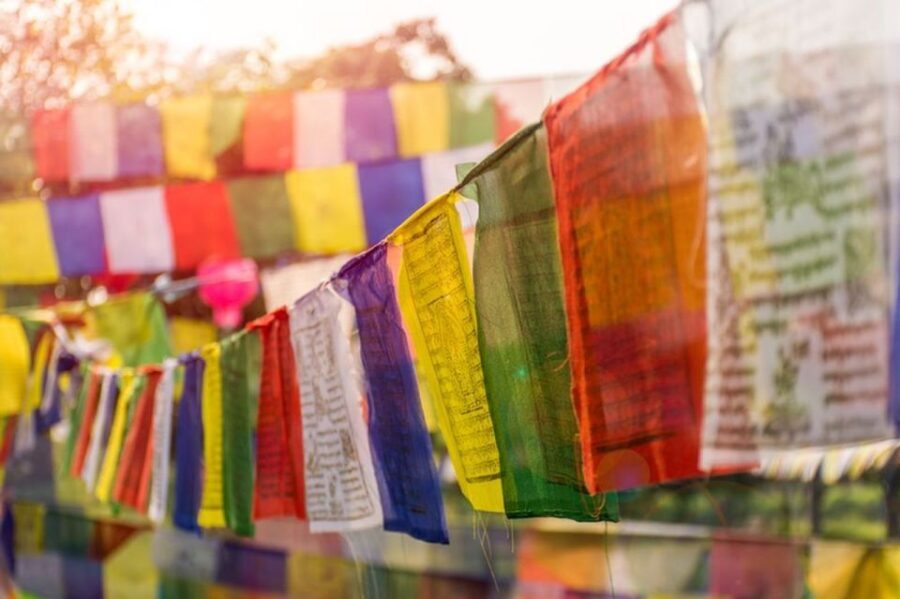
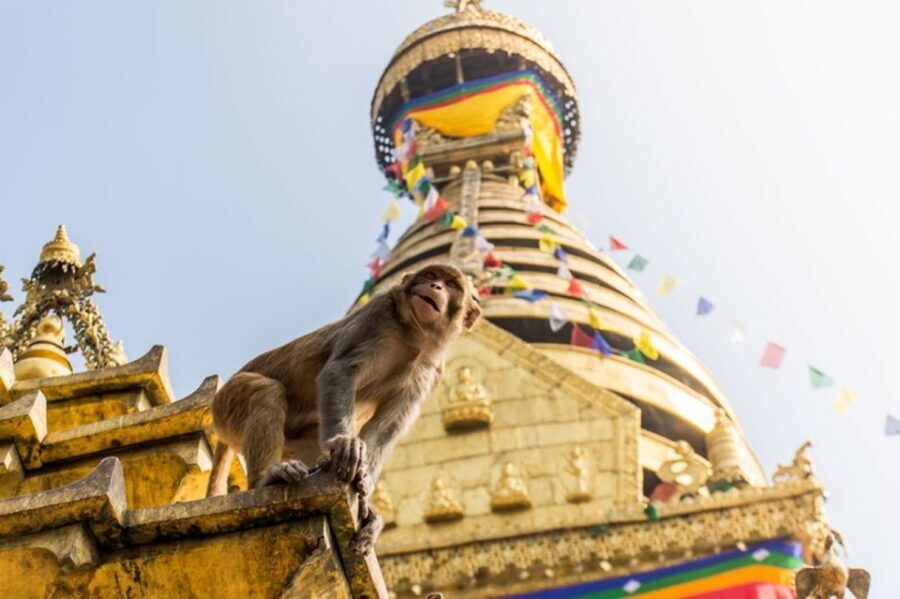
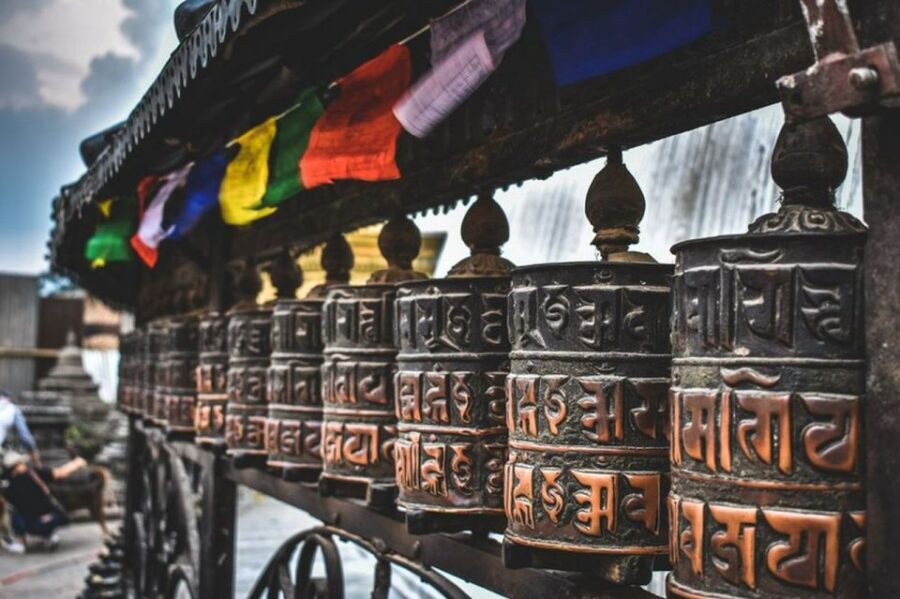
Boudhanath is the place to start because it teaches your eyes how to watch. The stupa dominates the space, but the activity around it is what brings it alive: prayer wheels rolling under hands, pilgrims stepping into a steady loop, and constant small rituals happening in parallel.
You’ll visit for about 2 hours. During that time you’ll join local Buddhists in rotating prayer wheels and take part in the Kora, the walking circuit around the stupa. This is one of the best parts of the tour because it’s participatory. You’re not just standing in front of a monument—you’re doing a movement pattern that locals connect to devotion and spiritual rhythm.
What I’d watch for as a non-expert is how people treat the space with routine. The stupa isn’t framed as a one-time “photo moment.” It’s more like a living center for practice. Your guide’s job here is to keep you oriented: what you’re seeing, why it matters, and how to behave without turning the space into a spectacle.
If you choose the optional experience of offering butter lamps at Boudhanath, it’s presented as a local-support choice rather than a souvenir add-on. Your guide can also assist with how to do it properly and what the exchange means to the community.
Pashupatinath Temple: Sadhus, the Bagmati River, and Arati
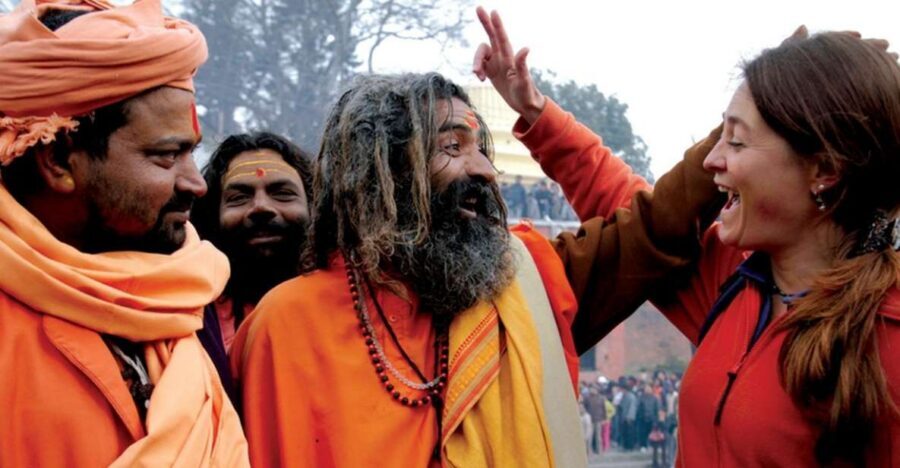
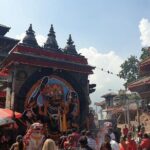
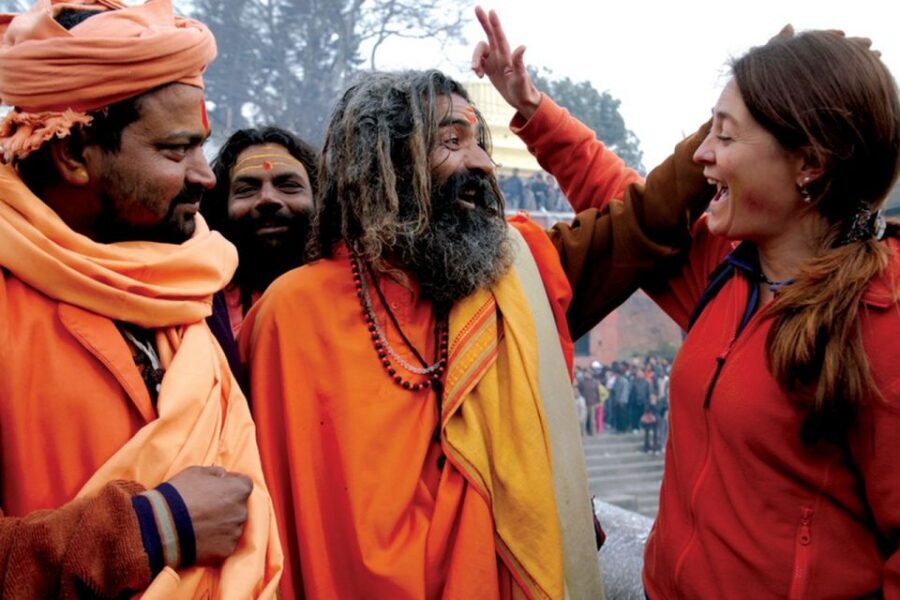
Then the tour pivots. Pashupatinath is Hinduism at full volume—sadhus, sacred bathing areas, river ceremonies, and the daily work of faith. It’s also where many visitors feel the biggest emotional contrast, because the rituals you see reflect the full cycle of life and belief.
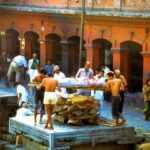
You’ll spend about 2 hours here. The tour includes time to glimpse the lives of sadhus and see cremation activity along the banks of the Bagmati River. If you’re sensitive to intense ceremonies, treat this part as purposeful but serious. You’re not there to be entertained; you’re there to witness what many people consider sacred truth.
Arati is another highlight. You’ll attend the light offering ceremony (a ritual that uses flame/light as an offering to Lord Pashupatinath). Even if you don’t know the prayers, you can usually feel the structure: people gather, light moves, attention tightens, and the ceremony becomes the center of the moment.
Practical crowd advice matters here:
- Keep close to your guide to avoid getting pulled away in the flow.
- Expect limited personal space.
- If you want to ask questions about what you’re seeing, do it early or during safer pauses, not in the middle of a moving crowd.
Optional Extras: Palm Reading and Interactions That Have a Cost
One of the distinct features of this tour is that it gives you options to participate more personally. These extras are not required, but they’re part of the “multifaith journey” feel.

Palm reader option
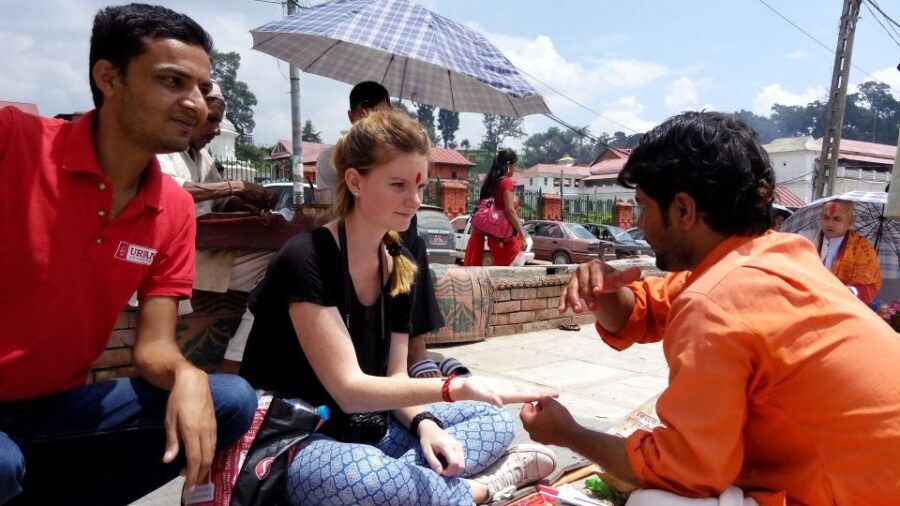
If you want a future reading, you can opt for a local palm reader during the tour. The extra cost is listed as $7.5 to $9 per person. This is one of those choices that’s best approached with curiosity, not certainty. You’re paying for an experience and a cultural interaction, not a guaranteed outcome.
Interaction and alms option
You can also offer alms or interact with sadhus, depending on what’s available in the moment. The information provided lists $7.5 for interactions and mentions your guide can assist with negotiating and guiding respectful contact. There’s also mention that if you take pictures or interact, it ties into sustaining the lives of sadhus who otherwise may not have tourist money.
If you’re traveling with someone who prefers not to pay for personal interactions, you can still enjoy the sights and rituals without taking these options. The core tour remains the UNESCO sites plus the guided cultural context.
Guide Quality: Why the People Matter Here
This tour lives or dies by the guide because you’re moving through crowded, emotionally heavy, and very active religious spaces. The good news: multiple guides connected to the experience have strong marks for clarity and care.
Names that show up in the best feedback include Rozit, Bini, Bidhya, and Subash. The common theme across positive notes is that guides explained the basics in a way that didn’t talk down to you, helped with questions, and kept the group moving so you didn’t feel lost.
There’s also a caution flag worth taking seriously. One negative experience highlighted a hygiene concern and said the tour felt less aligned with what was described. That doesn’t mean your tour will be the same, but it does mean you should use your voice. If something feels off—communication, pacing, or cleanliness—say something calmly in the moment. A good guide can usually fix course quickly.
Transportation, Entrance Fees, and What Your $150 Really Covers
Let’s talk value, because this price only makes sense if the inclusions actually matter to you.
Included:
- An English-speaking Nepali guide
- Entrance fees to Boudhanath and Pashupatinath (UNESCO sites)
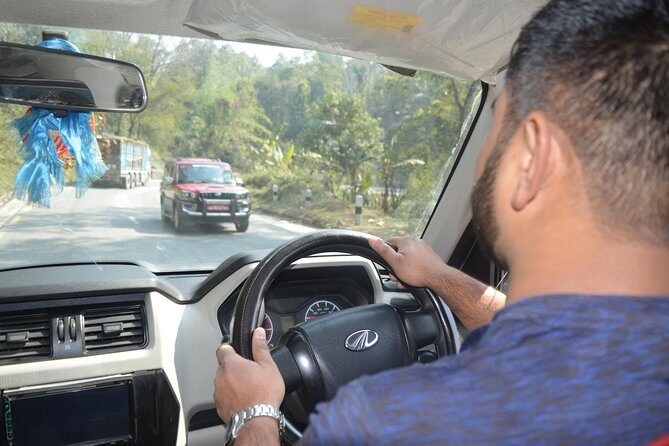
- Transportation between the meeting point and Boudhanath, then from Pashupatinath back to the endpoint
Not included:
- Food and drinks
- Alms to sadhus/monks and palm reader fees
In a place like Kathmandu, entrance fees and getting around efficiently can eat time and energy fast. Since this tour is only 4 hours, the inclusion of entrances and transport is a big deal. You’re paying for less friction and more guided time at the two sites.
The trade-off is that you still need to budget for optional personal experiences and meals. If you plan to do a palm reading or offer butter lamps or alms, factor those in. Your total trip cost can rise, but you control it.
Dress Code and Etiquette: Avoid Headaches at the Gates
This is a conservative, temple-focused day. The guidance is straightforward: cover shoulders and knees. For religious sites, men may be asked to wear long trousers. Women should wear a long skirt or sarong.
This matters because you’ll be spending time close to sacred spaces, and it’s better to be prepared than to scramble for something at the last minute. It also affects how you feel during the tour. You’ll stay focused on rituals rather than worrying about whether your outfit is okay.
Also keep in mind the “picture and interaction” choices around sadhus. Since extra costs can apply, bring flexibility and listen to your guide on what’s appropriate in the moment.
Who This Tour Suits Best
This is a strong fit if you:
- Want a short, guided taste of Buddhism and Hinduism in Kathmandu
- Like structured walking with enough context to understand what you’re seeing
- Prefer a small group format (up to 12 people) so questions don’t disappear
- Are open to witnessing intense religious rituals like cremation ceremonies and arati
It’s also a decent choice for people who are not deeply religious. The tour’s purpose is understanding the role of faith in daily life, and that’s something you can appreciate even if you don’t practice.
It might be less ideal if you:
- Want long, unstructured time for independent exploration at each site
- Get uncomfortable in crowded ritual zones
- Expect food to be included (it isn’t)
Carbon Neutral and Child-Friendly Notes
The tour is described as carbon neutral and operated by a B Corp certified company committed to using travel as a force for good. If sustainability is important to you, that’s a meaningful checkbox.
It’s also listed as child-friendly. Children under the age of 6 can join free of charge. If you’re bringing kids, plan for crowds and conservative dress requirements, and follow your guide closely.
Should You Book the Spiritual Nepal Multifaith Journey?
Book it if you want an efficient, guided connection between Boudhanath and Pashupatinath with real ritual moments—prayer wheel motion, kora walking, sadhu life glimpses, cremation activity on the Bagmati River, and arati light offering. The small group size and included entrances/transport help a lot when time is limited.
Pass or choose carefully if you need lots of solo time, dislike intense ceremonies, or you’re picky about hygiene and communication. In that case, prioritize a tour where you can ask direct questions and where your comfort matters just as much as the schedule.
If you do book, go in with the right mindset: you’re there to observe respectfully, ask questions when there’s space, and let each site teach you a different way people hold faith in their everyday life.
FAQ
What sights are visited on the Spiritual Nepal multifaith journey?
You’ll visit Boudhanath and Pashupatinath, both UNESCO Heritage Sights. You’ll also have time for experiences tied to those locations, like prayer wheels and participation around the stupa, plus arati at Pashupatinath.
How long is the tour and how much walking is involved?
The duration is 4 hours. The approximate walking distance is about 2 km (with a possible around 15-minute walk after Boudhanath, or driving instead).
What is included in the $150 per person price?
The tour includes an English-speaking Nepali guide, entrance fees to Boudhanath and Pashupatinath, and transportation between the meeting point, Boudhanath, and the endpoint after Pashupatinath.
Is food and drinks included?
No. Food and drinks are not included in the tour price.
Can I get a palm reading or offer anything to sadhus?
Yes, there are optional experiences. A palm reader option is listed at $7.5 to $9 per person. Offering alms/interaction options are also available, with an example cost of $7.5 given in the tour info.
What should I wear to visit the religious sites?
Dress is conservative. You should wear modest clothing that covers shoulders and knees. Men often need long trousers, and women a long skirt or sarong for visits.
Is the tour suitable for children and how big is the group?
The tour is child-friendly. Children under 6 join for free. The group is described as a small private group for up to 12 people.
Can I cancel for free?
Yes. The tour lists free cancellation up to 24 hours in advance for a full refund.