REVIEW · KATHMANDU
Langtang valley trek
Book on Viator →Operated by Outshine Adventure Pvt Ltd · Bookable on Viator
Langtang gives you big mountains without the big noise. I like how this trek strings together Buddhist monastery culture and high-altitude scenery, while still feeling like a working trail through villages and forests. You’ll start in Syabrubesi, walk up through bamboo and rhododendron, and finish back in Kathmandu with a straightforward rhythm.
I especially like the emphasis on the Kyangjin area—those Tserko Ri sunrise views and the Kyangjin Gompa setting are the kind of moments that make you pause, even if you normally don’t. You also get a built-in side focus on the Yala Cheese Factory and small lakes, which turns the route into more than just “walk, sleep, repeat.”
One thing to consider: it’s a true trekking circuit at altitude with long walking days. Even with good support, you’ll want a solid moderate fitness level and to plan for cold evenings and early mornings on the higher section.
In This Review
- Key highlights that matter
- Why Langtang Valley feels like a smart alternative
- Kathmandu to Syabrubesi: getting moving the easy way
- Syabrubesi walking day: from village forest to Lama Hotel
- Rhododendron and pine to Langtang village: Ghoda Tabela to the high settlement
- Kyangjin Gompa: monastery calm at 3,740m
- The early-morning payoff: Tserko Ri sunrise and the Yala cheese/lakes detour
- Langsisa pastures, glaciers, and optional hut visits
- Retracing down toward Lama Hotel: easier walking, different views
- Syabrubesi return and the hot-spring finish
- Price and value: what $995 buys you in the real world
- Group size and service level: small team feel
- Fitness, pace, and what your body will feel
- What to pack (without guessing)
- Who should book this Langtang trek
- Should you book the Langtang Valley trek with Outshine Adventure?
- FAQ
- How long is the Langtang Valley trek?
- Where does the trek start and where does it end?
- Is pickup offered in Kathmandu?
- What meals are included?
- Is a guide included, and what language do they speak?
- Do you provide trekking gear like a jacket and sleeping bag?
- What’s not included, and should I budget for tips?
Key highlights that matter
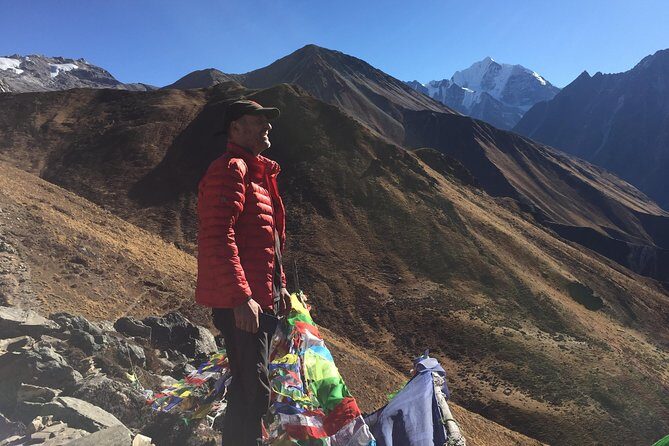
- Small group size (up to 14) helps the trek feel manageable on narrow trails and in village teahouses.
- Licensed English-speaking guide and enough porters/staff mean you’re not juggling logistics at 3,000–4,000m.
- Yala Cheese Factory and lakes add a memorable, unusual stop beyond the standard viewpoints.
- Tserko Ri sunrise option gives you a reason to wake early besides just getting moving.
- Down jacket and sleeping bag provided reduces the “what if I forgot gear” stress.
- Langtang National Park permits + TIMS card are handled as part of the trip setup.
Why Langtang Valley feels like a smart alternative
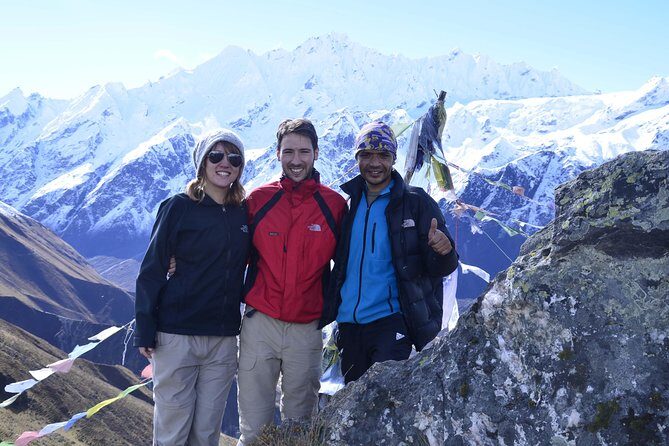
Langtang Valley sits in Nepal’s mountain belt with a calmer vibe than the flashier routes. What I like about it is the mix: forest walking, rhododendron shade, yak pastures, monasteries, and glacier country—all in the same week. It’s also a practical trek if you want high views but don’t want an overly complicated itinerary.
This route also has a culture spine. Kyangjin Gompa isn’t just a photo stop—it’s a sacred Buddhist monastery you can visit, then return to after sunrise views. That small change in pacing makes the mountains feel connected to real community life, not just scenery.
You can also read our reviews of more hiking tours in Kathmandu


Kathmandu to Syabrubesi: getting moving the easy way
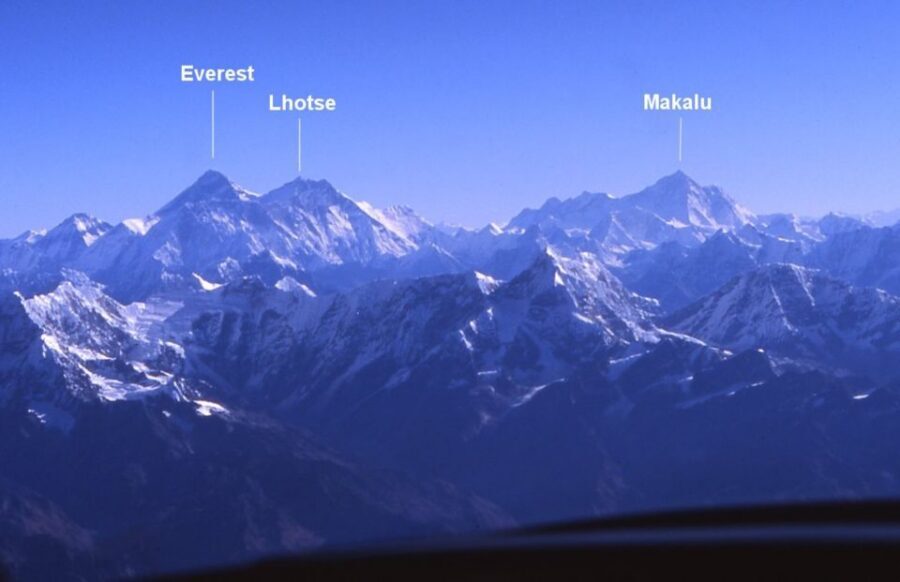
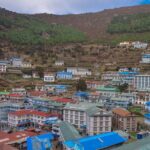
Your trek starts with a drive out of Kathmandu to Syabrubesi, the main jumping-off point for the Langtang Valley. On a clear day, the early drive gives standout mountain views—Manaslu, Annapurna, and Ganesh Himal can show up when the sky cooperates. It’s one of those days where you start tired from travel but end the morning already “in the Himalaya mood.”
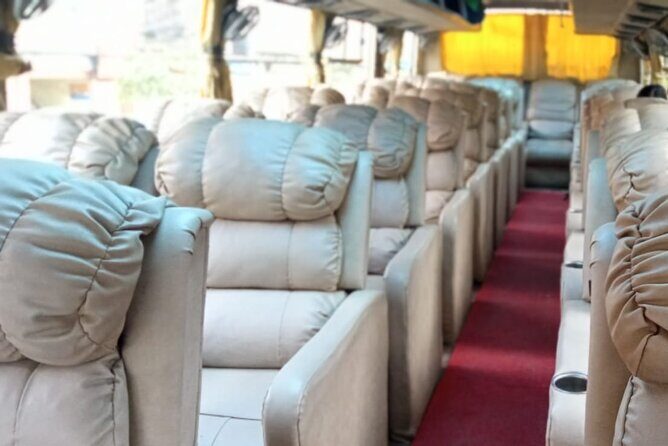
You can travel with surface transfer by tourist bus, and pickup in Kathmandu is offered. For many people, this is the right kind of start: you’re not scrambling to organize transport yourself, and you still get that gradual shift from city noise to trail life.
Practical note: that first travel day is usually when you want to keep water, snacks, and warm layers handy. The morning may be cool, and once you’re out in the hills, you’ll notice temperature swings fast.
Syabrubesi walking day: from village forest to Lama Hotel
After you settle in, the first real walking day climbs out of lower areas into forest. The day’s path starts with a gradual uphill through forest, then shifts to steeper climbing as you head toward Bamboo village (about 1,850m) for lunch.
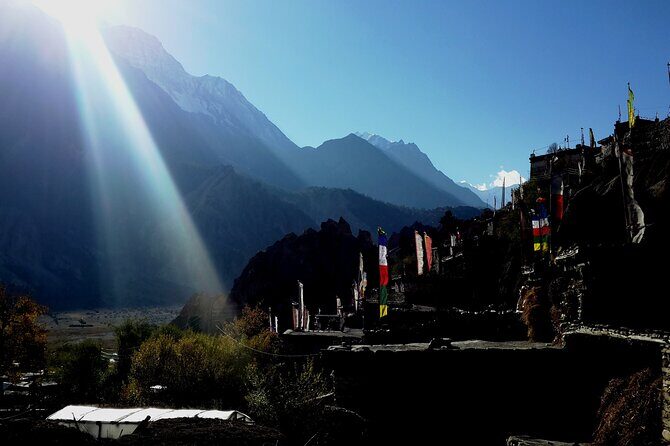
What I find interesting here is how “alive” the trail feels. You’re walking stabilized paths through bamboo forest, and you can spot birds around bushes. At Bamboo village, there are also bee hives hanging on a cliff—small, local details that make this day more than just altitude gain.
From there, the steep climb continues through the bamboo forest until you reach Lama Hotel (about 2,560m). The stop matters because it sets the tone: you’re not going ultra-fast, you’re building height while still having time to breathe and take in the surroundings. You’ll rest overnight at a local teahouse, which keeps the trek grounded in the way these routes actually run.
Rhododendron and pine to Langtang village: Ghoda Tabela to the high settlement
The next day keeps the forest theme but shifts into a rhododendron and pine mix. You follow the trail toward Ghoda Tabela for lunch—about three hours in—and the setting is described as a dense wild habitat with small birds (like small babblers) and herbs you might spot along the way.
After lunch, it’s another three-ish hours on a scenic trail that leads you to Langtang village (around 3,455m). This is a key day because it’s where you start feeling the trek’s higher-altitude character. The air feels different; your body notices the elevation more. It’s also where you get the sense of the valley as a lived-in place, not just a hiking corridor.
Overnight in Langtang village gives you time to recover before the big Kyangjin section. If you’re the kind of person who gets tempted to “just push to the next view,” this is the day to keep it steady and save energy.
Kyangjin Gompa: monastery calm at 3,740m
Kyangjin Gompa is one of the most rewarding destinations on the whole Langtang circuit. Once you set off, you’re walking toward Kyangjing village and the monastery area, with the day framed around cultural and spiritual sites as much as scenery. The route builds toward the sacred space, so by the time you arrive, it feels earned.
At Kyangjin Gompa (about 3,740m), you can visit the monastery and enjoy broad Himalayan views. This is also a place where yaks and high-country rhythms show up. It’s not only about the “top of the trip” feeling—it’s about arriving at a real religious site in the mountains and understanding why people come here.
There’s another practical detail worth noting: there’s a STOL airstrip at Chhaldang, a short distance east of Kyangjin. You won’t be landing there in this trek, but knowing it exists helps explain how the area stays connected, even when roads don’t.




The early-morning payoff: Tserko Ri sunrise and the Yala cheese/lakes detour
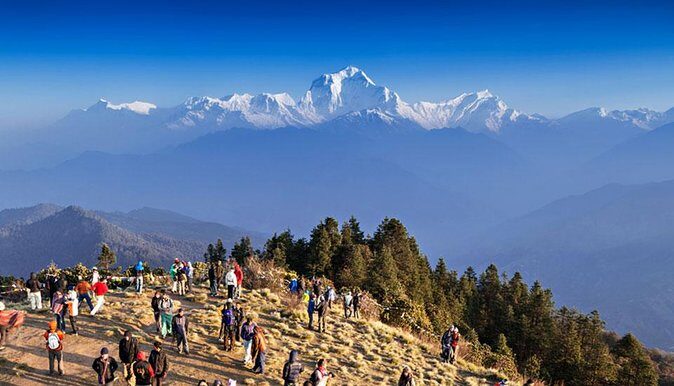
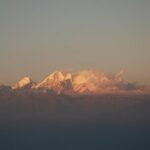
If you like mornings with purpose, this is the section that fits you. From Kyangjin Gompa, you start early and move through yak pastures before ascending toward Tserko Ri for sunrise. The sunrise view here is described as extraordinary, and that tracks with what this kind of climb usually delivers: light hits glaciers and peaks differently, and the valley looks sharper at dawn.
After descending back to Kyangjin Gompa in late afternoon, you’re not stuck with only “rest mode.” You can explore the monastery again and enjoy ongoing views of Himalayas, glaciers, birds, and yaks.
Now for the memorable twist: the Yala Cheese Factory and small lakes. Yala can be reached within about half a day from Kyangjin Gompa, and the cheese factory is a specific highlight (not a vague viewpoint). The trail pairing of monastery + cheese + lakes is a clever way to make the high-altitude days feel varied. If you love unusual local food production tied to mountain life, this is a reason to pick Langtang over cookie-cutter treks.
For altitude context, the information points to very high elevation for the Yala cheese area (around 4,633m). That means even if it’s “half a day,” you’ll still feel it. Pace matters more than speed.
Langsisa pastures, glaciers, and optional hut visits
From Kyangjin Gompa, the area known as Langsisa (about 4,084m) leads toward glaciers. This is the part of the route that helps you understand Langtang as glacier-fed country, not just rock and snow far away.
There’s also a social option: if you want to meet local people, some huts in Langsisa can be reached within about a day’s walk from Kyangjin Gompa. I like this idea because it keeps the trek from becoming purely scenery-focused. You’re still in the same high zone, but the point becomes connecting to how people live close to the mountains.
If you choose to do this, keep your expectations realistic. You’re walking in a remote area where time and conditions matter. Bring patience and treat it like a respectful visit, not a “tour stop.”
Retracing down toward Lama Hotel: easier walking, different views
After the Kyangjin highs, the trek turns back toward Lama Hotel. The walking day is mostly downhill as you pass through forests and Tamang villages. This shift is a relief for many people because your legs get a break from constant upward climbs, but it also brings different sights—details you may have missed on the way up.
Downhill days can still be tough on your knees and ankles, so don’t assume easier means effortless. Use trekking poles if you have them, take short steps, and keep your pace controlled.
The benefit of retracing routes is simple: you already know the terrain. That reduces decision fatigue and helps you focus on enjoying what’s around you as you descend.
Syabrubesi return and the hot-spring finish
You’ll head back to Syabrubesi with another mostly descending walk. This is a great stage to mentally “land the trip.” You’ve been in higher air for days; now the route gives you a smoother transition back to lower altitude life.
The day’s highlight is the Syabrubesi hot spring stop. After trekking, it’s the kind of comfort that feels earned. You’ll overnight in Syabrubesi, then drive back to Kathmandu and be taken to your hotel for rest.
This ending matters. A trek isn’t just the mountain days—it’s how you handle the return. Having the final day focused on driving and recovery makes it easier to sleep well and avoid that post-trek chaos.
Price and value: what $995 buys you in the real world
At $995 per person, the value comes from what’s bundled and what’s actively handled for you.
You’re not paying just for a walking guide. The trip includes:
- Best available guesthouses during the trek
- A local government licensed English-speaking guide
- The required staff and porters to carry your luggage
- Langtang National Park permits and a TIMS card
- Down jacket and a sleeping bag (provided by Outshine Adventure)
- Meals (8 breakfasts, 8 lunches, 7 dinners)
- Surface transfer from and to Kathmandu by tourist bus
- Government taxes
That gear and permit package is a big deal for many travelers. If you’re traveling lighter or don’t own a quality sleeping bag and warm jacket, this reduces extra shopping and shipping back home.
The main cost you’ll still need to budget for includes travel insurance, drinks (hot and cold), alcohol, laundry, and tips for the trekking staff and driver. Tips are expected, so treat that as part of your overall trek planning rather than an afterthought.
Group size and service level: small team feel
This trek caps at 14 travelers. That usually helps in two ways: logistics are simpler, and you’re less likely to feel lost in a crowd on narrow parts of the trail or during teahouse meal times.
Also, pickup offered in Kathmandu is a practical convenience. With mountain treks, the “small” service details can save you from stress. When a company handles the licensed guide, porters, and permits, you’re freer to concentrate on pacing, hydration, and acclimatization.
Fitness, pace, and what your body will feel
The trek is designed for travelers with moderate physical fitness. You’ll walk multiple days, at times for around 5 to 7 hours, and you’ll sleep at increasing altitudes. Some days involve steep climbing; others are more downhill on the return.
The pattern is clear:
- Climb early days through forest and village areas
- Reach higher points near Kyangjin Gompa and Tserko Ri
- Then descend back through forests and Tamang villages
Your best strategy is to walk steadily, not heroically. Early mornings can feel harder than expected because your body is still waking up, and altitude plays tricks on effort. Use a pace you can maintain without gasping.
What to pack (without guessing)
Because down jackets and sleeping bags are provided, you can pack more realistically. Still, bring what keeps you safe and comfortable:
- Warm layers for early starts and cold nights
- A rain shell or light waterproof layer
- Sturdy trekking shoes with good grip
- Water bottle(s) and basic snacks
- Sunscreen and sunglasses for higher elevations
The cold is the most common “surprise.” Even if daytime walking feels manageable, mornings near the top can feel sharp. You’ll be glad to have proper warmth, especially around sunrise and after returning from climbs.
Who should book this Langtang trek
You’ll be a great fit if you want:
- High Himalayan views with monastery culture
- A route that includes a specific local detour (Yala Cheese Factory and lakes)
- A manageable group size and organized support
- A trek where porters carry luggage, so you can focus on walking
You might want to think twice if:
- You have knee issues or worry about long downhill sections
- You can’t commit to early starts (sunrise at Tserko Ri is a major part of the experience)
Should you book the Langtang Valley trek with Outshine Adventure?
Yes, if you’re looking for a well-supported Langtang experience with a licensed English-speaking guide, permits handled, and actual mountain time that includes more than just generic viewpoints. The added Yala cheese/lakes stop makes the trek feel special without requiring extra planning from you.
I’d say book especially if you travel light or don’t already have a quality warm jacket and sleeping bag—having them provided can meaningfully raise the value for your money. If you prefer solo freedom and do-your-own-research trekking, this one might feel a bit structured. For most people, though, the structure is the point: it keeps the trip smooth so you can enjoy the trail.
FAQ
How long is the Langtang Valley trek?
It runs for about 8 days.
Where does the trek start and where does it end?
You leave Kathmandu for Syabrubesi, which is the starting point for Langtang Valley trekking, and you return to Kathmandu at the end of the trip.
Is pickup offered in Kathmandu?
Yes, pickup is offered.
What meals are included?
Breakfast is included for 8 days, lunch for 8 days, and dinner for 7 days.
Is a guide included, and what language do they speak?
Yes. The trek includes a local government licensed English-speaking guide during the trek.
Do you provide trekking gear like a jacket and sleeping bag?
Yes. A down jacket and sleeping bag are provided by Outshine Adventure.
What’s not included, and should I budget for tips?
Your travel insurance is not included, and alcohol, hot and cold drinks, and laundry are not included. Tips for the trekking staff and driver are expected.