REVIEW · KATHMANDU
16 Days Island Peak Climbing With Everest Base Camp Private Trip
Book on Viator →Operated by Outdoor Himalayan Treks P Ltd. · Bookable on Viator
Island Peak is a serious mountain with big payback. I love that this trip is set up for acclimatization days (not just good intentions), and I also like that you get solid support with an English-speaking guide plus porter help during the hardest carry days. One thing to consider: you’ll live in basic teahouses on the trek, where toilet and bathroom facilities are outside your room, and you need to handle cold nights without much fuss.
What makes this plan appealing is the mix. You’re not only working toward 6189m on Island Peak; you’re also trekking through the Everest region and getting time that fits Everest Base Camp-style sightseeing, plus days designed to help your body adjust before the climbing starts. You also get a Kathmandu start with deluxe accommodation for a few nights and a farewell dinner with Nepalese food and a cultural show.
Weather can still call the shots. The summit approach may change based on conditions, with options that can involve moving through high camp or staying at base camp before an attempt, and you should plan for a realistic weather window by holding a couple of spare days after the trip if possible. And yes, you’ll need to come prepared with proper warm layers and climbing boots, because only some gear is provided.
In This Review
- Quick takeaways before you commit
- Island Peak (6189m) + Everest Base Camp: what you’re really signing up for
- Kathmandu start: getting ready in comfort, not in scramble mode
- From Lukla to Namche to Thyangboche: your Khumbu climbing warm-up
- Acclimatization: the schedule that protects your summit shot
- Everest Base Camp and Kalapatthar: a high-altitude day that feels different
- Chhukung to Island Peak base camp: switching from trekking to climbing mindset
- Summit day at 6189m: what you should plan for emotionally and physically
- Descending via Pangboche: ending the big loop with a quieter pace
- Accommodation and food: teahouse reality plus tented climbing comfort
- Price and value: $2,765 is what you’re buying in practical terms
- Gear that’s included vs gear you must bring
- Who this trip fits best (and who should think twice)
- Should you book this Island Peak private trip?
- FAQ
- What is the highest altitude you reach on this trip?
- Are permits included for the climbing portion?
- What kind of accommodation is provided during the trek and climbing?
- Are meals included?
- Who provides guiding and porter help?
- What climbing gear is included, and what do I need to bring?
- Does the itinerary include acclimatization days?
- Are weather and schedule changes handled?
- Can I cancel and get a full refund?
Quick takeaways before you commit
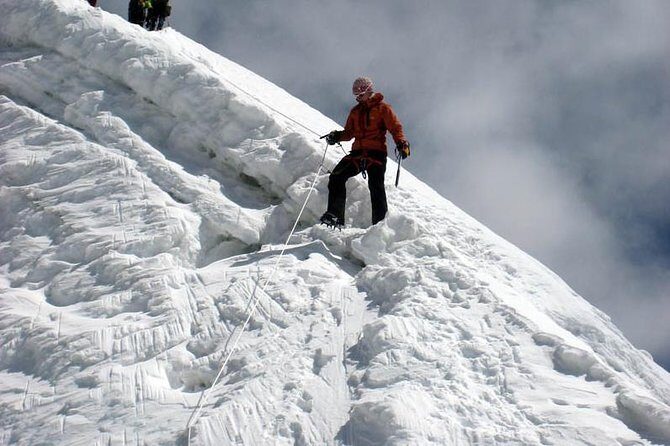
- Two mountain goals in one: Everest Base Camp trekking plus a technical Island Peak summit attempt.
- Acclimatization built into the schedule: a dedicated Namche day and another acclimatization day near the climb.
- Support that matters at altitude: an English-speaking climbing guide plus a porter setup (for up to 2 climbers).
- Gear support, not full responsibility transfer: key climbing items and insulation are included, but your personal boots and trekking shoes are not.
- Kathmandu comfort at the front end: deluxe stays before you head into teahouses and tented camps.
- Permit included for Island Peak: you’re covered on the climbing permit side, so you can focus on training and pacing.
Island Peak (6189m) + Everest Base Camp: what you’re really signing up for
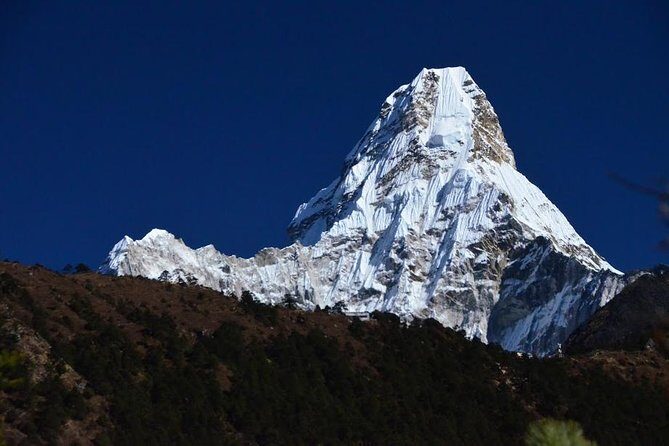
This is an Island Peak expedition that treats the climb like a progression, not a jump straight into summit mode. Island Peak is popular for a reason: at 6189m it demands real altitude grit, and it’s also a practical training ground for the kind of rope-and-ice comfort you want before attempting bigger Himalayan goals.
The route also gives you the Everest region experience in a structured way. You start with the classic Lukla-to-Khumbu trek style, then fold in Everest Base Camp and a high-view day, before shifting over toward Chhukung and the technical world of Island Peak base camp.
The biggest value for most people is that you’re stacking experiences while still pacing your acclimatization. You’re not just doing scenic trekking; you’re preparing your body for a climbing summit, with days scheduled for altitude adjustment and recovery.
You can also read our reviews of more private tours in Kathmandu


Kathmandu start: getting ready in comfort, not in scramble mode
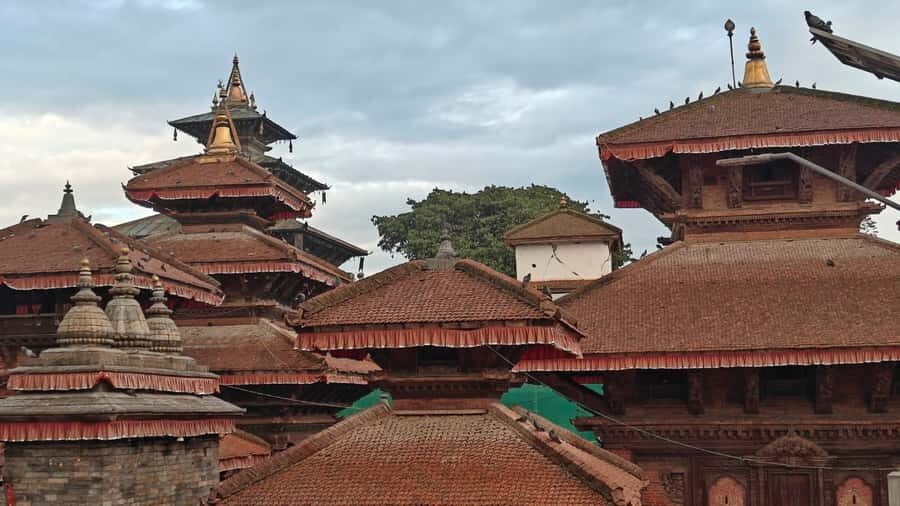
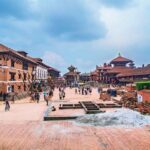
You begin in Kathmandu with transfers and preparation days, and the trip includes deluxe accommodation for three nights. That matters more than it sounds. Before you go cold and slow at altitude, you need time for practical things: sorting your layers, checking your boot fit, confirming your packing setup, and making sure you understand how your guide wants you to move.
Meals are straightforward here: breakfast is included in Kathmandu, and you also get a farewell dinner featuring authentic Nepalese cuisine with a live cultural show. That’s a nice morale bump right before you step into the mountains.
If you’re the kind of person who gets nervous about missing a detail, you’ll likely feel better with a couple of built-in “get your bearings fast” days in Kathmandu rather than jumping straight into the trek.
From Lukla to Namche to Thyangboche: your Khumbu climbing warm-up
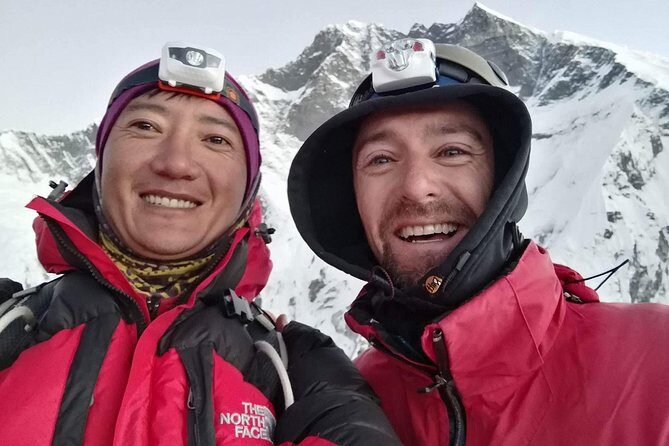
The early trek follows a familiar rhythm: you fly into Lukla (2840m), then walk through Phakding (2610m) into Namche Bazaar (3440m). This portion is where your legs learn the basics of Khumbu walking: constant uphill grading, frequent stops for breath control, and the simple reality that altitude makes effort feel louder.
Namche is your first major acclimatization checkpoint. On Day 5, the plan includes an acclimatization day in Namche Bazaar. That’s a real quality signal. A summit attempt later will ask more from you if you spend those earlier days rushing higher just because you can.
After Namche, you head toward Thyangboche (Tengboche) (3680m). Then the trek continues to Pheriche (4240m) and up to Lobuche (4950m). Each step matters because the altitude climbs are gradual enough to keep you functional. You’re building a routine you’ll need later when the climbing becomes more serious and when your pace may slow down automatically due to thin air.
Acclimatization: the schedule that protects your summit shot
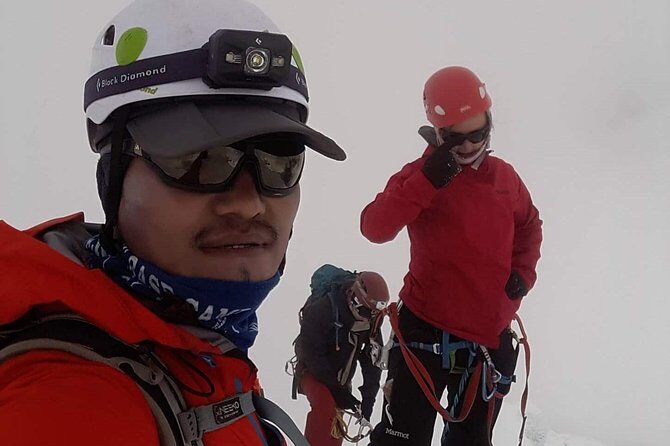
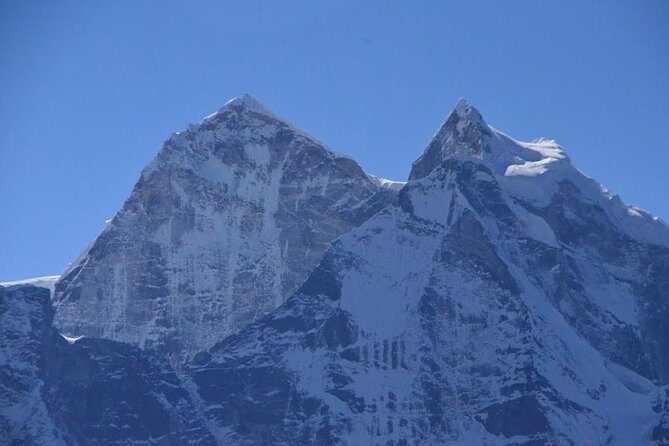
This trip doesn’t treat acclimatization like an optional extra. It’s a core part of the itinerary.
You get:
- A dedicated acclimatization day in Namche Bazaar (Day 5), which helps before you go higher.
- A progressive climb toward Everest Base Camp and the higher viewpoints afterward.
- Later on the Island Peak side, you have another acclimatization day on the climbing plan (Day 13), after reaching the high camp zone (5600m).
That Day 13 acclimatization step is key. It gives your body extra time to adjust before the summit push at 6189m. In plain terms: most problems at altitude aren’t just about toughness. They’re about timing—getting your body to accept the altitude before asking it to perform.
Also, the trip design allows for summit approach changes depending on conditions. Your guide may adjust whether you move through a more staged high-camp process or attempt in a different pattern, because weather and safety are the drivers.
Everest Base Camp and Kalapatthar: a high-altitude day that feels different
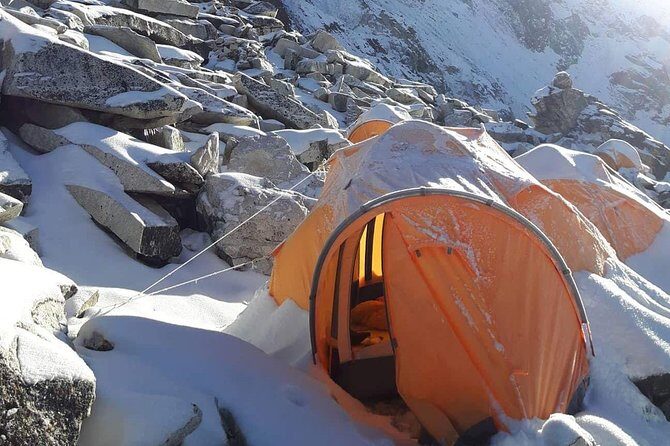
You’ll reach Gorakshep (5160m) and continue to Everest Base Camp (5364m), then return back to Gorakshep (Day 9). This is one of those days where the altitude hits even if you’re moving slowly. The effort level feels different at 5000m+ because your body spends more time working just to keep you upright.
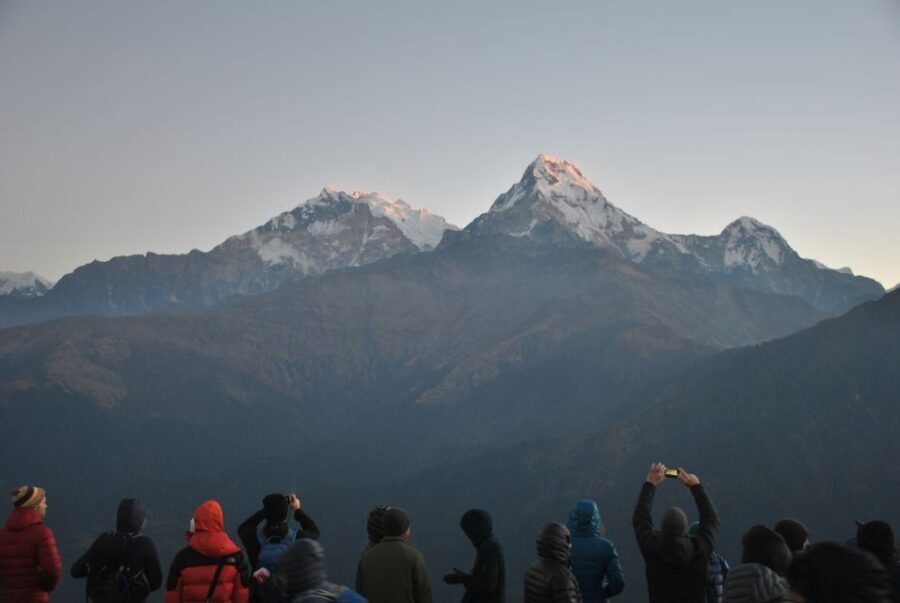
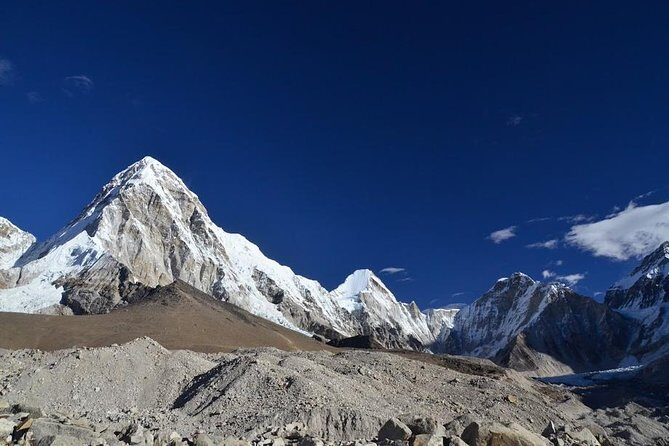
Then Day 10 brings Kalapatthar (5550m) and onward to Chhukung (4730m). Kalapatthar is a high viewpoint stop that fits the flow of acclimatization: it’s higher, then you drop back down toward Chhukung. That pattern—go up, adjust, then reposition—helps your body recover while still giving you those big Everest-region views.
This is also where the trip starts shifting focus. Chhukung (4730m) is the staging area for Island Peak. You’re not far from Island Peak base camp now, but you’re also not at the summit yet. It’s the transition zone where trekkers feel the mental shift from hiking to climbing prep.




Chhukung to Island Peak base camp: switching from trekking to climbing mindset
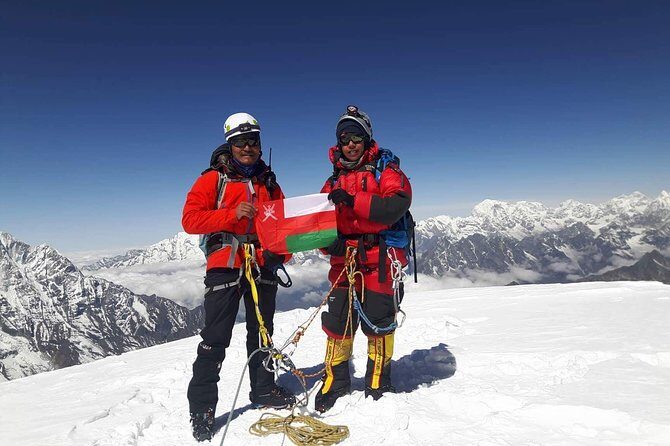
On Day 11, you move from Chhukung to Island Peak Base Camp (5200m). Then Day 12 takes you to High Camp (5600m). This is where the expedition becomes technical.
You’ll spend time at Island Peak Base Camp and then in the high camp zone. After that, Day 13 is another acclimatization day, and Day 14 is summit day: High Camp to the top (6189m) and back to Base Camp.
What makes this stage feel “worth it” is the progression you’ve built. By the time you reach base camp, you’ve already lived a full trekking altitude routine through Namche, Pheriche, Lobuche, and the Everest Base Camp day. That background helps when climbing requires more concentration and steadier movement.
You also get a very practical advantage from having already walked at high altitude. Even if you’re not climbing yet, your breathing habits and pacing style have been trained.
Summit day at 6189m: what you should plan for emotionally and physically
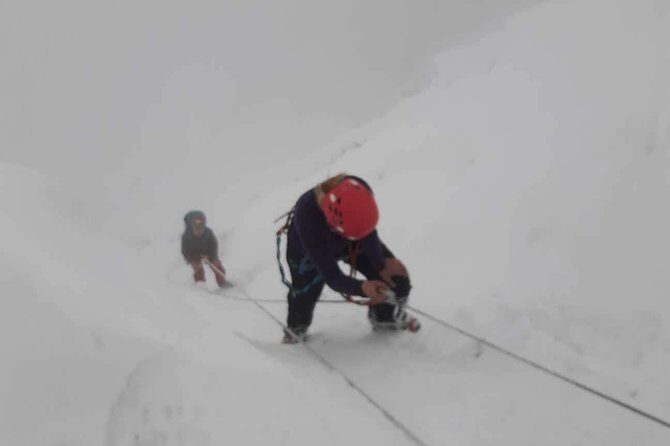
Your summit push happens on Day 14, after a high camp and acclimatization day. The expedition is designed so that you’re not making the top attempt right after a long jump in altitude. That’s what you want at these heights: controlled timing.
From a reader’s perspective, the biggest thing to understand is that summit success is always weather-dependent. The plan notes that the guide chooses the best alternative based on conditions. That could mean changes in how the climb is staged before the attempt.
If you’re hoping for a rigid, predictable schedule, this kind of expedition will feel more like a decision-making process led by your guide than a fixed checklist. The upside is that professional guides adjust. Your goal is to be ready, not to win an argument with the mountain.
Also: summit days are mentally demanding even when the climbing itself is within your skill range. You’ll likely feel it most in the late hours, when movement takes effort and you start managing cold, fatigue, and thin-air breath all at once.
Descending via Pangboche: ending the big loop with a quieter pace
After you return to base camp post-summit (Day 14), the plan continues with a descent phase. Day 15 takes you from Base Camp to Pangboche (3940m). Day 16 brings you back to Namche, and Day 17 returns to Lukla. Day 18 is the flight back to Kathmandu.
This part is often underrated in expectation-setting. The summit day is the headline, but the descent is where you can actually recover and let your body recalibrate. Dropping from the climbing zone down toward Pangboche gives you a chance to reset your breathing and muscle fatigue, even if your legs still feel the altitude work.
Pangboche and Namche also give you a final chance to see the Everest region rhythm before the trip closes with the Lukla flight.
Accommodation and food: teahouse reality plus tented climbing comfort
Your accommodations split into three clear phases:
- Kathmandu: deluxe accommodation for three nights (before the trek).
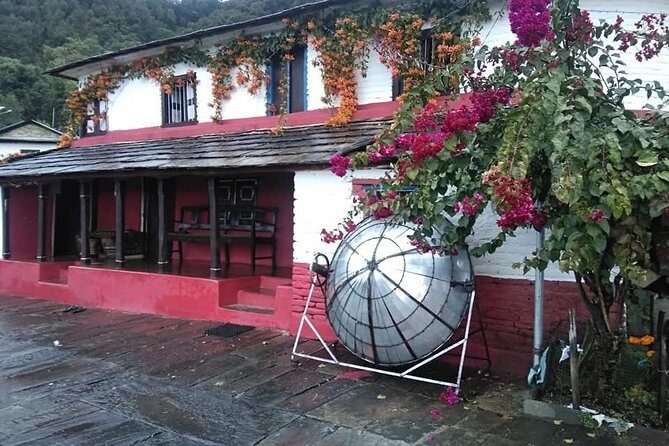
- During the trek: basic teahouses. The practical note is that the toilet and bathroom are outside your room.
- During the climbing period: tented camp, on a twin sharing basis.
On food, the plan includes three meals per day during the trek: breakfast, lunch, and dinner, chosen from the menu. In Kathmandu you get breakfast. During the climbing period, meals are prepared by your guide.
Beverages are not included, which is a normal mountain reality. Expect you’ll pay extra for things like hot drinks, bottled water, and cold snacks. If you’re trying to keep costs down, treat beverages as an add-on you’ll budget for, not something automatically included.
Price and value: $2,765 is what you’re buying in practical terms
At $2,765 per person, this price can look high until you map it to what’s included—and what you avoid paying for separately.
Here’s what your money covers based on the trip details:
- Island Peak climbing special permit (documentation included)
- Guide and porter support, including wages, accommodation, meals, transportation, insurance, and high altitude worker special insurance
- Tented camp during the climbing period and teahouse accommodation during the trek
- Climbing gear and key cold-weather items such as a down jacket and sleeping bags, plus climbing equipment like ice axe, ropes, crampons, harness, and helmet
- Meal plan with three meals per day during trekking and guide-prepared meals during climbing
- Kathmandu farewell dinner with live cultural show
- Taxes/service charges listed as included with no hidden charges later
What’s not included (and can affect your final budget):
- Your personal equipment (trekking shoe, climbing boots, warm clothes, etc.)
- Beverages
- Nepal visa and international airfare
- Travel insurance
- Souvenir photos, wifi, laundry, charging fees, and other personal items
- Excess luggage charges if you exceed the airline’s 15kg limit on the route
So is it good value? For the right person, it likely is—especially if you want a private setup, an experienced guide, and a plan that covers permits, staffing, and a chunk of the technical gear. If you already own most of your climbing gear and are set up for DIY logistics, the price could feel less attractive. But if you want your focus on fitness and acclimatization rather than paperwork and rentals, this looks like a sensible package.
Gear that’s included vs gear you must bring
This is one of the most important parts of choosing any high-altitude trip, and this plan is fairly clear.
Included items (as listed) include:
- Down jacket and sleeping bags
- First-aid kit
- Iodine-based water purifying solution
- Tent, ice axe, ropes, crampons, harness, helmet (climbing equipment)
Not included, but required for you to bring:
- Trekking shoes and climbing boots
- Warm clothes and personal layers
They also suggest a full warm-weather and cold-weather approach: warm hat, good gloves, warm socks, head light, thermal undergarments, and sun and cold cream. That’s exactly the kind of list you want because it doesn’t just say bring warm stuff. It tells you what cold actually attacks first: hands, feet, ears, and eyes.
Practical tip: fit matters. Boots that feel fine at sea level can become uncomfortable fast at altitude. Test your boots and socks before you leave home if you can.
Who this trip fits best (and who should think twice)
This expedition is aimed at people with moderate physical fitness who want a classic Everest-region trek plus a technical summit goal. It also suits climbers who like structure: staged altitude gains, acclimatization days, and a guide who can adjust the summit approach based on conditions.
It may not be the best fit if:
- You hate basic teahouse conditions (remember: bathroom and toilet outside your room).
- You’re not ready to manage cold nights and cold mornings.
- You want zero flexibility in the schedule. Weather matters here.
If you’re an experienced trekker stepping into your first higher-altitude climbing summit attempt, this style of progression can be a good match.
Should you book this Island Peak private trip?
Book this trip if you want:
- A private setup with an English-speaking climbing guide and porter support
- Everest Base Camp trekking as part of the same journey
- A climb plan that includes acclimatization days and staged climbing
- Included cold-weather and technical gear so you’re not buying everything last minute
You might want to pause and rethink if you:
- Are not comfortable with teahouse living and very cold conditions
- Don’t have the gear budget or comfort level to supply your own boots and personal warm layers
- Can’t realistically add spare time in case weather affects timing
One extra confidence factor: feedback tied to Outdoor Himalayan Treks repeatedly points to strong logistics support by Ram and standout guiding by Arjun on an Everest Base Camp trip. That doesn’t guarantee your climb goes smoothly, but it does suggest the company keeps control of the details before and after the mountains do their thing.
FAQ
What is the highest altitude you reach on this trip?
The summit is listed at 6189m on Island Peak.
Are permits included for the climbing portion?
Yes. The Island Peak climbing special permit is included in the trip documentation.
What kind of accommodation is provided during the trek and climbing?
During the trek you stay in basic teahouse accommodation (toilet and bathroom are outside the room). In Kathmandu you get deluxe accommodation for three nights, and during the climbing period you use tented camp on a twin sharing basis.
Are meals included?
Yes. The trip includes breakfast, lunch, and dinner during the trek (meals are chosen from the menu), plus breakfast in Kathmandu. During the climbing period, meals are prepared by the guide. A farewell dinner in Kathmandu is also included.
Who provides guiding and porter help?
You get a professional and experienced climbing guide (English-speaking). There is also porter support for 2 climbers, carrying up to 25 kg, and the expenses for the guide and porter(s) are covered.
What climbing gear is included, and what do I need to bring?
Included items list down jacket, sleeping bags, first-aid kit, iodine-based water purifying solution, and technical climbing gear like tent, ice axe, ropes, crampons, harness, and helmet. You still need to bring personal items such as trekking shoes, climbing boots, and warm clothes.
Does the itinerary include acclimatization days?
Yes. There is an acclimatization day in Namche Bazaar, and there is also an acclimatization day during the Island Peak climbing phase (Day 13).
Are weather and schedule changes handled?
The trip operates in all weather conditions, but it is also subject to favorable weather conditions for activities like the climb. If canceled due to poor weather, the option given is an alternative date, and they recommend keeping spare days.
Can I cancel and get a full refund?
Free cancellation is available up to 24 hours in advance for a full refund. If you cancel less than 24 hours before the start time, the amount is not refunded.