REVIEW · POKHARA
2 Night 3 Days Sirubari Village Tour From Pokhara
Book on Viator →Operated by Saara Tourism Nepal-Travel Advisor in Nepal · Bookable on Viator
Sirubari delivers a real-life Nepal slowdown. This 2-night, 3-day village tour from Pokhara is built around homestay living at about 1,700m, plus easy footpaths, a Thumro sunrise morning, and community visits that feel grounded rather than staged. I especially like the mix of soft adventure (walks with mountain views) and hands-on culture (school, gompa evening program, and local sites). One thing to consider: this isn’t a luxury resort stay, so expect simple home comfort and a more “be present” pace than a checklist sightseeing day.
If you’re curious about how rural communities keep traditions strong while still welcoming visitors, this route hits the sweet spot. Sirubari is on the southern slopes of a ridge, so you typically get long sunny hours for agriculture—exactly the kind of setting that shapes daily life. I’d also plan your timing around weather, since the experience explicitly depends on good conditions.
In This Review
- Key Highlights You’ll Actually Feel
- Sirubari at 1,700m: Why This Village Trip Feels Different
- Getting There From Pokhara: The Drive Plus an Easy Walk In
- Day 1 Homestay Dinner: What a “Local Materials” Stay Really Means
- Day 2 Thumro Sunrise Walk: Early Feet, Big Views
- Gompa Evening Program and Community Visits: Culture With the Right Attitude
- Day 3 Return to Pokhara: Scenic Stops on the Way Out
- Price and Value: What You’re Paying for (and What You’re Not)
- Who This Tour Suits Best (and Who Might Skip It)
- What to Pack (So Your Feet and Comfort Stay Happy)
- Should You Book the 2 Nights 3 Days Sirubari Village Tour?
- FAQ
- FAQ
- How long is the Sirubari Village Tour from Pokhara?
- Does the tour include pickup and drop-off from Pokhara?
- What kind of accommodation do I get in Sirubari?
- Are meals included in the tour price?
- Do I need to pay admission tickets for the included stops?
- Is there an English-speaking guide?
- How much walking is involved?
- Is this a private tour?
- Is the tour affected by weather?
- What costs are not included?
- What is the cancellation policy?
Key Highlights You’ll Actually Feel
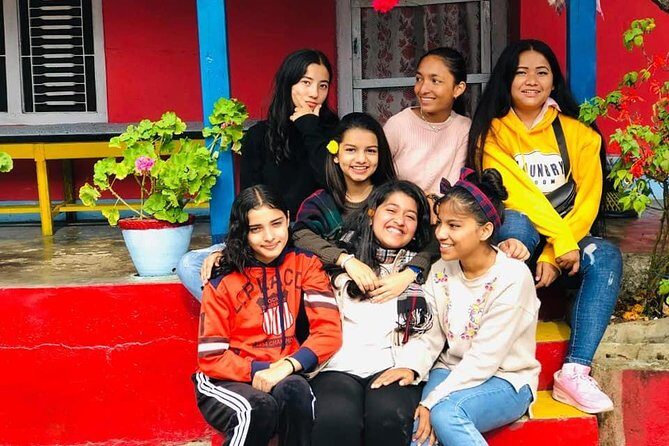
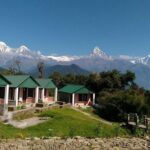
- Homestay immersion in local building style: Houses made from local materials, with everyday comfort.
- Thumro sunrise viewpoint: A short mountain-morning effort for big payoff views.
- Stone-tiled village foot trails: You’ll walk through the village on paths that are part of daily movement.
- Gompa evening program: Cultural time in a spiritual setting, guided and contextualized.
- Culture visits beyond “photo stops”: School and other community spots, plus respectful local-site viewing.
Sirubari at 1,700m: Why This Village Trip Feels Different
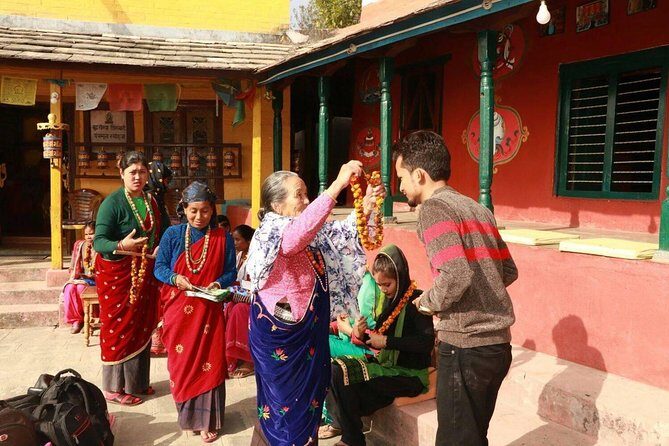
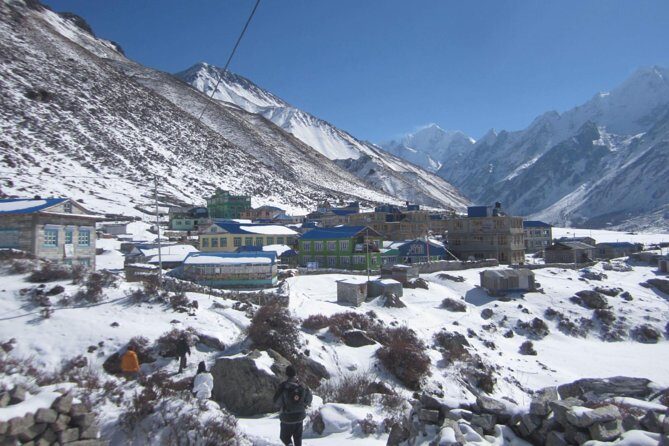
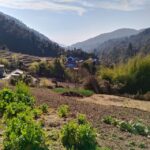
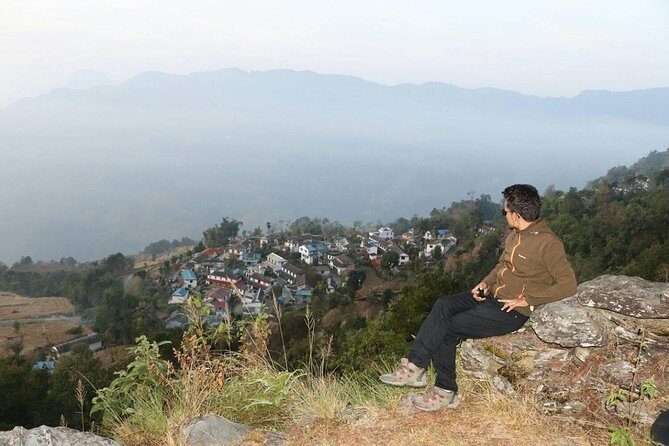
Sirubari Village sits in Nepal’s Syanja district, southwest of Pokhara. At roughly 1,700 meters, the air is typically cooler than Pokhara’s lower elevation, which makes the walks feel more comfortable than you’d expect for a short tour. You also get that ridge setting where the village sees long sunny days—helpful if agriculture is what you want to understand, not just admire.
What I like most is the way the village presentation connects to heritage, not only scenery. Sirubari has recognition tied to preserving culture and heritage (including a PATA Gold award listed in the tour details), which fits what you’ll see on the ground: traditional building materials, lived-in spaces, and community routines.
The village vibe is described as both odd-in-the-best-way and classy—like it’s not trying to be trendy. If you prefer polished, branded tourism, you might find that style slightly too real. If you want something warm and human, it’s a strong match.
You can also read our reviews of more evening experiences in Pokhara

Getting There From Pokhara: The Drive Plus an Easy Walk In
The tour starts with transportation from Pokhara to Sirubari, routing through places like Badkhola and Darau. In other words, you’re not only “getting there”—you’re also warming up to the terrain and narrowing your focus from the busy city to a slower valley rhythm.
Then comes the easy walk after you arrive. That matters because it’s the first moment you feel the village scale: you’re on stone-tiled paths, moving through the same kind of pedestrian-friendly routes locals use. It’s not an all-day hike. It’s more like a gentle transition into village life.
The route also sets expectations: this is a 3-day program with walking time that stays manageable. Most travelers can participate, but you’ll still want decent shoes and a steady pace—especially for Day 2, which includes sunrise timing.
Day 1 Homestay Dinner: What a “Local Materials” Stay Really Means
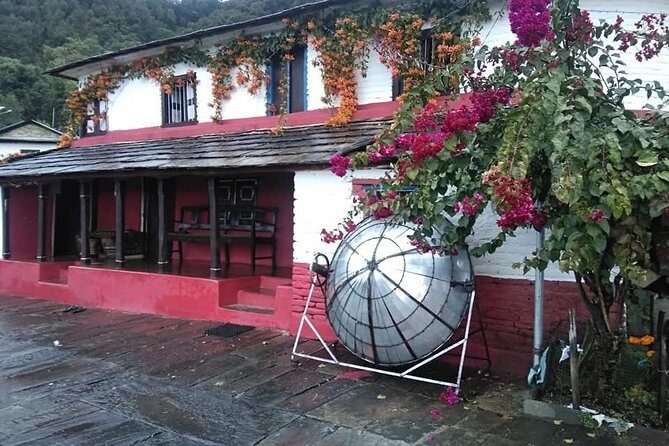
Day 1 centers on getting to Sirubari, visiting the village, then settling in for the night with dinner at your homestay. The houses are built mostly from local materials and are described as well-built and comfortable, which is a big difference from homestays that feel like you’re sleeping in a storage room.
This is also where you start learning the rhythm of the place. You’ll see how community areas function, and you’ll likely get a first introduction to the way daily life is paced—especially compared to Pokhara’s more tourism-shaped schedule.
One practical note: this is home comfort, not hotel comfort. Meals are included (lunch and dinner across the days, plus breakfast), but the setting is meant to feel like a neighbor is hosting you, not a resort is serving you. If you’re flexible and curious, it’s usually a highlight. If you want consistent amenities like at a city hotel, you’ll want to calibrate early.
Day 2 Thumro Sunrise Walk: Early Feet, Big Views
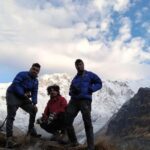
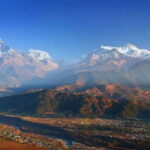
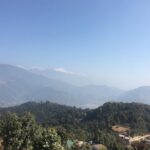
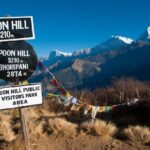
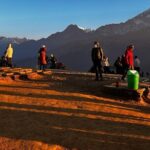
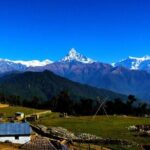
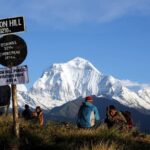
Day 2 starts with departure from the village on foot for mountains views and sunrise at Thumro. The plan is straightforward: go out, catch the sunrise, then return to Sirubari. That “go out and back” format keeps it from becoming a long slog, but it still gives you the best kind of morning reward—clear light, cool air, and that first look at the surrounding peaks.
What I like about sunrise day trips like this is that they compress the best part of the day into a short window. You’re not wasting daylight in transit. You’re using the morning when the world feels most awake and the views tend to feel crisp.
Also, the village foot trails are stone tiled, which likely means you’re walking on stable paths rather than loose ground. Still, stone surfaces can be slick or uneven depending on conditions, so take it slow, keep your footing, and let the guide set the rhythm.
After returning, Day 2 shifts from the view-focused morning to deeper community context. That pacing helps: you don’t just “collect” scenery, you spend the rest of the day understanding what supports village life.
Gompa Evening Program and Community Visits: Culture With the Right Attitude
Later on Day 2, the tour includes visits connected to community life: a funeral place, a school, and an evening program at the gompa. This is one of the most important parts of the experience, and it’s also the area where you should come in with extra respect and flexibility.
A funeral place visit can feel sensitive even when it’s informational and guided. I’d treat it like a learning moment, not a curiosity stop. Follow what your English-speaking guide directs, keep your voice low, and don’t try to turn it into a photo opportunity.
The school visit is usually more uplifting in tone—an on-the-ground look at education as a daily foundation. And the gompa evening program tends to be where the trip feels most atmospheric: you’re in a spiritual setting, and the evening program is described as part of the itinerary rather than a random schedule.
This segment is also where the tour’s “best homestay trip” claim makes sense. You’re not just sleeping in a village—you’re also spending daytime and evening time in village spaces that shape identity.
A few more Pokhara tours and experiences worth a look
Day 3 Return to Pokhara: Scenic Stops on the Way Out
On Day 3, you drive from Sirubari back to Pokhara via Karkinetta, Seti Doban, and Naudanda. It’s a shorter, calmer wrap-up day, with drop-off at your hotel in Pokhara.
Why this ending matters: you don’t spend your last hours scrambling for transportation or trying to squeeze in extra stops. Instead, you finish with the same guided structure that brought you in. If you’re coming from a trip that already includes a lot of movement, this gentler Day 3 can feel like a relief.
It also gives you time to process what you experienced. Two nights can be short, but homestay living plus a sunrise morning plus community visits adds up fast—so returning without chaos is a real quality-of-life benefit.
Price and Value: What You’re Paying for (and What You’re Not)
The tour price is $420 per person. For a private 2-night, 3-day experience, that number is more understandable when you break down what’s included: pickup and drop, private transportation, an English-speaking guide, and meals as per the itinerary.
You’re also getting homestay accommodation with government taxes included, plus breakfast (2) and lunch/dinner (lunch 3 and dinner 2, as listed). On top of that, the itinerary notes admission ticket is free for the stops included—so you’re not adding a pile of entry fees day after day.
What’s not included is straightforward: personal expenses and gratuity/gratitude. That matters because village tours often rely on good human interaction, and gratitude is part of respecting the people who host you and guide you.
If you’re traveling in a group, the tour mentions group discounts too. That’s often where value improves the most, because private transport and guide time get shared. If you’re going solo, you’ll likely feel the cost more, but you’re still paying for a structured homestay experience rather than just renting a car and figuring everything out yourself.
Who This Tour Suits Best (and Who Might Skip It)
This tour is a strong fit if you want authentic village life near Pokhara without committing to a full trek. You’ll like it if sunrise mornings, friendly hosts, and guided cultural context sound like your idea of a good trip.
Based on how the experience is presented, it also suits travelers who prefer comfort in the “real world” sense—simple accommodations, warm community hosting, and a schedule that doesn’t constantly whip you around. The most praised moments in the tour’s write-ups center on how memorable and comfortable the organization felt, plus the beauty of the village and the friendliness of local people.
You might reconsider if you want a fully luxury hotel setup, long sightseeing days packed with major monuments, or very flexible timing on your own. This is a guided flow, and it’s built for immersion through structure—not freedom-first spontaneity.
What to Pack (So Your Feet and Comfort Stay Happy)
Even with easy walking, you should pack for uneven stone paths and early starts. Good traction shoes help a lot on stone-tiled trails. A light layer matters too, since mornings around 1,700m can feel cooler than you expect.
Bring a small day bag for essentials during the walk. Since meals are included, you don’t need a huge food stash, but you may want water on hand if your guide suggests it. A basic power bank can also help, since you’ll be out and about during the day.
If you’re sensitive about photographing people or religious spaces, plan to ask your guide first. The gompa evening and the funeral place visit are the kinds of moments where respect should lead.
Should You Book the 2 Nights 3 Days Sirubari Village Tour?
I’d book this tour if you want a Pokhara-based trip that feels like you actually stepped into rural Nepal for a couple of days. The combination of homestay living, a sunrise walk to Thumro, and a guided sequence of community visits is exactly the formula that turns a “village tour” into a memory you’ll talk about later.
I’d think twice only if you’re very equipment/amenity-dependent or you hate early mornings. If those aren’t issues, Saara Tourism Nepal’s setup—pickup and drop, English-speaking guidance, meals included, and a private group experience—makes it easier to focus on what matters: learning, walking, and being treated like a temporary part of the village routine.
FAQ
FAQ
How long is the Sirubari Village Tour from Pokhara?
It’s a 2 night, 3 day experience, with approximate day-by-day timing included in the tour plan.
Does the tour include pickup and drop-off from Pokhara?
Yes. Pickup and drop are offered, along with private transportation.
What kind of accommodation do I get in Sirubari?
You stay in a home stay in Sirubari for two nights.
Are meals included in the tour price?
Yes. Breakfast is included (2), and lunch and dinner are included based on the itinerary (breakfast 2, lunch 3, dinner 2).
Do I need to pay admission tickets for the included stops?
Admission tickets are listed as free for the included parts of the itinerary.
Is there an English-speaking guide?
Yes. The tour includes an English-speaking guide.
How much walking is involved?
You’ll do an easy walk on arrival Day 1, and on Day 2 you’ll walk from the village for mountains views and sunrise at Thumro, then return to Sirubari.
Is this a private tour?
Yes. Only your group will participate.
Is the tour affected by weather?
Yes. The experience requires good weather, and if it’s canceled due to poor weather you’ll be offered a different date or a full refund.
What costs are not included?
Personal expenses and gratuity/gratitude are not included.
What is the cancellation policy?
Free cancellation is available up to 24 hours in advance for a full refund.