REVIEW · POKHARA
5-Day Private Farming Experience in Nayapul with Accommodation
Book on Viator →Operated by Arpan Nepal · Bookable on Viator
Work the soil for real life lessons.
This 5-day private Nayapul farming experience is interesting because it’s built around doing the work, not just watching it. I love the hands-on practice with ancient-style farming tools and the way farm life comes with meals that feel truly homegrown. One possible drawback: these are field days, so expect it to be physically tiring, especially on days 3 and 4.
The trip also runs on a simple rhythm: pickup in Pokhara, a scenic drive, a short hike into the rural village, and then full days in the fields with a farming coach and farmer support. You’ll get a friendly welcome from the household head, plus an acknowledgement and farewell at the end—followed by a certificate back in Pokhara. It’s private, so your group sets the pace within the daily schedule.
At $250 per person for five days, the value comes from what’s bundled: transportation, accommodation, tools, and daily coaching, plus multiple meals. Just go in knowing this isn’t a soft sightseeing tour. It’s agricultural learning with a strong hands-on component.
In This Review
- Key highlights at a glance
- Nayapul farming with a homestay: why it feels different
- Getting to Nayapul from Pokhara: the 8:30 start and hike
- Day 1 in the homestay: welcome, orientation, and settling in
- Day 2 seasonal farming lessons and a field demonstration
- Days 3 and 4: tool time, farmer monitoring, and long work blocks
- Day 5 wrap-up in Pokhara: acknowledgement, farewell, and your certificate
- Food and daily rhythm: breakfast, lunch, and dinner included
- Price and logistics: what $250 per person really covers
- Who should book this Nayapul farming experience
- Who should think twice
- Should you book this 5-Day Private Farming Experience in Nayapul?
- FAQ
- FAQ
- What is the duration of the Nayapul private farming experience?
- Where does the tour start in Pokhara?
- Is the tour private?
- What transportation is included?
- What meals are included?
- Are farming tools and guides included?
- What is not included in the price?
- Is there free cancellation?
Key highlights at a glance
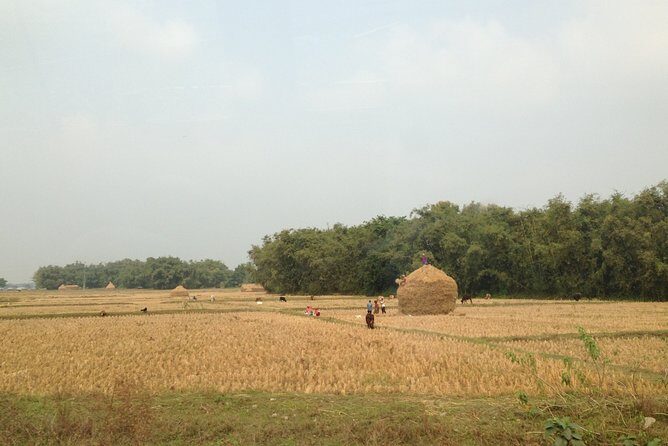
- Private group time in a real rural setting with your own group only
- Ancient-style tools and active fieldwork for tilling, planting, and crop care
- Seasonal farming coaching from a rural agriculture coach and farmer guidance
- Home-stay accommodation with family life built into the schedule
- Organic-feeling meals (breakfast, lunch, dinner included most days)
- A real finish with acknowledgement, farewell, and a certificate in Pokhara
Nayapul farming with a homestay: why it feels different
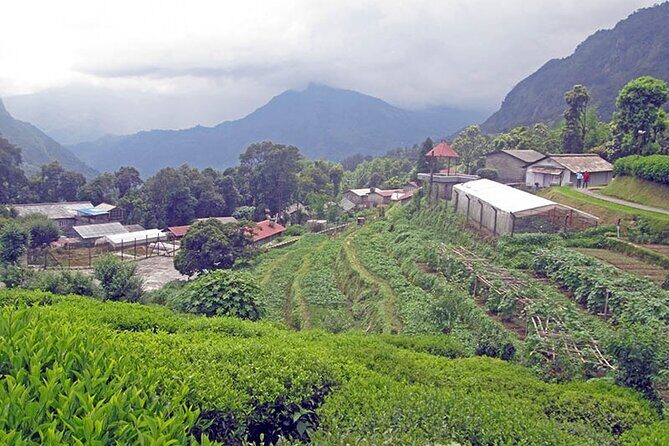
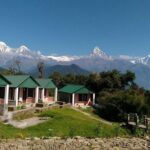
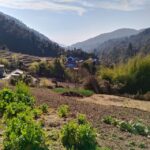
If you’re the type who gets restless in cafés and shopping lanes, this kind of trip can land in the sweet spot. You’re staying with a local family and spending your days learning the season-by-season logic of farming in Nepal, then using the tools yourself.
What makes it click is the structure. It starts with an introduction to the household, then moves into instruction, and finally shifts into full work blocks where you’re doing the tasks rather than being a polite observer. That’s also where you’ll learn the practical side: how seasonal choices affect what gets planted and when, and how everyday farm work is coordinated around daylight.
The other big factor is the homestay. The schedule isn’t just outdoors. You’re part of family routines long enough to feel what “living with farming” means day to day. From what people highlighted most, the food is a major part of that. They described the meals as very organic, and it makes sense: rural families tend to cook what’s at hand.
You can also read our reviews of more private tours in Pokhara
Getting to Nayapul from Pokhara: the 8:30 start and hike
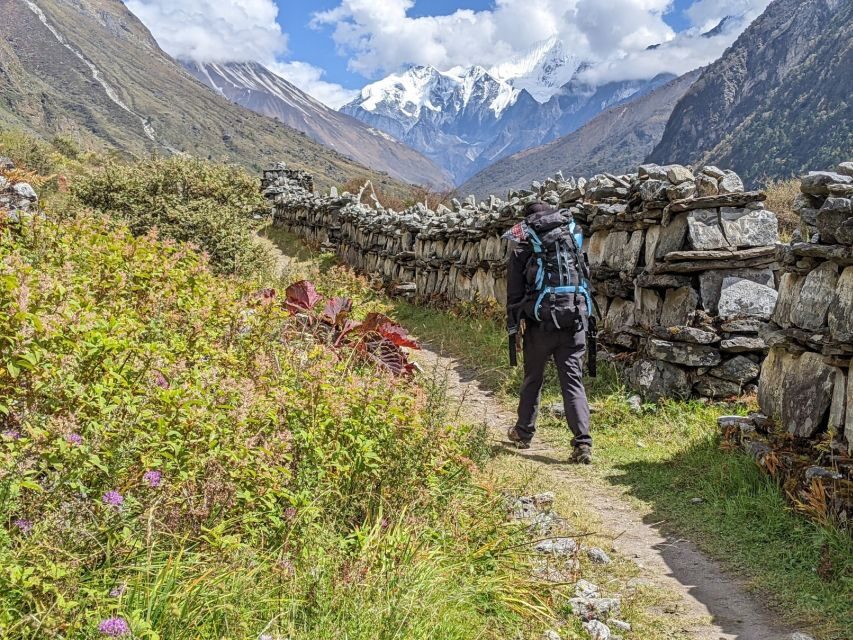
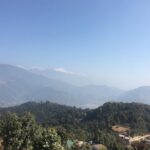
Day one begins with a hotel pickup at 8:30 a.m. in Pokhara. From there, you’ll take a scenic drive of about 1 hour 20 minutes to Nayapul. Then you start the transition from road to rural life with a 30-minute hike to the village.
That hike matters more than it sounds. It’s the moment you stop thinking of this as a tour and start thinking of it as a place. It also sets expectations for the overall trip: you’re going to be moving around and spending time outdoors.
This is one of those experiences where “easy walking” isn’t the headline. You don’t need to be an athlete, but you should be comfortable with a steady hike and long days outdoors.
Day 1 in the homestay: welcome, orientation, and settling in
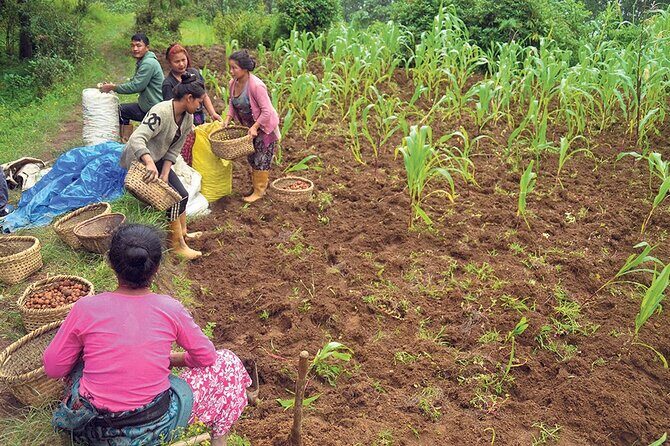
On day one, the program focuses on arrival and orientation. After reaching the village, you’ll check in to the homestay and have an introduction session with the house head and family.
That first conversation is more than small talk. It’s your chance to understand how the household organizes daily life and what role farming plays in it. You’re also starting with human context instead of only tools and tasks, which makes everything feel more grounded once you get to the fields.
You’ll also likely notice the pacing is calm at first. The first day isn’t built to exhaust you. It’s a gentle entry: enough rural immersion to make you curious, and enough orientation to help you follow instructions later.
Day 2 seasonal farming lessons and a field demonstration
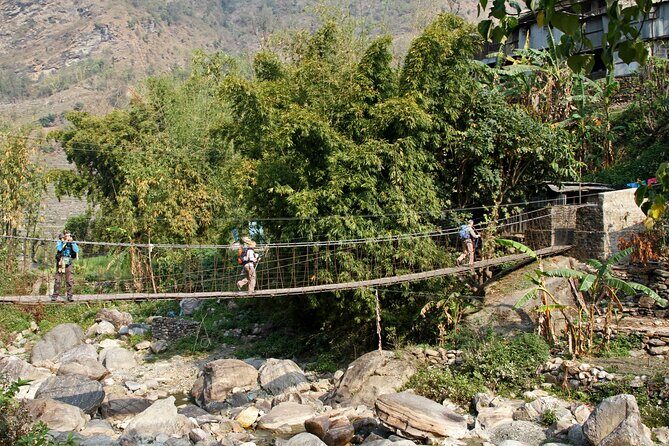
After breakfast on day two, you meet a rural agriculture coach who explains seasonal farming methods. The goal here isn’t to overload you with theory. It’s to give you the logic you’ll use throughout the work days: how the farming calendar influences what’s done when.
Then comes the most important part: after lunch, the farmer takes you to the field to demonstrate how it works and what you should do. This is where you learn by watching, and then you learn what matters most by seeing which steps come first and how the tools are actually used.
If you’re the type who likes to understand the why behind the work, day two is a highlight. It turns the trip from physical labor into purposeful learning.
One thing to keep in mind: day two still includes real time in the rural environment, so you’ll want to come ready for long stretches outside, not just a quick photo stop.
Days 3 and 4: tool time, farmer monitoring, and long work blocks
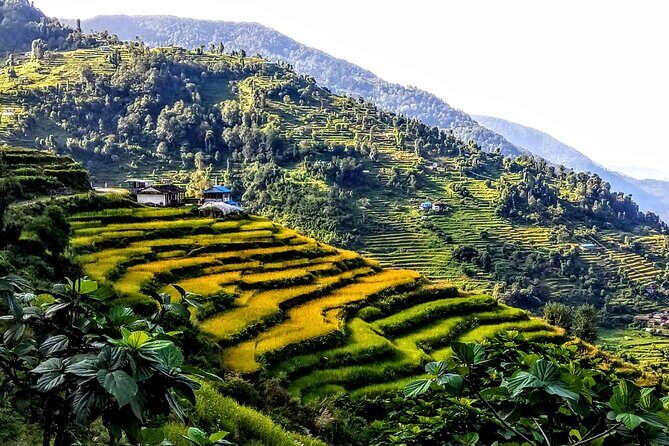
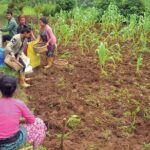
Days three and four are the “real farm days.” The structure is similar both days: you’ll use the necessary farming tools with a farmer guide, and you’ll work in shifts—morning and day shifts around the schedule, with time after lunch and before lunch for the next block.
The key detail here is monitoring and instruction. Your farmer guide keeps an eye on what you’re doing and provides instruction if required. That means you’re not left to guess. You’re learning correct technique while you work.
Also, these days are described as tiring because they involve field work through the day. That’s not a reason to avoid the experience, but it is a reason to plan mentally. Think of it like a hands-on workshop that lasts most of the daylight hours.
From the way people talked about the experience, crop care is part of what you do. One couple specifically mentioned caring for tomato plants, which gives you a sense of the practical tasks you may end up doing—things that require patience, attention, and repetition.
If you want a vacation that’s mostly about rest, this isn’t that. If you want a meaningful break from city life and you don’t mind working, these two days deliver.
A few more Pokhara tours and experiences worth a look
Day 5 wrap-up in Pokhara: acknowledgement, farewell, and your certificate
Day five turns from work mode into closure mode. There’s an acknowledgement of your work and a farewell program by the head of the family and the farmer. That’s a nice detail: it’s not just transactional tourism. They recognize your effort and it gives the trip emotional weight.
After lunch, you’ll take about a 40-minute walk and then bus back to Pokhara. When you arrive, you go to the office to receive a certificate, and then you’re dropped back at your place.
That final certificate step is small, but I like it. It gives the trip an official end point, not just a memory and a few photos. It also makes it easier to track the trip if you’re keeping travel records.
If you’re sensitive to sudden endings, expect day five to feel busy: farewell, lunch, walk, bus, and then certificate plus drop-off.
Food and daily rhythm: breakfast, lunch, and dinner included
Food is one of the most positive notes from people who completed the experience. They described the meals as organic, and with a homestay setup that’s exactly what you’d hope for.
Breakfast is included for 4 days, lunch for 5 days, and dinner for 4 days. That balance matters because it removes one of the biggest travel headaches: you don’t have to budget meal hunting between rural sessions.
It also keeps your day flowing. When you’re working in the fields for hours, you want meals that are predictable and ready when you need energy. In these kinds of trips, that can make the difference between enjoying the work and just getting drained.
One practical note: alcohol and personal expenses aren’t included, so if you have specific drink preferences, plan for them separately.
Price and logistics: what $250 per person really covers
At $250.00 per person for about five days, the big value isn’t just “a tour.” It’s the bundle of costs that would add up on your own.
Included in the package:
- Hotel pickup and drop-off in Pokhara
- Transportation to and from Nayapul
- Accommodation in the homestay with the family
- Farming guide and rural agriculture coaching
- All tools for farming
- Meals: breakfast, lunch, dinner across the stated days
- A certificate at the end
Also, this is designed as a private experience for your group, so you’re not sharing the main parts with unrelated people. Private doesn’t always mean better, but here it typically means your group gets more focused attention during instruction and field work.
The logistics are also fairly straightforward: start at 8:30 a.m., finish with return to Pokhara on day five, and there’s a note that it depends on good weather. If weather shifts, you may be offered a different date or a refund.
If you’re comparing this to typical sightseeing tours, you’re paying for time in the fields, guidance, and family-based accommodation—not just transportation and a guide.
Who should book this Nayapul farming experience
You’ll likely love this if:
- You want a break from city life and you enjoy doing real tasks
- You like learning how seasonal farming actually works
- You’re comfortable with multi-day outdoor work and a homestay routine
- You want an experience that feels personal and community-connected
This is also a good fit for couples or small groups who want something more meaningful than a checklist itinerary. The private format helps it feel less rushed.
Who should think twice
The main “think twice” reason is effort. Days three and four involve work in the field for around the daylight hours, and the schedule calls out tiring work. If you want a mostly relaxing trip, this won’t match.
Also, because the experience depends on good weather, you should be comfortable with the possibility of date changes if conditions aren’t right.
If you’re expecting a polished tourist show, you might be disappointed. This is practical learning: soil, tools, crop care, and family life.
Should you book this 5-Day Private Farming Experience in Nayapul?
Book it if you want a hands-on cultural experience with real farm work, not just observation. The combination of farmer coaching, tool-provided learning, homestay accommodation, and the wrap-up acknowledgement makes it feel like you participated—not just visited.
Skip it if your ideal vacation is mainly low-effort sightseeing. The farm days are the point, and you’ll feel that in your body.
If you do book, plan to treat it like a workshop you live inside: come ready to work, ask questions during instruction time, and give yourself credit for learning by doing.
FAQ
FAQ
What is the duration of the Nayapul private farming experience?
The experience runs for 5 days (approximately).
Where does the tour start in Pokhara?
You’ll be picked up from your hotel in Pokhara starting at 8:30 a.m., then you travel to Nayapul.
Is the tour private?
Yes. It’s a private tour/activity, and only your group will participate.
What transportation is included?
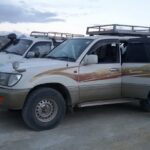
Hotel pickup and drop-off in Pokhara are included, along with necessary transportation for the route to and from Nayapul.
What meals are included?
Breakfast is included for 4 days, lunch for 5 days, and dinner for 4 days.
Are farming tools and guides included?
Yes. A farming guide for the rural agriculture session is included, and all tools for farming are provided.
What is not included in the price?
Alcoholic beverages and personal expenses are not included, and gratitude is optional.
Is there free cancellation?
Yes. You can cancel up to 24 hours in advance for a full refund. The experience also requires good weather, and if it’s canceled due to poor weather, you’ll be offered a different date or a full refund.