REVIEW · POKHARA
Pokhara Day Bus Sightseeing 8 points
Book on GetYourGuide →Operated by Holyland Adventure Tours and Travels Pvt Ltd · Bookable on GetYourGuide
This bus tour is a fast way to see a lot. In about 4 hours, you’ll ride between viewpoint and water stops, plus temples and caves, all in a budget-friendly format that fits a short day in Pokhara. I especially like how the schedule links mountain views with spiritual sites, so it feels like more than just sightseeing photos.
I also like that the tour is built around pick-up from Lakeside and an organized run by an operator (Holyland Adventure Tours and Travels Pvt Ltd), which helps you avoid planning headaches. The main drawback to consider: the “guide” part can be more basic than you’d expect, and English can be limited depending on the day, with some buses reported as older or not very clean.
In This Review
- Quick take: what matters most
- How a 4-hour Pokhara loop really feels
- Price and value: $19 is the hook, entry fees are the reality
- Getting picked up from Pokhara Lakeside (and how to avoid delays)
- Stop 1: Pumdikot Shiva View Point for your first big mountain look
- Stop 2: World Peace Pagoda above Phewa Lake
- Stop 3: Davis Falls, where the water does the talking
- Stop 4: Seti River Gorge for limestone drama on a bridge
- Stop 5: Mahendra Cave and Gupteshwor Mahadev
- Stop 6: Bindabasini Temple for old-school spirituality
- Stop 7: Mahadev Temple for another spiritual stop
- Stop 8: Phewa Lake to end with an easy payoff
- Group size, language, and the “guide” reality
- Transportation comfort: bus condition can make or break your day
- What to bring (and what not to bring) for a smooth morning
- Who this tour suits best (and who should skip it)
- My practical booking advice: should you go?
- FAQ
- What time does the Pokhara day bus tour start?
- Where is the pick-up location?
- How long is the tour?
- What are the main stops on the route?
- Are entry fees included?
- Is food included?
- What language support is available?
- What should I bring for the tour?
- What’s the cancellation policy?
- Is this tour suitable for everyone?
Quick take: what matters most
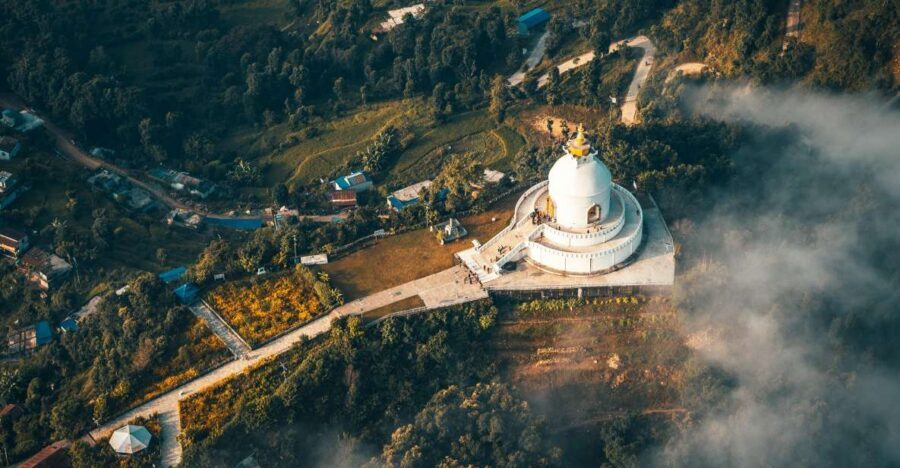
- 8 named highlights pack Pokhara’s viewpoints, falls, caves, temples, and lake into one morning loop
- Pumdikot and World Peace Pagoda give you the best chances for big mountain views early in the day
- Davis Falls + Seti River Gorge deliver the most dramatic scenery without long hikes
- Mahendra Cave + Gupteshwor Mahadev add a real “Pokhara underground” stop (worth bringing a charged phone)
- Phewa Lake ends with an easy, relaxed payoff—either sit and watch or take a boat ride if you want
- Best for budget travelers; less ideal if you need strong English interpreting or have mobility limits
How a 4-hour Pokhara loop really feels
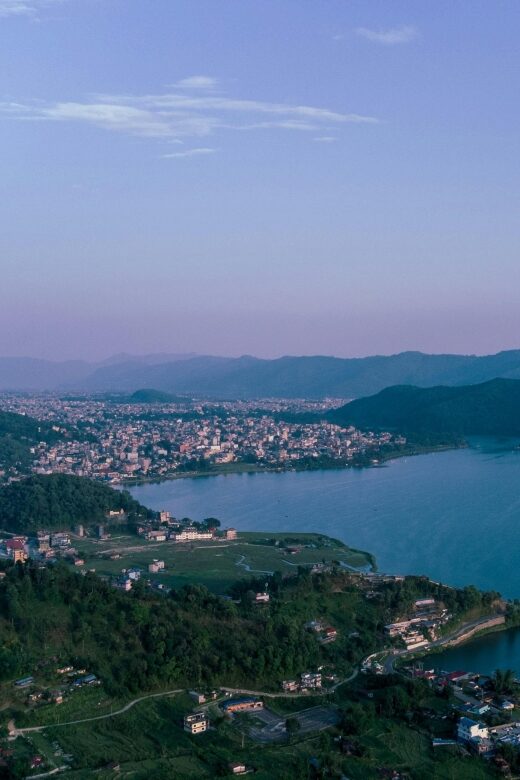
This is a short, efficient day trip. You start around 9:00 am, with pick-up from your area in Pokhara (the tour notes Lakeside as the pickup point, and you confirm the exact hotel address). The pace is “see it, move on,” not “hang out forever.” That’s exactly why it can be great value when you only have a morning.
You’ll spend time at each stop ranging from 30 minutes to about 1 hour, with a short break back at Lakeside near the end. Expect the day to feel like a series of quick entrances: viewpoint → temple → falls → cave → gorge → temple → lake. If you like having a plan and don’t want to rent a private vehicle, this kind of route makes sense.
One thing to watch: the schedule lists Mahendra Cave twice. That could be intentional (for different parts of the complex) or it could be a mistake in the timing sheet. Either way, it’s worth asking the operator to confirm what the second cave stop is for before you go.
You can also read our reviews of more tours and experiences in Pokhara.
Price and value: $19 is the hook, entry fees are the reality
At $19 per person, this tour’s appeal is obvious: you’re paying for transport, driver, and organization across several major Pokhara sights. Included items are pick-up and drop, fuels/taxes/service charge, the tour operator, and an experienced driver.
What’s not included is just as important. Entry fees and food are not included, and you’ll also likely want small personal spending money for water or snacks. For a trip this short, entry fees can still add up, so I’d treat the $19 as the transport-and-coordination cost, not the full trip cost.
If you’re traveling with a group mindset and want to tick off key Pokhara highlights quickly, this is usually good value. If you’re hoping to pay once and have everything handled with no extra costs, you may feel a bit squeezed.
Getting picked up from Pokhara Lakeside (and how to avoid delays)
The tour runs from Pokhara Lakeside, and the pick-up timing is roughly 8:40 am for an around-9:00 start. The operator asks you to contact them with your hotel name and address so they can confirm the pick-up spot.
Here’s the practical tip: message the company the day before or even about an hour before pick-up, especially if your hotel is set back from the main road. This tour is short, so a slow pick-up can steal time from your first viewpoint.
Also, keep your essentials ready in your bag: comfortable shoes and a charged smartphone. You’ll be moving between sites, and photos are a big part of what you came for.
Stop 1: Pumdikot Shiva View Point for your first big mountain look
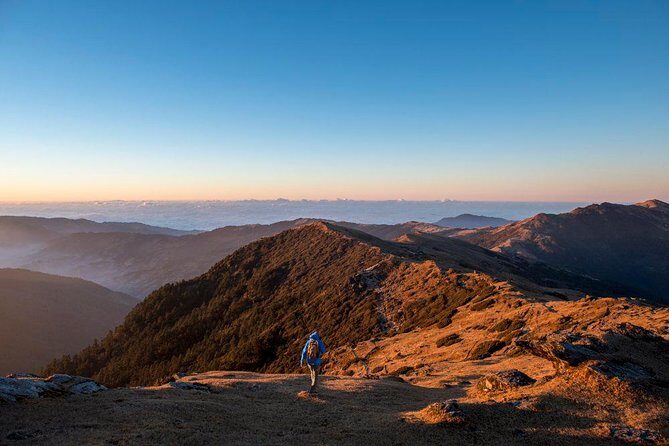
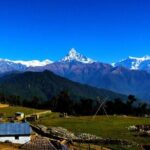
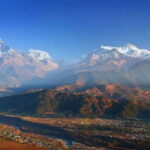
You’ll start with Pumdikot Mahadev View Point (with a Shiva statue). This is the kind of stop that sets the tone for the morning. From an elevated viewpoint, you’re looking for sweeping views over the Pokhara Valley and surrounding mountain scenery.
Why it works early: light and visibility tend to be better before clouds build later in the day. Also, once you get your bearings with your first panorama, the rest of the route feels easier.
Practical note: it’s a viewpoint visit with walking and stairs around a temple area. If you’re wearing flip-flops or stiff shoes, you’ll feel it.
Stop 2: World Peace Pagoda above Phewa Lake
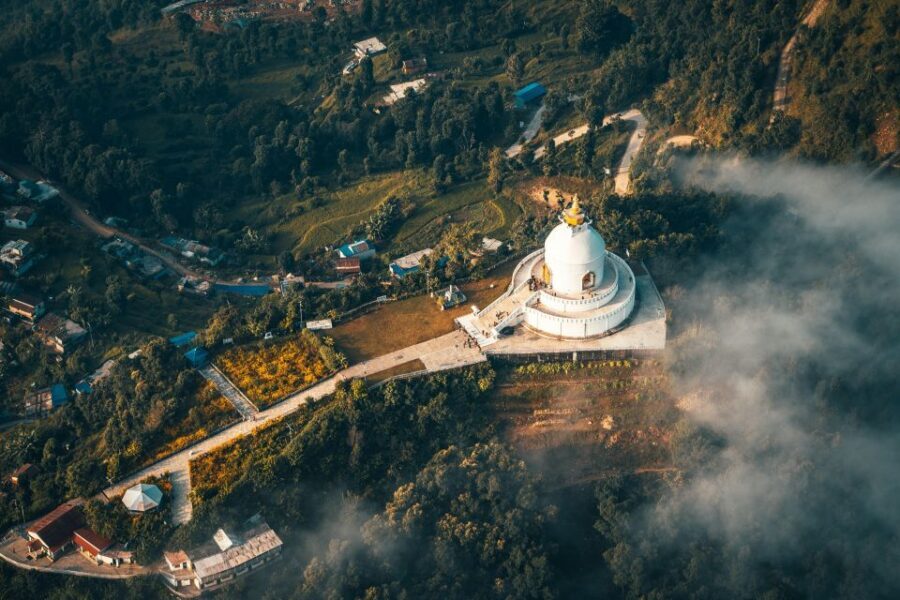
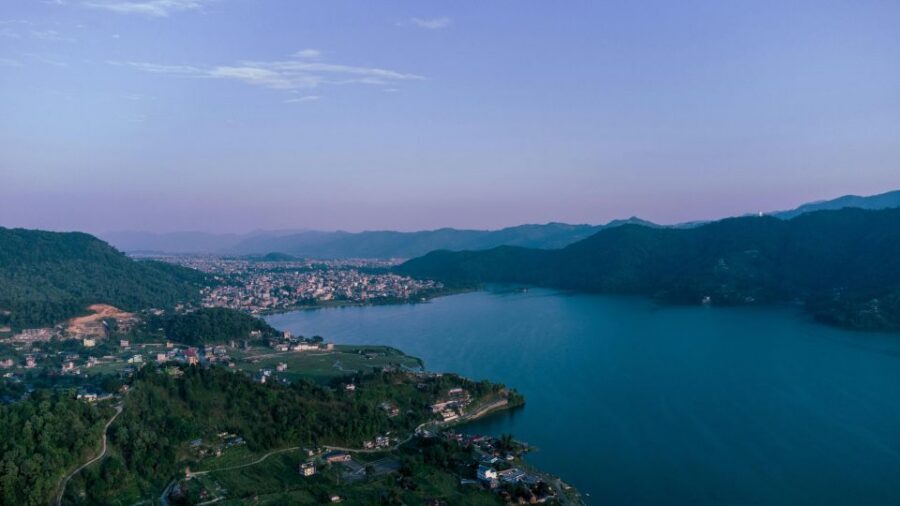
Next up is the World Peace Pagoda, overlooking Phewa Lake with views toward the Annapurna mountain range. This stop mixes spirituality and scenery, and it’s one of those places where the view does part of the “tour guiding” for you.
What you’ll like here is the combination: you’re not just looking at water and peaks; you’re also in a religious setting where people move at a slower pace. That contrast helps break up the more “quick photo stop” feeling later.
Practical tip: if you care about photos, give yourself a little time to step back and frame the lake + mountains rather than shooting from the first exact spot you reach.

Stop 3: Davis Falls, where the water does the talking
Then comes Davis Fall, known for its dramatic cascade and the nearby features linked to an underground flow system. This is one of Pokhara’s best-known water spectacles, and it’s usually straightforward to enjoy even if you don’t want to hike.
You’ll get photo opportunities and a clear sense of how powerful the water can be up close. If you like “nature with impact,” this is the stop.
Small caution: water areas can be slippery, and you may have to stand close to viewing points. Comfortable shoes really matter here.
Stop 4: Seti River Gorge for limestone drama on a bridge
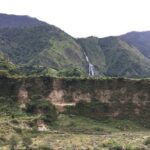
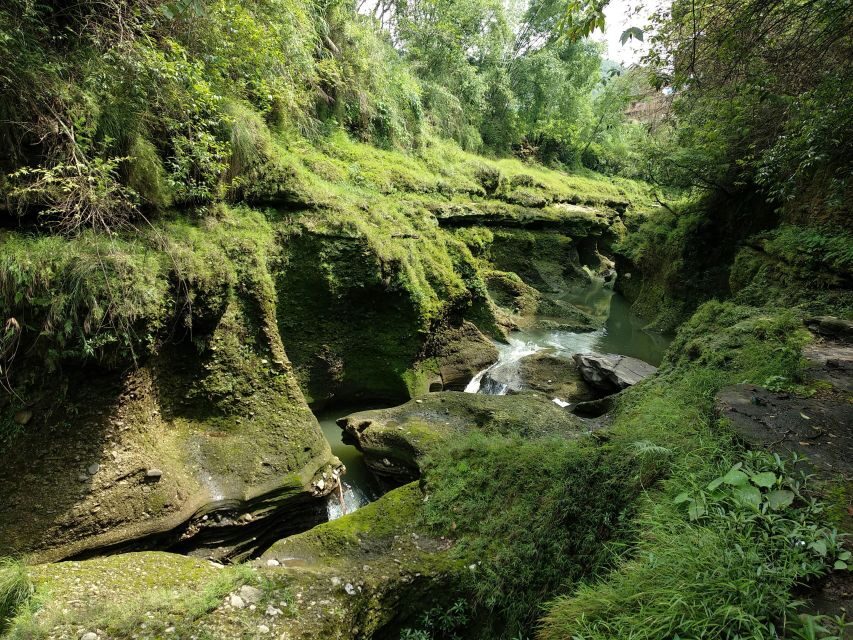
After the falls, the route heads to Seti River Gorge. The focus here is the deep gorge cut through limestone rocks, plus a chance to appreciate it from the bridge.
This is one of the most “Pokhara feels real” stops because it’s not a man-made monument. It’s geology and water action, visible in a way that’s easy to understand even on a tight schedule.
Timing is short (about 30 minutes), so the goal is simple: get your bearings, walk to a good viewpoint, take your photos, and move on.
Stop 5: Mahendra Cave and Gupteshwor Mahadev
Mahendra Cave is next, including the Gupteshwor Mahadev Cave within the complex. This is the tour’s most “different” stop: you go from open-air views into a cave environment with stalactites and stalagmites.
What this stop gives you:
- a change of pace from outdoor scenery
- a spiritual angle through the Gupteshwor Mahadev setting
- a memorable contrast to the water and views earlier
What to consider:
- caves can be darker and cooler; you’ll want a charged smartphone for photos
- you’ll likely be doing some indoor walking and standing, so comfort matters
- if you’re sensitive to enclosed spaces, the general tour notes it’s not suitable for claustrophobia
Stop 6: Bindabasini Temple for old-school spirituality
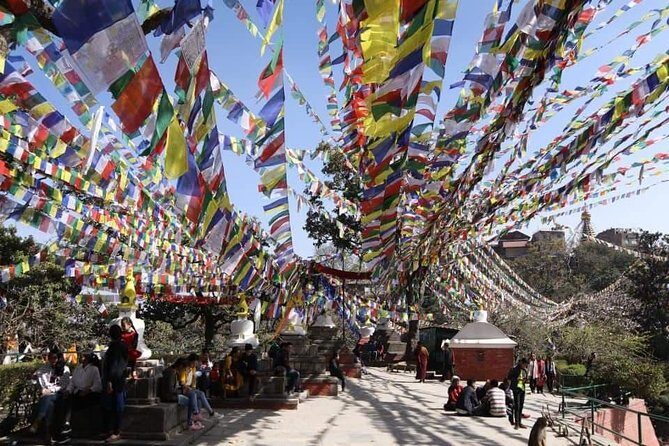
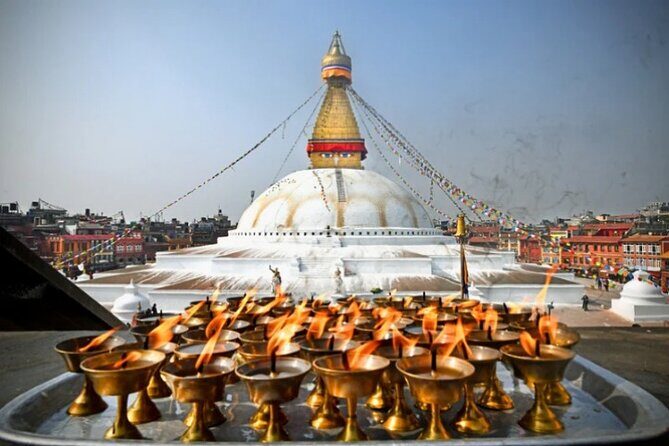
Then you’ll visit Bindabasini Temple. This is a chance to slow down slightly and experience religious and cultural atmosphere tied to Pokhara.
Unlike a viewpoint where you rush for the shot, temple visits are more about presence: watching worshippers, noticing how people move through the space, and taking in the symbolism.
The time here is about 45 minutes, which is long enough to see the main areas without feeling trapped.
Stop 7: Mahadev Temple for another spiritual stop
After Bindabasini, the route includes a Mahadev Temple visit. The schedule describes it as significant with historical importance.
This part of the tour is clearly designed around spirituality as a core thread, not just an extra. If you enjoy seeing how places of worship shape everyday life in Nepal, you’ll appreciate the repetition of Mahadev-related sites in a single morning.
If you’re less interested in temples, you might find this is where the tour shifts from “wow” to “okay, I get it.” But because it’s only one stop among many, it usually still fits well.
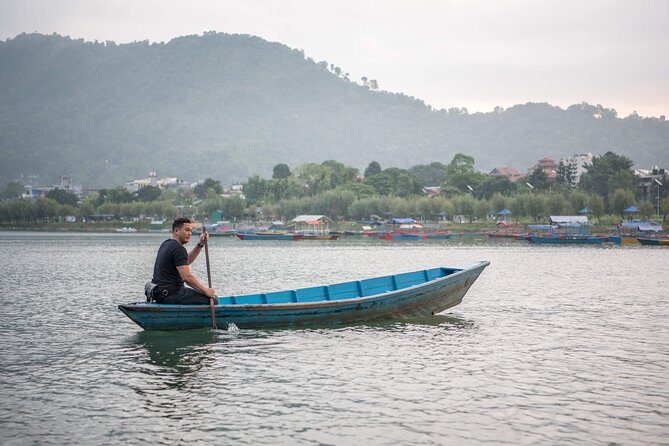
Stop 8: Phewa Lake to end with an easy payoff
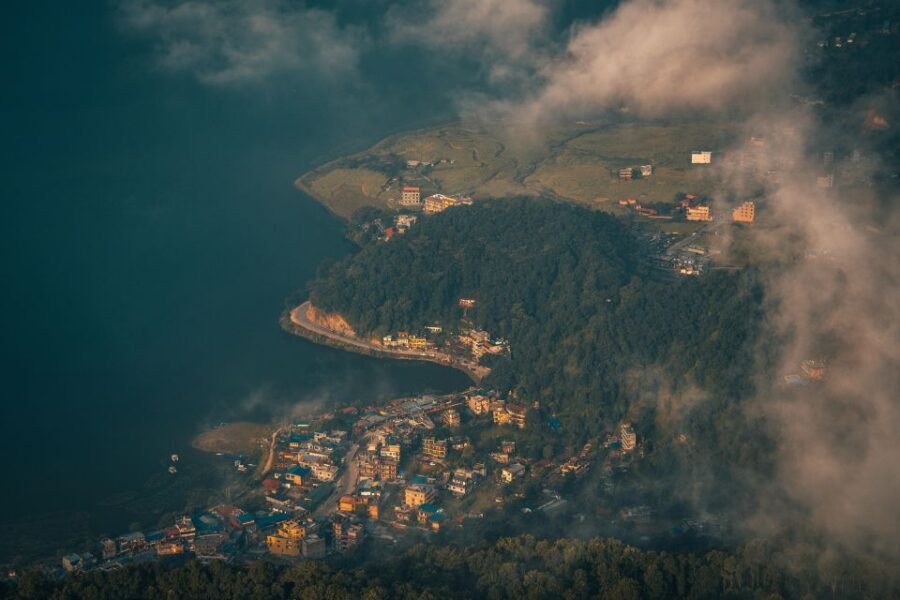
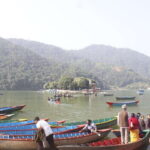
Finally, the tour wraps at Phewa Lake. This is a great way to finish because it’s naturally relaxing. You can enjoy the shore views and—if you choose—take a leisurely boat ride (the boat ride isn’t listed as included, so plan to pay separately if you go).
Why this ending works:
- you get a calm moment after caves and gorges
- it’s easy to find a comfortable place to sit and watch the lake
- it’s close to the Lakeside area where your day is anchored
If you’re the kind of traveler who likes to let the final stop linger, use the full hour so you don’t sprint right out of the best scenery.
Group size, language, and the “guide” reality
This kind of bus tour often becomes a mix of people who want the same sights but don’t always want the same style of explaining. The operator lists host languages as Nepali, Hindi, and English, and there is a greeter/host component.
Still, based on how these tours can run in the real world, it’s smart to assume that English support may vary by day. One common pattern with this type of route is that the “guide” may focus on timing—telling you when to return—rather than giving detailed explanations at each stop.
If English interpretation matters a lot for you, message the operator in advance and ask what level of English narration you can expect on your date. That way you’re not disappointed when the day is more “route and timing” than “storytelling.”
Also, expect a mostly local-style group on many days. That can actually be a plus: the tour feels like part of everyday travel in Nepal rather than a bubble of only foreign tourists.
Transportation comfort: bus condition can make or break your day
The itinerary is simple: bus ride segments between stops, with guided time on the ground. The driver experience is listed as part of the included service, which is a real plus for safety and smooth coordination.
That said, comfort can vary. Some travelers have reported that the bus can feel old and not very clean. You can’t control that completely, but you can protect yourself: bring a light layer, keep your phone ready in a comfortable reach spot, and plan for quick stops where you’re getting on/off repeatedly.
This matters because you’re only out for about four hours. If the ride is uncomfortable, the overall experience can feel less worth it—even if the sightseeing is good.
What to bring (and what not to bring) for a smooth morning
The tour has clear “do this” items:
- comfortable shoes (you’ll walk in temple areas and around water viewpoints)
- comfortable clothes
- charged smartphone
- passport or ID card (a copy is accepted)
- garbage bag (help keep the sites clean)
And it has clear “don’ts”:
- no smoking in the vehicle
- no alcohol and drugs (also no alcohol drinks in the vehicle)
- no littering, no making excessive noise
- no nudity
- no baby carriages
- no explosive substances
If you bring a small backpack, you’ll be glad later at Davis Falls and inside cave areas where you want your hands free.
Who this tour suits best (and who should skip it)
This is a good fit for:
- budget travelers who want major Pokhara highlights in one morning
- people comfortable with short walks, stairs, and uneven ground near viewpoints
- travelers who don’t need deep English narration to enjoy the sights
- first-timers who want an organized sampler before exploring on their own
It’s less suitable for:
- anyone with back problems or high blood pressure
- people with heart problems or low fitness
- people with motion sickness
- anyone with claustrophobia (especially with the cave stops)
- wheelchair users and those with mobility impairments
- people who are visually impaired
- people over 331 lbs (150 kg) or age constraints listed for seniors
- vegans (the tour states it’s not suitable for vegans; food isn’t included, but this restriction still applies)
Also, if you’re very sensitive to crowds or want maximum privacy, this is a bus tour with group timing. Choose other formats if you want quiet and flexibility.
My practical booking advice: should you go?
Book this tour if you want a fast, low-cost Pokhara hit list: Pumdikot, Peace Pagoda, Davis Falls, Seti Gorge, caves, temples, and Phewa Lake—handled with a bus schedule that doesn’t require you to drive.
Hold off if you:
- need reliable English guide storytelling at every stop
- want pristine bus comfort (since conditions can vary)
- have claustrophobia or mobility constraints due to cave and terrain
- expect all entry fees and food to be included
If you do book, do one smart thing: contact the operator to confirm the exact pick-up point and ask whether English guidance will be available on your day. For a tour this short, those details matter.
FAQ
What time does the Pokhara day bus tour start?
The tour starts around 9:00 am local time. Pick-up is recommended at least 20 minutes early, around 8:40 am.
Where is the pick-up location?
Pick-up is included, and the tour notes the pickup location as Pokhara Lakeside (Lake Side). You’re asked to contact the operator with your hotel name and address to confirm the exact pick-up spot.
How long is the tour?
The duration is listed as 4 hours.
What are the main stops on the route?
The named stops include Pumdikot Mahadev View Point, World Peace Pagoda, Davis Falls, Seti River Gorge, Mahendra Cave, Bindabasini Temple, Mahadev Temple, and Phewa Lake.
Are entry fees included?
No. Entry fees are not included.
Is food included?
No. Food is not included.
What language support is available?
The host or greeter is listed as speaking Nepali, Hindi, and English.
What should I bring for the tour?
Bring comfortable shoes and clothes, a charged smartphone, and a passport or ID card (a copy is accepted). A garbage bag is also recommended.
What’s the cancellation policy?
Free cancellation is offered up to 24 hours in advance for a full refund.
Is this tour suitable for everyone?
No. It’s listed as not suitable for people with mobility impairments, wheelchair users, claustrophobia, heart problems, high blood pressure, motion sickness, and some other conditions including vegans and visually impaired travelers.