REVIEW · KATHMANDU
5-Day Annapurna Base Camp Trek with Natural Hot Springs
Book on GetYourGuide →Operated by MTA Trekking · Bookable on GetYourGuide
One trail, one big payoff: Annapurna Base Camp. This 5-day trek in western Nepal mixes classic Himalayan hiking with a stop in the natural hot springs of Jhinu, plus village time with Gurung communities along the way. What I like most is the way the route varies day to day, and the included logistics that keep you focused on walking and taking photos.
You’ll trek up from the Pokhara area to 4,130 meters at Annapurna Base Camp, then come back down via Bamboo. The big consideration is altitude. Even though altitude sickness is said to be rare, you still climb to serious elevation, and the tour isn’t suitable for everyone.
In This Review
- Key takeaways before you go
- How this 5-day Annapurna Base Camp trek really runs from Pokhara
- Day 1: Pokhara to Lower Sinuwa (via Jhinu) and the first taste of hot springs
- Day 2: Lower Sinuwa up to Deurali at 3,200 meters
- Day 3: To Annapurna Base Camp via Machhapuchhre Base Camp
- Day 4: Explore Annapurna Base Camp, then descend to Bamboo
- Day 5: Bamboo to Pokhara via Jhinu hot springs (optional) and back to Lakeside
- Tea houses, food, and why the included meals matter
- Price and logistics: is $320 good value for this trek?
- Gurung villages and daily life along the trail
- Altitude, monsoon rain, and leeches: what can affect your comfort
- Your guide and private group setup (including who keeps things on track)
- Who this trek suits best (and who should think twice)
- Should you book this Annapurna Base Camp trek?
- FAQ
- What altitude will I reach on this trek?
- How long is the trek, and how many nights?
- Is accommodation included?
- Are meals included?
- Do I need to bring my own permits?
- Will I have a guide, and what language do they speak?
- Is there transportation included from Pokhara?
- Is a porter included in the price?
- What should I pack for the hike?
- What about weather and leeches during monsoon season?
Key takeaways before you go
- Hot springs at Jhinu: you’ll pass Jhinu on the way out and have an optional soak on the return.
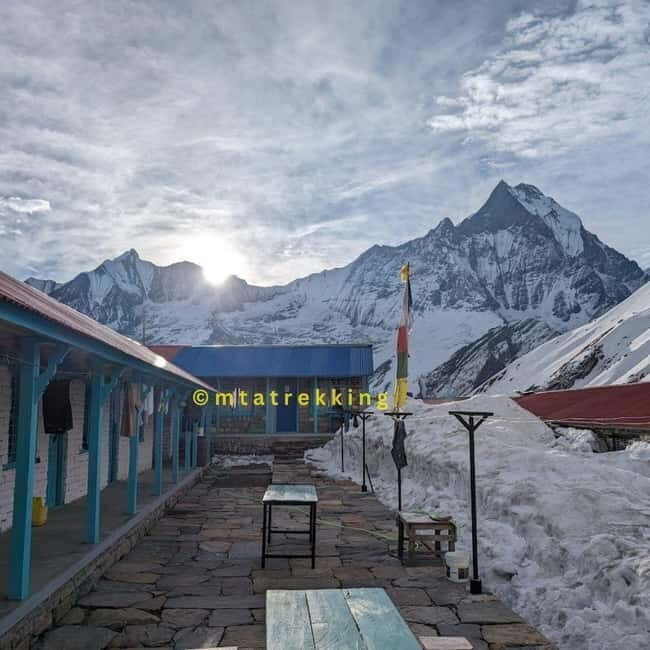
- Tea houses included: you stay in simple lodges along the trail, with meals handled on the route.
- Early base-camp views are a real highlight: sunrise at the base camp area is a standout moment many remember.
- Permits are covered: ACAP, TIMS, and government paperwork are included in the price.
- English-speaking, government-registered guide: your guide keeps timing and rest stops organized.
- Extra comfort is optional: porter service costs extra, so plan whether you want it.
How this 5-day Annapurna Base Camp trek really runs from Pokhara
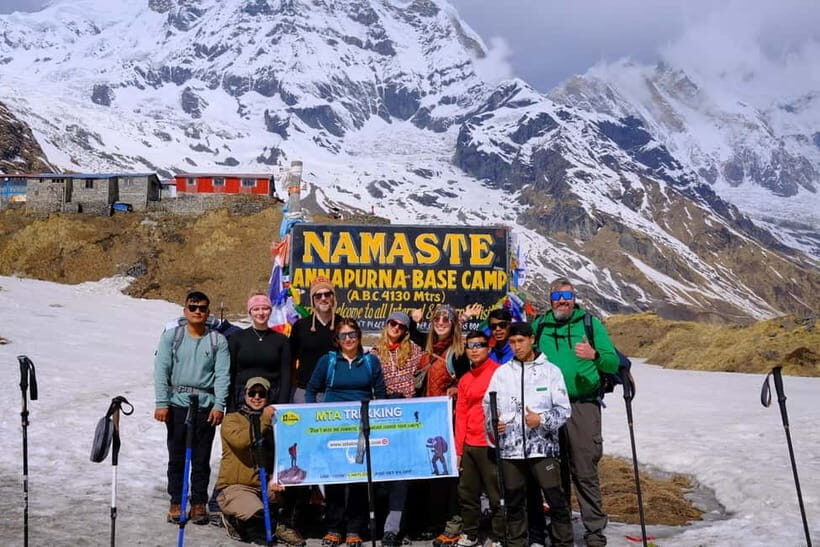
This trip starts with pickup from any hotel in Lakeside Pokhara (or from Pokhara International Airport). After that, you switch to a jeep/SUV for about 3 hours toward the last road point before the trail. The walking days are built around reachable hours, with overnight stays in tea houses or lodges.
The itinerary is organized for a mix of hiking, scenery stops, and time to reset. You’ll notice the pacing is not just about “getting to the top.” There are built-in photo stops, sightseeing breaks, and scheduled overnights so you’re not sprinting from one elevation marker to the next.
Because it’s a private group with a live English guide, you’re not stuck in a rigid cattle-car schedule. Still, expect mountain time: start early, walk steady, and let your body adapt as you climb.
You can also read our reviews of more hiking tours in Kathmandu
Day 1: Pokhara to Lower Sinuwa (via Jhinu) and the first taste of hot springs
Day 1 combines a scenic transfer and a solid intro hike. You drive for roughly 3 hours from the Pokhara area to where the trail begins, then walk for about 5 hours to Lower Sinuwa at around 2,300 meters.
You’ll pass through Jhinu, which is known for natural hot springs. Even if you don’t soak immediately, just reaching that area tells you what the trip is about: a trek with a built-in reward that isn’t only a viewpoint.
A practical tip: pack for quick changes. You’ll want something comfortable for the evening at Lower Sinuwa, and you may want to use a warm-up moment if you decide to do the hot springs later.
Overnight is at Lower Sinuwa, so you start day 2 already “in the rhythm” of the mountains rather than rushing straight from Pokhara.
Day 2: Lower Sinuwa up to Deurali at 3,200 meters
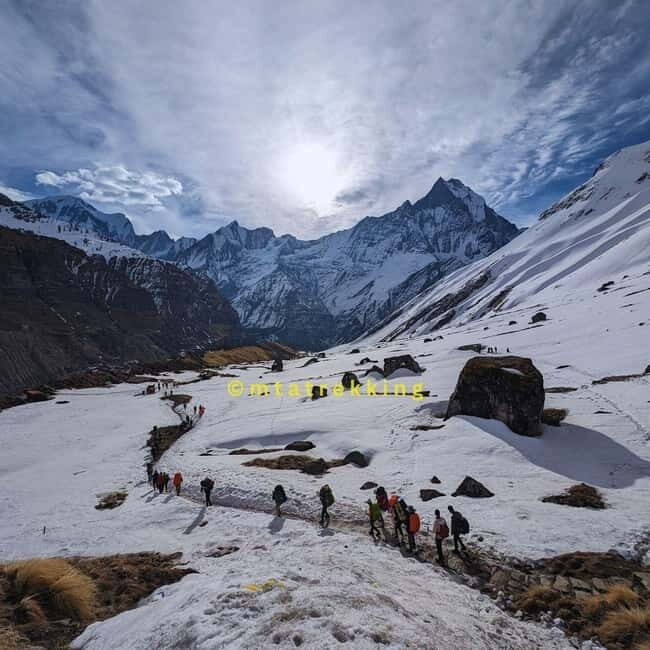
On Day 2 you climb from Lower Sinuwa to Deurali (about 3,200 meters). Expect around 6 hours of hiking, with the trail cutting through different terrain types—so your legs get work and your eyes get variety.
This day matters for more than views. It’s a gradual push upward, and it helps your body adjust before the big Day 3 jump to Annapurna Base Camp. You’ll also get sunrise and early-light timing mentioned in the itinerary flow, which is a hint that the guide will manage morning movement carefully.
Plan to dress in layers. Even in short Himalayan days, temperatures can swing between morning and afternoon.
Day 3: To Annapurna Base Camp via Machhapuchhre Base Camp
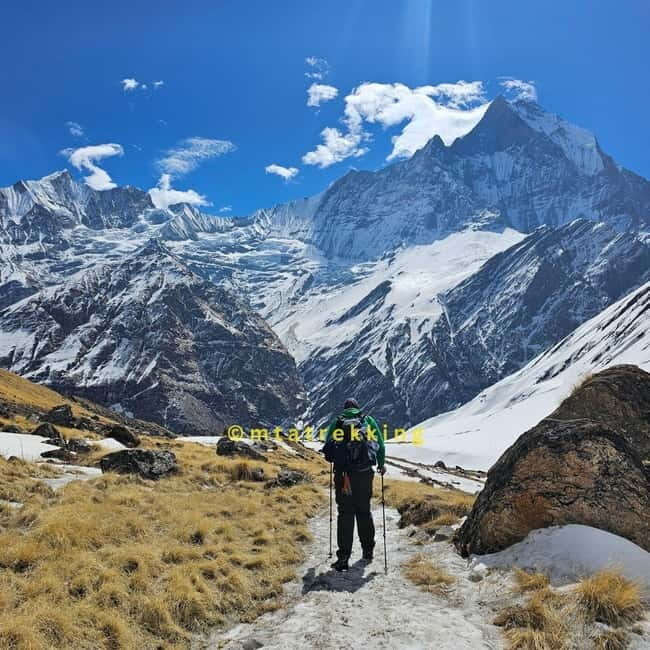
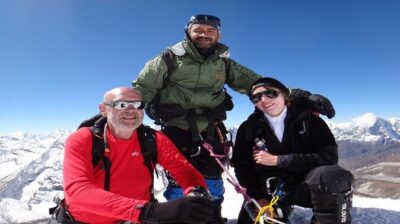
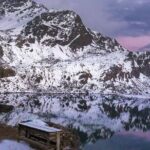
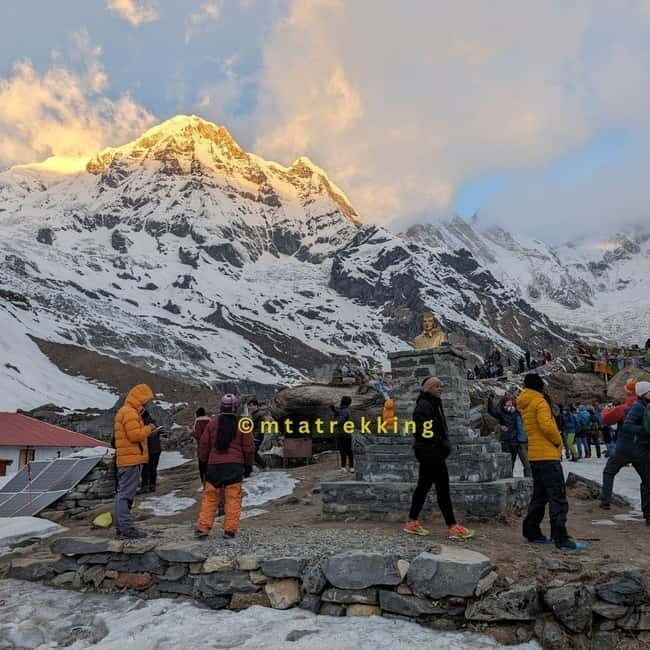
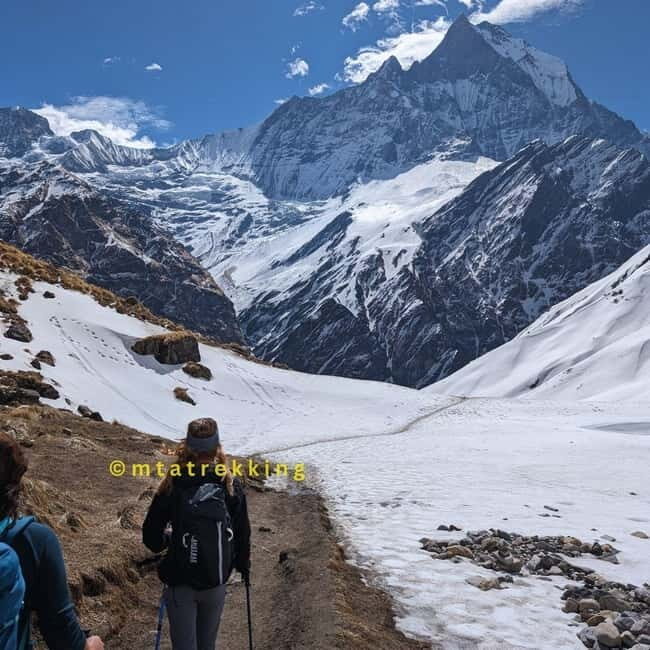
Day 3 is the centerpiece: the hike that takes you to Annapurna Base Camp (4,130 meters). The walking time is described as about 4 hours for the main push, with a detour through Machhapuchhre Base Camp along the way.
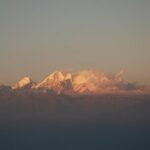
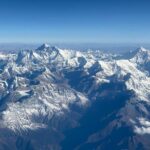
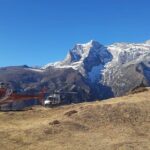
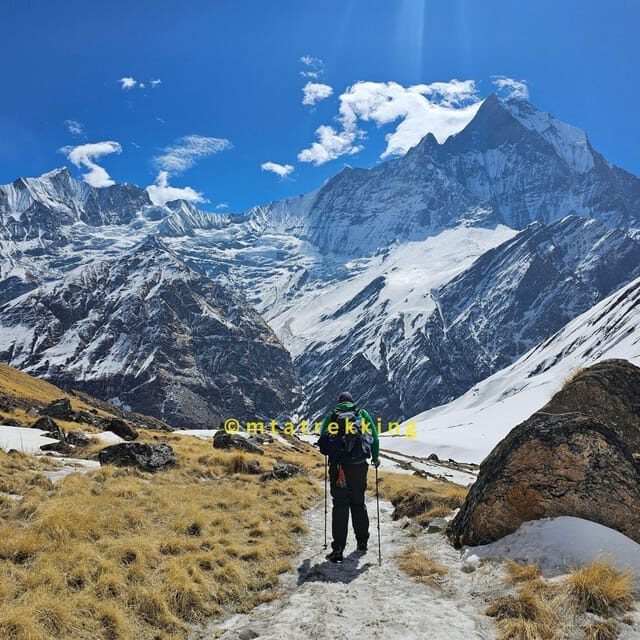
That detour is more than a side quest. It’s where you get particularly memorable views of Fishtail Peak (Machhapuchhre). Then you continue on to base camp, surrounded by the Annapurna massif.
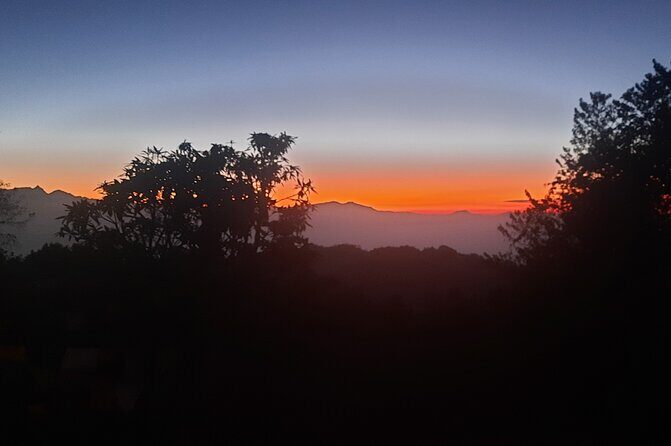
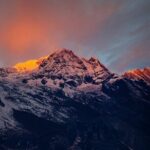
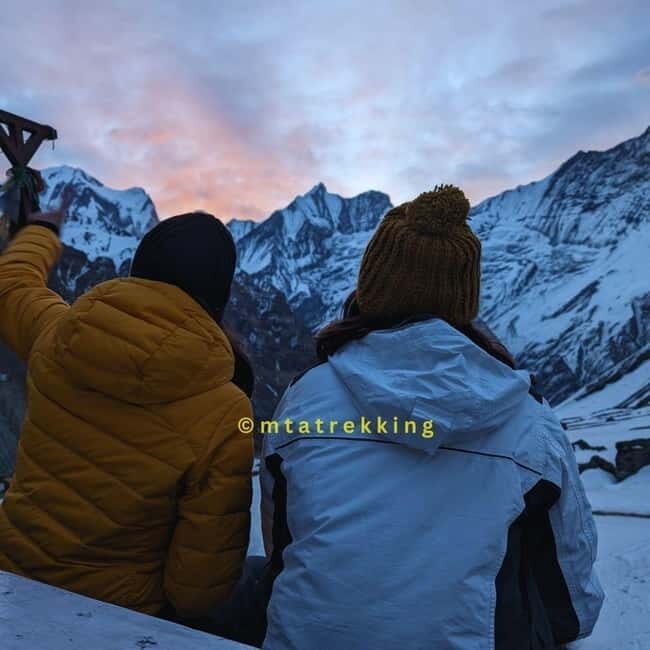
A standout moment mentioned from real experiences is sunrise from the base camp area, looking toward Annapurna’s south face. If your guide times things right for your group, it’s the kind of view that feels more emotional than scenic—because you’re seeing a huge mountain feature while standing at the trek’s endpoint.
Practical note: you’ll likely arrive with cold fingers and a full camera battery. Bring gloves if you have them, and don’t wait until the last minute to check your gear.
Day 4: Explore Annapurna Base Camp, then descend to Bamboo
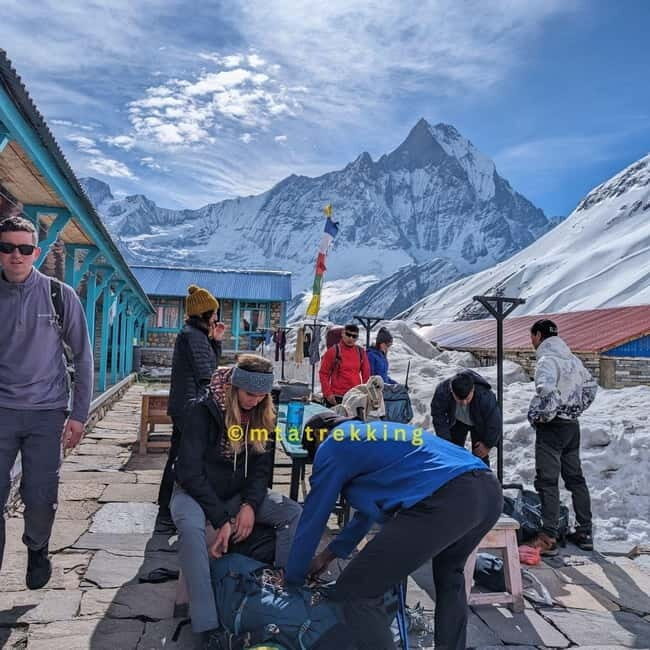
Day 4 starts at the top zone: explore Annapurna Base Camp and enjoy the views with plenty of photo time. After that, you descend to Bamboo Lodge (around 2,400 meters).
The big value of this day is the downshift. You already did the steepest work. Now you can focus on taking in the place you came for, then drop in elevation so your body can breathe again.
The itinerary lists a pretty full day for Bamboo, including guided time and sightseeing stops. That usually means you’ll walk long enough to feel accomplished, but not so long you’re crawling into camp exhausted.
If you’re prone to tired knees on the way down, slow down on the steepest segments. You’ll save more energy than you think.
A few more Kathmandu tours and experiences worth a look
Day 5: Bamboo to Pokhara via Jhinu hot springs (optional) and back to Lakeside
The final day takes you from Bamboo back toward Pokhara, with Jhinu on the route again. There’s an option to unwind in the natural hot springs in Jhinu before the drive back.
After the trek portion, you take the jeep/SUV transfer back to Pokhara (about 3 hours), finishing at the Lakeside meeting point.
This is a great day to keep your expectations simple. Your body will still be recovering from the days above, so aim for steady walking and let the hot springs do what they’re good at: relaxing sore muscles.
Then it’s back to Pokhara’s easy vibe—lakeside meals, warm showers off the mountain, and time to finally process what you just climbed.
Tea houses, food, and why the included meals matter
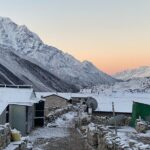
This trek includes tea house accommodation and meals on the route (the option you choose is “full board”). In real trekking terms, that’s a big deal. It reduces decision fatigue. You’re not trying to hunt for food at altitude or negotiate what’s available each night.
Tea houses also keep you grounded in the normal rhythm of the trail. You’ll sleep in basic lodge rooms, and you’ll eat what’s practical for hikers at those elevations. The upside is predictability. The tradeoff is comfort: it’s not a hotel experience, and you should expect simple.
Two smart preparation moves:
- Keep your change of clothes accessible so you’re not digging through your pack.
- Plan for low Wi‑Fi expectations. The trip is about walking and views, not screens.
Price and logistics: is $320 good value for this trek?
At $320 per person, the value comes from what’s bundled. The price includes:
- Tea house accommodation
- Hotel pickup and drop-off in Lakeside Pokhara (and airport pickup)
- Meals on the trek (full-board option)
- Private transport from Pokhara to the last road point and back
- Permits and paperwork: Annapurna Conservation Area (ACAP), TIMS, and taxes
- A professional trekking guide (government registration mentioned)
- Luggage storage on Pokhara during the trek
What’s not included:
- Porter service (listed as $20 per day)
- Personal expenses like hot shower, Wi‑Fi, drinks, mineral water, and laundry on the mountain
- Rescue and insurance
So the question isn’t just “is it cheap.” It’s whether you’re getting the big-ticket items that usually add up: permits, transport, and guiding. In this case, yes—you’re covering those essentials. If you also add a porter, the cost rises, but you may gain comfort and reduce fatigue on tougher sections.
If you’re a fast decision-maker: consider adding a porter if you’re concerned about carrying a heavy pack at higher elevations.
Gurung villages and daily life along the trail
The route is set up to pass through traditional villages tied to the Gurung people. That’s part of the appeal beyond the altitude tick-box: you’re walking through communities with a lived-in rhythm.
You’ll also see that culture shows up in the small things—how people run the lodges, how the trail supports daily life, and how locals respond to hikers moving through their area.
For practical respect: carry cash for small purchases, follow your guide’s advice on appropriate behavior in villages, and don’t assume everyone has the same understanding of your needs.
Altitude, monsoon rain, and leeches: what can affect your comfort
Annapurna Base Camp reaches 4,130 meters, and altitude sickness is described as rare—but possible. The operator also says it’s not suitable for people with altitude sickness, and it lists several “not suitable” categories (pregnancy, mobility impairments, wheelchair users, visually impaired people, and people over 70). That’s important. If any of these apply, don’t treat this like a flexible itinerary.
Weather planning matters too. During monsoon season (June to August), the weather can be erratic with heavy rainfall. If you travel then, you need the right gear and you should follow your guide’s call on timing and safety.
Then there are leeches, especially during monsoon season on lower trails. The provided guidance is clear:
- wear long pants
- tuck pants into gaiters
- use insect repellent
This is one of those “small prep steps” that can change your day from annoying to manageable.
Your guide and private group setup (including who keeps things on track)
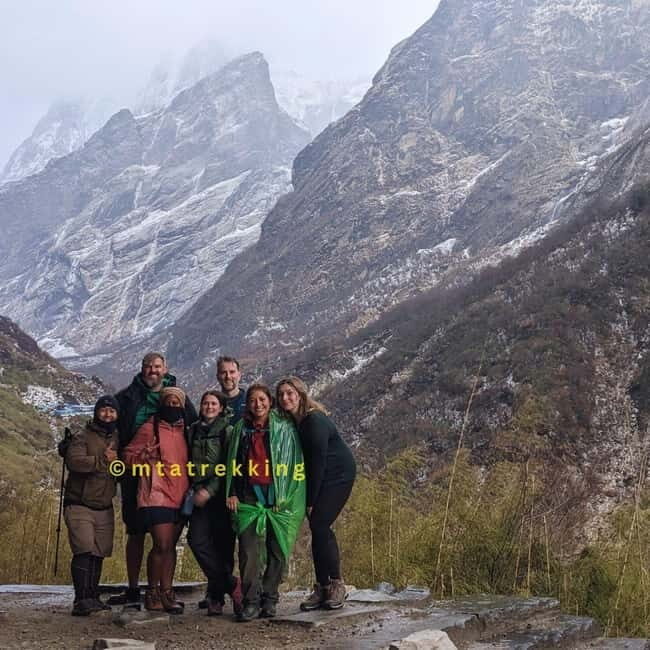
This is a private group with a live English-speaking guide. The guide role isn’t just translating signs; your guide is there for route management, timing, and explanation.
One of the most praised elements is the quality of the guiding. In past trips with this operator, guides such as Ramit were noted as being especially helpful—balancing trekking pacing with clear explanations and illustrations of the places you see. People also emphasized how well he managed travel times and rest along the route.
Even if your guide isn’t Ramit, the structure is the same: you’ll have an experienced leader running the day so you’re not guessing when to stop, eat, or move.
Who this trek suits best (and who should think twice)
This trek is described as possible for trekkers of all levels, which usually means the route is paced for normal hiking fitness rather than extreme technical climbing. You still have to walk hours per day and handle elevation, but it’s not presented as a mountaineering mission.
It’s a good match if you want:
- a short trek with a clear finish line (base camp)
- photo-rich days and lots of viewpoint time
- village culture rather than only ridgelines
- a trip where meals and permits are already handled
It’s a bad match if you:
- are pregnant
- have mobility impairments or require a wheelchair
- are visually impaired (not suitable per the operator)
- have altitude sickness
- are older than 70 (not suitable per the operator)
Should you book this Annapurna Base Camp trek?
If you want a 5-day trek that hits the base camp goal at 4,130 meters, includes tea house lodging, and bakes in a hot springs experience at Jhinu, this is an easy “yes” to consider. The strongest value is the mix of permits, transport, meals, and a trained guide—so you spend your energy on the trail instead of admin.
Book it if you can handle altitude risk responsibly, you’re prepared for cold mornings at elevation, and you’re honest about your fitness for a 4-night, 5-day hike.
Skip or reassess if altitude is already a concern for you, or if any of the not-suitable categories apply. Also, if you’re traveling in monsoon months, go in with the mindset that rain and leeches are real, and pack like you mean it.
FAQ
What altitude will I reach on this trek?
You reach Annapurna Base Camp at about 4,130 meters (13,550 feet). The route also includes nights around 2,300 meters (Lower Sinuwa) and 3,200 meters (Deurali), plus about 2,400 meters at Bamboo.
How long is the trek, and how many nights?
The experience is 5 days with 4 nights on the trek.
Is accommodation included?
Yes. The trek includes accommodation in tea houses.
Are meals included?
Yes, meals are included. The option is described as full board for meals included.
Do I need to bring my own permits?
No. The trek includes the ACAP permit, TIMS, and government permits and taxes.
Will I have a guide, and what language do they speak?
Yes. A professional trekking guide is included, and the live tour guide is English.
Is there transportation included from Pokhara?
Yes. There is private transport from Pokhara to Siwai (the last road) and back to Pokhara, plus pickup and drop-off from Lakeside hotels (or the airport).
Is a porter included in the price?
Porter service is not included. The listed cost is $20 per day if you want one.
What should I pack for the hike?
Bring comfortable shoes, change of clothes, comfortable clothes, cash, and a passport or ID card (a copy is accepted).
What about weather and leeches during monsoon season?
During June to August, weather can be erratic with heavy rainfall. Leeches can be a nuisance on lower trails, so long pants tucked into gaiters and insect repellent are recommended.