REVIEW · POKHARA
Annapurna: 3 Days Poon Hill Trek (to Kimche & from Hile with 4WD)
Book on Viator →Bookable on Viator
Sunrise at Poon Hill hits your calendar fast. This tight 3-day Annapurna Poon Hill trek strings together Pokhara transfers, trail walking, and a big-view morning from Poon Hill (3,210m). You also get 4WD where it matters, so you spend more time on foot and less time stuck on rough access roads.
What I like most is how well it balances effort and payoff: you get classic Annapurna-range scenery without signing up for a week-long trek. I also like the 4WD-backed logistics—the jeeps handle the off-road bits so the trekking days feel focused instead of exhausting. One thing to think about: you’ll be up early, and the overnight stays are basic guesthouse style, with meals sold separately.
A big part of making a short trek enjoyable is having a guide who can run the pace and keep you moving. In the accounts I saw, guides such as Krishna, Biru, Prakash, Dodhi, Bisham, and Sham came up repeatedly, often praised for being friendly and adjusting to the group’s tempo while answering questions about Nepal.
In This Review
- Key highlights you’ll feel right away
- Pokhara to the Trail: Why the 4WD + Trek Plan Works
- Day 1: Kimche to Tadapani and a Real Gurung Village Feel
- Day 2: Ghorepani’s Green Hills and Long Annapurna Views
- Day 3: Poon Hill Sunrise at 3,210m and the Descent to Hile
- Permits, Guide, and Guesthouse Reality Check
- Price and Logistics: Is $287.92 a Good Value?
- Who This Annapurna Poon Hill Trek Is Best For
- Should You Book This 3-Day Poon Hill Trek?
- FAQ
- Where is the tour based?
- How long is the trek?
- What time does the tour start?
- Do I get picked up from Pokhara?
- Is this a private group tour?
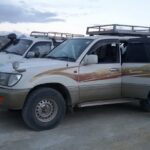
- How are the 4WD jeeps used?
- Which guesthouse style is included?
- Are meals included?
- What permits are included?
- What’s the cancellation rule for a full refund?
Key highlights you’ll feel right away
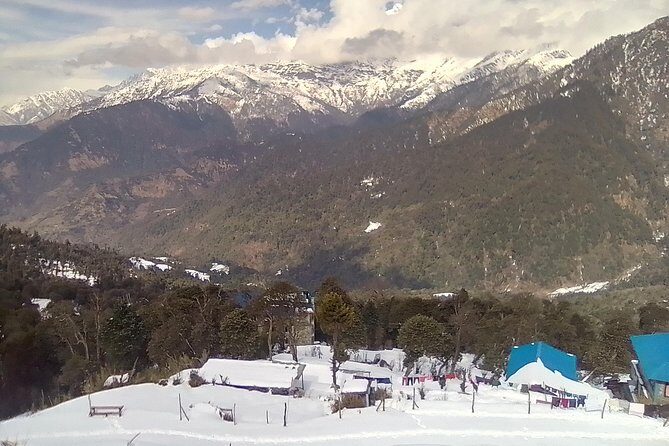
- Poon Hill sunrise from 3,210m with a quick, satisfying hike-before-breakfast rhythm
- 4WD transfers (Pokhara → Kimche and Hile → Pokhara) that reduce wasted time on rough roads
- Ghandruk village time after trekking out from Kimche, with a strong Gurung-village vibe
- Ghorepani walking day through green hills and prime Annapurna-range viewpoints
- Permits handled with trekking permit and TIMS card included
- Basic guesthouses included so you can travel lighter than on fully independent treks
Pokhara to the Trail: Why the 4WD + Trek Plan Works
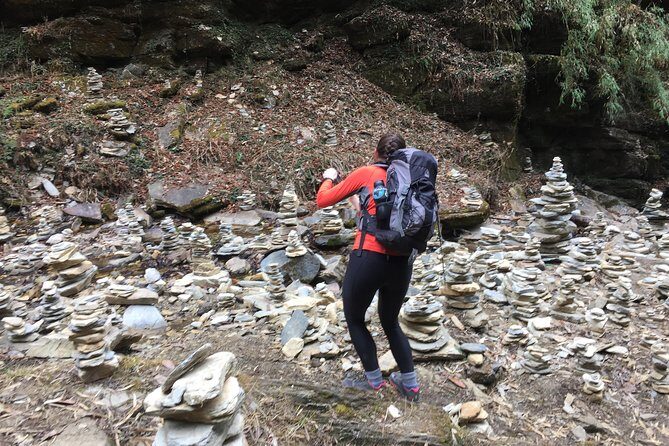
This trek is built for people who want Annapurna views without turning every day into a grind. You start from Pokhara, then a 4WD jeep swings you up the road to Kimche. From there, you’re on foot, moving through village paths where the air changes, the views open up, and the pace feels more natural.
That mix matters. Pure road travel can eat time. Pure trekking from the start can spike fatigue. Here, the jeeps handle the “get there” parts and the trail handles the “this is the reason” parts. It’s a smart trade: you’ll still do real trekking, but you won’t feel like the whole trip is just transit.
Also, you’re not stuck guessing your route. The plan is structured around familiar Poon Hill trekking waypoints—Kimche, Ghandruk, Tadapani, Ghorepani, and then the return via Hile.
You can also read our reviews of more hiking tours in Pokhara
Day 1: Kimche to Tadapani and a Real Gurung Village Feel
Day 1 begins with a 4WD drive from Pokhara (Lakeside area) to Kimche, about 3:30 hours. The morning transfer is the “reset moment.” You’re not just commuting—you’re gearing up for hiking. Use the ride to get oriented: double-check your layers, water, and snacks, because once you start walking, you’ll be on a steady rhythm.
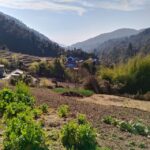
Then the trail time starts. You trek from Kimche toward Ghandruk, a beautifully known Gurung village area, before continuing to Tadapani for overnight. That sequence is a classic reason people like short Poon Hill itineraries: you get village scenery early, not just clouds and switchbacks.
Why this stop works:
- Ghandruk gives you a sense of how people live along the trekking routes—house clusters, daily movement, and the tea-house ecosystem you’ll rely on later.
- The walk to Tadapani sets you up for Day 2. It’s enough effort to warm your legs up, but it doesn’t feel like you’re climbing forever on Day 1.
The only caution for Day 1: expect a mix of stone steps and uneven footpaths. The itinerary assumes you’re willing to walk consistently. If you’re new to trekking, give your pace priority over speed. You’ll enjoy it more, and you’ll arrive with energy for the next morning.
Day 2: Ghorepani’s Green Hills and Long Annapurna Views
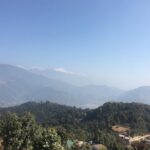
Day 2 kicks off at 8:00am with a trek to Ghorepani, roughly 6 hours. This is the day when the Annapurna-range views become the main event. As you walk, you’re moving through green hills and open vantage points that make the photos come easier.
Ghorepani is a key piece of the Poon Hill experience. It’s not just a place to sleep; it’s where the timing for sunrise starts to matter. By the time you reach Ghorepani, you’ll understand the game: tomorrow’s early start isn’t random. It’s how you catch the clear, dramatic view when conditions are best.
What you should plan for on this day:
- Stamina management: a steady, moderate pace beats quick surges. Your legs will thank you on the pre-dawn climb.
- Weather flexibility: sunrise treks are weather-dependent. Cloud cover can happen, so don’t assume the sky will cooperate every time. Still, this route is popular because visibility often delivers.
Also, remember meals aren’t included. You’ll want to plan small snack breaks, plus buy what you need along the way. Tea houses here are part of the route’s rhythm.
Day 3: Poon Hill Sunrise at 3,210m and the Descent to Hile
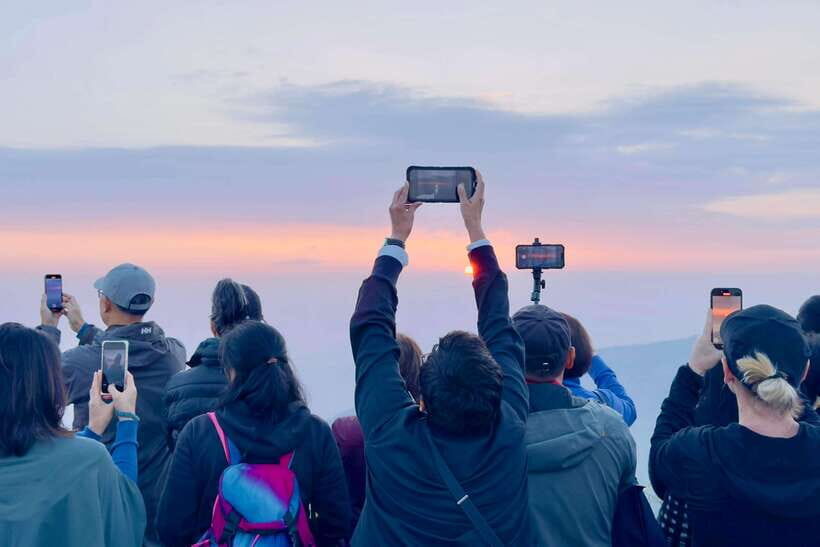
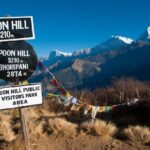
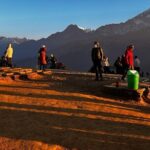
Day 3 starts early: at 4:00am, you trek up to Poon Hill for sunrise. That early wake-up is the price of admission, and it’s worth being honest about. If you’re the kind of person who hates alarm clocks, you’ll still manage—but you’ll want to treat Day 3 as a mission.
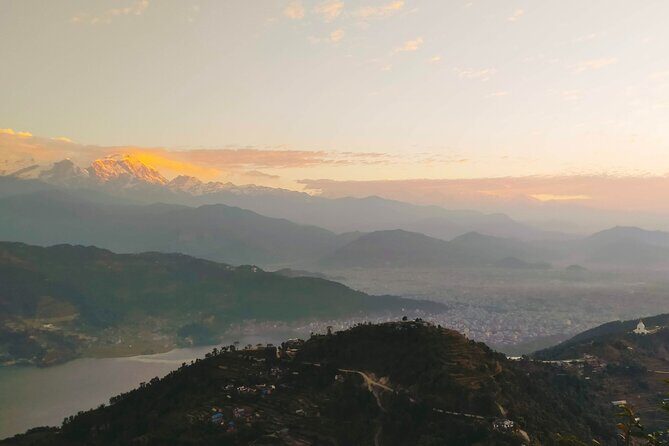
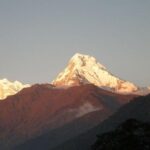
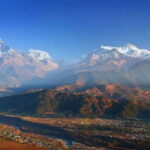
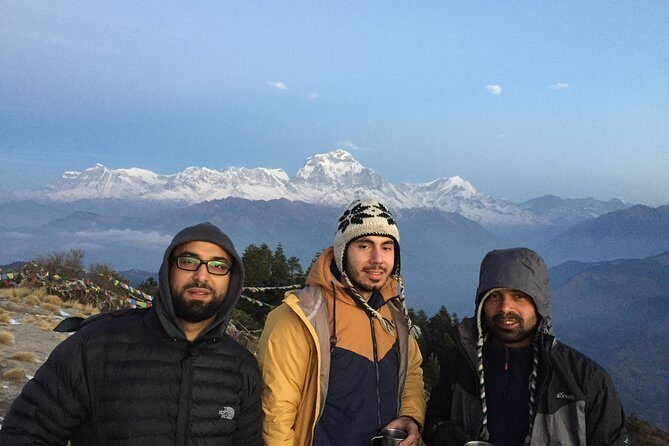
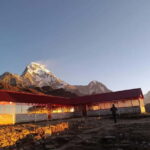
Once you reach Poon Hill, the payoff is the view over the Annapurna mountain ranges. Sunrise at this elevation tends to be memorable because the light hits ridgelines and peaks in a way that feels more dramatic than daytime vistas.
After the sunrise, you trek back down to Hile, returning via Ghorepani. Then you switch back to the 4WD jeep for the ride back to Pokhara (about 3:30 hours). That last jeep segment is underrated. Walking down all the way to your transport can turn the ending into leg fatigue. Here, the jeeps help you end cleanly.
A practical tip: on sunrise day, warm up slowly. The cold can be real before dawn. Your layers matter more than you think. Keep gloves or a warm hat handy if you run cold, and start moving before you fully feel stiff.
Permits, Guide, and Guesthouse Reality Check
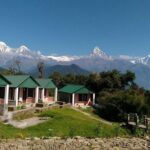
This trek includes the trekking permit and the TIMS card, plus an English-speaking guide. You also get accommodation in basic guesthouses as per the itinerary. That “basic” part is important. Don’t expect hotel-style comfort. Do expect clean-enough places to sleep, simple meals available for purchase, and a trekking-friendly setup where you can recover for the next day.
The guide piece is a big deal on a short trek. When time is tight, you don’t want to waste hours sorting out pacing, trail turns, or what to do when conditions change. In the feedback I saw, guides like Krishna and Biru were singled out for being friendly and for adapting to the group’s tempo. Prakash and Dodhi were also mentioned for supportive guidance and for helping with practical needs, from pacing to making sure people found food and supplies they needed.
Also included: hotel pickup and drop-off, round-trip transfer by private 4WD, and the trip is private for your group. That’s a value point if you want a more controlled experience rather than merging into a large, mixed group.
A few more Pokhara tours and experiences worth a look
Price and Logistics: Is $287.92 a Good Value?
At $287.92 per person, the best way to judge value is by what’s included versus what you must pay anyway.
Included value you’re getting:
- Transport: private 4WD transfers round trip (Pokhara ↔ trail access points)
- Permits: trekking permit + TIMS
- Guide: English-speaking guide + guide personal expenses
- Accommodation: basic guesthouse stays for the itinerary
- Private trip setup: only your group participates
What you should budget extra for:
- Meals and drinks (available for purchase along the way)
- Rescue costs are not included (in any emergency, costs fall to you)
So is it worth it? For many people, yes—because a lot of the cost drivers on short treks are exactly the things you get here: permits, guide time, and private transport. If you tried to self-organize the jeeps and navigation for only three days, you’d likely spend time figuring it out—and time is money in Nepal too, especially if weather changes.
If you’re traveling solo, this kind of packaged structure often saves stress. If you’re comfortable organizing logistics yourself, you could possibly cut cost, but you’d be trading certainty for independence.
Who This Annapurna Poon Hill Trek Is Best For
This is for you if you:
- Want Annapurna views and the Poon Hill sunrise without a multi-week commitment
- Have moderate physical fitness and can handle hours of walking on trail paths
- Like the village-trail feel, with stops such as Ghandruk and tea-house style rest points
- Prefer a guided experience with an English-speaking guide and included permits
It may not be for you if:
- You strongly dislike early starts. Day 3 begins at 4:00am.
- You expect cushy lodging. The overnight stays are basic guesthouses.
- You’re looking for a fully meal-included package. Meals are on your budget.
One more reality check: it’s a short trek, so pacing matters. You’ll move consistently across three days, but the days are short enough that you shouldn’t feel wrecked—if you follow your guide’s tempo.
Should You Book This 3-Day Poon Hill Trek?
If you want the Poon Hill sunrise and classic Annapurna views in a short window, I’d say this itinerary makes sense. The 4WD transfer strategy is the key strength: it keeps the trip efficient while still giving you real trekking days.
Book it if:
- You want a guided, permit-covered trek with simple guesthouses and predictable timing
- You value village scenery (Ghandruk and the village paths) plus sunrise payoff
- You’d rather pay for structure than spend your vacation solving logistics
Skip it or ask extra questions before booking if:
- You need meals and drinks to be fully included
- You’re very sensitive to cold and early wake-ups
- You want hotel-level comfort instead of basic guesthouse stays
If you go in with the right expectations—early morning sunrise, steady walking, basic lodging, and pay-as-you-go meals—you’ll get a great taste of Annapurna without dragging the schedule out.
FAQ
Where is the tour based?
The trek is in the Annapurna region and the experience is organized from Pokhara, Nepal.
How long is the trek?
It runs for about 3 days.
What time does the tour start?
The start time is listed as 8:30am.
Do I get picked up from Pokhara?
Yes. Hotel pickup and drop-off are included.
Is this a private group tour?
Yes. It’s a private tour/activity, and only your group participates.
How are the 4WD jeeps used?
You use a private 4WD jeep for the transfers. The trekking trail is used for the walking parts, while the off-road sections are covered by 4WD (including on the way to Kimche and on the return from Hile).
Which guesthouse style is included?
Accommodation in basic guesthouses is included according to the itinerary.
Are meals included?
No. All meals and drinks are not included and are available for purchase.
What permits are included?
The trekking permit and TIMS card are included.
What’s the cancellation rule for a full refund?
You can cancel up to 3 days in advance for a full refund. If you cancel less than 3 full days before the experience’s start time, the amount paid is not refunded.