REVIEW · KATHMANDU
Kathmandu and Pokhara: A Journey Through Nepal’s Cultural and Natural Wonders
Book on Viator →Operated by Nepal Vehicle Hiring Pvt Ltd · Bookable on Viator
Two cities, one tidy route plan. I like how this Kathmandu-to-Pokhara route links temple-hopping in Kathmandu with Himalaya views over Pokhara’s lakes; I also like the tight schedule that puts you at sunrise and sunset without long, aimless gaps. One thing to watch: some stops have entrance fees, and you’ll spend meaningful time on the road.
You’ll move with a private group (only your group participates) and pickup offered, plus four breakfasts included, which helps a lot on the early-start days. The meeting point is Kathmandu 44600, Nepal, so you can get rolling quickly and focus on the sights.
In This Review
- Key takeaways before you go
- Thamel First Stop: getting your bearings in Kathmandu
- Kathmandu Valley to Pokhara: Devi’s Fall, Gupteshwor Cave, and sunset at World Peace Pagoda
- Devi’s Fall: water doing its own thing
- Gupteshwor Mahadev Cave: religion meets geology
- World Peace Pagoda: the sunset payoff
- One timing thing to confirm
- Sarangkot sunrise and Phewa Tal boating: a Pokhara morning you’ll remember
- Sarangkot: why sunrise is worth the alarm
- Phewa Tal and Tal Barahi Temple: lake time with a purpose
- The rest of Day 3: museums and temple stops with room to breathe
- Kathmandu Durbar Square in the late afternoon: history you can walk through
- Price and value: what $923 buys, and what you should budget extra
- The tour style: tight timing, supportive team energy, and how to make it work for you
- How to get the most out of it
- Who this tour fits best
- Should you book this Kathmandu and Pokhara tour?
- FAQ
- How long is the Kathmandu and Pokhara tour?
- What is the price per person?
- What meals are included?
- Are entrance fees included?
- Is pickup included?
- Is this a private tour?
- What are the main stops in Kathmandu?
- What are the main stops in Pokhara?
- Do I need good weather for the tour?
- Are service animals allowed?
Key takeaways before you go
- Thamel as a low-pressure warm-up to Nepal life on Day 1, right in the center of things
- A packed Pokhara day built around Devi’s Fall, Gupteshwor Mahadev Cave, and World Peace Pagoda sunset
- Sarangkot sunrise + Phewa Lake boating as the classic Pokhara combo in one morning
- Temple-and-nature variety across Kathmandu Valley and Pokhara’s river gorge and temples
- Timing that avoids wasted minutes, which comes up again and again in how people describe the trip
- Budget for entrance fees and non-included meals, so you don’t get surprised on the spot
Thamel First Stop: getting your bearings in Kathmandu
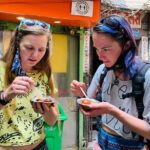
Day 1 starts in Thamel, the area most visitors use as their base in Kathmandu. It’s a smart opening because you get a chance to soak up the daily rhythm—shops, side streets, and the kind of travel energy that makes you feel like you’re already inside the city.
You’re only scheduled for about an hour here, so this isn’t a deep shopping marathon. Instead, it works like a “get your bearings” moment. If you like to step out after a flight and start orienting yourself fast—where streets lead, where you’ll eat, what’s nearby—Thamel is a practical place to begin.
The big win: Thamel’s admission is listed as free, so you can spend your energy on exploring instead of ticket queues.
One consideration: Thamel can feel busy, and if you’re jet-lagged, just keep it light. Use the hour to walk slowly, grab a drink, and let your body wake up on Kathmandu time.
You can also read our reviews of more tours and experiences in Kathmandu.
Kathmandu Valley to Pokhara: Devi’s Fall, Gupteshwor Cave, and sunset at World Peace Pagoda
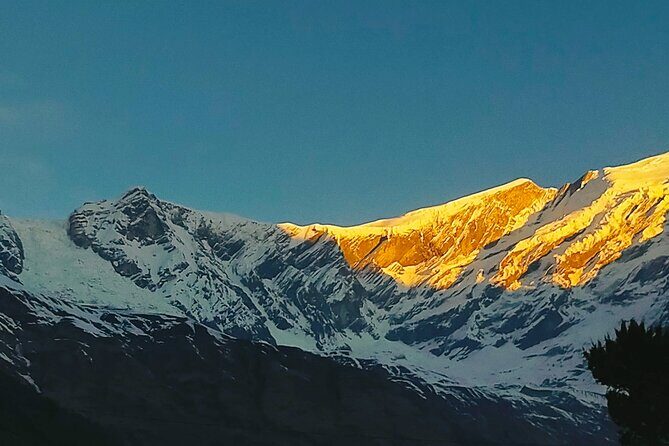
This is the day where the trip turns from city wandering into natural-spectacle mode. The plan has you eating breakfast in Kathmandu, driving to Pokhara early, and building the day around three standouts: Devi’s Fall, Gupteshwor Mahadev Cave, and World Peace Pagoda for sunset.
Devi’s Fall: water doing its own thing
Devi’s Fall is a famous Pokhara attraction because it shows how water can carve surprising paths. It’s the kind of sight you appreciate more when you stop trying to make it “look like” something else and just observe how the water flows through the rock.
Your time on site is listed under Day 2’s general schedule (the exact hours aren’t broken out), but you do get a dedicated afternoon block for this portion.
Gupteshwor Mahadev Cave: religion meets geology
Not far from Devi’s Fall, Gupteshwor Mahadev Cave adds a different vibe: it’s both spiritual and physical. If you like places where local faith and dramatic landforms meet, this stop gives you that mix.
Practical note: caves can be cooler and slippery. Wear shoes you trust, and don’t rush the steps. You’ll enjoy it more when you move slowly.
World Peace Pagoda: the sunset payoff
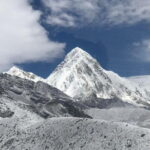
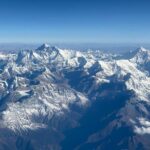
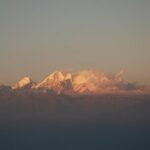
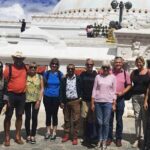
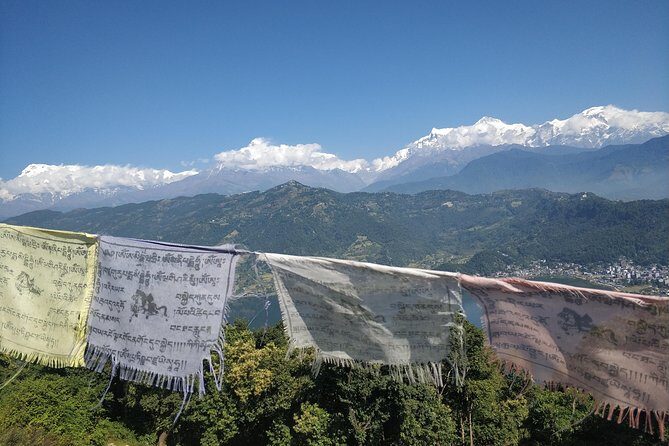
The day’s rhythm is one reason this itinerary works. After the waterfall and cave, you head toward World Peace Pagoda in time for sunset. This is the classic “Pokhara at golden hour” payoff: mountain views, a calmer feel on the viewpoint, and a chance to take in the Himalaya mood when the light changes.
One timing thing to confirm
The schedule, as written, includes driving back to Kathmandu in the evening on Day 2. Meanwhile, Day 3 clearly works like you’re staying in Pokhara overnight (you’re having breakfast in the hotel and heading out for an early sunrise).
So here’s your smart move: when you book, confirm your exact lodging and whether you stay in Pokhara after Day 2 or you return and re-head the next morning. Either way can work, but you want it clear so you’re not surprised by the night plan.
Sarangkot sunrise and Phewa Tal boating: a Pokhara morning you’ll remember
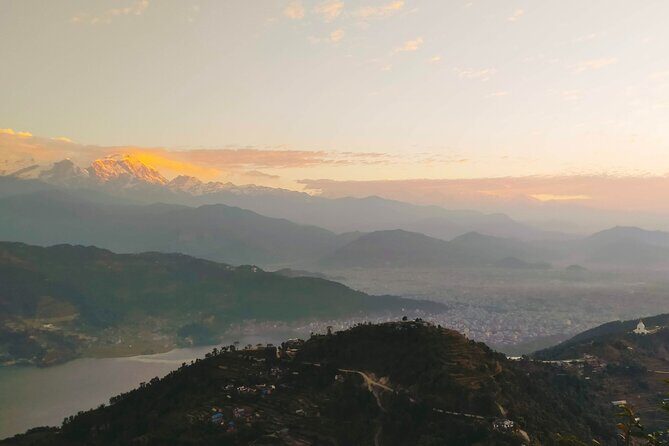
Day 3 is the “slow down and enjoy the views” morning. It starts very early: drive to Sarangkot for sunrise, then return for breakfast, and then get on Phewa Lake with boating on Phewa Tal and a visit to Tal Barahi Temple.
Sarangkot: why sunrise is worth the alarm
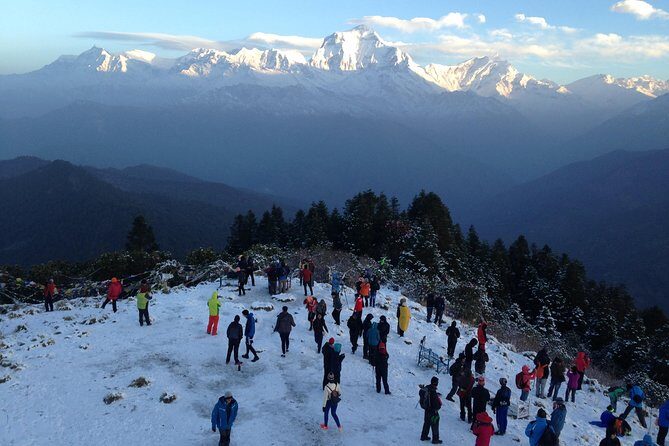
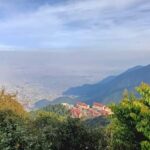
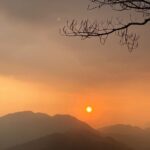
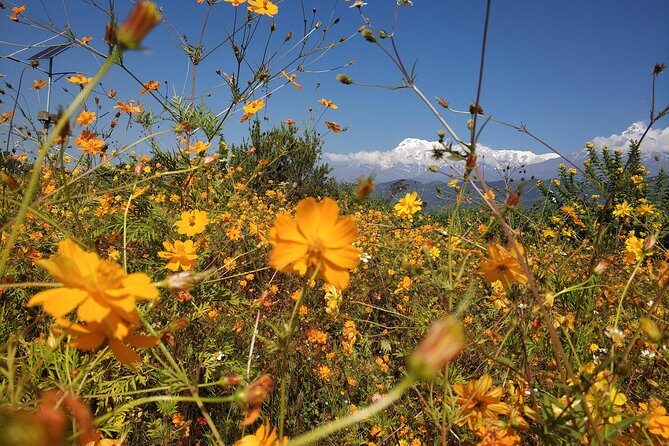
Sarangkot at sunrise is popular for a reason: you’re up before the day fully wakes, and the mountains can look extra sharp when the light is still soft. Even if clouds show up, the experience is still about the atmosphere—cool air, quiet viewpoints, and that first-breath feeling when the sky starts to brighten.
This tour schedules a 4:30 am drive, so you’ll want to treat the night before as a “prep night.” Sleep early if you can.
Phewa Tal and Tal Barahi Temple: lake time with a purpose
From 8:00 to 9:00 am you’re set for boating on Phewa Lake and Tal Barahi Temple. This is a good use of time because it gives you both water scenery and a cultural anchor. You’re not just staring at mountains from land—you’re moving on the lake itself.
If you’re the type who likes “one activity, two payoffs,” this hour delivers. You get the calm of the lake, plus the temple visit that keeps it grounded in local life.
The rest of Day 3: museums and temple stops with room to breathe
After the morning core, the afternoon is built around:
- Mountain Museum at 1:00 pm
- Bindabasini Temple and Seti River gorge at 2:00 pm
- Free time afterward
This spacing matters. Instead of stuffing nonstop viewpoints together, you get a structured sequence and then some breathing space. That “room to breathe” piece is often what makes a packed day feel manageable.
Also, the inclusion of Seti River gorge adds variety. Pokhara isn’t only lakes and sunsets—it’s also rivers, cuts through the terrain, and that sense of Nepal’s geography working in real time.
Kathmandu Durbar Square in the late afternoon: history you can walk through
Day 4 brings you back to Kathmandu. The plan starts with breakfast, an early drive back, lunch en route, and then an arrival in Kathmandu followed by a Kathmandu Durbar Square visit at 4:00 pm.
That late-afternoon timing can be a sweet spot. It’s late enough that you might escape the harshest midday heat, but early enough to still enjoy the atmosphere before evening crowds build.
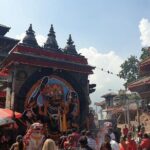
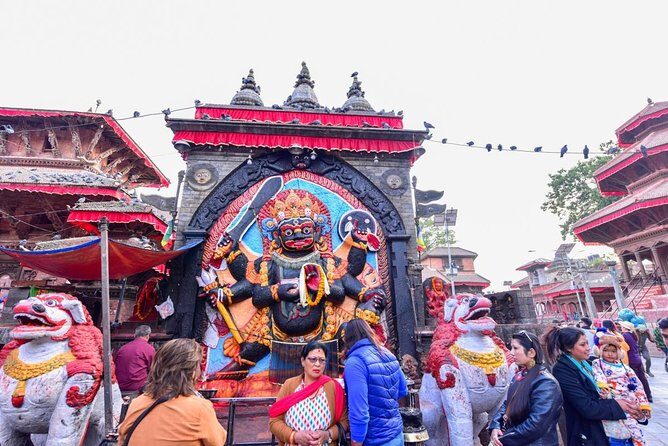
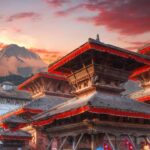
Durbar Square matters because it’s not a single photo spot—it’s an area you move through. Even if you’re not a “history lecture” person, you can appreciate the stonework, the temple layout, and the way Kathmandu’s heritage shows up in a walkable space.
One consideration: there’s no entrance-fee inclusion listed for this stop, so you’ll likely need to budget a bit for tickets.
Price and value: what $923 buys, and what you should budget extra
The price is $923.00 per person for a tour that runs about 5 days and covers both Kathmandu and Pokhara highlights. The main value is that you’re not piecing this together yourself: driving between cities, arranging the sequence of key sites, and bundling early starts and guided-style logistics into one package.
What’s included:
- Breakfast (4)
What’s not included:
- Lunch and dinner during the trip
- Entrance fees during the trip (about $35 per person)
A simple way to think about value: you’re paying for time-saving and coordination more than you’re paying for big-ticket attractions included in the price. If you like structured touring and you want someone else to manage the flow, this makes sense. If you prefer full independence and you’re happy to sort transportation and ticketing on your own, you might find other options cheaper—though you’d trade away the schedule discipline people praise.
Also note: pickup offered is part of why the plan feels smooth. In Nepal, getting the first transfer right is half the battle.
The tour style: tight timing, supportive team energy, and how to make it work for you
In the feedback patterns, a few themes pop up strongly: people liked the timing, said they didn’t waste minutes, and described the team as supportive—almost like traveling with a familiar, helping group. There’s also mention of a guide with a good sense of humor, which matters more than you’d think on early sunrise days.
This is a practical tour style: it doesn’t ask you to “figure it out.” It gives you a sequence and expects you to be ready to move.
How to get the most out of it
- Start each morning like it’s a sunrise day, even if it’s not. Early starts happen here.
- Keep a small budget buffer for entrance fees (the tour lists about $35 per person).
- Treat lunch and dinner as flexible. They’re not included, so you’ll choose based on where you end up that day.
- If you’re motion sensitive, take it seriously on drive days; long car time is part of the deal.
Who this tour fits best
You’ll likely love it if you:
- Want a best-of Kathmandu and Pokhara mix in just a few days
- Prefer a private group experience rather than a large public tour
- Don’t mind early mornings if the payoff is sunrise and lake scenery
You might hesitate if you:
- Want lots of unstructured time in Pokhara
- Hate driving days and would rather stay put in one base city
Should you book this Kathmandu and Pokhara tour?
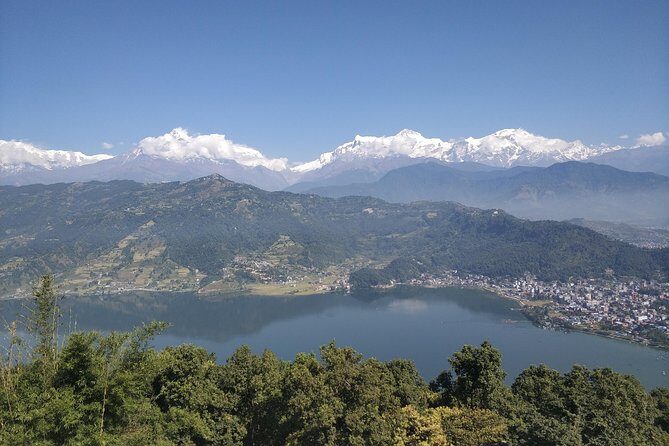
I’d book it if you want a well-run, highlight-driven route that pairs Nepal’s cultural landmarks with Pokhara’s natural drama—without forcing you to coordinate every piece yourself. The strongest reason to choose it is the rhythm: you get Thamel to orient, Pokhara’s waterfall/cave/sunset combination, a true sunrise morning at Sarangkot, and then Kathmandu’s Durbar Square to close things out.
Before you confirm, do one small checklist:
- Verify whether you’re staying overnight in Pokhara after the Day 2 drive plan (the schedule suggests both a return trip and a next-day Pokhara hotel routine).
- Plan extra money for entrance fees and meals since only breakfast is included.
- Be realistic about early starts. This tour doesn’t do late mornings, and that’s part of how it packs the value.
If good weather is in the forecast, this itinerary can feel like a perfect “two-city highlight reel” done the sensible way.
FAQ
How long is the Kathmandu and Pokhara tour?
It runs for about 5 days.
What is the price per person?
The price is $923.00 per person.
What meals are included?
Breakfast is included for 4 days. Lunch and dinner are not included during the trip.
Are entrance fees included?
Entrance fees are not included. The tour lists entrance fees during the trip as about $35 per person.
Is pickup included?
Yes, pickup is offered.
Is this a private tour?
Yes. It’s a private tour/activity, and only your group will participate.
What are the main stops in Kathmandu?
Thamel and Kathmandu Durbar Square.
What are the main stops in Pokhara?
Devi’s Fall, Gupteshwor Mahadev Cave, World Peace Pagoda, Sarangkot sunrise, Phewa Tal boating (with Tal Barahi Temple), Mountain Museum, Bindabasini Temple, and Seti river gorge.
Do I need good weather for the tour?
Yes. The experience requires good weather. If it’s canceled due to poor weather, you’ll be offered a different date or a full refund.
Are service animals allowed?
Yes, service animals are allowed.