REVIEW · KATHMANDU
Gokyo Lake trek(gokyori trek, Chola pass trek, Renjola pass trek)
Book on Viator →Operated by Nepal Trekking Routes Pvt. Ltd · Bookable on Viator
Gokyo Lakes feels like Everest’s calmer cousin, in the best way. You get the classic Khumbu high-altitude route but with a big payoff: Gokyo Lakes plus the Sherpa valley around them, run with real-person support from CEO Shailesh Pokharel and guide Bishnu Magar. I especially like how this kind of trip is set up as a private experience, so the pace and decisions feel more yours than a cattle call.
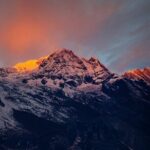
The main draw for me is the sheer focus on the lakes: 19 freshwater lakes connected in one pristine system, with big mountain sightlines and the chance to climb Gokyo Ri (5,357 m). There’s also a cultural thread, with Sherpa villages and the Sherpa Museum in your orbit, not just breathless walking.
One consideration: meals are not included (breakfast, lunch, dinner are listed as not included), so you’ll want a clear plan for budgeting day-to-day food at altitude, plus enough snacks for pass days like Chola and Renjola.
In This Review
- Key highlights worth clocking
- Why this trek feels special: lakes, passes, and Sherpa life
- The route in plain English: Mong La diversion, then Gokyo momentum
- Gokyo Ri and the Everest-view payoff you actually care about
- Chola Pass and Renjola Pass: the part you should respect
- Sherpa villages and the Sherpa Museum: culture that isn’t an afterthought
- What’s included vs. what you’ll pay for yourself
- Logistics that make a difference in the real world
- How fit do you need to be, really?
- Price, pacing, and who this trek fits best
- Should you book this Gokyo Lake trek with Chola and Renjola passes?
- FAQ
- How long is the Gokyo Lake trek?
- Where does the tour start in Kathmandu?
- What is included in the price?
- What is not included?
- Do I need strong physical fitness?
- Is this tour private?
- What’s the cancellation policy?
Key highlights worth clocking
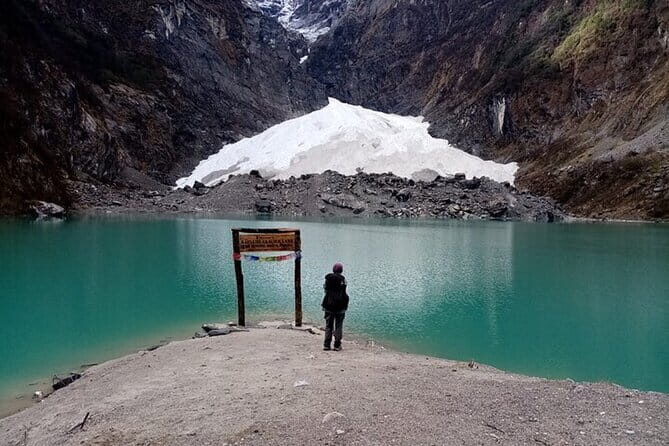
- 19 freshwater lakes with the dreamy turquoise colors that make Gokyo famous
- Chola Pass and Renjola Pass for that bigger, more adventurous Everest-Region feel
- Gokyo Ri (5,357 m) for big views over the Everest region, including the Tibetan side
- UNESCO World Heritage trekking zone in the Everest region conservation area
- Everest View Hotel (3,880 m) as an add-on-style viewpoint option
- Private group setup with a local guide and pickup/drop-off support
Why this trek feels special: lakes, passes, and Sherpa life
If you’re choosing between a standard Everest route and the Gokyo lakes variation, the logic is pretty simple. The Gokyo trek shifts the focus away from the last push toward Everest Base Camp as your only “big moment,” and it keeps rewarding you with water, color, and viewpoints along the way.
The lakes are the headline. This trek is built around Gokyo and the connected lake system in the Everest region, where you’ll find freshwater lakes linked together in the Gokyo valley. You’re not just passing by them; the route is designed so the lakes become a destination, with time and altitude breathing room that makes those views feel earned.
Then you add passes. Chola Pass and Renjola Pass bring the kind of high, slightly punishing effort that many people come for in the first place—especially if you’ve already walked on Everest Base Camp-style terrain and want something that feels a notch more intense. A traveler whose trek included the Chola Pass called it challenging, and also said they liked it more than Everest Base Camp. That matches what the route is trying to deliver: not just sights, but a better sense of achievement.
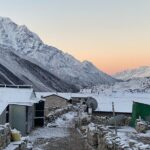
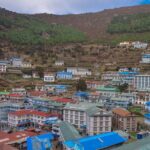
Finally, there’s the Sherpa layer. You’ll be in Sherpa villages and can visit the Sherpa Museum. That matters because it changes how you interpret what you’re walking through. Instead of only thinking about altitude and peaks, you’re also reading the culture that’s living there year after year.
You can also read our reviews of more hiking tours in Kathmandu


The route in plain English: Mong La diversion, then Gokyo momentum
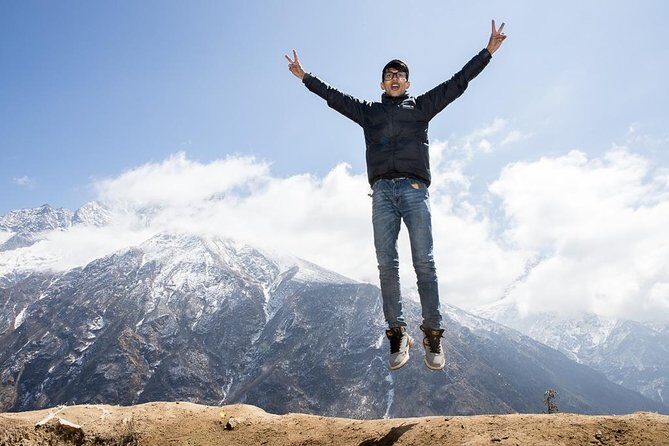
This trek follows part of the classic Everest Base Camp trek approach, then makes a distinct turn. Here’s the shape of it:
First, the route tracks along the Everest Base Camp trekking corridor up toward Mong La Pass (3,610 m). That portion matters because it helps you “learn the rhythm” of high Khumbu walking before the detour toward Gokyo.
Then, the trek diverts. From that main trail, you shift toward the Gokyo valley, where the trekking days become about reaching and living around the lake system. You’ll spend your effort building toward Gokyo Ri (5,357 m), which is the big viewpoint climb tied directly to the lakes experience.
After that, the passes add structure and drama. The trek is described with Gokyo Ri adjacent to Renjola Pass and at the junction of Chola Pass, which tells you two things: you’ll be moving through high terrain, and the route is stitched together so that the passes and the lakes feel like parts of one story, not separate adventures.
If you’re someone who likes a clear arc—climb, switch focus, then climax with passes—this layout makes sense. If you want a gentler, purely scenic walk with fewer high crossings, you might find Chola and Renjola heavy.
Gokyo Ri and the Everest-view payoff you actually care about
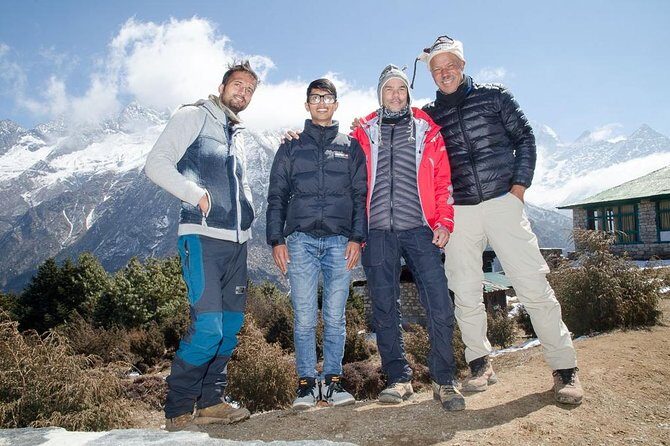
There’s a lot of talk online about Everest views. What you’ll want to know is what this trek is built to show you, and the provided info is specific.
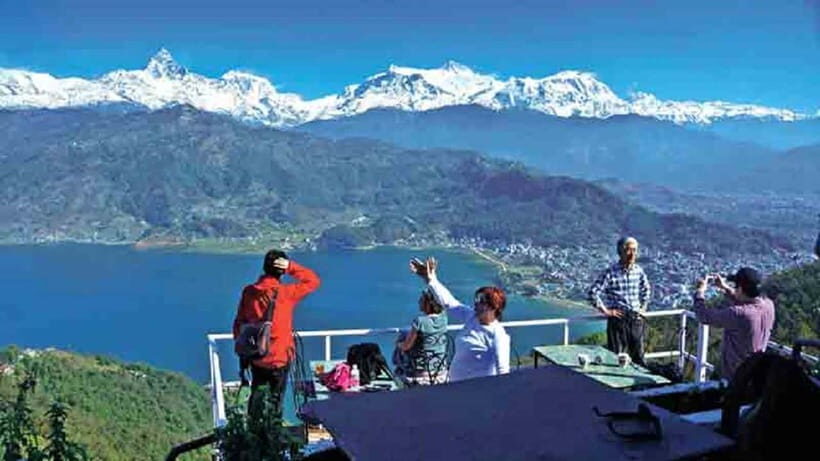
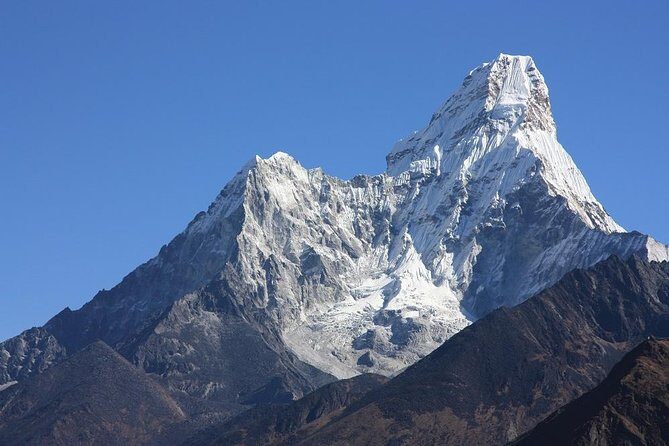
You’re aiming for views that include Everest and its Tibetan section, with the added bonus of seeing the Khumbu Region’s four eight-thousanders from the wider mountain panorama. Even if clouds roll in at some points (altitude loves to do that), the trek’s design is meant to give you multiple chances at strong visibility—especially around the viewpoint-focused days like the Gokyo Ri climb.
Gokyo Ri is listed at 5,357 m, and you’ll also see Everest View Hotel (3,880 m) as a hike option. That hotel isn’t Everest Base Camp, but it can still be a very effective viewpoint stop if weather behaves. It’s the kind of altitude “win” that can feel good for people who want big views without always going for the absolute highest day.
Practical tip for your planning: treat your viewpoint day like a mission. Start early, drink water steadily, and keep your layers organized so you aren’t wrestling your gear in wind and cold.
Chola Pass and Renjola Pass: the part you should respect
This trek isn’t just a scenic walk around lakes. It includes high passes, and those are the sections where your body will tell you the truth.
You’ll see that Renjola Pass is part of the described Gokyo area routing, and Chola Pass is specifically called out as part of the junction. One traveler emphasized that Chola Pass was challenging and said they ended up liking the trek better than Everest Base Camp.
That’s your cue. If you’re reasonably fit but not trekking-strong yet, you should train for hiking days with elevation, and you should take altitude seriously even on “normal” days. Your tour info says you should have a strong physical fitness level, and that’s not boilerplate. Pass days generally mean steeper climbs, colder air, and more time spent working instead of admiring.
I also like that the trek is private. With a private group, your guide can better manage the pace and your timing on tough segments, which can be the difference between finishing a pass strong and feeling wrecked.
Sherpa villages and the Sherpa Museum: culture that isn’t an afterthought
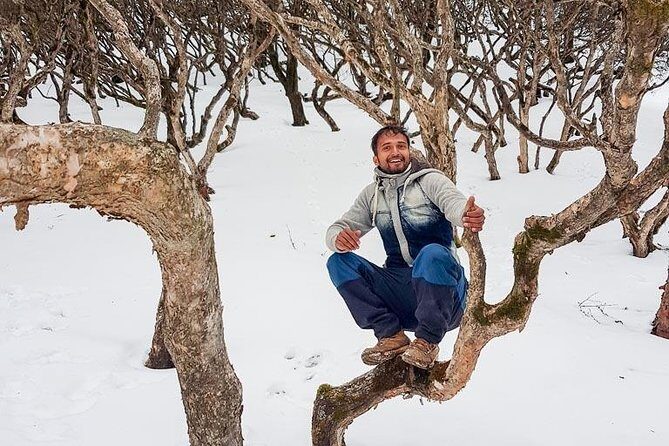
One of the smartest parts of this trek is that cultural stops are not random side quests. The information points to traditional villages plus the Sherpa Museum, with notes about learning about rites and rituals.
Here’s how I’d use that on your trip: don’t treat the cultural elements as a checklist. If you ask a few basic questions, you’ll usually get better answers than you’d expect—especially in a place where people have built their lives around mountain seasons, trade, and community traditions.
This matters even more because the Everest region can feel like a giant “peak project” to outsiders. A museum stop and village time shift you back toward the human geography of the Khumbu: what Sherpas do, how communities manage mountain life, and why the area’s traditions still matter.






What’s included vs. what you’ll pay for yourself
Let’s talk value, because a trek at this level isn’t cheap for a reason—still, you should know what’s covered.
Included:
- Accommodation as per itinerary
- National Park fees
- Local guide
- Hotel/port pickup and drop-off
Not included:
- Alcoholic drinks
- Food and drinks (and specifically: lunch, breakfast, dinner are not included)
For many people, the hidden cost on high-altitude treks is simply food. So when you compare this trip to other packages, don’t just look at the headline price.
Price:
- $1,290 per person
- Duration: about 18 days
My take on value: having accommodation, a local guide, and national park fees bundled can save you time and uncertainty. But because meals are not included, you’ll want to plan spending so you don’t get surprised mid-trek.
If your plan is to eat simply, carry some snacks you like, and budget for tea/meal-style fueling, this package can be a solid match. If your plan is to rely on included meals, you’ll need to adjust your expectations.
Logistics that make a difference in the real world
Meeting point:
- Start: Tribhuvan Airport, Kathmandu Nepal
Pickup window info is listed as:
- Monday: 6:15 AM – 7:45 PM
(With the overall availability range shown for 2024–2026.)
A few other practical points from the experience details:
- You’ll get a mobile ticket
- It’s a private tour/activity, meaning only your group participates
- Service animals are allowed
- It’s near public transportation, which can help if you need flexibility in Kathmandu
One more thing I appreciate: the company language around confirmation says you’ll receive confirmation at booking time. That reduces the “will this actually happen?” stress you don’t want when you’re already planning a high-altitude trek.
How fit do you need to be, really?
Your info is clear: travelers should have a strong physical fitness level. With passes like Chola and Renjola in the mix, that’s reasonable.
Here’s the fitness target that tends to work well:
- You can hike for several hours per day without needing to stop every few minutes.
- You can handle steep sections without your breathing falling apart.
- You’re prepared for cold and long days at elevation.
Even if you’re “fit,” altitude still adds a second difficulty level. The guide and pacing matter. That’s also where the private format helps, since the guide can adjust your tempo and remind you about steady hydration and rest.
Price, pacing, and who this trek fits best
This trek is a great fit if:
- You want Gokyo Lakes as the main event, not a quick detour
- You’re excited by passes and the bigger trekking challenge
- You care about Sherpa culture and want at least some structured cultural time
- You like a private-group feel with a guide who stays attentive
It might not be your best pick if:
- You want meals fully handled in the package (breakfast/lunch/dinner are not included)
- You’re looking for a gentle route with fewer steep, exposed-feeling climbs
- You’re sensitive to high-altitude exertion and haven’t built up trekking stamina
Also consider timing. The Everest region weather is famously unpredictable. When you build in a climb like Gokyo Ri plus pass days, you’re signing up for a schedule that rewards good weather and challenges you when it doesn’t cooperate.
Should you book this Gokyo Lake trek with Chola and Renjola passes?
If your dream includes turquoise lakes, Sherpa culture, and the satisfaction of high passes, I think this is a smart choice. The route is clearly designed to connect the lakes experience with big viewpoint moments like Gokyo Ri (5,357 m) and potential Everest-area outlook from Everest View Hotel (3,880 m). Add in private logistics, a local guide, and national park fees handled, and the package is built for less hassle.
Before you commit, do two reality checks:
- Budget for meals since breakfast, lunch, and dinner are not included.
- Make sure you truly train for pass days like Chola and Renjola, not just the easier walking days.
If that fits your style, you’ll likely come away feeling like you got the full Everest-region story, with Gokyo giving you the emotional center.
FAQ
How long is the Gokyo Lake trek?
The duration is listed as about 18 days (approx.).
Where does the tour start in Kathmandu?
The start meeting point is Tribhuvan Airport, Kathmandu, Nepal.
What is included in the price?
Accommodation as per itinerary, national park fees, a local guide, and hotel/port pickup and drop-off are included.
What is not included?
Alcoholic drinks and food and drinks are not included, including lunch and breakfast and dinner.
Do I need strong physical fitness?
Yes. The experience notes that travelers should have a strong physical fitness level.
Is this tour private?
Yes. It’s listed as a private tour/activity, so only your group participates.
What’s the cancellation policy?
Free cancellation is offered. You can cancel up to 24 hours in advance for a full refund, and cancellations less than 24 hours before the start time are not refunded.