REVIEW · KATHMANDU
Ghorepani Poon Hill Sunrise Trek
Book on Viator →Operated by View Nepal Treks and Expedition · Bookable on Viator
Morning clouds or gold? Poon Hill decides. This trek earns its buzz with Poon Hill sunrise for world-class 360° views and a walk through Gurung and Poon-Magar village life, from terraced farms up toward cooler rhododendron forests. I like that it’s built as a moderate, day-by-day progression—so you’re not just grinding uphill, you’re changing worlds. The main drawback to factor in is timing: you’ll be up early, and sunrise depends on weather, so you need to plan for cold starts.
What makes this trip practical is that most of the hard logistics are handled—airport/hotel transfers in Kathmandu, hotel stays in both Kathmandu and Pokhara, and a government-licensed English-speaking guide. You also get the permits (ACAP and TIMS) sorted, plus tea-house/lodge accommodation on the trek days.
One more consideration: the trek price is $799 per person, but visa and international flights are not included, and you’re also expected to cover personal expenses, gratuities, and your own medical supplies. If you want smooth peace of mind in Nepal, you’ll still want to pack smart and budget for the non-included items.
In This Review
- Key things I’d mark on your mental map
- Why the Ghorepani Poon Hill Sunrise Route fits many hikers
- Price and value: what $799 covers (and what you must plan for)
- Getting started in Kathmandu: the calm before the trek
- Pokhara to Nayapul to Tirkhedhunga: starting with altitude awareness
- Ghorepani Day: where the forest starts cooling you off
- Poon Hill sunrise morning: big views, real cold
- Tadapani and the long finish: to Nayapul, then back to Pokhara
- Kathmandu again: a buffer day for downtime and departures
- Guides, permits, and the behind-the-scenes stuff you actually care about
- Weather, rain seasons, and the one messy issue: be ready
- Who should choose this trek, and who might want a different plan
- Should you book the Ghorepani Poon Hill Sunrise Trek?
- FAQ
- Where does the Ghorepani Poon Hill Sunrise Trek start?
- What time does the activity start?
- How long is the trek?
- What permits are included?
- What accommodations are included?
- Is guide service included?
- How is food handled during the trek?
- Are airport and transport transfers included?
- Is my Nepal visa included?
- Is cancellation free?
Key things I’d mark on your mental map
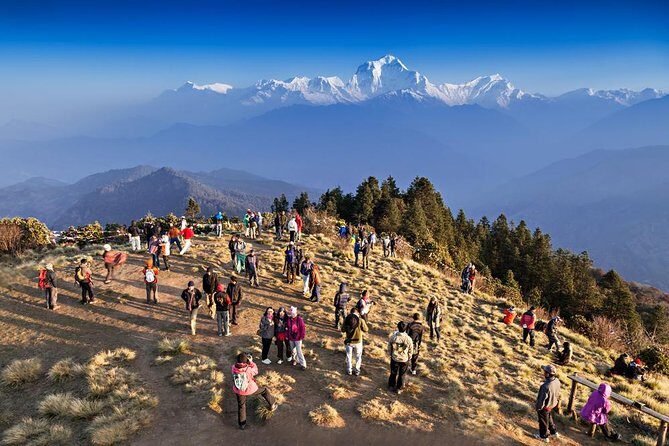
- Poon Hill sunrise: early-morning hike for standout wide-angle views across the Himalayan range.
- Temperature and terrain shift: from warmer farm terraces to cooler rhododendron-pine-oak-fir forest lines.
- Village culture on foot: time walking through traditional Gurung / Poon-Magar communities.
- Caravan-route scenery: fascinating viewpoints tied to the older Nepal/Tibet trade routes.
- Teahouse comfort, not camping: lodge stays built into a short 8-day route.
- Guides with real people skills: English-speaking licensed guides, including guides praised by name like Sonam, Narayan, Pemba Sherpa, Ram, Kumar Adhikari, and Bikash.
Why the Ghorepani Poon Hill Sunrise Route fits many hikers
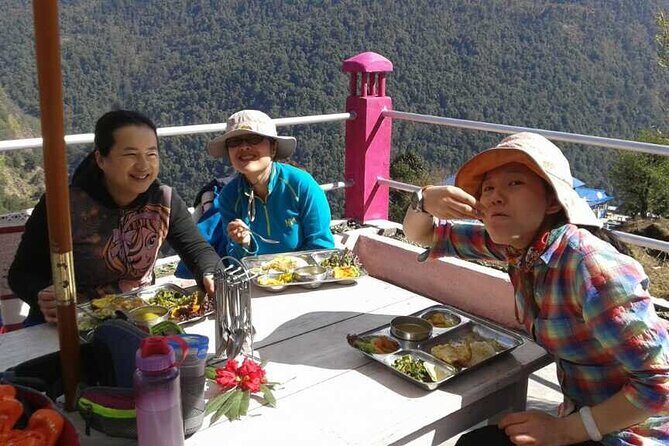
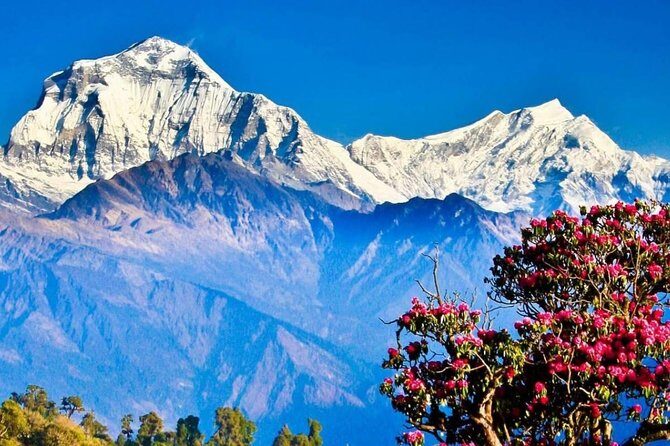
The Ghorepani Poon Hill trek is a classic for a reason: you get big Himalayan views without an all-out endurance slog. Over 8 days, you walk up through southern ridges and rolling hills toward the Annapurna range, and your day-to-day experience shifts fast. In the low sections you’re around semi-tropical farming—paddy fields and terraces—then you climb into cooler country under rhododendron, pine, magnolia, oak, and fir.
The other reason it works: the trek is not only about one view. Yes, Poon Hill sunrise is the headline, but the route also gives you village mornings, tea-house evenings, and long stretches where you can just focus on breathing and getting your legs moving. If you like your travel with both scenery and daily rhythm, this is built for you.
You can also read our reviews of more hiking tours in Kathmandu


Price and value: what $799 covers (and what you must plan for)
At $799 per person, the value comes from what’s bundled.
Included in the trek package:
- Kathmandu + Pokhara lodging at tourist-standard hotels (bed and breakfast)
- All airport/hotel/airport transportation plus overland transfers
- A professional English-speaking government-licensed guide
- Tea-house/lodge accommodation during the trek
- Food (B-L-D) from Day 03 through Day 06
- Permits: ACAP and TIMS
- Guide support: guide equipment, daily wages, medical insurance, and transportation allowance
- A welcome or farewell Nepalese dinner with cultural programs in Kathmandu
Not included:
- Nepal visa, international airfare
- Personal expenses, tips/gratuities, and drinks (hard or soft)
- Emergency evacuation by any means (including heli)
- Personal medical kit
Here’s how I’d think about the math: If you tried to assemble this yourself—permits + licensed guide + lodging in Kathmandu and Pokhara + transfers + trek meals—you’d likely end up spending similar money but with more moving parts to manage. The package price makes sense if you want your energy spent on walking and views, not on coordinating paperwork and logistics.
Getting started in Kathmandu: the calm before the trek
Day 1 is arrival in Kathmandu and transfer to your hotel. You’ll want that first night to be smooth, because the next few days are a mix of early mornings and travel time.
Day 2 moves you toward Pokhara—an important shift, because Pokhara is the staging point for the Annapurna region. The route includes either a flight plus a long drive (about 30 minutes in the air and roughly 6 hours by road) to reach the Pokhara area. Pokhara is also your first real taste of the region’s scenery, with nearby lakes like Phewa and Begnas mentioned as part of the setting.
Pokhara to Nayapul to Tirkhedhunga: starting with altitude awareness
On Day 3, you drive to Nayapul (around 1,100m) and then begin trekking toward Tirkhedhunga (about 1,450m). This first walking day matters more than it looks. You’re not just going from A to B—you’re giving your body time to start adjusting.
The walk here tends to feel like a gentle on-ramp. It’s early enough in the trek that you can settle into your pace, get used to the footing, and start learning how your body responds to Nepal’s mountain air.
Overnight is at a tea house/lodge, which sets you up for the next climbing day.
Ghorepani Day: where the forest starts cooling you off
Day 4 is the big “climb into the mountains” day, trekking up to Ghorepani (around 2,874m) in about 5 hours. This is where the trek earns its scenery credibility. As you rise, the environment changes from warmer farm-country to cooler forest lines.
Expect tall trees and shaded walking under rhododendron, pine, magnolia, oak, and fir—the exact mix varies by section, but the key idea is consistent: you feel the temperature drop as you climb. If you run cold easily, pack layers you can add quickly. If you run hot, you’ll still be glad you have a lighter mid-layer when the sun hits.
This is also a good day for setting up your sunrise plan: checking your headlamp (if you use one), organizing warm clothes, and leaving yourself enough energy for the next morning’s early start.
A few more Kathmandu tours and experiences worth a look

Poon Hill sunrise morning: big views, real cold
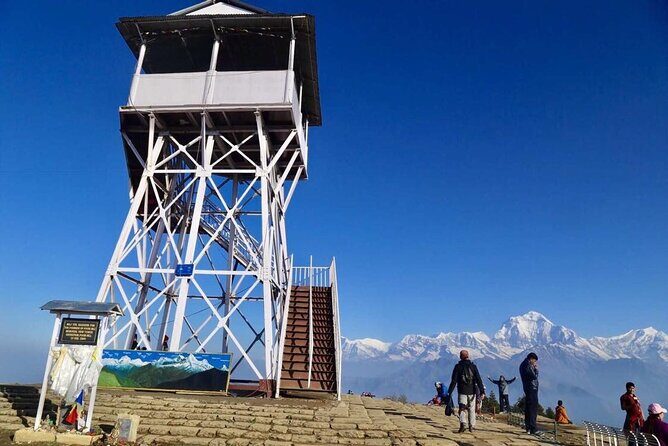
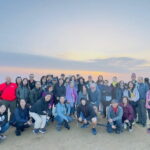
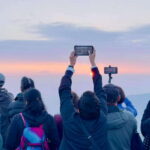
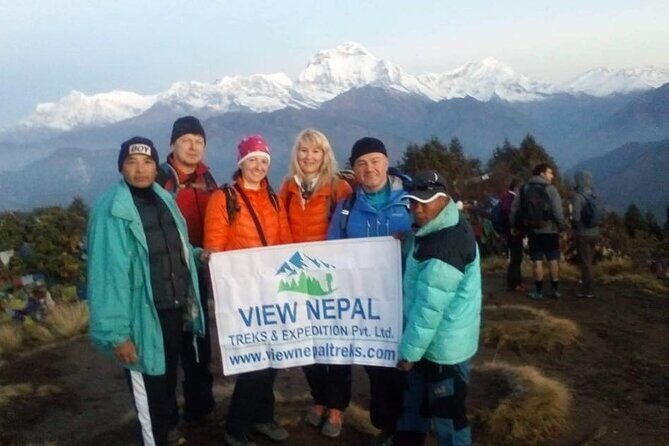
Day 5 starts with a morning hike to Poon Hill for sunrise. The trek is famous for the wide-angle 360° views from the top—one of those moments where it’s hard to take notes because you’re too busy staring.
Practically, the sunrise hike usually means you’ll start while it’s still chilly. Even if you don’t feel freezing inside your sleeping bag, you’ll feel it once you’re moving in the pre-dawn air. Plan to dress in layers you can comfortably hike in.
After Poon Hill, you trek on toward Tadapani (around 2,721m) and overnight around Ghandruk (about 1,750m). The walking time listed for this day is about 8 hours, so it’s not just a single viewpoint day. It’s a full day of climbing and descending, plus time moving through village areas—so your reward is both mountain views and local life.
Ghandruk in particular is part of the classic Gurung village corridor on this route, so you’ll feel the culture through the daily rhythm: paths between homes, tea-house stops, and a village-built sense of community.
Tadapani and the long finish: to Nayapul, then back to Pokhara
Day 6 is your descent: trekking back to Nayapul and then driving to Pokhara. This is a psychologically satisfying day. After a sunrise-and-ridgelines rhythm, you get your legs back from the uphill grind.
You’ll also regain the comfort factor. Pokhara is where you can reset—hot shower, easier meals, and more relaxed evening pacing. If you like doing one more casual walk after dinner, this is a good night for it.
Kathmandu again: a buffer day for downtime and departures
Day 7 is a drive or flight back to Kathmandu, with afternoon free time. This is a useful buffer. It means you’re not rushing straight from the mountains to the airport. You can grab supplies, do a relaxed wander, or just take time to recover.
Day 8 is international departure home.
This structure is a big part of why this trek is a good “first Himalayan” experience. You get both the mountain work and a smoother landing.
Guides, permits, and the behind-the-scenes stuff you actually care about
This package includes an English-speaking government-licensed guide, and the guide’s support costs are part of the arrangement. That means you’re not trying to figure out route navigation, permit paperwork, or basic day planning on your own.
It also includes:
- ACAP permit for the Annapurna Conservation Area
- TIMS (Trekking Information Management Systems)
Why these matter in real life: it reduces hassle and risk. Instead of worrying whether you have the correct documents on the correct day, you can focus on the trek itself.
One more thing I like is how the guide role shows up in the experiences people shared. Names came up for guides such as Sonam, Kumar Adhikari, Narayan, Pemba Sherpa, Ram, and Bikash—each praised for being friendly, patient, and good at answering questions. If you like learning while you walk, this kind of guide makes the trip feel smarter, not just scenic.
In Kathmandu, there’s also a welcome or farewell dinner with cultural programs. It’s not the reason you hike, but it adds a Nepal-focused end-cap to the trip.
Weather, rain seasons, and the one messy issue: be ready
Your best day in the mountains is sunrise, but sunrise is also weather-dependent. You should assume you might wake up to cloud cover. That doesn’t mean the trek is a wash—it still offers forest walking and village viewpoints—but you should keep expectations flexible.
Rain season is part of Nepal’s reality too. One experience shared good luck with weather even during rainy-season trekking, which is encouraging—but it also suggests you should pack for wet conditions. A small rain layer, a quick-dry plan for your clothes, and traction-friendly footwear are your friends.
There’s also a practical “leave it better” concern. One comment flagged rubbish as an overall issue. That doesn’t mean you’ll see garbage everywhere, but it’s a good reminder to pack a small trash bag and be strict about your own waste.
Who should choose this trek, and who might want a different plan
This trek fits you if:
- You have moderate physical fitness
- You want a short trek with tea-house accommodation (not camping)
- You want sunrise views plus village culture
- You prefer an organized package with permits and transfers handled
Minimum age is 12, so it’s designed to be accessible for younger trekkers with a reasonable fitness level.
Rethink it if:
- You’re not comfortable with early mornings and cold starts
- You need fully predictable weather for the main highlight
- You prefer a more luxury, fully private comfort setup (this is built around tea houses and walking days)
Should you book the Ghorepani Poon Hill Sunrise Trek?
I think you should book it if you want maximum Himalayan payoff for a moderate schedule. The Poon Hill sunrise, the temperature/forest shift up to higher ridgelines, and the mix of village walking make the trek feel full even though it’s not long.
Book it with eyes open if you’re sensitive to cold mornings or you’re picky about cleanliness. Bring layers, plan for weather changes, and help keep the route tidy.
Finally, check your personal budget beyond the $799: visa, international flights, travel insurance (not included), tips, and a personal medical kit. If you handle those, this trek is a solid way to see the Annapurna region without turning the trip into a logistics project.
FAQ
Where does the Ghorepani Poon Hill Sunrise Trek start?
It starts at View Nepal Treks & Expedition P. Ltd. in Thamel Marg, Kathmandu (meeting point listed as Thamel Marg 24, Kathmandu 44600, Nepal).
What time does the activity start?
The start time listed is 6:15 am.
How long is the trek?
The duration is listed as about 8 days.
What permits are included?
The package includes the ACAP (Annapurna Conservation Area Project) permit and TIMS (Trekking Information Management Systems).
What accommodations are included?
You get hotel accommodation in Kathmandu and Pokhara (tourist standard, bed and breakfast), plus tea house/lodge accommodation during the trek.
Is guide service included?
Yes. An English-speaking government-licensed guide is included.
How is food handled during the trek?
Food (breakfast, lunch, dinner) is included during the trekking days from Day 03 to Day 06.
Are airport and transport transfers included?
Yes. The trip includes airport/hotel/airport transportation, plus transfers related to Pokhara and Nayapul.
Is my Nepal visa included?
No. Nepal visa and international airfare are not included.
Is cancellation free?
Free cancellation is available up to 24 hours in advance of the experience start time for a full refund.