REVIEW · KATHMANDU
Kathmandu: Private UNESCO World Heritage Site Tour
Book on GetYourGuide →Operated by Outshine Adventure Pvt Ltd · Bookable on GetYourGuide
Four UNESCO stops, one long Kathmandu day. I love how the route jumps from Swayambhunath and its monkey legends to Boudhanath and its massive stupa, with expert guides like Ramesh (and Rajendra Manandhar in other groups) explaining why each place matters. The private transportation also helps you keep control of your time instead of rushing with a crowd.
One thing to plan for: it is a full-day of sightseeing and walking, and entrance fees plus meals are not included. If you want to linger slowly, you’ll need to be proactive with your guide about where you want extra minutes.
In This Review
- Key things I’d bookmark before you go
- Kathmandu Valley UNESCO, in One Organized Private Day
- Price and What You Really Get for $50
- Swayambhunath Stupa: The Monkey Temple and Big Orientation Walk
- Kathmandu Valley Drive-Time Between Sights
- Kathmandu Durbar Square: Temples Dating Back to the 3rd Century
- Boudhanath Stupa: South Asia’s Largest Stupa Stop
- Pashupatinath Temple: Bells, Sacred Art, and a Place People Pray Daily
- How the Day Flows: A Route That Balances Walking With Explanation
- Comfort Tips: IDs, Water, and How to Make the Most of Free Time
- Who This Tour Fits Best (and Who Should Choose Another Day)
- Should You Book This Kathmandu UNESCO Tour?
- FAQ
- What UNESCO World Heritage sites does the tour include?
- How long is the Kathmandu UNESCO private tour?
- What is the price per person?
- Is hotel pickup and drop-off included?
- What are the pickup and drop-off locations?
- What languages are available for the live tour guide?
- What is included in the price?
- What is not included?
- Do I need an ID for the tour?
- Is there free cancellation?
Key things I’d bookmark before you go
- Monkey Temple first: Swayambhunath starts the day with playful monkeys and great orientation for the city.
- Durbar Square’s age matters: you get temples tied back as far as the third century, not just modern facades.
- Boudhanath’s scale: it is the largest stupa in South Asia, and you feel that size the moment you arrive.
- Pashupatinath’s spiritual rhythm: guides connect what you see to the daily religious pulse, including the famous morning bells.
- Private guide attention: multiple guides (Ramesh, Bhin, Niraj, Badri Nepal, and others) were praised for caring, flexibility, and answering questions in detail.
- Comfort on the move: reviewers specifically called out comfortable cars, sometimes with air-con.
Kathmandu Valley UNESCO, in One Organized Private Day
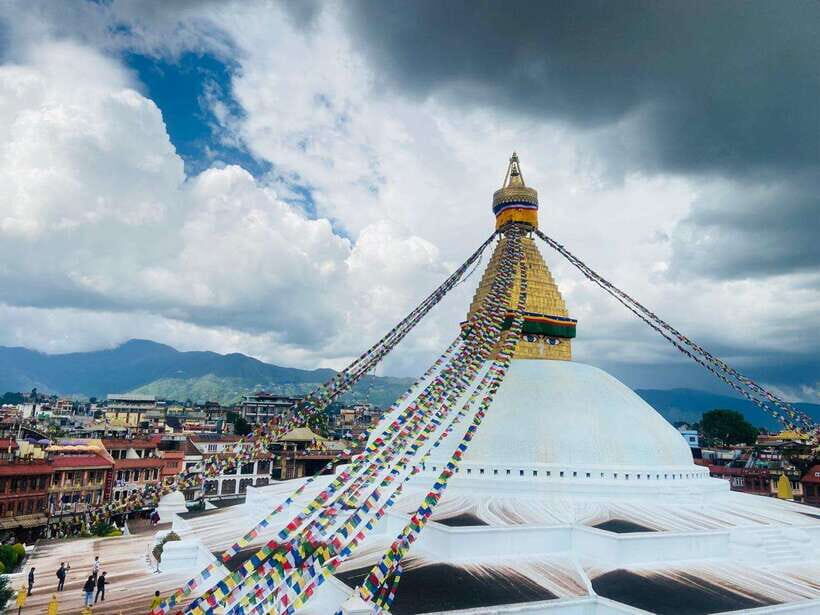
This is a one-day sampler of Kathmandu Valley’s major UNESCO World Heritage stops, built for people who want the highlights without doing the logistics scramble themselves. You’re hitting Hindu sacred sites and major palace-square architecture, plus big public-religious monuments that shape everyday life in Kathmandu.
I like the structure because it mixes big icons with lived-in city space. You are not only looking at monuments from a distance; you are walking through areas where people actually pray, gather, and pass time. And with a private guide, you can ask the annoying questions (meaning: the useful ones), like what to notice in the carvings or why a place is treated as sacred.
Because it is only one day, you also get a practical reality check: Kathmandu is a city of layers. You’ll see religious art, older temple styles, and a sense of continuity that is hard to capture from photos alone.
You can also read our reviews of more private tours in Kathmandu
Price and What You Really Get for $50
At $50 per person for a one-day private tour, the value is less about the sites being free and more about what you buy with that guide-led structure: time-saving routing, interpretation, and comfortable door-to-door transport.
Here is what is included:
- expert tour guide
- hotel pickup and drop-off
- private transportation
- all taxes
Not included:
- meals and drinks
- monument entrance fees
That last part matters. Kathmandu UNESCO sites often come with ticketing at some points, so you should mentally budget for entry fees even if the main experience is the walking, viewing, and explanations. Also, since meals are not included, plan on eating on your own between stops or after the tour.
One more small-but-important value point: your tour uses private transportation and a guide who stays with you. That is why reviewers kept mentioning how they could take their time, ask questions, and not feel like they were being dragged through each location.
Swayambhunath Stupa: The Monkey Temple and Big Orientation Walk
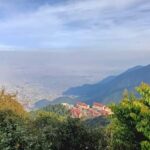
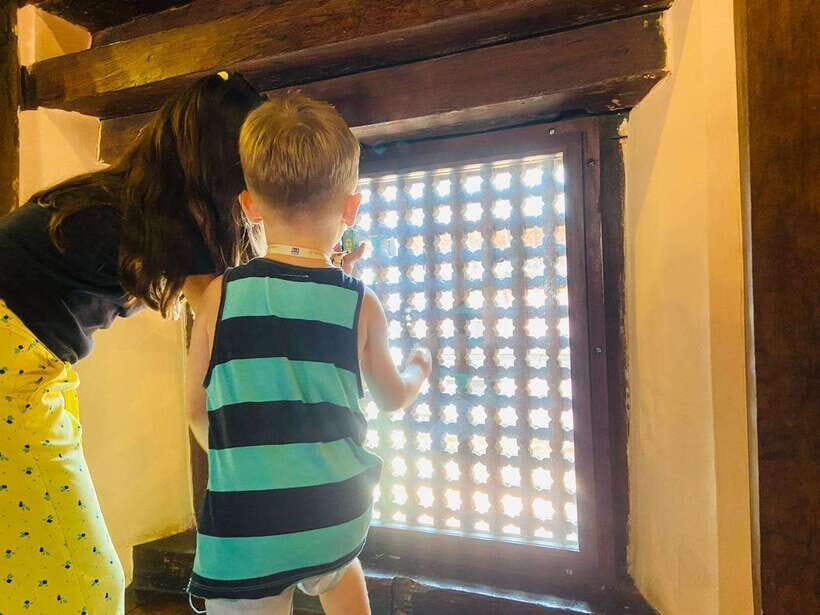
Swayambhunath is the kind of first stop that helps you understand Kathmandu fast. You get a guided walk of about two hours, and you’ll also have a chance to enjoy the view from up high. The “Monkey Temple” nickname is real here—monkeys are part of the scene, and it makes the visit feel less like a museum and more like a living hillside sanctuary.
Why this stop works early in the day: it gives you orientation. After Swayambhunath, Kathmandu Durbar Square and the stupa-centric sights start to make more sense as parts of a wider cultural map. Your guide can tie together what you see—how a stupa functions in religious practice, why this site is treated as important, and what specific details are worth looking at.
The main consideration is simple: you’ll be walking. Even when the tour is private, you still need to be ready for stairs and uneven paths. If your legs are not thrilled with that idea, ask your guide for a pace that matches you before you start.
Kathmandu Valley Drive-Time Between Sights
Between the big monuments, you get the Kathmandu Valley experience in the way it actually happens: moving through the valley and seeing how the city’s religious landmarks sit inside real neighborhoods.
This part of the day is often where guides earn their keep. They can explain how Kathmandu’s identity as the city of temples shows up beyond the UNESCO logos—through the density of sacred spaces, the artwork on structures, and the way public squares function as gathering points.
You also get to see the valley’s natural setting—green hills and surrounding terrain show up again and again, even if the day is mostly built around heritage stops. It’s a reminder that these temples are not staged in a vacuum. They live in a working landscape.
A practical note: traffic in Kathmandu can affect timing. Since this is one day, keep your schedule mindset flexible. Private transport helps, but you’re still dealing with the city.
Kathmandu Durbar Square: Temples Dating Back to the 3rd Century
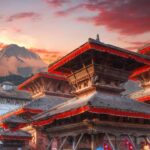
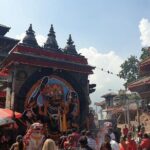
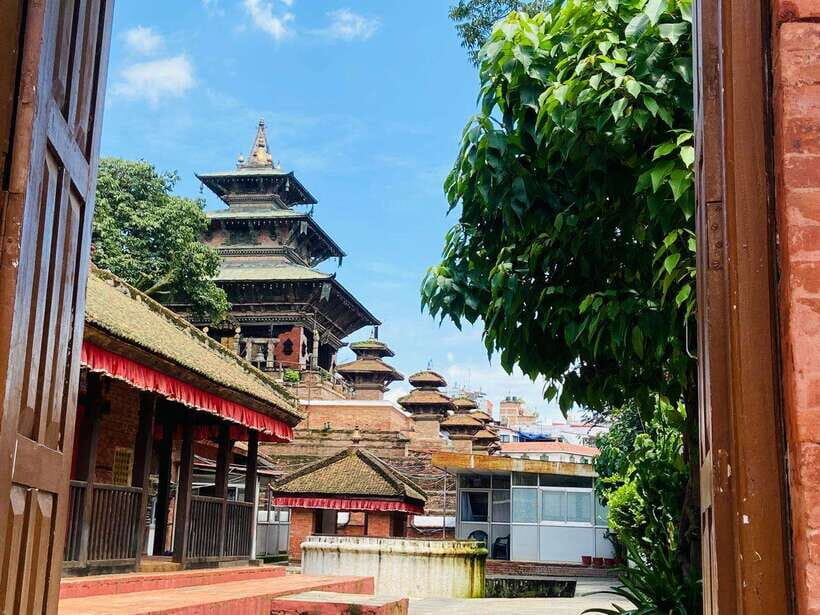
Kathmandu Durbar Square is your “architecture and power” stop. You get a guided visit and sightseeing walk for about two hours, and this is where the tour leans into how old Kathmandu can feel.
One of the most striking things here is the age claim: you can admire temples dating back as far as the third century. Even if you don’t obsess over exact dates, the feeling is immediate—this is a palace-square environment where sacred and civic life overlap.
What you’ll likely enjoy most is how your guide reads the site with you. A good guide connects carvings, layout, and religious meaning so you’re not just pointing at stones. Since this is a private tour, you can slow down when something catches your eye—like a specific motif on a temple wall—or speed up if you’re already confident about what you’re seeing.
The drawback of a Durbar Square stop in a one-day tour is time pressure. Two hours can be perfect for a first pass, but if you want photo-heavy wandering, you may feel you are cutting it short. If that’s your style, tell your guide early where you want extra time.
You can also read our reviews of more historical tours in Kathmandu
Boudhanath Stupa: South Asia’s Largest Stupa Stop
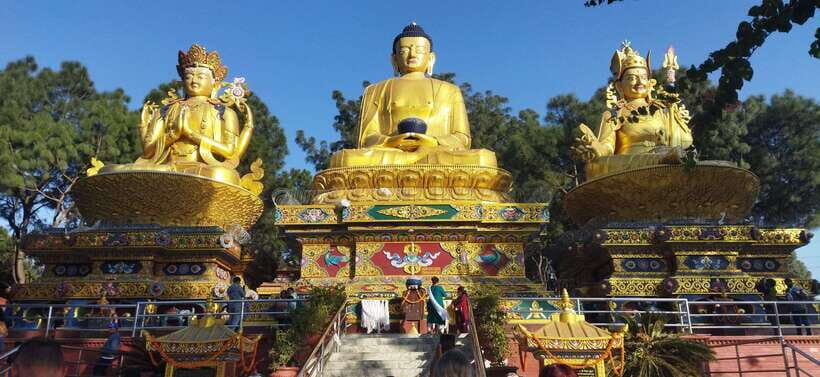
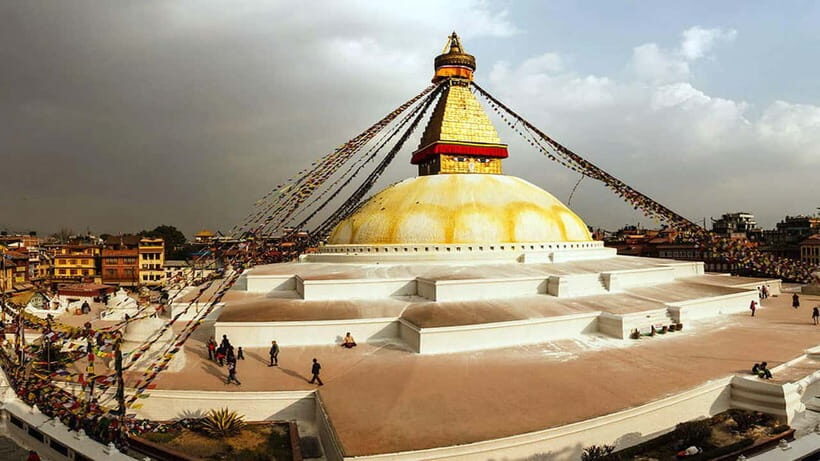
Boudhanath is the dramatic scale moment of the day. This is the largest stupa in South Asia, and seeing it in person is less about reading facts and more about how your body reacts to the size and the flow of people around it.
On this tour, you get a guided visit plus about an hour of free time for sightseeing and walking. That free time is useful because Boudhanath rewards lingering. You may want to step back, watch how people move around the stupa, and take in the details at your own pace rather than always following the guide’s route.
Your guide will also explain why this stupa is so sacred and how its religious role fits into Nepal’s broader spiritual landscape. The explanation adds weight to what you notice visually—especially if you care about religious symbolism or temple design.
The main practical consideration here is crowds. Even without inventing anything about crowd levels, you should expect this to be a place where many people gather. If you prefer quiet, plan on using your free time strategically: spend some moments early, and save your detailed looking for when you find a calmer pocket.
Pashupatinath Temple: Bells, Sacred Art, and a Place People Pray Daily
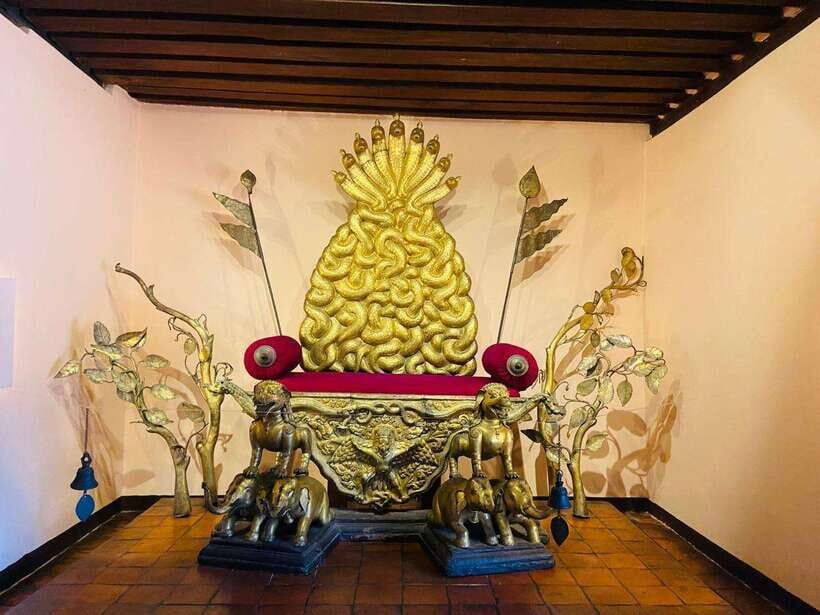
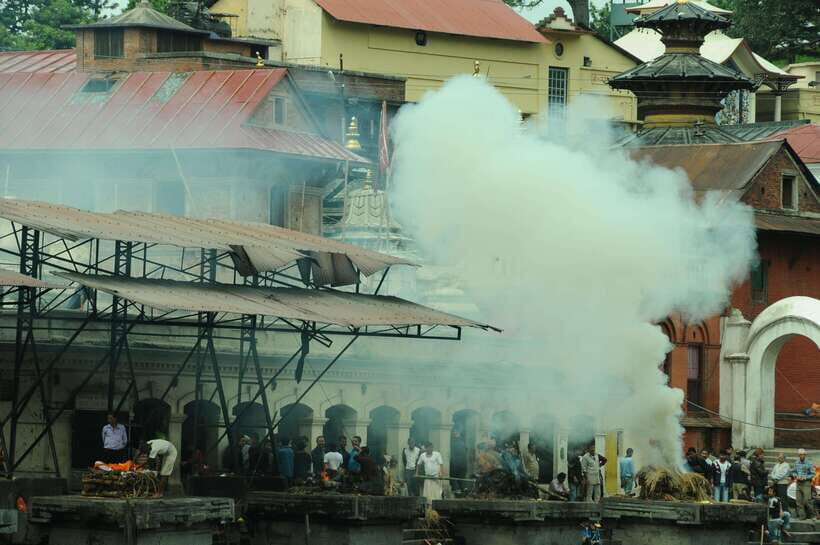
If you want the spiritual Kathmandu experience, Pashupatinath is where the day gets serious. You’ll spend about two hours here with guided commentary plus free time.
One detail that stands out from the tour info: Kathmandu’s mornings begin with the chime of bells from Pashupatinath. That alone tells you this isn’t a one-time sightseeing stop—it is a place tied to daily religious rhythm.
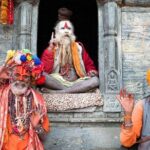
Pashupatinath is also where the tour’s cultural explanations can feel especially grounded. Your guide can point out how the site functions, what to notice in the Hindu temple art and sacred spaces, and why people treat it with such reverence.
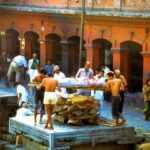
A review highlight that matters for your planning: at least one visitor asked to stay longer near the cremation area at Pashupatinath, and the guide handled it without making a fuss. That’s not a promise for everyone, but it does show the tour team tries to be flexible when you have a specific need. If you want extra time in emotionally intense areas, it is worth asking calmly and early.
Consideration: this is a heavy-sight stop. If you are sensitive to what you might see, give yourself extra time with your guide so you feel oriented and can ask questions ahead of the free-time portion.
How the Day Flows: A Route That Balances Walking With Explanation
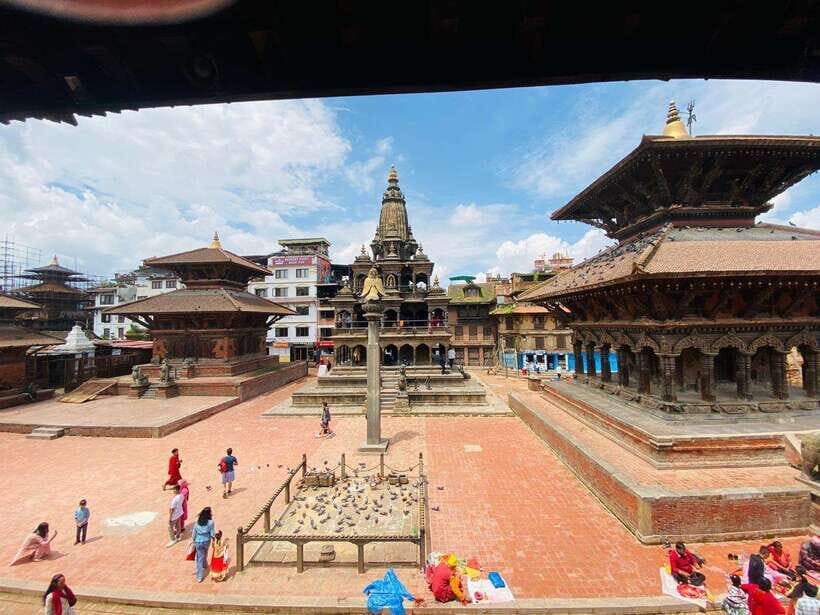
The tour order is built to keep energy sensible: you start with the Swayambhunath walk, move into the broader Kathmandu Valley context, hit Durbar Square, then shift to the monument-heavy stops at Boudhanath and Pashupatinath.
What makes this work is the “explain, then let you look” rhythm:
- The guide provides cultural, historical, and religious context during the guided portions.
- You still get time to slow down on your own at key sites.
- Private transport helps you reset between places.
And because it is private, you can adjust small things. Several reviews praised guides for being caring and flexible, including changes to the route or not revisiting places when someone already saw something earlier. Others mentioned the driver waiting comfortably at each stop, so you are not sprinting back to a vehicle.
You should still go in knowing this is one long day, not a relaxed stroll. The walking totals add up. Wear good shoes and accept that you’ll be standing and moving more than you do on a typical city day back home.
Comfort Tips: IDs, Water, and How to Make the Most of Free Time
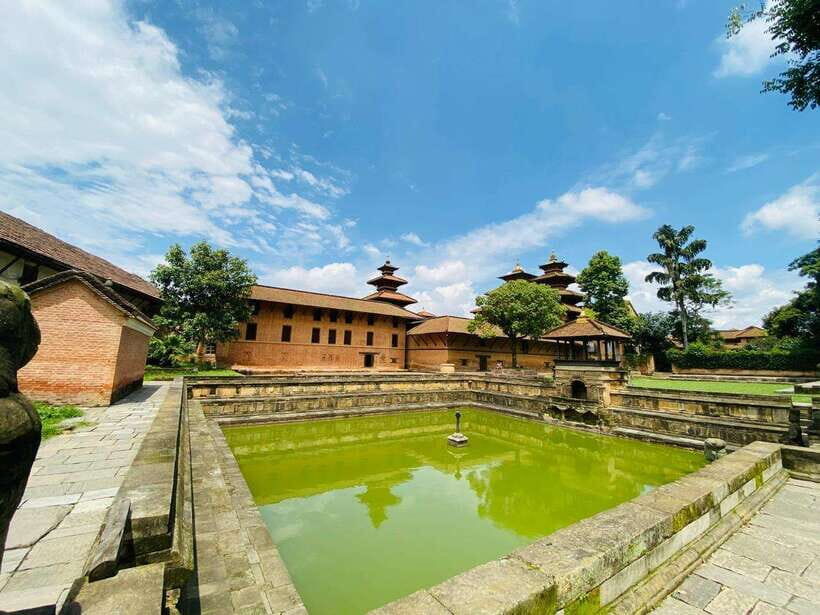
This tour is straightforward, but a couple practical tips will make your day smoother.
Bring:
- passport or ID card
Why that matters: it is explicitly required for the activity, and you don’t want that last-minute scramble.
Also, plan for comfort. Meals and drinks are not included, and one review specifically called out the heat and the wish for a free bottle of water. You can’t rely on water being provided during the day, so carry some. It also helps you stay patient if traffic or crowds slow things down.
Use your free time well:
- At Boudhanath, your hour of free time is a chance to watch and photograph without feeling rushed.
- At Pashupatinath, free time is when you can linger where your questions lead you.
If you care about shopping, handicrafts, or religious art, you might also ask your guide for help finding local items. One review mentioned a guide assisting with things like mala, bracelet, and thangka painting. I would treat that as a bonus, not the tour’s main mission—but it’s a nice perk when you want something meaningful to take home.
Who This Tour Fits Best (and Who Should Choose Another Day)
This private UNESCO tour fits best if you:
- want a fast, guided orientation to Kathmandu Valley’s biggest names
- prefer a personal guide who can answer questions and explain symbolism
- like blending sightseeing with real religious settings (not just monuments in a vacuum)
- only have about a day and don’t want to build a route yourself
It may feel less ideal if you:
- want slow museum-style pacing for every stop
- hate stairs and uneven walking surfaces
- are hoping meals and entrance fees are covered (they are not)
Should You Book This Kathmandu UNESCO Tour?
Yes, I’d book it if you’re looking for a smart first Kathmandu day that gives you context, not just checklists. The biggest reason is the guide quality across many names—people like Ramesh, Rajendra Manandhar, Niraj, Bhin, and Badri Nepal show up in reviews for being attentive, flexible, and able to explain what you’re seeing.
The second reason is practical: private transport plus hotel pickup/drop-off removes the stress of navigation. In a city where traffic and route planning can be unpredictable, that’s real value.
Just go in with the right expectations: bring your ID, plan for entrance fees and your own meals, and accept that you’ll be walking a lot. If you do that, this one-day Kathmandu UNESCO route gives you a strong sense of what makes the valley spiritually and historically important—without turning your trip into a DIY puzzle.
FAQ
What UNESCO World Heritage sites does the tour include?
The tour includes Kathmandu Durbar Square, Swayambhunath Stupa, Boudhanath Stupa, and Pashupatinath Temple.
How long is the Kathmandu UNESCO private tour?
The duration is 1 day.
What is the price per person?
The price is $50 per person.
Is hotel pickup and drop-off included?
Yes. Pickup and drop-off are included, with pickup from your hotel in Kathmandu or Outshine Adventure in Thamel.
What are the pickup and drop-off locations?
Pickup can be from Kathmandu or Paknajol Marg, and drop-off is also listed as Kathmandu or Paknajol Marg.
What languages are available for the live tour guide?
The live guide is available in English and Spanish.
What is included in the price?
Included items are the expert tour guide, hotel pickup and drop-off, private transportation, and all taxes.
What is not included?
Meals and drinks are not included, and monument entrance fees are also not included.
Do I need an ID for the tour?
Yes. You should bring your passport or ID card.
Is there free cancellation?
Yes. You can cancel up to 24 hours in advance for a full refund.