REVIEW · KATHMANDU
Langtang Valley Trek
Book on Viator →Operated by Nepal Social Treks and Expedition · Bookable on Viator
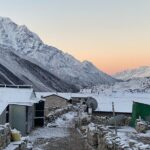
Glaciers and Tamang villages make this trek special. The Langtang Valley route stays in Langtang National Park and is close enough to Kathmandu that it feels doable even with limited time.
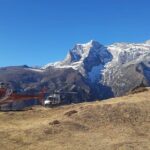
What I like most are the big-culture moments at Kyanjin Gompa and the high-view payoff from the climb to Tserko Ri. You get Himalayan scenery without a mountaineering mindset, plus plenty of village life along the way.
One thing to weigh: the trek is active, and there’s no trekking porter included, so you’ll want to pack smart and be ready to carry your own day-to-day load.
In This Review
- Key highlights that matter on the ground
- Why Langtang Valley feels like the Himalaya sampler from Kathmandu
- Price and value: what $860 covers (and what it doesn’t)
- Day 1: Syabrubesi arrival via the Prithvi Highway and a warm setup
- Day 2 trail mood: suspension bridge, Langtang Khola, and the slow grind to Lama Hotel
- Day 3: Ghoda Tabela and Langtang village, with Mundu’s old-house reminder
- Day 4 to Kyanjin Gompa: yak pastures, chortens, and Buddhist details
- Day 5: Tserko Ri for sunrise and the yak cheese factory in Kyanjin
- Day 6: a faster retrace down to Lama Hotel (and why that helps)
- Day 7: Rimche descent and the return to Syabrubesi by suspension bridge and motorway
- Day 8: Drive back to Kathmandu and reset after lodge life
- Weather, altitude, and fitness reality check
- Lodges, meals, and how to plan your comfort
- How Nepal Social Treks and Expedition show up in the details
- Who should book this trek (and who might want a different fit)
- Book it or skip it: my honest call
- FAQ
- Where does the trek start and end?
- How long is the Langtang Valley Trek?
- What is included in the tour price?
- Is the international flight included?
- Do I have to pay for the Nepal entry visa?
- Is a trekking porter included?
- Is pickup available in Kathmandu?
- Is this tour private or shared?
- What fitness level do I need?
- Can I cancel for a full refund?
Key highlights that matter on the ground
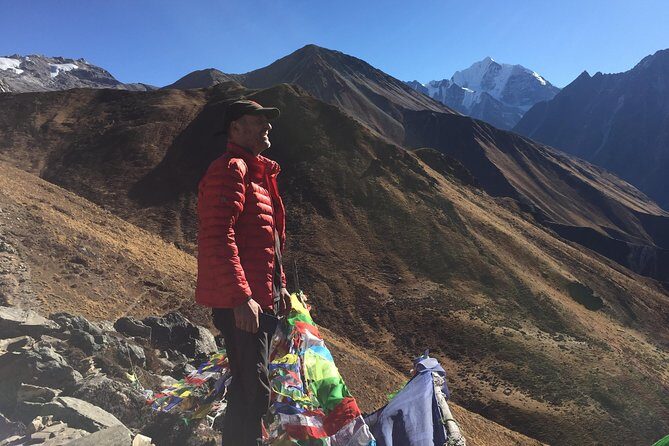
- Kyanjin Gompa spirituality: prayer flags, wheels, monasteries, and Buddhist details you’ll actually walk past.
- Tserko Ri sunrise views: a true high point on the itinerary, with a serious view reward.
- Real village pacing: teahouse stops in small settlements, then villages like Langtang and Mundu.
- Gear support included: a sleeping bag and duffel bag are part of what you receive.
- Logistics handled: permits, transport to/from the trail gateway, and a professional guide.
Why Langtang Valley feels like the Himalaya sampler from Kathmandu
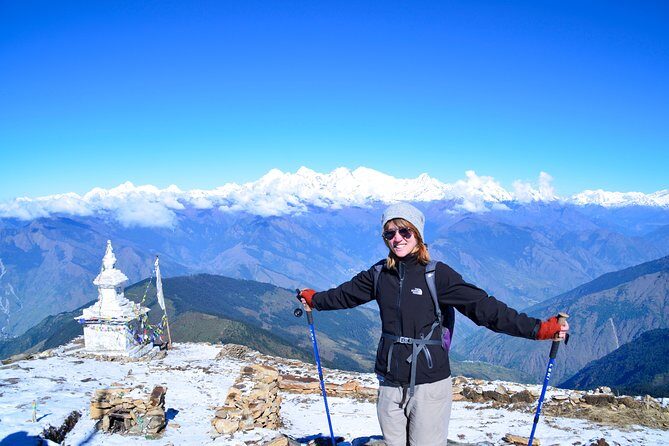
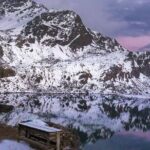
This trek is called the Valley of Glaciers for a reason: you spend days walking through a valley system where glacier country is always in the background, even when you’re not staring at the peak names. What makes Langtang practical is how it ties nature and culture together in the same walking days.
It’s also a region that’s been rebuilding since the 2015 earthquake, which means your visit supports a place that’s still recovering. The result feels human, not just scenic on paper.
You can also read our reviews of more hiking tours in Kathmandu
Price and value: what $860 covers (and what it doesn’t)
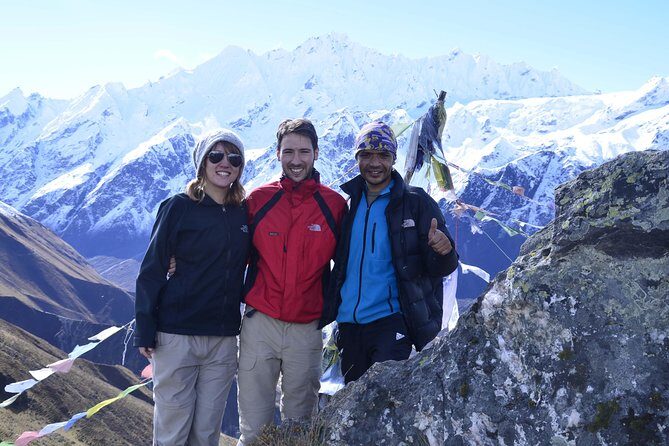
At $860 for about 8 days, you’re not just paying for walking scenery. The package covers lodge accommodation during the trek, a professional trek guide, airport transfers and permits, plus transportation from the starting and ending point of the trek.
Meals are also a big part of the value: breakfast (8), lunch (8), and dinner (7) are included. That matters because it removes decision fatigue every day and keeps your calories steady for altitude days.
You still need to budget for personal spending. Snacks and alcohol are available for purchase, and you should plan for gratuities for guide and porter even though a porter isn’t included. Also, Nepal entry visa fees are paid by you, and travel and medical insurance aren’t included for emergencies. International flights aren’t included either.
Day 1: Syabrubesi arrival via the Prithvi Highway and a warm setup
You start with a long drive from Kathmandu, roughly 7 hours to Syabrubesi. The route follows the famous Prithvi Highway, passing villages and terraced farms, plus stops around Galchi and Trishuli Bazaar along the way.
Later you reach Dhunche, the district headquarters of Rasuwa, before pushing on to Syabrubesi. This is a smart first day because it gets you into the trekking zone without pretending you’ll do strenuous hiking right away.
Syabrubesi itself is your practical base. It has the basics you’ll want before your first full day on the trail: guesthouses, restaurants, shops, and ATMs. I’d use that time to walk off the road stiffness, get your layers organized, and make sure your daily kit is actually comfortable.
Day 2 trail mood: suspension bridge, Langtang Khola, and the slow grind to Lama Hotel
After an early breakfast, you cross a small suspension bridge over Ying Yang Khola and leave the main road behind. From there, the trail runs along Langtang Khola with gradual switchbacks, which is exactly how you want day two to feel: steady effort, not a sudden wall.
This is also where the forest vibe starts. Oak and rhododendron trees line much of the trail, and the route’s not just about views—it’s about rhythm. Keep an eye out for birds and langurs, because the region’s wildlife shows up when you’re moving slowly enough to notice.
Along the way, you pass teahouse settlements like Tiwari Gaon, Bamboo, and Rimche. After Rimche, the trail gets steeper and more demanding until you reach Lama Hotel. It’s a good day to learn your pace—go too fast and you’ll feel it later; go steady and you’ll arrive with energy for evening tea.
Day 3: Ghoda Tabela and Langtang village, with Mundu’s old-house reminder
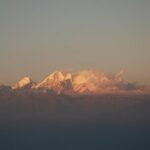
Day three climbs toward Langtang village, which sits on a rocky hillside with cascading waterfalls nearby. As you move uphill along the river route, you’ll have occasional glimpses of Langtang Lirung.
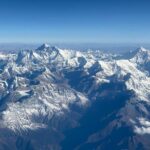
A highlight here is Ghoda Tabela, a wide yak pasture area. This is one of those sections where the scenery widens and your brain switches from forest focus to glacier-and-valley focus. You’ll see the Langtang Range and surrounding views as you continue through villages and small monasteries.
You then reach Langtang, described as a Tamang village. After that, the route continues toward Mundu, about a 30-minute walk away. Mundu is where you’ll notice the old houses—an honest reminder of how villages used to look. Many homes and lodges were rebuilt in a more modern style, so you’ll feel the transition between past and present right in front of you.
Day 4 to Kyanjin Gompa: yak pastures, chortens, and Buddhist details
Leaving Mundu behind, the trek follows a gentle incline through yak pastures. The valley opens more, and the views get more continuous as you approach Kyanjin Gompa.
On the way you’ll pass villages, water mills, and chortens. This is a day where Buddhist culture isn’t a side note. You’ll see prayer flags, prayer wheels, and small structures built by local people, which makes the monastery area feel like a living place rather than a photo stop.
When you arrive, you get time to relax in the afternoon or explore on your own. If you want extra views up the valley, the itinerary suggests checking out Langshisha Kharka. That kind of optional add-on is useful because not everyone wants a full extra hike after a long day.
Day 5: Tserko Ri for sunrise and the yak cheese factory in Kyanjin
This is the big altitude-and-view day: you hike to Tserko Ri, the highest point of the trek. The trail passes through pastures with yaks, so you’re not just walking through “high mountains.” You’re walking through a working landscape with animals and local routines.
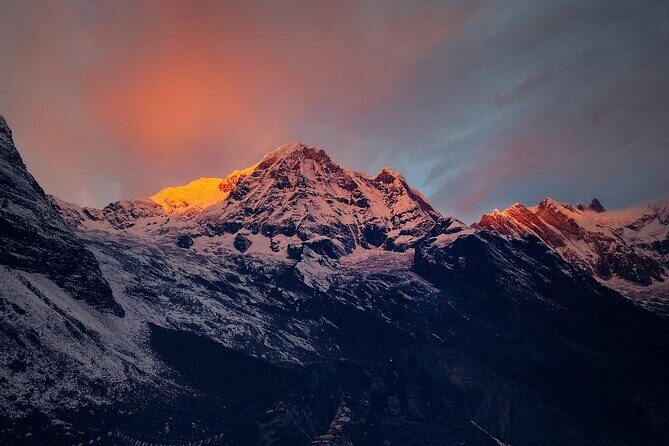
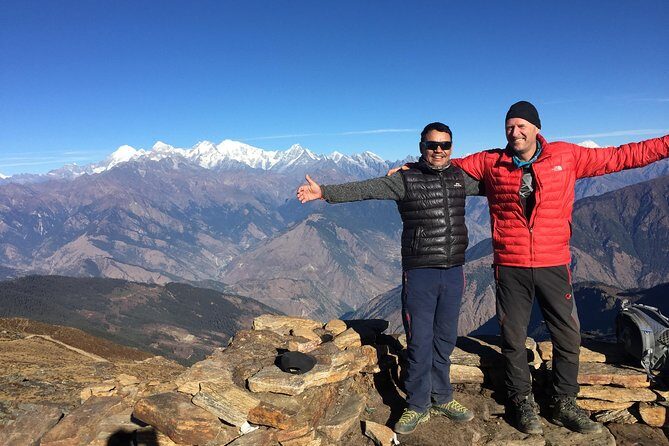
Once you reach the top, you’re rewarded with a spectacular sunrise and breathtaking views of the Langtang range. After time at the summit, you hike back down to Kyanjin and explore the village area.
There’s also a practical cultural stop: you can visit a local yak cheese factory and try or buy yak cheese. This is one of those small moments that adds flavor to the trip beyond the bigger viewpoint moments.
Day 6: a faster retrace down to Lama Hotel (and why that helps)
Day six starts back in Kyanjin and follows the same path down the valley. You follow Langtang Khola until you reach Mundu, then continue onward to Ghoda Tabela.
This section is easier on the legs than the upward stretch. The itinerary notes the descent is quicker than the ascent, and that’s exactly why this day is a relief. Your body still works, but you’re not fighting the same uphill grind.
After lunch, you continue your descent down to Lama Hotel. I like days like this because they let you enjoy the scenery without feeling like every step is a training session.
Day 7: Rimche descent and the return to Syabrubesi by suspension bridge and motorway
You retrace your route back toward Syabrubesi. The day begins with a steep descent to Rimche, then shifts to a more gradual path. You’ll again pass through oak and rhododendron areas, with opportunities to spot wildlife along the way.
As you approach Syabrubesi, you reconnect with village life before the trail meets the more normal rhythm of town. Before reaching the bazaar, you cross another suspension bridge, and then you connect to the motorway.
This day is often where people feel both relief and a little sadness. You’ve spent days moving forward; now you’re closing the loop. Pace yourself. Steep descents can be rough if you overdo it trying to finish fast.
Day 8: Drive back to Kathmandu and reset after lodge life
After breakfast, you drive back to Kathmandu, using the same route as earlier. This is the chance to watch the countryside change again from valley trekking mode into road-trip mode.
Once you arrive, you’re transferred to your Kathmandu hotel for the night. It’s a good moment to shower fully, charge electronics, and eat something that isn’t served in a trekking lodge rhythm.
Weather, altitude, and fitness reality check
You don’t need extreme fitness for Langtang Valley, but you do need moderate physical fitness. The itinerary includes steady multi-hour hiking days, plus steep sections after certain trail points like Rimche.
The highest point is Tserko Ri, and the route is designed for a trek pace where you still feel the altitude challenge, just not in an aggressive, technical way. That said, sunrise summit hikes can feel harder than expected because you’re moving early and the air can feel sharper. Pack layers and keep your breathing calm.
Lodges, meals, and how to plan your comfort
Accommodation is in lodge during the trek, which is a big part of why this trek is “without strenuous effort” compared to more demanding approaches. You get a predictable place to sleep each night, plus meals are scheduled for you: breakfasts, lunches, and dinners are included in the package counts.
Tea houses also mean food is flexible. You’re not stuck with one menu, but the structure is there so you’re not hunting meals while tired. One practical note: since personal expenses like snacks and alcoholic drinks are not included, you’ll want extra money if you want more than the core meals.
For comfort, use the included gear wisely. The package provides a sleeping bag and a duffel bag for trip use. That’s useful if you’re traveling light or don’t want to wrestle with renting gear after arriving in Nepal.
How Nepal Social Treks and Expedition show up in the details
The tour operator behind this trek is Nepal Social Treks and Expedition, and the tone from their feedback is consistent: organization is taken seriously and communication starts before you ever leave home. People have praised them for being friendly and responsive, including help when baggage had hiccups.
Guide quality matters a lot on multi-day treks, and the feedback includes names like Kamal and Santa, Santabir, Sandip Aryal, Bishnu, Yadu, and Madan. What stands out is the attention to care and adaptability—especially in changing conditions. If you value a guide who can adjust the plan and keep you feeling safe, that’s exactly what those stories point toward.
Because it’s described as a private tour/activity where only your group participates, you don’t have to worry about blending into a random crowd. That can make the pacing feel more personal, especially on days that get steep.
Who should book this trek (and who might want a different fit)
This is a strong pick if you want real Himalaya views and real village life in one trip. It also works well if you’re pressed for time because Langtang is relatively close to Kathmandu and the overall duration is about 8 days.
You’ll likely enjoy it if you like daily structure: guided route, lodge stays, and meals handled for you. It’s also a good option if you appreciate Buddhist cultural stops like Kyanjin Gompa and want more than just scenery.
It may be less ideal if you’re looking for a very lightweight hike with no steep moments. The itinerary has steep descents and some steeper climbs after key points. Also, because a trekking porter is not included, heavy packing can become a real issue. If that’s you, pack lighter than you think you need, or plan for the possibility of paying for support separately.
Book it or skip it: my honest call
I’d book this trek if you want a guided, value-driven Langtang experience where the big-view moments are built in: Kyanjin Gompa, Tserko Ri sunrise, and a loop through teahouse villages and Tamang settlements. The inclusion of permits, most meals, lodge beds, and gear like a sleeping bag helps keep the trip smooth and budget-realistic.
I’d pause before booking if you hate carrying your own load or if you’re not ready for a few long hiking days with steeper stretches. Also remember you’ll handle Nepal visa fees directly and bring your own emergency insurance.
If you’re the kind of traveler who likes steady effort, meaningful cultural stops, and a glacier valley that feels alive, this is a solid yes.
FAQ
Where does the trek start and end?
The trek starts from Syabrubesi (the main gateway for Langtang treks) and ends back in Syabrubesi, then you drive back to Kathmandu with a hotel transfer.
How long is the Langtang Valley Trek?
The trek is listed as 8 days (approx.).
What is included in the tour price?
Included are lodge accommodation during the trek, airport transfers and necessary permits, transportation from the starting and ending point, a professional trek guide, a first aid kit, and meals (breakfast 8, lunch 8, dinner 7). The package also includes a sleeping bag and a duffel bag for trip use.
Is the international flight included?
No. International flight tickets are not included.
Do I have to pay for the Nepal entry visa?
Yes. Nepal Entry Visa fees should be directly paid by the guest.
Is a trekking porter included?
No. A trekking porter is not included.
Is pickup available in Kathmandu?
Yes, pickup is offered.
Is this tour private or shared?
It is listed as a private tour/activity, meaning only your group will participate.
What fitness level do I need?
You should have moderate physical fitness.
Can I cancel for a full refund?
Yes. You can cancel up to 24 hours in advance for a full refund. If you cancel less than 24 hours before the experience start time, the amount paid is not refunded.