REVIEW · KATHMANDU
Three Durbar Square Private Day Tour in Kathmandu
Book on Viator →Operated by Shepherd Holidays · Bookable on Viator
Three Durbar Squares, one guided day. What makes this tour fun is the mix of palace-world architecture and street-level Nepal, all packed into a smooth route instead of you figuring out transport. I especially liked the way the guide set the story behind what you’re seeing at Kathmandu Durbar Square, and how the pace felt relaxed enough for photos and shop time. One thing to plan for: entry fees aren’t included, and they change depending on your nationality.
This is a true private setup with hotel-style convenience: pickup and drop-off by private vehicle, plus certified, experienced guidance and a liter of bottled water per person. You’ll still want to manage your own snacks and lunch (this tour doesn’t claim meals), but the guide can help you make good, not-awkward choices.
In This Review
- Key highlights you’ll notice fast
- A private loop through Kathmandu Valley’s most iconic squares
- Kathmandu Durbar Square: palaces, Kumari Ghar, and the royal maze
- Patan Durbar Square: Newar artistry and the Patan Museum connection
- Bhaktapur Durbar Square: Nyatapola Temple and the 55-Window Palace
- Timing and comfort: how a 6-hour day actually works
- Price and logistics: what $65 covers, and what to budget for
- What makes the best guides matter on a Durbar Square day
- Who this tour suits best
- Should you book this Durbar Square private day tour?
- FAQ
- How long is the Durbar Square private day tour?
- What is the price per person?
- Do I need to pay entry fees separately?
- Is pickup and drop-off included?
- Where does the tour start?
- Is this a private tour?
- What’s included in the tour price besides the guide and vehicle?
- What is the cancellation policy?
Key highlights you’ll notice fast
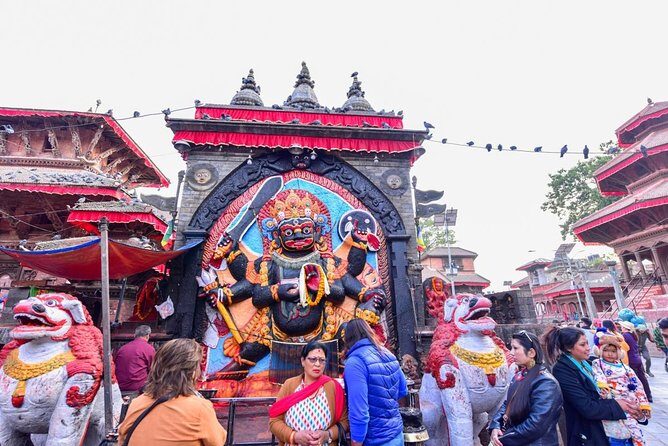
Three UNESCO Durbar Squares in one day: Kathmandu, Patan, and Bhaktapur without the back-and-forth.
Kumari Ghar and royal-era details in Kathmandu: you get context, not just photos.
Newar architecture and the Patan Museum stop: crafts, design, and culture in the same flow.
Bhaktapur’s major landmarks: Nyatapola Temple and the 55-Window Palace are the headline acts.
Relaxed pace with time to explore: praised for not rushing you through each square.
Practical comfort included: private pickup/drop-off and a liter of bottled water per person.
A private loop through Kathmandu Valley’s most iconic squares
A lot of Nepal sightseeing feels like you’re running on a schedule. This tour is built more like a guided circuit: you get driven between the three Durbar Squares, then you spend your time where it counts—looking closely at temples, palace courtyards, carved facades, and the everyday life around them.
You’re booking this at a single price point ($65 per person), but the real value shows in what it includes. Your transport is handled end-to-end with pickup and drop-off, and you get a dedicated guide plus the driver’s day covered. That matters in Kathmandu, where negotiating rides while your day melts away is the fastest way to lose momentum.
The format is also good if you want flexibility. Even with fixed time blocks per stop, you’re not waiting on other people’s late arrivals or fighting a crowd-control shuffle. One review specifically praised guides for giving enough time for photos and even time for shops, so you’re not doing a photo-in-photo-out sprint.
You can also read our reviews of more private tours in Kathmandu


Kathmandu Durbar Square: palaces, Kumari Ghar, and the royal maze
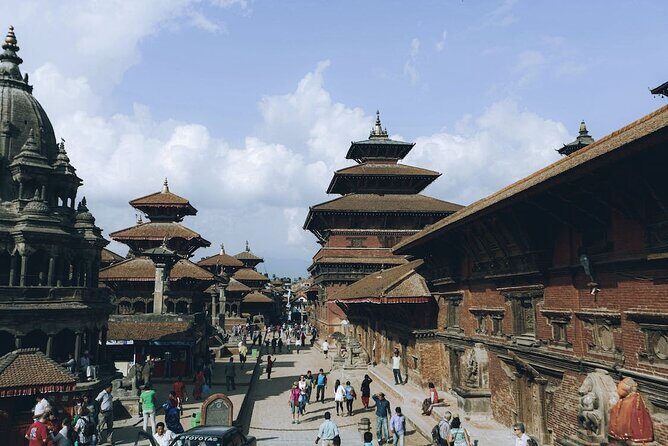
Kathmandu Durbar Square is the kind of place where one building leads to the next and you keep saying wow, then noticing a smaller detail that makes you go back for a second look. This stop is set aside for about one hour, which is short. That’s the main trade-off: you’ll want to decide what you care about most before you get there—main sightlines, carving details, or the flow of courtyards.
What you’ll see here is the historic palace complex, including the Kumari Ghar (home connected to the living goddess tradition). The square is tied to royal rule—first associated with the Malla kings, and later connected to later dynastic rule, including the Shah dynasty era. That timeline matters because Durbar Squares aren’t just pretty backdrops; they’re built expressions of who had power and how that power projected itself through architecture.
A practical tip: with only about an hour, your best move is to follow your guide’s route at the start, then slow down where you personally want more time. One guide (Umesh) was praised for being knowledgeable and for not rushing people, which is exactly what you need in a tight time slot. If you’re the type who likes to read signage and ask questions, you’ll probably appreciate a guide style like this.
What to watch for during your visit
- Look for carved patterns and the way courtyards connect rooms. It helps you make sense of the palace layout.
- Use your guide’s story to pick out what you should photograph first, so you don’t waste time searching.
Where this stop may not satisfy
If you’re hoping for a slow, museum-level visit with deep exploration of every courtyard, one hour can feel tight. Think of it as an orientation plus highlight scan—then you can return later on your own if you fall in love with the area.
Patan Durbar Square: Newar artistry and the Patan Museum connection
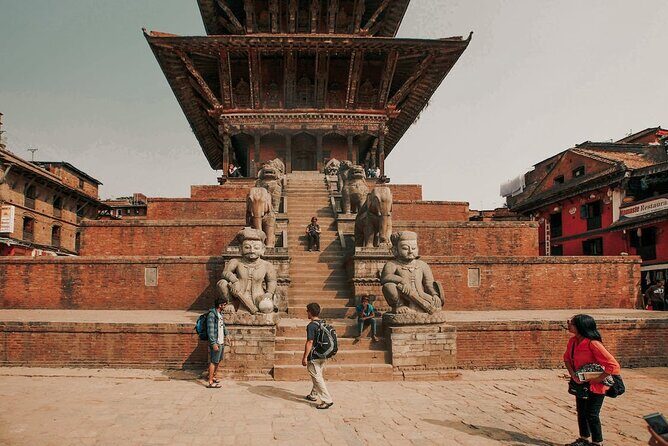
Patan is where the day starts to feel more like craft and design. Patan Durbar Square is another UNESCO-listed stop and, compared with Kathmandu, tends to give you a slightly different texture—more focused on Newar architecture and the urban life surrounding the square.
This leg is longer at about two hours, which helps. You’ll have time to slow down and notice patterns without feeling like your guide is counting minutes the whole time. You’ll also have a chance to visit the Patan Museum, which adds context so the carvings and temple forms don’t feel like random decoration.
Why the museum slot is smart
On Durbar Square tours, people often get stuck in the outer look—facades, courtyards, temples—and miss the “why” behind what they’re seeing. A museum stop is valuable because it can turn what you thought were just ornaments into evidence of what communities valued: materials, religious themes, and local artistry.
How this plays for your day
- Use Patan as your “take a breath” segment. Two hours is enough to absorb the visual rhythm.
- If you enjoy art and cultural stories, this is likely the most satisfying stop of the three.
Possible drawback to keep in mind
You’ll still be skipping a lot of smaller side streets and secondary sights. If your interest is very broad, you may wish you had another hour here to keep exploring beyond the main square and museum timing.
Bhaktapur Durbar Square: Nyatapola Temple and the 55-Window Palace
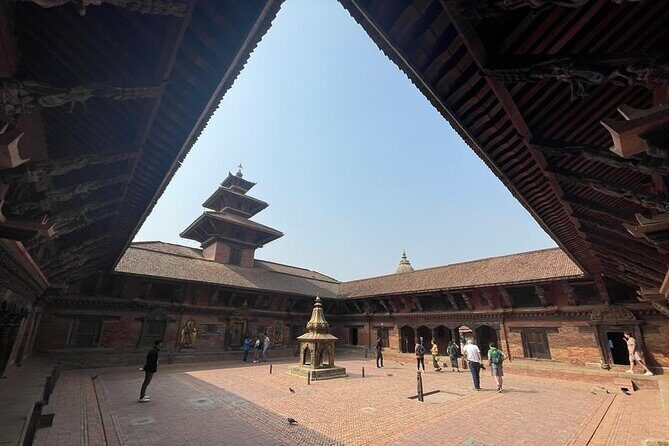
Bhaktapur feels like the day’s big finish. It’s the medieval grandeur stop, with two of the loudest architectural icons on the route: the Nyatapola Temple and the 55-Window Palace.
This stop is also allotted about two hours, and that’s a good amount for Bhaktapur because the area rewards moving at a steady walking pace. You’ll get a sense of how power and devotion show up in layers—temples, palaces, and courtyards forming a connected site rather than separate attractions.
Nyatapola Temple is often the first thing people point their cameras toward, and with good reason: it’s a striking form that’s hard to ignore once you’re close. The 55-Window Palace is the other headline. Even if you don’t count every window (and you shouldn’t stress over it), the scale and repetition give you the feeling of a place built for ceremonial life and royal display.
Local culture shows up in the details
This is where you’re most likely to notice daily life happening alongside heritage sites. The square atmosphere can feel less staged than some tourist-only areas. That can make the visit more authentic, but it also means you should expect occasional friction—people moving, shop activity, and the normal “this is a living place” vibe.
The main consideration
Bhaktapur is visually intense. If you get temple-fatigue, pace yourself. Spend your time where your eyes naturally go first, then let your guide point out one or two specific features you’d otherwise miss.
Timing and comfort: how a 6-hour day actually works
The entire experience is about 6 hours. That includes travel between Kathmandu, Patan, and Bhaktapur, plus time inside each Durbar Square area.
That timing structure is why this tour is such a practical choice. You get the big three without needing to plan buses, hire multiple drivers, or spend precious daylight coordinating. It’s also why private pickup/drop-off matters: you start from the meeting point at Shepherd Holidays, Yapikhya Marg, Kathmandu 44600, and you end back there.
Comfort details you’ll feel
- Private vehicle: no shared scramble, no waiting in a hot street for a group van.
- 1 liter bottled water per person: small thing, big relief when you’re walking in the sun.
- Mobile ticket: less paper handling.
One more note: the guide can be the difference between a frantic day and a calm one. In the feedback I saw, both Umesh and Rajan were praised for guiding in a way that didn’t feel rushed. Rajan was also noted for adjusting the tour to match requests, which tells you that the guide matters as much as the route.




Price and logistics: what $65 covers, and what to budget for
At $65 per person, this tour is priced like a mid-range private cultural day. The value comes from what’s included: pickup and drop-off by private vehicle, guide and driver coverage (salary included), bottled water, and government taxes and office expenses.
The key line item you must budget separately is entry fees. The tour doesn’t include admissions, and the fee can vary by nationality. The provided estimate for entry fees is $21 per person. In plain terms, plan on something like $86 total per person for the base + typical site entry, then adjust if your nationality has different pricing.
Is it worth paying extra for the private vehicle?
If you’re trying to do three UNESCO squares in one day, the logistics alone can eat your time. This is exactly the kind of route where private transport makes sense. You’re buying back daylight and mental energy.
Group discounts are mentioned too. If you’re booking with friends, it may make the cost feel even better, since you’re already paying for a private ride.
What makes the best guides matter on a Durbar Square day
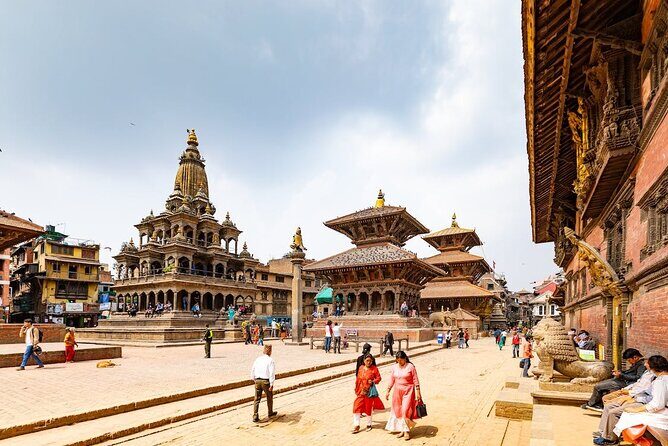
Durbar Squares can overwhelm your brain fast: details in every direction, buildings layered across eras, and signage that doesn’t always connect everything for you.
That’s where guides like Umesh and Rajan make a noticeable difference. One guest praised Umesh for being very knowledgeable and for giving time to explore without feeling rushed. Another mentioned Rajan for going out of his way to match requests and make the visit memorable. I take that as a sign that the guides here don’t treat this as a conveyor-belt experience.
What you can do to get the most out of your guide
- Tell them your priorities at the start: temples, palace details, architecture, or photos.
- Ask one or two questions about what you’re seeing right then, not at the end.
- If you want shop time, say so early so your guide can pace it.
A small warning: with limited time per square, your guide can only stretch time so much. So your priorities matter.
Who this tour suits best
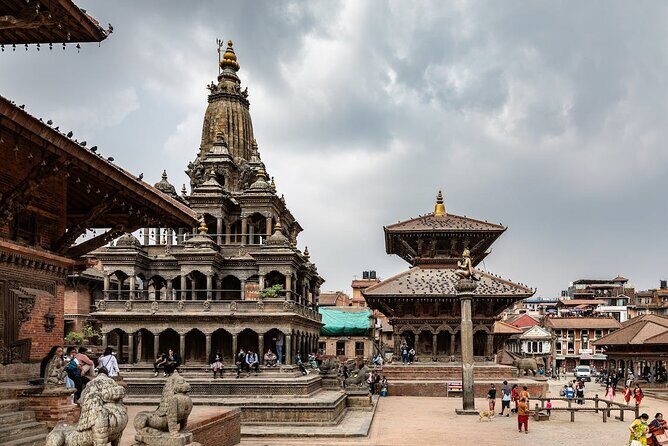
I think this private day tour works best if you:
- Want the three major Durbar Squares in one day without building your own transport plan.
- Prefer a guide who helps connect the dots between buildings and royal/cultural context.
- Like architecture and cultural sites, and you’re okay with a highlight-focused pace (especially in Kathmandu Durbar Square).
It’s also a good fit if you’re traveling with family or friends who don’t want to split up, since the tour is private and only your group participates.
If you’re a hardcore slow-traveler who wants to spend half a day inside every courtyard, you might feel this route is too compressed. In that case, you can still use it as a first look, then return later to whichever square grabs you most.
Should you book this Durbar Square private day tour?
Book it if you want a clean, efficient way to see Kathmandu Valley’s top palace squares with pickup, a dedicated guide, and a calm pace. The price is fair for what you get, especially because transport and guide coverage are handled, and the included water is one less thing to manage.
I’d hesitate only if you know you want long, unhurried deep dives inside every nook. With about one hour in Kathmandu and two hours in Patan and Bhaktapur, this is structured as a highlights tour, not a multi-day study.
FAQ
How long is the Durbar Square private day tour?
It runs for about 6 hours.
What is the price per person?
The price is $65.00 per person.
Do I need to pay entry fees separately?
Yes. Entry fees are not included, and they vary by nationality. The provided estimate for entry fees is $21.00 per person.
Is pickup and drop-off included?
Yes. The tour includes pickup and drop-off by private vehicle.
Where does the tour start?
The meeting point is Shepherd Holidays, Yapikhya Marg, Kathmandu 44600, Nepal.
Is this a private tour?
Yes. It is private, and only your group will participate.
What’s included in the tour price besides the guide and vehicle?
Included items are 1 liter each bottled water, government taxes and office expenses, plus the salary of the driver and guide.
What is the cancellation policy?
Free cancellation is available up to 24 hours in advance for a full refund.