REVIEW · KATHMANDU
From Kathmandu: 3-Day Chisapani-Nagarkot Trek & Bhaktapur
Book on GetYourGuide →Operated by Cordial Trek Pvt. Ltd. · Bookable on GetYourGuide
Mountain views start before breakfast. This 3-day hike links Shivapuri Nagarjun National Park with the famous viewpoints of Nagarkot, then finishes with temple-and-city culture in Bhaktapur. I especially liked pairing big Himalayan panorama moments with real village walking, from Mulkharka and Tamang settlements to a lodge sunset over the peaks. One thing to consider: on some days (especially drier months), smog can mute the views, turning the trek from mountain showtime into mostly hot, dusty walking.
I’ve got a soft spot for trips where the guiding is the difference-maker. Guides such as Raj and Prakash come across as genuinely people-focused, and the operator coordinator Rameshwar is described as proactive and communicative, including making itinerary tweaks when time is tight. Still, this trip is not meant for people with mobility impairments, and you should be prepared for a few long, uphill sections on uneven paths.
In This Review
- Key things that make this trek worth your time
- A three-day circuit that mixes trails and temples
- The practical “what it feels like” overview
- Day 1: Sundarijal to Chisapani through Shivapuri National Park
- Why Chisapani matters
- Stay and meal reality on Day 1
- Day 2: Forest slopes and terraced villages to Nagarkot
- The best part of Day 2: you earn the view
- The main caution: hot and dusty can happen
- Day 3: Nagarkot sunrise, Changu Narayan, and Bhaktapur’s big heritage hits
- The hike to Changu Narayan (and why the route works)
- Bhaktapur Newari culture after the trek
- Guides, permits, and the real meaning of included support
- Why a licensed guide matters here
- Small group and private option
- Price and value: what $176 covers and what you still need to plan
- How to judge value for yourself
- When the mountains hide: haze, season, and realistic expectations
- How you can reduce the risk
- What to pack and what to avoid
- Who should book this trek, and who should skip it
- Should you book the 3-Day Chisapani–Nagarkot Trek & Bhaktapur?
- FAQ
- What’s included in the trek price?
- What meals are included and what’s not?
- Where does the trekking start on Day 1?
- What are the key places you’ll hike through?
- Is there a porter option?
- Are monument fees included?
- What kind of accommodation do you get?
- Is this trek suitable for people with mobility impairments?
Key things that make this trek worth your time
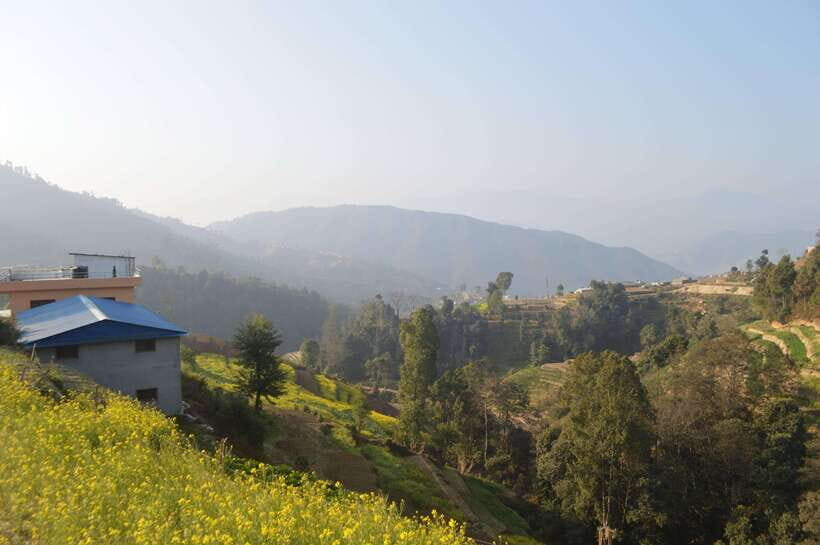
- Shivapuri National Park hiking with a trail that starts at Sundarijal and follows a large water pipe upward
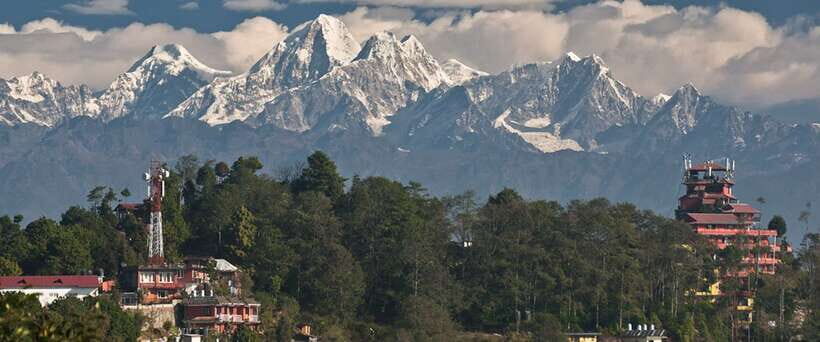
- Chisapani viewpoint potential—on clear days you can see peaks like Langtang Lirung, Annapurna, Ganesh Himal, Manaslu, and Everest
- Nagarkot sunrise value with an early-morning start and hotel-based viewpoint time
- Changu Narayan Temple as your historic anchor on Day 3, plus downhill hiking via Telkot
- Bhaktapur UNESCO sites packed into one day: Fifty Five Window Palace, Golden Gate, Natapola, and Pottery Square
A three-day circuit that mixes trails and temples
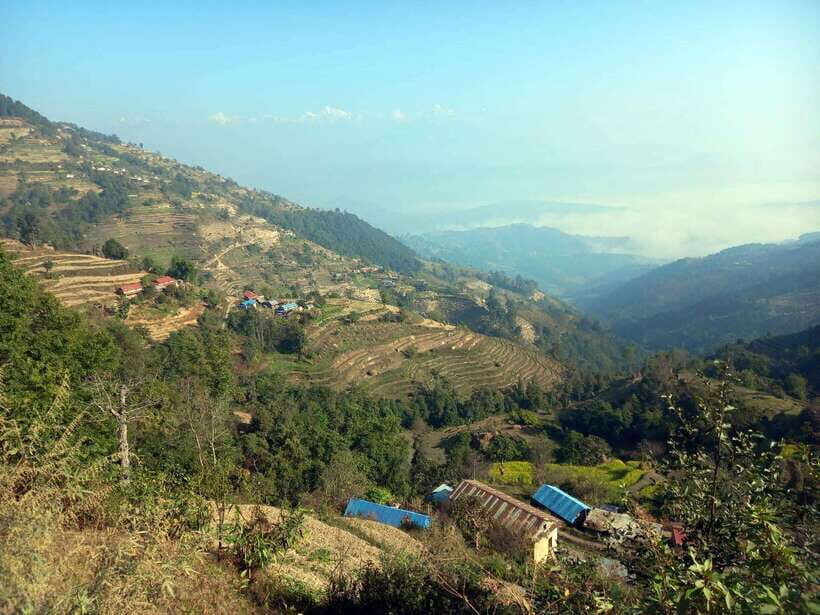
This trek is built like a one-two punch. First you climb through the greenery and villages around Shivapuri and Nagarjun, then you cash in the payoff at Nagarkot. After that, the last day flips from hiking to heritage, with Changu Narayan and major sights in Bhaktapur.
For me, the best part is that the trip doesn’t treat the mountains as the only entertainment. You’re also walking where people live—past terrace fields and through Tamang village areas—and you end the whole thing with classic Newari culture in Bhaktapur. If you like variety, this itinerary actually delivers it without turning into a rushed hit-list.
You can also read our reviews of more hiking tours in Kathmandu


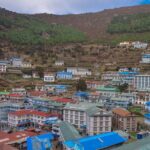
The practical “what it feels like” overview
You’ll spend one day steadily gaining altitude and trekking through forest and village lanes, one day doing more ups and downs as you work your way to Nagarkot (at the height where views are the goal), and one day combining a morning sunrise window with a downhill run to Changu Narayan.
The route has enough climbing that you’ll want sturdy shoes, but it’s also designed for a typical fit visitor—especially if you’re used to day hikes. The bigger wildcard is weather and air quality, which can change the experience fast.
Day 1: Sundarijal to Chisapani through Shivapuri National Park
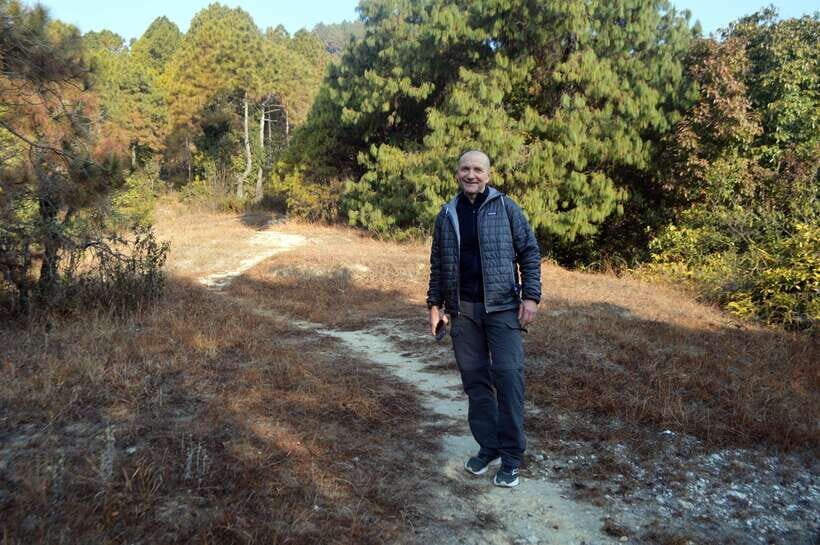
Day 1 starts with a hotel pickup in Kathmandu, then about an hour by private vehicle to Sundarijal (around 1,460 meters). From there, you begin trekking uphill following a large water pipe coming down from the Sundarijal Reservoir—simple to follow and a nice “you’re really leaving the city now” cue.
Once you enter Shivapuri National Park, the trail connects you to the backcountry rhythm of Nepal: forest sections, then village segments. You pass Mulkharka Village, and later Tamang Village areas before reaching Chisapani (about 2,165 meters). This is the day when the hike transitions from countryside walking into viewpoint walking.
Why Chisapani matters
Chisapani is where the scenery can start rewarding your effort. On clear days, the information for this route highlights impressive sightlines toward Langtang Lirung, Annapurna, Ganesh Himal, Manaslu, and even Everest. That’s a big promise, and it’s not guaranteed every day—but when it lands, it’s the kind of payoff that makes the climb feel worth it.
In the evening, your lodge time becomes part of the experience. You’re set up for sunset views over the Himalayan range, which is exactly when lighting turns dramatic and the air (sometimes) clears.
Stay and meal reality on Day 1
You’ll sleep in Chisapani at a guest house with a private bath room, and breakfast is included. Lunch and dinner are not included, so plan to grab what you can locally when you arrive—or bring simple snacks you can rely on during the day.
If you’re picky about comfort after hiking, this part is a plus: private bath means you’re not doing post-trek “surprise adventure” hygiene logistics.
A few more Kathmandu tours and experiences worth a look

Day 2: Forest slopes and terraced villages to Nagarkot
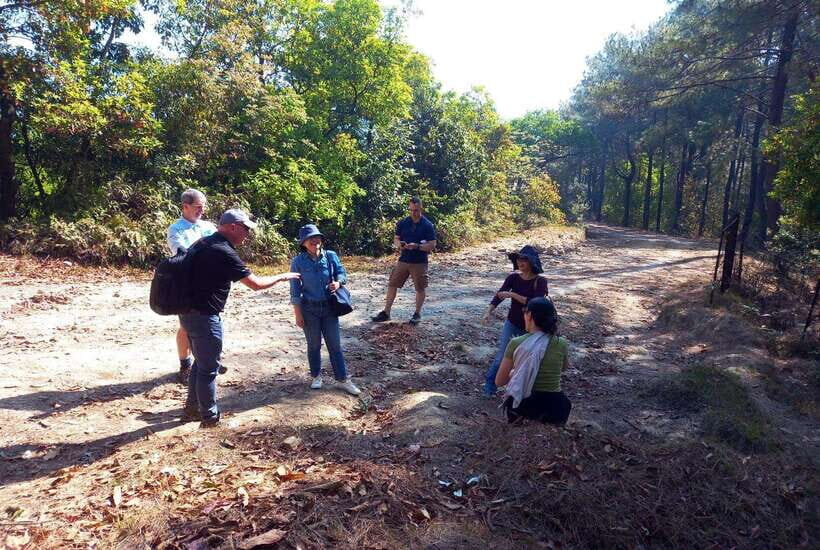
After breakfast in Chisapani, Day 2 keeps your legs working. The route describes an initial ascent through forest, then a descent down toward Jhule and Chauki Bhanjyang. After that, the trail crosses villages and terraced fields, then climbs again toward Kattike Bhanjyang.
From there, you make the final push up to Nagarkot (about 2,175 meters). This is the day for viewpoint positioning. Nagarkot is known for mountain viewing and especially sunrise, so the hike is basically a means to an end: get you to the right elevation and location at the right time.
The best part of Day 2: you earn the view
When visibility cooperates, the climb toward Nagarkot is when you start to feel the trip’s purpose. You’re moving from shaded forest and village edges into a setting where the mountains can open up in front of you.
The main caution: hot and dusty can happen
One cancellation-proof reality check from how this trip plays out: if the air is hazy, the mountains can fade quickly, and the trail can feel less magical than you expected. On some conditions, the route’s open dirt sections (plus limited shade at certain stretches) can feel hot and dusty, even if the overall day still runs on normal trekking hours.
So I recommend you don’t judge this trek only by how it starts. Day 1 and Day 2 can feel different depending on what the sky decides to do.
Day 3: Nagarkot sunrise, Changu Narayan, and Bhaktapur’s big heritage hits
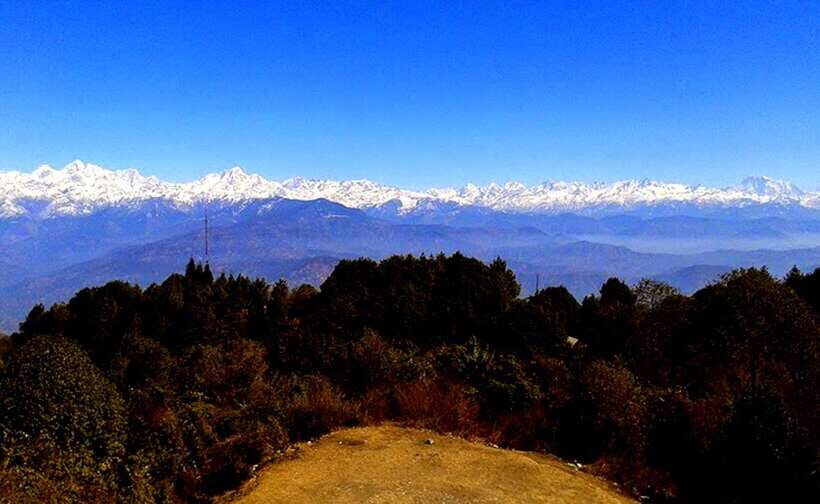
Day 3 begins early. You’ll wake up to observe sunrise over the Himalayas from your hotel, then have breakfast. This timing is one of the most valuable pieces of the itinerary because it puts you at Nagarkot before the day heats up and the air usually gets less friendly.
The hike to Changu Narayan (and why the route works)
After breakfast, you hike to Changu Narayan (around 1,541 meters). The trail descends via Telkot, which is a smart way to structure the final hike: you’re coming down from your high viewpoint base rather than grinding a full altitude gain.
Along the way, you get a bird’s-eye view of both Bhaktapur and Kathmandu. That kind of overview is the perfect emotional reset after hiking through forest and villages. It also helps you connect what you’ve been walking through to the city landscapes ahead.
You’ll visit Changu Narayan Temple next. This route describes it as the oldest temple on your itinerary, which gives the final day a real historical anchor instead of feeling like a rushed sightseeing tour.
Bhaktapur Newari culture after the trek
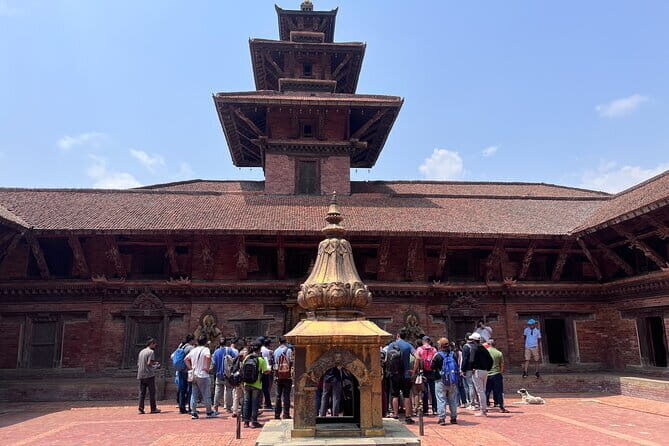
Then the trip switches gears into a full sightseeing block in Bhaktapur. You’ll explore major highlights tied to Newari culture, including the Fifty Five Window Palace, the Golden Gate, and Natapola, noted as the tallest temple there. You’ll also have time for Pottery Square.
Finally, you drive back to Kathmandu and drop off at your hotel.
This pacing is a good match for most people because you don’t have to choose between hiking and culture. You get both, and the hiking ends before you’re fully museumed out.
Guides, permits, and the real meaning of included support
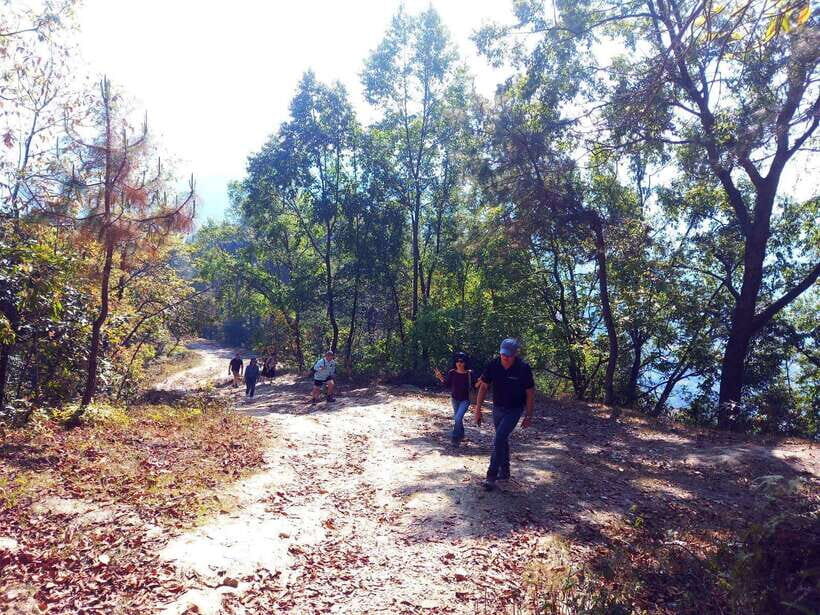
This trip includes a highly experienced licensed guide and the Shivapuri–Nagarjun National Park permit, plus hiking support for the route. It also runs with private ground transfers by AC car, and pickup and drop-off from your Kathmandu hotel.
Why a licensed guide matters here
A good guide does more than point at scenery. On this route, the guide helps you stay oriented through forest and village areas, keeps you moving safely through varying trail types, and can help adjust pacing to how your group feels. That matters most on the sections where visibility might be limited—when you need your day to stay comfortable and purposeful even if the mountains don’t fully show.
In the field feedback you shared, guides like Raj and Prakash are called out as personable and knowledgeable in different ways. That’s exactly what you want: someone who’s not just reciting facts, but also reading the group and keeping the mood steady.
Small group and private option
You can travel as a private or small group. For trekking and viewpoints, smaller groups can mean less waiting at photo stops and more control over your pace. It’s not stated as a fixed group size, so you’ll still want to ask your operator what to expect when you book.
Price and value: what $176 covers and what you still need to plan
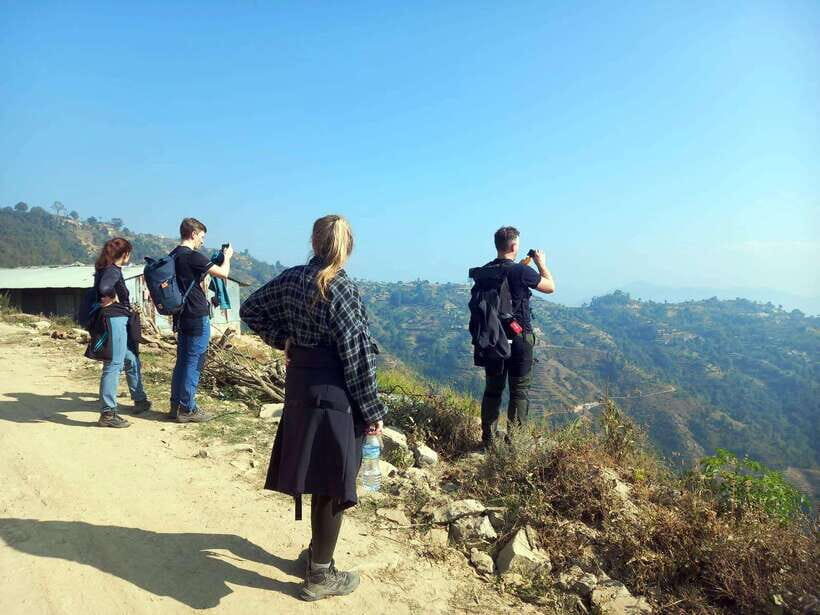
The price listed is $176 per person for a 3-day experience. On paper, that includes a lot of the expensive-to-arrange items: hotel pickup and drop-off in Kathmandu, private transfers by AC vehicle, guide support, park permit, and lodging across the two trekking nights.
You also get:
- Chisapani guest house with private bath room (breakfast included)
- Nagarkot 3-star hotel with breakfast
- Permit fees for Shivapuri–Nagarjun National Park
- Solo traveler surcharge (if applicable)
What you should budget separately:
- Lunch and dinner
- Monument fees (not included)
- Gratitude/tips
- Optional porter service (US$50), which is not included
How to judge value for yourself
If you’re doing this on your own, you’d have to solve all the pieces: get to Sundarijal, hire a licensed guide, get the necessary permit, and handle lodging on two different nights. This itinerary bundles those tasks for you. That’s where the value is.
The one place where you can feel the money mismatch is weather. If the mountains vanish due to haze or smog, you still hike, still see villages, and still get Bhaktapur—but the most hyped element (the big panoramic views) can disappoint. If views are your top priority, treat Day 1 and Day 2 as “scenery plus walking” rather than guaranteed mountain theater.
When the mountains hide: haze, season, and realistic expectations
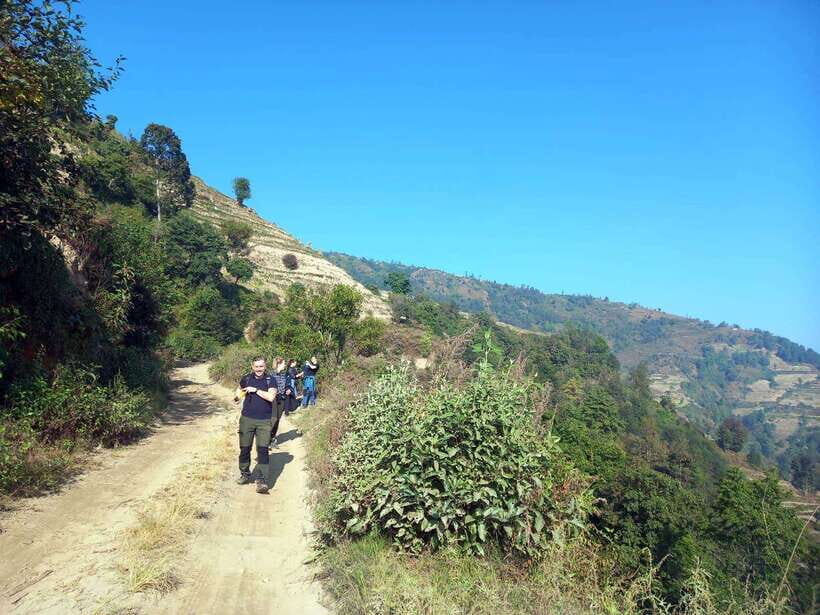
This trek lives and dies by visibility. The route targets some of Nepal’s most famous viewpoints, including Nagarkot and Chisapani, and it promises sights toward Everest and several major ranges.
But Nepal’s air quality can shift fast, especially when there’s less rain to clear things out. One experience shared describes April conditions as hazy, with mountains not visible, plus hot, dusty walking with limited shade. The disappointment there makes a lot of sense: if you’re spending a few days expecting a certain skyline, and you get mostly blank distance, your brain feels cheated—even if the hike itself is still valid.
How you can reduce the risk
You can’t control smog, but you can control your preparation:
- Pack sunscreen and a hat for hot, exposed stretches
- Bring sunglasses and a light neck cover for dust
- Plan snacks so you’re not reliant on finding food at the exact moment you need it
- Keep a flexible mindset: even on hazy days, the village trail and Bhaktapur temples can still be rewarding
If you’re going in a dry month and mountain visibility is a must, I’d suggest you ask the operator for typical conditions and whether they’ve had clear-view days recently.
What to pack and what to avoid
You’ll be walking enough to justify comfortable shoes and comfortable clothes. A passport is required. Oversize luggage is not allowed, which matters more than it sounds—if you’re carrying bulky items, you may struggle to manage them through the day and transfers.
Also think about your “after-hike comfort” needs. You do have private bath at the Chisapani guest house, but the hiking days themselves still call for basic weather and dust protection.
Who should book this trek, and who should skip it
This is a strong fit if you:
- Want a short trek from Kathmandu that ends with big heritage sightseeing
- Like viewpoint hikes and early starts when the payoff is worth it
- Enjoy village walking as much as scenic stops
- Prefer private or small-group dynamics
You might skip it if:
- You need a trip that works for mobility impairments (this one is not suitable)
- You expect guaranteed mountain visibility every day, no matter the season
- You strongly dislike walking on dusty dirt roads or in hot sections (shade can be limited depending on conditions)
Should you book the 3-Day Chisapani–Nagarkot Trek & Bhaktapur?
I’d book it if you want an efficient 3-day blend: forest-and-village trekking, a real shot at Nagarkot sunrise, and a full dose of Bhaktapur heritage on the last day. The included guide, permits, transfers, and overnight setup make it feel organized enough that you can focus on walking and soaking in views.
But I’d hesitate if your entire trip plan depends on crystal-clear Everest-range panoramas. On hazy days, the mountains can fade, and you’ll need to enjoy the hike and culture even without the skyline show.
If you go in with the right expectations and pack for heat and dust, this itinerary can be a satisfying, very Nepal-style mix of trail time and temple time.
FAQ
What’s included in the trek price?
The price includes Kathmandu hotel pickup and drop-off by private vehicle, private ground transfers in an AC car, lodge accommodation in Chisapani with breakfast (private bath room), hotel accommodation in Nagarkot with breakfast, the Shivapuri–Nagarjun National Park permit, and a highly experienced licensed English-speaking guide.
What meals are included and what’s not?
Breakfast is included during both accommodation nights. Lunch and dinner are not included.
Where does the trekking start on Day 1?
Day 1 starts with a drive from Kathmandu to Sundarijal (around 1,460 meters), and then the trek begins from there.
What are the key places you’ll hike through?
You’ll trek to Chisapani after passing through Shivapuri National Park and areas such as Mulkharka Village and Tamang Village areas. Day 2 takes you from Chisapani to Nagarkot, and Day 3 continues from Nagarkot to Changu Narayan via Telkot.
Is there a porter option?
A porter is optional. The porter service is listed as US$50 and is not included.
Are monument fees included?
Monument fees are listed as not included.
What kind of accommodation do you get?
Chisapani: a guest house with a private bath room (breakfast included).
Nagarkot: a three-star hotel (breakfast included).
Is this trek suitable for people with mobility impairments?
No. It is not suitable for people with mobility impairments.