REVIEW · KATHMANDU
Manaslu Trek with Larke Pass
Book on Viator →Operated by himalayan sanctuary adventure private limited · Bookable on Viator
Manaslu feels like a different Nepal. This Manaslu trek follows the Budi Gandaki upstream and climbs into Larke La (5,135m) country, where the air thins and the views sharpen. It’s a restricted-region route, so you go with the right paperwork and the right kind of support.
I love the fact the trip is built around real help on the trail. Reviews highlight guides like Karma and fast problem-solving from staff such as Bishbu Bhatta, which matters when conditions turn. I also like the altitude plan: you get a dedicated acclimatization day in Samagaon before the serious climb days.
One thing to consider is that the hardest parts are also the most weather-dependent. The Larke La section is rocky, windy, and can involve icy lakes, plus there are exposed stretches with suspension bridges earlier on.
In This Review
- Key things to know before you go
- Manaslu and Larke Pass: why this trek feels different
- Value for $1,797: what’s really included (and what isn’t)
- Day 1 and 2 in Kathmandu: temples, orientation, then you’re off
- Days 3 to 7: river-valley trekking with villages, hot springs, and crossings
- Days 8 to 11: Namrung, Samagaon, and the acclimatization sweet spot
- Day 12: Larkya Phedi and the market stop before the pass
- Day 13: Larke La pass day, what to expect and how to pace it
- Days 14 and 15: the downhill through rhododendrons toward Tilje and Dharapani
- Days 16 to 18: the finish stretch back to Besi Sahar and Kathmandu
- Permits, guide, and support: why Manaslu isn’t for solo guessing
- Who this trek suits (and who might struggle)
- Should you book this Manaslu with Larke Pass trek?
- FAQ
- Do you get picked up and dropped off at the airport?
- How long is the trek?
- Is a guide and porter included?
- Are trekking permits included?
- What kind of accommodation and meals are included during the trek?
- What happens in Kathmandu besides airport transfers?
- What if the trek can’t run because of weather?
Key things to know before you go
- Restricted route, permits included: Manaslu requires a special permit and a licensed guide, and this tour handles the required paperwork.
- Smart acclimatization rhythm: Rest and buffer days at Samagaon and Samdo help you climb higher with less guesswork.
- Teahouse-to-teahouse comfort with meals: During the trek, lodging includes breakfast, lunch, and dinner, so you’re not hunting for food each day.
- Guided river-valley trekking: The trail repeatedly crosses the Budi Gandaki, so expect suspension bridges and changing river moods.
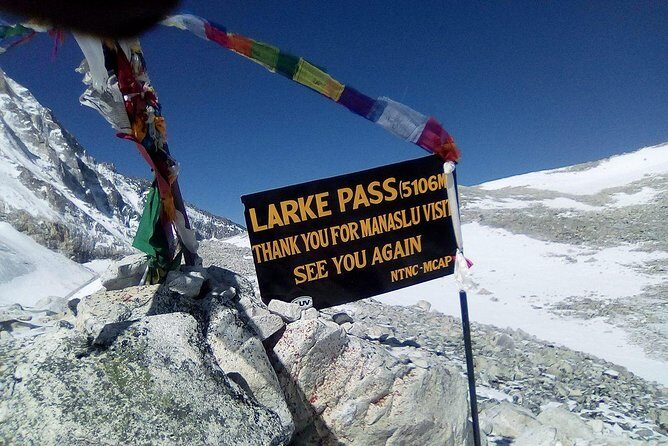
- Larke La is the pivot point: Once you crest it, the trek turns downhill through timberland and links back toward the Annapurna circuit trail.
Manaslu and Larke Pass: why this trek feels different
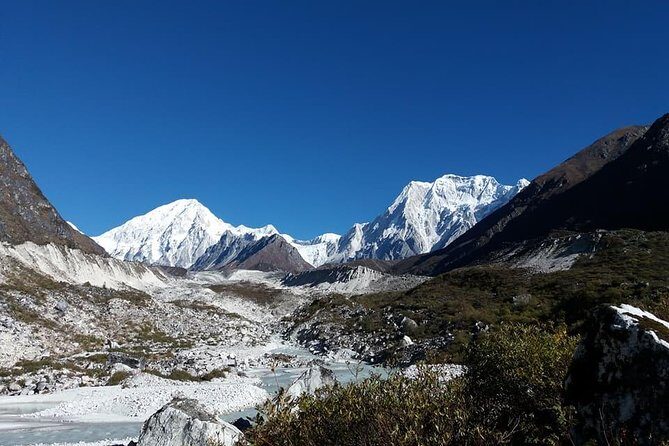
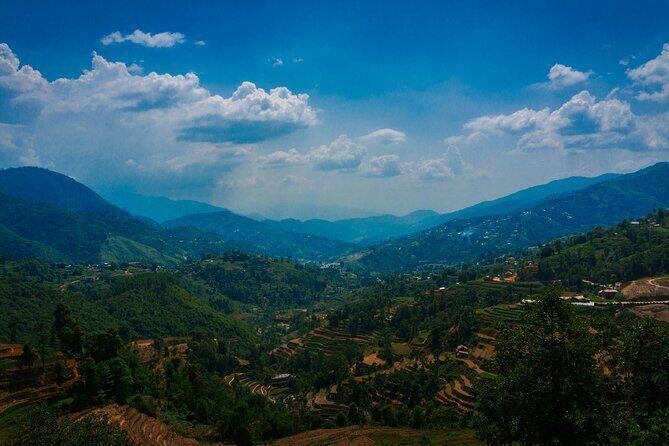
Most treks in Nepal give you one big view after another. Manaslu gives you that too, but it adds something subtler: a clear shift in climate and culture as you climb. You start in warmer forest zones along the Budigandaki/Budi Gandaki, then work up toward a drier, colder Tibetan climatic feel.
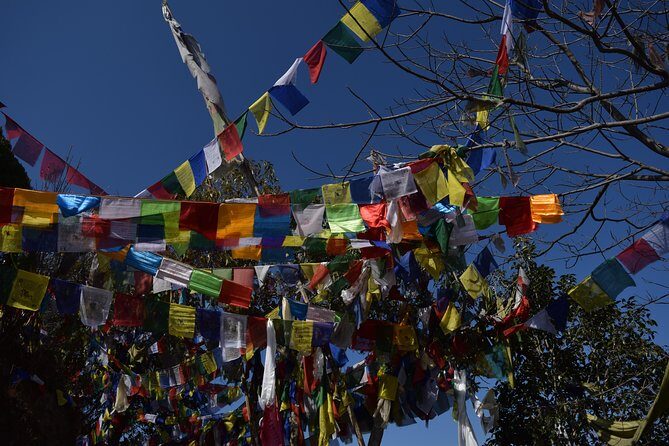
The route runs upstream alongside the river system, so the scenery changes because the valley changes. You’ll see terraced farmland early, then mani stones and Buddhist-influenced villages as the trekking gets cooler. By the time you’re near the pass, the world feels more high-altitude and less “Nepal postcard.”
You can also read our reviews of more hiking tours in Kathmandu


Value for $1,797: what’s really included (and what isn’t)
This trip costs $1,797 per person for about 18 days, and the value mostly comes from what you’re not managing yourself. You get airport pick-up and drop in Kathmandu, a three-star hotel with breakfast on the Kathmandu side, and a full day of private sightseeing. During the trek, the itinerary uses tea houses/lodges with breakfast, lunch, and dinner included, plus guide and porters.
For the trek itself, the inclusion list matters: national park fees, required trekking permits, and items like TIMS and a special permit are covered. That’s a big deal on Manaslu because the region is restricted and you can’t treat it like a free-for-all hiking route.
What’s not included is also important. City meals in Kathmandu aren’t part of the package, and personal expenses like laundry, hot/cold water, and bar bills are on you. You’ll also need to budget for travel insurance and your own personal trekking gear (not listed in the inclusions). Tips for staff are not included, and Nepal visa fees and sightseeing entrance fees aren’t covered either.
Day 1 and 2 in Kathmandu: temples, orientation, then you’re off
Day 1 is straightforward. You’re met after landing at Tribhuvan International Airport, then driven to your hotel in Thamel. It’s the kind of start that helps you avoid the usual scramble over local SIMs, cash, and directions.
Day 2 is a full-day Kathmandu valley sightseeing plan done by private vehicle: Pashupatinath, Boudhnath Stupa, Patan Durbar Square, and Swayambhunath Stupa. It’s also a practical day because it’s paired with trek preparation. After a long flight, getting a gentle “warm-up” day in a familiar setting can reduce stress later, especially when you’ll be moving on rougher schedules.
A small timing note: you’ll do this sightseeing in the morning and early afternoon style, then you switch gears to travel out of Kathmandu on Day 3.
Days 3 to 7: river-valley trekking with villages, hot springs, and crossings
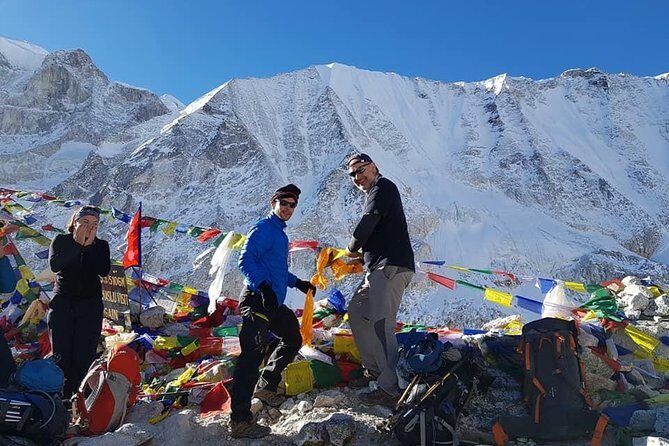
Day 3 is a big road day, with a drive from Kathmandu toward the start of the trail area (around Aarughat and onward), then an overnight near the early trekking point. Expect long hours in the vehicle. This is normal for Manaslu because you’re covering ground before you earn your first real trail day.
Day 4 begins trekking along the Budigandaki/Budi Gandaki River. You climb briefly toward Kyoropani, then drop back down toward the river. The route passes small hillside villages before you reach Machhekhaola, named for fish stream, at around 1,300m. This is also the day where you start learning the rhythm: walk, drop, cross, repeat.
Day 5 continues upstream with more changes in terrain. You’ll move toward tiny settlements and reach Tatopani’s hot springs area, then cross a suspension bridge to switch banks. This is one of the “pay attention” days because the trail can be exposed in places. You end at Doban before continuing to Jagat around 1,360m.
Day 6 is about steep valleys and frequent river movement. You descend long stone steps to the river, climb terraced hills toward Saguleri, and then cross the river again and again to avoid difficult valley sides. The mention of Sringi Himal (7,187m) gives you a clue: you’re not just walking through valleys, you’re walking toward big mountain walls.
Day 7 moves you into higher, more dramatic terrain and Tibetan influence. You’ll start seeing mani stones, and the cultural change is obvious as the trekking becomes cooler. You end at Bagarchhap, after reaching Ghap (straddling the river) and settling near roughly 2,300m. By this point, you should feel the difference in air and in the “feel” of the villages.
Days 8 to 11: Namrung, Samagaon, and the acclimatization sweet spot
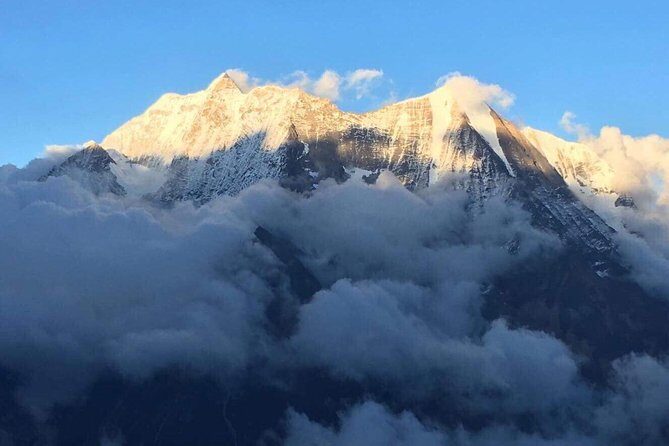
Day 8 heads for Namrung at around 2,550m, passing Tibetan-style markers and multiple river crossings. You’ll also have a permit check at Namrung, which is why starting the restricted-region paperwork process matters. Above Namrung the valley opens into pastures, and you’ll get early strong views of Manaslu North.
Day 9 brings you to Sama Gaon/Samagaun around the 3,350–3,500m range. The route includes Lho, with a monastery, chortens, and mani stones, plus views back toward peaks like Ganesh I. There’s also a detour option toward Honsansho Gompa and the Pungen Glaciers, which can pay off with strong Peak 29 and Manaslu sight lines.
Day 10 is a rest and acclimatization day. This is where the trek shifts from “progress at all costs” into “climb smart.” From Samagaon, you can hike toward Manaslu Base Camp for a strong set of views: Samdo (Pang phuchuli), Nagdi chuli, Simnang Himal, Manaslu glacier, and even Birendra Kunda, an ice lake nearby. Even if you don’t do the full hike, using the day to acclimatize makes the later pass easier.
Day 11 takes you to Samdo around 3,690m (noted in the itinerary details). It’s described as a windy valley and a desert-like path feel. You also get a Tibetan refugee village here, plus a viewpoint for Manaslu and the surrounding snow peaks. You’re also close to the Tibetan border, but visitors aren’t allowed to pass it, so you’re working within the rules of the area.






Day 12: Larkya Phedi and the market stop before the pass
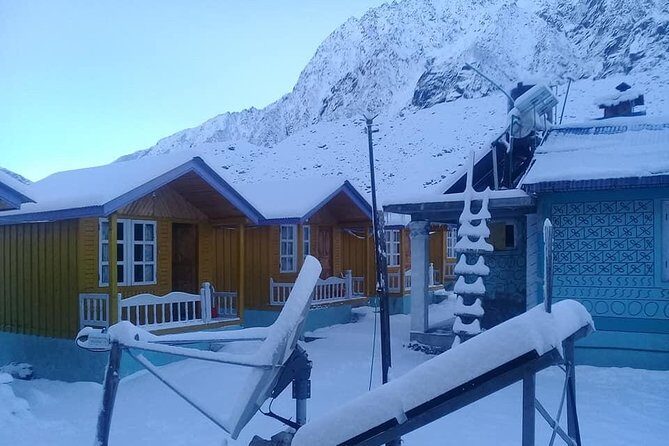
Day 12 is the push toward Larkya Phedi (around 4,460m). The route is rocky and zigzags up, and you’ll reach Dharmashala or Larkya Phedi in about 4–5 hours. The itinerary also notes Larkya Bazaar, a seasonal market before you get fully into the pass zone.
This day matters because it’s your runway for the real climbing. If you arrive tired, you pay for it the next morning. So treat Day 12 like you’re setting yourself up for success: keep movements steady, don’t waste energy on extra side trips, and plan for a colder night as you get higher.
Day 13: Larke La pass day, what to expect and how to pace it
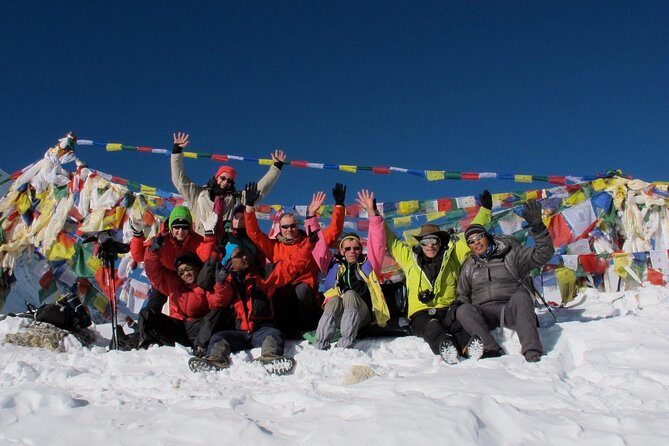
Day 13 is the headline day. You start early and work up a steep, rocky, windy trail toward Larkya La at 5,135m. The plan includes a packed lunch, which helps because it removes decision fatigue when you’re focused on the ascent.
From the top, the views are described in detail: you can see Larke Peak, sunrise possibilities around Manaslu, Ratna chuli, Cheo Himal, and other snow-capped peaks. After crossing the pass, the day turns into a steep downhill through rock and ice. You may encounter icy lakes, and you end at Bimthang around 3,590m.
How to pace this day: go slow on the ascent, and then go slower on the descent. People often think the “hardest” part is reaching the top. In reality, balance and footing can be harder on the way down, especially if surfaces feel slick or cold.
Days 14 and 15: the downhill through rhododendrons toward Tilje and Dharapani
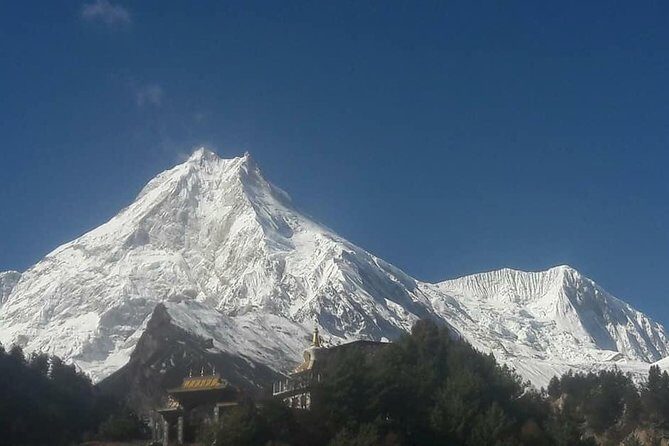
Day 14 starts at Bimthang and goes toward Tilje around 2,360m. This stretch is a descent through high pasture and then into the Burdin Khola valley. You’ll get excellent sight lines from a ridge around 4,150m, including Manaslu to the southeast and Annapurna II to the southwest.
After a bridge over the headwaters of the Dudh Khola, the trek enters rhododendron forest and continues through a narrower valley. The route then reaches Karche at about 2,785m before continuing down toward Tilje. Tilje is also noted for an apple orchard and a local wine connection, which gives you a more “human-scale” feel after days of colder, more barren terrain.
Day 15 moves you on to Dharapani around 1,860m. You leave Tilje and trek uphill for nearly 45 minutes, then reach Dharapani by crossing a bridge over the Marshyangdi River. The smaller elevation and lower altitude breathing room help reset your legs after the pass day.
Days 16 to 18: the finish stretch back to Besi Sahar and Kathmandu
Day 16 is the switch from trekking to road travel. You walk down toward Syange for about 3/4 hours, then take Jeep/Bus to Besi Sahar for about 2/3 hours. This part is less scenic than the hiking days, but it’s a relief if your body is ready for straight-backed sitting.
Day 17 returns you to Kathmandu and finishes with a cultural dinner in the evening. That dinner is a nice bookend because it gives you a different pace after days of teahouse life.
Day 18 is departure day with an airport transfer timed so you connect to your international flight. It’s an easy end, and it matters because high-tension travel days can ruin a trip’s last impression.
Permits, guide, and support: why Manaslu isn’t for solo guessing
Manaslu is restricted. That means the tour isn’t just selling a route; it’s giving you a safe, legal way to do it with the correct permits and a licensed guide. The route is described as restricted for individual travelers, and it requires Nepal government permits issued through the trekking process (plus items like TIMS and park fees).
You’ll also have porter support at a ratio of 1 porter for 2 trekkers, which can make the difference between arriving tired and arriving capable. On high days like the pass, energy management matters.
Support isn’t only logistics either. The inclusion list includes general first-aid kits for all, and that’s the kind of behind-the-scenes detail you feel when something minor turns into a bigger issue. One reason I trust this operator’s approach is that their support has shown up in real moments, including overnight coordination helped by staff like Bishbu Bhatta during an urgency described in feedback.
Who this trek suits (and who might struggle)
This is a moderate-to-challenging trekking itinerary with long travel days and significant altitude exposure. The tour materials say you should have moderate physical fitness, and that lines up with the mix of 5–8 hour walking days plus the pass.
If you’ve done a few Himalayan trekking days before, this will feel demanding but logical. If you’re new to altitude or still figuring out how your body reacts to steep downhill, you should consider whether you can do the acclimatization hikes at Samagaon and Samdo with enough patience.
You’ll likely love this trek most if you care about the “in-between” parts: river crossings, mani stone villages, and the cultural shift as the air gets drier. If you only want a checklist of summits and want everything to be easy, you might find the exposed sections and cold nights harder than expected.
Should you book this Manaslu with Larke Pass trek?
If you want a structured Manaslu experience with permits handled, guides and porters arranged, and teahouse meals included during trekking, this is a strong choice for the money. The value is strongest if you prefer not to coordinate paperwork, meal stops, and trekking infrastructure on your own.
I’d book it if you’re comfortable with the rhythm: long road days, daily trekking, one big pass crossing day, then a downhill finish. It’s also a good fit for couples and small groups, since the guide and porter ratio is designed around paired support.
I’d think twice if you hate cold weather exposure or if you can’t commit to the pacing needed for Larke La day. Weather is a real factor here, and this route is dependent on good conditions.
FAQ
Do you get picked up and dropped off at the airport?
Yes. The package includes airport pickup and drop in Kathmandu. You’ll also have a transfer on the departure day to connect with your international flight.
How long is the trek?
The itinerary runs for about 18 days, including two sightseeing/prep days in Kathmandu and travel days connecting Kathmandu to the trail and back.
Is a guide and porter included?
Yes. A guide is included, and porters are provided at a ratio of 1 porter for 2 trekkers. General first-aid kits are also included.
Are trekking permits included?
Yes. The tour includes national park fees and required trekking permits, including items like TIMS and the special permit needed for the restricted Manaslu area.
What kind of accommodation and meals are included during the trek?
You’ll stay in tea houses or lodges during the trek. Breakfast, lunch, and dinner are included during the trekking days, and there is also breakfast included on most days as part of the program.
What happens in Kathmandu besides airport transfers?
You get full-day Kathmandu sightseeing by private vehicle, covering Pasupatinath Temple, Boudhnath Stupa, Patan Darbar Square, and Swayambhunath Stupa. There’s also a cultural dinner in Kathmandu on the day before departure.
What if the trek can’t run because of weather?
The experience requires good weather. If it’s canceled due to poor weather, you’re offered a different date or a full refund.