REVIEW · KATHMANDU
Annapurna Base Camp Trek
Book on Viator →Operated by Alpine Luxury Treks Pvt Ltd · Bookable on Viator
One trek, two sunrise moments, and a hot-spring reset. The Annapurna Base Camp route is built around big mountain payoff: Poon Hill for early light over the Annapurna and Dhaulagiri ranges, then the push to Annapurna Base Camp with views of Annapurna South, Machhapuchhre, Hiunchuli, and more. I also like the practical setup: you get a down jacket and sleeping bag, plus a porter (1 for every 2 trekkers) to help keep your pack sane on the steep bits. One consideration: this is a serious high-altitude trek, and the program specifically asks for strong physical fitness—so if you’re more of a stroll-in-the-park person, you’ll want to think hard.
What also makes it appealing is the way it stitches culture and trail together. You start with classic Kathmandu temple stops, then head to Pokhara, then slowly build into the higher elevations—rather than jumping straight into the hardest climbing. With a max of 10 travelers, the small-group feel should make it easier to move at a pace that works for most people.
In This Review
- Quick hits before you go
- Annapurna Base Camp, mapped out in human steps
- Price and logistics: what $1,623 gets you (and what it doesn’t)
- Day 1 in Thamel: landing, briefing, then easy wandering
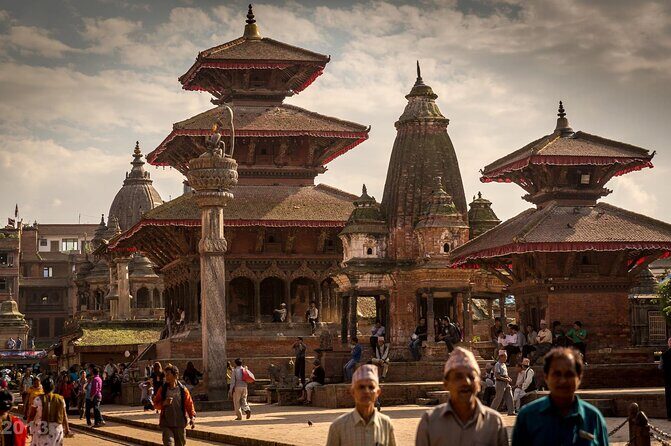
- Day 2 temple day: four major sites, one full dose of Kathmandu
- Days 3–4: Kathmandu to Pokhara, then into the Annapurna region
- Nayapul to Ghorepani: villages, rhododendron, and tea with a view
- Poon Hill sunrise: the one-hour climb that makes the trip
- Tadapani to Chhmommorng and Bamboo: steady walking, real Annapurna energy
- Deurali approach: stone stair climbs and Hinku Cave
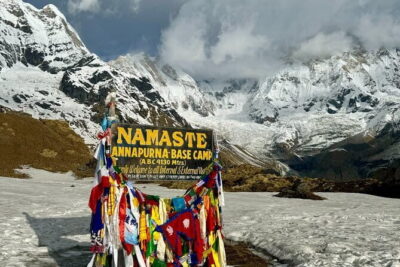
- The big day: Machhapuchhre base camp and Annapurna Base Camp
- Downhill days and the Jhinu Danda hot spring reset
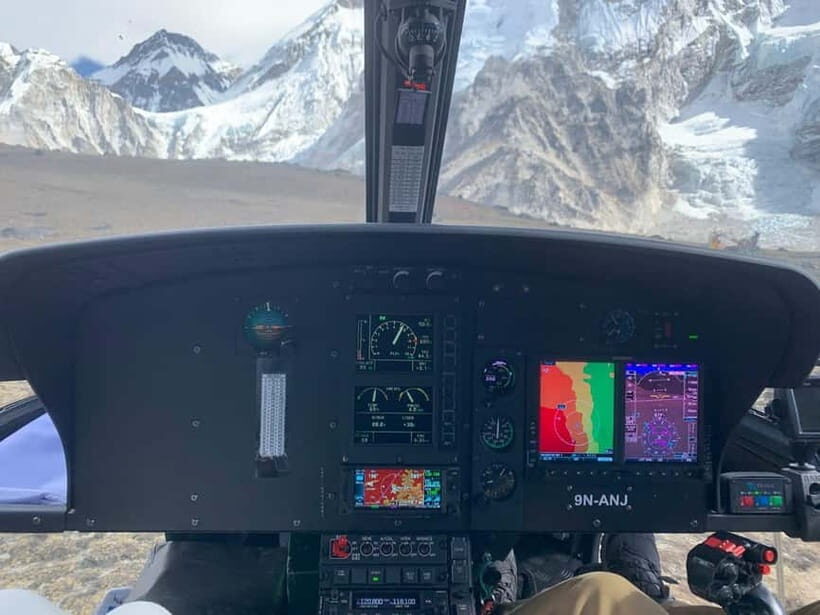
- Return to Kathmandu: early ride, or a short flight
- Guides and porters: this is where the experience becomes easy
- Who should book this Annapurna Base Camp trek
- Should you book this trip?
- FAQ
- What is the duration of the Annapurna Base Camp trek?
- Where does the tour start and what time does it begin?
- What’s included in the price?
- Are meals included during the trek?
- How do I get between Kathmandu and Pokhara?
- What happens if the trek can’t run due to weather?
Quick hits before you go
- Small group size (max 10) means less chaos on tight schedules and viewpoints
- Gear included: down jacket + sleeping bag (returned after the trek)
- Poon Hill sunrise happens with a torch-light start and about a one-hour climb from Ghorepani
- Classic hot-spring reward at Jhinu Danda after steep descents
- Porter support: 1 porter for every 2 trekkers helps on long uphill stretches
- Guides get praise by name, including Niren and Gobinda Subedi, with porter Keshab noted for excellent support
Annapurna Base Camp, mapped out in human steps
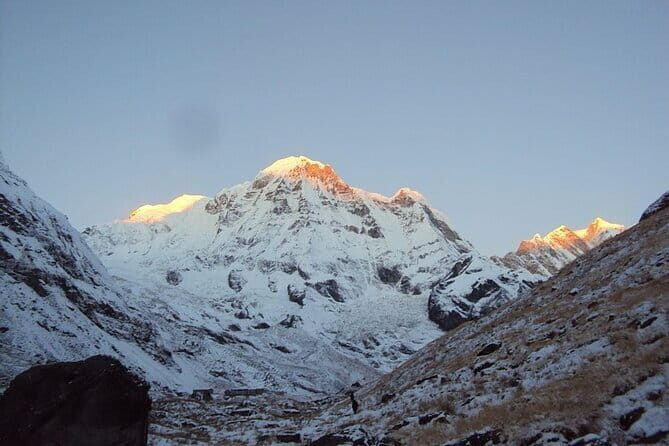
The Annapurna Base Camp Trek is one of Nepal’s most famous routes for a reason. You’re not just walking from village to village—you’re gradually moving into a bowl of giants. The big moments are clear: first the early-morning photo time at Poon Hill, and then the day you reach Annapurna Base Camp and look up at the peaks that have been driving the whole trip.
The rhythm also matters. The trek builds altitude step by step, with easier days mixed in—so you can keep your energy for the harder climbs. That’s one reason this route works even if you’re not a hardcore mountaineer. It’s demanding, but it’s paced.
And yes, you’ll likely think about food and warmth a lot. Meals are included during the trek days, and the cold-season gear is part of the package. That takes away some stress when you’re planning what to carry and what to buy.
You can also read our reviews of more hiking tours in Kathmandu


Price and logistics: what $1,623 gets you (and what it doesn’t)
At $1,623 per person, you’re paying for more than “someone to point at mountains.” The included items cover a lot of the stuff that usually adds up:
Included highlights:
- Down jacket + sleeping bag (returned after the trek)
- Walking poles
- Porter (1 porter for every 2 trekkers)
- Medical kit
- Permits + necessary paperwork
- Meals during the trek: 14 breakfasts, 10 lunches, 9 dinners
- Airport pickup and drop-off in a private vehicle
- Entrance fees for the Kathmandu sightseeing stops
Not included (important):
- International airfare and the Nepalese visa fee
- Tipping
- Travel/rescue insurance
- Kathmandu lunch and dinner
- Personal expenses during tea house stays
My practical take on value: you’re getting the gear and porter support baked in, plus most of your trail meals. That reduces the “hidden budget” surprises that hit many trekkers. The tradeoff is you’ll still need to cover visa/airfare/insurance and decide your tipping budget yourself. If you hate dealing with uncertainty, do yourself a favor and make those choices early.
Day 1 in Thamel: landing, briefing, then easy wandering
You’re greeted at the international airport, transferred to your hotel, and briefed by the local representative. After that, you’re basically on your own in Thamel—a convenient base with lots of food options and a lively evening feel.
I like this start because it gives you breathing room. You’re not immediately sprinting into altitude. You can also walk about 15 minutes to Ason, one of Nepal’s oldest markets, if you want to stretch your legs and get a first taste of the city.
If you have a late arrival, don’t worry about packing a perfect schedule. Use the evening to reset and sleep.
Day 2 temple day: four major sites, one full dose of Kathmandu
Kathmandu sightseeing hits four well-known stops:
- Swayambhunath (Monkey Temple)
- Pashupatinath (crematory area)
- Boudhanath (Buddhist monastery)
- Kathmandu Durbar Square
This is a lot, but it’s also efficient. It’s the kind of day that helps you understand Nepal’s spiritual geography quickly—Hindu and Buddhist landmarks side by side, each with its own energy.
A practical note: dress for respect at religious sites. Also plan on some stairs and walking. Even if your trek legs are not ready yet, today is a gentle warm-up.
Days 3–4: Kathmandu to Pokhara, then into the Annapurna region
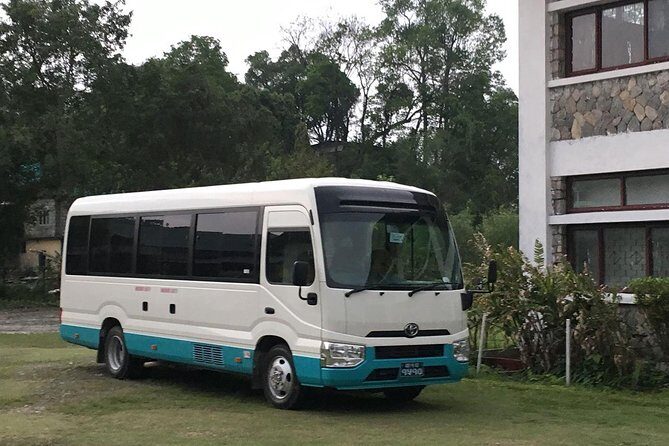
Day 3 is the travel bridge. You leave Kathmandu early—7 a.m.—and ride to Pokhara. The drive is described as passing settlements along the Trishuli River, with a stop for lunch along the way. If you’d rather skip the road, there’s also a flight option (and if you want flexibility, there’s a private vehicle option too).
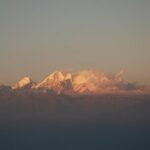
Day 4 starts the trek. You drive from Pokhara to Nayapul, then begin walking with an easy trail on stone paved steps through villages. Just below Ulleri, you get the first real glimpse of Annapurna South and Himchuli. That first sight is a huge psychological boost. It turns the trek from planning into something real.




Nayapul to Ghorepani: villages, rhododendron, and tea with a view
This is the phase where the route starts feeling like Nepal, not like a bus schedule.
On the way to Ghorepani, the trek goes through a dense rhododendron forest. In spring, the rhododendrons bloom in multiple colors, which makes the walk feel extra special (and more interesting than just “more uphill”).
When you reach Ghorepani, you can enjoy a hot cup of tea with the mountains in view. I like that the trek doesn’t just grind forward. It gives you a moment to slow down, warm up, and look around before the big sunrise day.
Poon Hill sunrise: the one-hour climb that makes the trip
Wake up early, take your torch light, and start climbing toward Poon Hill. From Ghorepani, it’s about one hour up. Then comes the payoff: sunrise views over the Dhaulagiri and Annapurna ranges.
This is your first major “wow, okay, I get it” moment of the trek. Even if you’re not a sunrise person, the timing matters. The light tends to change fast at these elevations, and getting there early means you’re more likely to see the peaks at their clearest.
After sunrise, you trek back to Ghorepani for breakfast, then continue toward Tadapani. Translation: you’ll spend the morning collecting views and the day using those views as motivation to keep moving.
Tadapani to Chhmommorng and Bamboo: steady walking, real Annapurna energy
Day 7 moves from Kimrong into Chhmommorng, described as a small Gurung village. The trail to Kimrong is ascending, then turns gentler as you approach Chhmommorng. This day is a useful “middle step” before you hit steeper terrain again.
Day 8 is an easier trekking day. You pass Sinuwa (2360m), where you’ll get wonderful views of Annapurna and Ghandruk village. Then you continue to Bamboo.
This is where you’ll notice something: the trek stops feeling like a checklist and starts feeling like a lived-in route. You’re moving through communities and foothill trails, not just climbing lines on a map.
Deurali approach: stone stair climbs and Hinku Cave
Day 9 is more work. It includes a long steep run of stone staircases to Dobhan (2600m), then continues to Himalaya (2920m). Along the way, you pass Hinku Cave before reaching Deurali.
A day like this is the kind you plan for mentally. If you go too hard at the start, you’ll pay for it later. The best strategy is steady effort and frequent little pauses.
The big day: Machhapuchhre base camp and Annapurna Base Camp
Day 10 is the headline.
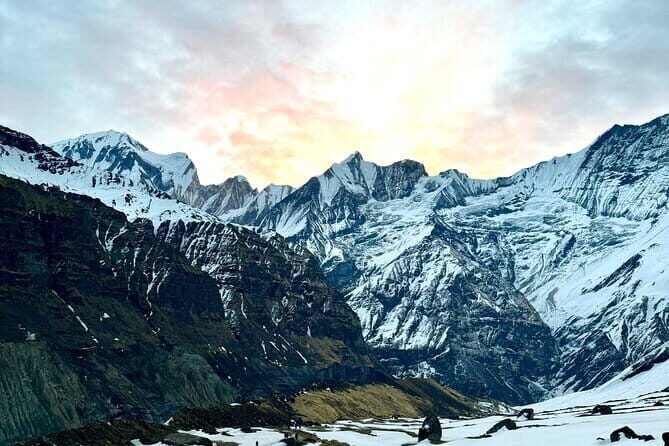
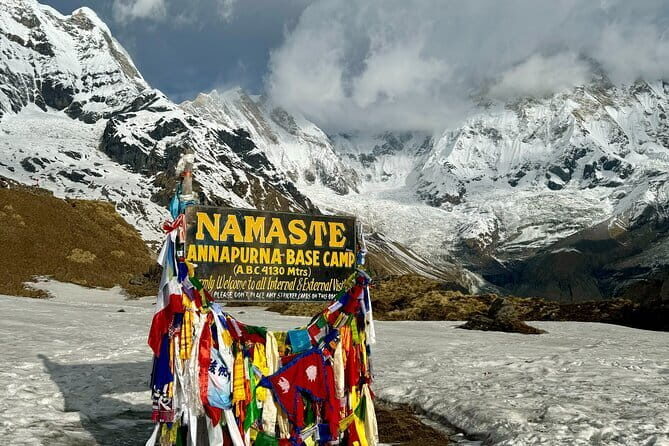
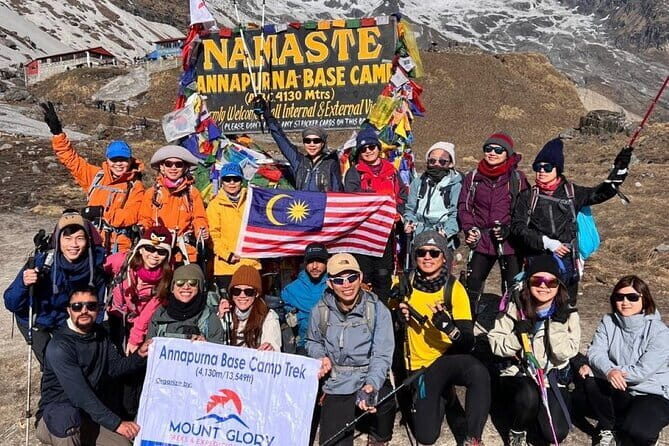
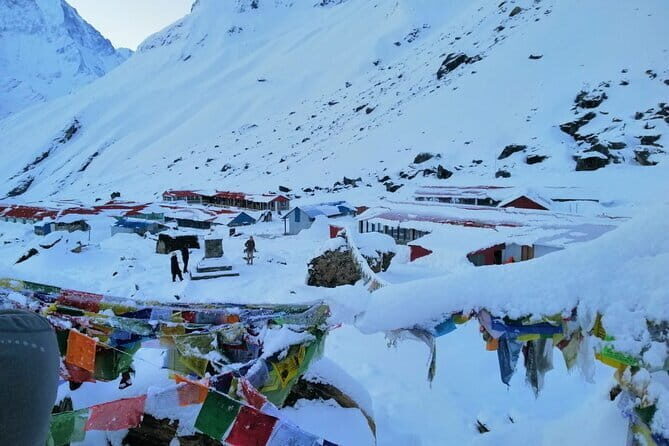
First, you climb up to Machhapuchhre Base Camp, which gives you stunning views of Machhapuchhre along with Mt. Hiunchuli, Annapurna South, Annapurna I, Annapurna III, Gandharvachuli, and Gangapurna. Then you push onward to Annapurna Base Camp, which treats you to magnificent views of multiple peaks including Machhapuchhre, Annapurna South, Annapurna I, Hiunchuli, and others.
This day is where the entire trek makes sense. Every previous “almost there” moment—every tea stop, every village walk, every staircase day—culminates in the view from the base camp zone. It’s also the day you should take hydration and pacing seriously, because you’re stacking effort on top of altitude.
Downhill days and the Jhinu Danda hot spring reset
Day 11 is described as long yet easy, with most of the trail downhill to Bamboo. That’s good for your breathing, but it can still be hard on your legs. Descents are their own kind of workout.
Day 12 continues with a downhill grind:
- Trail to Khuldighar (2540m)
- Then downhill to Chhomorng
- Then further downhill to Jhinu Danda
And then the reward: Jhinu Danda is a natural hot spring, where you can dip in the hot water pond to refresh after trekking. I love that the route ends with something physical and soothing—no matter how proud you feel at base camp, your feet will be ready to relax.
Day 13 is a downhill trek to Nayapul, then a drive back to Pokhara. There’s also free time to walk around Pokhara.
If you’re feeling cooked, there’s a practical option noted: you can skip the trekking by driving back to Pokhara from Jhinu Danda directly.
Return to Kathmandu: early ride, or a short flight
Day 14 starts with an early 8 a.m. departure by bus from the Tourist Bus Station back to Kathmandu, with a lunch stop. If you prefer saving the road time, there’s also a flight option—about 30 minutes.
Once you arrive in Kathmandu, you have last chances to shop in Thamel.
Day 15 is simple: transfer to Kathmandu International Airport for your return flight.
Guides and porters: this is where the experience becomes easy
A strong trek isn’t only about the mountain. It’s about the people keeping you safe, on schedule, and moving in a sane way.
The reviews tied to this trip highlight named guides such as Niren, Gobinda Subedi, and Nawin, plus porter Keshab. The common thread: the guidance made people feel supported, including solo trekkers who were nervous early on.
What that means for you: if you’re anxious about your first big trek, pick a company where the guide sounds like the calming type. And because you have a porter (for every two trekkers), you’ll likely spend less energy hauling everything uphill.
Also note the group size limit: max 10 travelers usually helps the guide manage pace and answer questions without feeling rushed.
Who should book this Annapurna Base Camp trek
This trek is best for people who:
- Have a strong fitness level
- Want the big “Himalaya payoff” route (Poon Hill + base camp)
- Like a mix of culture and trail—Kathmandu temple day plus multi-day trekking
- Appreciate gear being handled for you (down jacket + sleeping bag, walking poles)
It may not be the best fit if:
- You want an easy vacation-style hike with low effort and short days
- You’re not comfortable with early starts and steep sections
- You rely on lots of recovery time between major walking days
If you’re somewhere in the middle—motivated but not sure you’re ready—this route still works because it’s paced and includes rest-ish segments and a planned hot spring.
Should you book this trip?
If you want a classic Annapurna Base Camp experience with real structure, I’d say yes—especially if you value the included gear, meals, and porter support. The route hits three high points you can plan your expectations around: temple culture in Kathmandu, Poon Hill sunrise, and Annapurna Base Camp views, ending with the practical muscle-relief of Jhinu Danda hot spring.
Two final checks before you book:
- Make sure your fitness matches what you’re signing up for—this is a demanding trek.
- Plan your budget around what’s not included: visa, international airfare, insurance, and tipping. If you handle those early, the trip feels smoother.
FAQ
What is the duration of the Annapurna Base Camp trek?
It’s listed as 15 days (approx.), starting in Kathmandu and ending back at the meeting point in Kathmandu after the trek.
Where does the tour start and what time does it begin?
The meeting point is Hotel Thamel Park Pvt. Ltd., Chaksibari Marg 594-16, Kathmandu, and the start time is 6:15 am.
What’s included in the price?
Included items are down jacket and sleeping bag (returned after the trek), walking poles, a medical kit, necessary permits/paperwork, airport pickup and drop-off in a private vehicle, entrance fees for sightseeing, porter support (1 porter for 2 trekkers), and trek meals (breakfasts, lunches, and dinners as listed).
Are meals included during the trek?
Yes. The package includes 14 breakfasts, 10 lunches, and 9 dinners during the trek period. Lunch and dinner in Kathmandu are not included.
How do I get between Kathmandu and Pokhara?
The program includes an overland option by bus, and it also lists alternatives by private vehicle and flight for those who want to avoid the road. Flying is also listed as about 30 minutes for the return to Kathmandu.
What happens if the trek can’t run due to weather?
This experience requires good weather. If it’s canceled because of poor weather, you’ll be offered a different date or a full refund.