REVIEW · KATHMANDU
Annapurna Base Camp Trek
Book on Viator →Operated by Mountain Kick Private Limited · Bookable on Viator
One mountain trip can change your whole sense of scale. This trek layers Kathmandu and Pokhara with a village-to-base-camp route that slowly builds to Annapurna Base Camp. The payoff is huge: Himalayan viewpoints, forest-and-gorge walking, and that surreal feeling of reaching a place locals call the home of the gods.
I also like how the trek is built around real support: a local, government-licensed guide plus porters (one per pair) so you can focus on your steps instead of your pack. A fair caution: you do gain altitude fast enough to strain your legs, with long climbs that take you above 10,000 feet.
In This Review
- Key highlights from this Annapurna Base Camp trek
- Annapurna Base Camp altitude: why your legs will notice
- Kathmandu and Pokhara days: get your bearings before the climb
- The route in early days: Tikhedhunga to Ghorepani, and the slow build
- Poon Hill day: a viewpoint you’ll earn, then descend to continue
- Chomrong and Himalaya Hotel: the “big scenery” stage
- Day 9 to Annapurna Base Camp: the hardest day, the most meaningful one
- Bamboo to Jhinu Hot Springs: downhill that still needs respect
- What makes this trek work: licensed guides, porters, and real flexibility
- Price and what you truly get for $1,300
- Gear, insurance, and altitude realities you can’t ignore
- Who should book this trek, and who should be cautious
- Should you book Mountain Kick’s Annapurna Base Camp trek
- FAQ
- What time does the trek start each day?
- How long is the Annapurna Base Camp trek?
- What’s included in the price?
- What’s not included?
- Do I need travel insurance?
- Is cancellation free?
Key highlights from this Annapurna Base Camp trek
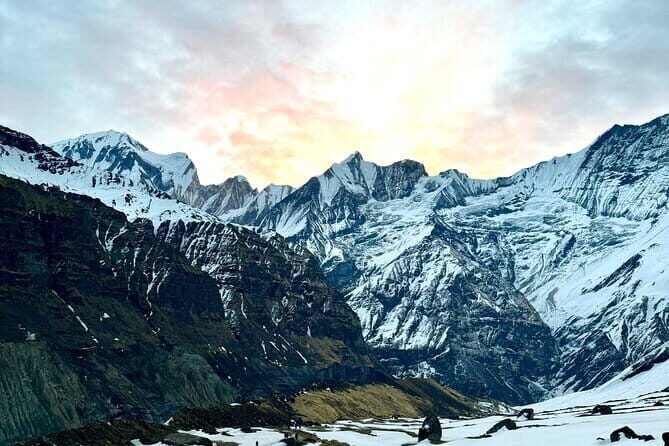
- A full altitude ladder, from about 4,600 feet up to 13,550 feet at base camp
- Poon Hill hike in the mix, usually timed for top views before you continue on
- Village days on foot, passing hilltop settlements on the way in and out
- Support that reduces load, with licensed guides and porters sharing the carrying
- Jhinu Hot Springs stop, a classic reset for tired legs
- Private group feel, so the pace can be set around your preferences
Annapurna Base Camp altitude: why your legs will notice
Annapurna Base Camp sits at roughly 13,550 feet. That number matters less than what the trek does to your body: you climb repeatedly, and many hiking days include hours of uphill walking. Even though much of the route stays in the lower Himalayas, the trip still pushes you above 10,000 feet, which is where normal hiking endurance turns into stubborn leg work.
The good news is that this route gives you a sense of ascent in stages. You’re not thrown into the sky on day three. Instead, you work upward through village trails, then hit the big day toward base camp, and only later do you come back down through familiar waypoints like bamboo and Jhinu. That kind of rhythm is easier to manage than a sudden, steep jump.
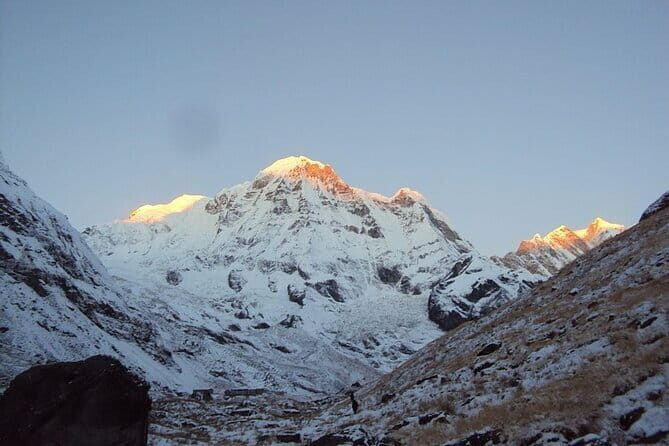
And one more human detail: Annapurna Base Camp is described as feeling divine by locals. Whether you call it spirituality or just perspective, reaching a place surrounded by the Annapurna massif can feel quietly unreal. It’s not about spectacle alone. It’s about arriving after long effort and realizing you’ve actually made it.
You can also read our reviews of more hiking tours in Kathmandu



Kathmandu and Pokhara days: get your bearings before the climb
Your trek starts with a Kathmandu hotel night, plus sightseeing around the Kathmandu Valley and a pre-trip meeting. This matters more than people think. The pre-trip chat is where you learn how the trek works in practice: the pace, how the group moves, how porters and guides coordinate, and what to watch for with altitude and weather.
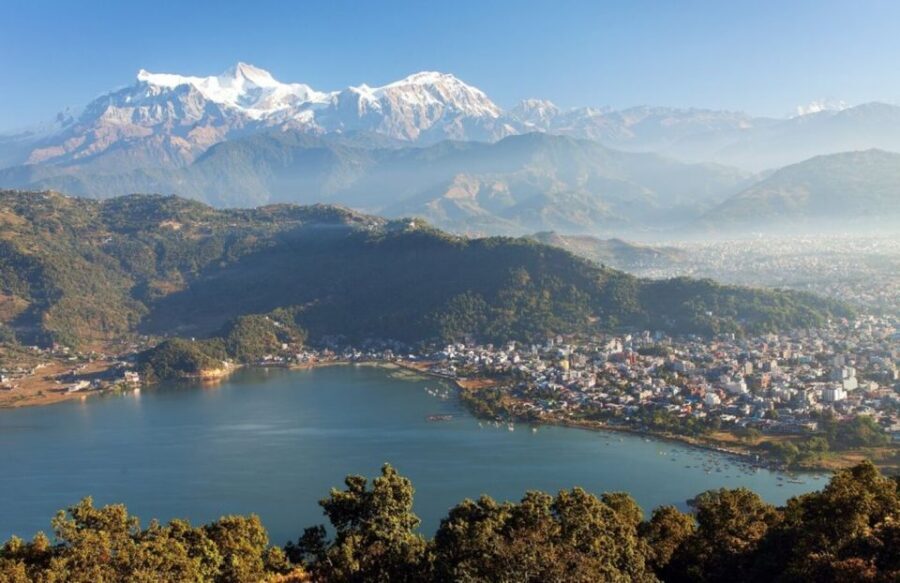
Next comes the transfer to Pokhara by tourist bus. You’re going from city altitude (around 3,000 feet in Pokhara) toward the trailhead area. By the time you’re in Pokhara, you’re already shedding jet-lag energy for trekking energy. It’s also a helpful buffer day, since you’re not starting your first hike straight off a long arrival.
The day start time is listed as 7:45 am, and the tour includes pickup. That combination usually means you’re not wasting hours waiting around. On a trek like this, the easiest way to ruin your day is to start late. Starting early gives you better daylight on uphill sections and makes the whole schedule feel less rushed.
The route in early days: Tikhedhunga to Ghorepani, and the slow build
The walking begins at Nayapool (about 3,477 feet). From there, day four heads toward Tikhedhunga (around 5,060 feet). This is the kind of first trekking day that does two things at once. You get your legs warmed up, and you learn how your breath behaves on Nepal hillside trails. It’s not a race; it’s a settling-in.
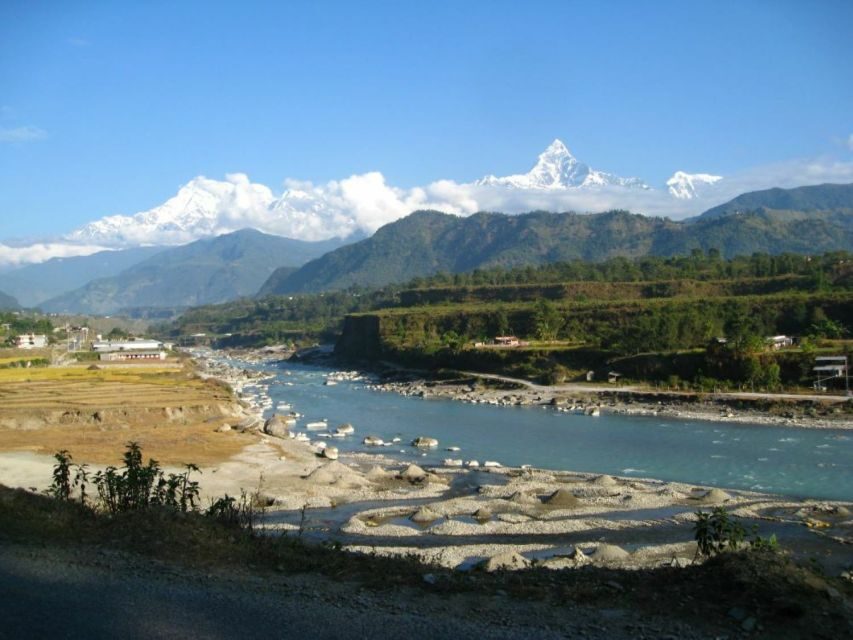
Then you move toward Ghorepani (about 9,416 feet). This step-up is where you begin to feel the altitude more clearly, and it’s also where the route becomes more “Himalayan.” You’ll pass through forests and above gorges, which changes the feel of the trail from village walking to something wilder and more exposed.
What I like about these days is that they still feel human. Guesthouse stays along the way keep you anchored. You’re not camping alone in the cold night; you’re resting in small communities where tea, simple meals, and warm rooms are part of daily life. That routine makes the bigger days less scary.
Poon Hill day: a viewpoint you’ll earn, then descend to continue
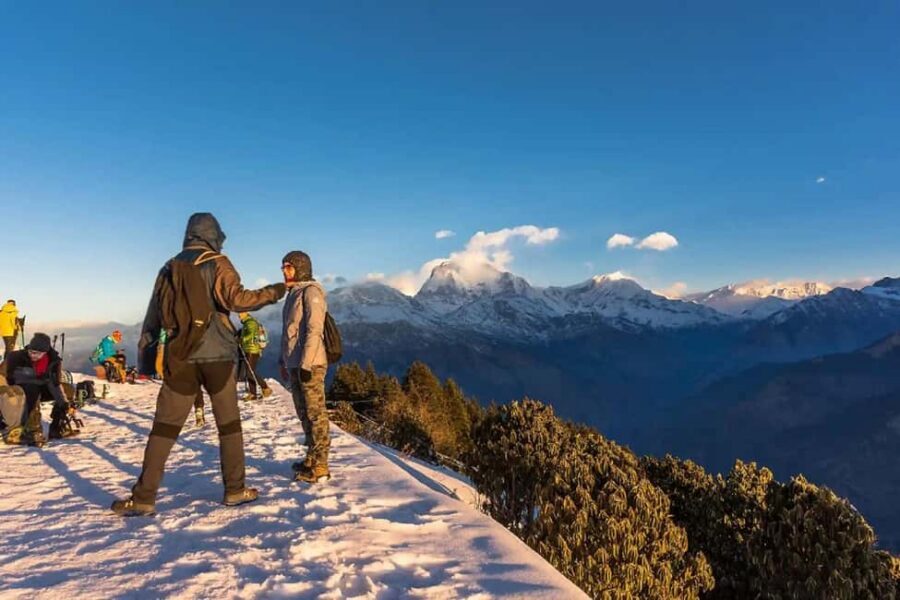
Day six includes a hike to Poon Hill (around 10,535 feet) and then trekking onward to Tadapani (about 8,628 feet). This is one of the clever parts of the route. You climb for views, enjoy the moment, and then you keep moving so you don’t lose momentum.
Poon Hill works well for a couple reasons. First, it gives you an early taste of high-mountain scenery without waiting until base camp. Second, the walk-and-rest rhythm helps your body adapt. You’re reminded that altitude is real, but you’re also reminded that you’re still in control.
After Poon Hill, Tadapani is a good place to reset. You’re dropping a bit from the viewpoint altitude, but you’re still high enough to keep the Himalayan setting. It’s a balance of reward and recovery.
Chomrong and Himalaya Hotel: the “big scenery” stage
Day seven takes you to Chomrong (around 7,120 feet). This is a major landmark area on the classic Annapurna approach. Even if you’re not chasing technical hiking, Chomrong typically feels like you’re getting closer to the heart of the massif. The walking here usually brings bigger mountains into focus and makes the trail feel more dramatic.
Day eight continues to Himalaya Hotel (about 9,678 feet). This is a good altitude checkpoint. You’re higher than before, but you’re also not yet at the hardest emotional stage of the trip. In practical terms, these two days are where you prepare yourself mentally for the long pull to base camp.
If you’re worried about the trip being too demanding, pay attention to how the route is sequenced: Chomrong then Himalaya Hotel means you’re gradually moving your ceiling upward. Your legs will still feel it, but your brain gets a chance to adjust.






Day 9 to Annapurna Base Camp: the hardest day, the most meaningful one
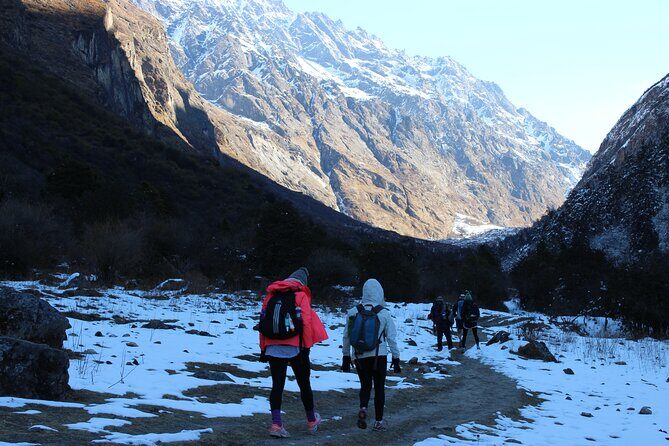
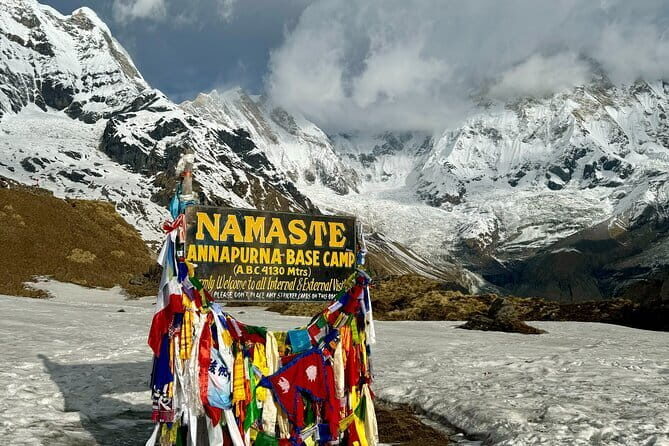
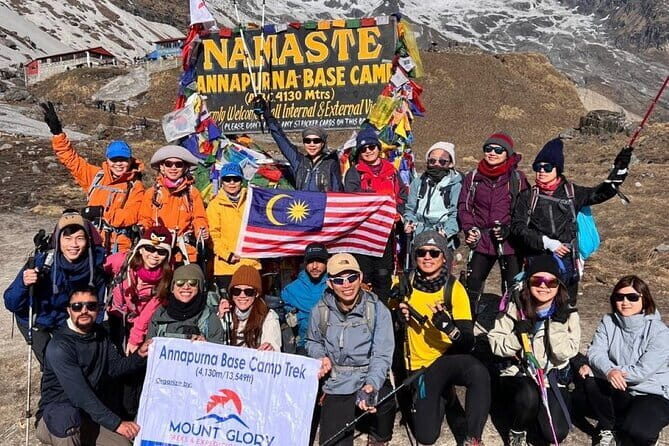
Day nine is the signature day, trekking to Annapurna Base Camp at about 13,550 feet. This is the day where “I can hike” turns into “I can keep going.” You don’t need to be an athlete. You do need persistence, good pacing, and a willingness to stop and breathe often.
The route is designed so that by the time you’re here, you’ve already learned the basics: how your body responds, how long climbs feel at altitude, and what a guesthouse night does for your recovery. That’s why the day feels different. It isn’t just the end. It’s the culmination of many smaller wins.
Also, this is the area where the mountain scale can make you quiet. There are mentions of the place feeling divine. If you’re the type who gets emotional at the end of big hikes, you’ll understand why. You’ve earned that arrival.
Bamboo to Jhinu Hot Springs: downhill that still needs respect
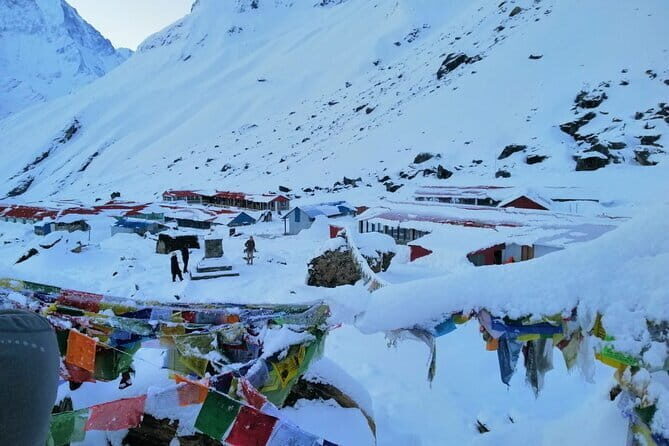
After base camp, the trek flows downward, but don’t assume it’s easy. Day ten heads to Bamboo (around 7,695 feet). You’ll likely feel better than on the climb, but downhill can be brutal on knees and quads if you hurry.
Day eleven takes you to Jhinu Hot Spring (about 5,840 feet). This stop is one of the best practical ideas on the route: hot springs are a natural leg reset. After days of pounding trails and absorbing altitude, you get to loosen up and enjoy something that feels very Nepal, very simple, and very effective.
Day twelve returns to Nayapool (around 3,477 feet) and then the drive back to Pokhara. You also get time for sightseeing in Pokhara that same day, which is a smart way to keep the trip from turning into a one-note slog. You’re moving from physical effort back to normal life.
What makes this trek work: licensed guides, porters, and real flexibility
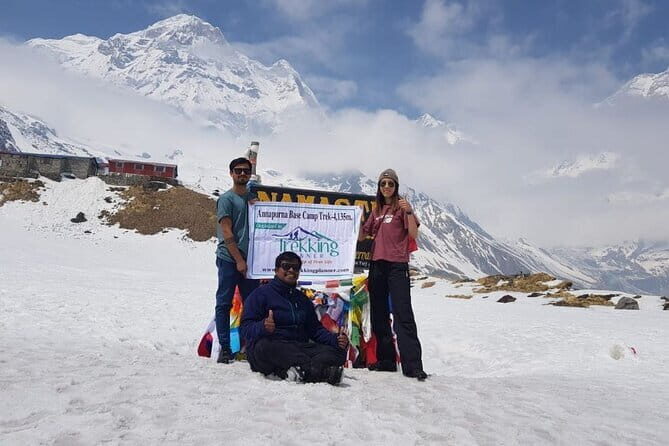
This trip uses local, government-licensed guides. That matters on Annapurna because weather and trail conditions can change quickly, and you want people who know the terrain and the pace. Multiple accounts emphasize that the team handled issues beyond their control smoothly, and that the plan can adjust around preferences.
You may work with guides such as Kumar Thapa or Jeevan, and their reputations point to two big strengths: patience and good humor during tough stretches. On a multi-day trek, that’s not entertainment. It’s morale management. It helps you keep moving when your brain wants to stop negotiating.
Porters are included too: one porter per pair of travelers, plus local support staff. The practical value here is huge. A lighter pack changes your gait. It changes your fatigue. It can even change your altitude comfort because you’re not dragging extra weight uphill.
Also, it’s a private tour/activity, meaning only your group participates. That’s a big deal if you want your hiking pace respected rather than forced into a rigid group rhythm.
Price and what you truly get for $1,300
At $1,300 per person, this isn’t a budget trek. But it’s also not overpriced in a way that ignores what’s included. Here’s what your money covers:
- Kathmandu: three-star hotel on a twin-share basis, plus breakfast
- Trek: guesthouse stays on a twin-sharing basis
- Local, government-licensed guides
- Porters (one per pair) and local support staff
What you don’t pay for in that price:
- Travel insurance (required)
- International airfare
- Nepal visa fees
- Trekking equipment
So the value equation is mostly about support and logistics. You’re paying for less guesswork and less stress: guides who manage the route, porters who manage carry load, and accommodation that keeps you from hunting for beds every night. For most people, that’s worth it, especially on an altitude trek where mistakes cost time or comfort.
The one cost to plan around carefully is insurance and personal gear. That’s not the tour’s fault, but it’s the kind of thing that can blow up your budget if you assume it’s optional.
Gear, insurance, and altitude realities you can’t ignore
You’re expected to bring your own trekking equipment. If you forget something, you can purchase items in Kathmandu or rent gear from the provider for a small fee. That flexibility helps, but it still pays to pack well before you arrive.
Travel insurance is compulsory, and you can’t buy it in Nepal for this trip. Make sure it includes emergency rescue and evacuation. If you’re used to travel insurance that mainly covers lost bags, this is different. Annapurna is remote enough that proper coverage is not a formality.
Finally, altitude isn’t a theoretical risk here. You start around 4,600 feet in Kathmandu and reach base camp around 13,550 feet. Even if you’re “moderate fit,” you still have to handle long climbs and pressure on your legs. Bring medicines you need and tell your guide about any medical conditions that could affect the trek.
Who should book this trek, and who should be cautious
This route fits people with moderate physical fitness who can handle long walking days and climbs that stretch over hours. It’s also a strong choice for first-timers to multi-day trekking because the schedule adds gradual altitude and includes rest nights in guesthouses.
If you struggle with steep downhill, you’ll feel it on the return from base camp through Bamboo and toward Jhinu. If you’re nervous about altitude, focus on pacing and don’t try to “prove” anything on the way up.
This is also ideal if you like the idea of walking through hilltop villages rather than only seeing the mountains from a bus window. The trip gives you that slow, lived-in Nepal feeling—small settlements, trail routines, and the sense that the mountains are part of everyday life.
Should you book Mountain Kick’s Annapurna Base Camp trek
I’d book this trek if you want a guided Annapurna experience that balances real adventure with solid support. You get village walking, the Poon Hill viewpoint day, a meaningful base camp arrival, and the reset of Jhinu Hot Springs. With porters in place and licensed guiding, you can focus on the trail instead of logistics.
I’d think twice if you’re hoping for a low-effort hike or if you don’t want to handle altitude pressure on your legs. This trip asks you to keep moving uphill at elevation. If that sounds like fun, book it. If that sounds like dread, you might want a different trek with less vertical demand.
FAQ
What time does the trek start each day?
The start time listed for the experience is 7:45 am.
How long is the Annapurna Base Camp trek?
The duration is about 14 days.
What’s included in the price?
Included are: a three-star hotel in Kathmandu on a twin-sharing basis with breakfast, guesthouse stays during the trek on a twin-sharing basis, local government-licensed guides, and porters (one each for a pair of travelers) plus local support staff.
What’s not included?
Not included are travel insurance, international airfare to and from Kathmandu, Nepal visa fees, and trekking equipment.
Do I need travel insurance?
Yes. Travel insurance is compulsory, and it covers emergency rescue and evacuation. You cannot take out the insurance in Nepal.
Is cancellation free?
Cancellation is free. You can cancel up to 24 hours before the experience’s start time for a full refund.