REVIEW · KATHMANDU
Lower Mustang Motorbike Tour -8 Days
Book on Viator →Operated by Himalayan Adventure Treks and Tours Pvt Ltd · Bookable on Viator
One road, two worlds of Himalayan Nepal. This Lower Mustang motorbike tour follows the big scenery shift as forested hills give way to a dry, moon-like terrain beyond the Kali Gandaki Gorge, ending at sacred Muktinath Temple.
I particularly like the use of a classic Royal Enfield 350cc, built for long, steady days on mixed pavement and rough stretches. You’ll also get a lot of “done for you” support—gear basics, permits, lodging—so you can focus on riding and the views.
One drawback to plan for: the trip involves rugged roads and night conditions can be risky, and bike insurance/damage isn’t included. That means you should ride carefully and budget for what’s not covered.
In This Review
- Quick hits before you commit
- Royal Enfield to Lower Mustang: what this 8-day ride really means
- Kathmandu kickoff: airport pickup, Thamel base, and getting ready to ride
- Kathmandu to Pokhara via Prithvi Highway: the first long day on the bike
- Pokhara to Kalopani: gravel roads and the start of the off-road feel
- Jomsom to Muktinath via Kagbeni: the Kali Gandaki River and pilgrimage day
- Down to Tatopani through the Kali Gandaki Gorge: hot springs after canyon miles
- Back to Pokhara: a recovery day with Lakeside time and Phewa Lake options
- Pokhara to Kathmandu and a farewell dinner with cultural performance
- What you’re paying for at $1,500: bikes, permits, lodging, and real value
- Riding realities: rugged days, night risk, and what’s not covered for the bike
- Who should book this Lower Mustang Motorbike Tour
- Should you book it? My practical verdict
- FAQ
- What time does the tour start and where does it begin?
- What’s included in the motorbike package?
- Are the permits included?
- What kind of lodging is included?
- Are meals included?
- Is there a vegetarian option?
- Can I cancel and get a full refund?
Quick hits before you commit
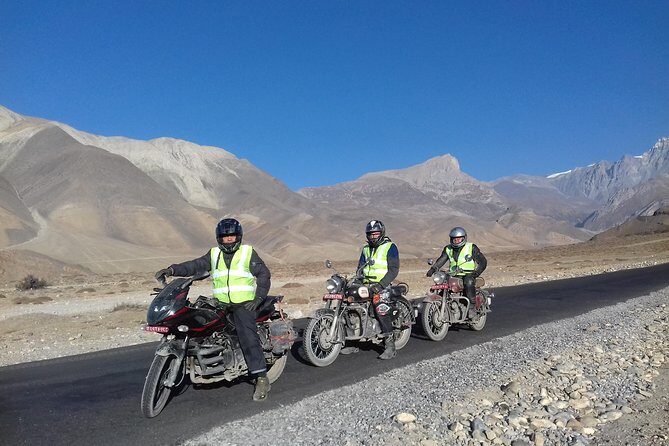
- Royal Enfield 350cc included, with petrol, basic tools, and spare tyres handled for you
- Private, customizable format, so the pace can fit your riding comfort
- Permits included (TIMS and ACAP), which matters for legal access in the region
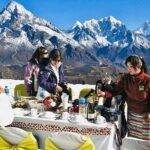
- Mustang scenery shift: Kali Gandaki Gorge to barren, highland valley views
- Muktinath + Kagbeni stopovers add culture and a real sense of place
- Tatopani hot springs give you a physical reset after a canyon day
Royal Enfield to Lower Mustang: what this 8-day ride really means
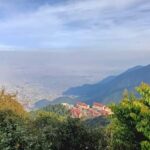
This tour is for people who want the Himalaya with handlebars. You’re not trekking; you’re riding. And that changes everything. The days feel long, but the scenery comes in fast: river gorges, cliff views, small villages, then that strange Mustang dryness that looks almost unreal once you pass the big bottleneck area around the Kali Gandaki Gorge.
You’ll spend your time on a Royal Enfield 350cc in a classic “ride-and-stop” style. That’s a good match for Lower Mustang because the region rewards slow looking. You’ll also get a guide and practical support so you aren’t stuck figuring out logistics at every turn—especially helpful when the roads get rough and the “wrong turn” cost is high.
The value piece is real. At $1,500 per person you’re not just paying for a ride; you’re paying for a package: the bike, petrol, spare tyres and tools, guide, lodging, and the permits needed for the route. For many independent travelers, that combination is exactly what turns a fun idea into a time-consuming mess.
You can also read our reviews of more tours and experiences in Kathmandu.
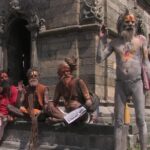
Kathmandu kickoff: airport pickup, Thamel base, and getting ready to ride
Your trip starts at Tribhuvan Airport in Kathmandu (start time 8:00 am), with pickup offered. That’s not a small detail. In Kathmandu, the first hours can eat your energy, especially if you’re arriving from a long flight. Having someone handle the handoff keeps you focused.
You’ll also have two nights in a 3-star hotel in Kathmandu with breakfast. That gives you a proper landing pad before you climb into fewer services and more road time. In the Kathmandu area, it’s common for tour teams to base themselves around Thamel (a convenient pocket for guides, gear, and quick meals), and that’s the kind of practical starting point that makes the next days easier.
Before you start riding toward the Annapurna region, the tour includes the necessary paper works and a guide who can keep you moving. You don’t have to be an expert rider to enjoy this tour—you do need to be ready for long stretches in a vehicle, basic physical endurance, and the mental shift from city traffic to open-road riding.
Kathmandu to Pokhara via Prithvi Highway: the first long day on the bike
On the next day, you’ll ride from Kathmandu to Pokhara. The distance is about 210 km, usually 7–8 hours, with a mix of smoother highway sections and winding road. This is the day I think of as your warm-up lap—still a long day, but a good chance to find your rhythm.
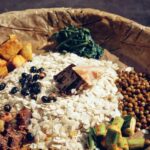
You’ll pass through lush valleys, terraced fields, and rivers, which helps you understand what kind of changes you’ll face later. Along the way, you get stopovers for authentic Nepali cuisine and photo breaks. Those meal stops matter because you’ll be spending most of the next days on the bike or in recovery mode.
Practical tip: plan your hydration and sun protection early. Early in the trip, you still have plenty of energy, and it’s easy to forget how tiring high-elevation sun and road vibration can be. If you want to enjoy the ride, arriving in Pokhara with your body intact helps.
Pokhara to Kalopani: gravel roads and the start of the off-road feel
Then it’s time to climb. Your route from Pokhara to Kalopani is about 125 km and typically 5–6 hours. This is where you start trading predictable highway for more challenging terrain. You’ll encounter rough terrain and gravel roads, which gives you a real taste of off-road motorbiking in Nepal.
The air cools as you rise. The views also grow more dramatic—not just in height, but in how the terrain starts to look less agricultural and more alpine. Kalopani sits near the foothills of Dhaulagiri and Annapurna, and the area has a cultural blend shaped by Tibetan and Thakali influences.
You’ll stay at Kalopani lodges for the night. These aren’t luxury stops; they’re functional. That’s part of the charm. After a tougher road day, the best feeling is simple: warm lodging, a meal when you need it, and sleep that comes quickly.
Jomsom to Muktinath via Kagbeni: the Kali Gandaki River and pilgrimage day
This is one of the tour’s defining moments. The ride from Jomsom to Muktinath via Kagbeni covers about 40 km and usually takes 2–3 hours. That shorter duration matters because this isn’t only about riding—it’s about arriving somewhere meaningful.
You’ll travel northeast along the Kali Gandaki River, passing Kagbeni, a village set against towering peaks and deep valleys. You may also encounter local villagers going about daily life, which turns the route from “scenery” into “people and place.” That’s the stuff you remember later.
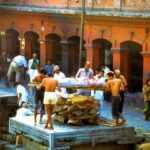
Then you reach Muktinath Temple, a sacred pilgrimage site tucked into the mountains. Even if you’re not a religious traveler, a site like this hits different when you’re already tired from riding and suddenly you’re surrounded by mountains that look too big to fit in a photo. Take a slow pace, keep your head covered if that’s your norm at religious sites, and treat it like a real stop—not a quick photo mission.
A small strategy: don’t rush this day. Your body will be happier if you treat the temple visit as a reset, not just another waypoint.
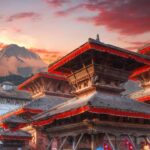
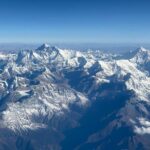
Down to Tatopani through the Kali Gandaki Gorge: hot springs after canyon miles
After Muktinath, you’ll descend toward Tatopani. The route is about 70 km and usually 4–5 hours. This day focuses on the Kali Gandaki Gorge, which is described as one of the world’s deepest canyons—so yes, the cliffs and river views are the main event.
Expect a dramatic ride with towering canyon walls and flowing water below. It’s the kind of route where you feel the scale of the Himalaya even if you’ve seen mountains before.
Tatopani means hot water, and the big reward is natural hot springs. After long hours on a bike, soaking is practical recovery. Your legs and back feel better, and you get a rare moment to stop moving and just let the day settle.
The social side can be fun too—Tatopani is known for trekkers in the area—so even if you ride mostly on your own, you’ll likely share the hot spring space with a mix of people.
Back to Pokhara: a recovery day with Lakeside time and Phewa Lake options
Next you ride back to Pokhara, about 102 km and typically 4–5 hours. This is a decent contrast day: you’re coming down from higher terrain, so roads feel more manageable, and the surroundings shift back toward greener valleys.
When you arrive, you’ll have time to explore Lakeside Pokhara, which is full of restaurants and cafes. It’s also a good day for last-minute shopping for small souvenirs—things you can actually pack without turning them into a moving headache.
If you want to go slower, consider a boat ride on Phewa Lake. Even if you don’t do it, the option itself helps. You’ve spent days in motion; this gives you a chance to feel like a normal vacation human again.
Pokhara to Kathmandu and a farewell dinner with cultural performance
On the final riding day, you head back to Kathmandu, covering 210 km and usually 7–8 hours. Yes, that’s another long day—so treat it like a marathon finish rather than a sightseeing day. Riding along the Prithvi Highway again also means you can recognize earlier scenery, but with a different sense of memory since you’ve already crossed into Lower Mustang.
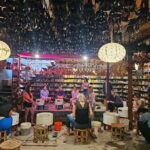
Once you return to Kathmandu, the tour includes a farewell dinner at a local Nepali restaurant with a cultural performance. That’s a nice wrap because it turns the ending into something you look forward to, not just the moment your bike stops.
Then it’s the departure morning: after breakfast, you prepare to leave from Kathmandu Airport, with time for last-minute shopping or a quick look at heritage sites if your schedule allows.
What you’re paying for at $1,500: bikes, permits, lodging, and real value
The price can look like a lot until you break down what’s included. Here’s the core of the value:
- Royal Enfield 350cc motorbike included
- Petrol, basic tools, and spare tyres included
- Guide support, plus medical supplies (first aid kit available)
- Accommodation: two nights in 3-star hotels in Kathmandu and Pokhara with breakfast, plus lodge/tea house stays in twin sharing during the tour
- Permits included: TIMS and ACAP
- Paperwork handled, plus a last-night farewell dinner with cultural performance
For many riders, the “hidden cost” of an adventure tour is time and uncertainty. Here, you’re paying to remove that uncertainty: permits, bike readiness basics, and a guide who can manage the route and stops.
What’s not included is important, too. All meals is listed as not included, yet breakfast and a dinner are included. The practical takeaway: assume most meals besides breakfast and the included dinner(s) are on you. That’s normal for Nepal road trips, and planning for it keeps you from getting surprised later.
Riding realities: rugged days, night risk, and what’s not covered for the bike
This tour is built for riders who understand that “adventure” includes road discomfort. The route includes rough terrain, gravel, and canyon driving, and the operator explicitly notes that you should have a strong physical fitness level.
One review-based caution stands out: be careful on the road at night, because road conditions can become dangerous. Even if the tour plan moves efficiently, night riding often means lower visibility, more unpredictable surfaces, and less room for error. My advice: if you’re the type who rides fast to make time, this tour is not the place to practice that habit.
Also take seriously what’s not included:
- Bike insurance
- Motorbike damage
That means you should ride with extra margin. Keep the tires and brakes in mind, slow down for gravel sections, and don’t treat the bike like it’s invincible.
And remember the personal-expense items. Phone calls, battery recharge, laundry, bottle/boiled water, hot shower access, and similar costs are not included, so budgeting for day-to-day comfort is smart.
Who should book this Lower Mustang Motorbike Tour
This one fits best if you:
- want a motorbike-focused way to see Nepal beyond city streets
- like a route where scenery changes fast, including the Mustang valley look after Kali Gandaki
- enjoy cultural stops like Kagbeni and Muktinath Temple
- are comfortable with long riding days and rugged road conditions
- want a private format where the group stays small (it’s private, only your group)
If you’re new to motorbike travel, you can still find value here, but only if you’re honest about your comfort level on gravel and long hours. If you hate slow, careful riding, you’ll probably feel tense instead of excited.
Should you book it? My practical verdict
If your dream is a serious road trip through the Himalayan backbone, this tour looks like strong value. You’re getting a real motorcycle journey with the essentials handled: bike, petrol, tools, spare tyres, guides, lodging, and key permits. The best parts are the ride itself—especially the canyon corridor—and the chance to reach Muktinath without adding trekking days.
I’d book if you can handle three things:
- long riding days (7–8 hour days show up twice)
- rugged road segments, including gravel
- careful riding behavior at night since bike damage/insurance isn’t covered
Skip it if you’re only comfortable on smooth roads, you need lots of comfort-luxury, or you expect the trip to feel easy on the body.
FAQ
What time does the tour start and where does it begin?
The tour starts at Tribhuvan Airport (Kathmandu, Nepal) at 8:00 am.
What’s included in the motorbike package?
You get a Royal Enfield 350cc motorbike, plus petrol, basic tools, and spare tyres.
Are the permits included?
Yes. The tour includes TIMS and ACAP permits.
What kind of lodging is included?
You’ll have two nights in 3-star hotels in Kathmandu and Pokhara (with breakfast), and during the tour you’ll stay in lodges/tea houses on twin sharing basis.
Are meals included?
Breakfast (4) is included. The tour also includes dinner (including the last night farewell dinner). Other meals are not included.
Is there a vegetarian option?
Yes. A vegetarian option is available—tell the operator your needs at booking.
Can I cancel and get a full refund?
Yes. You can cancel for a full refund if you cancel at least 24 hours before the experience start time. If you cancel later, the amount paid is not refunded.