REVIEW · KATHMANDU
Everest Panorama Trek
Book on Viator →Operated by Epic Adventures Pvt. Ltd. · Bookable on Viator
Everest views without the hardcore grind. I like that this trek trades the brutal Base Camp push for a gentler Everest panorama route through Sherpa villages and hilltop monasteries. I also like how the trip is planned around comfort basics—meals and overnight stays are included, so you can focus on walking and scenery instead of logins, menus, and guesswork.
The one thing to think about is that this is still serious mountain trekking. You’ll fly into Lukla and spend multiple days at altitude, with an early start (the trek day begins around 5:00 am) and weather factors that can affect flights. If your fitness is only just okay, you’ll want to be honest about pacing and breathing, because the climb is “easier than Base Camp” but not a stroll.
In This Review
- Key highlights to know before you go
- Why the Everest Panorama Trek is a smart pick for big views
- Kathmandu to Lukla: smooth setup for a very early day
- Day 2 on the trail: Lukla to Phakding through everyday Sherpa country
- Day 3: Dudh Koshi River walking and the Hillary Suspension Bridge
- Day 4: Tengboche and the big Everest angles you’ve been waiting for
- Day 5: Namche backcountry feel, wildlife chances, and crossing at the confluence
- Day 6: the final walk at lower altitude and a crew reunion moment
- Day 7 and 8: flight back to Kathmandu and a farewell that feels earned
- What $1,225 buys you here—and where the value actually shows up
- Fitness, altitude, and pacing: your checklist for a smoother panorama hike
- Lodges, food, and daily comfort in the Everest region
- Who should book this trek, and who might not be the best match
- Should you book the Everest Panorama Trek with Epic Adventures?
- FAQ
- Where does the trek start?
- How long is the Everest Panorama Trek?
- What kind of fitness level do I need?
- What does the schedule look like on trekking days?
- Are meals and overnight stays included?
- How many people are in the group?
- What happens if weather is poor?
Key highlights to know before you go
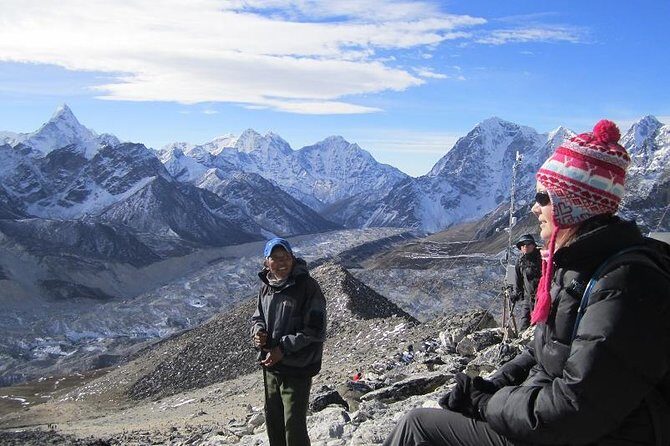
- Lukla gateway, then Dudh Koshi River trail: classic suspension bridge crossings and river views from the start
- Namche Bazaar and Tengboche monastery views: big Everest angles plus close-ups of nearby giants
- Everest panoramas without the hardest altitude: you get the look without aiming for Base Camp
- Small-group feel (max 15): more attention, easier logistics, less chaos on the trail
- Guide support you can count on: strong feedback around clear communication and motivation (names like Ramkumar, Anil, Basu, and Gyanashwor show up often)
Why the Everest Panorama Trek is a smart pick for big views
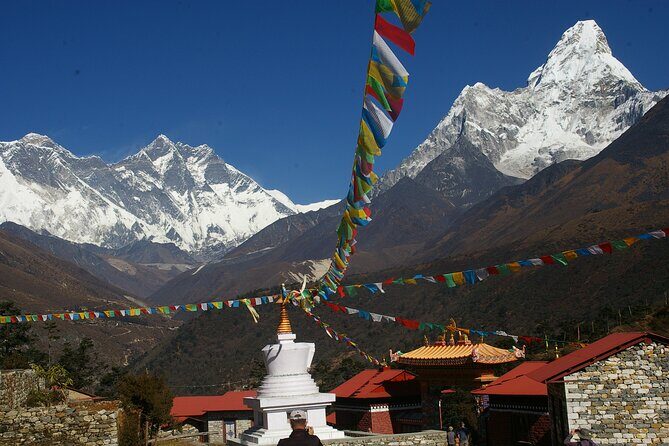
The phrase panorama is doing real work here. This route is built for people who want Everest in the frame—tons of mountain sightlines—without committing to the full-on grind and altitude stretch of a Base Camp summit attempt.
You’re still in Everest region terrain: pine forests, river valleys, steep stints, and daily rhythm shifts as the trail climbs and drops. But the overall plan is meant to feel more manageable, especially if you’re trekking for the experience rather than racing for a harder finish.
I also like that the route gives you variety. You’re not stuck only walking through one kind of scenery. You’ll hit river crossings, lodge nights in mountain hubs, and monastery views that feel like a natural “why we came” moment. If you like your hikes to include culture as well as altitude thrills, this fits.
You can also read our reviews of more hiking tours in Kathmandu


Kathmandu to Lukla: smooth setup for a very early day
Day 1 is all about landing and getting your bearings. You’re met at Kathmandu airport by a representative holding your name, then transferred to your hotel. It’s a small thing, but in a place like Kathmandu, it makes the first hours calmer and more organized.
Then comes the rhythm of the trek: early. On Day 2, you head to the domestic terminal for a flight to Lukla (2,800 m), the gateway where the walking really begins. The plan has you trekking for about 3 to 4 hours, reaching Phakding for overnight.
Why this matters: the Everest region runs on mountain time. Starting early helps you stay ahead of weather, gives you better light for views, and reduces the “too-late-for-convenient-arrivals” stress. Also, the flight-to-walk flow is a big part of why people love this itinerary. You go from city air to mountain trail without wasting a day.
Day 2 on the trail: Lukla to Phakding through everyday Sherpa country
After landing, the route starts with the workable pace of the lower villages. You walk through Lukla’s prosperous streets and then head toward Phakding along the trail’s early sections.
This part is less about jaw-dropping Everest angles and more about getting your legs ready—finding your pace, learning how the path feels underfoot, and understanding how often you’ll be stopping for photos and water breaks. It’s a “warm start” that still respects the fact you’re jumping into altitude.
By the time you reach Phakding, you’ll be ready for the overnight reset. This is one of the biggest values of a guided trek: your schedule has built-in recovery time, and meals are arranged so you don’t end up burning energy negotiating your next meal stop.
Day 3: Dudh Koshi River walking and the Hillary Suspension Bridge
Day 3 is the classic Everest-region walking day. You’ll trek about 5 to 6 hours, moving through a pine forest and along the Dudh Koshi River, with multiple suspension bridges—one of them is the famous Hillary Suspension Bridge.
This is where the trek starts to feel iconic. The bridges force small moments of focus. Your legs are working, but you also get river views and a sense of scale that you just don’t get on road travel. The river corridor also creates that steady “forward motion” feeling—walk, cross, breathe, repeat.
You also catch early prospects of nearby peaks, including Mt. Thamserku (6,618 m) in the mix. Even if Everest is not fully dominant yet, this day helps you understand how close these massive mountains sit to each other.
That combination—forest shade, river sounds, bridge crossings, and that peek at Thamserku—makes Day 3 memorable. You’ll overnight in Namche Bazaar, which is a major hub for the Everest region.
Day 4: Tengboche and the big Everest angles you’ve been waiting for
Day 4 is the payoff day for views. You’ll trek about 5 to 6 hours toward Tengboche, building toward sweeping sightlines.
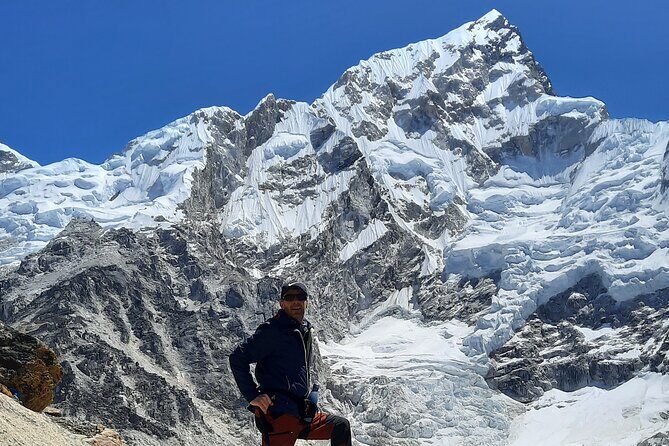
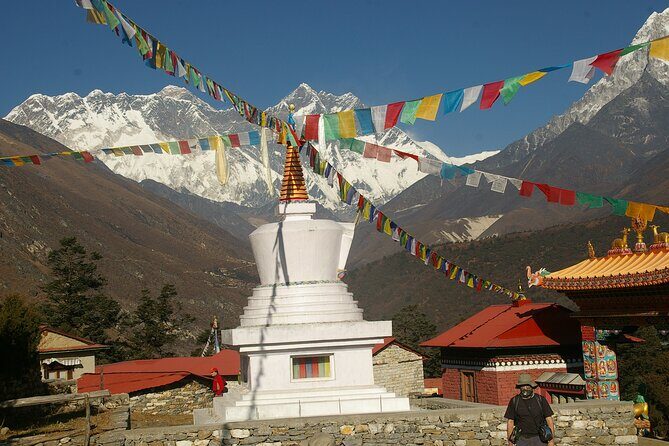
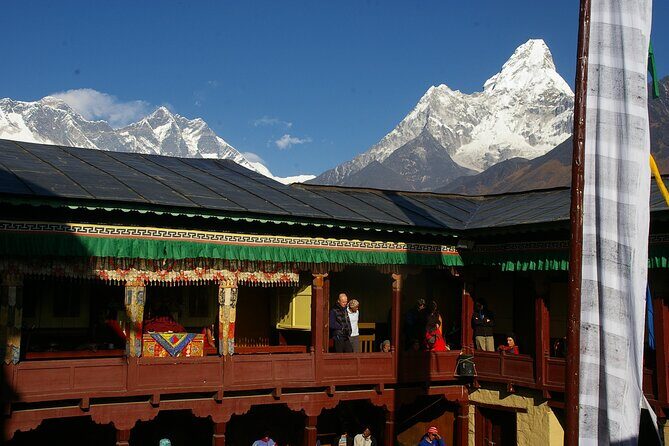
Early in the day, you get superb views that include Mt. Everest, Mt. Nuptse, Mt. Lhotse, and Mt. Ama Dablam, with Thamserku close in the background. That’s a lot of famous names packed into one set of viewpoints—exactly what you came for.
You’ll also have a relaxed lunch at Phunki Thenga, then gear up for a slightly tougher climb through pine forests before reaching Tengboche.
Tengboche is special because it’s where the trek’s spiritual-and-cultural side shows up in a meaningful way. The hilltop monastery setting changes the mood. Even if you’re not doing a religious deep dive, it’s one of those places where the quiet and the altitude make you slow down and notice your surroundings.
You’ll overnight in a lodge at Tengboche. This lodge night is where I’d suggest you plan to do two things: drink water early (not only when you feel thirsty) and keep your layers ready for cooler evenings.






Day 5: Namche backcountry feel, wildlife chances, and crossing at the confluence
Day 5 moves you from Namche toward Monjo, trekking about 5 to 6 hours. The trail clings to a steep wooded slope beyond Kyangjuma, with bends that keep the walking interesting rather than monotonous.
This is also a day that invites quiet “watching” instead of just walking. The route description includes wildlife possibilities like mountain goats, snow leopards, and colourful pheasants. You should treat these as chances, not promises, but they’re a reminder this area isn’t just scenery—it’s habitat.
Later, you’ll cross a suspension bridge over the Dudh Koshi River near where the Dudh Koshi and Bhote Koshi rivers meet. The confluence setting makes the water look more powerful, and it gives you a natural sense of geography: this is a region shaped by rivers carving their way through steep terrain.
You’ll overnight in Monjo. Day 5 matters because it sets up the next day’s “last lower-altitude miles,” giving your body a smoother off-ramp from the mid-trek effort.
Day 6: the final walk at lower altitude and a crew reunion moment
Day 6 is shorter—about 4 to 5 hours—and it’s described as the last walk at lower altitude in the Everest region. A lot of the day is flatter than earlier segments, with undulating terrain and mixes of open plains, rhododendron, and pine forest.
You also get Kwangde peak in the distant background. That’s a nice “we’re leaving the core of the region” signal: you’re still surrounded by giants, but the day feels less like you’re pushing uphill all the time.
This day also has a practical emotional angle. The trek’s pace and duration mean that some group members might not be traveling back to Kathmandu on the same schedule. The plan suggests spending relaxed moments with the crew, which is a good idea. If you’ve got questions about gear, altitude feelings, or what you’d do differently next time, Day 6 is a great time to ask while everyone’s still together.
You’ll overnight back at Lukla, finishing the mountain part of the itinerary with one more base-layer night.
Day 7 and 8: flight back to Kathmandu and a farewell that feels earned
Day 7 is a flight back to Kathmandu. This is where you’ll feel the contrast: from thin air and steady walking to traffic, noise, and the smoothness of city life.
Day 8 wraps with Farewell Friend, which is the trek’s final punctuation mark. It’s not just symbolic. When your final night is already planned, you can focus on recovering, not improvising.
What $1,225 buys you here—and where the value actually shows up
At $1,225 per person, you’re paying for more than a route on a map. You’re paying for a package that handles the hardest parts of mountain travel: the schedule, the day-to-day logistics, and the support structure that keeps the trek from turning into a scavenger hunt.
Here’s what stands out as real value:
- Meals and overnight stays included: this matters more than many people expect. When food and lodging are arranged, you stop wasting energy figuring out where to eat and how to plan around cash and closures. The trek becomes about walking, not budgeting minute-by-minute.
- Group management (max 15): smaller groups tend to move with less friction. You’re more likely to get help when someone needs to slow down, and it’s easier for the guide to keep track of everyone’s energy.
- On-trail coordination across key milestones: suspension bridges, monastery area timing, and lodge nights are all part of the experience. Getting these right is where guided trekking earns its fee.
- Support quality from the guide team: I’ve seen consistent praise tied to specific Nepal guide names like Ramkumar, Anil, Basu, and Gyanashwor. The common thread is clear communication and making sure you’re physically and mentally set for the hike. You don’t want a “just good at trekking” guide. You want a person who can read the group and keep things understandable when the altitude gets real.
Price-wise, the best way to think about it is this: you’re buying time and stress reduction. If you tried to DIY a trek at this altitude and terrain complexity, you’d likely spend the same money anyway—just with more uncertainty and more moving parts.
Fitness, altitude, and pacing: your checklist for a smoother panorama hike
This tour calls for moderate physical fitness. That’s a useful phrase, but it still means you need to show up prepared.
Here’s how I’d think about it practically:
- Expect uphill and downhill, not just flat walking. Even “easier” days have uneven terrain and stairs.
- Keep your pace conservative. If you charge uphill, you’ll pay later in breath and mood.
- Plan for layered clothing. Days can start cool, then warm with sun, then cool down again in the evening.
- Drink water regularly. Don’t wait until you feel off.
- Be ready for altitude feelings. No one can guarantee you’ll feel great every day. The guide team’s job is to help you manage it, and the itinerary’s built-in shorter day (Day 6) is part of that support.
Also, take the early timing seriously. A 5:00 am start means your sleep the night before counts. If you’re the type who needs time to settle into new places, keep your first Kathmandu night low-key.
Lodges, food, and daily comfort in the Everest region
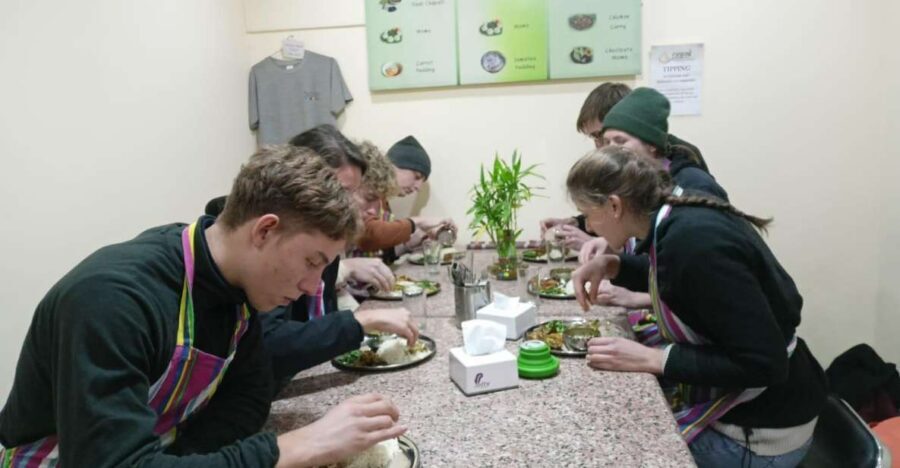
Since meals and overnight stays are included, you don’t need to think too hard about that daily question. You’ll be staying in mountain lodges in the trek hubs—Phakding, Namche Bazaar, Tengboche, Monjo, and Lukla at the end.
What you should expect: basic mountain comforts. You’re not going for hotel luxury. You’re going for clean beds, warm drinks when available, and the ability to recharge between hiking days.
Food inclusion is one of the strongest reasons this route feels “easier.” When meals are handled, you avoid the common mistake of under-eating because you’re too tired to shop around or too busy checking menus. You’ll want energy on Day 4 and Day 5, and that’s when staying fueled helps the most.
Who should book this trek, and who might not be the best match
This Everest Panorama Trek is a strong fit if you want:
- Everest views as the goal, without committing to the hardest Base Camp-style push
- Cultural stops, including monastery time around Tengboche
- A plan that’s guided, structured, and supported with meals and lodge nights handled
- A small group (up to 15), which usually makes the trek feel more personal
It may not be the best fit if:
- You’re dealing with health issues where high-altitude exertion isn’t appropriate. (Talk with a medical professional before going.)
- Your walking ability is very limited. The itinerary includes multiple 5–6 hour days.
- You prefer total independence and last-minute decision-making. This is a guided, scheduled trek.
If you’re in that middle zone—curious, excited, and reasonably fit—this is often a sweet spot.
Should you book the Everest Panorama Trek with Epic Adventures?
I’d book it if your dream includes the Everest silhouette and the Sherpa-village rhythm, and you want those moments—suspension bridges, Namche hub energy, and Tengboche monastery views—without turning the trip into a maximum-altitude challenge.
You’re also getting value in the practical stuff: meals and overnight stays included, a small-group cap, and a guide team that’s repeatedly praised for clear communication and keeping people motivated through the harder bits.
If you’re on the fence, ask yourself one question: do you want Everest views as the main event? If yes, this route is built for exactly that.
FAQ
Where does the trek start?
You start in Kathmandu, then fly to Lukla (2,800 m), which is the gateway where the trek begins.
How long is the Everest Panorama Trek?
The trip runs about 8 days.
What kind of fitness level do I need?
The tour is listed as suitable for moderate physical fitness level.
What does the schedule look like on trekking days?
You have multiple trekking days, including a 3 to 4 hour walk from Lukla to Phakding, several 5 to 6 hour days (including routes via Namche Bazaar and Tengboche), and a shorter final trekking day of about 4 to 5 hours.
Are meals and overnight stays included?
Yes. Meals and overnight stays are included throughout the trek.
How many people are in the group?
The maximum group size is 15 travelers.
What happens if weather is poor?
This experience requires good weather. If it’s canceled due to poor weather, you’ll be offered a different date or a full refund.