REVIEW · KATHMANDU
Annapurna Base Camp Trek
Book on Viator →Operated by Touch The Himalaya Treks & Expedition · Bookable on Viator
Annapurna Base Camp gets real fast. I like that this trek is run by local experts native to the Annapurna region, not outsiders winging it. You also build in the classic Poon Hill sunrise moment early on, so the trip starts with payoff instead of just early-morning suffering.
My second big win is how much is handled for you on the admin side. Permits and trekking fees are covered, and the team helps manage logistics so you can focus on walking, adjusting, and taking in the mountains. One consideration: this is still a true high-altitude hike, with several days of 5–7 hours of trekking and the need for sensible acclimatization, so you’ll want solid moderate fitness.
In This Review
- Key things I’d bet on
- Kathmandu and Pokhara: the easy part that sets your pace
- Ulleri to Ghorepani: village trails and getting your legs going
- Tadapani and Poon Hill sunrise: the classic payoff, done efficiently
- Tadapani to Sinuwa: a longer day that teaches patience
- Sinuwa to Deurali: rugged landscape and glacier crossing
- Deurali to Annapurna Base Camp via Machapuchare Base Camp: the big finish
- Base Camp back down to Sinuwa: not optional, just necessary
- Sinuwa to Jhinu hot springs, then Pokhara: earn your rest
- Kathmandu wrap-up: drive or fly, and a little freedom
- Guides, safety, and why this package feels organized
- What the $700 covers (and how to judge value)
- Practical prep so you don’t fight the trek
- Who this trek is best for
- Should you book this Annapurna Base Camp trek?
- FAQ
- Where is the start and meeting point for this trek?
- What time does the trek start in Kathmandu?
- How long is the Annapurna Base Camp trek?
- What is included in the tour price?
- What is not included?
- Is this a private tour?
Key things I’d bet on
- Local Annapurna guides with years of experience in the region’s terrain and altitude
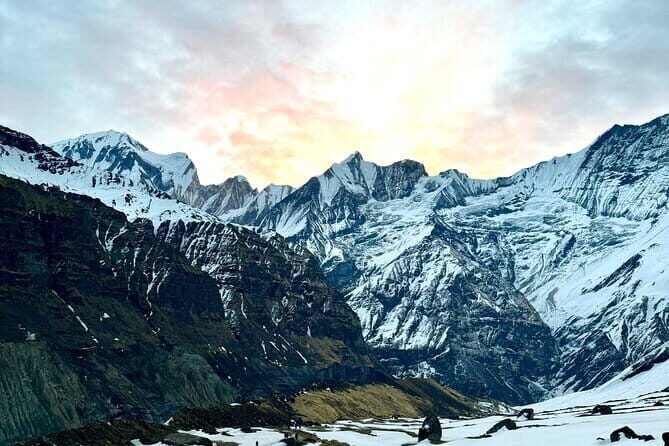
- Poon Hill sunrise at the Tadapani stage, with views over Annapurna and Dhaulagiri
- Permits and trekking fees included, so you’re not chasing paperwork mid-trip
- Tea house flexibility: you’ll have included meals, plus the option to buy extra food at stops
- Duffel bag system for easier carrying, plus porter support for day-to-day logistics
- Hot springs at Jhinu after the descent, for sore-leg recovery time
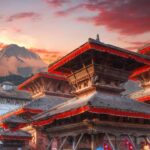
Kathmandu and Pokhara: the easy part that sets your pace
Most trekking companies rush you out the door. This one starts with a calmer rhythm: airport pickup and drop in Kathmandu, plus two nights accommodation before and after your mountains days. That matters because you arrive with jet lag, then you need sleep, food, and time to get your gear organized before the first big climb.
Day 1 is your transfer to Pokhara, about 200 km west of Kathmandu. You’ll typically take a tourist bus or car (and flights are an option). The drive is around 7 hours and follows the Trishuli River side for stretches with real landscape views. That’s useful, even if you’re not “into scenery.” It helps you settle before the trek, and it gives you a mental warm-up: this region is long valleys, steep walls, and changing weather.
Value check: You’re paying $700 for a package that includes not just the mountain days, but also the Kathmandu logistics that can otherwise eat money and time. In Nepal, that kind of organization is not fluff. It’s time.
You can also read our reviews of more hiking tours in Kathmandu
Ulleri to Ghorepani: village trails and getting your legs going
After breakfast, you drive about an hour to Nayapul, then begin walking toward Ulleri along the Modi Khola River. This section is a good “start smart” phase. Instead of jumping straight into the hardest terrain, you get through charming villages while the trail follows the river corridor.
On the Ulleri to Ghorepani day, you’re looking at roughly 6–7 hours. The walking moves through lush forests and you build elevation steadily. What I like here is the gradual feel: the Annapurna range shows up in pieces as you climb, not all at once. That’s a psychological trick worth using. You’ll still be fresh enough to enjoy the view because you’re not already cooked.
Practical thought: you’ll likely be on mixed surfaces—dirt paths, stone steps in places, and forest stretches where footing can get slick. Bring shoes you trust and socks you don’t mind replacing later. This trek doesn’t give you time to baby your feet.
Tadapani and Poon Hill sunrise: the classic payoff, done efficiently
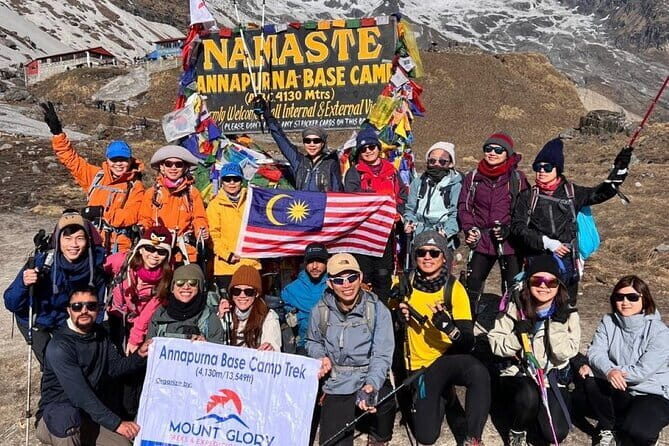
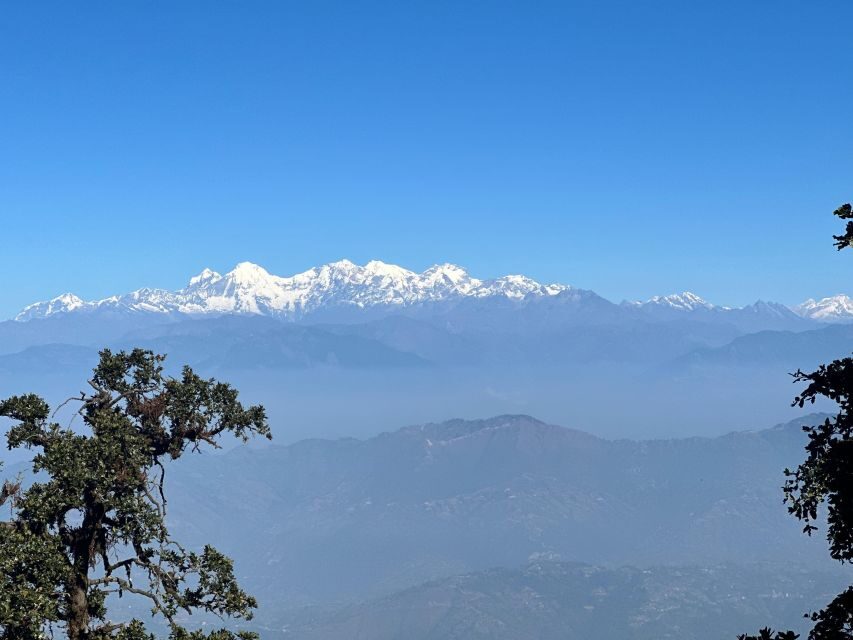
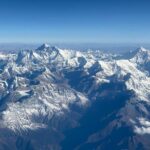
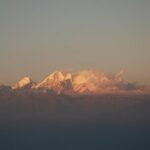
The most emotional day for many people is the one tied to sunrise. From Ghorepani, you hike early to Poon Hill to watch the sun come up over the Annapurna and Dhaulagiri mountains. The plan is built so you get the moment, then return to Ghorepani for breakfast before heading onward.
That matters. Sunrise treks can be chaos if meals and logistics aren’t handled. Here, you’re not guessing. You have a schedule that gives you the view and then gives you food afterward, which helps you keep strength for the next walking day.
Then you shift toward Tadapani, a shorter hike in this program (around 4 hours). Shorter days are not “easy days.” They’re how you manage fatigue and altitude stress. If you’re the kind of person who rushes and tries to do everything at once, this structure will help you slow down.
If you want to prep: save your best energy for the sunrise push. Bring water, wear warm layers, and don’t count on the weather being predictable.
Tadapani to Sinuwa: a longer day that teaches patience
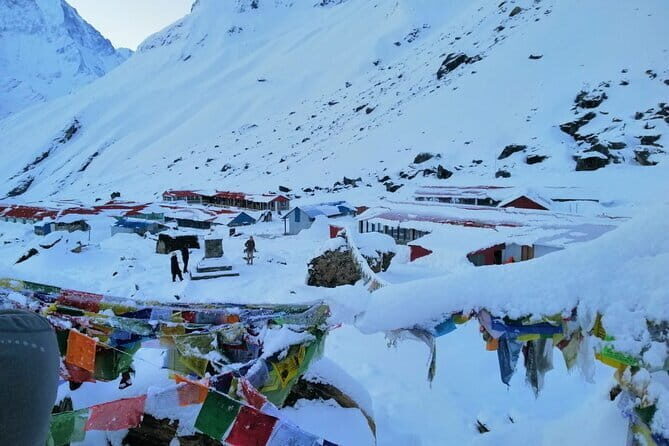
On the way from Tadapani to Sinuwa, expect around 6–7 hours. This day trends through forests and along smaller villages. It’s also where the route starts feeling more “mountain trekking” than “scenic walking,” because the terrain gets more work and the Annapurna views become more frequent.
This is also the day where you’ll feel the value of having a guide. The trekking team in this program focuses on safety and acclimatization, including keeping a close eye on how you’re handling high-altitude conditions. That doesn’t mean you’ll be babysat. It means you’ll be steered toward smarter pacing.
One small planning tip that helps a lot: carry light snacks and chocolate for energy on long stretches. It’s an easy way to avoid the mid-hike crash that ruins the mood.
Sinuwa to Deurali: rugged landscape and glacier crossing
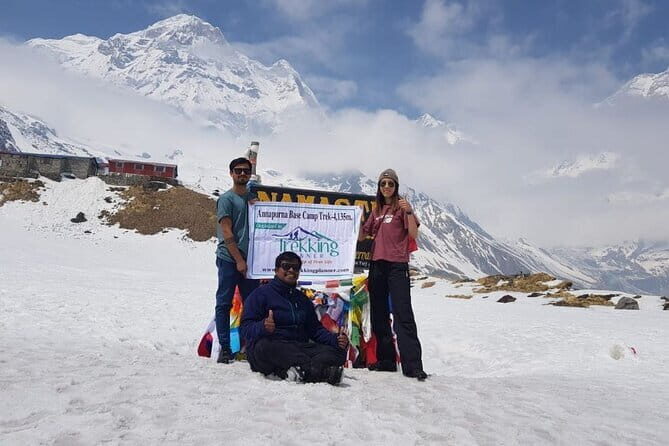
The Sinuwa to Deurali walk is listed at about 5–6 hours. The trail ascends steadily through forest, and then you reach a tougher, more rugged zone, including a crossing described as the Khumbu Glacier area. (Yes, the wording is a little different than what many people expect on Annapurna routes, but the key takeaway for you is the same: this is the “hard terrain” phase.)
As you approach Deurali, the environment shifts. Think less postcard forest, more rocks, cold air, and the kind of stillness that makes you realize elevation is not just a number on your watch.
This is also a good moment to check your altitude habits:
- drink water regularly
- eat even when you don’t feel hungry
- keep your breathing calm
Your guide’s job here is to help you manage conditions. That support is especially important if you’re trekking solo or if you don’t have a lot of high-altitude experience.
Deurali to Annapurna Base Camp via Machapuchare Base Camp: the big finish
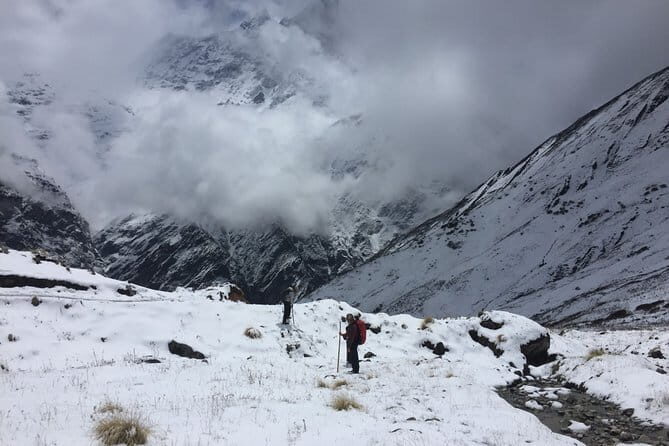
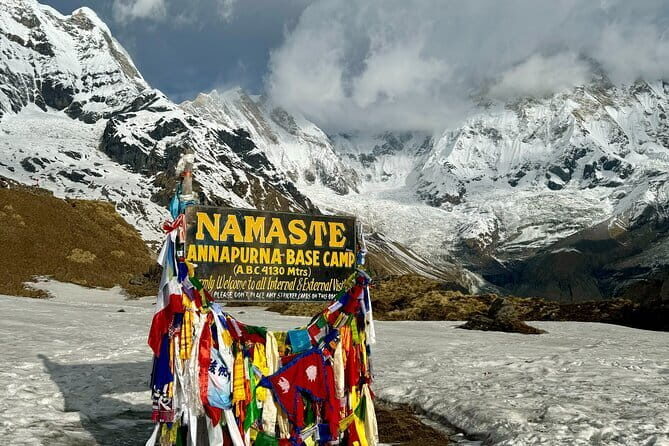
This is the signature day. You trek from Deurali to Annapurna Base Camp in about 6–7 hours, passing Machapuchare Base Camp along the way.
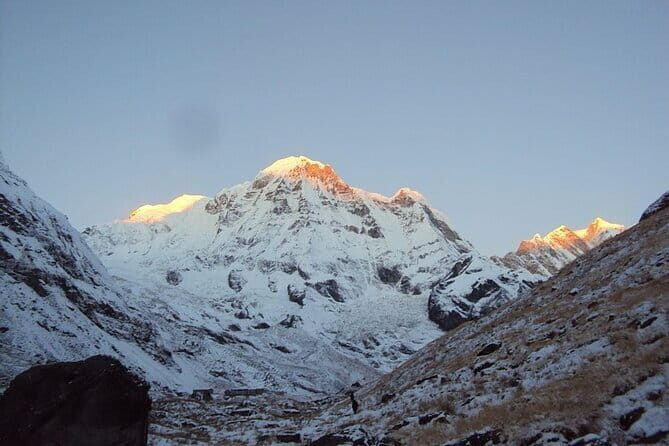
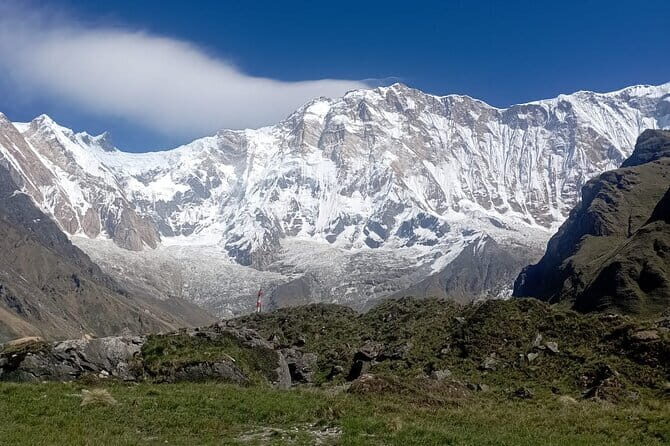
What makes this segment special is how the trail narrows into purpose. The closer you get to base camp, the more the landscape feels designed for awe: hard lines of the mountains, cold air, and that moment when you realize you’re actually at the place you’ve been picturing for months.
Even if you don’t feel “emotionally ready” when you start, you usually do by the time you reach base camp. And after you get your time for views, you’ll be ready for the next challenge, because base camp is where the return plan starts.
Base Camp back down to Sinuwa: not optional, just necessary
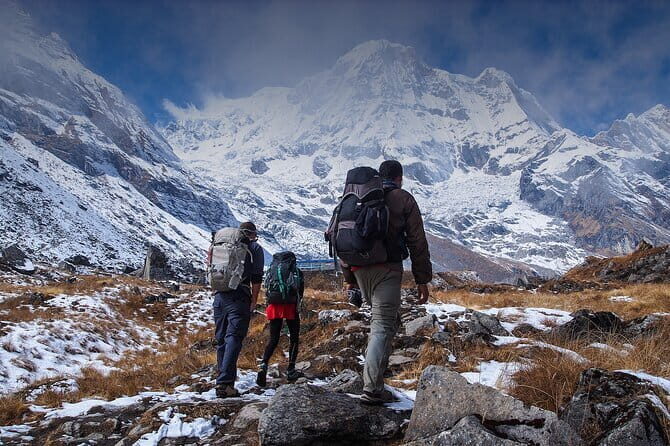
Day 8 is descent from Annapurna Base Camp back to Sinuwa, around 5–6 hours. People sometimes treat the descent like a victory lap. In reality, it’s where your knees and attention get tested. Steep downhills are more punishing than uphill hiking for many people.
So I like that this program doesn’t skip it. It gives you time to process what you saw, take photos, and then move carefully back onto familiar ground.
This is also where your guide’s pace matters. Descent is when people rush because they’re tired and excited. That’s also when slips happen. A solid guide keeps you steady.
Sinuwa to Jhinu hot springs, then Pokhara: earn your rest
On day 9, you trek from Sinuwa to Jhinu in about 5–6 hours. After you reach Jhinu, there are natural hot springs nearby, and then in the afternoon you drive to Pokhara for around 1–2 hours.
This is one of the best “reward loops” in the Annapurna region. You’re walking all day, then your muscles get a reset in warm water. It doesn’t erase fatigue, but it makes sleep easier and next-day soreness less dramatic.
Then you’re back in Pokhara for decompression before the final transfer to Kathmandu.
Kathmandu wrap-up: drive or fly, and a little freedom
On your last day, you head back to Kathmandu. You’ll choose between a scenic drive (around 7–8 hours) or a short flight. Once you’re back, you have free time for shopping or exploring before departure.
That free time is not a throwaway. After a trek, you want a chance to decompress without a strict schedule. Also, it’s practical: you can buy trekking souvenirs, replace a charger, or pick up last-minute items you realized you forgot.
Guides, safety, and why this package feels organized
This trek stands out for the human side: the guides are English, Hindi, Chinese government-licensed and first aid trained, and the emphasis is on safety and acclimatization. The team is also described as having local roots in the Annapurna region, which usually means better trail sense and less time lost to confusion.
The reviews add color that matches the structure. For example, Madan Neupane is repeatedly mentioned as handling arrangements, while guides like Rishi are noted for checking in and making a solo woman feel safe. Porters and assistants such as Arjun and Ganesh get credit for handling baggage transfers smoothly between camps, which is a big quality-of-life factor on multi-day treks.
Also, Roshan Pandey is mentioned as a guide who helped people complete the trek successfully. That’s the real goal: finishing with pride, not survival stress.
What the $700 covers (and how to judge value)
At $700 for about 10 days, the price can look either fair or high depending on what you compare it to. Here’s the value logic I see:
Included in the package:
- Airport pickup and drop, plus two nights Kathmandu accommodation before and after
- Breakfast, lunch, dinner during the trek
- All necessary trekking permit and fees
- A licensed, first aid trained guide (with English/Hindi/Chinese)
- Porter and guide costs including insurance, equipment, transport, food, and accommodation
- A duffel bag system and complementary trekking maps
- A basic first-aid kit carried by the guide
Not included:
- Tips for guide and porter
- Extra purchases you make along the way (like optional tea house items)
For most people, the “hidden cost” on trekking packages is usually paperwork, permit delays, and figuring out meal plans on the ground. This one bundles permits and fees and covers the core food plan. You’ll still want spending money for tea house extras, bottled water, and snacks, but you’re not stuck with empty days because logistics failed.
Practical prep so you don’t fight the trek
A few bits of advice that match what this trek expects from you:
- Pack light. You’ll carry what you must, but the duffel bag system helps keep essentials manageable.
- Start early in the mountains. The program starts at 6:15 am at Thamel, Kathmandu, so plan your morning routine around that.
- Bring water bottles and a backup way to charge devices (charger, power bank).
- Sun matters at altitude. Bring sunglasses.
- Carry energy snacks and chocolate for long days.
If you’re going solo, this kind of structured support is a plus. If you’re new to trekking, the acclimatization focus can reduce panic when the altitude makes you feel slower than normal.
Who this trek is best for
This Annapurna Base Camp trek fits people with moderate physical fitness who want a classic route with big views and a strong safety net. It’s also ideal if you prefer a team that handles the details: permits, food planning, and day-to-day logistics.
If you’re an expert trekker who wants a self-guided adventure, this might feel too structured. If you’re trying to reduce uncertainty in a high-altitude environment, it’s a smart match.
Should you book this Annapurna Base Camp trek?
I’d book it if you want:
- Local guides who focus on safety and acclimatization
- a well-organized route that includes Poon Hill sunrise and a real base camp finish
- permits, fees, and most trek meals handled
- a private setup where only your group participates
I would think twice if you’re hoping for a gentle stroll or if you hate early mornings. This trek is built around real hiking days, and altitude isn’t optional. But if you’re honest about your fitness and you follow the guide’s pacing, it’s exactly the kind of trip that turns into a memory you carry for years.
FAQ
Where is the start and meeting point for this trek?
The trek starts at Thamel, Kathmandu 44600, Nepal. The experience ends back at the meeting point.
What time does the trek start in Kathmandu?
The start time is listed as 6:15 am.
How long is the Annapurna Base Camp trek?
The duration is about 10 days.
What is included in the tour price?
Included items cover airport pickup and drop with two nights accommodation in Kathmandu before and after the trek, breakfast/lunch/dinner during the trek, trekking permits and fees, a licensed first-aid-trained guide, maps, and guide/porter costs (including food, transport, and accommodation). A duffel bag is also included.
What is not included?
Tips and gratitude for the guide and porter are not included. You may also buy extra meals or snacks in tea houses during the trek.
Is this a private tour?
Yes. It’s listed as a private tour/activity, with only your group participating.