REVIEW · KATHMANDU
Experience the Thrill of a Lifetime:12-Days Manaslu Circuit trek
Book on Viator →Operated by North Nepal Treks · Bookable on Viator
Hiking past Budhi Gandaki feels like stepping into a slow movie. I love the mix of quiet villages and big-mountain payoffs, and I also like that the trip handles the key parts for you: permits, lodge stays, and meals. One consideration: this is a physically demanding route, and the high pass days need good weather and solid stamina.
What makes this circuit especially worth your time is the way it changes. You start with river valleys and terraced countryside, then the air thins, vegetation shifts from forest to grasslands, and eventually you’re walking near the Tibetan border. If you want mountains without the heavy crowds on the most famous trekking routes, Manaslu is a smart target.
In This Review
- Key things I’d zero in on
- The Manaslu Circuit vibe: quieter, wilder, and more personal
- Price and logistics: is $1,500 good value for a 12-day trek?
- Your day-by-day rhythm: from Budhi Gandaki valleys to high pass terrain
- Day 1: Kathmandu area to Soti Khola (riverbank start)
- Day 2: Soti Khola to Machhakhola (forests and Gurung villages)
- Day 3: Machhakhola to Jagat via Tatopani hot springs area
- Day 4: Jagat to Philim (monasteries, chortens, and farm-focused Deng)
- Day 5: Philim to Namrung (Manaslu views and prayer flags)
- Day 6: Namrung to Samagaun (from rhododendron forests to pasture)
- Day 7: Samagaun acclimatization hike to Pungyen Gompa
- Day 8: Samagaun to Samdo (desert-path feel near the border)
- Day 9: Samdo to Dharmashala (Larkya Base Camp area)
- Day 10: Dharmashala to Larkya La Pass and down to Bimthang
- Day 11: Bimthang area trekking to Dharapani (orchards and rhododendron)
- Day 12: Dharapani back to Besisahar and transfer to Kathmandu or Pokhara
- Guides, care, and why the human part matters on Manaslu
- Tea houses and meals: what comfort looks like after long trekking days
- Wildlife spotting: possible, not guaranteed, but worth the attention
- Packing and pacing tips that fit this exact route
- Should you book this Manaslu Circuit trek with North Nepal Treks?
- FAQ
- What is included in the $1,500 per person price?
- Are trekking permits covered for the Manaslu Circuit trek?
- What kind of lodging and food should I expect during the trek?
- How physically demanding is this trek?
- Do I need travel and rescue insurance?
- How do transfers work on the first and last days?
- What if bad weather affects the trek?
- Is the trek private or shared?
Key things I’d zero in on
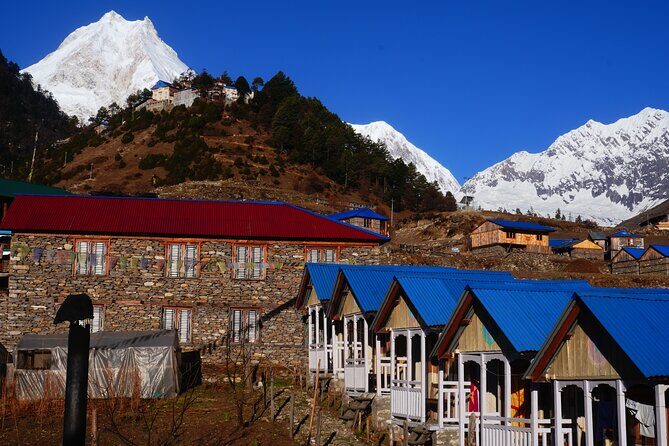
- Tea-house style comfort: you sleep in lodges along the way, so you’re hiking not camping.
- Permits handled up front: Manaslu Special, MCAP, and Annapurna ACAP are included.
- A built-in acclimatization day: Samagaun plus a hike toward Pungyen Gompa helps your body adjust.
- The Larkya La focus: the high point day tops out around 4,470 m at Larkya Pass.
- Tibetan-border feel at Samdo: desert-like walking and a Tibetan refugee camp area give the trail a different tone.
- Support that’s praised for care: in past treks with this company, guides such as Jeewan, Lalu, Zeewan, Raj, and Raj Rai are repeatedly described as professional and attentive.
The Manaslu Circuit vibe: quieter, wilder, and more personal
Manaslu Circuit is often recommended for good reason: it feels less crowded and more “in the mountains” than the routes that everyone posts about. You’re not just collecting views. You’re moving through working villages and prayer-flag corners that change day to day.
The trail also gives you a real sense of altitude. Even if you’re not chasing speed, you’ll notice thinner air as you climb toward Samagaun, and the air gets sharper the closer you get to the high camp zone. That gradual shift is useful because it matches how you should acclimatize: walk steadily, rest when the itinerary gives you breathing space, and don’t force the pace.
One more thing I like: the circuit naturally mixes cultures. Gurung communities show up in places like Lapu Besi and Philim, and you transition toward Tibetan-influenced villages such as Lhogaun and the border-area feel near Samdo. It’s the kind of variety that keeps every day from feeling like a rerun.
You can also read our reviews of more hiking tours in Kathmandu
Price and logistics: is $1,500 good value for a 12-day trek?
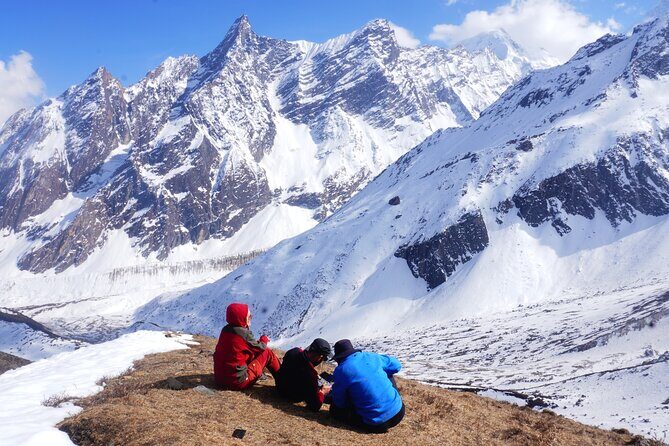
At $1,500 per person, you’re paying for a full package that includes the stuff trekkers often underestimate: permits, trained guide support, tea-house lodging, and most meals.
Here’s what you get for the price:
- Required permits (Manaslu Special, MCAP, Annapurna ACAP)
- Trekking lodge (tea house) accommodations
- Registered experienced friendly trekking guide (with food, accommodation, salary, and insurance)
- Transport to the trailhead area from Kathmandu (starting with long drives early on day one)
- Transport back to Kathmandu or Pokhara on day 12 via Jeep to Besisahar
- Meals: 12 lunches, 12 dinners, and 11 breakfasts
What’s not included (and you should budget for):
- Tips for guides and porters
- Travel and rescue insurance
- Personal expenses like laundry, bar bills, Wi-Fi, extra porters, bottle or boiled water, and shower costs
Is it worth it? For me, the value comes down to risk control and time saved. Permits and local compliance matter a lot on this part of Nepal, and having them handled means you spend your mental energy on the walk, not paperwork. Also, guide support is a real plus when you’re crossing rivers, moving through seasonal markets, and tackling the pass day.
Your day-by-day rhythm: from Budhi Gandaki valleys to high pass terrain
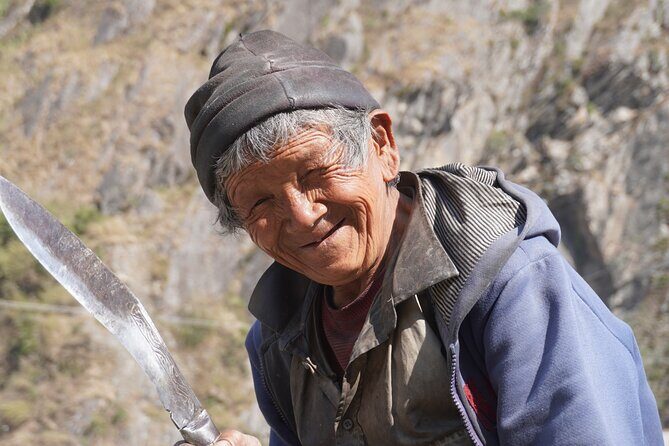
This trek is laid out in a way that builds your legs step by step. Some days are long drives or longer walking, but you also get enough structure to avoid the classic mistake: going too hard too early.
Day 1: Kathmandu area to Soti Khola (riverbank start)
You begin with an early drive along the Prithivi highway, turning onto a branch road at Malekhu, then crossing through villages and farmland before reaching Soti Khola. The riverbank path on the Budhi Gandaki side is a classic “get your boots sorted” start.
Why this day matters: it sets expectations. You’ll feel the travel time, then you start walking with a gentler first taste of trail life.
Possible drawback: it’s a long day even before the hiking begins, so don’t treat day one as a “light warm-up” in your head.
Day 2: Soti Khola to Machhakhola (forests and Gurung villages)
After breakfast, you hike through greener stretches and pass lively villages. You reach Lapu Besi, a Gurung village, then continue along a zigzag path toward Machha Khola, about 6 hours of walking.
This day is valuable because it teaches you how the trail is paced: steady ups and downs, lots of village movement, and enough scenery variety to keep morale high.
Day 3: Machhakhola to Jagat via Tatopani hot springs area
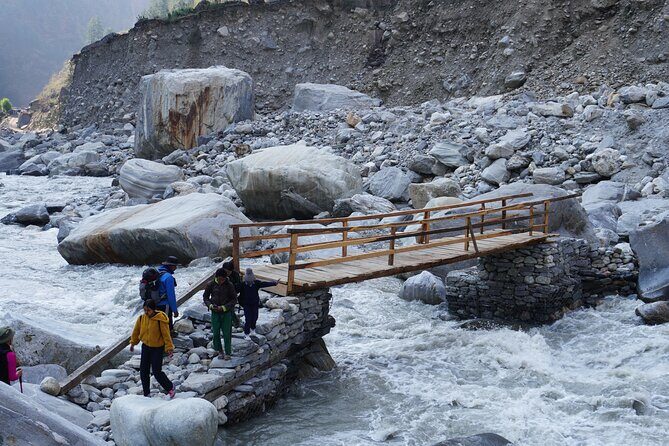
You start early and move upstream. The walk takes you toward the small village of Khola Besi and then into the Tatopani hot springs area. You cross a suspension bridge, walk through forest, then pass Doban and Lauri and cross more bridges before reaching Jagat.
Two things to think about:
- Suspension bridges become part of your mental checklist on this trek, so take it calm and step with confidence.
- Hot springs are mentioned in the route plan as a stop theme, so if you like that kind of reset, treat the day as more than just miles.
Day 4: Jagat to Philim (monasteries, chortens, and farm-focused Deng)
After breakfast, you cross another set of suspension bridges and reach Philim, mostly inhabited by Gurung communities. You’ll pass traditional houses, monasteries, and chortens, then continue toward Deng, known for agriculture.
This is a good day for people who love cultural details, because it’s not only the mountain view. It’s the built space and daily rhythms too.
Day 5: Philim to Namrung (Manaslu views and prayer flags)
You hike on a flatter trail for a bit, then climb through green forest to Namrung. Along the way, you get views of Manaslu, plus ridges and valleys. Namrung is a Buddhist village with monasteries, chortens, and prayer flags.
Practical thought: prayer flags and monastery stops can slow you down slightly, but it’s usually worth it. This day helps you feel the spiritual “language” of the trail.
Day 6: Namrung to Samagaun (from rhododendron forests to pasture)
The route winds uphill with views of the surrounding Gorkha Himal, Lajing Himal, Saula Himal, and Manaslu. Vegetation shifts as air gets thinner and colder: rhododendron forests transition toward pasture grasslands. You also walk through Lhogaun, described as a Tibetan-style village, before reaching Samagaun.
This is the “your body is noticing altitude” day. If you’ve never done higher trekking before, it’s when you should start walking slower than you think you need to.
Day 7: Samagaun acclimatization hike to Pungyen Gompa
Day seven is a key piece of the itinerary: acclimatization. You hike toward Pungyen Gompa east of the Nubri Valley. You can bring lunch and eat at rest points, and the day includes a river crossing described as taking around 2 hours on the trail.
Why this day is smart: it helps you adjust without stacking the hardest climbing on top of the previous day. You’ll also likely notice how the terrain feels more exposed as you move farther from dense lower forest.
Day 8: Samagaun to Samdo (desert-path feel near the border)
After a full day in Samagaun, you climb through a mostly desert path toward Samdo, about 4 km away and near the Tibetan border. The route notes a Tibetan refugee camp area as well.
This is the day where the Manaslu Circuit starts to feel different from the earlier valley sections. Less lush, more stark, and very “high-country.”
Day 9: Samdo to Dharmashala (Larkya Base Camp area)
This is the long approach toward the pass zone: 11.7 km / 7.2 miles, typically 3 to 4 hours from Samdo to Dharmashala (also called Larkya Phedi / Larkya base camp). You pass Larke Bazar, a seasonal Tibetan market.
The route mentions Dharmashala at around 4,470 m. That means you should treat this day as a setup, not a conquest. You’ll probably feel it in your breathing.
Day 10: Dharmashala to Larkya La Pass and down to Bimthang
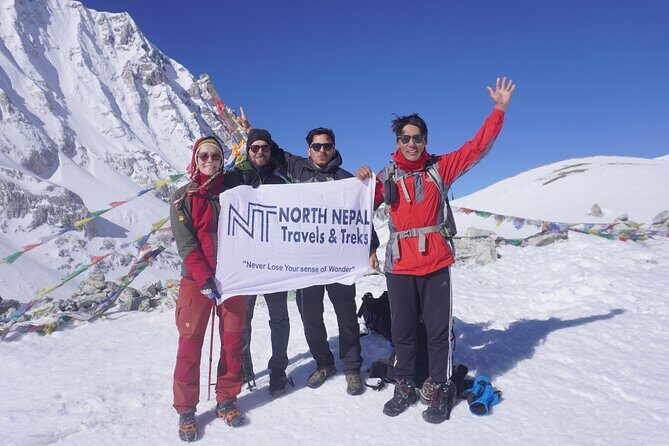
You leave early and climb to Larkya Pass, described as a moderately difficult, winding rocky trail. From the top, the views include snow-clad peaks such as Ratna Chuli, Cheo Himal, and Manaslu. Then you descend, encounter icy lakes, and continue to Bimthang.
This is the pass day. Your goal is simple:
- keep steps controlled
- don’t sprint when the trail tilts
- expect cold
If weather is poor, this is the type of day that can become stressful. The itinerary plan also says the experience requires good weather, so read that as a serious heads-up.
Day 11: Bimthang area trekking to Dharapani (orchards and rhododendron)
You start by walking across pasture land and descending to the Budhi Khola valley. You cross rivers and move through rhododendron forests. After a few hours you reach Tije, known for an apple orchard and described as famous for wine, then continue on to Dharapani.
I like this day because it feels like the “bridge” between extreme altitude walking and the return to more comfortable trekking. Also, orchard stops (apple, and the wine mention) are an easy morale boost.
Day 12: Dharapani back to Besisahar and transfer to Kathmandu or Pokhara
After breakfast, you take a 5-hour 4WD Jeep drive from Dharapani to Besisahar. Then you transfer onward to Kathmandu or Pokhara.
This final day is a nice payoff: no more high passes, just a ride out.
Guides, care, and why the human part matters on Manaslu
You’ll feel your guide’s impact most on the days when you’re tired or the weather shifts. This trek includes a registered guide with food, accommodation, salary, and insurance, and past experience with North Nepal Treks is described as strongly organized and communicative.
From the company’s history, you’ll see guide names praised for different strengths:
- Mohan for communication and post-trek hospitality (including dinner after the trek)
- Jeewan for professional, attentive guiding
- Lalu described as very professional and caring with real support for trekkers
- Zeewan for mountain knowledge and wildlife spotting
- Raj and Raj Rai for excellent English and overall comfort-making on the trek
I can’t promise which exact guide you’ll get, but the point is the same: on Manaslu, a good guide isn’t just navigation. They help you manage pace, read conditions, and keep the group calm.
Also, this is a private tour/activity, so you’re not sharing the experience with strangers.
Tea houses and meals: what comfort looks like after long trekking days
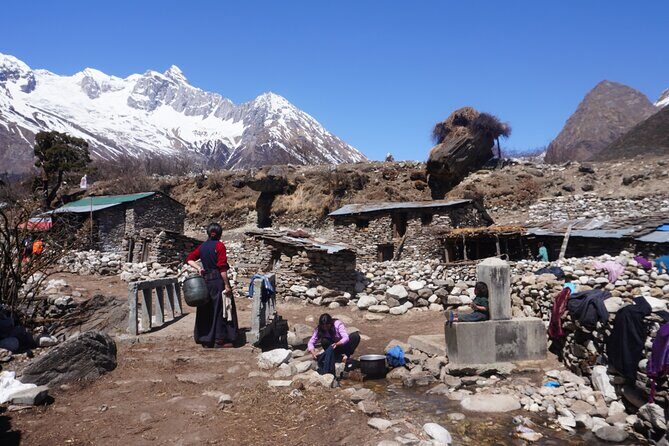
The trek uses trekking lodge (tea house) accommodation, and meals are included on a generous schedule: 12 lunches, 12 dinners, and 11 breakfasts.
What that means for you in plain terms:
- You can plan your energy without guessing where your next meal is.
- You’ll likely spend time in common areas, sharing tea and conversation, and letting your legs recover.
What’s not included is also important: bottle or boiled water costs, shower costs, Wi-Fi, and bar bills are your responsibility. That doesn’t mean you’ll be uncomfortable, but it does mean you should budget small amounts daily.
Wildlife spotting: possible, not guaranteed, but worth the attention
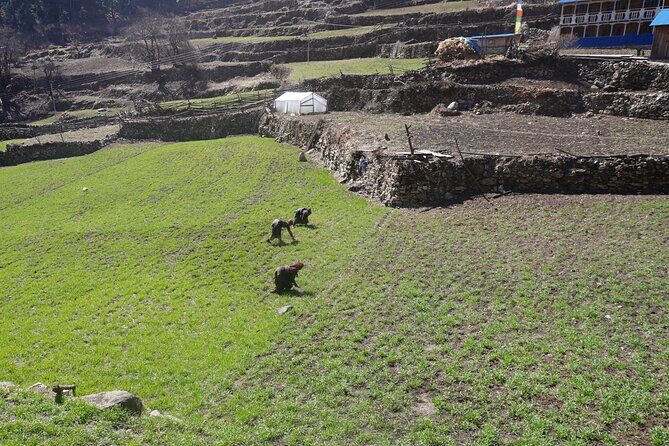
The region is described as rich in biodiversity, and you might see wildlife like Himalayan Thar, Snow Leopard, and various birds.
Reality check that helps: sightings are never guaranteed on any trek. Still, this is exactly the kind of trek where your attention pays off. If your guide has local knowledge (and this company’s guides are described as having it), you’ll have better odds of noticing tracks, birds, and changes in habitat.
Packing and pacing tips that fit this exact route
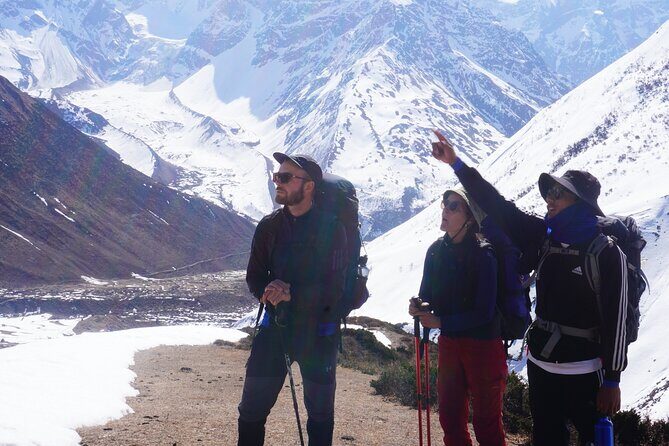
This circuit is physically demanding, and your biggest enemy is usually rushing. Here are practical ways to fit your strategy to this plan:
- Plan to walk slower than you think on ascent days, especially toward Samagaun and the approach to Dharmashala.
- For the acclimatization day near Pungyen Gompa, treat it as “practice for the height,” not a long bonus hike.
- Keep warm layers handy for the rocky pass day and colder air areas; icy lakes and high trails usually mean sudden chills.
- Budget extra for boiled water and any shower stop. Those small costs add up fast on a 12-day route.
If you have moderate fitness, you should be fine as long as you respect the itinerary structure. If you have knee issues or you hate cold, you’ll need extra caution on the pass day descent.
Should you book this Manaslu Circuit trek with North Nepal Treks?
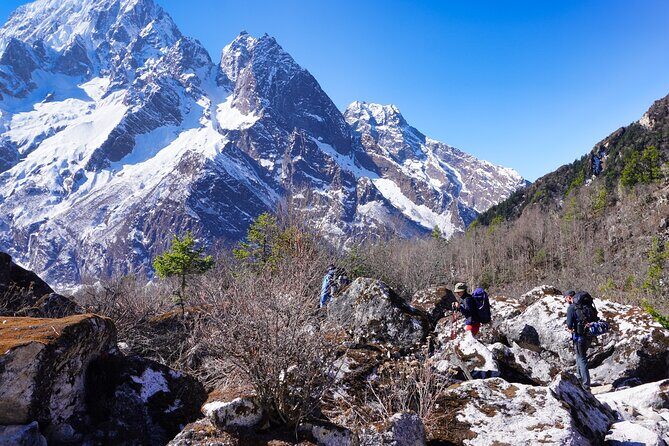
Book it if you want:
- a circuit with fewer crowds and a stronger village feel
- a trip where permits and core logistics are handled
- tea-house trekking instead of camping
- an itinerary that includes an acclimatization day before the high pass push
Skip it (or talk it over first) if:
- you’re not comfortable with a physically demanding multi-day trek
- you depend on perfect weather and don’t like plan changes
- you don’t want to manage personal expenses like water and Wi-Fi
One final decision aid: look at the Larkya La day. If that pass day sounds exciting instead of scary, this is the right kind of challenge for you. If it sounds like dread, choose a gentler circuit—or plan to train for elevation walks first.
FAQ
What is included in the $1,500 per person price?
The price includes trekking permits (Manaslu Special, MCAP, and Annapurna ACAP), tea house accommodations, a registered experienced trekking guide, public transport to reach Sotikhola at the start and from Dharapani at the end, and meals (12 lunches, 12 dinners, and 11 breakfasts).
Are trekking permits covered for the Manaslu Circuit trek?
Yes. The package includes required permits: Manaslu Special, MCAP, and Annapurna ACAP.
What kind of lodging and food should I expect during the trek?
You stay in trekking lodges (tea houses). Meals included in the plan are breakfast (11), lunch (12), and dinner (12). Personal items like bar bills, Wi-Fi, and shower costs are not included.
How physically demanding is this trek?
The experience is described as physically demanding and best suited for travelers with moderate physical fitness. It also includes a high pass day at around 4,470 meters, so good stamina matters.
Do I need travel and rescue insurance?
Travel and rescue insurance is not included. You should plan to get your own coverage.
How do transfers work on the first and last days?
You’re transported from the Kathmandu area to Soti Khola on day one. On the last day, you take a 5-hour 4WD Jeep ride from Dharapani to Besisahar, then transfer onward to Kathmandu or Pokhara.
What if bad weather affects the trek?
The experience requires good weather. If it’s canceled due to poor weather, you’ll be offered a different date or a full refund.
Is the trek private or shared?
It’s private. Only your group participates.
If you tell me your hiking experience level and whether you’re aiming for Kathmandu or Pokhara at the end, I can also help you think through realistic training and packing for the pass day.