REVIEW · KATHMANDU
Annapurna Base Camp Trek – 10 Days
Book on Viator →Operated by Himalayan Recreation Treks & Expedition Pvt.Ltd · Bookable on Viator
This trek starts with big-air views, then turns into real walking and serious mountain time. I like the way the route feeds you day-by-day progress, with comfort planned in (tea houses plus real meals), and I also like the professional guide and porter support that keeps the harder days manageable. You’re also going to love the payoff at Annapurna Base Camp (4,130m), where the weather and drama make the whole effort feel worth it. The one drawback to plan for up front: you’re working at altitude where health can shift fast, so you’ll need to be smart about pacing and acclimatization.
If you want a Himalayan trip that feels organized without feeling scripted, this one hits a good balance. I also appreciate the value for money: Kathmandu and Pokhara hotels are included, plus transport, permits coverage, and a farewell cultural dinner. If you’re prone to seasickness or hate bus rides, you’ll want to mentally prep for the Kathmandu–Pokhara travel day and the bumpy roads that can come with it.
In This Review
- Key Highlights That Make This Trek Worth Your Time
- Your 10 Days Above Everyday Life: What This Trip Really Feels Like
- Day 1 in Kathmandu: Thamel Reset and Temple-Time Focus
- Day 2: Pokhara Lakeside Setup and That First Big-View Fix
- Day 3: Chhomrong via Ghandruk Area Effort, Plus Poon Hill Views
- Day 4: Sinuwa, River Crossings, and 2,500 Steps That Teach Patience
- Day 5: The Big ABC Push—Toward Base Camp and Machhapuchhre Country
- Day 6: Retracing Steps and Enjoying the Bamboo + Wetland Feeling
- Day 7: Jhinu Danda and the Chhomrong Step Loop
- Day 8: Down to Nayapul, Back Toward Pokhara, and Lakeside Recovery
- Day 9: Kathmandu Valley Time with Patan Durbar Square
- Day 10: Last Kathmandu Stops and Airport Drop-Off
- What You’re Paying $699 For (and What Costs Extra)
- The Support Team: Guides, Porters, and Real Safety Comfort
- Altitude at Annapurna Base Camp: The One Thing You Must Respect
- Who This Trek Fits Best (and Who Might Want a Different Style)
- Should You Book Annapurna Base Camp for 10 Days?
- FAQ
- How long is the Annapurna Base Camp trek?
- Where does the trip start and end?
- What altitude do you reach at Annapurna Base Camp?
- What kind of accommodation is included during the trek?
- Is a guide included?
- What meals are included?
- How do you travel between Kathmandu and Pokhara?
- What extra costs should I budget for?
- Do I need travel insurance?
- What is the cancellation policy?
Key Highlights That Make This Trek Worth Your Time

- ABC at 4,130m: the real goal, reached after a solid rhythm of uphill and downhill days
- Small group size (max 12) with a private group setup, so it doesn’t feel crowded on the trail
- Tea-house nights for 6 nights during the trek, with practical comfort and good hot food
- Support crew included: government-licensed guide plus porters, first aid kit, and local help
- Pokhara viewpoint add-ons like Sarangkot and Phewa Tal time to reset your body after trekking
Your 10 Days Above Everyday Life: What This Trip Really Feels Like
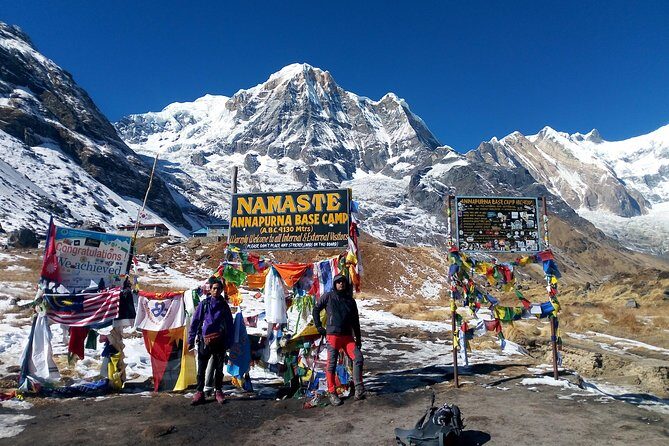
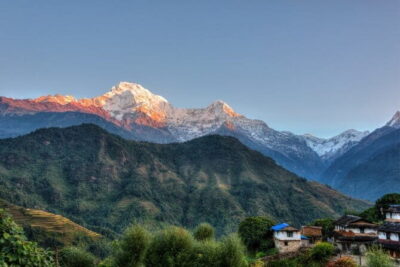
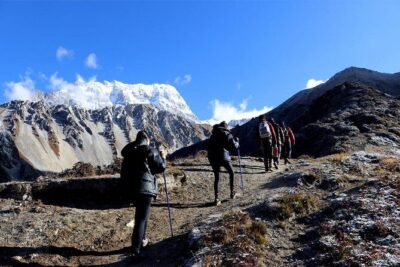
Annapurna Base Camp is not a stroll. It’s a mix of steady effort, changing weather, and constant visual rewards. One day you’re on uneven stone steps and forest paths, the next you’re watching glaciers and big peaks like they’re hanging close enough to touch. The best part is that you’re not doing it alone. You get guided support, tea-house hosting, and a clear plan that still leaves room for you to move at a sensible pace.
The overall arc is classic: Kathmandu to Pokhara, then into the Annapurna Conservation Area style hiking. You walk through ethnic villages and rhododendron-heavy sections, then work your way to Chhomrong and Sinuwa, and finally push toward the base camp area. On the way down, you’re essentially repeating the route’s bones with fresh legs and a more relaxed mindset. That rhythm matters because it’s how you avoid turning a great trip into a miserable one.
This is also one of those trekking itineraries that can be very couple-friendly. Shared walking time, shared views, and shared recovery meals all add up. If you want a romantic trip that’s not just sitting in a pretty place, ABC delivers.
You can also read our reviews of more hiking tours in Kathmandu


Day 1 in Kathmandu: Thamel Reset and Temple-Time Focus
You land at Tribhuvan International Airport, meet the staff, and get transported to your hotel. From there, Day 1 is about getting your bearings fast. You’ll spend time around Thamel, the tourist hub where you’ll find trekking gear help and last-minute purchases if you need them.
Then you hit major Kathmandu icons on your timeline: Kathmandu Durbar Square and Pashupatinath Temple. Both are worth your attention because they show Nepal as more than a gateway. Durbar Square gives you the city’s historic core feel, while Pashupatinath adds a spiritual energy that can be quiet and intense at the same time.
What I like here: you don’t waste your first day hiking. You get culture, good orientation, and time to settle your body before the travel day to Pokhara.
A small consideration: temple days can mean walking uneven areas and standing for some time. If your knees are already unhappy, plan for slower pacing.
Day 2: Pokhara Lakeside Setup and That First Big-View Fix
Day 2 is your transition day. You head toward Pokhara using road transport, and the views from the ride can be a nice preview of what’s coming. Once you’re in Pokhara Lakeside, you’re positioned in a comfy base area to rest and take in the city.
You also have stops connected to viewpoints back in Kathmandu timing-wise: Swayambhunath and Chandragiri Hills appear in the day’s flow. Even if you don’t treat them as a full hiking mission, these stops matter because they train your eyes. You start noticing elevation, ridgelines, and how quickly weather can shift.
Then you end the day in Pokhara, where the mood is different from Kathmandu. It’s easier to exhale. You’ll want that, because Day 3 starts the trekking build-up.
Day 3: Chhomrong via Ghandruk Area Effort, Plus Poon Hill Views
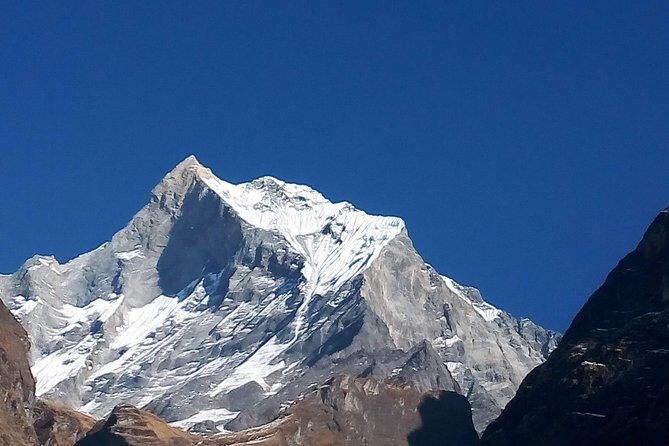
Day 3 leans into trekking reality. You head toward Chhomrong, and the route description points to a steady climb-and-descend rhythm through woodlands and rhododendron areas. It also calls out uneven trails, which is a big deal. Nepal doesn’t do smooth, predictable footpaths the way some easy treks do.
The segment around Ghandruk is often where people start feeling the terrain under their legs. Even if your legs are okay, your lungs may notice altitude earlier than you expect. Take it easy. Your goal is to finish feeling proud, not destroyed.
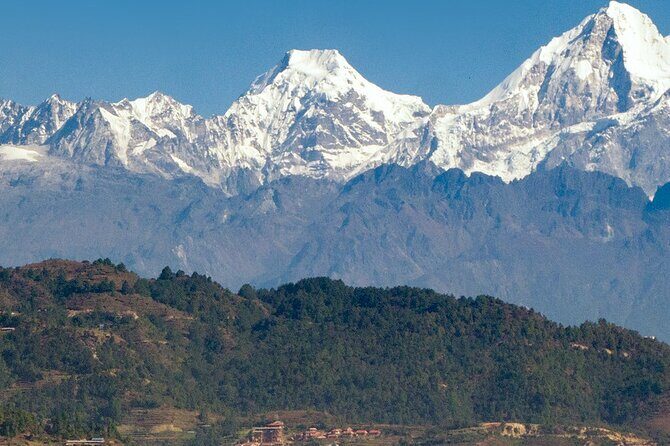
This day also includes Poon Hill time. Poon Hill is famous for sunrise views, but even without turning it into a strict photography quest, it gives you a rewarding perspective of the Annapurna region. Think of it as a mental marker: you’ve left the city behind and you’re now in mountain mode.
If you’re sensitive to cold in the morning, Poon Hill and early walking can feel bracing. Bring layers, and don’t underestimate how fast warmth leaves when the sun drops behind peaks.
Day 4: Sinuwa, River Crossings, and 2,500 Steps That Teach Patience
Day 4 goes to Sinuwa, and the route note is very specific: you cross a river and climb around 2,500 stone steps carved into the hillside. That kind of stair day can be either manageable or annoying, depending on how you pace.
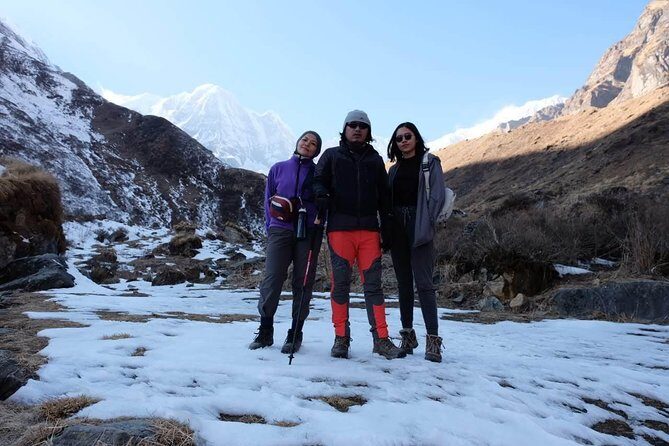
Here’s the practical takeaway: don’t chase speed on step days. Short steps, steady breathing, and frequent pauses beat “powering through.” Your guide and team will manage the schedule, but you own your body. If you’re with a small group, you can also space yourselves out and avoid getting dragged by faster walkers.
Along the way, you’ll keep getting glimpses of the mountains as the trail angles open. The effort is part of the payoff. When you finally reach Sinuwa, you’ll feel that switch from climb-focus to rest-focus.





Day 5: The Big ABC Push—Toward Base Camp and Machhapuchhre Country
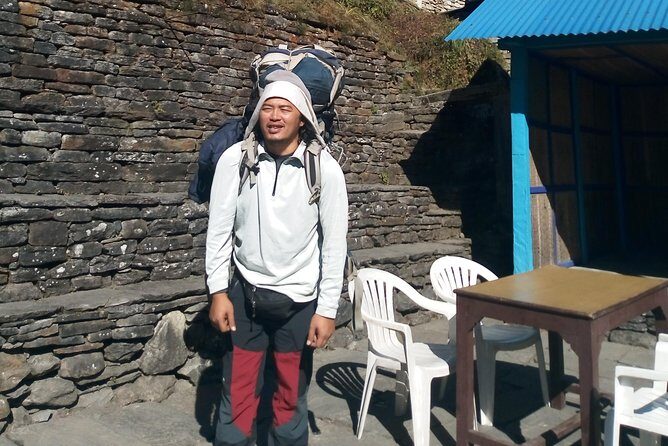
Day 5 is labeled as the start of the ABC climbing effort. The route narrative mentions climbing gently alongside the riverbed, then moving over mountainous terrain toward Bagar, with Machhapuchhre Base Camp referenced along the way. That gives you a hint of what’s happening: you’re not just climbing in a straight line, you’re walking through a network of high-rim valleys and ridge lines that constantly reframe the view.
This is also described as somewhat strenuous. That doesn’t mean it’s impossible. It means you should expect tired legs and a slower pace than you had earlier in the week. If you treat this as a “long day” instead of a “hard sprint,” you’ll feel more in control.
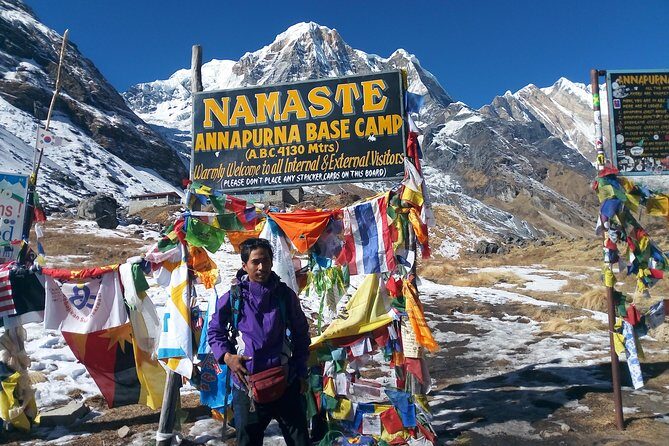
When you reach the Annapurna Base Camp area at 4,130m, you’ll understand why people keep coming back. The base camp environment is high, cold, and exposed. Even when skies are clear, the light can shift quickly. That’s why your timing and your layers matter more than you think.
Day 6: Retracing Steps and Enjoying the Bamboo + Wetland Feeling
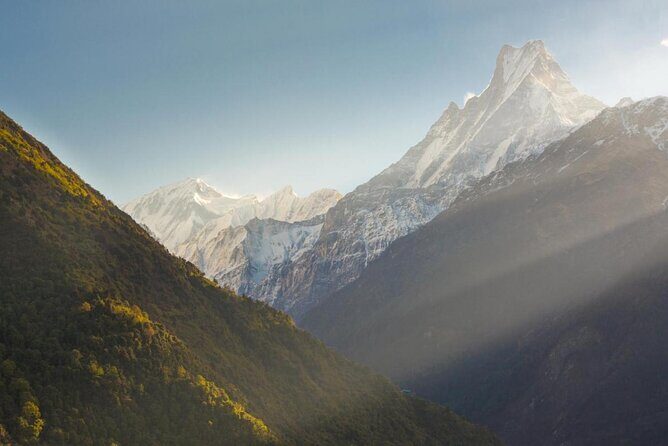
Day 6 is a return day, heading back toward bamboo. This is where trekking often becomes surprisingly enjoyable. After a big push, retracing can feel like you’re “undoing,” but the mood changes. You notice the details more because you’re not forcing yourself to climb.
The route description talks about a moist wetland feel and a trail that passes over small streams or wet areas. That matters because it changes how your boots feel and how your body deals with cold. Even if it’s not a storm day, wet terrain can drain warmth.
What I like about this day: it gives you a chance to reset without fully losing the gains from reaching the top goal. It also sets you up for the next day’s descent-to-reclimb pattern.
Tip: keep your shoes dry as best you can each evening. When you’re at altitude, damp fabric can make the cold feel sharper.
Day 7: Jhinu Danda and the Chhomrong Step Loop
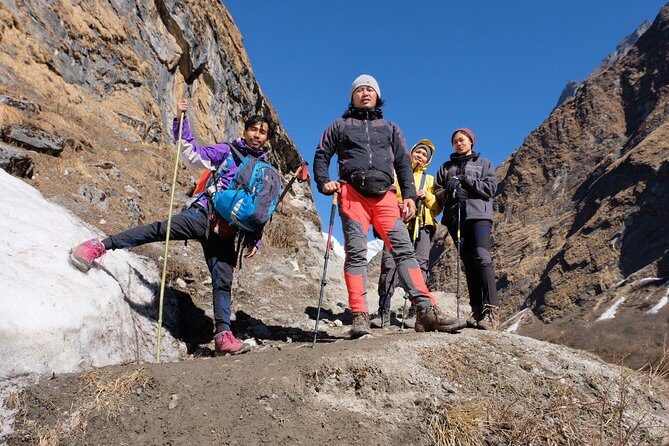
Day 7 is mapped through Jhinu Danda, with a pattern described as racing your steps back uphill toward Kuldighar, then descending toward the Chhomrong Khola, then climbing stone steps again to Chhomrong. That kind of day has a rhythm: up, down, up, down. You won’t just be “tired,” you’ll be rhythm-tired.
This is often the day where mental attitude matters most. If you’re still feeling strong, the day can feel almost playful. If you’re dragging, it becomes about discipline: take the steps slower, drink consistently, and trust that you’re still moving forward.
If you like your trekking with variety instead of monotony, this loop-style routing helps. You keep moving, but you’re not stuck on the same terrain texture for hours.
Day 8: Down to Nayapul, Back Toward Pokhara, and Lakeside Recovery
Day 8 takes you from Jhinu toward Nayapul, then back into the countryside to Pokhara. The route notes mention rice plantations and dramatic distant Annapurna views as you walk. That’s a big emotional shift from the high camp area. The air feels more forgiving, and your body starts to remember what normal walking feels like.
Once you reach Pokhara, you get downtime around Phewa Tal (the lake) and Sarangkot. Sarangkot is one of those places that helps you process what you just did. You look out over the region, feel the breeze, and suddenly the trek becomes a story you can repeat calmly.
What I like: this isn’t a “just transfer and sleep” day. You get a real reset that doesn’t waste your final days.
Day 9: Kathmandu Valley Time with Patan Durbar Square
Day 9 is the long travel day back to Kathmandu. The plan calls for driving from Pokhara and gives you a choice: you can return the same day or stay longer if you want extra time.
If you’ve ever felt like you missed Kathmandu after trekking, this day helps fix that. You get Patan Durbar Square time, which is a great contrast point to the Durbar Square you saw earlier. Two historic cores, two different vibes.
Practical note: after trekking, city walks can feel harder than expected because you’re used to a steady trail cadence. Keep it light, stop often, and treat sore ankles as a valid reason to take the stairs slower.
Day 10: Last Kathmandu Stops and Airport Drop-Off
Your final day is all about finishing strong. You’re assisted with last preparations and then dropped at Tribhuvan International Airport. The itinerary includes Garden of Dreams and Narayanhiti Palace Museum.
This is a smart close-out combination. Garden of Dreams gives you a gentle, green-lounge moment after altitude and cold. Narayanhiti adds a cultural and historic note, so your trip doesn’t end as only an outdoor achievement.
If you have extra time before your flight, prioritize a quiet walk over shopping marathons. After a trek, your body will thank you for the calm.
What You’re Paying $699 For (and What Costs Extra)
The headline price is $699 per person, and the value here comes from what’s included, not just the number.
Included highlights that matter:
- Hotels: 2 nights in Kathmandu and 2 nights in Pokhara, with breakfast (3-star category)
- Tea-house nights for 6 nights during the trek
- Local transport: Kathmandu–Pokhara–Kathmandu by tourist bus, plus Pokhara–Nayapul–Pokhara by private car
- Guide and team costs: a government license holder trekking guide plus food, drinks, accommodation, insurance, equipment, local tax coverage
- Farewell dinner with cultural show
- Dinner and multiple breakfasts (the package lists breakfast nine times)
What costs extra:
- Lunch and dinner in Kathmandu and Pokhara are listed as $150 per person
- Gratuities are $50 per person
- Travel insurance covering medical expenses and emergency repatriation is required to join
My quick value take: if you already know you want a guided ABC trek with tea houses and proper support, this package looks reasonably priced because a lot of the “hidden” costs (guide pay, basic logistics, taxes) are handled. What you should do is budget the add-ons, then compare it to DIY costs plus guide/permit complexity.
The Support Team: Guides, Porters, and Real Safety Comfort
One reason this trek earns strong feedback is the way the team shows up day after day. Names that come up in past trek experiences include guides like Santosh and Asok, and porter support credited to people such as Raju Simkhada (often called Rash). Some people also mention staff like Dibo and Varat for on-the-ground help.
Even without caring about names, you can still judge the structure:
- You get a government license holder guide
- There’s a first aid kit
- The team is trained in basic first aid and knows the closest medical facilities
- The company includes guide equipment and local transport in the planning
For you, that translates into less stress. You don’t need to become an expedition manager. You can focus on your pace, your hydration, and learning what your body can handle.
Altitude at Annapurna Base Camp: The One Thing You Must Respect
You’re hiking to 4,130m. Altitude is not a fear story; it’s a reality you plan around.
The trip info makes it clear that weather can vary wildly and that adverse health effects can happen to anyone. The best move is simple:
- Talk to your doctor before you go
- Bring the right gear (you can buy or rent trekking gear in Kathmandu, with guide help)
- Use your own signals: if you feel off, slow down or speak up early
Also, travel insurance that covers medical expenses and emergency repatriation is required. That sounds formal, but it’s exactly what you want for a high-altitude itinerary.
Who This Trek Fits Best (and Who Might Want a Different Style)
This is a great match if:
- You have moderate physical fitness and can handle demanding altitude days
- You want a guided trek with tea-house comfort
- You like the idea of small groups (up to 12) and a private group setup
- You want a trip that works for couples, with shared walking days and viewpoint breaks
It may not fit as well if:
- You hate steps and uneven trails
- You’re uncomfortable with cold and wet conditions at altitude
- You’re looking for a purely easy walk with minimal exertion
Should You Book Annapurna Base Camp for 10 Days?
If you’re craving a real Himalayan achievement without turning it into a complicated project, I’d say this trek is a strong option. The included hotels, tea-house structure, and guide support make the plan feel solid. The altitude goal is serious, but the trip is also built around common sense pacing and support.
Book it if you want the classic ABC experience with Pokhara viewpoint time and a team that takes safety seriously. Pass or reconsider if you know you struggle with altitude health, long step days, or cold wet terrain. If you do decide to go, take the preparation part seriously, pack smart, and treat your first high days gently. The mountains reward patience.
FAQ
How long is the Annapurna Base Camp trek?
The trek is listed as 10 days (approx.).
Where does the trip start and end?
It starts in Kathmandu, Nepal, and you return to Kathmandu at the end for airport drop-off.
What altitude do you reach at Annapurna Base Camp?
Annapurna Base Camp is listed at 4,130m / 13,550 feet.
What kind of accommodation is included during the trek?
You get 6 nights in tea houses during the trekking portion.
Is a guide included?
Yes. The tour includes a government license holder trekking guide, plus first aid kit and basic first aid training.
What meals are included?
The package includes breakfast (9 times) and dinner. Lunch and other meals in Kathmandu and Pokhara are not included unless specified.
How do you travel between Kathmandu and Pokhara?
The plan includes Kathmandu–Pokhara–Kathmandu by tourist bus, and Pokhara–Nayapul–Pokhara by private car.
What extra costs should I budget for?
Lunch and dinner in Kathmandu and Pokhara are listed as $150 per person, and gratuities are listed as $50 per person.
Do I need travel insurance?
Yes. Travel insurance covering medical expenses and emergency repatriation is required, and you must show proof to the tour leader on the first day.
What is the cancellation policy?
You can cancel for a full refund up to 24 hours in advance. If you cancel less than 24 hours before the experience start time, the amount paid is not refunded.