REVIEW · KATHMANDU
Nepal Cultural Highlights Tour in 10 Days
Book on Viator →Operated by Asian Heritage Treks and Travels · Bookable on Viator
Nepal goes by fast when you have a plan. This 10-day Kathmandu–Chitwan–Pokhara cultural route keeps things organized with private driving, guided visits, and a small group size. I especially like the max 10 travelers setup for calmer pacing, and the fact that your guide handles transfers and daily logistics so you are not stuck building an itinerary from scratch. One consideration: there is a lot of time in the car, and some days start early.
You’ll also get a real mix of Nepal: UNESCO temple squares in the Kathmandu Valley, wildlife time in Chitwan National Park, and sunrise views from Sarangkot over the Himalayas. The package is priced like a convenience-forward deal: land transport, hotels, a local English-speaking guide, and key admissions are covered—so you can focus on the places, not the planning.
In This Review
- Quick hits before you go
- 10 days across Nepal without the planning headache
- Kathmandu Valley: Durbar Square, Swayambhu, Boudha, and Pashupatinath
- Kathmandu Durbar Square
- Swayambhunath (Monkey Temple)
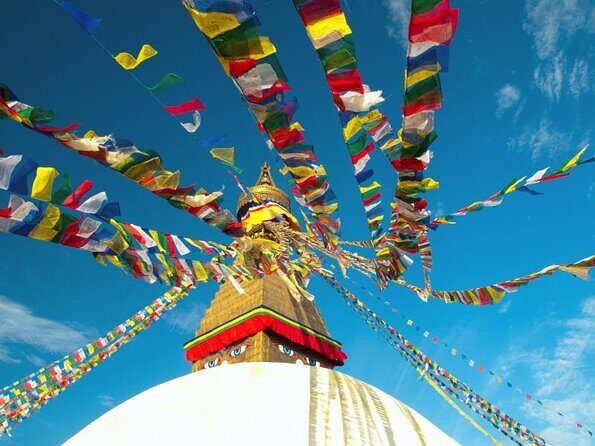
- Boudhanath Stupa (UNESCO)
- Pashupatinath Temple in the evening
- Days 3: Patan and Bhaktapur’s UNESCO city squares
- Patan Durbar Square
- Bhaktapur Durbar Square
- Chitwan National Park: canoe on the Rapti River
- How the day is set up
- Rapti River canoeing and wildlife spotting
- What else you’ll do in Chitwan
- Day 6 and the Lumbini link: bird watching along the Rapti River
- Day 7 drive to Pokhara: Siddhartha Highway and a change of pace
- Day 8 in Pokhara: Sarangkot sunrise, Devi’s Fall, Gupteshwor, and World Peace Stupa
- Sarangkot sunrise
- Devi’s Fall
- Gupteshwor Cave
- World Peace Stupa at the end of the day
- Day 9: Bandipur stop before heading back to Kathmandu
- Day 10: transfer to Kathmandu International Airport
- Price and value: what $1,699 buys you in Nepal
- What to budget for outside the package
- Who this tour is best for (and who should think twice)
- Should you book this Nepal Cultural Highlights Tour?
- FAQ
- Where does the tour start and is pickup included?
- How many people are in the group?
- What’s included in the $1,699 tour price?
- Are meals and drinks included every day?
- Does this tour include international flights and travel insurance?
- Can I get a full refund if my plans change?
Quick hits before you go
- Small group size (max 10) for more personal attention and less rushing.
- Private vehicle transfers across Kathmandu, Chitwan, Lumbini, Pokhara, and Bandipur.
- UNESCO entrance fees included for the World Heritage site stops.
- Chitwan on the Rapti River with canoeing and wildlife viewing opportunities.
- Sarangkot sunrise with Himalayan mountain views built into the schedule.
- Historic city centers in Kathmandu Valley: Kathmandu, Patan, and Bhaktapur.
10 days across Nepal without the planning headache
This tour is built for first-time visitors and anyone who just wants Nepal to run on rails. Instead of juggling transport, booking hotels, and translating everything on your own, you get an experienced local English-speaking guide plus all land private-vehicle travel between far-apart regions.
That matters because Nepal is not one place—it is many places. In 10 days you’re covering Kathmandu Valley heritage, Chitwan wildlife, Lumbini, and the Pokhara area, plus a stop in Bandipur on the return. It is ambitious, but the structure keeps it doable.
The small-group limit (10 max) also changes the feel. You usually get a smoother flow at busy sites, and there’s more flexibility to ask questions—especially when the stops include religious sites that benefit from context.
You can also read our reviews of more tours and experiences in Kathmandu.



Kathmandu Valley: Durbar Square, Swayambhu, Boudha, and Pashupatinath
Day 1 and Day 2 are your “get your bearings fast” introduction to Kathmandu. You arrive at Kathmandu International Airport, meet your driver outside the terminal, and transfer to a hotel in Thamel, the well-known tourist area.
Kathmandu Durbar Square
On Day 2, Kathmandu Durbar Square is your first major hit. It’s a concentrated look at old temples and carved architecture that defines Kathmandu’s historic core. The pace here is ideal on day one because it’s within a walk-and-look kind of route: you can slow down, take in details, and still cover the key landmarks without burning your whole day.
Admission is listed as free for this stop, which is a nice little bonus in the package rhythm.
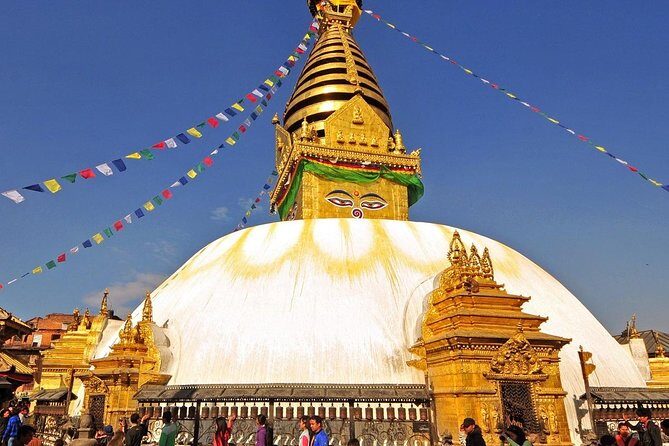
Swayambhunath (Monkey Temple)
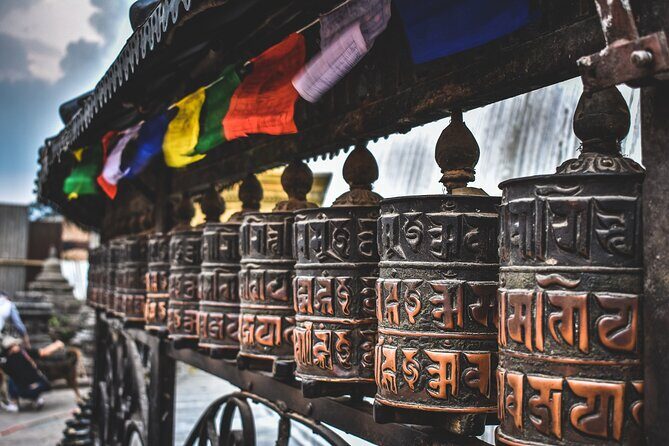
Next comes Swayambhunath Stupa, also called Monkey Temple. You’re going up to a hilltop viewpoint where the stupa is the star, reached from two sides. The big value of this stop is the combination of spirituality and perspective—you’re literally elevated above the city.
Tip: expect active viewpoints and stairs. Even if you’re not a stairs person, this is one of those places where the effort is part of the payoff.
Boudhanath Stupa (UNESCO)
Then it’s Boudhanath Stupa, described as one of the biggest stupas in the world and a UNESCO World Heritage site. You get free time here to lunch and watch devotees at work—rituals, the calm repetition of visits, and the slow pace of people who treat the place as part of everyday life.
This is the kind of stop that feels different from a standard sightseeing loop. If you want Nepal beyond postcard temples, this is one of the best anchors.



Pashupatinath Temple in the evening
The day finishes with Pashupatinath Temple, an important Hindu pilgrimage site along the Bagmati River. The itinerary notes that cremation ceremonies take place there. That can be emotionally intense, and it may feel unfamiliar if you’re used to tourism being separate from everyday religious practice.
Practical consideration: dress and behavior matter at pilgrimage sites. Keep things respectful, and if you feel uncomfortable with the ceremony context, just stay aware of your comfort level and observation distance.
Days 3: Patan and Bhaktapur’s UNESCO city squares
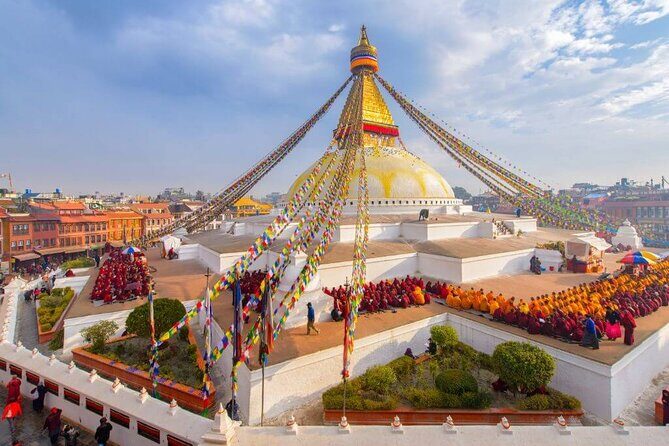
Day 3 is all about Kathmandu Valley’s other historic centers: Patan Durbar Square and Bhaktapur Durbar Square. The payoff is seeing the region from different angles, not just repeating the same type of temple square.
Patan Durbar Square
You drive to Patan and focus on its ancient city core. The itinerary points to UNESCO World Heritage sites here and specifically mentions the Krishna Temple. This kind of stop works well when you already had your first day’s temples in Kathmandu—Patan gives you contrast in architectural style and the feel of a city that grew its traditions over time.
Bhaktapur Durbar Square
Then you move to Bhaktapur, described as one of the largest and most-preserved medieval Malla-period city centers. Bhaktapur also gets credit for well-preserved local traditions, including pottery.
What I like about this day is that it shifts from religious landmark viewing into cultural craft and city texture. You are still sightseeing, but it feels more like stepping into how people historically built their everyday lives.
Chitwan National Park: canoe on the Rapti River
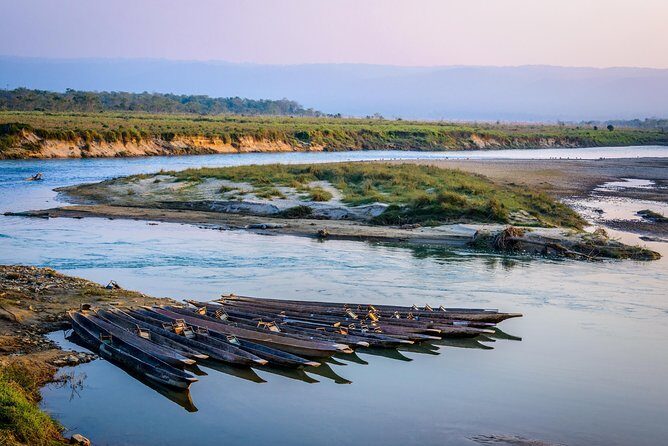
After three heritage-heavy days, Day 4 pivots hard into nature with Chitwan National Park. It’s about a 160-kilometer trip southwest from Kathmandu, and the journey itself is described as beautiful drive time through the route.
How the day is set up
Day 4 is your travel-and-settle day. Day 5 is where the action starts, and it’s built around water and wildlife: you do canoeing on the Rapti River.
Rapti River canoeing and wildlife spotting
The itinerary lists canoeing on the Rapti River and points you toward wildlife viewing—watching Marsh Mugger and Gharial crocodiles resting by the river. Even without guaranteeing a sighting every trip (wildlife is never 100% predictable), the structure gives you a real shot at seeing Chitwan as it is: a wetland system where animals are part of the scenery.
What else you’ll do in Chitwan
Day 5 includes additional sightseeing beyond canoeing, but the provided details focus mainly on the river experience and wildlife observation. Still, what’s clear is that Chitwan is treated as more than a one-stop photo stop; it’s a day built for being out and paying attention.
Day 6 and the Lumbini link: bird watching along the Rapti River
Day 6 moves you toward Lumbini, but keeps the theme of watching nature by including bird activity. The itinerary mentions bird watching along the Rapti River bank, noting that Chitwan is one of the best places for bird watching while in Nepal.
This is a smart contrast day. If the canoeing and wildlife feel intense, bird watching is calmer. It also helps you notice the smaller stuff—movements, calls, and the way animals use cover—rather than only chasing big moments.
Day 7 drive to Pokhara: Siddhartha Highway and a change of pace

Day 7 is a long but scenic transfer: you drive from Lumbini to Pokhara via the Siddhartha Highway, described as connecting the Terai region with the mountain region.
This is the kind of day that can feel like filler if you hate road time. But if you like watching how the country changes with elevation and geography, it’s a good shift. It also sets up Day 8, which starts early.
The key thing to remember: even on a comfort-focused tour, you are still traveling. So plan your expectations. This day is about getting to a new base for sunrise views and waterfall/cave stops.
Day 8 in Pokhara: Sarangkot sunrise, Devi’s Fall, Gupteshwor, and World Peace Stupa
Day 8 is a full mix of viewpoint, waterfall, cave, and a big spiritual monument.
Sarangkot sunrise
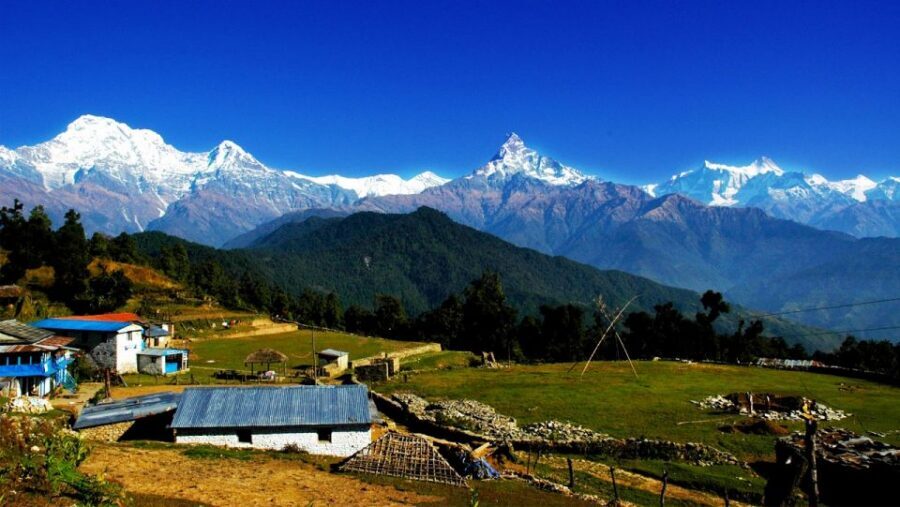
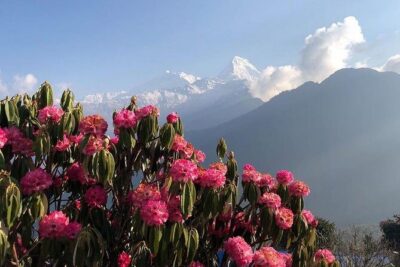
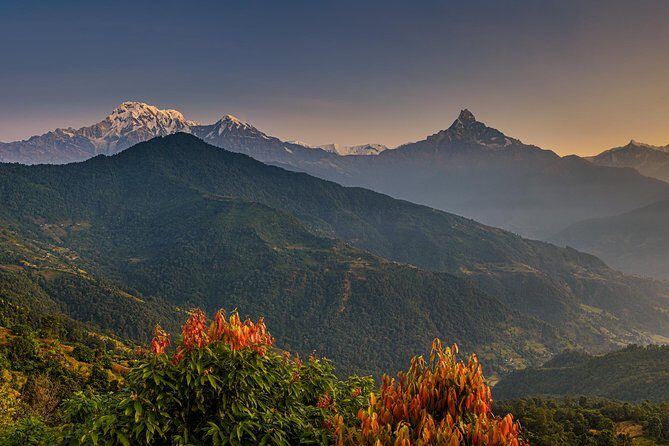
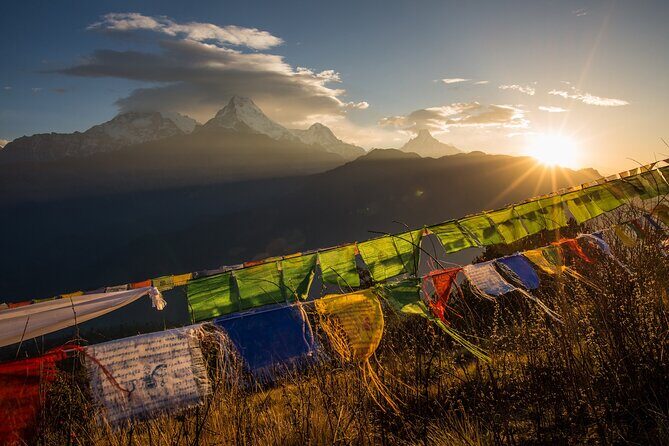
You head to Sarangkot early morning for sunrise. The itinerary promises breathtaking views over the Himalayan mountains and notes the introduction to 8000+ meter peaks (without naming them). After sunrise, there’s breakfast before the rest of the day.
I like this structure because you get the early effort back as a payoff: the morning is likely the best light and the best chance to see mountain silhouettes clearly. If you value scenery, this day is one of the tour’s core reasons to exist.
Devi’s Fall
Then it’s Devi’s Fall, described as a famous spot for both tourists and locals. The interesting part here is that the waterfall continues underground, making it a unique stop.
Gupteshwor Cave
Next is Gupteshwor Cave, located across the street from Davis Waterfall (the itinerary names Davis Waterfall as a reference point). You can see the flow of the waterfall from inside the cave.
If you prefer your sightseeing to be physical and slightly quirky, this is your block. Just wear footwear suitable for wet and uneven spots, because caves and waterfall areas can be slick.
World Peace Stupa at the end of the day
Finally, you conclude with the World Peace Stupa, a white-domed Buddhist monument symbolizing peace, built by Japanese monks. It sits on a hilltop with views over Phewa Lake, and the itinerary says it promotes harmony.
The practical advantage of finishing with the stupa is timing: it’s a natural wrap-up after walking around falls and caves. You also get another “pause moment,” where the goal is less photo sprinting and more slow looking.
Day 9: Bandipur stop before heading back to Kathmandu
Day 9 returns you toward Kathmandu with a stop in Bandipur, an old town. You make a break of around 1 hour to explore, then continue driving after lunch (at your own expense).
What makes Bandipur worth it here is the contrast. You’ve been in temple zones and wildlife settings; Bandipur adds a different kind of character—an older town you can glance at without fully changing your travel rhythm.
Day 10: transfer to Kathmandu International Airport
Your last day is straightforward. About 3 hours before departure, you’re transferred to Kathmandu International Airport for your flight onwards.
This is one of those small touches that saves stress. You’re not scrambling for a ride at the worst possible moment.
Price and value: what $1,699 buys you in Nepal
At $1,699 for 10 days, you’re paying for more than tickets and entry fees. You’re paying for organized movement and guided context.
Here’s what’s explicitly included:
- All land transportation by private vehicle
- Hotel accommodation
- An experienced, English speaking local tour guide
- All government and local taxes
- Entrance fee for World Heritage Sites
- Breakfast (9) plus Lunch (2) and Dinner (2)
So you’re not just touring temples—you’re also getting logistical coverage that otherwise burns time and energy on your own. When you combine that with the small group size and the fact that pickup is offered, the price starts to look more like a “time you get back” cost.
What to budget for outside the package
Not included items can matter more than you think:
- Tipping for guide and driver
- Travel insurance
- International flights
- Upgrading rooms/services at hotels
- Donations in temples/schools/monasteries
- Food everywhere except Chitwan
- Drinks/ beverages bills
- Anything not listed under included
One caution: the meal details are not “every meal every day.” Breakfast is covered (listed as 9). Some lunches and dinners are included (listed as 2 each), but other meals and drinks are for your own budget. If you expect an all-inclusive-style setup, you’ll likely need to adjust.
Who this tour is best for (and who should think twice)
This is a strong fit if you:
- Are a first-time visitor who wants help with language barriers and local navigation
- Prefer a small group instead of a huge bus crowd
- Want to see multiple regions—Kathmandu Valley, Chitwan, Lumbini, Pokhara—without planning every transfer
- Like having a guide explain what you’re seeing, especially at active religious sites
You might think twice if you:
- Hate long road days (the itinerary lists an 8-hour drive on one day)
- Get stressed by early mornings (Sarangkot sunrise is early)
- Don’t feel comfortable around intense pilgrimage context—Pashupatinath involves cremation ceremonies
Should you book this Nepal Cultural Highlights Tour?
If your goal is Nepal with structure—temples, wildlife, and scenery—this tour is easy to recommend. The biggest strength is that it saves you time and guesswork: private transfers, a local English-speaking guide, hotels handled, and World Heritage admissions covered. For many travelers, that turns Nepal from a to-do list into a real trip.
My call: book it if you want a guided sampler that still feels authentic, and you’re okay sharing the schedule with a small group. If you want maximum free time to wander independently every day, or you hate sitting in vehicles for hours, you may want a more flexible, custom-style itinerary instead.
If you do book, plan your budget for tipping, meals not included (especially outside Chitwan), and drinks. Also keep your expectations realistic on wildlife and ceremonies: some moments are awe-inspiring, and some are emotional. That’s Nepal doing what Nepal does.
FAQ
Where does the tour start and is pickup included?
The tour starts at Tribhuvan Airport in Kathmandu, Nepal. Pickup is offered, and after arrival you’ll be transferred to your hotel in Thamel.
How many people are in the group?
This experience has a maximum of 10 travelers, with a small-group format and personalized attention.
What’s included in the $1,699 tour price?
Included are all land transportation by private vehicle, hotel accommodation, an experienced English-speaking local tour guide, government and local taxes, entrance fees for World Heritage Sites, and meals listed as breakfast (9), lunch (2), and dinner (2).
Are meals and drinks included every day?
Breakfast is included (9). Lunch (2) and dinner (2) are also included, but food is listed as not included for everywhere except Chitwan. Drinks and beverages are not included.
Does this tour include international flights and travel insurance?
No. International flights and travel insurance are not included.
Can I get a full refund if my plans change?
Yes. Cancellation is free, and you can cancel up to 24 hours in advance for a full refund. If you cancel less than 24 hours before the experience start time, the amount paid is not refunded.