REVIEW · KATHMANDU
Kathmandu: Private Bhaktapur & Nagarkot Day Tour with Guide
Book on GetYourGuide →Operated by Luxury Holidays Nepal · Bookable on GetYourGuide
Bhaktapur and Nagarkot in one smooth day. This private Kathmandu tour pairs Bhaktapur Durbar Square and other temple-and-palace sights with Nagarkot panoramic views, guided by Mr.Suresh, and you get a clean, logical flow between culture and countryside. The one catch is visibility: if air quality or cloud cover is poor, the big distant mountain views (including Everest on a clear day) may be harder to see.
I like that the tour is built around convenience: door-to-door pickup, private air-conditioned transport, and bottled mineral water keep the day comfortable even if Kathmandu traffic drags. The other thing I’d flag is fitness—this isn’t a sit-and-watch outing. You’ll do walking in Bhaktapur and Nagarkot, and it’s not suitable for wheelchair users or people with back problems.
In This Review
- Key things to know before you go
- Door-to-door logistics from Kathmandu (and why they matter)
- Bhaktapur Durbar Square: more than pretty temples
- How your time in Bhaktapur is structured (and what to expect)
- The trip to Nagarkot: quiet climb, shifting light
- Nagarkot sunset (and sunrise): the viewpoint reality check
- Your guide (Mr.Suresh) is the difference between seeing and understanding
- Money and value: what $20 covers, and what to budget extra
- Pacing and comfort: the “fit” question you should answer first
- Should you book the Kathmandu Bhaktapur & Nagarkot day tour?
- FAQ
- Where is pickup for this tour?
- How long is the tour?
- Is this tour private?
- How much does it cost?
- Are monument entrance fees included?
- Are meals included?
- What language is the guide?
- What’s included in the tour price?
- Is the tour suitable for wheelchair users or people with mobility issues?
- How does cancellation work?
Key things to know before you go
- UNESCO-grade time in Bhaktapur with a focused guided walk through major squares and monuments
- Nagarkot views timed for sunset and sunrise (depending on the schedule that day)
- Mr.Suresh’s on-the-ground explanations that help you read what you’re looking at
- Electric-car legs to move through the route faster and avoid some access hassle
- Extra costs are clearly separated (monument fees and meals), so there are fewer surprises
Door-to-door logistics from Kathmandu (and why they matter)
This is the kind of day tour that works because it reduces friction. You start with pickup from inside the Kathmandu Valley, and you’re returned to Kathmandu afterward. That sounds basic, but in practice it means you don’t waste precious daylight hunting for a meeting point or negotiating short rides in the chaos of traffic.
You’ll also travel in a private vehicle with air conditioning. If you’re coming from warm weather (or you’re just tired of dusty transit), that comfort helps you stay in “tour mode” instead of “survive mode.” Bottled mineral water is included, which is a small detail that genuinely matters on a hill-and-stone kind of day.
One unusual thing in the schedule is the use of electric cars for parts of the route. In a place like Bhaktapur, where vehicle access can be limited in older urban areas, this setup often helps you reach the right zone without burning time. You still get continuity, since your guide stays with you and your timing doesn’t turn into a scavenger hunt.
You can also read our reviews of more guided tours in Kathmandu
Bhaktapur Durbar Square: more than pretty temples
Bhaktapur is the reason many people choose this tour. The goal here isn’t to race through a few landmarks—it’s to spend time in the historical heart of a UNESCO World Heritage area and understand why the place feels so lived-in.
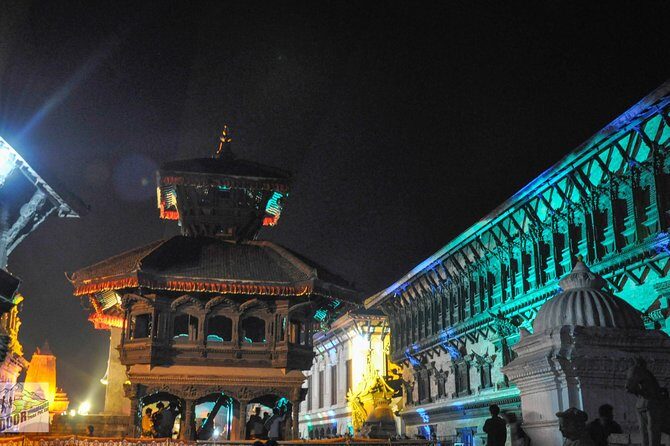
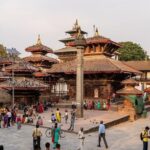
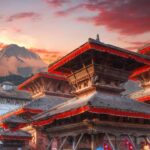
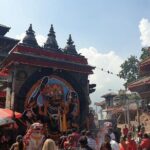
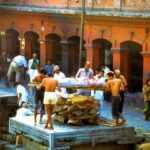
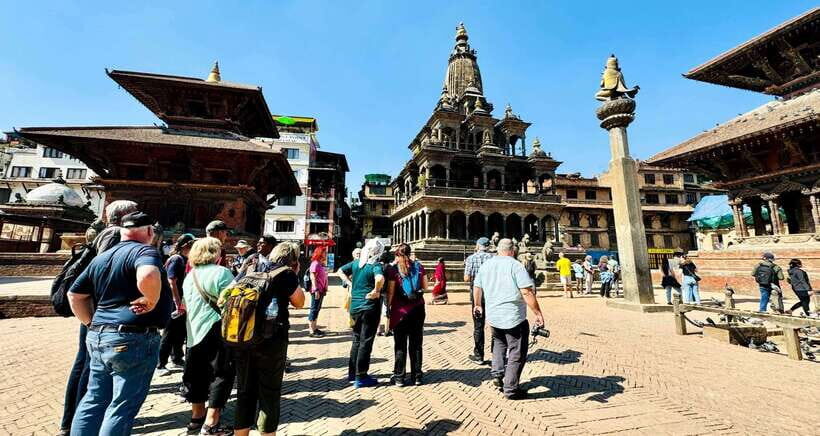
You’ll get a guided sightseeing and walking session in Bhaktapur’s district area, with time for the major monuments and squares. The most famous anchor is Durbar Square, where temples and palaces cluster tightly together. Even if you’re not a deep-architecture person, you’ll likely notice patterns quickly: entrances, courtyards, carved woodwork, and stone details that don’t look like they were designed for tourists. They look designed for local ceremony and daily life.
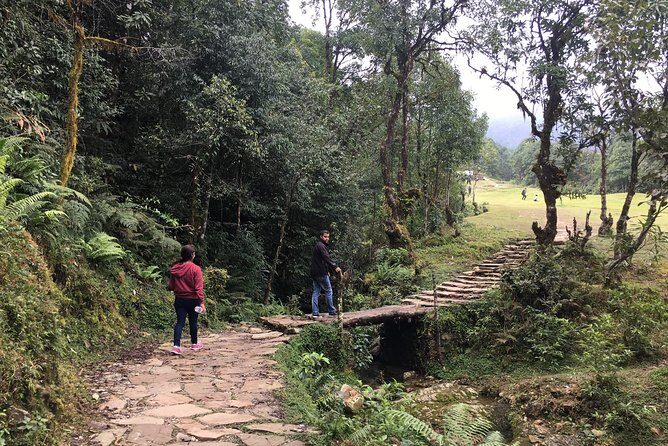
Practical tip: wear comfortable shoes and plan for uneven stone floors and frequent short climbs. Bhaktapur rewards slow looking, and your guide’s job is to keep you pointed in the right direction. If you’re the kind of person who likes to understand what you see (instead of just collecting photos), the guided format pays off.
Possible drawback: the Durbar Square area can involve entrance fees that are separate from the base tour price. The good news is you can pay that part locally without committing to an “all-in package” you might not want. The schedule also includes time for walking, so you should be ready to move even if you’re not on a trekking path.
How your time in Bhaktapur is structured (and what to expect)
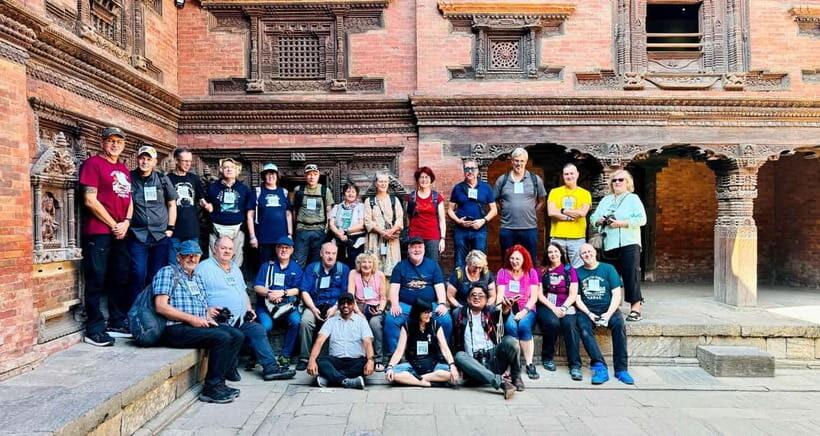
The Bhaktapur portion is designed as a focused block rather than a long wandering day. You’re picked up in Kathmandu, transported to the Bhaktapur area, then guided through the main sights with a walk that typically lasts around a couple of hours.
That structure is a sweet spot for a day like this:
- You get enough time to see the “big things” in Durbar Square and neighboring areas.
- You’re not stuck for half a day in one site, which matters because Nagarkot’s best moments are tied to late afternoon/evening light.
What can slow the pace? Crowd levels and where you decide to stop for photos. The guide can help you prioritize, but if you stop every time something catches your eye (which, fair), your “tight itinerary” turns into “longer-than-expected walk.” For most people, that’s still a win.
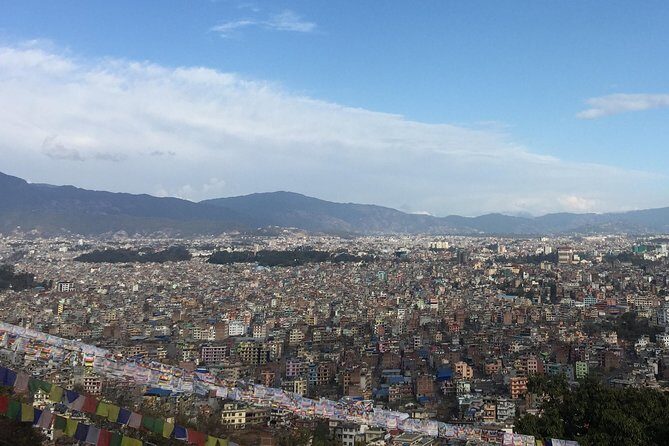
If you’re sensitive to air quality, Bhaktapur is in a valley setting and conditions can vary. Don’t let it ruin your mood—just keep your expectations realistic for far-distance views later in the day.
The trip to Nagarkot: quiet climb, shifting light
After Bhaktapur, the day pivots from stone streets to hillside air. You’ll move by vehicle again, with additional electric-car time built into the schedule. It’s basically a transfer phase, but it does something important: it resets your day’s mood.
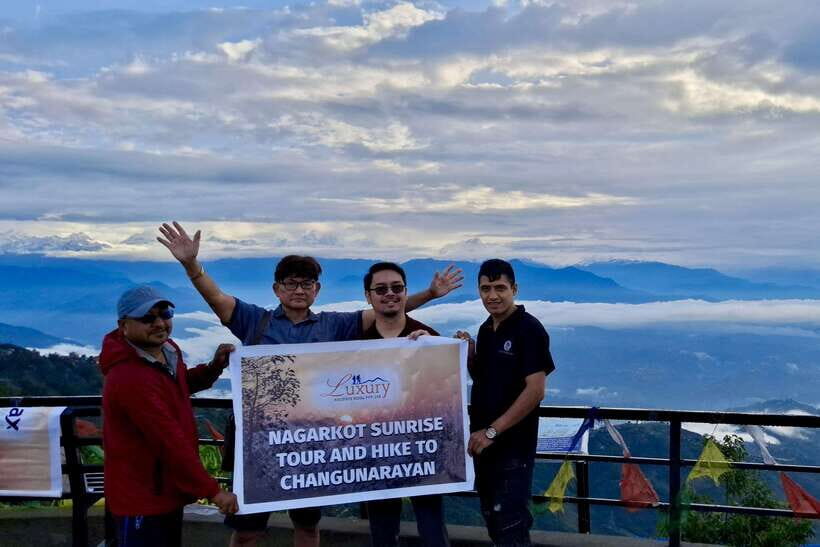
Nagarkot works best when you arrive with a little patience. This isn’t a “rush to the top and immediately leave” type of place. You’ll have a guided walk and time outdoors as the light changes. Even if you don’t get the dream view of every mountain peak, the process of watching the sky shift can still feel rewarding.
Your guide helps you choose where to stand. In a viewpoint situation, even 20 meters can change the angle and what you can see. So don’t just pick the first spot and freeze. Use the guidance you’re paying for.
Nagarkot sunset (and sunrise): the viewpoint reality check
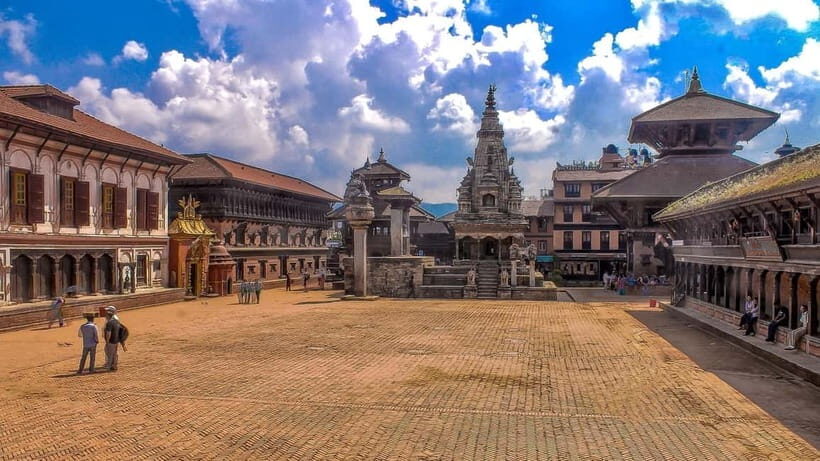
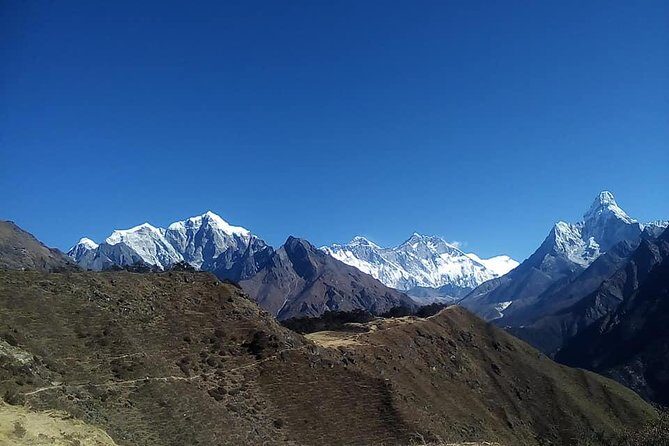
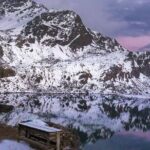
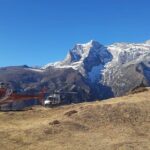
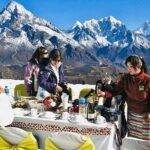
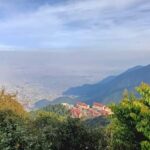
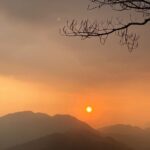
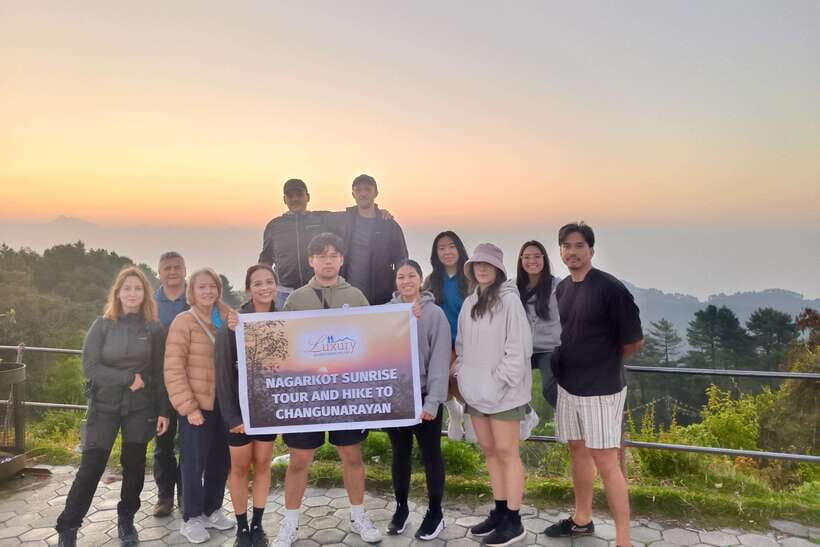
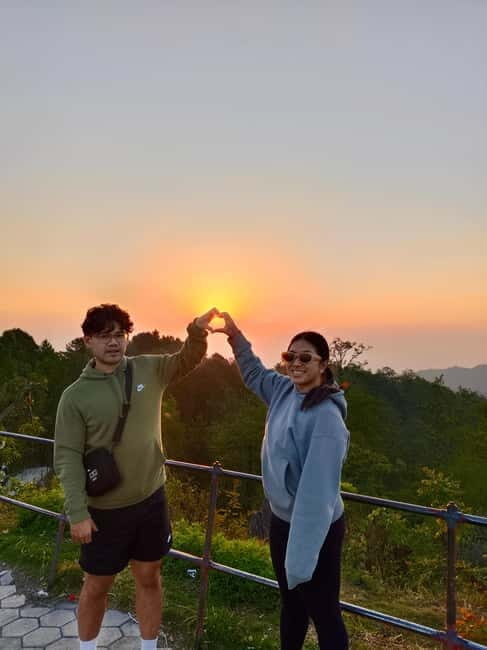
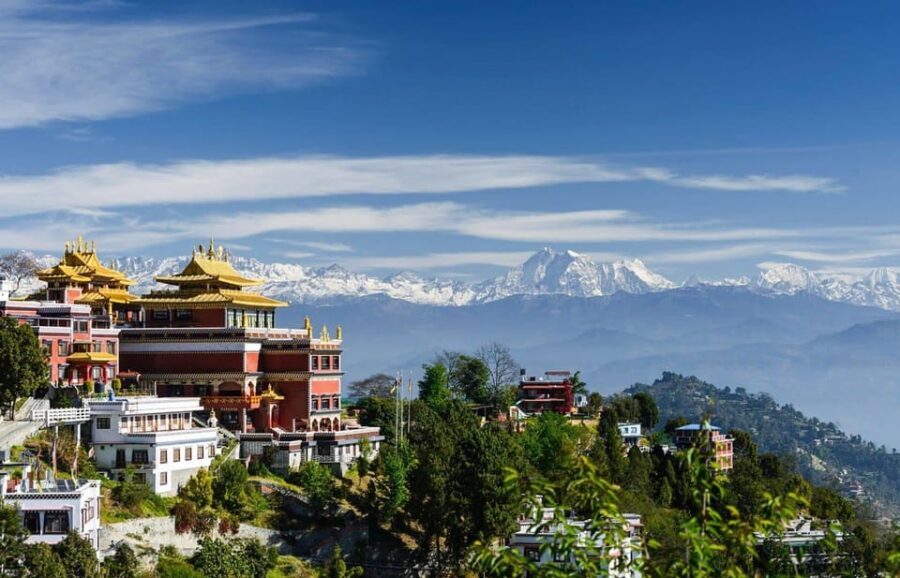
Nagarkot is known for panoramic Himalayan views, and the schedule is timed around the day’s dramatic light—your experience includes time for sunset and also sunrise, depending on how the day’s timing lines up.
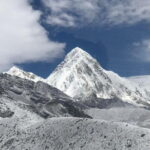
Here’s the reality: the “mountain show” is weather-dependent. Air pollution in the Kathmandu region can soften distant visibility, and clouds can block peaks entirely. One past traveler’s experience notes that Everest wasn’t visible from the viewpoint due to pollution. The guide still made it right by sending photos taken from the same spot, so you had some idea of what a clear day can look like.
That story is more than a nice detail. It tells you how to think about Nagarkot:
- If the view is perfect, you’ll enjoy it in real time.
- If it’s not perfect, the best guides don’t just shrug. They help you understand what you’re seeing and what you’re missing, then suggest a way to still take something useful home.
Practical tip: bring a camera, and plan for quick temperature changes. Hilltops can feel cooler, especially around evening.
You can also read our reviews of more private tours in Kathmandu

Your guide (Mr.Suresh) is the difference between seeing and understanding
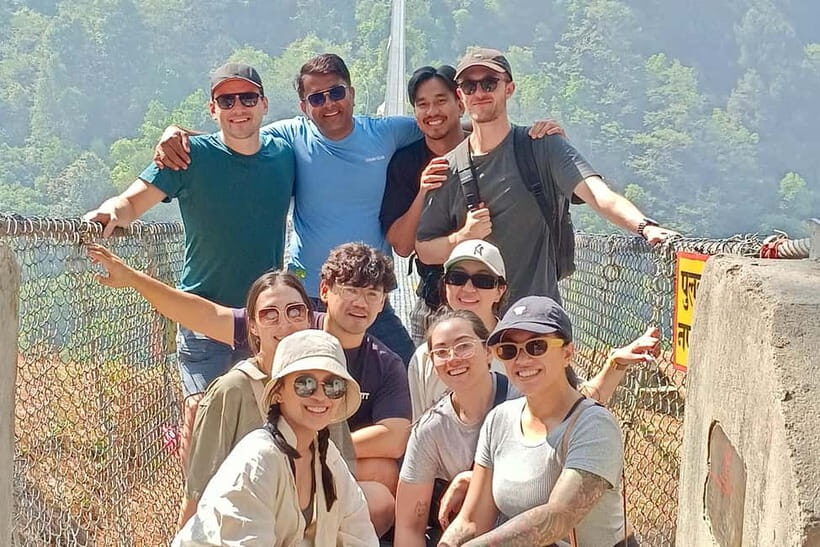
A private guided day is only worth it when the guide can translate the place quickly. In this tour, Mr.Suresh comes up repeatedly for doing exactly that—being kind, sincere, and professional, while offering useful information that makes Bhaktapur’s temples and squares easier to interpret.
What does that look like on the ground? You don’t just get directions like turn left, walk there. You get the “why.” Why a particular corner is important, what you’re looking at, and how the architecture fits into local tradition. That kind of commentary changes how you experience a site. Instead of a collection of photos, you start building a mental map of how Bhaktapur works as a cultural space.
This also matters in Nagarkot. When mountain views are hazy or partly blocked, a good guide helps you set expectations and keeps the viewpoint time meaningful. The photo workaround mentioned earlier is a great example of guide effort beyond the standard talk.
Money and value: what $20 covers, and what to budget extra
At $20 per person, this is priced for a day tour that includes real overhead: private hotel pickup and drop-off, a professional English-speaking guide, private air-conditioned transport, mineral water, and taxes/service charges.
So what’s not included? Two big things:
- Monument entrance fees, specifically Bhaktapur Durbar Square (listed at NPR 1950 per person)
- Meals and personal expenses
For most people, meals are where spending can vary wildly anyway. Having meals excluded can actually be good value if you enjoy choosing a local spot and eating what you feel like that day. The tour still handles the important part: you don’t get stuck wondering how to move between sites.
How to think about value:
- You’re paying for comfort (AC), time efficiency (private transport), and interpretation (English guide).
- You’re only paying extra for what’s genuinely site-related (monument fees) and what’s personal (food).
If you know you’ll visit Durbar Square and you want a guide rather than DIY planning, this looks like a strong deal for a single day.
Pacing and comfort: the “fit” question you should answer first
This tour is private, with a group size that stays small enough to feel personal. That’s helpful in Bhaktapur’s narrow streets and around viewpoints in Nagarkot. You’re not constantly negotiating with strangers, and you can ask questions without your group turning into a herd.
But there are physical limits. The tour is not suitable for:
- Wheelchair users
- People with back problems
- Pregnant women
You’ll be walking in both Bhaktapur and Nagarkot, including uneven surfaces. Even with electric-car legs for parts of the route, the day still involves active movement. If you have mobility concerns, you’ll likely find another type of tour a better match.
What to bring is straightforward: comfortable shoes and a camera. I’d add a light layer for Nagarkot because hilltop weather can shift fast.
Should you book the Kathmandu Bhaktapur & Nagarkot day tour?
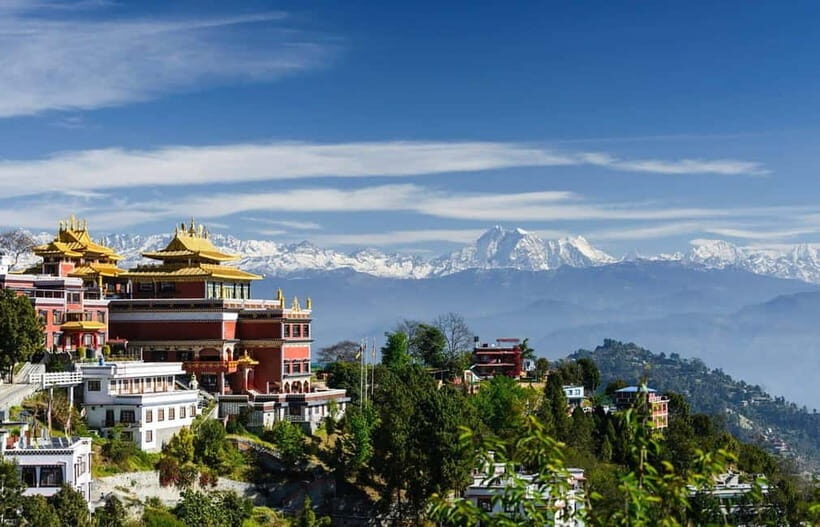
Book it if you want a day that balances two very different Nepal experiences: heritage architecture in Bhaktapur and high-viewpoint time in Nagarkot. The private guide component is the secret sauce here, especially if you care about understanding what you’re looking at. Mr.Suresh’s reputation for being attentive and helpful is a big plus.
Skip it or reconsider if you’re mainly chasing a guaranteed Everest-perfect view. Nagarkot can be amazing, but visibility depends on air and weather. Also, if walking is a challenge for you, this itinerary doesn’t sound like it will match your needs.
If you’re comfortable with short walks, want a structured day, and are ready to pay separate monument fees for Durbar Square, this is a solid, cost-effective way to get more than just one “kind” of sightseeing from Kathmandu.
FAQ
Where is pickup for this tour?
Pickup is included from any location inside the Kathmandu Valley, including hotel pickup and drop-off in Kathmandu.
How long is the tour?
The tour duration is listed as 6 hours.
Is this tour private?
Yes. It’s a private group experience.
How much does it cost?
The price is $20 per person.
Are monument entrance fees included?
No. Monument entrance fees are not included. Bhaktapur Durbar Square entrance is listed at NPR 1950 per person.
Are meals included?
Meals are not included. You can choose what and where to eat.
What language is the guide?
The live tour guide is English.
What’s included in the tour price?
Included items are hotel pickup and drop-off, a professional English-speaking guide, private air-conditioned transportation, mineral water, and all taxes/service charges.
Is the tour suitable for wheelchair users or people with mobility issues?
No. It is not suitable for wheelchair users, pregnant women, or people with back problems.
How does cancellation work?
Free cancellation is offered up to 24 hours in advance for a full refund.