REVIEW · POKHARA
4 Days Mardi Himal Base Camp Trek from Pokhara
Book on Viator →Operated by Peak to Peak Tours and Treks Pvt Ltd · Bookable on Viator
Four days, huge Himalayan payoffs. This 4-day Mardi Himal trek from Pokhara stays organized with a private guide and clear pacing, so you can focus on the hiking and the views instead of route stress. You’ll go high enough to feel the altitude, but the day structure helps you climb in a sensible way.
I love that the package includes the important paperwork and basics: TIMS plus an Annapurna Conservation Area permit, along with guesthouse nights during the trek. I also like that the itinerary uses Low Camp and High Camp overnights, which makes the final push to Mardi Himal Base Camp (around 4,500m) feel more like a hike than a cliff jump.
One possible drawback: meals and drinks are not included. At higher elevations, you’ll want to budget for warm drinks and steady food, and this trek is best for people who already have hiking experience and are ready for 3,000m-plus walking.
In This Review
- Key things I’d bet on before you go
- Mardi Himal from Pokhara: what kind of adventure you’re signing up for
- The 4 days on the trail, day-by-day and stop-by-stop
- Day 1: Lakeside pickup to forest camp (Kande trail start)
- Day 2: Low Camp to High Camp overnights (3,000m to 3,800m)
- Day 3: Early climb to Mardi Himal Base Camp, then back to High Camp
- Day 4: From High Camp down to Sidhing, back to Pokhara
- Altitude and fitness: the real deal at 3,000m to 4,500m
- What the included permits and logistics actually do for you
- Permits that remove friction
- Transfers that reduce early-day chaos
- Private tour means fewer variables
- Guesthouses and food: where comfort lives on a trek
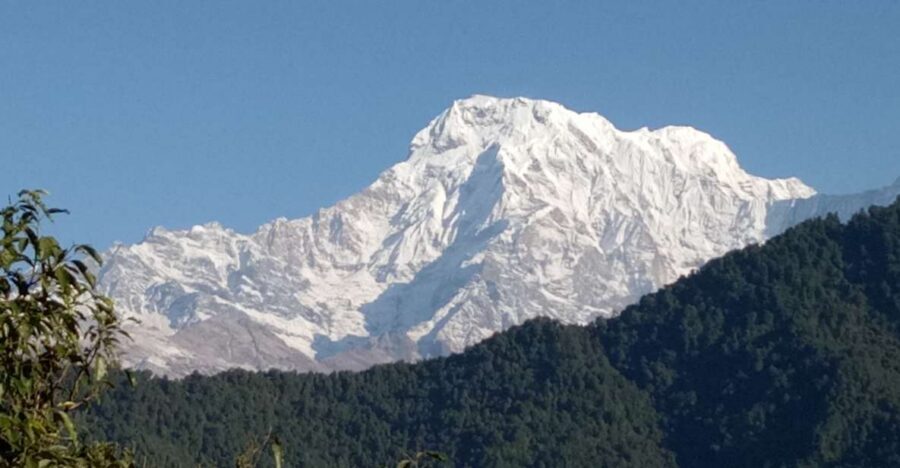
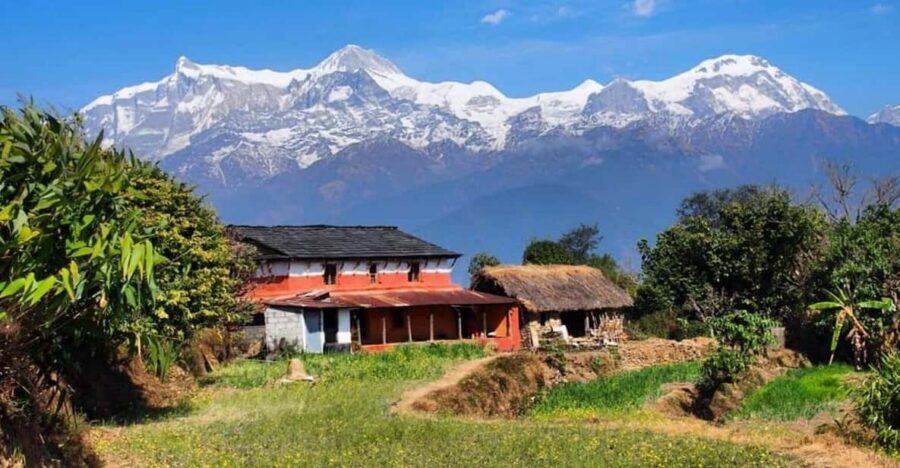
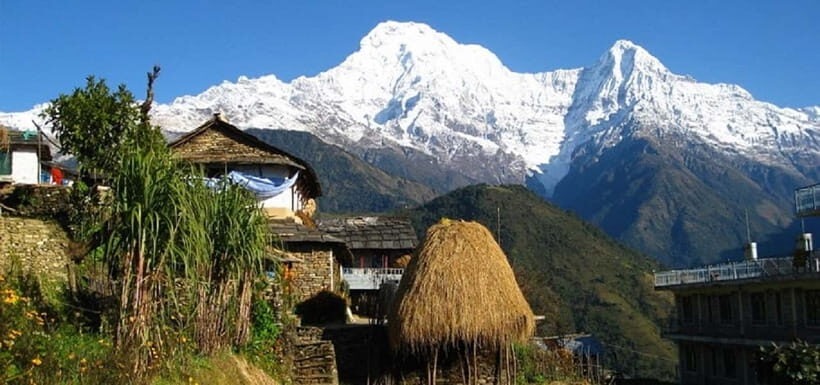
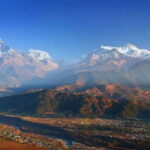
- The views at Mardi Himal Base Camp: Fishtail and Annapurna in your face
- Price and value: is $273.14 fair for four days?
- Who should book this trek (and who should think twice)
- Should you book 4 Days Mardi Himal Base Camp from Pokhara?
- FAQ
- FAQ
- What time does the trek start and where do we get picked up?
- How high do we go on this trek?
- What is included in the price?
- Are meals included?
- Is this tour private or shared?
- What happens if the weather is poor?
Key things I’d bet on before you go
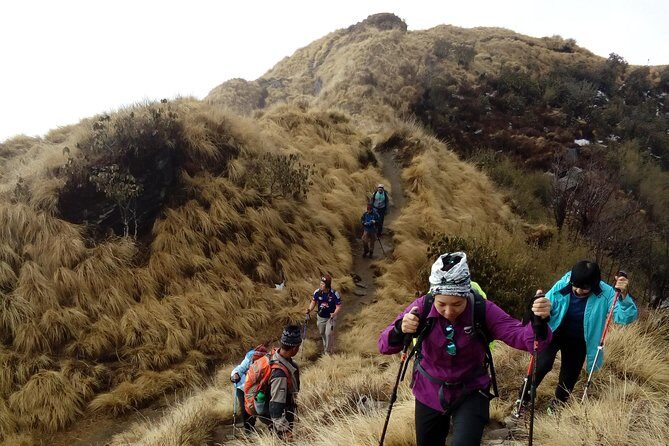
- Private guided setup with English-speaking trekking guides (names like Milan and Resham come up in past experiences)
- Permits included: TIMS and an Annapurna Conservation Area permit
- Altitude pacing: overnights at Low Camp (~3,000m) and High Camp (~3,800m) before base camp
- Base-camp timing for big views: early start on the day you reach Mardi Himal Base Camp
- Transport mix: private car from Pokhara to Kande, then a sharing jeep back from Sidhing
- Guesthouse accommodation included during the trek, with meals handled separately
Mardi Himal from Pokhara: what kind of adventure you’re signing up for

Mardi Himal Base Camp is the kind of trek that rewards effort fast. You’ll spend four days moving through different elevations, with mountains all around you, then top it off at roughly 4,500m. The big appeal here is that it’s a guided, private setup, so you’re not trying to piece together trail decisions after a long day.
Also, Mardi Himal hits a nice sweet spot for active hikers. It’s not a casual stroll, but it’s built around a rhythm that experienced walkers can handle: long enough days to feel accomplished, short enough stops to keep things moving. If you’ve hiked before and you want the Himalaya without the extra mental workload of navigation, this is a strong match.
You can also read our reviews of more hiking tours in Pokhara
The 4 days on the trail, day-by-day and stop-by-stop
This trek is out-and-back to Mardi Himal Base Camp, with overnights along the way. The total walking can feel like a longer route than you’d expect for only four days (one account describes it around 40 miles out-and-back). The route times below are approximate, but they’ll help you plan your energy.
Day 1: Lakeside pickup to forest camp (Kande trail start)
You start with a pickup from your hotel in the Pokhara Lakeside area around 8:15–8:30am. Then you’ll drive about an hour toward Kande, where the trek begins.
From there, the day is a mix of climbing and descending:
- Ascend up toward Australia Camp
- Descend to Pothana
- Continue toward Pitam Deurali (roughly a 2–3 hour segment)
- Finish by trekking on to forest camp for the night
Day 1 is often your “get your legs back” day. If your body feels stiff, don’t panic. You’re moving steadily, and the elevation is building gradually. The upside of starting with forest camp is that it sets up the next day’s climb without throwing you directly into the highest camps.
Day 2: Low Camp to High Camp overnights (3,000m to 3,800m)
Today is about gaining elevation efficiently. You’ll trek to:
- Low Camp (~3,000m) in about 3 hours
- Then continue to High Camp (~3,800m) for about another 3 hours
- Overnight at High Camp
This is the day where pacing matters most. The trail is working your lungs and legs, but the structure is clear: you know you’re sleeping at High Camp, and that makes the following morning’s base-camp push more realistic.
Day 3: Early climb to Mardi Himal Base Camp, then back to High Camp
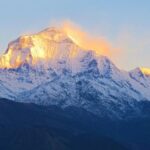
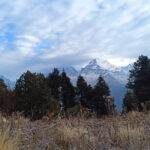
You start early because the best mountain views usually reward early efforts. The trek goes up to Mardi Himal Base Camp, with a strong focus on major peaks:
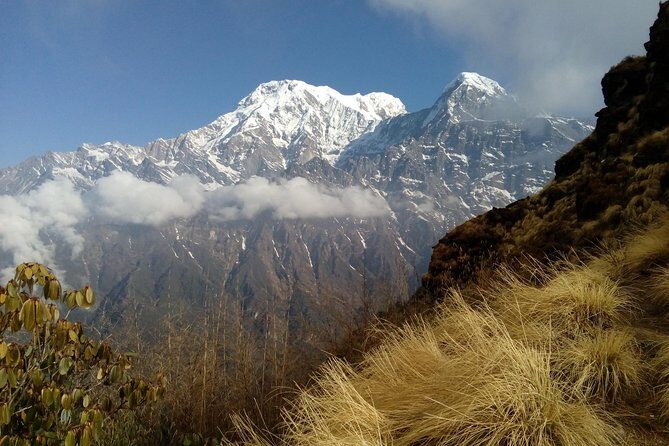
- Fishtail is described as extremely close to your view
- You’ll also get long, wide views across the Annapurna range from the other side
After spending time at base camp, you hike back to High Camp for your overnight stay. This backtrack is normal on this style of itinerary. It also gives you a practical advantage: you’re not trying to cram base-camp arrival and a full descent into one long day.
A few more Pokhara tours and experiences worth a look

Day 4: From High Camp down to Sidhing, back to Pokhara
On your final day, the trail becomes a descent-and-transport combo:
- High Camp down to Low Camp
- Then onward to Shiding
- After Shiding, there’s about a 2-hour drive back toward Pokhara
Your itinerary also lists Phewa Tal as a stop, which usually helps you reconnect with the lakeside after a few days above the clouds.
Altitude and fitness: the real deal at 3,000m to 4,500m
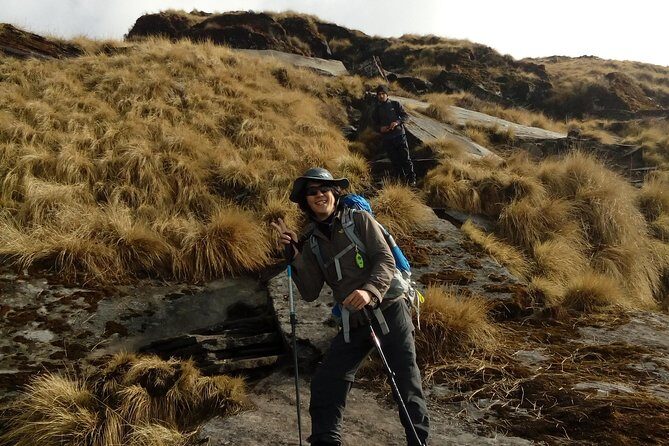
The trek climbs to major altitude points:
- Low Camp around 3,000m
- High Camp around 3,800m
- Mardi Himal Base Camp around 4,500m
The operator flags this as a hike for people with moderate physical fitness and hiking experience. I agree with that framing. You don’t need to be a mountaineer, but you do need to be comfortable walking for multiple hours per day on uneven terrain.
A practical way to judge if it fits: if you can handle steep walks and sustained hiking without blowing up your energy in the first hour, you’re in the right zone. If you’re newer to altitude, plan to take it easy, sip fluids, and keep your pace steady even when you feel good at first.
What the included permits and logistics actually do for you
Here’s what you’re really paying for when permits and transfers are included.
Permits that remove friction
Your trek includes:
- TIMS
- Annapurna Conservation Area permit
These aren’t glamorous, but they matter. When paperwork is handled, you spend less time sorting logistics and more time on the trail.
Transfers that reduce early-day chaos
From Pokhara:
- Private car to Kande
From the finish:
- A sharing jeep from Sidhing back to Pokhara
I like this setup because it reduces wasted time. You get a clean start without hunting around for transportation, and your final day isn’t wrecked by extra wandering.
Private tour means fewer variables
This is a private trip, meaning only your group participates. That usually translates to:
- pacing that matches your group
- fewer waiting gaps
- less feeling like you’re dragging behind a big crowd
Guesthouses and food: where comfort lives on a trek
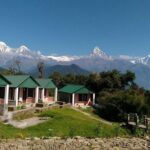
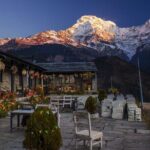
Your accommodation during the trek is included as guesthouse stays. Meals are not included, but they’re available for purchase along the way.
In plain terms: guesthouses handle the sleep part, while you handle the eating budget. At higher elevations, that matters. I recommend planning for warm meals and drinks so you can keep your energy up for the next day’s climb.
Based on guidance from past experiences with this trek, the comfort piece is real: once you’re fed and resting, the hike becomes much more enjoyable. And if your guide thinks it’s worth stopping for photos, you might also get little moments that break up the hard work, like picture stops around yaks when they’re nearby.
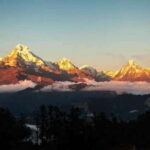
The views at Mardi Himal Base Camp: Fishtail and Annapurna in your face
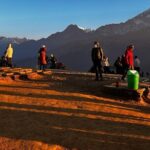
The most memorable part of this itinerary is the day you reach base camp. The way the trek is timed matters. You’ll start early, walk up, and then have time at Mardi Himal Base Camp (~4,500m) to look around.
The view notes are specific:
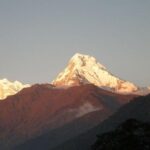
- Fishtail is highlighted as a close, dramatic presence
- On the other side you get long stretches of the Annapurna range
If you’re the type of hiker who doesn’t just summit and shuffle, this day can feel like the heart of the whole trip. Take your time at base camp. Altitude makes every minute slower, which is why those extra pauses are worth it.
Price and value: is $273.14 fair for four days?
At $273.14 per person, the price isn’t just about “having a guide.” It covers the stuff that usually costs money and time when you plan yourself:
- English-speaking trekking guide
- Guesthouse accommodation during the trek
- TIMS + permit
- Pokhara to Kande transport by private car
- Sidhing to Pokhara transfer by sharing jeep
- A private setup for your group
The part that’s not included is the big day-to-day variable: meals and drinks. That means the real total cost depends on what you choose to eat and drink in tea-house style settings. Still, the base price feels reasonable for a short trek that includes the permits and overnight stays.
Who should book this trek (and who should think twice)
This works best for:
- active travelers with hiking experience
- people who want a private guide to keep the route simple
- hikers who enjoy steady climbs and want a high-altitude payoff without major technical skills
It’s a less ideal fit if:
- you’re expecting a walk that’s easy from start to finish
- you’re not ready for altitude above 3,000m
- you hate budgeting for meals on the trail (since meals aren’t included)
Should you book 4 Days Mardi Himal Base Camp from Pokhara?
If you want a guided, well-paced trek to Mardi Himal Base Camp (~4,500m), this is a solid choice. The value is strongest when you count what’s included: permits, guide, guesthouse nights, and key transport legs. The itinerary structure also makes practical sense, with overnights at Low Camp and High Camp so you’re not jumping straight from Pokhara to base-camp altitude.
My quick decision rule: book it if you’re an active hiker who wants clear logistics and time to enjoy the views. Pass or choose something easier if you’re still building confidence with altitude walking or you’re expecting meals and drinks to be fully covered.
FAQ
FAQ
What time does the trek start and where do we get picked up?
The start time is listed as 8:15am, and pickup is offered from hotels within the Lakeside area of Pokhara.
How high do we go on this trek?
You’ll trek from around 3,000m (Low Camp) up to 3,800m (High Camp), and then reach Mardi Himal Base Camp at about 4,500m.
What is included in the price?
The package includes guesthouse accommodation, an English-speaking trekking guide, hotel pickup and drop-off (within Lakeside area), TIMS and an Annapurna Conservation Area permit, transport from Pokhara to Kande by private car, and Sidhing to Pokhara by sharing jeep.
Are meals included?
No. All meals and drinks are not included and are available for purchase.
Is this tour private or shared?
This is a private trip, and only your group will participate.
What happens if the weather is poor?
This experience requires good weather. If it’s canceled due to poor weather, you’ll be offered a different date or a full refund. Free cancellation is also available if you cancel at least 24 hours before the experience start time.