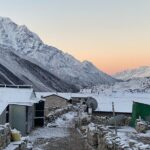
Rarely visited trails, big valley views. I especially like the Sanga ridgeline panoramas and the way the walk ends in Panauti’s Newar town with a chance to eat with locals. The only real catch is that it’s an easy-moderate hike but still has a steep uphill bite at the start.
This is a well-paced day built around comfort: you get an English-speaking guide and transport between Kathmandu and the trail ends, with a group capped at 15. Expect about 10 kilometers (roughly 6.2 miles) over around 8 hours total, including travel time.
In This Review
- Key things that make this hike worth your day
- Sanga’s Shiva statue start: first climb, then open views
- The ridgeline stretch: farmland, forest quiet, and staying found
- How the culture talk actually fits the walking
- Arriving in Panauti: temples, holy rivers, and a slower pace
- Lunch in Panauti: what to expect and how to use it well
- Price and logistics: where the $65 actually goes
- What the hiking is really like (and how to prepare)
- Who should book this hike (and who should think twice)
- Should you book the Sanga to Panauti day hike?
- FAQ
- How long is the Sanga to Panauti hike?
- Where do I meet for the hike?
- Is lunch included in the price?
- Does the tour include a guide?
- How big is the group?
- What’s the cancellation window?
Key things that make this hike worth your day
- Start at Sanga with dramatic views under the famous Shiva statue area, then climb before you settle into easier walking
- Ridgelines with big drops mean strong views on clear days and steady footing matters
- A newer, less-touristed trail takes you through villages where foreign tourists don’t show up often
- Culture on the move: you’ll get explanations of Tamang culture and Newari culture as you walk
- Finish in Panauti, a temple-heavy Newar town with green hills and holy rivers
- Optional homestay lunch in Panauti, supported by local women running the experience
Sanga’s Shiva statue start: first climb, then open views
Sanga sits just outside the eastern edge of Kathmandu Valley. It’s known worldwide for the tallest Shiva statue in the world, and you feel that setting immediately: the trail begins with a hill moment—more than a warm-up—before the hike relaxes.
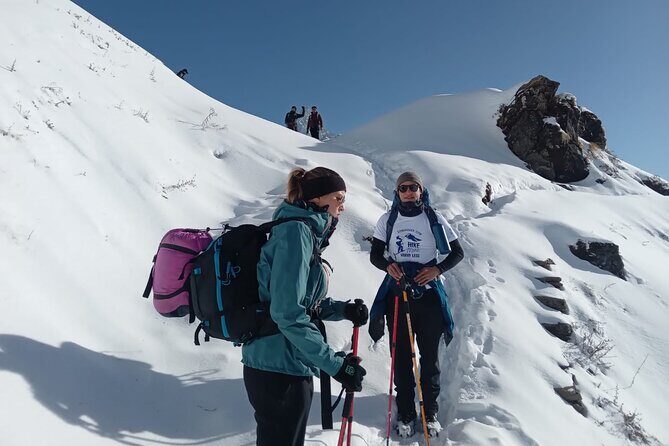
You’ll start with a steep ascent for about half an hour. After that, the route mostly flattens out and begins to travel along ridgelines. That pattern is great for most walkers because it front-loads the effort. You get your breathing work early, then you’re mostly in “walk and look around” mode for the rest of the day.
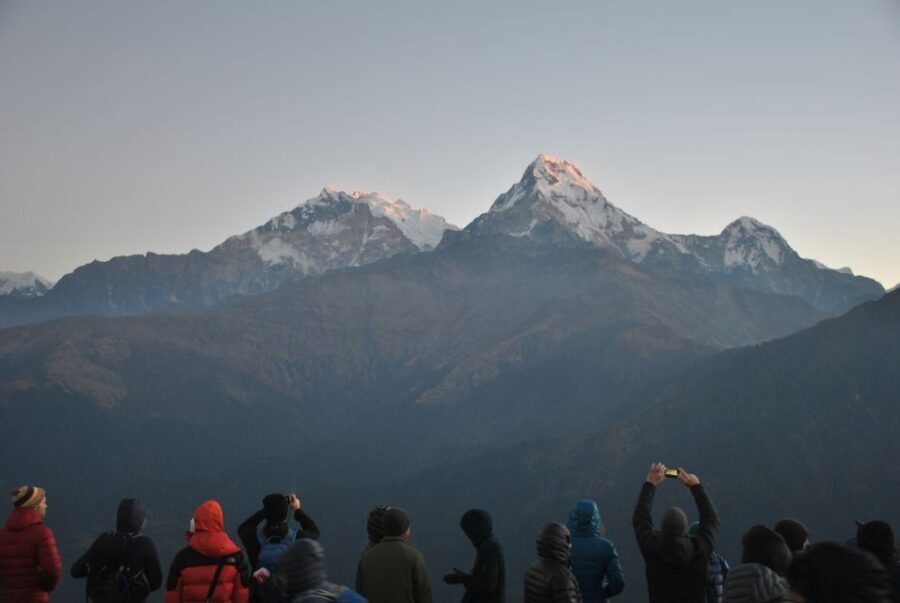
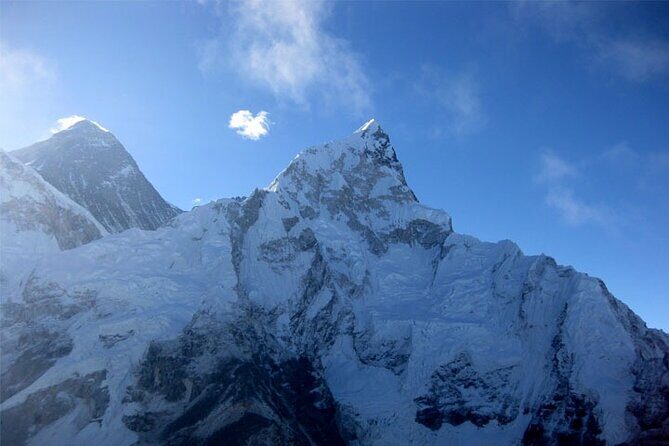
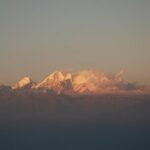
On clear days, the views can be striking. You’re not just looking at valley greenery; you’re watching farmland spread out below—rice fields and working agricultural areas—plus the possibility of unobstructed Himalayas in the distance. The ridge setting also means you’ll notice how the air changes once you gain height: it often feels cooler and breezier than down in the valley.
You can also read our reviews of more hiking tours in Kathmandu


The ridgeline stretch: farmland, forest quiet, and staying found
After the initial climb, the hike moves along paths that can feel exposed in places. The route includes ridgeline walking with steep drops below, so good shoes and careful steps aren’t optional. This is still considered easy-moderate, but the terrain asks for focus.
What I like about this kind of trail (and what you’ll likely enjoy too) is the sense of moving through real countryside rather than marching between famous dots. You’re walking alongside farmland where daily life continues on schedules older than tourism. You’ll also pass through forest sections, and those quiet stretches are often the kind of contrast that makes a day hike feel memorable rather than routine.
One of the smartest parts of this experience is that you’re not doing it solo. With an English-speaking guide, you don’t have to guess at turns or second-guess paths through villages. That matters more than people think on “just a short hike” days, because the risk isn’t distance—it’s orientation.
If you get a guide like Ssyam (a name that shows up for this hike), you’re likely to get clear, practical explanations as you walk, not just directions. That helps you understand what you’re seeing—why the trail goes where it does and what the villages represent culturally.
How the culture talk actually fits the walking
This hike is designed so the scenery and the cultural context run together. Your guide talks about Tamang culture on the way and Newari culture as you near the finish in Panauti. Instead of sitting through a lecture, you absorb the information while you’re passing homes, community spaces, and religious sites.
That pacing is a big part of the value. When you learn something in the right place, it sticks. You can look at a temple or village layout and understand it as a living part of the community, not as a random photo background. It also gives you a reason to slow down at viewpoints and at sections where the route passes through inhabited areas.
You’ll also appreciate that this route is said to be under-visited and only developed in recent years. That means you’re walking through villages where foreign tourists aren’t the norm. For many people, that quiet difference is the point: you’re not fighting for photo angles or sharing narrow paths with tour groups.
Arriving in Panauti: temples, holy rivers, and a slower pace
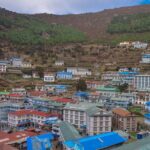
You conclude the hike in Panauti, a small but beautiful Newar town. The setting is part of the appeal. Panauti is described as being surrounded by green hills and holy rivers, and it’s full of Hindu and Buddhist temples. That blend is one of the most interesting things about the Kathmandu Valley region: you don’t just see one religious tradition—you see how multiple traditions shape everyday spaces.
There’s also local folklore attached to the town. One story mentions Panauti as an offering from a King of Bhaktapur to his sister as a dowry gift. Even if you don’t remember every detail, it helps you see the place as having identity and narrative, not just scenery.
What I’d suggest once you arrive: don’t rush straight to the next stop. Let the town’s rhythm catch up to you. When you’ve been walking on ridgelines and farmland, the shift into streets and temple areas feels like changing gears.
Panauti is often described as a spiritual place and, in practice, that shows up in how much there is to notice: prayer spaces, temple compounds, and everyday life happening nearby. It’s the kind of finish that makes the hike feel like more than just a point-to-point exercise.
Lunch in Panauti: what to expect and how to use it well
Your hike plans for a meal in Panauti, with a clear idea: you should refuel with Nepali food tied to locals. Lunch is described as something you purchase in Panauti with a local family, not something the tour pre-loads for you.
So bring the right mindset. Think of lunch as part of the experience rather than a cost add-on you have to tolerate. You’ll likely get a simple, home-style meal that tastes better because you earned it with a hike.
There’s also an additional option mentioned for lunch at Panauti Community Homestay, established by local women of Panauti. The idea here isn’t just food; it’s women-run entrepreneurship and a chance to experience local hospitality. If you want to support that directly, this is the meal choice to consider.
Plan timing accordingly. You’ll want enough energy to enjoy walking around after lunch, especially if you’re the type who likes to wander temple lanes and small side streets at a comfortable pace.





Price and logistics: where the $65 actually goes
The price is $65 per person and the day runs about 8 hours total. On paper, that sounds like a lot for a “simple” hike—until you add what’s included.
You’re paying for:
- Transportation from Kathmandu to Sanga and from Panauti back to Kathmandu
- An English-speaking hiking guide
- A small group size (up to 15)
- A mobile ticket system for the experience
What’s not included matters too. Lunch isn’t included in the base price, even though you’ll have a built-in opportunity to buy it in Panauti. Alcohol is also not included.
About transfers: the tour notes that hotel pickup/drop-off isn’t included, while it does include transportation between Kathmandu and the trail ends. Translation for your planning: you may need to meet at the specified starting point (Royal Mountain Travel) and use provided transport from there, rather than expecting door-to-door pickup.
Value-wise, I think the best part of the pricing is the guide + “found it for you” factor. On newer or less-traveled routes, a guide is often what turns stress into a calm day. You’ll still do the work of hiking, but you won’t have the hassle of route finding.
What the hiking is really like (and how to prepare)
This is listed as an easy-moderate hike over 10 kilometers (6.2 miles). The distance isn’t huge, but the route includes steep moments early and ridgeline sections with steep drops.
Here’s how I’d mentally prep:
- Expect a half-hour steep climb early on from Sanga
- After that, you’ll mostly walk on gentler stretches while still paying attention to footing
- On ridges, the view can be excellent, but your attention should stay on the trail
Because you’re in Nepal’s valley region, layers help. Morning can feel different from late-day walking, and ridgelines can get breezier. Bring water you can carry comfortably, and plan to slow down when the path feels narrow or exposed.
Also, don’t plan this day as a “do everything” day afterward. You’ll be walking for a good chunk of the day, and the best use of energy is to enjoy Panauti at a relaxed pace, including lunch.
Who should book this hike (and who should think twice)
This hike is a strong fit if you want:
- A guided hike where you’re not worried about getting lost
- Real village walking on a less-touristed route
- A cultural day that ends in a temple-town setting, not just a scenic turnaround
- A moderate challenge you can handle with steady effort
If you’re dealing with issues that make steep, exposed ridgeline sections risky, you’ll want to be cautious. The route includes areas with steep drops, and the start has a real uphill stretch. It’s not described as extreme, but it’s not a stroll either.
Also, keep in mind that some sites visited have damage from the 2015 earthquakes. If you’re someone who cares deeply about visiting intact structures, plan emotionally for the possibility of needing to accept what’s been affected over time.
Should you book the Sanga to Panauti day hike?
I’d book this hike if you like your travel days to have a clear story: start with a famous landmark setting, hike through quieter villages on a newer trail, then finish in a religious town where the streets and temples feel woven into daily life.
It’s also a good value pick for people who want a guide without paying for a multi-day trek. The distance is manageable, the group is small, and the day is organized around transport so you’re not scrambling around Kathmandu before and after.
Skip it only if you’re looking for a low-effort flat walk, or if exposed ridgeline sections would make you uneasy. If you can handle a steep start and careful steps afterward, this is the kind of day that stays in your memory for the right reasons: good views, fewer crowds, and a meaningful place to land in Panauti.
FAQ
How long is the Sanga to Panauti hike?
It’s about 8 hours in total (approx.), with the hike distance around 6.2 miles (10 kilometers).
Where do I meet for the hike?
The meeting point is Royal Mountain Travel at Lal Durbar Marg, Kathmandu 44601, Nepal. The activity ends back at the meeting point.
Is lunch included in the price?
Lunch is not included. You can purchase a Nepali lunch with a local family in Panauti, and there’s also an optional lunch option at Panauti Community Homestay on additional expense.
Does the tour include a guide?
Yes. You get an English-speaking hiking guide, and the guide helps with staying on the route so you don’t get lost.
How big is the group?
The hike has a maximum of 15 travelers.
What’s the cancellation window?
You can cancel for a full refund up to 24 hours before the experience’s start time.