REVIEW · KATHMANDU
Annapurna Base Camp Trekking
Book on Viator →Operated by Destination Unlimited Treks Expeditions Pvt Ltd · Bookable on Viator
One trek, and suddenly the Himalaya feels close. This 10-day Annapurna Base Camp experience is built for people short on time but still hungry for altitude, mountain villages, and that special overnight moment at Annapurna Base Camp (4,130 m / 13,550 ft). I especially like how the days are paced for a smaller time window, and how the trek is supported end-to-end with teahouses, meals, and a team that stays responsive before and during the hike. One consideration: the tea house food can be pretty basic, so if you’re picky (or want lots of menu variety), you may want to plan on adding extras.
What makes this tour feel practical is the private setup and the clear flow from Kathmandu to Pokhara to the trailhead. You’ll start around 6:15 am from Destination Unlimited Treks in Thamel, then fly to Pokhara and drive onward—so you’re not wasting half your first day figuring logistics. It’s also a good fit if you’re aiming for serious scenery without the complications of carrying tents.
In This Review
- Key things you’ll notice on this Annapurna Base Camp trek
- Annapurna Base Camp in 10 days: altitude, pace, and what you’re actually buying
- From Kathmandu to Pokhara: why the first transfer day matters
- Day 2 to Ghorepani via Poon Hill: the viewpoint payoff you’ll remember
- Tadapani and Machhapuchhare Base Camp: forest walking with big mountain energy
- Chhomrong to Doban to Deurali: the classic mid-trek rhythm
- The base camp “yes day”: what overnight at Annapurna Base Camp feels like
- Bamboo, then Jhinu: finishing strong and coming back down
- Pokhara Museum and the final transfer: what happens after the trek ends
- Price and value: what $1,180 per person covers (and what it doesn’t)
- The human side: Ashok, guides like Hari and Homprakash, and porters who keep things moving
- Packing and training: how to prepare for a 10-day ABC trek without overthinking it
- Should you book this Annapurna Base Camp trek?
- FAQ
- How much does the Annapurna Base Camp trek cost?
- How long is the trek?
- Where does the tour start in Nepal?
- Does this tour include meals and accommodation?
- Is a tent included for the trek?
- What kind of tour is this?
- How high do you trek on this itinerary?
- What should I expect after the trek ends?
Key things you’ll notice on this Annapurna Base Camp trek
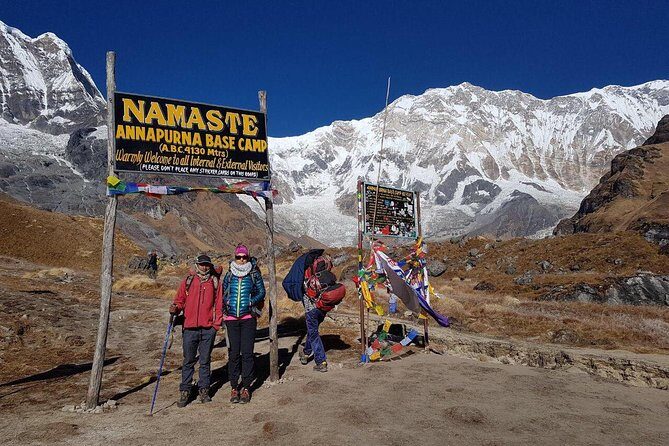
- Overnight at Annapurna Base Camp so you’re not just passing through
- Teahouse sleeping every night (no tents included), which keeps packing simpler
- Poon Hill included for those classic viewpoint moments early in the trek
- Guides and porters who prioritize care—often described as attentive and organized
- Spring-friendly scenery with rhododendron forests in bloom
- A moderate-fitness trek that still rewards you with changing terrain and views
Annapurna Base Camp in 10 days: altitude, pace, and what you’re actually buying
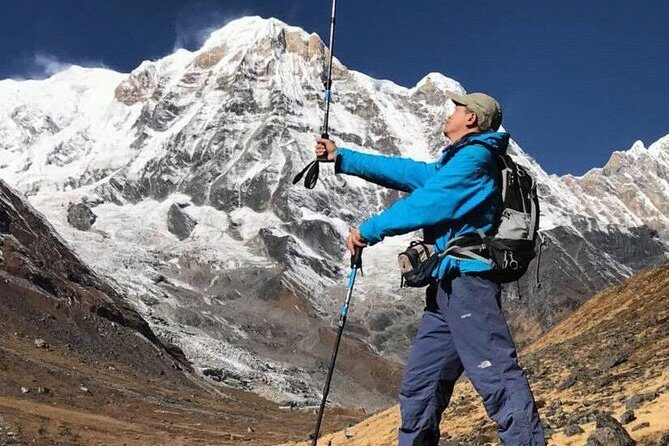
Annapurna Base Camp is one of those goals that sounds simple until you’re on the trail and altitude starts doing altitude things. This trek climbs to about 13,550 ft (4,130 m), which is high enough that how you move matters. The upside of a 10-day format is that you get a real taste of the region without stretching into two weeks or more. The downside is you’ll feel every day’s hiking time—so pace and recovery (sleep, hydration, eating) become part of the work.
I like that this itinerary includes shorter, workable trekking blocks on many days, with enough variation in scenery that the walk doesn’t feel like one long grind. It’s also private, so your group isn’t stuck matching someone else’s pace. If you’ve got moderate fitness and you can stay steady instead of sprinting early, you’re in the right ballpark.
Rhododendron season tip: the tour highlights spring as the time for rhododendron forests in bloom. If you’re flexible, that’s a big reason to choose spring over other seasons.
You can also read our reviews of more hiking tours in Kathmandu


From Kathmandu to Pokhara: why the first transfer day matters
Day 1 starts with a flight from Kathmandu to Pokhara, then a drive to Nayapul. Even though this is just the beginning, it sets the tone. You’re moving from city altitude and traffic stress into the slower rhythm of mountain travel. The route also matters because Nayapul is the common starting point for the Annapurna foothills—so you’ll feel the gradual shift into trail life.
The tour begins at Destination Unlimited Treks and Expeditions Pvt Ltd in Thamel (Kathmandu), with pickup around 6:15 am. If you like having a plan before you arrive, this is helpful: you’re not trying to coordinate a flight and ground transfer while also trying to manage jet lag.
Two small details that help: it’s a mobile ticket experience, and you’re meeting a local provider with a fixed meeting point. In practice, those things reduce stress when you’re walking into a new country and you’d rather save energy for the mountains.
Day 2 to Ghorepani via Poon Hill: the viewpoint payoff you’ll remember
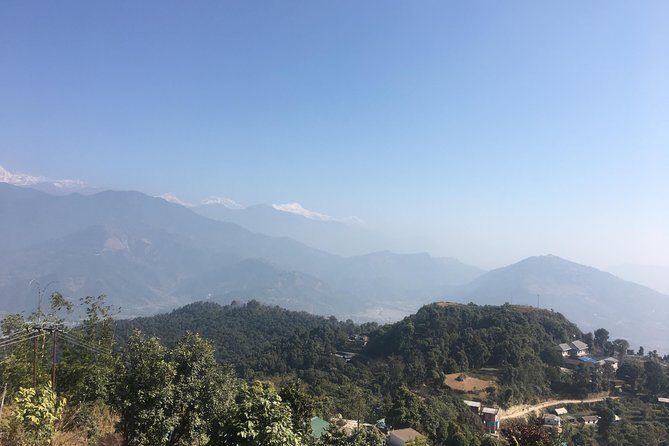
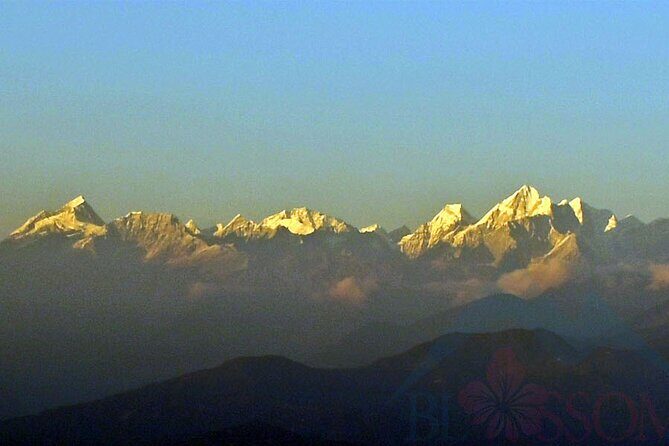
Day 2 is built around Poon Hill, followed by trekking to Ghorepani. Poon Hill is one of those spots where the trail reward feels immediate—wide views that make the climb feel real instead of theoretical. Even without being overly technical, the idea is smart: get a major perspective moment early, then keep walking.
The trek time listed is about 6 hours. That’s the kind of day where good shoes and smart pacing matter more than speed. This is also a day where you can get complacent if the weather is clear, so I recommend staying mentally ready for the fact that mountain views can change fast.
If you’re the type who likes photography, this is the day to be ready. If you’re not, it still helps your motivation because the scenery gives you something to look forward to when the trail gets less dramatic and more about steady footwork.
Tadapani and Machhapuchhare Base Camp: forest walking with big mountain energy
On Day 3, you’re heading toward Machhapuchhare Base Camp with a trek to Tadapani, for about 7 hours. This is where the Annapurna trek begins to feel like a place, not just a route. The trail tends to thread through forested sections and village areas, and the mountains start showing up in different angles rather than one single view.
Day 3 is longer than some of the other blocks, so it’s also a good “settle in” test. If you’re carrying your own daypack (usually best practice on these treks), make sure it stays light. Overpacking early is the easiest way to make a good day feel harder than it should.
The highlight here isn’t just altitude—it’s variety. Machhapuchhare’s presence (famous for its distinct shape) makes the walk feel focused, and Tadapani gives you a place to reset before the trek turns more direct toward the base camp zone.
Chhomrong to Doban to Deurali: the classic mid-trek rhythm
The middle of this trek is where the itinerary turns into the kind of rhythm you’ll either love or resent. Day 4 brings you from Chhomrong onward, with 6 hours of trekking. Day 5 is about 6 hours to Doban, and Day 6 covers 5 hours to Deurali. These days are not “easy,” but they’re structured enough that you’re not hiking all day every day.
Why this matters: mid-trek is when your body learns your pace. If you’re consistent—slow enough to keep breathing calm—you’ll usually find the altitude feels manageable. If you push early, you pay for it later.
This is also the stretch where tea houses become part of the experience. The tour includes accommodation in teahouses along the way, so you’ll be sleeping in simple guesthouse rooms rather than camping. That reduces gear stress and lets you focus on the hike. Reviews for this company also mention clean rest-house style accommodations, which is exactly what you want when you’re tired and your only plan is a warm drink and a good night’s sleep.





The base camp “yes day”: what overnight at Annapurna Base Camp feels like
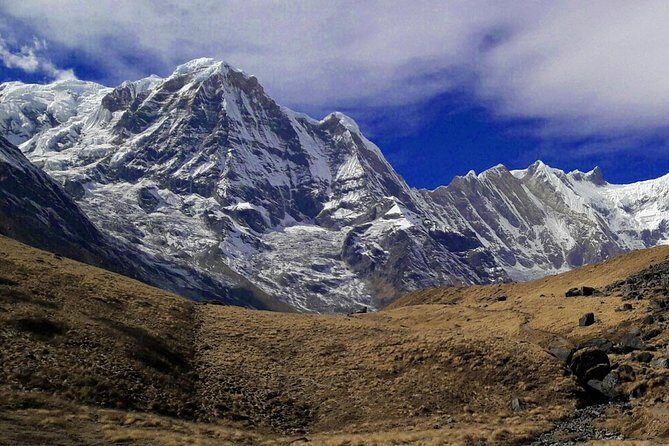
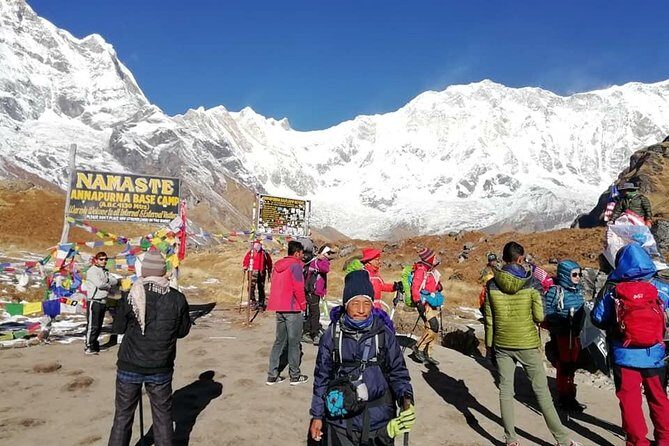
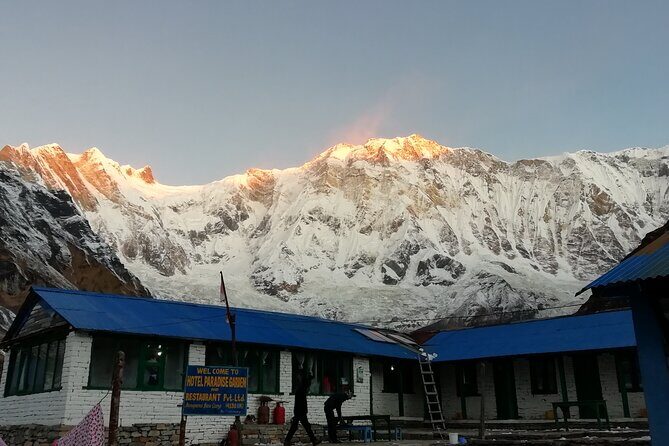
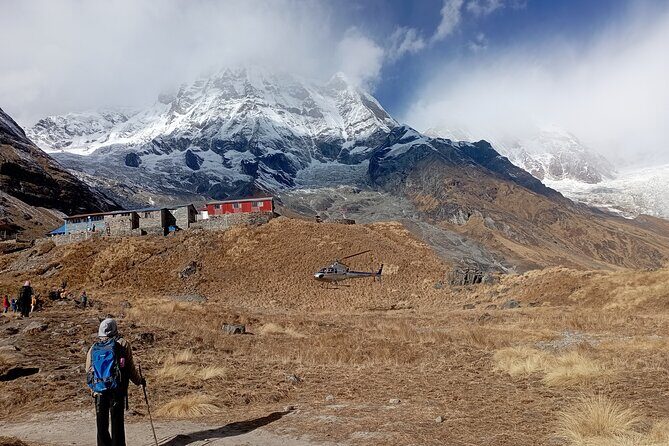
Day 7 is your Annapurna Base Camp day (listed as about 5 hours). The big thing here is that you don’t just arrive and leave. You’re set up for an overnight at a guesthouse at Annapurna Base Camp.
That overnight is a huge value-add. In daylight, you get mountain views and the chance to walk around and soak in the altitude. At night and early morning, the experience shifts. Cold can feel sharper at elevation, and the quiet can be intense. Even if you don’t love sleeping in basic rooms, this is the kind of sleep that makes the whole trek feel real.
One practical note: base camp days are also when you’ll want to treat your body well—eat when you can, drink regularly, and don’t do heroic “one more climb” decisions at altitude. The tour includes meals, but that doesn’t mean your appetite will be normal.
If you’re going in spring, this is also part of why the region is so tempting—rhododendron season (for the earlier portions) pairs nicely with the more dramatic base-camp scenery.
Bamboo, then Jhinu: finishing strong and coming back down
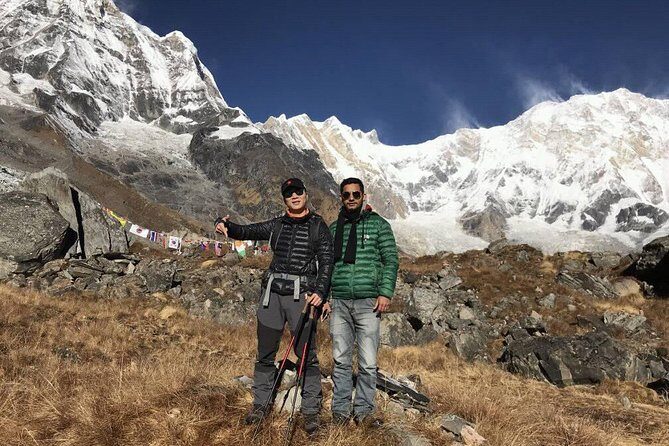
After base camp, Day 8 is a trek to Bamboo (6 hours). Day 9 moves to Jhinu (5 hours). These are important days because you’re not just moving downhill—you’re rejoining normal human energy. Your legs will still be tired, but you’re usually less mentally tense because the goal is done.
Day 8 often feels like a transition: you’re coming out of the highest excitement and back into routine trails. Bamboo gives you a place to breathe, reset, and enjoy the fact that your route is shrinking the altitude stress.
Day 9 is often a confidence-builder. At five hours, it’s still meaningful hiking, but you’re not facing the same “first time at altitude” feeling. You can focus on steady steps and enjoying the scenery that you might have rushed past earlier.
Pokhara Museum and the final transfer: what happens after the trek ends
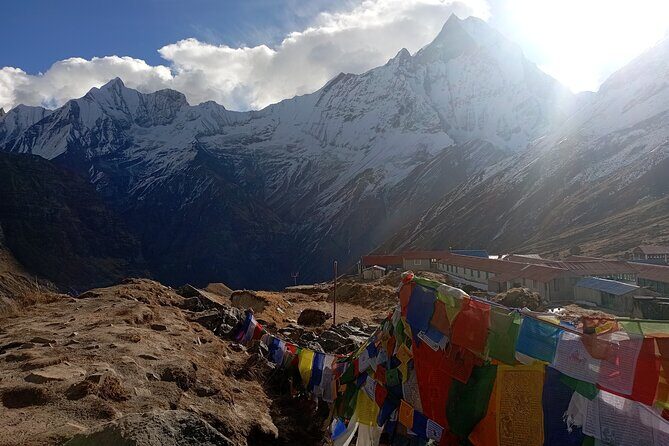
Day 10 shifts to Pokhara with about 5 hours listed, and then the tour includes a drive to your hotel in Pokhara after trekking. That matters because Pokhara is where you decide how much rest you need versus how much you want to explore.
The Pokhara Museum stop is a simple way to break the trekking bubble. Even if museums aren’t your priority, the end-of-trip change of pace can be nice: you’re not forced into a full travel day with bags and transport confusion. You’ve got a scheduled ending, which keeps the last day from feeling chaotic.
Price and value: what $1,180 per person covers (and what it doesn’t)
At $1,180 per person for roughly 10 days, the value comes from what’s included and what’s left off your plate.
Included:
- Private tour/activity (your group only)
- Accommodation in teahouses along the way, including an overnight at base camp
- Meals: lunch and breakfast appear to be included for 10 days, and dinner for 9 days (based on the listed totals)
- Admissions/tickets are marked as included on the itinerary segments
- Some of the best views in the world, delivered by actually getting to the places on the map
Not included:
- Tents (you’re in teahouses, so this isn’t a surprise, but it’s still good to know)
Where the price can feel expensive or cheap depends on you:
- If you want to trek without carrying heavy gear and you like organized transfers, that’s where your money goes.
- If you’re a super budget traveler who prefers do-it-yourself logistics, you might find it pricier than other options.
Also keep expectations realistic about food. One of the trade-offs mentioned in feedback for this kind of trek is that the tea house menu can be basic, and you might pay extra if you want certain additions. That doesn’t ruin the experience, but it’s good to plan for it so you’re not surprised.
The human side: Ashok, guides like Hari and Homprakash, and porters who keep things moving
This is one of those treks where the team can make or break your day-to-day stress level. The provider behind the trip, Ashok, shows up repeatedly in feedback as responsive and organized from the moment travelers inquire.
On the ground, guides mentioned in feedback include people like Hari, Prakash/Prakesh, Homprakash, and Rai Badal—all described as attentive and helpful. Porters named in feedback include Surendra, Durga, and Bobinda, with notes that they’re caring and serious about their work.
I’d treat that as a sign of the kind of support you can expect, not a guarantee of the exact same people. Your guide and porter assignment can vary, but the overall theme is consistent: you’ll be trekking with a team that understands how to manage logistics, pace, and the practical needs of the hike.
One small but memorable bonus from feedback: a farewell dinner with dancing gets mentioned, and it’s the kind of extra that turns a trekking company from “transport service” into a real trip experience.
Packing and training: how to prepare for a 10-day ABC trek without overthinking it
The tour asks for moderate physical fitness. That’s a helpful baseline, but the real key is how you handle daily hiking time and elevation. With a 10-day structure, you’ll likely hike several days in the 5–7 hour range, with an intense highlight day at base camp.
Practical approach:
- Train for steady hiking. Think longer walks with manageable intensity, not short sprints.
- Bring layers for temperature swings. Mountains love changing the rules mid-day.
- Keep your personal items minimal since you’re living out of day-to-day packing at tea houses.
- If you’re sensitive to altitude, plan to go slowly and listen to your body. The itinerary’s structure is supportive, but your choices on the trail still matter.
If you’re going in spring and want the rhododendron bloom experience, remember that weather can still be changeable. Expect some cool mornings even when the forests look amazing later.
Should you book this Annapurna Base Camp trek?
I think this trek is a strong choice if you want a classic Annapurna Base Camp experience in a tight 10-day window, and you’d rather put your energy into walking and acclimating than sorting out tents and day-by-day logistics.
Book it if:
- You like the idea of teahouses throughout and a base camp overnight
- You want structured help from a provider known for organization and responsiveness (with names like Ashok and guides such as Hari or Homprakash appearing in feedback)
- You want Poon Hill included so you get viewpoint payoff early
Maybe skip or compare if:
- You’re very sensitive to food variety. The tea house experience is real, but menu expectations should be modest.
- You’re looking for something fully DIY or ultra-budget. The price reflects the private, supported format.
If you match that profile, this tour gives you the essentials of Annapurna—up close, high enough to matter, and organized enough that you can focus on the trail.
FAQ
How much does the Annapurna Base Camp trek cost?
It’s priced at $1,180.00 per person.
How long is the trek?
The duration is 10 days (approx.).
Where does the tour start in Nepal?
It starts at Destination Unlimited Treks : Trekking in Nepal, in Thamel, Kathmandu (Thamel Rd). The start time is listed as 6:15 am.
Does this tour include meals and accommodation?
Yes. It includes accommodation in teahouses along the way and meals are listed as including breakfasts, lunches, and dinners (with lunch 10 times, dinner 9 times, and breakfast 10 times).
Is a tent included for the trek?
No. Tents are not included.
What kind of tour is this?
It’s a private tour/activity, so only your group participates.
How high do you trek on this itinerary?
The trek climbs up to about 13,550 ft (4,130 m).
What should I expect after the trek ends?
After trekking, you drive to a hotel in Pokhara, and the itinerary also lists a stop at the Pokhara Museum on the final day.