REVIEW · KATHMANDU
Everest Base Camp Trek
Book on Viator →Operated by Adventure White Mountain Pvt.Ltd · Bookable on Viator
That first glimpse of the Himalaya hits fast. This Everest Base Camp trek pairs English-speaking guidance with a porter setup that makes the long days feel manageable, plus a clear plan from Thamel to Lukla and back. I also like the big emphasis on organization and safety, including how they handle the trek with lots of past experience. One caution: the price you see does not include national park permit fees and the accommodation during the trek, so budget for those extras.
If you’re the kind of person who likes structure (without losing the sense of adventure), this one works well. You’ll get a hotel in Kathmandu on day one, then a paced climb with two acclimatization days—Namche Bazaar and Dingboche—so you’re not just rushing uphill to chase views.
One more thing to know upfront: flights depend on weather, and the Lukla part can be the main variable. If you’re flexible and don’t treat time as a guarantee, the trip gets a lot easier to enjoy.
In This Review
- Key highlights at a glance
- Kathmandu: Thamel, Durbar Square, and Getting Your Legs Ready
- Lukla Flight and the Phakding Start: Short Air, Big Feeling
- Phakding to Namche Bazaar via Monjo: Forest Trails and National Park Entry
- Acclimatization in Namche: Culture, Park Visits, and Not Getting Sick
- Day Five to Tengboche: Rhododendron, Wildlife, and That First Real Climb
- Tengboche to Dingboche: Bigger Views, Cooler Air, Better Pace Control
- Dingboche Acclimatization: Nagarkshang Hill and a Useful Pattern
- Toward Lobuche: Douglas, Khumbu Glacier Views, and Cold Nights
- Everest Base Camp Day: When the Dream Actually Arrives
- Kalapatthar Early Morning: The Payoff That Gets Most People Smiling
- Returning via Tengboche and Namche: The Trek’s Slow Exit
- Back to Kathmandu: Flight Home and a Farewell Dinner
- Price and Logistics: What $1,800 Really Covers
- Your Team: Guides, Porters, and Why People Keep Recommending This One
- What to Pack and How to Use Your Support Smartly
- Who This Trek Is Best For (and Who Should Rethink It)
- Should You Book Adventure White Mountain’s Everest Base Camp Trek?
- FAQ
- Where does this Everest Base Camp trek begin?
- What time does the trek start for the scheduled meeting?
- How do you travel from Kathmandu to Lukla?
- Is this a private tour or group tour?
- What trekking support do you get?
- What meals are included?
- Are park permit fees and trek accommodation included?
- Are drinks and extra charges included?
- What happens if bad weather cancels the experience?
Key highlights at a glance
- English-speaking guide + porter for two trekkers keeps the workload and stress under control
- Lukla flights in both directions save serious backtracking time in the Khumbu
- Two acclimatization days (Namche Bazaar and Dingboche) give your body time to adjust
- Sagarmatha National Park focus on the Namche rest day adds context beyond sightseeing
- Kalapatthar early-morning push is where most people feel the trip snap into focus
Kathmandu: Thamel, Durbar Square, and Getting Your Legs Ready
Your trip begins in Kathmandu, and it starts in a practical way: you’re met, then transferred to your hotel in Thamel. Thamel is touristy, yes, but it’s also convenient. You can grab small snacks, sort gear, and talk with your guide about what to expect before you leave the city behind.
If you still have energy on day one, Kathmandu Durbar Square is a smart add-on. It’s not far from Thamel and gives you a taste of real Kathmandu before the quiet rhythm of the mountains takes over. It also helps you shake off travel fatigue without forcing a big day.
I like that the plan acknowledges how arrival days work. You’re not thrown into a long tour immediately. You get time to recover, then you roll into the trekking pipeline.
You can also read our reviews of more hiking tours in Kathmandu


Lukla Flight and the Phakding Start: Short Air, Big Feeling
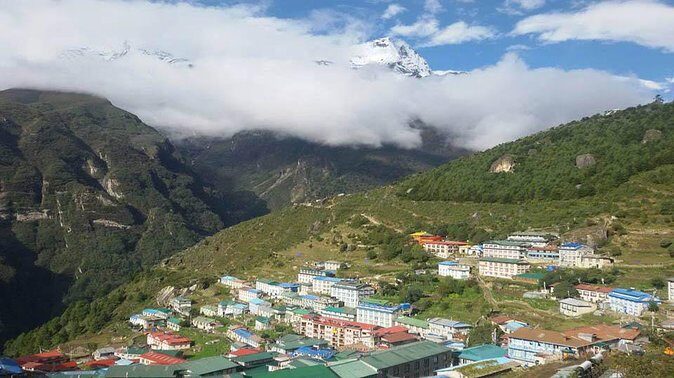
Day two is where the adventure starts to feel real. You head to Tribhuvan Domestic Airport at dawn for the flight to Lukla. The air time is short—about 30 minutes—but the change in scenery is immediate: hills, greenery, lakes, and a first serious look at the mountain scale.
After landing, you begin trekking right away toward Phakding. This is a good way to break the trip in. You don’t jump straight into steep high-altitude hardship. Instead, you build momentum with a day that ends early enough for you to settle in and prepare for what comes next.
You’ll also meet your trekking team properly here: your guide summarizes the trip, and you’ll travel with your porter support. One important detail: the setup is described as one porter for two trekker, which is a helpful ratio if you want to keep your pack light but still carry some of your own essentials.
Phakding to Namche Bazaar via Monjo: Forest Trails and National Park Entry
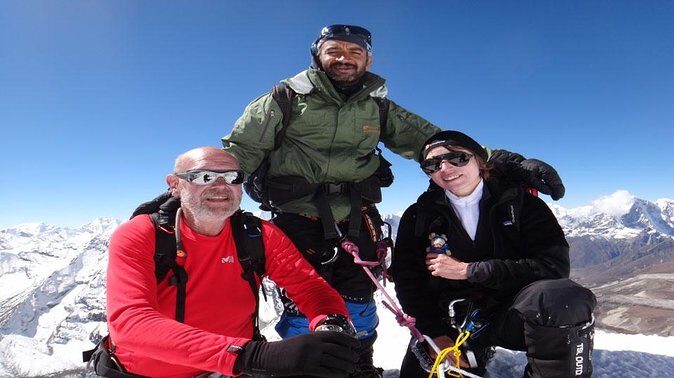
The route from Monjo to Namche Bazaar is one of those days that slowly teaches you altitude awareness. You’ll pass through rhododendron and pine forests, which means the walk has texture—not just open views. Then you arrive at Monjo, where you’re in Sagarmatha National Park territory.
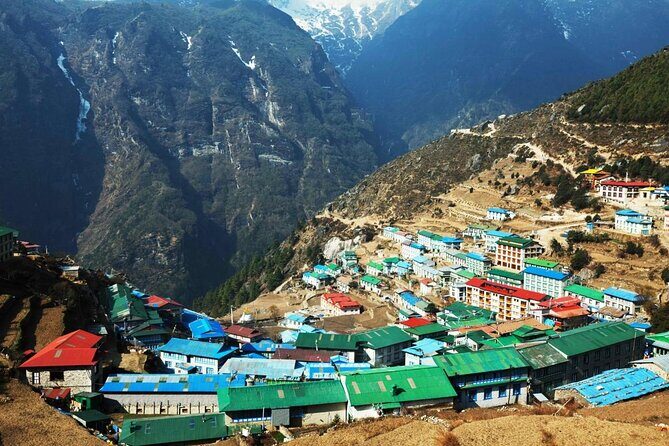
As you continue on, Namche Bazaar becomes your first base in the Khumbu. The vibe changes here. It’s a place for trekkers, locals, and practical supplies. Even a short time in town is useful because you can adjust your clothing layers and figure out where you’ll stand in the dining-and-rest routine for the next week.
I also like that the plan doesn’t treat Namche as a random stop. It treats it as a turning point: once you’re there, your body has to start cooperating.
Acclimatization in Namche: Culture, Park Visits, and Not Getting Sick
Day four is a rest day, and it’s an important one for your health. The trek plan explicitly builds in acclimatization so you don’t fall sick later. That’s not just comfort; it’s smart planning for high altitude.
You won’t be totally idle, though. You’ll explore Namche and learn the culture of the area, and you can also visit Sagarmatha National Park during this time. This gives the day meaning: it’s not just a pause to wait for your oxygen levels to catch up.
Here’s the practical payoff for you: if you use this day well—walk gently, stay hydrated, eat normally, and don’t sprint around—you’ll feel the difference on the uphill days that follow. And if you ignore it, the rest of the trek punishes you. High altitude doesn’t care about your motivation.
Day Five to Tengboche: Rhododendron, Wildlife, and That First Real Climb
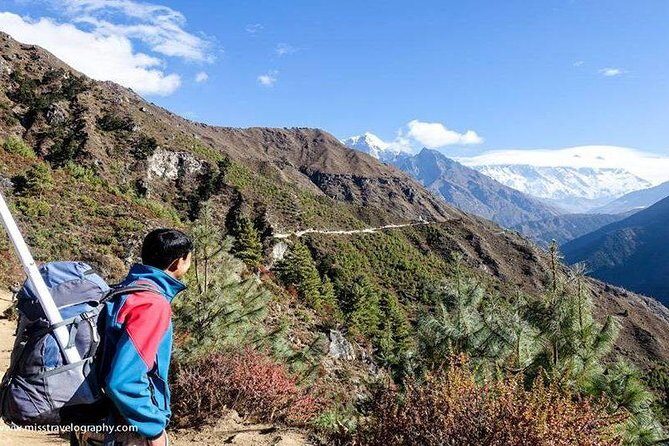
After acclimatizing, you start climbing in earnest. The route moves upward above the Dudh Koshi River. You’ll see the path toward Tengboche, with other Himalayan peaks shaping your experience as you go.
This is also the day where the trek gets more alive in small ways. The plan notes wildlife sightings like Danfe, the national bird of Nepal, which many people don’t expect to see on the way to Everest.
The trail has rhythm: you climb, you contour, and lunch comes partway through the day. You then ascend again through forest to reach Tengboche. Tengboche is known for its mountain-and-forest setting, and in your schedule, it works as a scenic overnight where you can recharge without feeling like you’re trapped in transit.




Tengboche to Dingboche: Bigger Views, Cooler Air, Better Pace Control
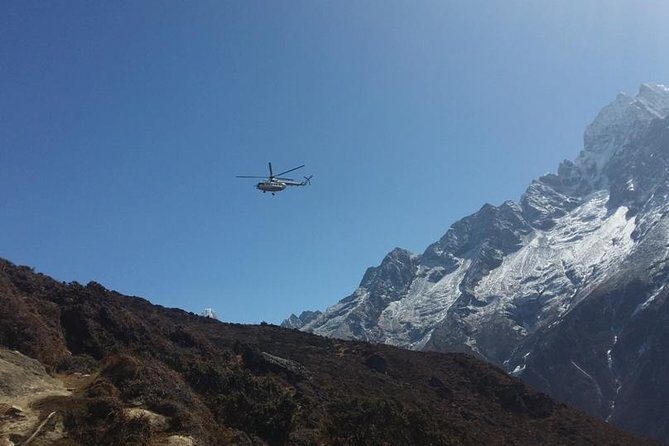
Day six transitions you toward Dingboche, crossing rhododendron forests and passing scenes that feel like you’re walking inside a mountain amphitheater. The route description calls out views of White Mountains and a cool environment, and that matches how the temperatures often shift as you gain altitude.
This is also one of the days where pacing matters. If you move too fast early, you’ll pay later. The plan keeps a steady “walk, stop, eat, sleep” rhythm that’s designed to keep you moving without turning the day into a suffer-fest.
Overnighting in Dingboche sets you up for another acclimatization day, which is exactly what you want at this stage.
Dingboche Acclimatization: Nagarkshang Hill and a Useful Pattern
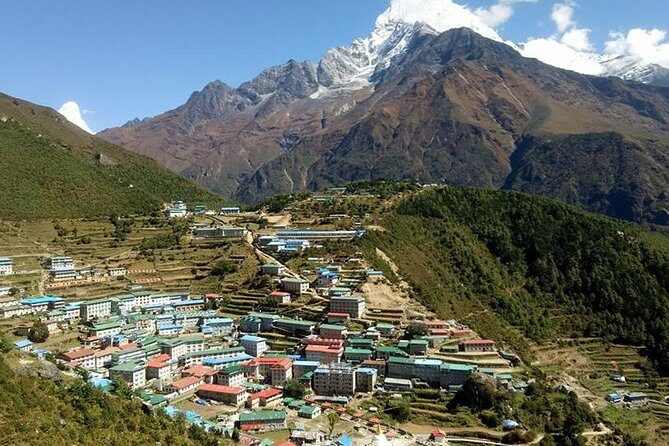
Day seven is another acclimatization block. You’ll explore Dingboche village and climb up to Nagarkshang hill, then return to the hotel for the night.
This kind of “climb a bit, come down, sleep higher” pattern is one of the best things you can do for your body on a trek like this. It’s not about breaking records. It’s about training your system while keeping strain under control.
If you like having a clear plan rather than guessing what to do on rest days, this one’s solid. It gives you a job for the day—without turning it into a scramble.
Toward Lobuche: Douglas, Khumbu Glacier Views, and Cold Nights
Day eight takes you to Douglas and then toward the Khumbu Glacier area. The route description references views with Tawache and Chotlaste, plus the progression toward Lobuche.
Lobuche is described as very cold due to geography, and that matters. Cold doesn’t only make you uncomfortable; it can reduce sleep quality, and poor sleep makes altitude harder. Pack your layers smartly and treat your evening routine like part of the trek, not something to rush.
By now, you’re also far enough into the program that the logistics of getting there really matter. The trek plan’s strength is that it keeps you moving with consistent stops, consistent team support, and predictable daily structure.
Everest Base Camp Day: When the Dream Actually Arrives
Day nine is the big one: you move further toward Everest Base Camp (EBC). The schedule has you reaching the base camp area, then heading toward Gorakshep around noon and spending the night there.
This is where the trip stops being a plan and starts being a memory you’ll talk about for years. The description frames EBC as the place where mountaineers prepare for climbs toward Mt. Everest, 8,848 meters. Even if you’re not climbing, being there helps you understand what “preparation” really looks like in the Himalaya.
A practical note: going all the way to base camp doesn’t mean your day ends happily in warm air. Conditions can still be harsh. Keep an eye on your energy, eat what’s available, and don’t overthink every small symptom.
Kalapatthar Early Morning: The Payoff That Gets Most People Smiling
Day ten is early in the morning, with a push toward Kalapatthar. The trek schedule has you walking for hours and then breaking the day in Pheriche for your overnight.
Kalapatthar is famous because it tends to deliver dramatic views, and the plan gives it the attention it deserves: it’s your sunrise-style effort day, then you come down and reset.
This is also a good example of why the earlier acclimatization days matter. If your body is already adjusted, you can enjoy the effort. If you rushed earlier, you’ll spend the day fighting your breathing instead of enjoying the moment.
Returning via Tengboche and Namche: The Trek’s Slow Exit
Day eleven brings your return. You pass through Tengboche again for a couple of hours, then travel toward Namche Bazaar for the overnight.
Seeing the route twice is oddly comforting. The mountains don’t get smaller, but they do get familiar. You start recognizing trail rhythm, lodge routines, and where to pause without losing time.
Day twelve is longer, but the plan makes it doable: you move toward Lukla and stop in Lukla with time to breathe. You’ll also have a chance to visit Lukla Bazaar and buy souvenirs for family and friends, which is the perfect role for a final trekking day. It’s small closure.
Back to Kathmandu: Flight Home and a Farewell Dinner
Day thirteen brings you back to Kathmandu. You catch a flight from Lukla to Kathmandu, described as about half an hour, and you’re given some time to roam and enjoy the city again.
The plan also includes a farewell dinner in the evening, hosted by the Adventure White Mountain staff, after you successfully complete the trek. It’s a simple gesture, but it adds something human after days of cold air and long walking.
If you’re the kind of person who needs closure—one last sit-down meal where you can feel your legs before heading home—this matters.
Price and Logistics: What $1,800 Really Covers
The listed price is $1,800 per person for about 13 days. For trekking in this region, value comes from what’s included and what you don’t have to juggle yourself.
From what’s included, you get:
- Transport both ways by flight between Kathmandu and Lukla (plus sharing vehicle mentioned in the package)
- A professional English-speaking trekking guide
- Porter support described as one porter for two trekkers
- A set meal plan: the package lists 12 breakfasts, 11 lunches, and 11 dinners
- Pickup offered, plus a mobile ticket
What’s not included is just as important:
- All drinks (and you should assume not included beyond what’s counted as meals)
- Hot shower fees, battery charge, and WiFi tips for guide and porter
- Personal trekking equipment (jacket, trouser, gloves, hat, and more)
- Accommodation during the trip and national park permit fees
So is it good value? Often, yes—especially because flights and guiding are the big budget headaches for many people. But you’ll want to confirm the lodging situation in your specific dates and budget for park permits up front. If you assume those are included, you’ll feel surprised late in the process.
Your Team: Guides, Porters, and Why People Keep Recommending This One
The most praised part of this trek isn’t just the views. It’s how the team manages the trip end to end.
In the feedback you provided, trekkers repeatedly mention the smooth handling from the first airport pickup to dropping them off for departure. The owner, Dipak Sapkota, comes up for fast response and patient communication during planning. Names like Deepak and Rishi also show up as standout team members in Kathmandu support.
On the mountain side, guides such as Sambhu and Dilli (also referenced as Baba Dili) get credited for being helpful, cheerful, experienced, and kind. Porters also get specific credit for being supportive enough that people felt they could make it all the way to base camp.
There’s also a useful practical detail from the notes: one guest described handling a last-minute flight plan from Lukla to Ramechap within about 10 minutes. That’s exactly the kind of situation where you want an organizer who can move quickly.
The team setup matters because Everest Base Camp isn’t a stroll. It’s long, and the weather can be unpredictable. With good guidance, you’ll spend more of your energy on walking and less of it on guessing.
What to Pack and How to Use Your Support Smartly
The package lists personal equipment as not included. That means you should bring the basics you need for cold nights and changing temperatures: warm layers, gloves, and a hat are specifically mentioned as part of what you’ll need to source yourself.
Also think about your pack. With one porter for two trekkers, the goal is to avoid overloading yourself. But you still need access to essentials. Keep things you might need during the day in your own reach—water and snacks if allowed, a warm layer, and a way to manage small weather changes.
Finally, take the guide’s pacing seriously. When your breathing gets heavy, don’t treat stubbornness as motivation. Use the rhythm they set. That’s how you protect your body and keep the trip enjoyable.
Who This Trek Is Best For (and Who Should Rethink It)
This trek suits you if:
- You want a structured route with acclimatization built in
- You’re okay with cold nights and early mornings
- You’re comfortable with moderate physical fitness expectations
- You value a team that handles logistics and communication
It may be a tougher fit if:
- You dislike altitude planning (since there are clear acclimatization days)
- You need guaranteed timing in Lukla flights, since weather can affect travel days
- You don’t want to handle extra costs for permits and trek accommodation
The good news is that the plan’s pacing and team structure are designed for normal humans, not just peak-condition athletes.
Should You Book Adventure White Mountain’s Everest Base Camp Trek?
I’d book this trek if you want a well-run Everest Base Camp experience with English-speaking guidance, porter support, and a route that includes both Namche and Dingboche acclimatization days. The biggest strength here is how the package combines big-ticket logistics (Lukla flights) with on-the-ground care.
Before you say yes, do two things. First, budget for national park permit fees and accommodation during the trek, since those aren’t included. Second, be ready for weather-based changes around flights, especially in and out of Lukla.
If you can handle that, this trip is the kind where the hard parts feel worth it because the planning helps you reach the payoff days: EBC itself and the Kalapatthar morning.
FAQ
Where does this Everest Base Camp trek begin?
It begins in Kathmandu, Nepal. You’re met on your arrival day and transferred to a hotel in Thamel.
What time does the trek start for the scheduled meeting?
The start time listed is 7:15 am.
How do you travel from Kathmandu to Lukla?
You fly from Tribhuvan Domestic Airport in the dawn, with a flight duration of about 30 minutes to Lukla.
Is this a private tour or group tour?
This is a private tour/activity. Only your group will participate.
What trekking support do you get?
The package includes a professional English-speaking trekking guide and one porter for two trekkers.
What meals are included?
The package lists 12 breakfasts, 11 lunches, and 11 dinners.
Are park permit fees and trek accommodation included?
No. Accommodation during the trip and national park permit fees are not included.
Are drinks and extra charges included?
All drinks are not included, and extra items like hot shower fees, battery charge, and WiFi tips are also not included.
What happens if bad weather cancels the experience?
The experience requires good weather. If it’s canceled due to poor weather, you’ll be offered a different date or a full refund.