REVIEW · KATHMANDU
12 Days Everest Base Camp Trek
Book on Viator →Operated by himalayan sanctuary adventure private limited · Bookable on Viator
Everest Base Camp sounds huge. This trek turns it into steps you can handle. You get an all-inclusive plan that lines up the tough admin (permits and paperwork) and the practical stuff (guide, porter, teahouses, and domestic flights), so you can focus on walking and altitude.
I especially liked two things: the permits and trekking paperwork are handled for you (TIMS plus the National Park Permit), and you’re supported by an English-speaking, government-licensed guide who keeps communication strong from start to finish, including coordination names like Bishnu. One thing to consider: the Lukla flights can delay or cancel due to weather, so you need patience at the airports even with a well-run trip.
In This Review
- Key things to notice before you go
- Kathmandu to Lukla: where the trek really begins
- Permits and paperwork that keep your trek stress lower
- Phakding to Namche Bazaar: acclimatization with real views
- Tengboche to Dingboche: monasteries, monasteries, and altitude practice
- To Lobuche, Gorakshep, and Everest Base Camp: the long day that counts
- Kala Patthar at sunrise: the view most people remember
- The descent back: Namche and Lukla feel different
- Kathmandu landing: transfers and the end-of-trek dinner
- What you’re really paying for (and what you aren’t)
- Comfort in the mountains: teahouses, meals, and porter balance
- Who should book this EBC trek?
- Should you book this Everest Base Camp trek?
- FAQ
- Is the trekking permit included?
- What’s included for accommodations and meals during the trek?
- Do I get porter support?
- How do the flights work for getting to the trek?
- Do I need a Nepal visa and travel insurance?
- What fitness level do I need?
Key things to notice before you go
- TIMS and National Park permit prep included so you don’t lose time hunting documents
- Teahouse lodging with breakfast, lunch, dinner during the trek keeps your daily routine simple
- Porter support (2 trekkers : 1 porter) helps you save energy for climbing
- Acclimatization built in with scheduled time in Namche Bazaar and Dingboche
- Long summit-style day options like early Kalapatthar for big Everest views
- Private group format means your pace and needs are less likely to get steamrolled by strangers
Kathmandu to Lukla: where the trek really begins
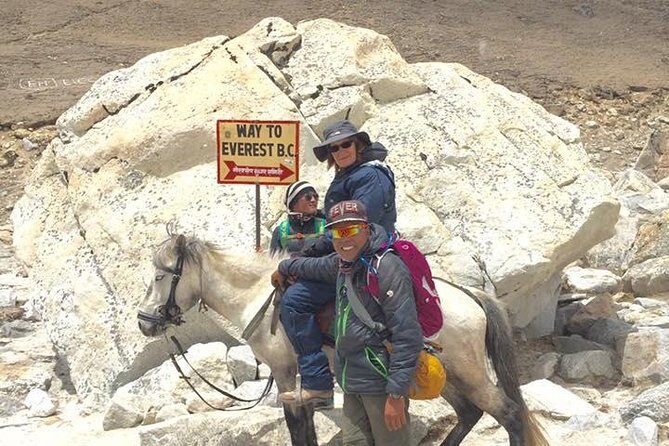
Most Everest Base Camp trips start with the romance. This one starts with logistics done right. You meet up in Kathmandu, then the schedule swings you into an early flight to Lukla, the famous gateway town for the Khumbu. It’s short in time (about 30 minutes in the plan), but it changes everything: you go from city life to mountain life in one jump.
From Lukla, you start hiking toward Phakding (2,651m/8,700ft). The first day is designed as a warm start—about 3 to 4 hours walking, with a stop through Cheplung village. The payoff is your first real look at the Khumbu peaks. Even if the weather is moody, the valley scenery and village rhythm still feels special.
Practical note: mornings in Nepal can be cool and crisp. Bring layers you can shed fast. You’ll be climbing, even on what feels like a “light” first day.
You can also read our reviews of more hiking tours in Kathmandu


Permits and paperwork that keep your trek stress lower
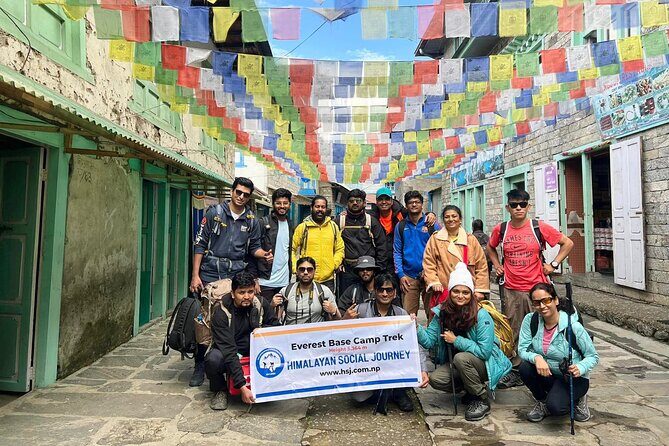
Everest Base Camp is not just about altitude. It’s also about access. The value in this package is that it includes all necessary paperwork and trekking permits: the National Park Permit and TIMS.
That matters because permits are not optional, and they’re not always quick to manage at the last second. When they’re already arranged, you get a cleaner start in the field. Less scrambling also means you spend more time walking and less time worrying about which document is missing.
Add to that: you travel with an experienced, English-speaking, government-licensed trekking guide, and a medical kit carried by your trek leader. The trek is still challenging, but you’re not doing it “bare.” For a first EBC trek, that’s a big deal.
Phakding to Namche Bazaar: acclimatization with real views
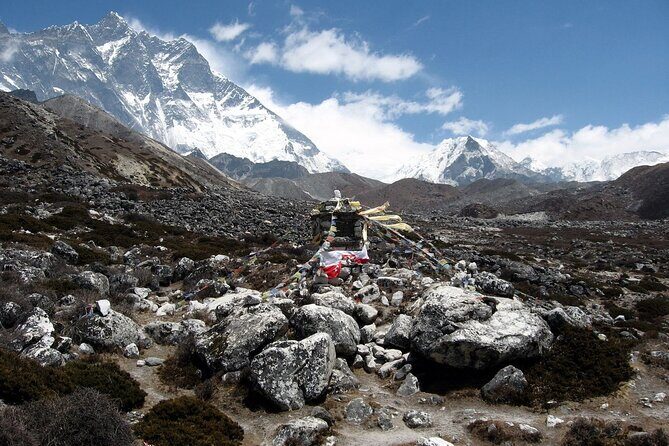
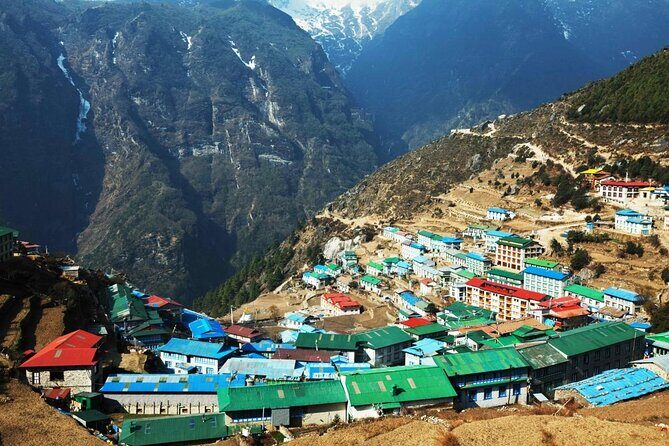
Day 2 moves you from Phakding to Namche Bazaar (3,438m/11,280ft) in roughly 4 to 5 hours. You’ll cross the Dudh Koshi River and pass through Chumoa and Monjo villages, then reach the entrance to Everest National Park. The trail also takes you alongside the rivers—this is the kind of walking where your legs settle in and your mind starts to sharpen on the scenery.
The Namche area is where your body learns the rules of altitude. Day 3 is explicitly an acclimatization day. You explore Namche Bazaar, then do a hike-up near Sagarmatha National Park for a sunrise-style view of major peaks—Everest, Lhotse, Nuptse, Ama Dablam, Thamserku, Kongde, and more. If you want options, the plan notes a day hike to Khumjung village.
This is the sweet spot of the route: you get to slow down without feeling like you’re wasting time. You also get mountain culture in the mix—markets, monasteries, and Sherpa life—so it’s not just a hiking corridor.
Tengboche to Dingboche: monasteries, monasteries, and altitude practice
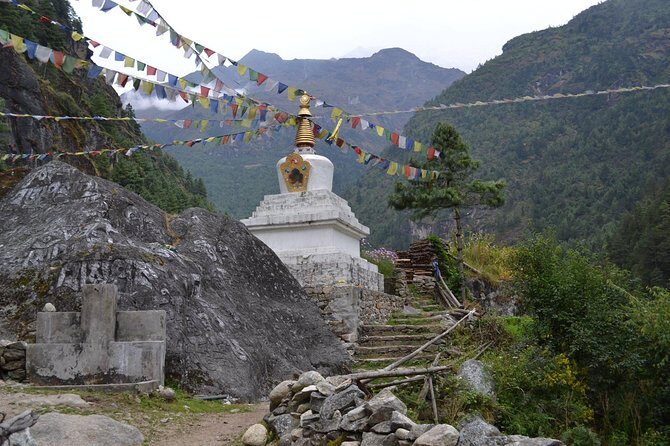
On Day 4 you hike to Tengboche (3,870m/12,694ft). It’s planned as about 5 to 6 hours. The middle of the trek shifts from “valley walking” toward “more mountain drama,” and the highlight is Tengboche Monastery, described as the biggest monastery in the Everest region.
Here’s a detail that’s worth caring about: the monastery opens at 3:00 pm. The plan suggests that if you reach by around 4 o’clock, you may be able to observe a Buddhist religious ceremony. Even if the exact timing doesn’t line up perfectly on your day, the monastery visit still tends to be one of those moments where the trek feels connected to place, not just elevation.
Then Day 5 takes you from Tengboche to Dingboche (4,360m/14,300ft). It’s another 5 to 6 hours with a downhill section toward Debuche, crossing the Imja River, and passing through Pangboche and its monastery before continuing via the Imja Valley and Lobuche River. Lodging lands you at Dingboche, where Day 6 is another acclimatization day.
Day 6 is a real recovery tool. You spend time acclimatizing in Dingboche, with the option to hike about four hours behind the village to view big peaks like Lhotse, Makalu, and Cho Oyu. This kind of “go up, then rest” approach is exactly how you make altitude feel more manageable.
To Lobuche, Gorakshep, and Everest Base Camp: the long day that counts
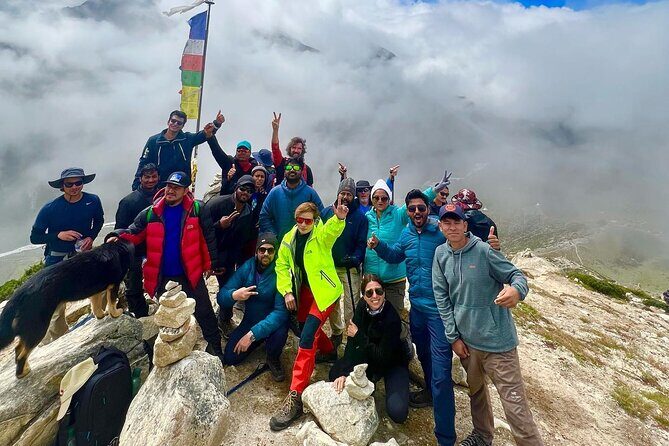
Day 7 climbs toward Lobuche (4,900m). You’ll walk around 7 hours (about 9 km), following the Himalayan trail toward the famous base camp area. You’ll spend time looking at the mountains, but the bigger challenge here is keeping your pace steady. At higher altitude, going too fast can feel like you’re constantly behind your breathing.
Day 8 is the monster day: Lobuche to Gorakshep, then onward to Everest Base Camp (5365m). The plan calls it a nearly 12-hour day (about 17 km). First, you hike to Gorakshep (5,160m), check in at the lodge, eat lunch, then walk to the Base Camp to take in views of peaks like Nuptse, Khumbuste, and Pumori. After that, you return to Gorakshep for overnight.
There’s a lot packed into this day, and it can feel like two treks stitched together. My advice: treat it like a fuel day. Eat on schedule, drink when you can, and don’t spend all your energy trying to rush for photos. You’ll see Base Camp from multiple angles once you’re there. The point is to arrive steady, then enjoy it without sprinting.
Also, teahouse life matters here. You’ll be in simple lodge rooms with your base of operations. Plan to keep your daily habits consistent: warm layers, dry socks, and a small daypack you trust.






Kala Patthar at sunrise: the view most people remember
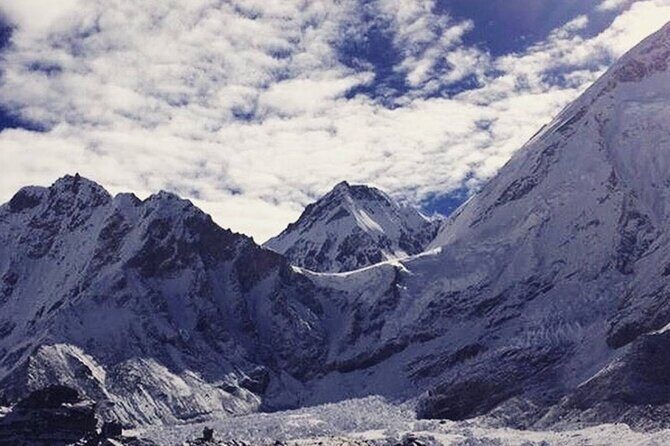
After an early breakfast, Day 9 is your “highest viewpoint” payoff: hike up to Kala Patthar (5,555m). The plan notes about three hours to the summit viewpoint, then time at the top for views of Everest and surrounding peaks like Lingtren, Khumbutse, Changtse. After lunch at Gorakshep, you hike down to Pheriche (about 4,200m).
This day is physically demanding, but it’s also straightforward in structure: you go up, you look, you come down. The trick is pacing on the ascent. At that altitude, you don’t need speed—you need a rhythm you can sustain.
When you finally turn downhill to Pheriche, you’ll feel it immediately. Even if your legs are tired, the descent tends to feel like progress you can measure. It’s also a mental shift: Base Camp is in the past now, and the trek becomes about returning.
The descent back: Namche and Lukla feel different
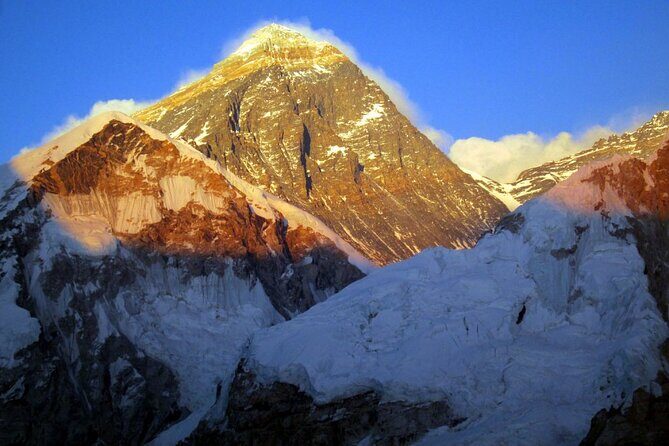
Day 10 heads from Pheriche to Namche Bazaar (3,441m), about 7 hours, via routes that include Pangboche and Tengboche. You get that rare combo: some familiar scenery on the way down, but with a new perspective because you’ve already crossed the hardest mental lines.
Overnight is back in Namche Bazaar. This is a good time to reset. You’ve done the big altitude work. Now you can focus on comfort, sleep, and packing up.
Day 11 takes you from Namche to Lukla (2,804m) in around 6 hours. The plan notes the afternoon is freer—time to wander, relax, and even enjoy a hot shower, plus celebratory group time in the evening.
That last-day “reflect and exhale” period is more meaningful than it sounds. The trek compresses a lot into a short time, and the chance to share it with your group matters.
Kathmandu landing: transfers and the end-of-trek dinner
Day 12 is the return to Kathmandu after an early morning flight. On arrival, you’ll have a transfer to your hotel.
The trip also includes a farewell dinner at the end of the trip, plus the itinerary mentions a cultural dinner in Kathmandu. That’s not just a nice bonus. It gives you a clear ending point—something to anchor the whole experience when you’re back at sea level-ish (in spirit, at least).
One more reality check: the plan explicitly notes that Lukla flights often get delayed or canceled because of unfavorable weather. That can mean waiting in Kathmandu or Lukla, sometimes at the start, sometimes at the end. Even the best-season trips can face disruption. Build patience into your schedule and don’t plan tight connections right after the trek.
What you’re really paying for (and what you aren’t)
The price is $1,390 per person for a 12-day trek. At first glance, it can seem like a lot for “walking and tea houses.” But when you break down what’s included, the math gets more sensible.
Included items that raise the value:
- Domestic flights Kathmandu–Lukla–Kathmandu
- Teahouse accommodation with breakfast, lunch, and dinner during the trek
- Guide (experienced, English-speaking, government-licensed)
- Porter service with a 2 trekkers : 1 porter ratio
- All necessary paperwork and trekking permits (TIMS + National Park Permit)
- Medical kit carried by your trek leader
- Airport pickup and drop
- Staff costs like salary, insurance, equipment, food, and accommodation
- A farewell dinner
Not included, so budget for it:
- Nepalese visa fee
- Travel and rescue insurance
- Tips for guide(s), porter(s), and driver(s)
- Extra porters if you need them
- Drinks and “extras” like bottle or boiled water, phone use, laundry, and battery charging
- International flights
My take: if you want fewer moving parts, this kind of package makes sense. You pay extra so you can avoid admin headaches and reduce daily decision-making. If you’re already confident handling permits, flights, guides, and daily food planning yourself, you might find cheaper options. But for most people, the included structure is the point.
Comfort in the mountains: teahouses, meals, and porter balance
The trek uses teahouse accommodation, which means you sleep in basic guest rooms run by local operators. The upside is reliability: you’re not carrying a full camp setup. You also get meals on-site, planned as breakfast, lunch, and dinner during the trek.
The porter service is also a practical comfort upgrade. With the stated ratio (2 trekkers : 1 porter), you can keep your daypack lighter. That matters when you’re doing long hiking days like the near-12-hour push to Gorakshep and Everest Base Camp.
One detail worth noting from past experiences shared by people who did similar itineraries with this team: the staff setup often includes duffel bags so porters can carry gear efficiently. If you’re packing, you’ll do best with a simple system—main duffel for porter carry and a smaller daypack for essentials.
Who should book this EBC trek?
This trek fits best if you want:
- A structured route with acclimatization days planned in
- Help with permits and high-stakes logistics (TIMS + park permit included)
- A guided experience with real oversight, not guesswork
- The teahouse style of trekking (comfortable enough for a challenging itinerary)
It’s also a good match for anyone who wants a smooth experience without turning Everest Base Camp into a self-run project. The plan says you should have moderate physical fitness. I’d treat that as: you can hike for several hours, handle steep sections, and you’re ready for altitude to do some of the work on your lungs.
If you’re someone who loves flexibility to change routes mid-trek, you might want a more custom itinerary. But if you want the classic Khumbu flow with high-quality support, this is built for it.
Should you book this Everest Base Camp trek?
I’d book it if your priority is a low-stress, well-managed EBC journey: permits handled, guide and porter support included, meals covered during the trekking days, and flights stitched into the plan.
I’d hesitate if you hate uncertainty. The schedule depends on flights between Kathmandu and Lukla, and the plan clearly warns about possible delays or cancellations. If that kind of waiting would ruin your trip, add buffer time around your Nepal dates.
If your schedule can flex and you want the smart version of Everest Base Camp—walking, viewpoints, teahouses, and real mountain life—this itinerary is a strong pick.
FAQ
Is the trekking permit included?
Yes. The trip includes all necessary paperwork and permits, including the National Park Permit and TIMS.
What’s included for accommodations and meals during the trek?
You get teahouse accommodation during the trek, with breakfast, lunch, and dinner included.
Do I get porter support?
Yes. The tour includes porter service with a stated ratio of 2 trekkers : 1 porter. Tips are not included.
How do the flights work for getting to the trek?
The itinerary includes domestic flights Kathmandu–Lukla–Kathmandu. The plan also notes that flights can be delayed or canceled due to weather, so you should be prepared to wait.
Do I need a Nepal visa and travel insurance?
The Nepalese visa fee is not included, and travel and rescue insurance are not included.
What fitness level do I need?
The trip advises moderate physical fitness.