REVIEW · KATHMANDU
Pashupatinath: Evening tour of temple and Aarati ceremony
Book on GetYourGuide →Operated by Peak to Peak Treks · Bookable on GetYourGuide
Pashupatinath at dusk hits different. You get a guided look at Pashupatinath Temple and then watch the Aarati ceremony unfold near the Bagmati River, where faith, sound, and ritual all move in sync. It is a 3-hour experience that takes you from sacred architecture to real-life moments of mourning and release.
I especially love how the visit slows you down. You walk the temple grounds, notice the pagoda-style setting, and take in the golden spire with the sacred lingam of Lord Pashupatinath. Second, the river portion matters. The cremation ghats put Nepalese beliefs about life, death, and ritual into plain view, not something locked behind a museum label.
One thing to consider: this is not a calm, flat stroll. The ghats and temple steps can be uneven, and the tour is not suitable for wheelchair users, so wear grippy shoes and go steady.
In This Review
- Key Things You’ll Notice on This Tour
- Pashupatinath After Sunset: Why This Timing Works
- Entering the Temple Complex and Finding the Lingam
- The Bagmati River Ghats: Cremation Rituals With Real Weight
- The Aarati Ceremony: Oil Lamps, Mantras, and Drums at Sunset
- Price and Logistics: Why $57 Can Feel Fair
- What’s Included (and What You Should Still Plan For)
- How the Guide Helps You Understand What You’re Seeing
- Who This Tour Fits Best
- Should You Book This Pashupatinath Evening Tour?
Key Things You’ll Notice on This Tour
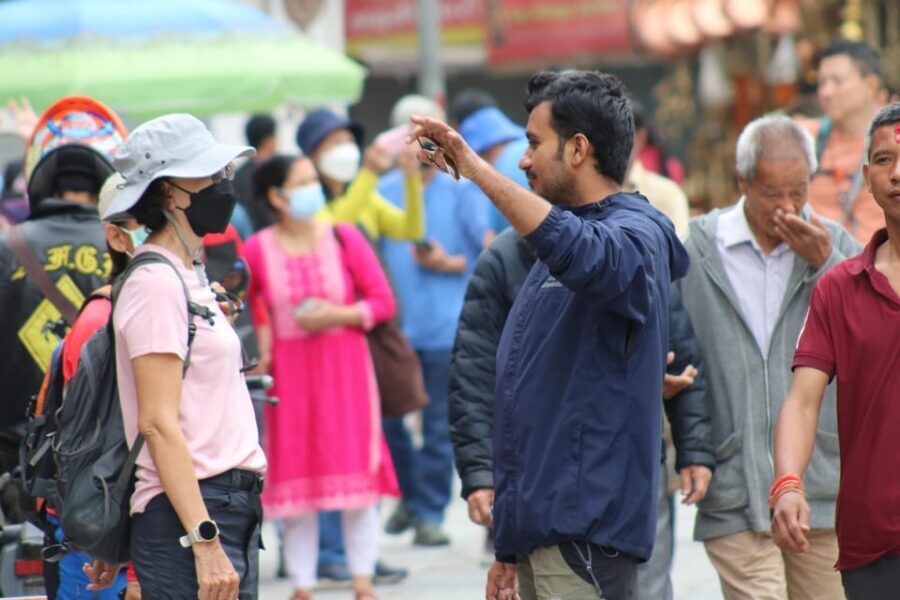
- UNESCO-listed temple grounds with long-standing spiritual significance
- Golden-spire architecture and multiple shrines and murtis (statues) to spot
- Bagmati River ghats where cremation rituals play out with chanting priests
- Sunset timing that leads naturally into the Aarati ceremony
- Aarati with oil lamps (diyas), mantras, and drums for a powerful sensory finish
Pashupatinath After Sunset: Why This Timing Works
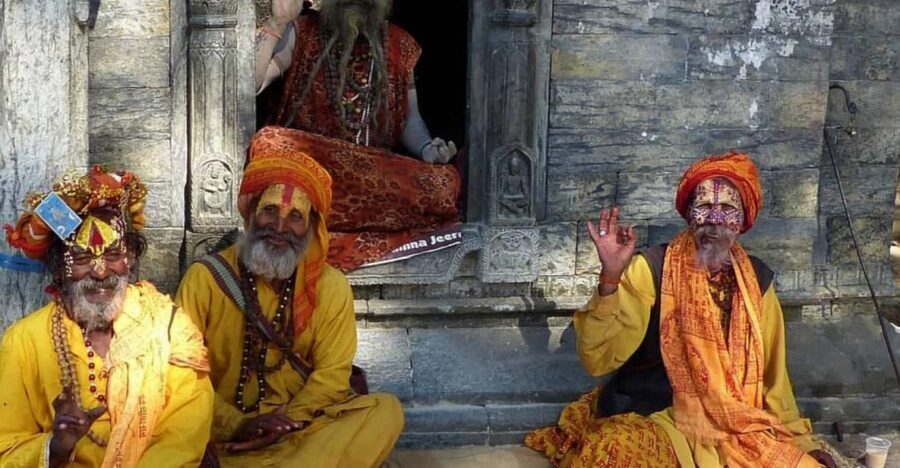
Evening is when Pashupatinath feels most human. Daytime brings steady foot traffic; at sunset, the scene shifts toward ceremony. You’ll have enough time to walk the complex first, then angle your attention toward the riverbank as the Aarati ceremony begins.
This timing also helps you understand what you’re seeing. The temple grounds teach you the sacred geography—shrines, statues, and devotional sounds—while the Aarati teaches you the rhythm. When drums start and priests move with oil lamps, you can feel how Nepalese spirituality holds both structure and emotion in the same place.
If you’re the type who likes context, this is a smart order. You go from what the site represents, to how the site is practiced each day.
You can also read our reviews of more evening experiences in Kathmandu



Entering the Temple Complex and Finding the Lingam
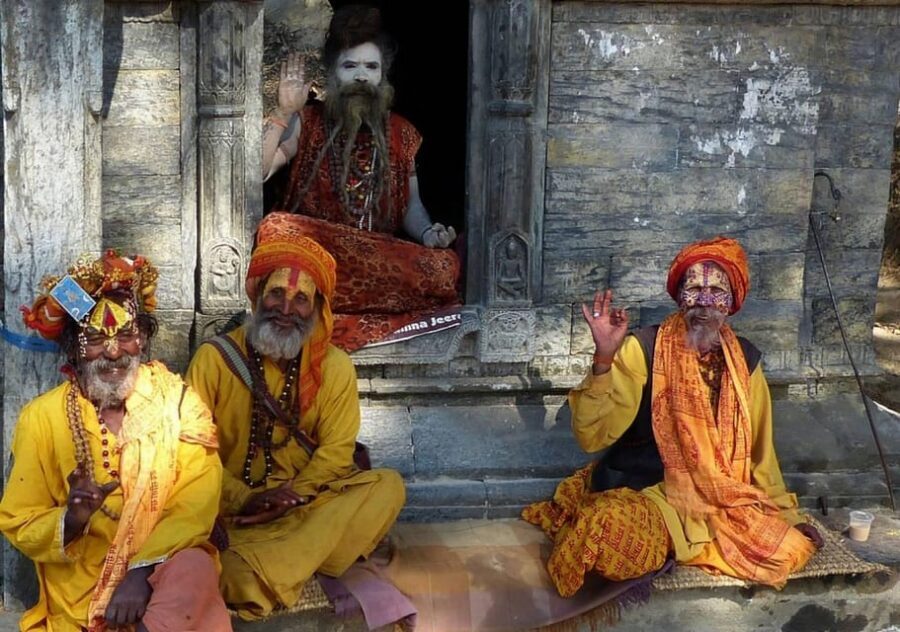
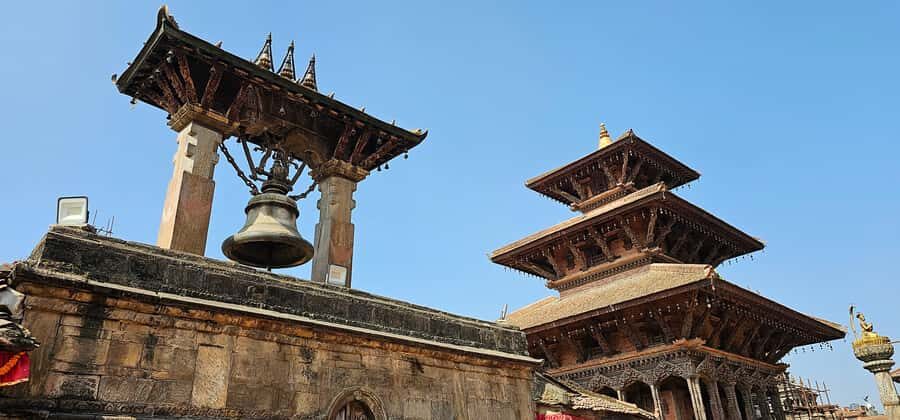
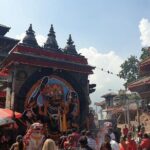
Your visit starts with the temple area itself. From the outside, the pagoda-style setting gives you a hint of what to expect: this is built for generations of worship. Then you reach the main Pashupatinath Temple, with its golden spire rising above the grounds.
Inside the story you’ll hear is the focus on Lord Pashupatinath, understood as a manifestation of Lord Shiva. The sacred lingam is the heart of the temple’s spiritual meaning. You don’t need a theology degree to appreciate it—you can just look for how devotees orient themselves and how the site holds reverence.
As you explore, you’ll pass other shrines and murtis (statues). This is where the tour feels like more than sightseeing. Each shrine and statue ties to myth and tradition, so the architecture starts behaving like a map of beliefs. You’ll also notice how incense scent and bell sounds create a steady devotional background.
Tip for your camera and your brain: don’t try to capture everything. Pause, look, listen. Your best photos will come after you stop chasing frames.
The Bagmati River Ghats: Cremation Rituals With Real Weight
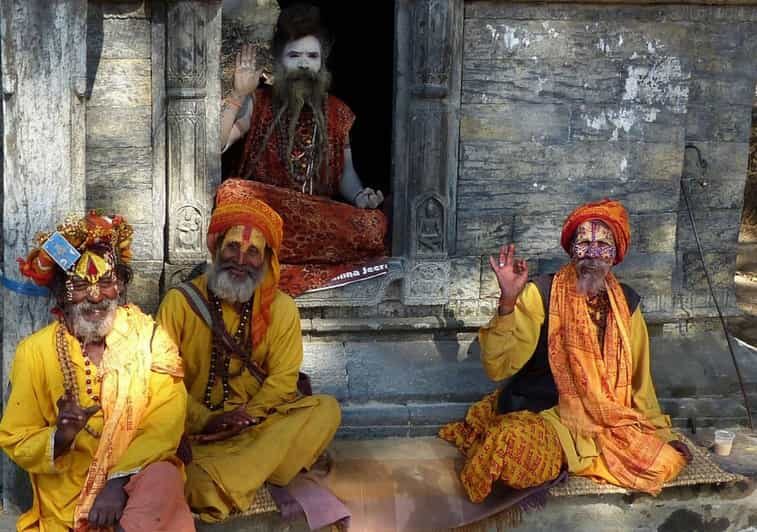
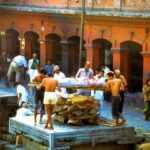
Next comes the riverbank—Bagmati River ghats, where cremation rituals take place. This is the part of the tour that people often describe as life-changing, not because it is dramatic in a tourist way, but because it shows death handled as a ritual, not a secret.
You’ll see families and priests participating as chanting continues. The setting can be emotional, and it is okay to feel that. The key is respectful distance and steady attention. If you think you can watch while scrolling, don’t. Give the moment your full focus.
What I find most useful here is how the tour frames the ghats as part of a living belief system. The ceremonies reflect ideas about the cycle of life and the way reincarnation is understood in Nepalese tradition. You’re not just observing a cultural performance; you’re watching a community dealing with loss through ceremony.
Practical reality check: the river areas can mean steps, crowded edges, and changing conditions. Go slow. Keep an eye on where people are moving, especially when priests or family members shift position.
The Aarati Ceremony: Oil Lamps, Mantras, and Drums at Sunset
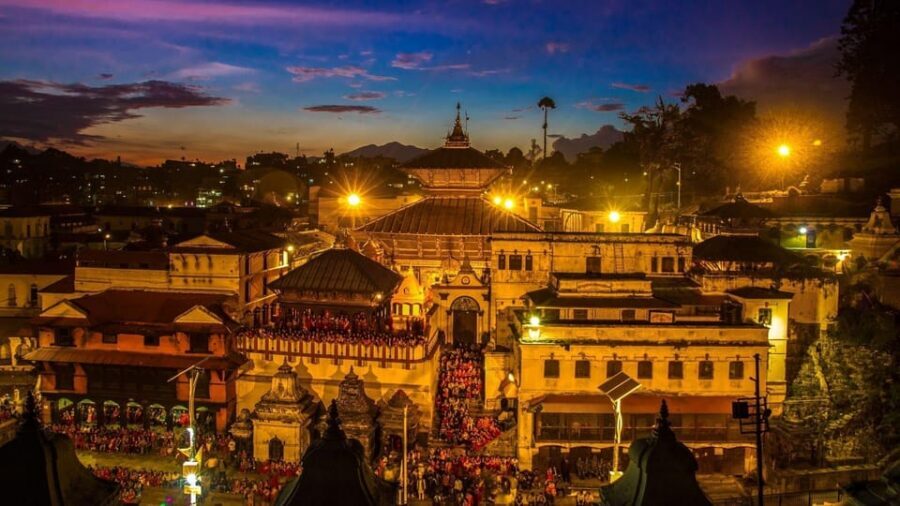
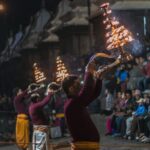
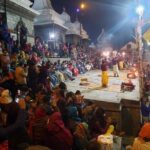
As the evening moves forward, the Aarati ceremony begins near the riverbank. This is where the tour becomes truly sensory. Priests in traditional attire perform intricate movements with oil lamps (diyas). The soundscape matters just as much as the visuals: mantras are chanted, and drums keep the pace.
If you’ve never watched an Aarati ceremony before, the lesson is simple: rhythm is devotion here. The motions feel practiced and intentional. The lamps create a shifting pattern of light that pulls your attention toward what’s being offered—prayer and reverence to Lord Pashupatinath.
You’ll likely find yourself standing among a mix of devotees and visitors. Your job is to stay out of the way, watch carefully, and let the ceremony unfold without trying to direct it. I’d also suggest you keep your phone away for part of the time. You can always take a few shots, but the real value is in the sound and the tempo.
When the ceremony ends, the collective moment lingers. It’s one of those experiences where you walk away feeling like the place taught you something—whether you agree with the beliefs or not.
Price and Logistics: Why $57 Can Feel Fair
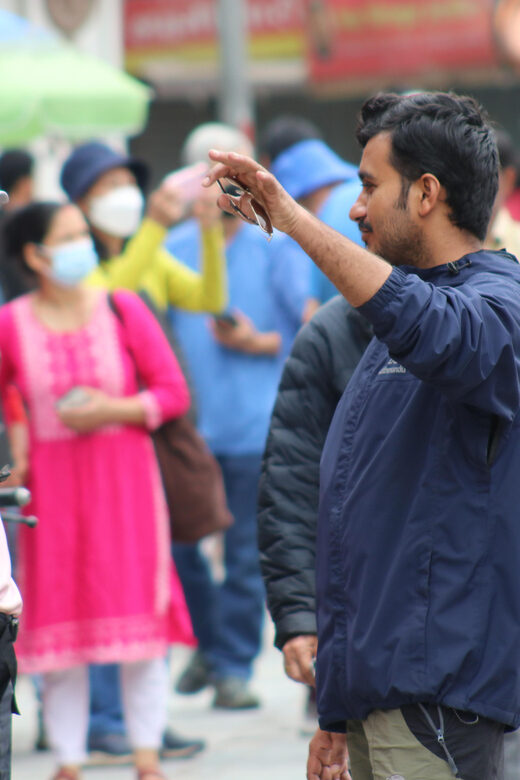
At $57 per person for a 3-hour tour, the value comes from what’s bundled. You’re not just paying for a guide; you’re also paying for:
- All transportation
- Entry fees
- English-speaking guide
- Skip-the-ticket-line
- Private group
For many visitors, the biggest headache in Kathmandu is time: getting across town, managing tickets, and figuring out where to stand for ceremonies. When those pieces are handled for you, you can spend your attention on the temple and the river rituals, not on logistics.
Also, a private group matters here. Places like this can be sensitive and crowded. A smaller group usually helps you move with clarity and avoid bumping into other people’s space at key moments like the ghats and the Aarati.




What’s Included (and What You Should Still Plan For)
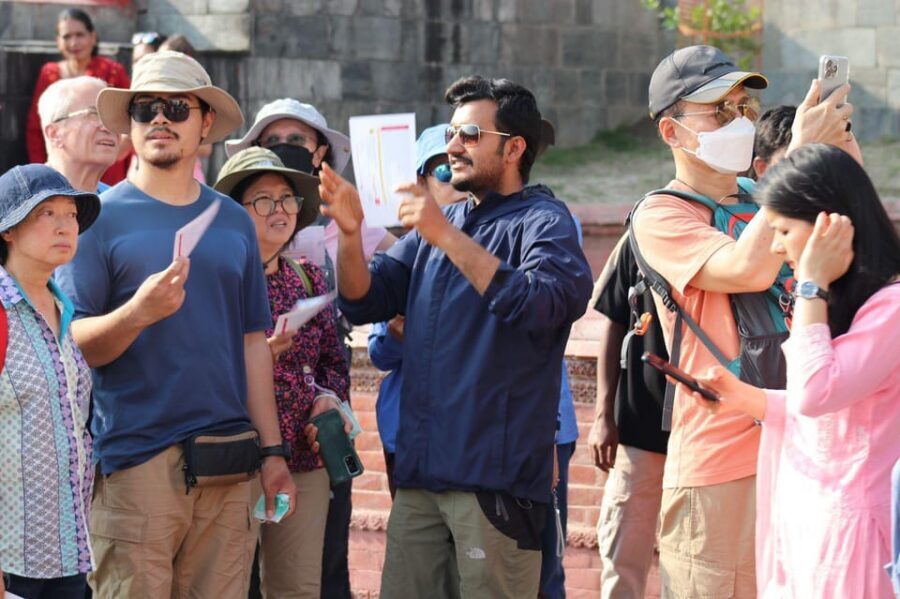
Included in this experience are the essentials: transport, entry fees, and an English-speaking guide. The guide also helps you understand what you’re looking at, including the meaning behind the sacred lingam and the day-to-day importance of rituals.
Because this tour includes cremation activity and a ceremony at sunset, you should plan for “real place” conditions:
- Dress modestly and comfortably for temple grounds.
- Wear shoes with grip for steps and uneven areas near the river.
- Expect sights and sounds that can be intense; that is part of why the experience is meaningful.
One detail from visitor impressions that you can treat as a bonus: a cup of cha may be offered during the outing. Even if it is not guaranteed every time, it’s worth being open to a small break when it appears.
How the Guide Helps You Understand What You’re Seeing
The guide’s role is practical and emotional. You’ll get help connecting symbols to meaning: why the temple complex is organized the way it is, what the lingam represents within Shaivite tradition, and what’s happening during the ghats and the Aarati.
A good guide also helps you avoid common mistakes, like lingering too close to ceremonies, blocking people’s paths, or taking photos at the wrong moment. Even with the best intentions, it’s easy to get caught up in the moment. An English-speaking guide keeps you oriented and keeps the experience respectful.
From what I’ve seen in similar Nepal spiritual visits, the most helpful guidance is not “facts.” It is timing—when to move, where to position yourself, and how to read the flow of ritual.
Who This Tour Fits Best
This evening tour works well if you want more than a checklist.
You’ll enjoy it most if you:
- like guided context for sacred sites
- want to see the daily rhythm of tradition, not just temple exteriors
- are okay with intense real-world moments near the cremation ghats
- prefer a smaller, private group format
You may want to skip it or choose a gentler option if you:
- are not comfortable with funeral rituals and chanting near cremation areas
- need wheelchair-friendly access, since it is not suitable for wheelchair users
It’s a strong choice for cultural-minded travelers who like authenticity with structure.
Should You Book This Pashupatinath Evening Tour?
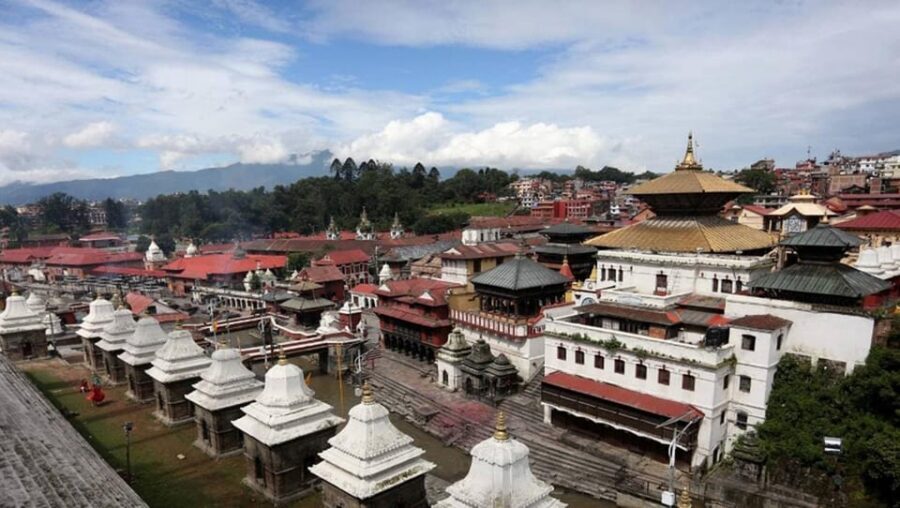
Book it if you want a meaningful Kathmandu evening that combines architecture, river rituals, and a sunset Aarati in one smooth, guided loop. The package is good for first-timers because transport, entry, and the ticket line are handled, and the English guide helps you interpret what you’re seeing.
Skip or reconsider if you hate crowds, struggle with uneven footing, or feel strongly uncomfortable with cremation ceremonies. This tour does not sanitize Nepalese spirituality. It shows it as practiced.
If you’re the kind of traveler who can handle real emotion with respect, this is the kind of experience you’ll remember long after you leave the riverbank.