REVIEW · KATHMANDU
Manaslu Circuit Trek – 12 Days
Book on Viator →Operated by Welcome Nepal Treks P.ltd · Bookable on Viator
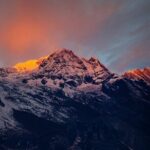
Trek to Manaslu feels like a secret route. This 12-day Manaslu short trek mixes big mountain drama with real village life on the way to Larke La Pass, passing places like Machha Khola, Samagaon, and Dharmasala. I love how the route brings you close to the mountains while also slowing down for the multicultural villages and Tibetan-influenced communities along the trail.
One thing to consider: it’s not a walk-in-the-park trip. You’ll need a strong fitness level for the long drive days, steep trekking sections, and early starts, plus teahouse comfort is basic (as it should be at elevation).
In This Review
- Key highlights worth clocking
- Why This Manaslu Short Trek Makes Sense for 12 Days
- Getting Started: Kathmandu to Arughat to Soti Khola
- Machha Khola to Jagat: Waterfalls, Hot Springs, and a 158m Bridge
- Deng to Namrung: Quiet Hamlets, Rivers, and Steep Valley Edges
- Namrung to Samagaon: Monasteries, Village Switchbacks, and Manaslu Views
- Samagaon Rest Day: Use It for Acclimatization (Not Just Sleeping)
- Toward Larkya La Country: Reaching 3800m and Scanning Named Peaks
- Dharmasala and the Larke Pass Build-Up: Crossing Into Larkya Phedi
- The 3am Sunrise Push: Annapurna Range Views and Bhimtang Timing
- Dharapani Descent Through Pine Jungle: Rhododendrons and Dudh Khola
- Returning to Kathmandu: Jeep to Besisahar and Marsyangdi River Views
- Price and What You’re Really Paying For ($1,813.34)
- Guides, Team Size, and Why Small-Group Matters on Trek Days
- Who Should Book This Manaslu Trek, and Who Might Struggle
- FAQ
- How many days is the Manaslu Circuit Trek package?
- Where does the trek start?
- Is pickup included?
- What kind of tickets do I get?
- Are guides and porters included?
- Are permits included?
- What accommodation style is used during the trek?
- Are meals included?
- Should You Book This Manaslu Circuit Trek – 12 Days?
Key highlights worth clocking
- Larke La Pass moment: the day that rewards the grind with high-pass scenery
- Small villages with real texture: places like Samagaon and Dharmasala feel lived-in
- Hot springs and landmark bridges: Machha Khola area includes a hot spring stop and the 158m cantilever bridge at Yaru bagar
- Culture over souvenir stops: monasteries and daily village routines are part of the trek rhythm
- Rest day that actually helps: Samagaon gives you acclimatization breathing room with optional hikes
Why This Manaslu Short Trek Makes Sense for 12 Days
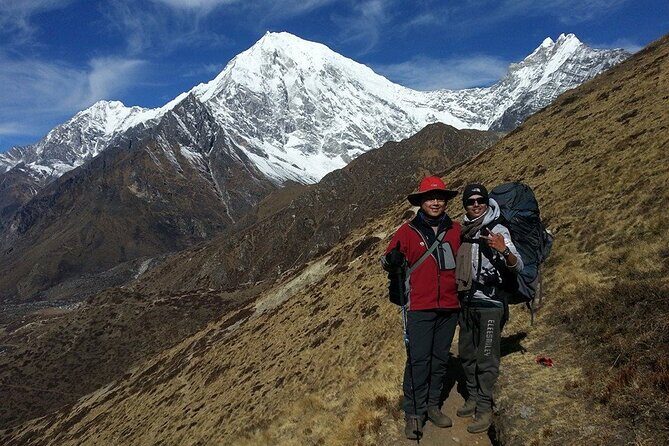
If you want the Manaslu region without turning it into a month-long project, this kind of Manaslu Circuit Trek – 12 Days approach fits well. You’re still getting the core drama: remote valleys, stone-and-stone village sections, and the big altitude push toward Larke La Pass.
What I like most is the balance. You get classic scenery planning (Dhaulagiri/Annapurna-region views, high-pass vantage), but you’re also spending time in multicultural communities like Gurung settlements and Tibetan-style villages. That combination is what makes this feel like more than just a check-the-box trek.
You can also read our reviews of more hiking tours in Kathmandu
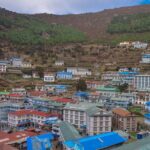
Getting Started: Kathmandu to Arughat to Soti Khola
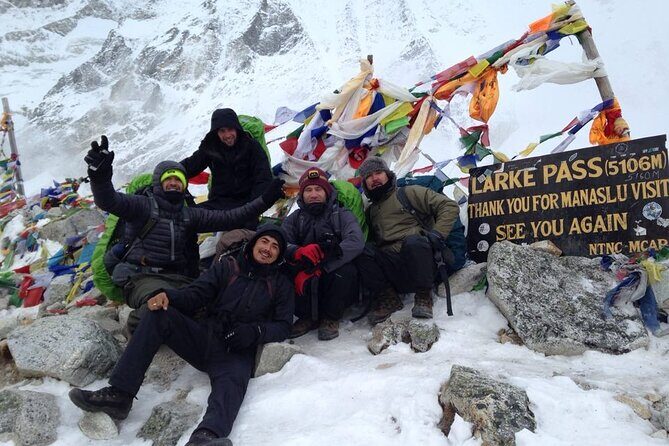
Your trip kicks off in Kathmandu, then you’re driving toward Arughat for about 7 to 9 hours. Expect a mix of smooth roads and rough patches, so it helps to dress for a bumpy ride and keep your patience intact.
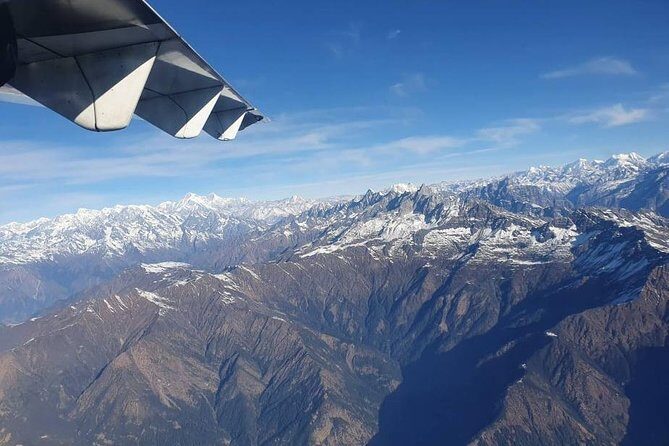
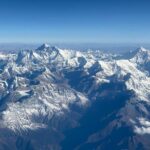
From Arughat, the plan continues by switching vehicles to reach Soti Khola. Along the way, you’ll get Himalayan views in layers—Annapurna off to the left, the Manaslu range more central, and Ganesh Himal to the right. That early “big picture” view matters because it sets expectations: this is a mountain journey first, comfort second.
Machha Khola to Jagat: Waterfalls, Hot Springs, and a 158m Bridge
This day-by-day route begins with movement that feels like warming up, not rushing. From Soti Khola to Machha Khola is only about 15 km by vehicle, but the day still carries a sense of arrival.
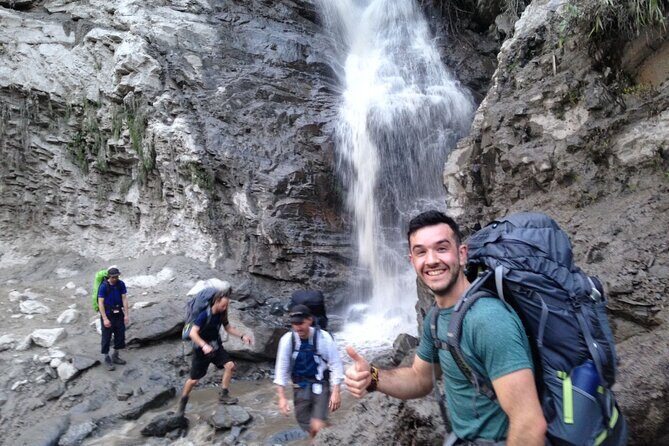
You start trekking with stops that make the valley feel specific. There’s an army camp, then Khursani Baari, a green chilli field—an oddly memorable detail, in a good way. You also look across a 100m waterfall. And after the 2015 earthquake, the trail region shows landslide scars, which is sobering. It’s not meant to be scary theatrics; it just reminds you that this landscape has history.
Then comes a standout day with the Jagat direction. Before trekking fully locks in, you pass a police checkpoint for permits. After that, you get a hot spring bath stop. It’s a smart payoff—your legs are about to work, so a warm soak helps you reset.
You’ll also pass one of the trek’s signature landmarks: the cantilever bridge at Yaru bagar, said to be 158m long and noted as the first bridge in Nepal. It takes about 20 minutes to reach from the route area, so it’s a manageable detour. Finally, Jagat arrives with fields and an overnight camp feel—quiet, rural, and away from the tourist noise.
Deng to Namrung: Quiet Hamlets, Rivers, and Steep Valley Edges
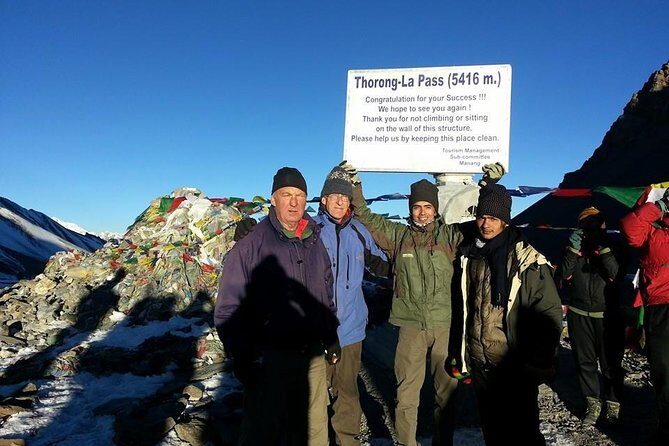
From Jagat, you start earlier and aim for Deng. The trek to Deng is described at around seven hours, and the vibe there is truly small: it’s said to be around four houses and three hotels. That size matters. Small means fewer people, fewer disruptions, and more attention on your own pace.
Along the way, you cross rivers and notice small shifts in scenery. There’s also time for a “wait, what?” moment: you’ll see milky flow in the river from a crossing near Salleri. You also pass views of two hydro-powers, which signals you’re in a region where daily survival is tied to local energy systems.
Then you head on toward Namrung, climbing and dipping through sections that include a mix of downhill to the Budhi Gandaki River and uphill toward Rana gaon. You also pass through areas like Bihiphedi, then reach Gap for lunch (about 2 hours from Gap time point).
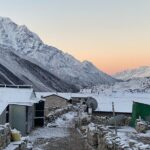
Namrung is one of those villages where the trek starts to feel more cultural than just scenic. You’re moving into a place shaped by Tibetan lifestyle and culture, and the route also includes forest walking—dense stretches with dead pine mentioned along the way. That kind of ground detail can be a big help when you’re packing and footwear-testing your own comfort.
Namrung to Samagaon: Monasteries, Village Switchbacks, and Manaslu Views
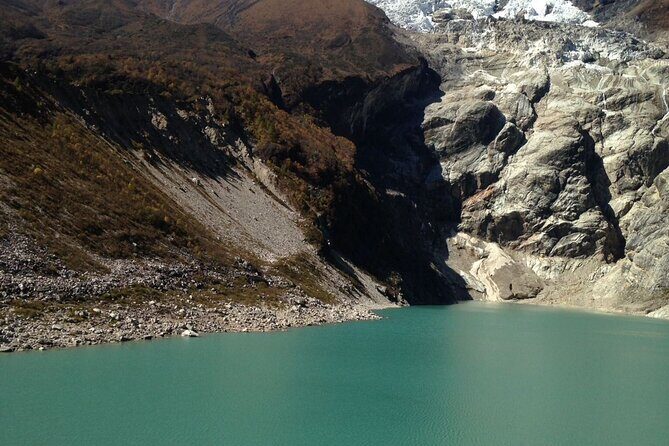
One of the most interesting parts of this trek is how it threads through communities rather than just following one “pretty line.” From Namrung, you trek toward Samagaon, passing through Banjam, Lihi, Sho, Lho, and Sayla.
Before reaching Lho, there’s a monastery stop described as recognized within the region. The details here are vivid: more than 200 monks study, and the note says they are all boys. That’s the kind of information that turns a building into a living place you can picture.
The trail between these villages includes steep segments, and you’ll get big mountain moments in the middle of it. You’re told to look for Ganesh Himal and other named peaks when you’re moving toward Lihi. At Sho, the route splits: one path points toward Hinayang monastery, while the other is described as leading toward the Manaslu Larky pass area. That split is a reminder that you’re in a real network of trails, not just a single file of trekkers.
By the time you reach Samagaon, you’ve done the work of altitude-building without the trek turning into constant punishment. It feels like a base for breathing and resetting.
Samagaon Rest Day: Use It for Acclimatization (Not Just Sleeping)
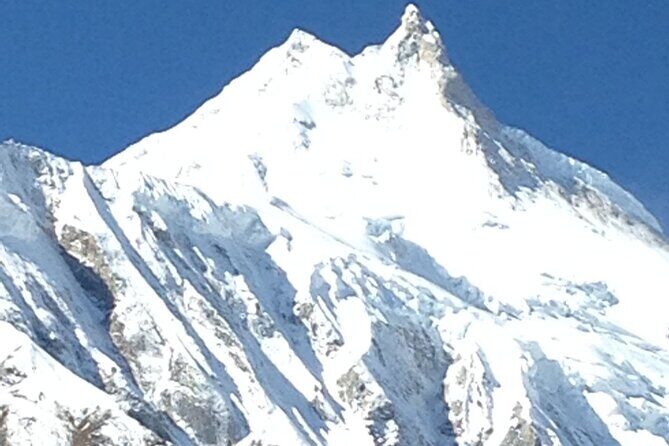
This itinerary intentionally includes a rest day in Samagaon, and it’s one of the best tools you have for managing altitude. The plan gives you options, which is important because not everyone wants the same kind of effort on a “rest” day.
You can simply relax in the hotel or walk around. Or you can choose an active option:
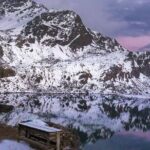
- Birendra Tal (about 3 km from Samagaon)
- Pungen monastery and basecamp route options
- A basecamp hike described as about 6 km, around 5 hours, reaching roughly 4800m
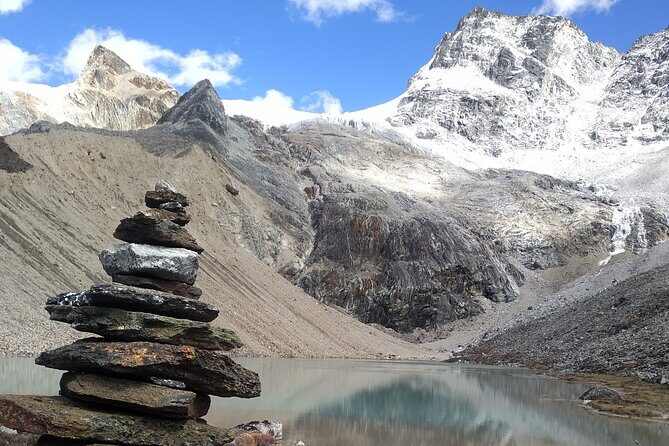
The basecamp description is especially appealing to view-focused hikers. It includes the chance to see Manaslu glacier, plus a bridge crossing associated with the glacier area, and even mention of a cave. If you’re the type who wants your resting day to still move your body, this is where you can do it.
The Pungen monastery alternative is also described as having flat surroundings near the route, offering a better panoramic view than basecamp. That matters if you’re tired and want good payoff without a brutal grade.
Toward Larkya La Country: Reaching 3800m and Scanning Named Peaks
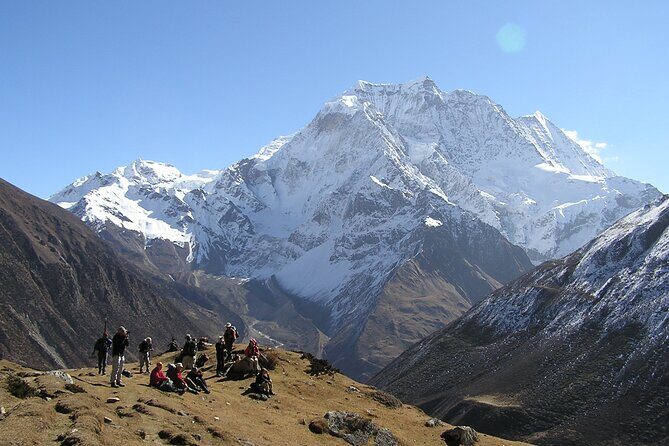
After Samagaon, you move toward a place described as around 3800m—called out as a small young village with micro hydropower and electricity. That small detail is a comfort signal. It means you’re not in the dead-of-night wilderness; you’re in a village that has adapted to mountain living.
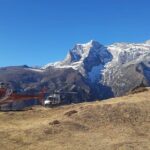
The hike to the destination is described as about 3 hours, with a steep uphill segment (short, then easing into flatter walking). Along the way, the view list is long, and that’s your reward for those climb legs: Syaula Peak, Naike Peak, Manaslu, Himchuli, Larke peak, and Cho peak. You also get specific mention of west and north Himchuli.
The trail is described as mostly simple, with only a few minutes of steep climbing. That’s good news if you’re trying to protect energy before the pass. It also makes this section a good place to practice your pacing: steady steps, frequent water stops, and no hero moments.
Dharmasala and the Larke Pass Build-Up: Crossing Into Larkya Phedi
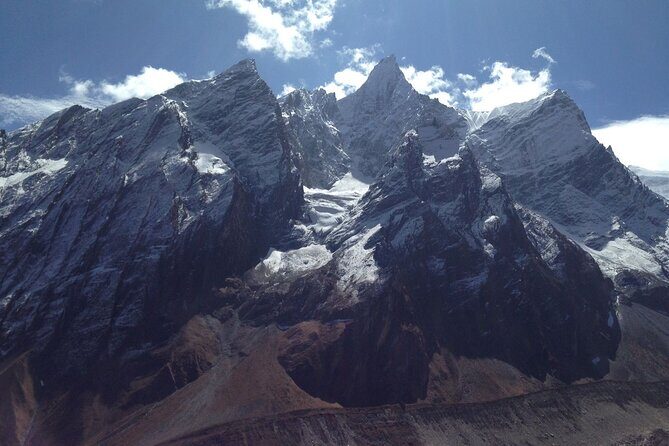
The next move starts with a downhill trek to the Budhi Gandaki River, then a crossing and uphill trek again. You pass through Larkya Bazaar and the Valley of Salka Khola area.
Eventually you reach Dharmasala, described as an easy place to stay rather than a big lodge. It’s also noted as Larke Phedi, and it’s around 7 km, taking about 4 hours on normal days.
Here’s a small but meaningful detail: blue sheep are mentioned near this stop. That’s not a guaranteed sighting, but it tells you the ecosystem is alive and you’re in real high-mountain habitat, not just trek machinery.
This is one of the moments where you’ll want to take your time with food and hydration. If you’re heading into a higher-stakes day, treat this stop like your staging camp.
The 3am Sunrise Push: Annapurna Range Views and Bhimtang Timing
A special part of this itinerary is the early start: on the pass-day approach, you begin around 3 am. The goal is sunrise and the mind-blowing airflow that hits when you’re high and moving before the day fully warms up.
You’re told to look for Annapurna II, single Himal, Kangaroo Himal, Himlung Himal, Cho Himal, and then view Larke peak and Cho from the Larkye area. That named-peak focus matters. It’s the difference between vague “pretty lights” and actually understanding what you’re looking at while you’re freezing your toes.
The day’s timing is described as a trek toward Bhimtang, taking about 9 hours. That’s the kind of day you should prepare for mentally. You’ll likely be moving with a mix of excitement and fatigue, and sunrise starts mean you’re working while tired rather than waiting to feel ready.
If you’re sensitive to cold, plan for it as a priority. Layers that you can open and close will help you stay functional.
Dharapani Descent Through Pine Jungle: Rhododendrons and Dudh Khola
After the long high-day effort, the route angles toward Dharapani. It passes through Karche, Goa, Tilche, then reaches Dharapani via a series of descending and short climbing segments.
You’ll descend to Dudh Khola, described as a milky river. That image is surprisingly useful because it gives you a sensory anchor for what you’ll see while the trail drops.
There’s also a short uphill segment mentioned (about 5 minutes) where you’ll warm up. Then you move into pine jungle, and there’s a seasonal note: rhododendron mentioned in May and June, with 8 to 10 coloured rhododendron. If you travel in that season, it’s one of those “you’re in the right month” details.
Lunch happens at Surkhi. After lunch, you go through a rhythm of short uphill (around 10 minutes) then downhill again, reaching Goa and then crossing a bridge toward Mane, then Tiliche and Dharapani after about 30 minutes further walking.
Dharapani is a relief point. You’ve earned the quieter sleep.
Returning to Kathmandu: Jeep to Besisahar and Marsyangdi River Views
On the final day, you drive from Dharapani by jeep to Besisahar, then again travel toward Kathmandu. Along the way, you ride along the Marsyangdi River, with views of fast-moving water, forest, bridges, and small houses.
It’s not just “getting back.” That river road is a reset for your body. Your calves will still feel it, but you’ll be upright, moving steadily, and watching the valley change from high pass rock to settled green and human scale.
Price and What You’re Really Paying For ($1,813.34)
At $1,813.34 per person for a 12-day trek, the value depends on what’s included—and in this package, most of the big cost drivers are covered.
You get:
- All ground transportation by private tourist vehicles (so you’re not piecing rides together)
- Teahouse accommodation during the trek
- Government licensed English speaking guide and porters
- Permits for the Manaslu region plus ACAP permits
- Meals listed as breakfast (11), lunch (12), dinner (11)
- Duffle bag if necessary, plus taxes and service charges
For a trek like this, permits and licensed staffing aren’t optional extras; they’re core. That’s why this price can still feel fair even when it sounds “high” at first glance. You’re paying for authorized access, planning, and day-to-day logistics so you can focus on walking and acclimatizing.
The parts not included are the typical personal expenses: drinks, snacks, shower costs, and bar bills. City meals in Kathmandu are also not included, which is common.
Guides, Team Size, and Why Small-Group Matters on Trek Days
The group size is capped at 15 travelers, which is a real comfort factor on a trek. You’re less likely to feel like you’re walking inside a train schedule. A smaller group also helps on narrow trails and during permit checkpoints.
What I appreciate from the tour feedback is the human team behind the trek. One review highlighted an experienced guide named Anjan and a carrying friend named Rabin, calling out how well they worked as a team and how organized the trek felt end to end. That kind of competence matters on long days like the early morning pass approach, where small decisions keep things calm.
Who Should Book This Manaslu Trek, and Who Might Struggle
This is a great match for you if:
- You want a shorter Manaslu circuit option that still hits major highlights like Samagaon and the Larke La Pass area
- You enjoy village culture, monastery stops, and real valley routine
- You’re comfortable with basic teahouse accommodations and you know altitude changes everything
It may be a tougher fit if:
- You don’t have the fitness for steep segments and long trek days
- You’re not ready for early starts (around 3 am for the sunrise push)
- You need high levels of comfort—this is a working mountain route, not a resort
FAQ
How many days is the Manaslu Circuit Trek package?
It’s listed as 12 days (approx.).
Where does the trek start?
The experience starts in Kathmandu, Nepal, with a meeting point and a start time of 8:15 am.
Is pickup included?
Yes, pickup is offered.
What kind of tickets do I get?
The package includes a mobile ticket.
Are guides and porters included?
Yes. It includes a government licensed English speaking guide and porters to carry your luggage.
Are permits included?
Yes. It includes a special permit for the Manaslu region and ACAP permits.
What accommodation style is used during the trek?
It uses teahouse accommodation during the trek.
Are meals included?
Yes. It includes breakfast (11), lunch (12), and dinner (11). Major meals in cities (like Kathmandu) aren’t included.
Should You Book This Manaslu Circuit Trek – 12 Days?
If you want a well-planned way to experience Manaslu without taking on a longer multi-week trek, I think this is a strong booking choice. The route hits the key mix: village culture, monastery moments, and a serious high-pass experience tied to Larke La Pass.
Book it if you’re ready for basic mountain comfort and you can handle long walking days plus a strong fitness level. Skip it if you want comfort-first travel or you’re not prepared for early morning climbs and cold elevation nights.