REVIEW · KATHMANDU
Manaslu Circuit Trek 8th Highest in the World
Book on Viator →Operated by Adventure Glacier Treks & Expedition · Bookable on Viator
Manaslu Circuit is one of Nepal’s rare treks for people who like quiet adventure. What makes it interesting is the restricted-region feel, so you trade crowds for drama: Himalayan peaks, remote pastures, and traditional villages that still seem in motion. I also love how the route leans into culture as much as altitude, with Tibetan-influenced stops like Samagaun and Samdo. The one real drawback to plan for: the trek is demanding, and you’ll need strong fitness for long walking days plus early starts over the Larkya La area.
You’ll start with Kathmandu’s gentle setup—airport pickup, a gear check, and time to see Kathmandu Valley highlights—then shift into real trekking mode with a long, bumpy road ride before your first hikes. On the trail, the rhythm is pure Nepal trekking: riverside paths, waterfalls and landslide scenery, forest to high tundra, guesthouses at night, and that steady sense that you’re getting farther from normal life.
A big plus here is how tightly the experience is managed. You trek with a registered Nepali company, you’re not going solo into a restricted area, and you carry the support of a professional guide and porter team. Still, it’s private for your group, so you’ll want to make sure the dates match your fitness and comfort level for a high, remote circuit.
In This Review
- Key things that make this Manaslu Circuit special
- Restricted-Region Trekking: Why Manaslu Feels Different
- Kathmandu Warm-Up: Thamel Pickup, Durbar Square, and Getting Your Gear Right
- From Thamel to Machha Khola: The Road Ride Reality Check
- First Valley Days: Waterfalls, Landslides, and Tatopani
- Namrung to Ghap: Cooler Nights and Big-View Thinking
- Samagaun and Samdo: Tibetan Culture Hits You Face-First
- A Full 8-Hour Option at Samdo: Tibetan Border Side Trip
- Larkya La: The Early Sunrise Day You Plan Your Whole Body For
- The Descent Toward the Annapurna Trail: Bimtang to Dharapani
- Dharapani Down to Jagat, Then the Exit: Shared Jeep to Besisahar
- What You Actually Get for $1,600: Value Breakdown That Makes Sense
- Guides and Porters: Why Service Quality Changes the Whole Trek
- Pace, Fitness, and Gear: The Practical Altitude Reality
- Who Should Book This Manaslu Circuit Trek
- Should you book this Manaslu Circuit Trek?
- FAQ
- How long is the Manaslu Circuit trek?
- What does the trip include for airport transfers?
- What is the price per person?
- Are meals included during the trek?
- Are permits included, and is the special permit covered?
- Can I do an optional side trip from Samdo?
- Where does the tour start and where does it end?
Key things that make this Manaslu Circuit special
- Restricted access keeps the trek feeling uncluttered compared to the best-known routes in Nepal
- Tibetan-influenced villages like Samagaun and Samdo shape the cultural side of your walk
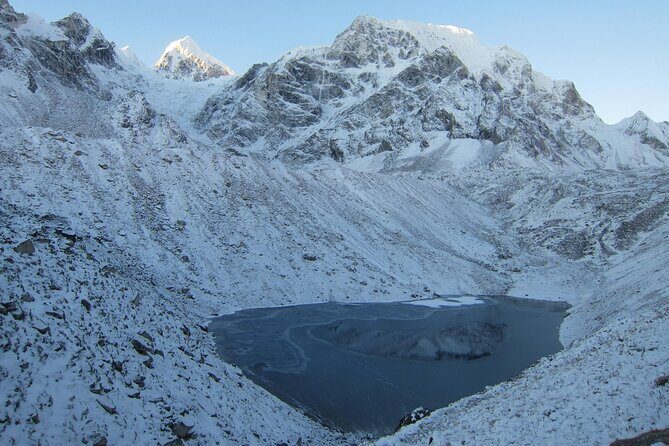
- Larkya La is the main day to respect with early timing and wind considerations
- An optional Samdo side trip to the Tibetan border adds flexibility and interest
- Guesthouse trekking with real meals included (three meals a day on trek)
- The price bundles the big essentials: permits, guide/porter support, and transport
Restricted-Region Trekking: Why Manaslu Feels Different
Manaslu Circuit hits different because it isn’t the “just follow the trail” style of Nepal tourism. This region has strict rules and requires permits, including an included special permit set at $100. That matters because it changes the whole vibe. You’re more likely to feel like you’re moving through local life, not a theme park of trekkers.
It also changes how you should judge your experience. When a trek is restricted, you’re trading convenience for authenticity and solitude. You’ll still find guesthouses and prepared meals on most nights, but the trail feels more remote, and the scenery evolves faster—valleys, ridgelines, high pastures, and the growing sense that the mountains are taking up more and more of your horizon.
And you’ll travel in a structured way that’s required by the rules: you trek with a registered Nepali trekking company, and you need at least two trekkers in the group (not counting guide and porter). That’s not just paperwork. It shapes your safety, your pacing, and how your logistics are handled.
You can also read our reviews of more hiking tours in Kathmandu


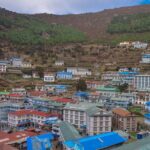
Kathmandu Warm-Up: Thamel Pickup, Durbar Square, and Getting Your Gear Right
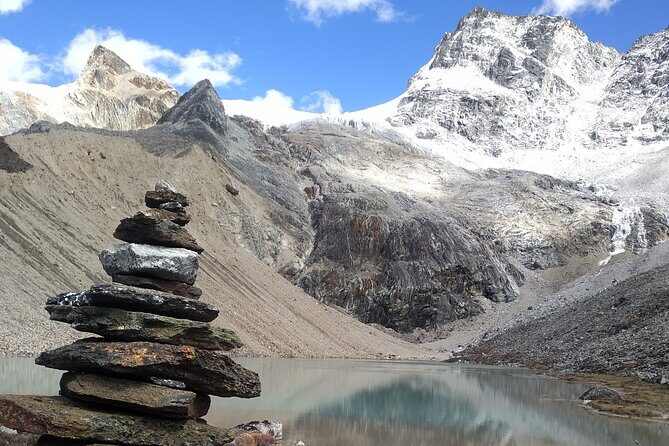
Before you ever see Manaslu, you’ll start in Kathmandu. The tour includes airport pickup and drop, with three nights in a tourist-standard hotel. That buys you time to reset after flying and to avoid the common trekking mistake: wandering around trying to fix gear problems last-minute.
You also get a gear-analysis moment in Kathmandu. That’s underrated. The trek goes from lower river valleys up into alpine terrain, so you need the right layering and walking setup. Even if you think you’re prepared, this is when a guide can flag weak points—what you brought that won’t work well at higher elevation, what you might be missing, and what’s worth renting or buying rather than carrying forever.
Kathmandu Valley time includes Kathmandu Durbar Square, but note that admission is not included for that day. If you care about seeing Durbar Square up close, budget that separately. It’s a good way to spend a day in context—before the mountains take over your whole schedule.
From Thamel to Machha Khola: The Road Ride Reality Check
The first transition day is all about getting from Kathmandu into trekking country. After breakfast, you drive to Machha Khola. The experience description is honest about road conditions: the bus ride can be lengthy, and it may be bumpy. This matters more than people think.
Here’s the practical angle: if you’re prone to motion sickness or you don’t handle rough roads well, plan to be uncomfortable for a while and pack accordingly. Don’t treat this as a gentle warm-up day. It’s part of the trek effort, just not the hiking part.
The payoff is you don’t waste your energy immediately. Once you land in the Machha Khola area, the route starts giving you the river-valley trekking feeling—views, water, and that sense of stepping into a place where daily life follows the flow of the river system.
First Valley Days: Waterfalls, Landslides, and Tatopani
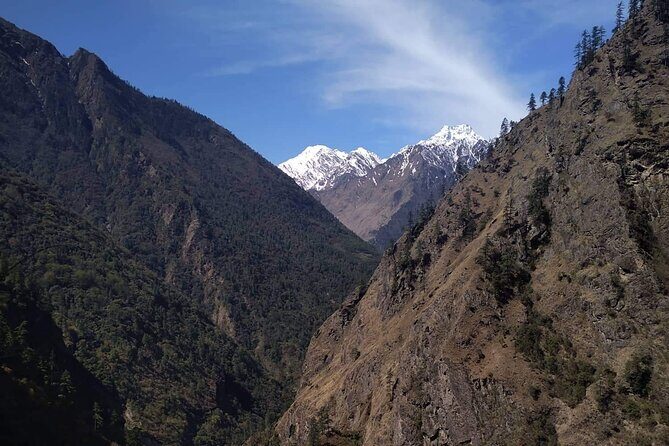
Your early walking days move through river valleys and ridges. Expect regular ups and downs, and scenery that changes as quickly as the trail conditions do. On one day you’ll cross a river and ascend to Khorla Besi from Machha Khola, with waterfalls and landslides along the way. Landslide country isn’t scary in the moment if the trail is maintained, but it’s a reminder: this is a living mountain environment, not a polished path.
Then you reach Tatopani village, described as known for natural hot springs. Even if you don’t treat it like a spa day, it’s a nice mental reward: you’ve worked for sore legs, and there’s a local reason to feel optimistic about recovery.
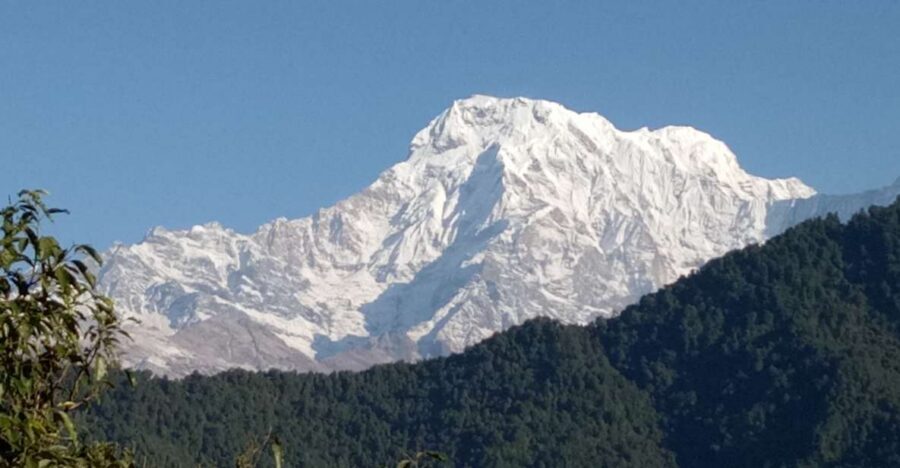
By the next day, you’ll drop toward Sirdibas (1,430 m) and then continue toward Salleri (1,440 m), with a first strong view of Sringi Himal (7,187 m). I like this stage because it builds anticipation. You start seeing high peaks early enough to make the climb feel real, but you’re still at elevations where your body usually has time to adjust.
Namrung to Ghap: Cooler Nights and Big-View Thinking
As you go higher, the trek starts to feel like it’s tuning your body for mountain travel. One of the key segments includes trekking down to the Sringikhola Valley, crossing a river, and hiking through forests until you reach Ghap. You can feel the ascent—along with cooler nights and Himalayan views becoming more frequent.
Then you’re moving into Namrung area territory, and the Manaslu region begins showing its more dramatic side. This is where the trek starts rewarding good pacing. If you rush early, you’ll pay for it later. If you settle into a steady walking rhythm and keep your breaks practical, you’ll arrive with energy to enjoy the viewpoints without feeling wiped out.
Also, you’ll notice how the vegetation and trail character shift as elevation rises. That forest-to-open-air transition is one of the most reliable parts of the circuit experience. It helps you understand where you are in the climb, even if you’re not staring at a map.




Samagaun and Samdo: Tibetan Culture Hits You Face-First
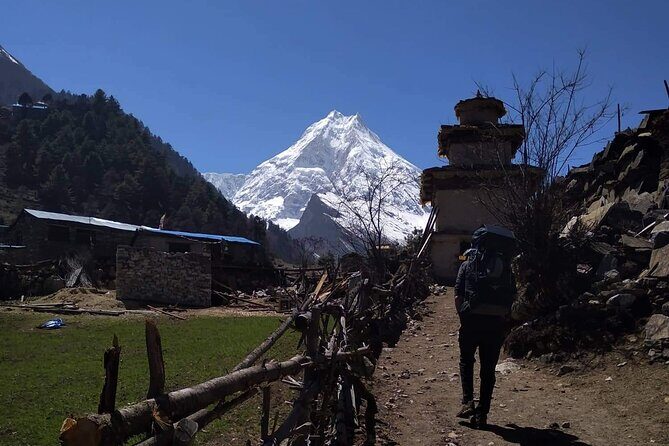
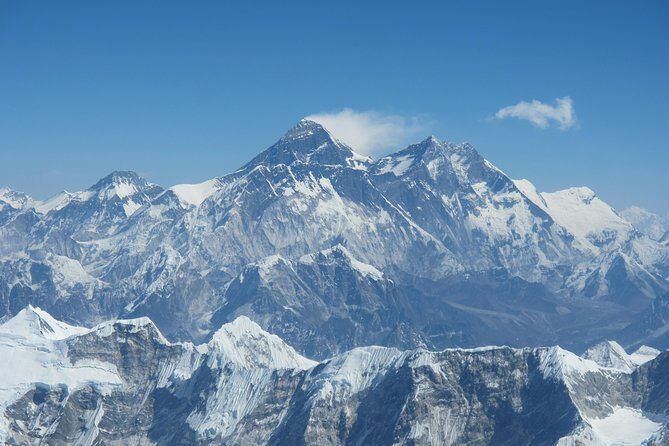
The culture side becomes obvious starting around Samagaun. The trek description points out strong Tibetan influence, and you’ll walk to a valley with views of Manaslu (8,163 m), Manaslu North (7,157 m), and Naike Peak (5,515 m). Those are the kinds of views that make you stop walking for no reason other than you can’t ignore what’s happening above the clouds.
Trekking to Samagaun also means the days feel different. You’re not just seeing mountains; you’re walking through a human geography that feels connected to Tibet’s cultural sphere. It shows in how the villages look and how daily life plays out around you.
Then comes Samdo. One day describes a trail that seems easier because it’s mostly flat through juniper and birch forests via Kermo Kharka, then a river crossing. After that, you reach the area where the Budhi Gandaki and Shyale Khola merge. That detail matters: confluences often create a different kind of trail and weather feel, and they’re part of why river-valley trekking can feel so scenic even on days with limited altitude change.
A Full 8-Hour Option at Samdo: Tibetan Border Side Trip
One of the most useful choices built into this trek is an optional day from Samdo: an 8-hour side trip to the Tibetan border with a packed lunch and plenty of drinking water, or you can simply walk around Samdo and observe daily life.
I like having an option like this because it matches different travel styles. If you want a “one more push” day, the side trip gives you structure. If you want a lighter day to recover before the big pass push, staying local at Samdo gives you breathing room while still feeling connected to the place.
This is also where you’ll start noticing the big pass day is coming. You don’t need fear. You just need respect. Using an optional day wisely can help you show up fresher for Larkya La.
Larkya La: The Early Sunrise Day You Plan Your Whole Body For
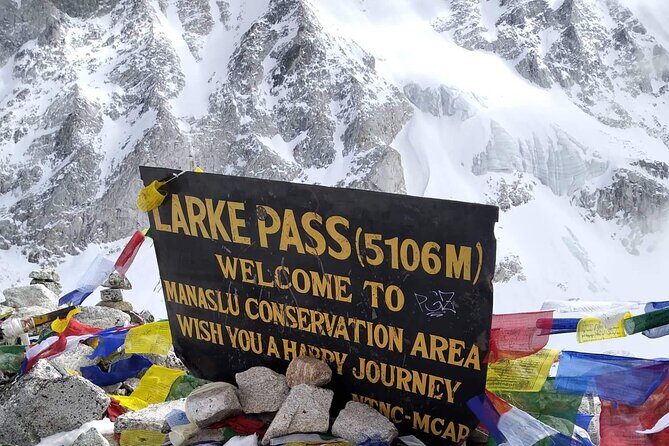
Larkya La Pass is the moment the Manaslu Circuit becomes unforgettable—and it’s also the moment you’ll want the most discipline.
You’ll descend to around 3,850 meters to cross the Budhi Gandaki, then ascend through juniper and tundra in and out of ravines to the Larkya Guest House, the final stop before Larkya La. Then the big day follows with an early departure to catch sunrise over the pass and avoid strong wind after midday. Keep a torch close by for the steep, stunning walk over several ridges.
Here’s the practical takeaway: this is not a day you treat casually. Early timing means you sleep with intention and you keep your headlamp/torch easy to reach. Wind considerations mean you dress like the weather might change fast, because on passes it often does.
Also, note what the trek teaches you: you might feel fine climbing, but the pass day tests your ability to keep moving even when your breathing gets more demanding. If you can maintain steady effort, you’ll likely find the challenge turns into satisfaction.
The Descent Toward the Annapurna Trail: Bimtang to Dharapani
After the pass, the trek shifts from high-exertion travel to forest and pasture patterns again. You’ll trek from Bimtang through the Dudh Khola Valley to Dharapani, and you’ll join the more popular Annapurna Circuit trail thanks to Manaslu.
This part can feel like a relief, but it’s not a free ride. Descent still requires strong legs and careful foot placement. I like this segment because it gives you a sense of movement across Nepal’s trekking ecosystems: high mountain crossing, then a return toward more familiar paths and village clusters.
Dharapani is also a psychological milestone. Joining a busier trail means you’ll see more human rhythm around you, but you still carry the memory of the remote Manaslu stretch behind you.
Dharapani Down to Jagat, Then the Exit: Shared Jeep to Besisahar
Your route continues with a descent from Dharapani to Jagat, described as about a 6-hour journey. As you trek down, the description even mentions that you can charter a Jeep considering the roads—so you’re not completely stuck walking if your legs are cooked, as long as local transport options are workable.
On the final day, you travel by shared Jeep to Besisahar for the first half of the day, then take a bus from Besisahar back to Kathmandu. It’s structured enough that you don’t end up in transport limbo, and it gives you a chance to see what life looks like around the route exit.
What You Actually Get for $1,600: Value Breakdown That Makes Sense
At $1,600 per person for about 14 days, the price is only “reasonable” if you look at what’s included.
Included items that matter on a real trek:
- Airport pickup and drop
- 3 nights in Kathmandu at a tourist-standard hotel
- Ground transportation plus necessary permits, including the special permit ($100)
- Professional guide and porter(s), including their expenses, insurance, and equipment
- Guesthouse accommodation during the trek
- Three meals a day (breakfast, lunch, dinner) as scheduled on the trek
Not included:
- Beverages
- Tips
- Your insurance
- Personal expenses
- Food in Kathmandu except daily breakfast
So here’s how I’d judge value: if you were to hire a guide, pay permits, handle logistics, and sort your meals and lodging yourself, the cost would climb quickly. The tour bundles the hard-to-manage parts. You’re paying for coordination and support, not just walking days.
The other value angle is the restricted-area requirement. Permits and rule-following aren’t optional on this kind of trek. Having the company handle it correctly is a big deal.
Guides and Porters: Why Service Quality Changes the Whole Trek
The trek’s success isn’t only about views. It’s about how you feel while hiking—how you’re paced, how you handle gear concerns, and whether you feel safe when conditions shift.
The reviews highlighted guide and porter support heavily, with names like Roshan and Dil coming up for kindness, helpfulness, and practical advice. Sudip was mentioned as a porter who helped make the experience feel comfortable, and Samir showed up in the story of a smooth planning process for someone whose trek had to be postponed.
What I take from that pattern: you want a team that communicates and watches your needs, not just a team that follows the route. When you’re on a high pass day, that sort of attention matters.
Pace, Fitness, and Gear: The Practical Altitude Reality
The only clear fitness requirement given is that travelers should have a strong physical fitness level. That fits the trek’s structure: long walking days, altitude gain, and one major high pass event at Larkya La.
Also, the trek description includes details that hint at what you need to be ready for:
- Cooler nights as you gain elevation
- Early start over the pass with a torch close by
- Strong wind after midday, which is why timing matters
So you should plan your prep like you’re training for distance and steady climbing effort, not just short hikes. If you’re strong on moderate hikes but get wiped out after repeated days, this trek might feel harder than you expect.
Gear-wise, you’ll get a gear analysis in Kathmandu. Take advantage of it. Don’t assume your city jacket and standard hiking boots will cut it. At altitude, small comfort improvements become big energy savers.
Who Should Book This Manaslu Circuit Trek
This is a strong fit if you:
- Want a less crowded feel due to restricted access
- Like cultural trekking as much as scenery
- Are comfortable with guesthouse stays and set trek meals
- Are serious about fitness and can handle an early pass day
It’s probably not ideal if you:
- Want an easy, low-stress walk
- Expect a relaxed schedule with no early mornings or wind timing
- Don’t want to deal with permit rules and a structured trekking company setup
Should you book this Manaslu Circuit Trek?
If your priority is experiencing Manaslu as a remote, rule-bound, culture-rich circuit—not just a big-mountain checklist—this trek looks like a smart choice. The included permits, guide/porter support with insurance, and three-meals-a-day structure make it easier to focus on the walking and the views instead of logistics.
I’d book it if you’re physically ready for long days and you take pass-day timing seriously. If you’re unsure, use the Kathmandu gear check moment and be honest about your fitness. This trek rewards people who come prepared, not people who wing it.
FAQ
How long is the Manaslu Circuit trek?
It’s listed as 14 days approximately.
What does the trip include for airport transfers?
Airport pickup and drop are included.
What is the price per person?
The price is $1,600.00 per person.
Are meals included during the trek?
Yes. Three meals a day (breakfast, lunch, and dinner) are provided as mentioned in the trekking schedule.
Are permits included, and is the special permit covered?
Necessary permits are included, including a special permit listed as $100.
Can I do an optional side trip from Samdo?
Yes. There’s an option for an 8-hour side trip to the Tibetan border with packed lunch and plenty of drinking water, or you can explore Samdo at your own pace.
Where does the tour start and where does it end?
The tour starts at Best Tour & Travel agency in Nepal – Adventure Glacier Treks in Kathmandu, and it ends back at the same meeting point.