REVIEW · POKHARA
Sarangkot Village Coffee Culture and Authentic Local Life Tour
Book on Viator →Operated by Sharing Seeds · Bookable on Viator
Coffee in Nepal gets personal fast on this Sarangkot tour, where you pair a hike near Phewa Lake with an up-close look at organic Arabica growing and processing. I like that it’s not just about drinking coffee; you learn how cherries become beans, and you meet the people doing the work. I also like the community angle: the Sharing Seeds non-profit supports local farmers with training and pays more for cherries, and women help run parts of the tourism.
You will be walking uphill as part of the experience, so it’s not a “sit and sip” day. If you have limited mobility or stamina, plan ahead and ask what adjustments are possible before you go.
In This Review
- What you get (and what it means)
- Key highlights at a glance
- First Steps From SalesBerry to Khapaudi Village
- Stop 1: Saleways—Your Launch Pad for the Day
- Stop 2: Phewa Tal and the Uphill Village Hike
- Stop 3: Pandeli Park, Sarangkot—The Lake View Break
- The Coffee Farm Part: From Cherries to Coffee in Your Cup
- Tastings: Coffee, Honey, Fruits, and Chocolate Bars
- Lunch Prepared by Women in the Community Tourism Project
- Group Size and Pace: Maximum 10
- Price and Value: What $60 Includes in Real Life
- Who This Tour Fits Best
- Getting the Most Out of Your Day
- Should You Book the Sarangkot Coffee Culture Tour?
- FAQ
- How long is the Sarangkot village coffee culture tour?
- Where does the tour start?
- Is this tour good for people with moderate fitness?
- How many people are in a group?
- What coffee and food are included?
- Will I get views of Phewa Lake?
- Do I need to bring hiking gear?
- What if the weather is poor?
- Is transportation included?
- Can the hike be adjusted for limited mobility?
What you get (and what it means)
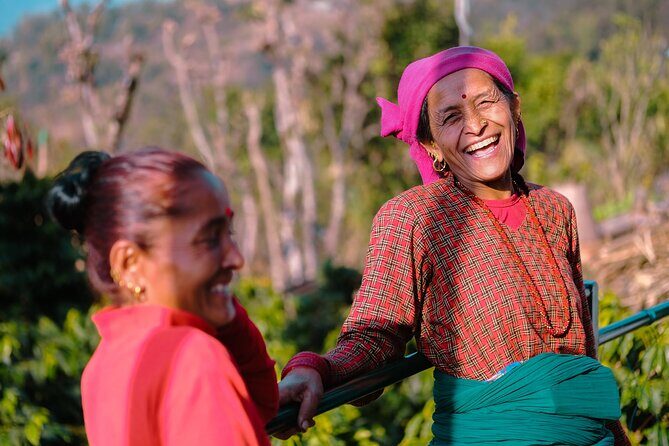
This is the kind of tour that feels grounded. You’re outside in the fresh air around Sarangkot, but the main point is practical: how small-scale farmers grow coffee, how organic practices affect the work, and how a fairer approach supports sustainable farming. You finish with coffee and food made with local ingredients, plus a chance to see how community-based tourism creates work locally.
The one thing to keep in mind is that the full schedule depends on good weather. If conditions are poor, the day can be rescheduled or refunded, so don’t book it as your one-and-only plan on Pokhara days.
Key highlights at a glance
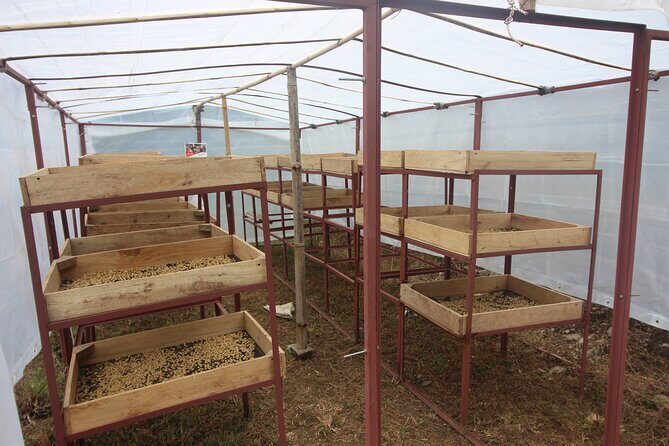
- Organic Arabica from small farms: You’ll see key farming and processing steps from farm to cup
- Phewa Lake views from Sarangkot area: A rest stop at Pandeli Park puts you high above the lake (about 1200m)
- Honey and coffee tasting (when available): Organic honey may be included alongside coffee tasting
- Sharing Seeds impact: Training for farmers plus a higher purchase price for coffee cherries
- Women-led lunch and local jobs: A meal prepared by women involved in the community tourism project
You can also read our reviews of more tours and experiences in Pokhara.
First Steps From SalesBerry to Khapaudi Village
Your day starts at SalesBerry Department Store in Pokhara (Chiple Dhunga Rd area). The tour begins at 11:15am, and the schedule is built around getting you to the trail area before the real hiking starts.
From the start point, you travel for about 1 hour 30 minutes along the shore of Phewa Lake to reach Khapaudi Village, then you begin the uphill part of the hike. That “getting there by lake” piece matters. Even before the coffee part, you’re getting that Pokhara rhythm—water views, small roads, and a sense of where the local day-to-day life happens.
Practical tip: bring a light layer for the morning-to-midday shift. People describe a cool breeze around the Sarangkot area, so you’ll feel it more than you expect once you’re higher up.
Stop 1: Saleways—Your Launch Pad for the Day
Stop 1 is Saleways, where the group meets and the guided portion starts. After that, you head toward Khapaudi Village and the uphill hike that follows.
What I like about this structure is it keeps the day from feeling scattered. You’re guided from the start, and the early “in-between” travel isn’t just transit—it’s part of the experience because it sets the scene around Phewa Lake and gets you moving with purpose.
One consideration: this isn’t a short walk. Even if you’re comfortable hiking, you’ll want basic stamina because the schedule includes multiple uphill segments.
Stop 2: Phewa Tal and the Uphill Village Hike
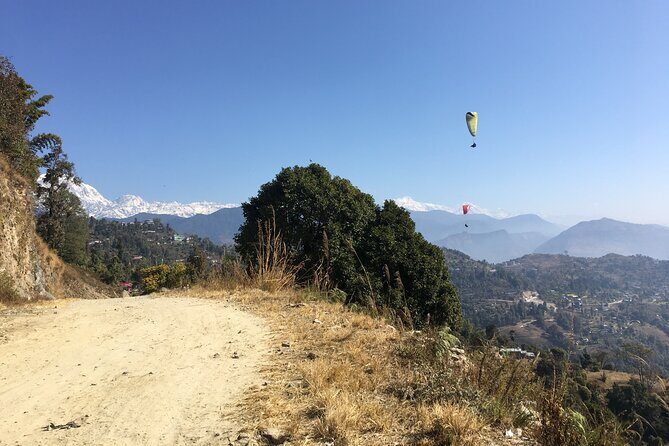
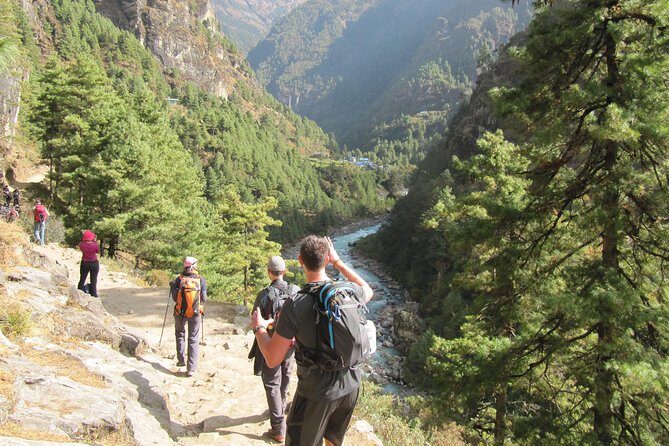
Next comes Phewa Tal, where you hike side by side during the tour. The plan from Khapaudi Village includes another 2 hours 30 minutes of uphill walking.
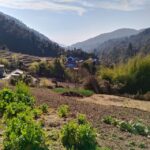
This is the heart of the “local life” portion. You’re not only moving through a view corridor; you’re walking through rural areas and getting time to interact and see everyday village life. That’s where the coffee farming context becomes more believable. You see the kind of land use and agriculture that makes small-scale coffee possible in the first place.
How to pace yourself: take short breaks when the path turns steep. Your guide will likely keep you on schedule, but your job is to stay comfortable enough to enjoy the farm stops later. If you’re the type who sprints through photos, slow down—your feet will thank you before lunch.
Fitness note from the tour info: the experience is for moderate physical fitness. One review also mentions that for limited mobility, they arranged a taxi ride to the farm instead of the hike—so flexibility may be possible, but it’s not guaranteed for every schedule. Ask early if you’re concerned.
Stop 3: Pandeli Park, Sarangkot—The Lake View Break
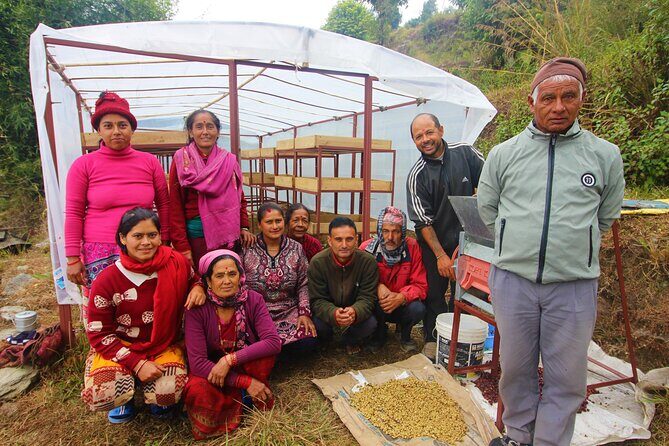
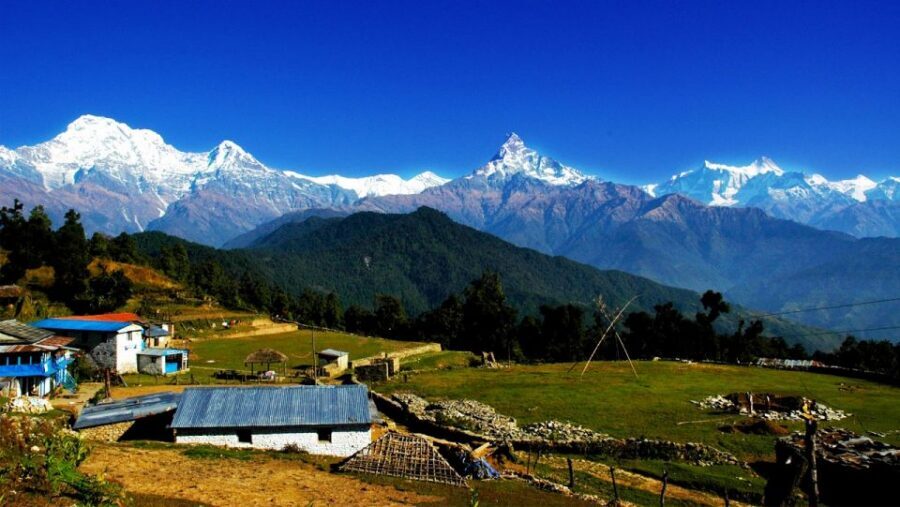
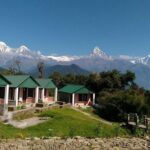
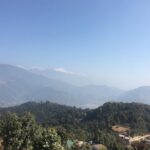
After you’ve worked up some energy, you reach Pandeli Park in Sarangkot. This is a scenic rest spot with a wide view of Phewa Lake from roughly 1200 meters altitude. It’s described as part of the oldest trek route toward the Annapurna region, which gives the area a serious trekking pedigree without turning the day into a hardcore trek.
You’ll likely pause here to rest and take in the view, and then you continue into the Pandeli village area to keep learning about local life and farming.
Why this stop is worth it: the height gives you perspective. Coffee farming doesn’t feel like a random countryside activity. It feels tied to place—slope, air, drainage, and the way people work the land around Pokhara’s dramatic geography.
Also, it’s a good moment to plan your energy for the later tastings and lunch. If you arrive winded, you’ll miss some of the enjoyment once food and coffee show up.

The Coffee Farm Part: From Cherries to Coffee in Your Cup
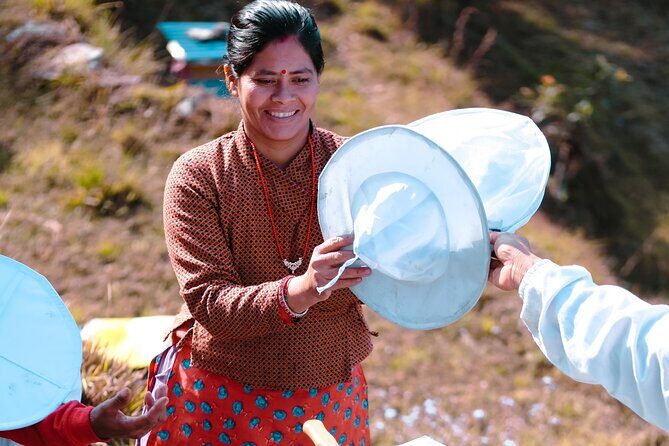
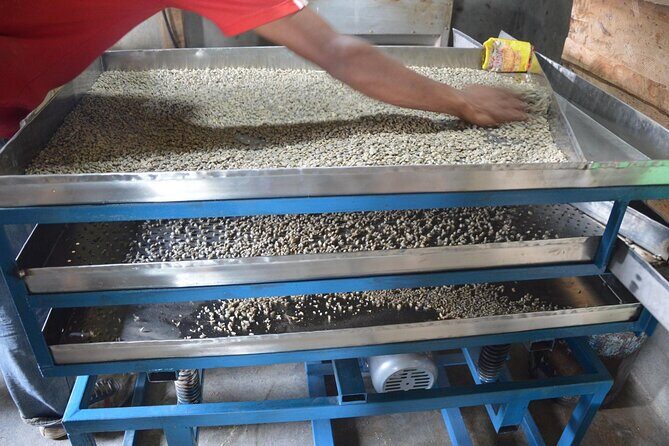
This tour is built around coffee education, and the best part is that it’s practical. You’ll learn about the stages of organic coffee farming and processing, moving from the farm to what becomes your drink.
The key storyline you’ll hear is about sustainable farming challenges and how a community approach helps farmers handle them. The tour highlights a non-profit organization called Sharing Seeds, which supports local organic Arabica coffee farmers with training and shared knowledge for sustainability.
There’s also a simple and important economic idea in the tour: Sharing Seeds pays 30% more for farmers’ coffee cherries compared to other collectors in the region. That matters, because higher, fairer payments influence how farmers choose to manage their crops and invest in organic methods rather than cutting corners.
If you enjoy food education, this is the sort of day where you’ll start noticing details. Even if you don’t remember every step, you’ll understand that coffee isn’t one moment—it’s decisions across months, including soil care, harvesting, and processing.
Tastings: Coffee, Honey, Fruits, and Chocolate Bars
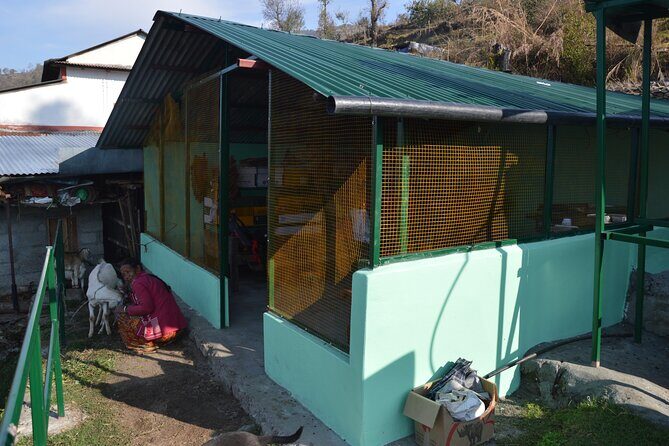
At a minimum, the tour includes organic coffee tasting. It also includes organic honey tasting upon availability, plus seasonal fruits and chocolate bars.
In real terms, this means you’re not leaving the farm experience with just a full stomach. You’re tasting what “local” means and how the flavors change when they’re tied to specific farms rather than generic coffee supply chains.
One review specifically calls out iced coffee as part of the day, which is a nice touch in the warmer Pokhara climate. The point isn’t the novelty. It’s that the tasting is meant to be enjoyable, not like a strict lecture.
Lunch Prepared by Women in the Community Tourism Project
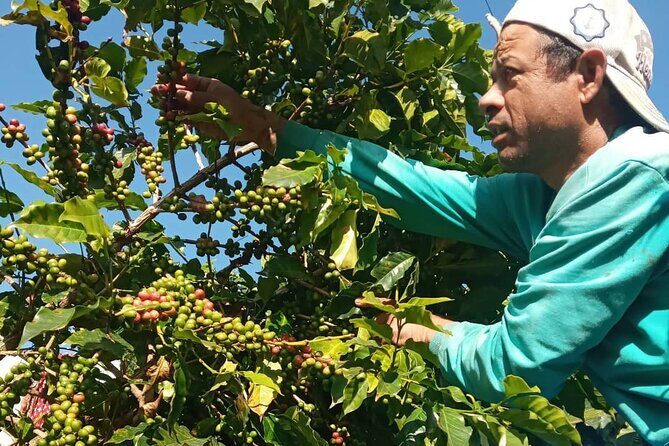
A big part of the value here is lunch. You’ll eat organic lunch prepared by a women group connected to the community tourism project.
This is where “supporting locals” becomes real. Instead of an abstract promise, you’re having a meal prepared by people who are creating income through tourism. Women’s participation is highlighted in the tour description, and it shows you how community-based tourism can create practical work right where people live.
What to expect food-wise: the tour info says seasonal fruits and chocolate bars are included, and the lunch is tied to the women’s group. Since the day includes coffee tastings, your meal likely complements the coffee theme—comforting, local, and not trying to be fancy.
Group Size and Pace: Maximum 10
The group size is capped at 10 travelers. For a hike-and-farm experience, that number is helpful. Smaller groups typically mean easier conversation, more time for questions, and less rush during tastings and lunch.
Pace-wise, plan for a full six hours approximately, including the travel along Phewa Lake, multiple hiking sections, plus stops and meals. If you show up overconfident with a high-energy plan, you might feel it later. If you show up with a steady pace, it flows well.
Price and Value: What $60 Includes in Real Life
At $60 per person, this tour can feel like a fair deal when you look at what’s actually included. You get:
- private transportation,
- coffee tasting (and honey tasting when available),
- seasonal fruits and chocolate bars,
- and an organic lunch connected to the women’s community project,
- plus a guided learning experience about farming and processing.
The big value isn’t only the food and drink. It’s the access and the learning: you see the coffee system up close, and you also learn what Sharing Seeds is doing—especially the training support and the higher payment for cherries.
In Pokhara, many tours focus on scenic viewpoints with minimal local farming content. This one spends more time on the source of your coffee and links it to community livelihoods, which is usually where the money has the most meaning.
Who This Tour Fits Best
This is a strong choice if you:
- like food travel that connects directly to how products are made,
- enjoy gentle-to-moderate hikes with breaks and scenic stops,
- care about sustainability and fairer supply chains (especially small farms),
- want a more local Pokhara experience than the standard viewpoint run.
You might skip it if you:
- want minimal walking,
- hate cold breezes on hills (Sarangkot area can feel cooler),
- need a fully flexible schedule with no weather risk (the tour requires good weather).
Getting the Most Out of Your Day
A few practical moves will make the experience better:
- Wear supportive shoes for uphill paths. The itinerary includes at least 2 hours 30 minutes of uphill hiking.
- Bring water and snacks only if allowed or needed for your comfort; the tour includes fruits, but you’ll hike first.
- Bring a light layer for the higher elevation and breeze around Sarangkot.
- Have your questions ready for the coffee farming and processing parts—this tour is designed for learning, not just tasting.
Should You Book the Sarangkot Coffee Culture Tour?
Yes, if you want a Pokhara day that feels authentic and human. This is one of the better ways to spend a half day near Sarangkot because you’re pairing real views with real coffee work—and you’re eating an organic lunch tied to the community.
Book it with a clear expectation: you’ll hike uphill, you’ll learn step-by-step how coffee becomes coffee, and you’ll taste what small farmers grow. If that sounds like your kind of travel, this is an easy decision.
If you’re unsure about mobility, ask directly about adjustments ahead of time. At least one participant reports that they arranged a taxi ride to reduce hiking for limited mobility, but it’s best to confirm what can be done for your specific situation.
FAQ
How long is the Sarangkot village coffee culture tour?
It runs about 6 hours (approximately), starting at 11:15am and returning to the meeting point.
Where does the tour start?
The meeting point is SalesBerry Department Store on Chiple Dhunga Rd, Pokhara 33700, Nepal.
Is this tour good for people with moderate fitness?
Yes. The activity is listed as suitable for moderate physical fitness, since it includes uphill walking.
How many people are in a group?
The group size is limited to a maximum of 10 travelers.
What coffee and food are included?
You get organic coffee tasting, and honey tasting upon availability. You’re also provided seasonal fruits and chocolate bars, and there is an organic lunch prepared by a women group.
Will I get views of Phewa Lake?
Yes. You’ll visit Pandeli Park in Sarangkot, which has a strong panoramic view of Phewa Lake from about 1200m altitude.
Do I need to bring hiking gear?
Hiking gear or equipment is not included, so bring what you need for comfort and safety on uphill paths.
What if the weather is poor?
The tour requires good weather. If it’s canceled due to poor weather, you’ll be offered a different date or a full refund.
Is transportation included?
Yes. The tour includes private transportation.
Can the hike be adjusted for limited mobility?
In at least one documented case, the community arranged a taxi ride to the farm rather than the hike for someone with limited mobility. It’s smart to ask ahead about what adjustments are possible for your situation.