REVIEW · KATHMANDU
Gokyo Lakes and Gokyo Ri Trek
Book on Viator →Operated by Nepal Mountain Trekkers - Day Tours · Bookable on Viator
Turquoise lakes and Everest views start fast. This is a 14-day trek in Nepal’s Everest region where you fly to Lukla, walk through Sagarmatha National Park, and push up to Gokyo Ri for wide, high-altitude panoramas. The glacial valley scenes are the main event, and the plan is paced in a way that helps most people handle the altitude better than a pure rush to the highest points.
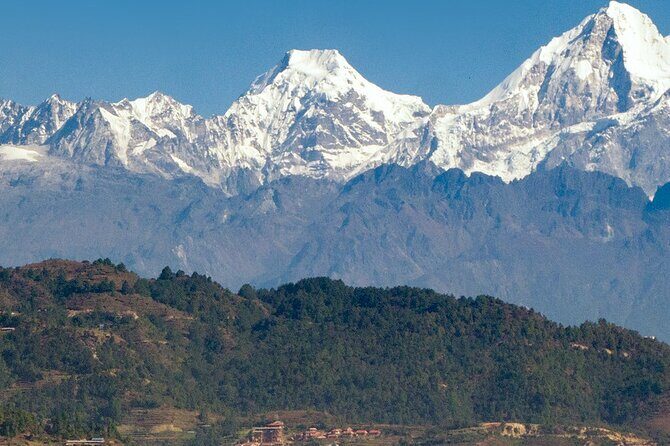
Two things I really like: first, the trek is built around the best viewpoint, not just distance. The summit push to Gokyo Ri puts you above the Ngozumba Glacier and right over the lake system, with peaks like Everest, Cho Oyu, Lhotse, and Makalu described in the itinerary. Second, the trip feels handled at the human level—one past guest highlighted guide Krishna for checking in constantly and making sure tea house stays were comfortable.
One drawback to plan for: the Gokyo Ri day includes a continuous, strenuous climb and you still need to respect altitude sickness risk. You’ll want moderate fitness, a slow pace, and good weather timing, because the experience is explicitly weather-dependent.
In This Review
- Key points worth knowing before you go
- Gokyo Lakes and Gokyo Ri: why this trek feels different than Everest Base Camp
- Day 1 in Thamel: gear check, jet lag, and first Kathmandu tastes
- Day 2 temple circuit: Pashupatinath, Boudhanath, and Monkey Temple
- Day 3 Lukla to Phakding: the Dudh Koshi start and gentle acclimatization
- Day 4 Namche-bound: forests, suspension bridges, and permit checks
- Day 5 Namche acclimatization: Everest View Hotel and Khumjung options
- Day 6 Ama Dablam views from Kyangjuma: short hike, big-name scenery
- Day 7 to Machhermo via Luza: ridge walking and high-valley energy
- Day 8 Machhermo to the Gokyo lakes: Ngozumba Glacier and turquoise water
- Day 9 Gokyo Ri summit day: the big climb and the big payoff
- Day 10 back toward the Gokyo valley: slower descent and village rhythm
- Day 11 through rhododendron and Sherpa capital energy: Namche again
- Day 12 Lukla return: Dudh Koshi again and forests for the finish
- Day 13 fly back to Kathmandu: rest, shopping, and a farewell dinner
- Price and value at $1,706.67: what you’re really paying for
- Who this trek suits best (and who should think twice)
- Booking checklist: how to prepare so Days 8 and 9 don’t hurt
- Should you book the Gokyo Lakes and Gokyo Ri Trek?
- FAQ
- Where does the trek start and end?
- How long is the Gokyo Lakes and Gokyo Ri Trek?
- What kind of group size is this trek?
- What’s included in the price?
- Is pickup included?
- What happens if weather is bad?
Key points worth knowing before you go
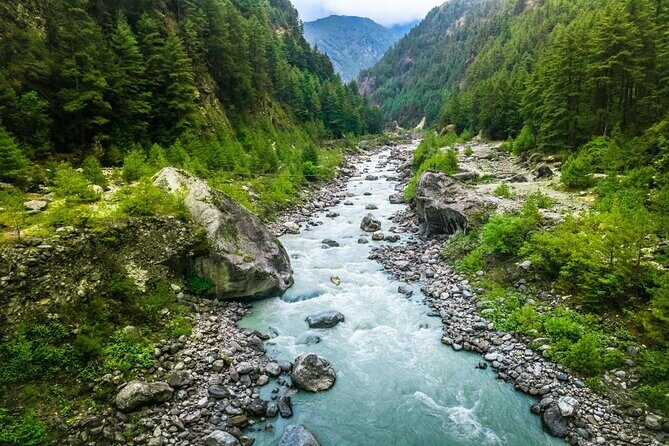
- Gokyo Ri views are the payoff: a summit hike that frames Everest-region giants over the lakes and Ngozumba Glacier.
- Acclimatization is built in: you get a dedicated Namche day with an optional Everest View Hotel side trip and Khumjung hiking.
- You’ll pass through Sagarmatha National Park: entry points and permit checks are part of the routing early on.
- Crowds thin out after Namche: early on you’ll share trails with lots of Everest Base Camp traffic; later days feel quieter.
- Guides who manage emergencies matter: one review described a situation with acute altitude sickness where a guide contacted the owner and arranged a helicopter.
- Small group size: the max group is 10, which helps the trek feel calmer and less crowded.
Gokyo Lakes and Gokyo Ri: why this trek feels different than Everest Base Camp
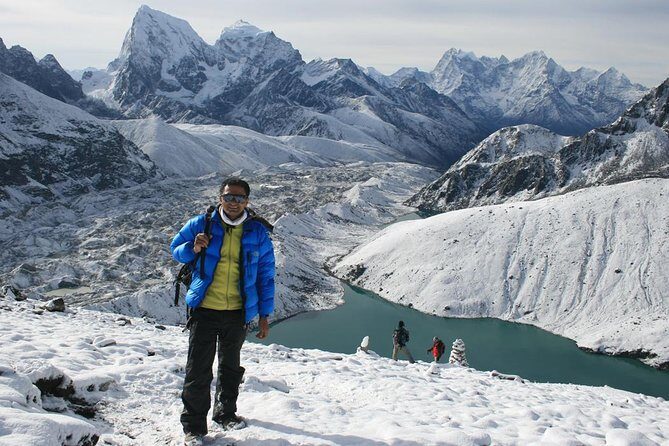
If you like the Everest region but you don’t want to grind through the most famous logistics-heavy trail, the Gokyo route is a strong alternative. You still get the Himalaya wall of views, but the signature scenes shift from the typical Everest footpath to glacial valleys, moraine country, and turquoise lakes.
What makes this trek especially appealing is the mix of “big day views” and “walkable days.” You’re not just hiking until you can’t breathe. You have a rhythm: some altitude work, then time to explore and adapt, then the main summit day, then the descent through familiar villages.
This is also a good option if you want a more varied feel. The itinerary moves from pine and riverside sections to high ridges, then into glacier-and-lake terrain. That change of scenery is a big part of why people remember this trek.
You can also read our reviews of more hiking tours in Kathmandu



Day 1 in Thamel: gear check, jet lag, and first Kathmandu tastes
You land in Kathmandu and get transferred to your hotel. If you need it, you can rest first. If not, Thamel is the practical choice for adjusting fast—shops for trekking gear, casual street browsing, and easy walking to nearby areas like Durbar Square.
The day’s focus is simple: recover from travel and set up your trek essentials. If you’re missing anything (gloves, socks, headlamp batteries, or basic trekking snacks), this is the easiest time to fix it.
Even the “easy” Kathmandu night matters. A rested body makes the flight to Lukla feel far less brutal on Day 3.
Day 2 temple circuit: Pashupatinath, Boudhanath, and Monkey Temple
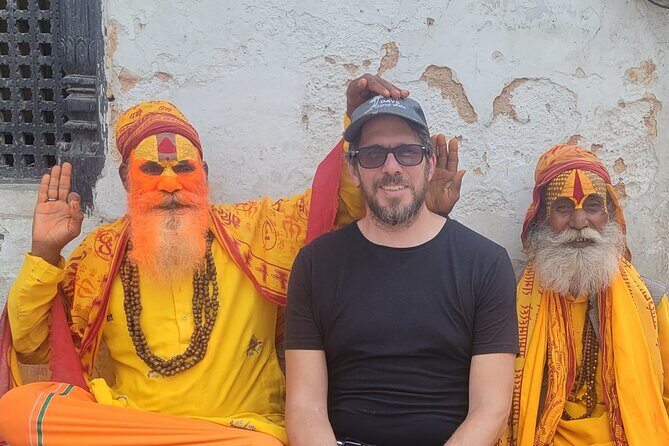
You’ll spend the second day visiting three major sites: Pashupatinath Temple, Boudhanath Stupa, and Swoyambhunath (Monkey Temple). These are not just photo stops. They’re a crash course in why Nepal feels spiritual to so many visitors.
Pashupatinath is a UNESCO-listed Hindu pilgrimage site associated with Lord Shiva. Boudhanath is described as Nepal’s largest stupa and is respected by Hindu and Buddhist communities. Swoyambhu adds a viewpoint angle: you can catch wide views over Kathmandu from the stupa height, plus prayer flags and prayer wheels.
This day also helps you mentally shift from city life into mountain life. After seeing temples shaped by centuries of belief, the mountains start to feel like a continuation of the same big mindset.
Day 3 Lukla to Phakding: the Dudh Koshi start and gentle acclimatization
The trek begins with a flight from Kathmandu to Lukla and then a short trekking day for acclimatization. After meeting the rest of the trekking team at Lukla, you walk along the Dudh Koshi River.
Your route heads toward Phakding with a mix of river walking, a descent into Chaurikharka, and a gradual climb through the Dudh Koshi valley. This is a “get your legs working” day more than a “push hard” day.
One practical perk: following the river corridor usually makes pacing easier. You feel the climb, but you’re not thrown straight into steep altitude walls on Day 3.
Day 4 Namche-bound: forests, suspension bridges, and permit checks
Today mixes scenery and logistics. You traverse dense forests (including rhododendron, fir, and birch), cross suspension bridges, and follow the Dudh Koshi River while crossing it a couple of times.
Before reaching Namche, the itinerary notes permit checking at Monjo, the entry point of Sagarmatha National Park. That checkpoint part is worth keeping in mind because it’s a moment where you’ll slow down and organize paperwork.
The end goal is Namche, reached via switchbacks and steady climbing. This is also where the trail begins to feel more “Everest region” in the mind—bigger villages, more tea house energy, and more mountain focus.






Day 5 Namche acclimatization: Everest View Hotel and Khumjung options
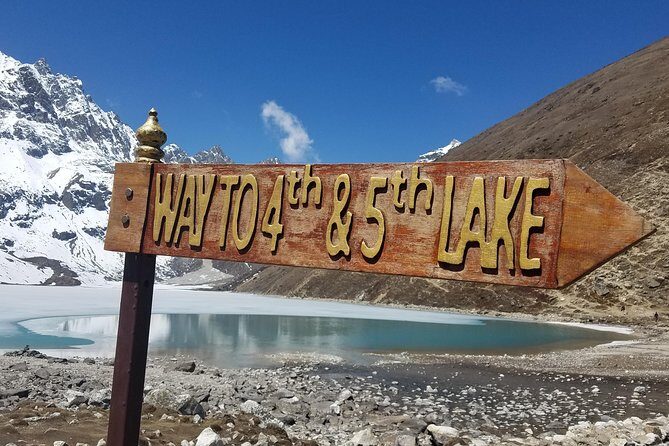
This is your dedicated acclimatization day. Namche Bazaar is the hub, and the itinerary explicitly recommends being active rather than resting all day.
You can do a side trip to Everest View Hotel, which is described as offering fabulous views of Everest plus peaks like Ama Dablam, Nuptse, and Lhotse. Another option is hiking to Khumjung village. The route includes the Khunde Hospital and school, known as the Schoolhouse in the Clouds.
Why this day works: you get altitude benefit without the stress of a long summit-style push. You’re training your body to function at elevation while keeping a calmer pace.
Day 6 Ama Dablam views from Kyangjuma: short hike, big-name scenery
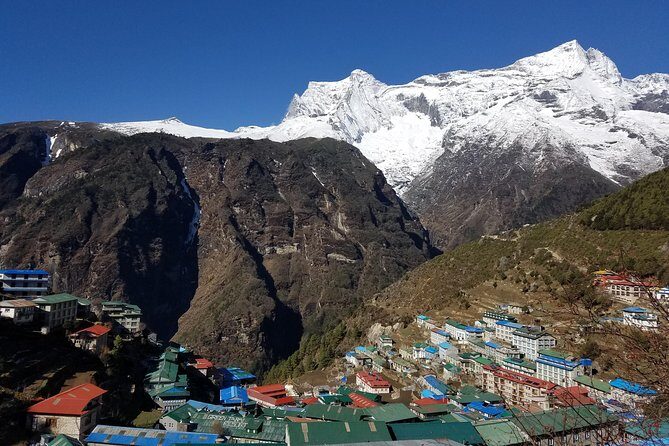
Day 6 is shorter on paper: you ascend from Namche Bazaar to the small village of Kyangjuma. The emphasis is on viewpoint time, especially for views of Ama Dablam, plus nearby peaks like Thamserku and Katenga.
This is a day I like for practicality. If you’ve spent the last days adjusting, a shorter outing lets you recover, eat well, and still get meaningful mountain time.
Bring layers. Even when the hike is short, the temperature at these altitudes can surprise you.
Day 7 to Machhermo via Luza: ridge walking and high-valley energy
You’ll move toward Machhermo, with a route that passes through Lhabarma and includes the village of Luza. The itinerary describes an ascent that climbs along a scenic ridge above Dole before continuing to Lhabarma and the summer settlements.
Luza is one of those names you hear repeatedly on Gokyo itineraries, and here it’s framed as a highlight for the chance to explore and see mountain views while changing altitude gradually.
The day ends at Machhermo. The confluence of streams from Kyajo Ri and Pari Lapche is noted as a highlight. Even when you can’t pronounce every place name perfectly, you’ll feel the shift: more sky, more wind, and a valley that looks prepared for glacier country.
Day 8 Machhermo to the Gokyo lakes: Ngozumba Glacier and turquoise water
Today is where the trek changes character. You head from Machhermo toward Phangka and then descend and climb through the open Gokyo valley.
The itinerary mentions reaching the terminal moraine formed by the Ngozamba Glacier. Then you cross the moraines and walk into the lake area via an iron bridge marking the start of the Gokyo Lake valley.
Your lake sequence starts with Longpongo and then connects to Taboche Tso. This is the main “why you came” scenery. The lakes are described as pristine and turquoise, and once you’re here, the trek starts to feel worth every early-morning start.
If you want a simple rule: keep walking slow and steady today. You’re moving from trekking terrain into glacial terrain, and your eyes will spend a lot of time switching between the ground underfoot and the water ahead.
Day 9 Gokyo Ri summit day: the big climb and the big payoff
This is the most awaited day in the itinerary. You ascend Gokyo Ri with a continuous, strenuous climb. The plan is to climb slowly and steadily to the summit.
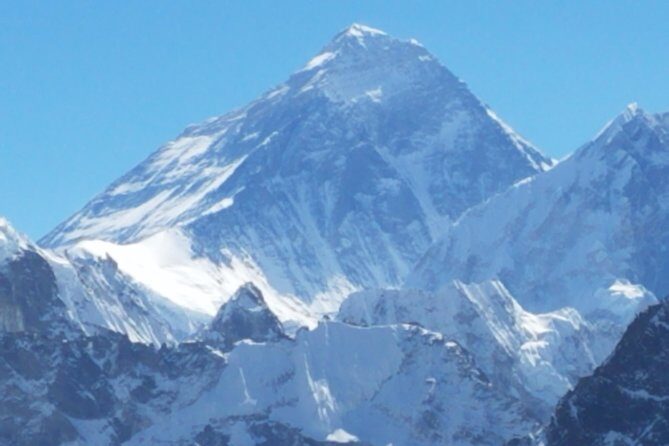
From the top, the views are described as including multiple 8000-meter peaks—Cho Oyu, Lhotse, Makalu, and Everest are explicitly mentioned, along with others like Thamserku and Louche. Below you, you see the Ngozumba Glacier and the Gokyo lakes.
The day also includes an additional hike to the fourth lake, Thonak Tsho, mentioned as part of the experience.
Practical advice: treat this like a pacing drill, not a speed challenge. You’ll feel the altitude in your breathing more than your legs. If your guide asks you to slow down, it’s not about ego. It’s about staying safe and getting to the summit under control.
Day 10 back toward the Gokyo valley: slower descent and village rhythm
After the summit day, the itinerary shifts to a gradual return down the route. You’ll descend from Gokyo village, passing Machhermo, Luza, and Lhabarma before reaching Dole.
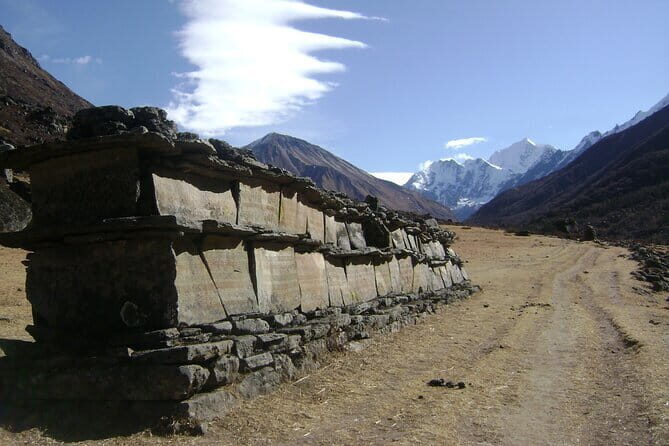
Along the trail, you get mountain views again—Thamserku, Cho Oyu, and Kangtega are noted. You also see chortens, the iron bridge, and terraced areas, which helps you see how the terrain changes from glacier edges to more lived-in village patterns.
This is the day to watch your energy. You’re tired from Day 9, so your job is not to “push through.” Your job is to keep moving while staying comfortable and steady.
Day 11 through rhododendron and Sherpa capital energy: Namche again
Day 11 includes another trekking section with a sharp slope to Phortse Tenga and other descending stretches. The itinerary highlights biodiversity, wildflowers, and rhododendron, plus the possibility of seeing animals like pheasants, mountain goats, and musk deer.
You’ll work back toward Namche Bazaar, described as the Sherpa capital. You pass an army camp hill and pass chortens and waterfalls along the way.
Then you reach Namche and get a chance to rest and re-energize for the final trek legs. This is one of those days where the mountains look close enough to touch, but your body still needs downtime at the end.
Day 12 Lukla return: Dudh Koshi again and forests for the finish
This is one of the longer trekking days in the itinerary, since you descend from higher Gokyo regions back to Lukla. You trail back along the Dudh Koshi River, moving through the forests as the route gets easier.
Even though you’ve walked this corridor earlier, the feeling changes when you’re heading down after the hardest parts. Prayer flags, monasteries, and chortens are noted as you pass through villages again.
This is the day where your mind starts counting down. Keep that momentum, but don’t ignore foot fatigue. Your best friend here is consistent steps and good hydration.
Day 13 fly back to Kathmandu: rest, shopping, and a farewell dinner
You fly back to Kathmandu after the long mountain finish. The remaining day is flexible: rest at your hotel or do shopping for gifts and souvenirs.
You’ll also have a farewell dinner that marks the official end of the trek. It’s the moment where the trip clicks from effort into memory.
Use this time to reflect on what your body actually handled. If you’re thinking of a future Nepal trek, this dinner night is where you’ll realize what altitude felt okay for you and what needs more caution next time.
Price and value at $1,706.67: what you’re really paying for
At $1,706.67 per person, you’re not just buying time on a trail. You’re paying for the whole system to function: a multi-day route plan in a high-altitude environment, logistics from Kathmandu to Lukla and back, daily meals, and guided pacing across acclimatization days and strenuous climbs.
The package includes pickup offered (per tour summary), and it also includes breakfast, lunch, and dinner for the dates listed. You also have admission tickets included for the major Kathmandu sights and other noted entry/park items in the itinerary.
The small group cap of 10 matters for value too. Smaller groups usually mean less waiting at tea houses and more control over pacing, especially on summit-day approaches.
Is it expensive? Yes. But the price matches the effort level and the operational complexity of the Everest region circuit—especially the Gokyo Ri day.
Who this trek suits best (and who should think twice)
This trek is described as a good fit for people wanting panoramic Everest-region Himalayan views with not too much physical challenge. The itinerary still includes a continuous strenuous climb to Gokyo Ri, so I’d read that as: the trek is managed with acclimatization and pacing, but you must be ready for real altitude work.
If you:
- want big views without the Everest Base Camp route,
- like glacier-and-lake scenery,
- prefer a guided plan with daily support,
then this will likely click.
If you:
- have limited hiking experience,
- hate long days of climbing at altitude,
- or know you react strongly to altitude,
then you’ll need extra caution and likely need to plan for slower adaptation.
Booking checklist: how to prepare so Days 8 and 9 don’t hurt
This is where your pre-trek prep can make a huge difference.
- Bring layers for cold early starts. Even if the hike is slow, the air at Gokyo Ri altitude can feel brutal.
- Train for steady uphill walking. On summit day you’ll climb continuously, not just scramble for short bursts.
- Take acclimatization seriously on Namche Day. If you treat it like a rest day only, you can feel it later.
- Pack for comfort in tea house stays. One of the strongest positives from a past guest was that guide Krishna made sure the group was comfortable in the tea houses—help that effort by showing up ready.
Also, read your body. One review described a guest who developed acute mountain sickness and needed urgent action, including a helicopter arranged through a call chain. You don’t want that to be your story, but it’s a reminder that altitude safety planning matters.
Should you book the Gokyo Lakes and Gokyo Ri Trek?
I think this trek is a smart book if your top priority is the Everest region from the most scenic lake-and-glacier angle. The itinerary is built around acclimatization, includes a dedicated viewpoint day, and keeps the group size small. You get Kathmandu culture first, then you earn your high views.
Book it if you’re comfortable with guided trekking and you can handle a tough day like Gokyo Ri at altitude. Skip it or talk with the operator first if you’re unsure about altitude tolerance or you’re expecting a relaxed walk the whole time.
If you want a shorter version of the same thrill, this may still feel long at 14 days, but the pacing is the point. This is not a sprint. It’s a plan that tries to get you to the best sky-level views with your body still working.
FAQ
Where does the trek start and end?
The journey starts in Kathmandu, with sightseeing before the trek. It finishes with a flight back to Kathmandu and transfer to Tribhuvan International Airport for your onward trip.
How long is the Gokyo Lakes and Gokyo Ri Trek?
It’s scheduled for 14 days (approximately), including trekking days and travel days between Kathmandu, Lukla, and back to Kathmandu.
What kind of group size is this trek?
The tour has a maximum of 10 travelers, which generally helps the trek feel more manageable and organized.
What’s included in the price?
The package includes breakfast, lunch, and dinner during the itinerary days listed, plus pickup is offered. Admission tickets are included for the Kathmandu sights and the experiences specifically marked as included in the itinerary.
Is pickup included?
Yes, pickup is offered as part of the tour.
What happens if weather is bad?
The experience requires good weather. If it’s canceled due to poor weather, you’ll be offered a different date or a full refund.