REVIEW · MUKTINATH
Kathmandu/Pokhara: Annapurna Circuit Trek 10 days
Book on GetYourGuide →Operated by Peak to Peak Treks · Bookable on GetYourGuide
Your legs will remember Thorong La. This Annapurna massif trek strings together subtropical valleys, high alpine forest, and the big moment at Thorong La Pass. It’s the kind of journey where the scenery keeps changing, and the trail keeps you moving.
I love the cultural villages along the Marsyangdi River, where you’ll pass terraced fields and small communities that feel real, not staged. I also like the way the route builds toward the pass with a clear sense of rhythm, including a built-in acclimatization day in Manang.
One consideration: you’re climbing to serious altitude, and the comfort level can be basic. Meals aren’t included, and some teahouses may have limited hot showers or charging—so plan to pack smart and move with the conditions.
In This Review
- Key things to know before you go
- Why the Annapurna Circuit feels like Nepal from many angles
- Day by day: how the route builds your altitude game plan
- Thorong La Pass: the day you plan for, not just the day you survive
- Culture stops that make the trek feel human
- Teahouses and the comfort reality check
- Your guide makes or breaks the trek
- Getting there from Kathmandu and ending in Pokhara
- Price and value: what $430 really covers
- Who this trek suits best (and who should skip it)
- Packing tips that match what’s actually missing
- Should you book this Annapurna Circuit trek?
- FAQ
- What altitude does the trek reach at Thorong La Pass?
- Are permits included?
- Is the guide provided, and what language do they speak?
- What does the price include?
- What’s not included in the cost?
- Is this a private group?
- Is this trek suitable for pregnant women?
Key things to know before you go
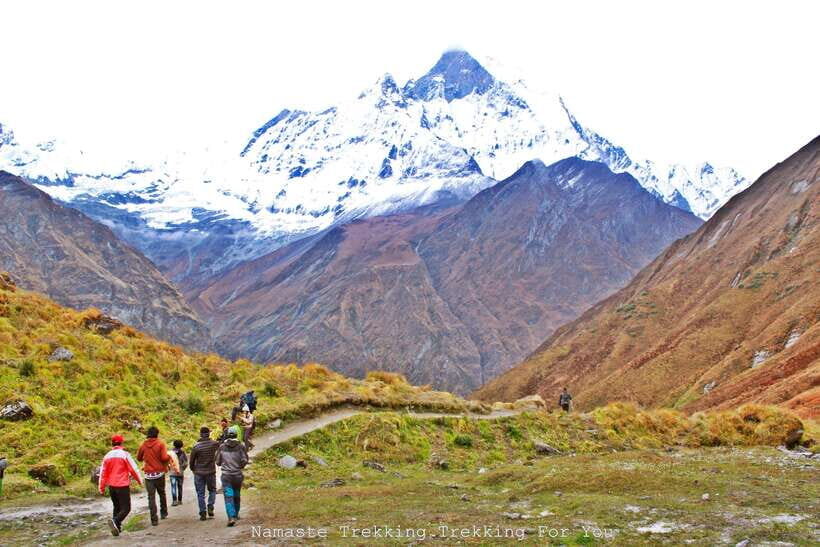
- Thorong La Pass at 5,416 meters is the headline, with wide views of Annapurna, Dhaulagiri, and Manaslu.
- The trek runs through the Annapurna Conservation Area, so you’re walking alongside real biodiversity.
- You’ll get English-speaking guidance and a first-aid kit, which matters when the air thins fast.
- Teahouses are included for sleeping, but meals, gear, and some comforts are not.
- This route supports a local economy—tea houses and guides depend on trekking visitors.
Why the Annapurna Circuit feels like Nepal from many angles
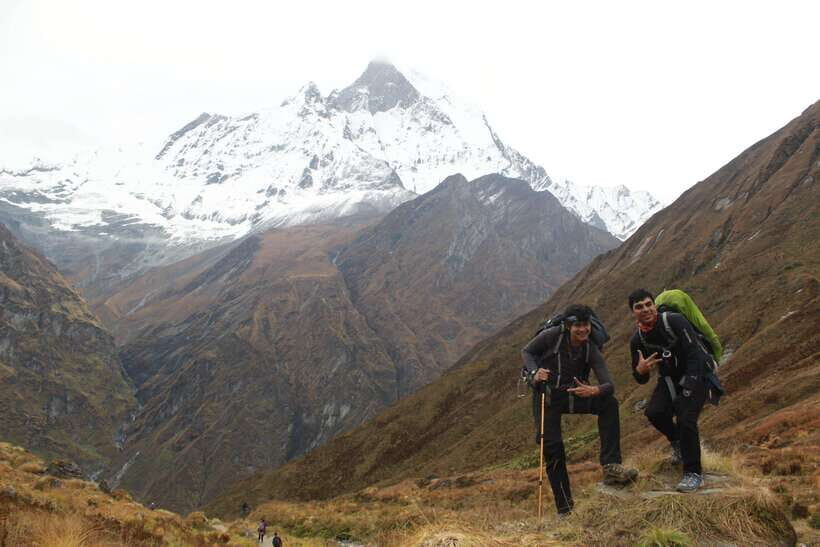
The Annapurna Circuit is special because it behaves like a travel story with chapters. You start in lush, lower valleys and gradually climb into colder, drier terrain that starts to feel more like the Tibetan high country. You’re not stuck with one type of scenery for ten days—you keep earning each change.
I also like that the trek is tied to the Annapurna Conservation Area, so the trek doesn’t feel like walking through a theme park. You’re seeing how altitude affects forests, wildlife habitat, and village life as you go higher. Even if you don’t count species, you can feel the shift in how the region is managed and lived in.
Finally, it’s a trek that blends culture and logistics better than most. You’ll walk through village routes, then trade that texture for high-pass effort, then drop back down into sacred places. That ups-and-downs structure is a big part of why this trek stays memorable long after the sore knees fade.
Day by day: how the route builds your altitude game plan
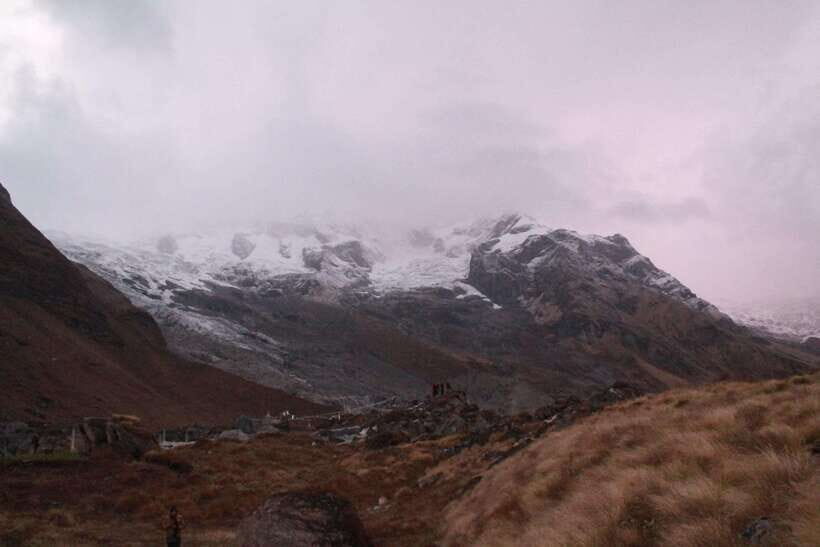
This trek is built around gradual climbing plus a key acclimatization stop. It starts with a road day to get you to the trailhead area, then you walk in steady chunks that make the pass day feel possible.
Kathmandu to Dharapani (Day 1)
You’ll drive for about 6 to 8 hours to Dharapani at roughly 1,860 meters. It’s a long start, but it saves you from wasting daylight on unnecessary sightseeing when your body needs a good first night.
Dharapani to Chame (Day 2)
You climb to around 2,670 meters, trekking for about 4 to 5 hours. This day tends to feel like you’re testing your legs and stride—less about speed and more about finding a pace you can keep.
Chame to Pisang (Day 3)
Now you’re headed toward about 3,300 meters in roughly 5 to 6 hours. The higher you go, the more the trail starts to show harsher edges and thinner air, even before you reach the pass.
Pisang to Manang (Day 4)
You rise to about 3,540 meters, with a 5 to 7 hour walk. In Manang, you’ll notice the change in vegetation and the overall feel of the air—cooler, drier, and more demanding.
Acclimatization in Manang (Day 5)
This is the smart piece: a day at about 3,540 meters for you to explore and acclimatize. It’s not just “a break.” It helps your body catch up, which matters because the next push takes you from the comfortable world into the pass approach.
Manang to Yak Kharka (Day 6)
You continue up to around 4,000 meters in about 4 to 5 hours. Yak Kharka is part of the staging zone where the trail and views start getting sharper and more exposed.
Yak Kharka to Thorong Phedi (Day 7)
You’ll reach roughly 4,450 meters in 3 to 4 hours. Shorter hiking time doesn’t mean easy. This is where cold starts to feel more serious and mornings get harder to ignore.
Thorong Phedi to Muktinath via Thorong La Pass (Day 8)
Here’s the big day: you cross Thorong La Pass at 5,416 meters and end around Muktinath at 3,710 meters, with a long 7 to 9 hours on your feet. The pass is the visual payoff, but the real win is managing your breathing and energy so you can descend safely after the altitude spike.
Muktinath to Jomsom (Day 9)
You drop down to about 2,720 meters in roughly 5 to 6 hours. This descent is a relief for altitude stress, but your legs may still feel it—downhill impacts add up.
Jomsom to Pokhara (Day 10)
You drive about 6 to 8 hours back to Pokhara. It’s a fitting finish: after days on foot, you get to sit, breathe, and process the whole trip.
One more note: the broader route description also points to a finish through Ghorepani and Poon Hill for a sunrise panorama, plus stops like Marpha and Tatopani. Your exact final days can vary, so if those scenic extras matter to you, confirm what your specific departure includes.
Thorong La Pass: the day you plan for, not just the day you survive
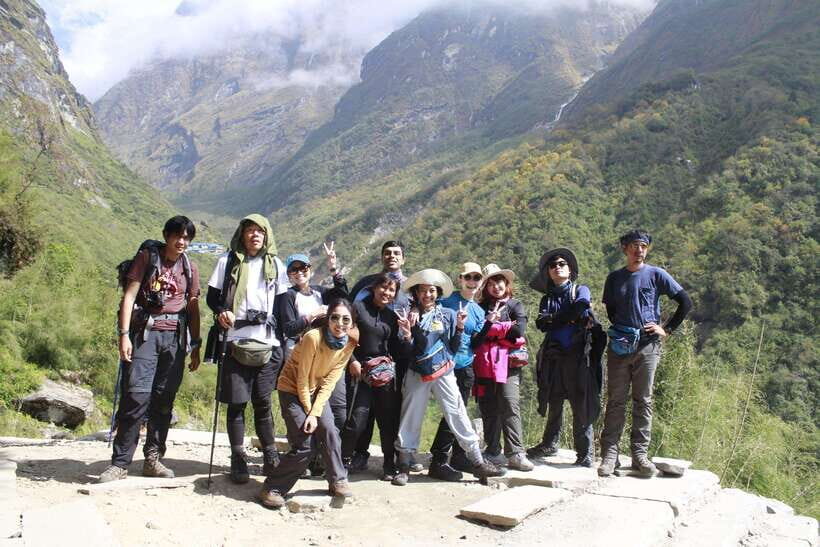
Thorong La Pass is why people pick this trek in the first place. At 5,416 meters, it’s high enough that you’ll feel the altitude every minute—not later, not when you’re done. The good news is the trek’s pacing is designed to lead you here with an acclimatization day and a staging night.
On the pass itself, the payoff is panoramic: views of Annapurna, Dhaulagiri, and Manaslu. But don’t think of the pass as only a photo stop. Treat it like a controlled effort—slow steps, steady breathing, and a calm mindset.
After you cross, you descend toward Muktinath, a sacred town where you’ll find ancient temples and monasteries. That change—from thin-air effort to cultural landmarks—gives you a different kind of “I made it” feeling. It’s one thing to reach a height number; it’s another to land in a place with meaning.
Culture stops that make the trek feel human
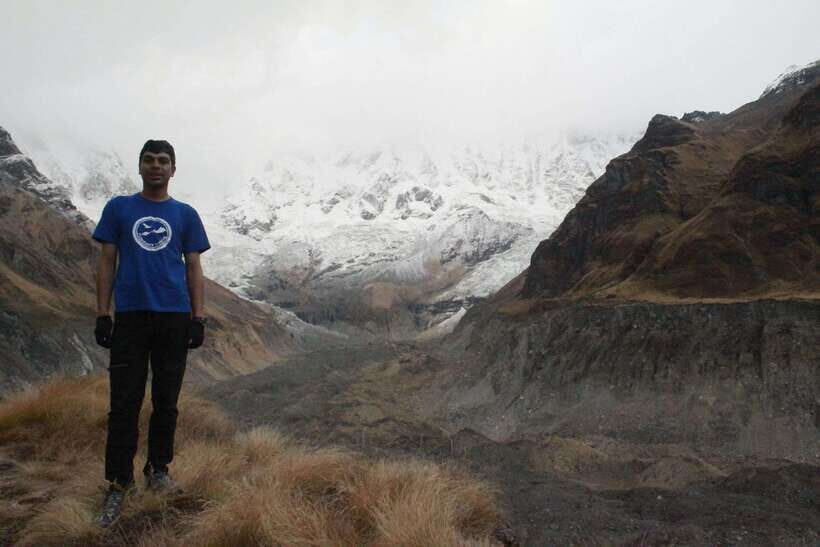
A trek becomes real when you see daily life, not just mountains. This one includes several chances to slow down and notice how people live at different elevations.
Muktinath’s sacred sites
Once you get down from the pass, the town’s temples and monasteries help reset your brain after the physical intensity. It’s the kind of setting where you’ll naturally walk slower, look longer, and pay attention to the details around you.
Marpha and its apple orchards
Marpha is known for apple orchards, and that matters on a trek because it signals long-term settlement patterns. When you see fruit trees and orchards, you’re reminded this route isn’t only about high-altitude survival—it’s about communities that live year-round.
Tatopani’s natural hot springs
If your route includes Tatopani, the hot springs are a very practical reward. After hiking days where cold can cling to your gear, warm water is the simplest form of recovery. Don’t expect spa-level luxury, but do expect relief.
Kali Gandaki Gorge
This part of the trek runs through the world’s deepest gorge, with towering peaks flanking the route. Even without technical geology knowledge, you’ll feel how dramatic the space is—walls of rock and a sense of depth that’s hard to forget.
Teahouses and the comfort reality check
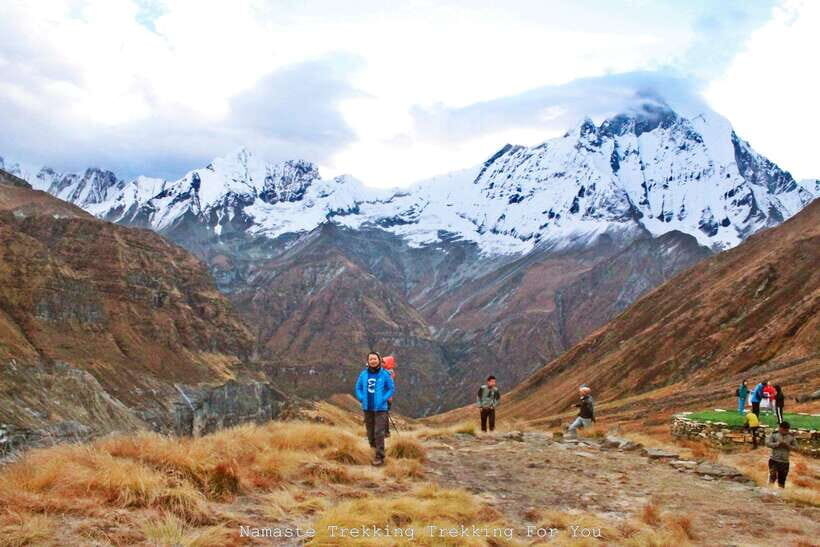
You’ll sleep in teahouse accommodation, and that’s a big quality-of-life factor on this trek. The tradeoff is that teahouses aren’t hotels. They’re basic, family-run stops built around feeding and lodging trekkers.
Meals are not included, so you’ll be deciding each day what to eat and when. That also means budgeting for snacks and dinners along the way. If you’re the type who gets cranky when you’re hungry, plan for that—carry simple essentials when allowed, and don’t wait too long to eat.
The information also notes that hot showers and charging may not be available at some teahouses. That doesn’t mean you’ll get zero comfort. It does mean you should treat electricity like a bonus, not a guarantee. If you rely on your phone for maps or communication, bring a power plan and expect uneven charging access.
Your guide makes or breaks the trek
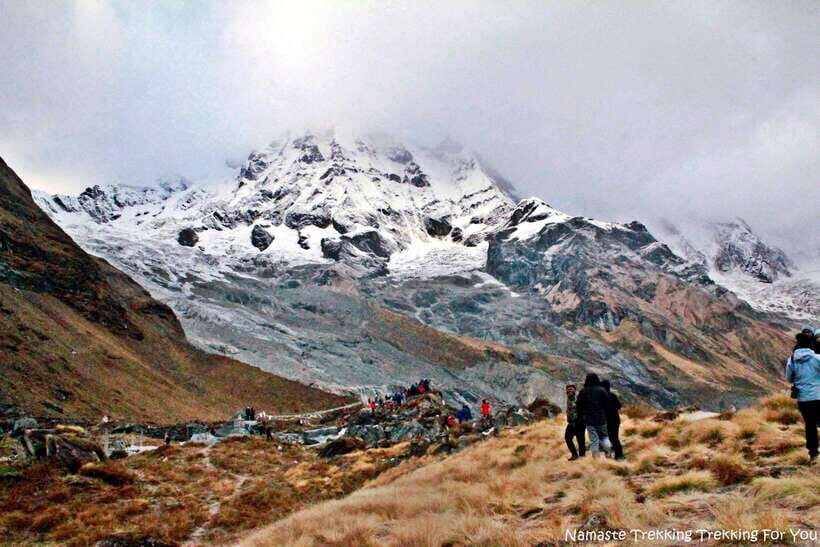
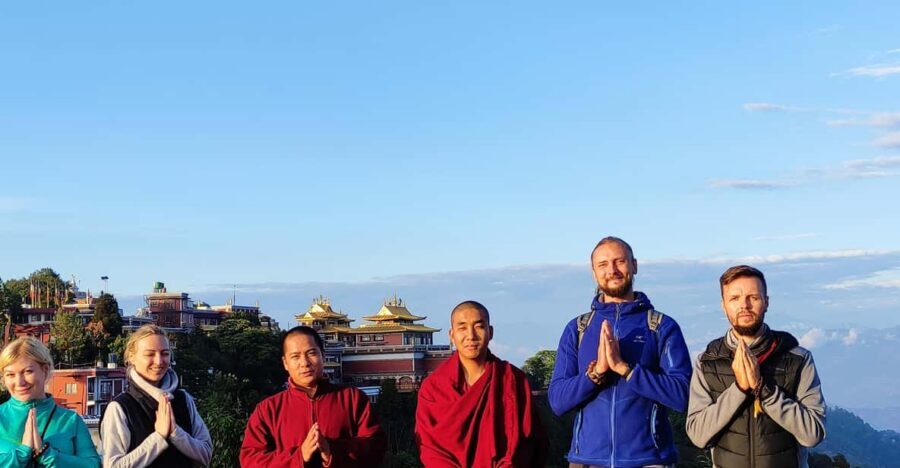
This is not a solo hike. You’re joining a private group with an experienced, English-speaking guide and access to first-aid support. On a route that climbs to 5,416 meters, that matters for safety and for morale.
The most consistent praise centers on guides who are both professional and human. In different groups, names like Kim, Khim, Nir, and Milan show up in the best stories. The common thread is how they manage the day around your pace: taking time to discuss the next day’s route and adjusting when needed. One guide approach highlighted is planning together, based on how you actually feel rather than forcing a one-size itinerary.
If you want a trek that feels calm even when it gets tough, ask for a guide known for that style. And if you get a porter team member such as Dill, that can add comfort too—less weight on your back means you can focus on breathing and foot placement.
Getting there from Kathmandu and ending in Pokhara
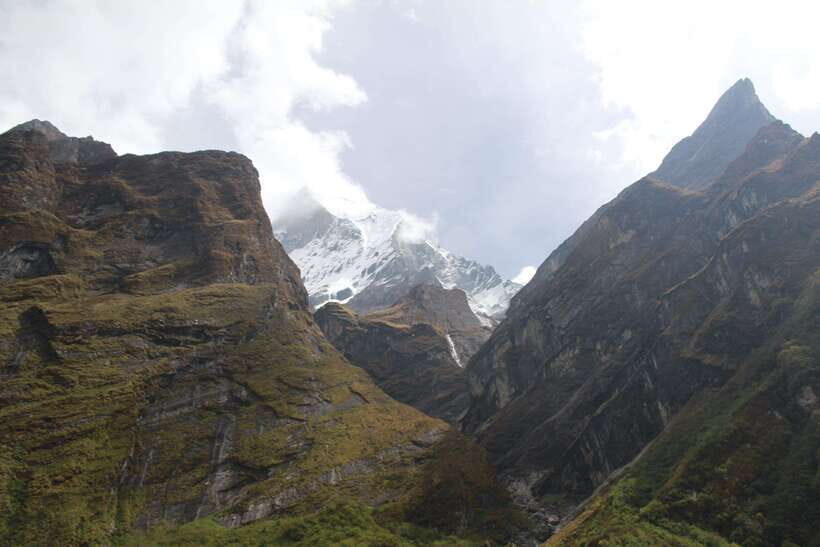
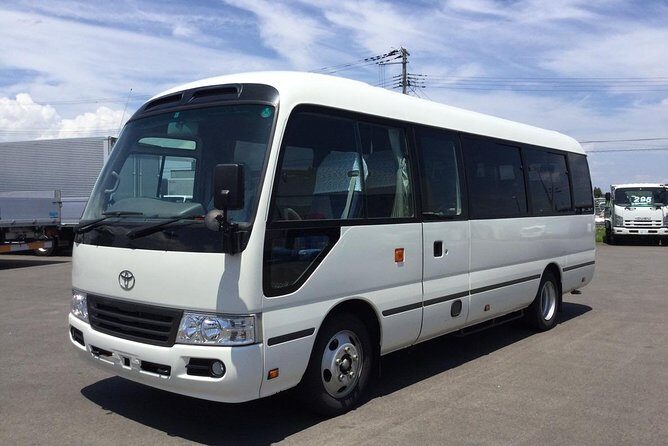
The trek includes all transport from Kathmandu or Pokhara to the trailhead and back. That’s useful because it cuts down on messy logistics and gets you on the trail without extra planning.
Starting in Kathmandu, the drive to Dharapani (about 6 to 8 hours) sets the tone: long day, early night, and a body that needs sleep. Ending in Pokhara, the drive from Jomsom (about 6 to 8 hours) gives you a chance to recover with food and rest before you return to daily life.
The real value here isn’t just convenience. It’s that trekking days should be trekking days. Less time scrambling for connections means more time resting, hydrating, and preparing for the next climb.
Price and value: what $430 really covers
At $430 per person for 10 days, the value here comes from what’s already handled. You’re not just paying for a “route.” You’re paying for the framework that keeps the trek running.
Included items that matter:
- Permits (ACAP and TIMS)
- Transportation from Kathmandu or Pokhara to the trailhead and back
- Experienced English-speaking guide
- Teahouse accommodation during the trek
- First aid kit and trekking maps
- Farewell dinner after the trek
- Government taxes and service charges
What’s not included (so budget for it):
- Meals during the trek
- International flights to and from Nepal
- Travel insurance (mandatory, covering high-altitude trekking)
- Personal gear like sleeping bags, jackets, and trekking poles
- Hot showers and charging at some teahouses
Here’s the practical way to think about it: the trek package is doing the heavy lifting on administration and logistics—permits, guide, accommodation, transport. Your biggest extra costs are meals, insurance, and bringing the right gear. If you already own solid cold-weather gear and you’re covered on insurance, the package price starts looking very fair.
Who this trek suits best (and who should skip it)
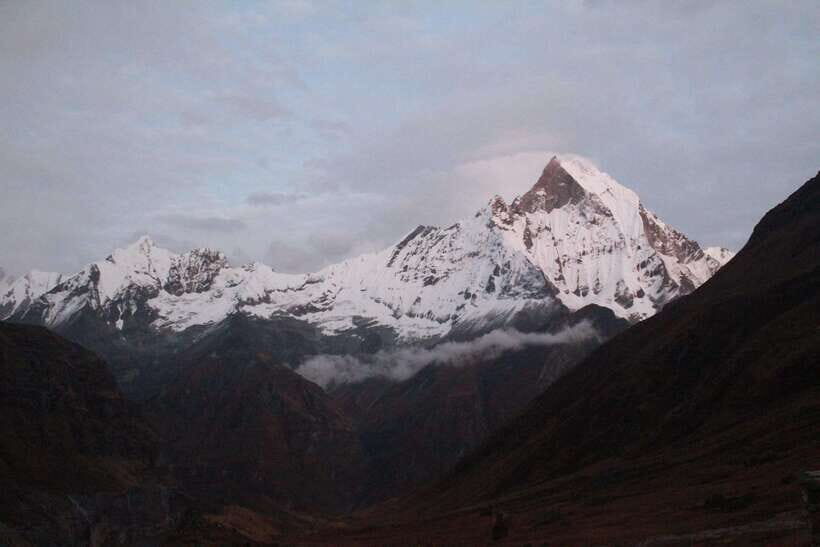
This trek is geared for people who can hike daily for hours and handle altitude. It’s also a good fit if you like both mountains and real village life—walking through ethnic communities and sacred towns, not just checking off peaks.
It’s also proven possible for older hikers when planning is smart. One success story in the provided material includes reaching 5,416 meters with a 61-year-old—that’s a reminder that age can be workable with the right pacing and guide support.
It’s not suitable for pregnant women, based on the activity notes.
If you’re planning this as a “light hike” vacation, you might be disappointed. This is a real high-altitude trek. If you’re honest about your fitness and you’re willing to move slowly on steep days, that’s when it becomes rewarding instead of overwhelming.
Packing tips that match what’s actually missing
Since personal trekking gear like sleeping bags, jackets, and trekking poles aren’t included, don’t show up empty-handed and hope to buy everything on the fly. The higher you go, the more cold becomes a daily factor, even when skies are clear.
Bring what you need for:
- warmth at high elevation (especially for pass day)
- steady footwork (trekking poles can help balance on descents)
- recovery between long walking days
Also, plan for basic teahouse conditions. You might get hot showers some nights and not others. Build your routine around that reality and keep a simple hygiene plan.
Should you book this Annapurna Circuit trek?
If you want a classic high-altitude trek with strong support and a focus on real mountain-country culture, this is an easy yes. The package covers the big moving parts—permits, transport, guide, and teahouse accommodation—so you’re not burning energy on details while your body adapts to altitude.
I’d hesitate if you’re looking for hotel-style comfort every night or if you can’t meet the altitude challenge honestly. Also, make sure your insurance truly covers high-altitude trekking, because this is not a “just in case” situation.
If you do book, pick a departure where you feel confident in your pacing plan and confirm whether your version includes the extra scenic add-ons like Marpha, Tatopani, and possibly Ghorepani/Poon Hill for that early sunrise feel. Then show up ready to walk, listen to your body, and enjoy the payoff when the air finally opens wide.
FAQ
What altitude does the trek reach at Thorong La Pass?
Thorong La Pass is at 5,416 meters.
Are permits included?
Yes. The tour includes the required ACAP and TIMS permits.
Is the guide provided, and what language do they speak?
Yes. You’ll have an experienced, English-speaking guide.
What does the price include?
It includes permits (ACAP and TIMS), transportation from Kathmandu or Pokhara to the trailhead, teahouse accommodation during the trek, an English-speaking guide, first aid kit and trekking maps, a farewell dinner, and government taxes and service charges.
What’s not included in the cost?
Meals during the trek, international flights, travel insurance (mandatory and covering high-altitude trekking), personal trekking gear (like sleeping bags and jackets), and hot showers/charging at some teahouses.
Is this a private group?
Yes. It’s listed as a private group.
Is this trek suitable for pregnant women?
No. The activity is not suitable for pregnant women.