REVIEW · KATHMANDU
Private Nepal round trip including Ghorepani Poonhill trek
Book on Viator →Operated by Asian Heritage Treks and Travels · Bookable on Viator
Four countries of Nepal in one trip?
This 15-day Kathmandu–Chitwan–Lumbini–Pokhara loop also includes a classic Ghorepani Poon Hill trek, so you’re not just checking boxes—you’re moving between temples, wildlife, and mountain mornings. I especially liked the human touch: a real English-speaking guide (in this trip, names like Nabaraj and Shiva show up in the guide team) plus door-to-door private driving. And I loved the way the itinerary mixes “big sights” with hands-on moments, like the Tibetan momo cooking workshop in Thamel and the chance to stay overnight at a guest house inside a monastery in Lumbini.
One thing to watch: some costs and timing details can matter. Entry fees are not included (the tour lists an approx. 60 USD per person), and the early starts—especially for Poon Hill sunrise—plus seasonal mountain-view limits can affect what you see.
In This Review
- Key highlights worth writing home about
- Entering Kathmandu the easy way (and why that matters)
- Swayambhunath, Boudhanath, and Pashupatinath: three UNESCO moods in one day
- Bhaktapur and hands-on crafts: making culture rather than just viewing it
- Chitwan National Park: canoe + jeep safari, with Tharu culture added
- Lumbini’s special night inside a monastery
- Pokhara lakeside: slow afternoon after the intensity
- Sarangkot sunrise and the Pokhara checklist that actually flows
- Getting to the trek: Nayapul to Ulleri (and why day one feels easy)
- The Ghorepani to Poon Hill rhythm: villages, forests, and big morning light
- Luggage, porters, and what small-group trekking really means here
- Where the value comes from at $1,829.12 per person
- What’s not included (and how to plan for it without surprises)
- A balanced fit: who should book this private Nepal trip
- Should you book it?
- FAQ
- Is this tour private or a small group?
- What’s included in the price?
- Are entry fees and visa costs included?
- What about tipping?
- How does porter support work on the trek?
- What’s the cancellation window for a full refund?
Key highlights worth writing home about
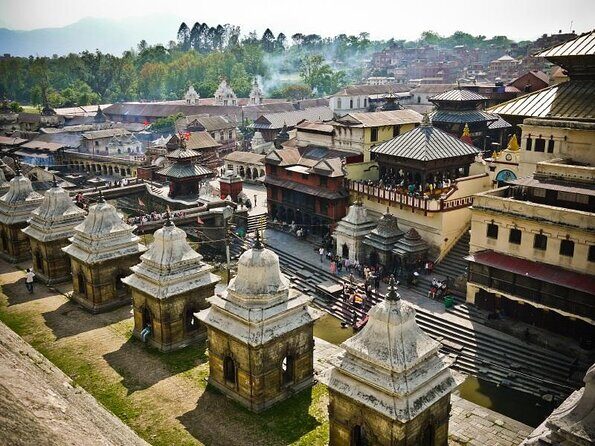
- Poon Hill sunrise payoff with views described for Annapurna, Dhaulagiri, Machhapuchhre, and more.
- A small-group cap (max 10) while still using private transport and a dedicated guide.
- Chitwan wildlife day that blends canoe time with a jeep safari.
- Lumbini’s monastery guest house night, not just a quick temple stop.
- Thamel plus a momo workshop for a practical, tasty cultural break.
- Trek support setup: 2 clients per porter, with a porter limit listed at 18 kilos.
Entering Kathmandu the easy way (and why that matters)
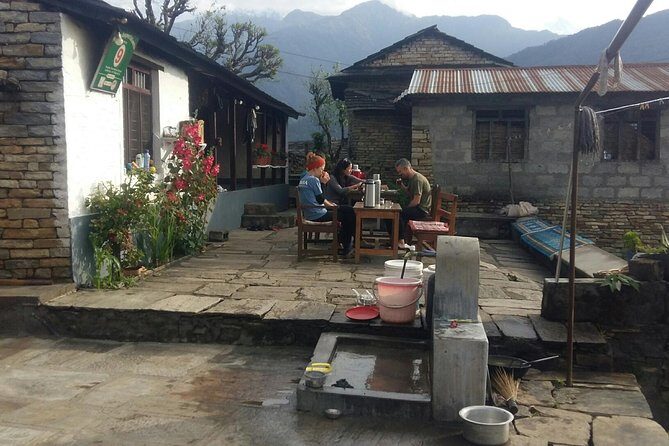
Your trip starts with a simple promise: you land in Nepal and you’re not wandering around. A representative meets you at Tribhuvan Airport with a sign showing your name, helps with luggage, and takes you straight into your private vehicle to your hotel.
That first transfer is more than convenience. Kathmandu can be busy and confusing if you’re jet-lagged. Getting your bearings on Day 1 helps you enjoy the rest of the valley without feeling rushed or stressed.
On the way, the route gives you a fast, real-world sampler of what’s coming: you’ll pass Pashupatinath Temple (UNESCO), catch an outside view of the Narayanhiti Royal Palace Museum, and see Garden of Dreams as you approach Thamel. These are the kind of sights you’d otherwise spend a whole separate day hunting down.
You can also read our reviews of more private tours in Kathmandu


Swayambhunath, Boudhanath, and Pashupatinath: three UNESCO moods in one day
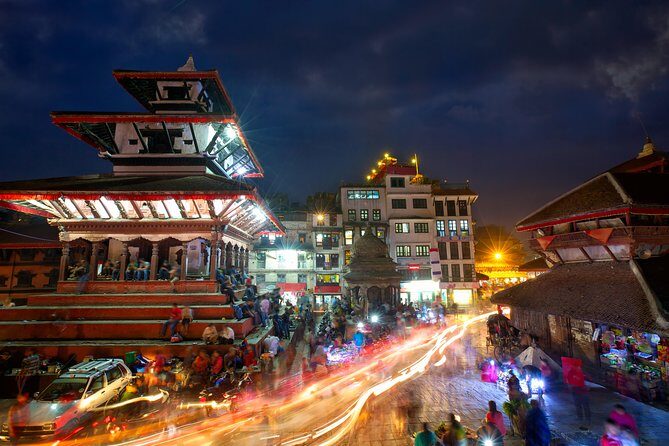
Day 2 is a greatest-hits day for the Kathmandu Valley, but it doesn’t feel like a checklist. Each stop has a different emotional flavor.
Swayambhunath Temple (the Monkey Temple) is on a hill with big city-and-valley views. You’ll see the stupa details—prayer wheels and colorful prayer flags—and yes, monkeys. The practical advice here is obvious but easy to forget when you’re taking photos: keep your belongings zipped up.
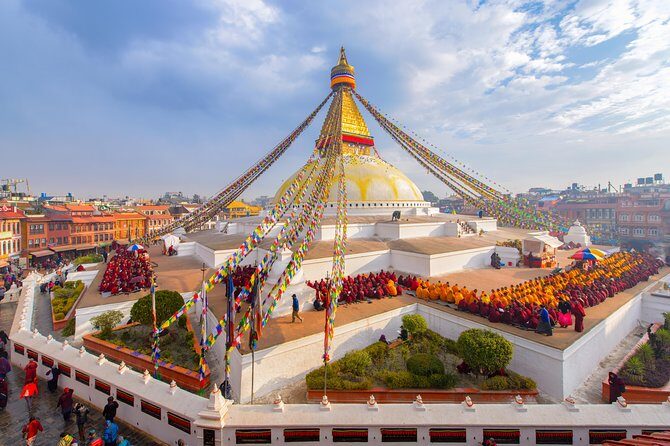
Then you shift to Boudhanath Stupa, one of the largest spherical stupas in the world. The itinerary specifically builds in the “kora” practice: walking around the stupa clockwise. It’s a small action, but it changes the experience. You’re not just staring at architecture—you’re participating in local ritual rhythm. You also get free time, with an easy option to eat at a rooftop restaurant with a stupa view.
The day closes at Pashupatinath Temple, a major Hindu pilgrimage site. You can watch rituals and ceremonies along the Bagmati River, including the Sandhya Aarti in the evening worship context. If you want to understand Nepal beyond postcard culture, this is where you feel the living religion component.
And then the trip pivots from temples to taste. In Thamel, you’ll join a traditional Tibetan momo cooking workshop and dinner. That’s a smart contrast: religion, then food. It’s one of those itinerary choices that makes the day feel complete, not exhausting.
Bhaktapur and hands-on crafts: making culture rather than just viewing it
Day 3 steps away from the center of Kathmandu and heads into a more local, craft-focused rhythm.
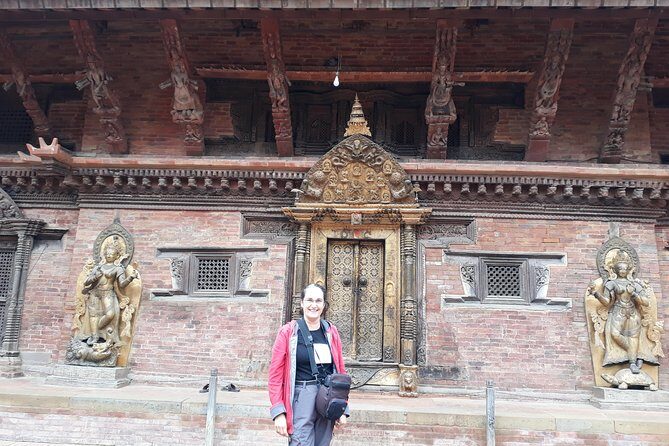
You’ll visit Bhaktapur Durbar Square, one of the three royal squares in the Kathmandu Valley. Your guide explains the history and shows you what to look for in the temples. The value here is your time isn’t wasted guessing what a building means.
Lunch turns into an actual local moment, too. Your guide brings you to street food stalls. That’s a great way to sample Nepali tastes without playing “is this place safe?” every ten minutes.
Then comes the practical craft stop: Pottery Square and a workshop where a local craftsman teaches you how to make clay pots. This kind of activity isn’t about becoming an expert potter. It’s about seeing how skills travel through a community and giving your hands a job while your brain rests.
The day ends with Namo Buddha (stupa) and monastery, then continues via Dhulikhel, a quieter village stop in the valley. It’s a nice way to slow down before you switch from culture to wildlife.
Chitwan National Park: canoe + jeep safari, with Tharu culture added
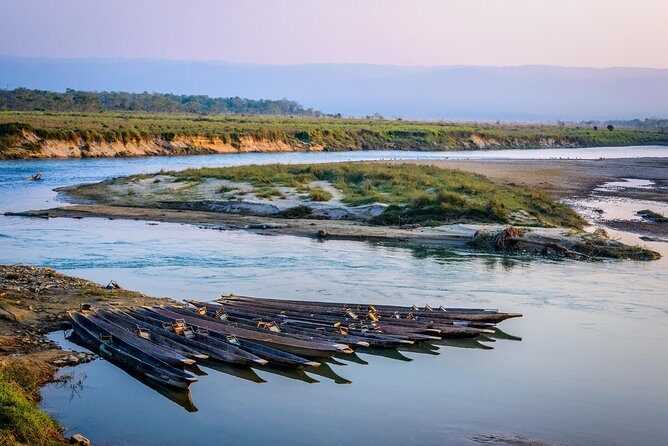
Days 4 and 5 are your wildlife chapter.
You drive from Dhulikhel to Chitwan National Park, and you start with lunch on arrival. Then the afternoon adds a cultural layer with Tharu village time. You’re shown traditional ways of living, not just walked through a staged “tourist performance.”
Next, you visit the Sauraha Tharu Cultural House where there’s a cultural dance performance. If you feel comfortable, you can even participate in the dance act. This matters because it turns the experience from passive viewing into shared energy.
Day 5 is the wildlife mechanics day:
- Morning canoe ride along the river toward the start of a jungle walk
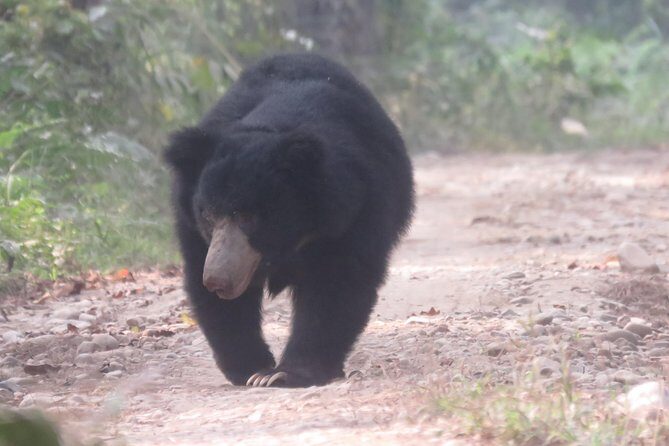
- After lunch, a jeep safari where you look for wildlife like rhinos, elephants, birds—and possibly a tiger if luck is on your side
Two pieces of advice help here. First, wildlife sightings are never guaranteed. So I treat these days as “best effort with good odds,” and I enjoy the scenery, tracks, and bird calls even when a tiger stays offstage. Second, expect it to be more active than a city tour day—bring water and be ready for bumpy jeep time.
Lumbini’s special night inside a monastery
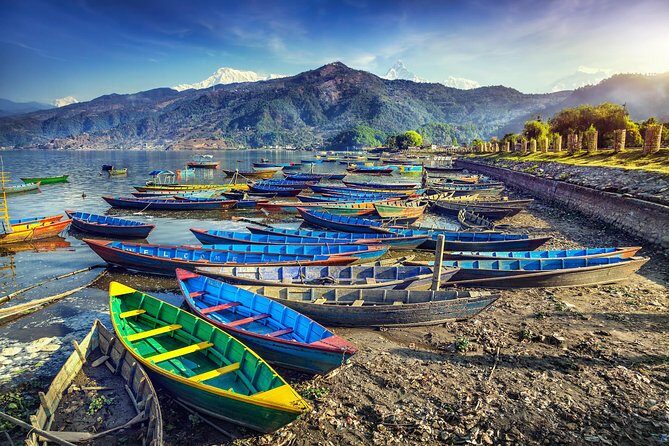
Day 6 is one of the most meaningful parts of the trip.
You head to Lumbini, described as the birthplace of Buddha and a major pilgrimage site. Your local guide shows you around the different temples and special places. The centerpiece is seeing the birthplace area.
What makes this more than another UNESCO stop is the overnight option: you get the unique chance to stay in a guest house inside a monastery. That’s the kind of experience you won’t get from a generic sightseeing-only itinerary.
If you like quieter, reflective travel moments—and you’re comfortable with basic guest-house-style routines—this night can be a highlight.
You can also read our reviews of more hiking tours in Kathmandu



Pokhara lakeside: slow afternoon after the intensity
On Day 7, you move from Lumbini to Pokhara by private transport. Then you’re given free time in the afternoon to explore the lakeside area around Lake Fewa.
This is intentional. After temple-and-park days, you need decompression time. I like using this stretch for simple things: sit with a view, wander at your own pace, and pick a casual dinner spot without worrying about sticking to a strict schedule.
Pokhara is also a strong base for the mountain-focused Day 8.
Sarangkot sunrise and the Pokhara checklist that actually flows
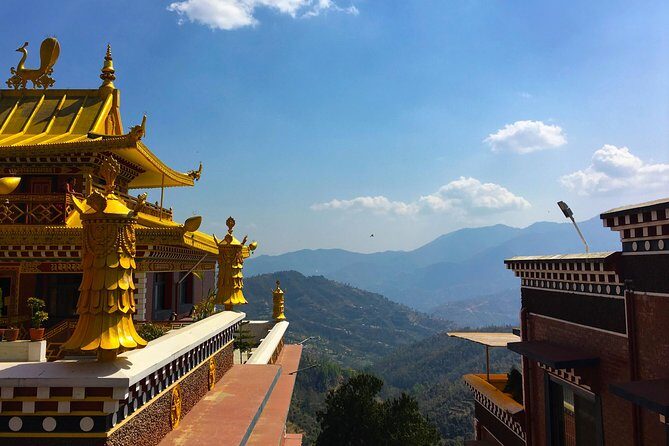
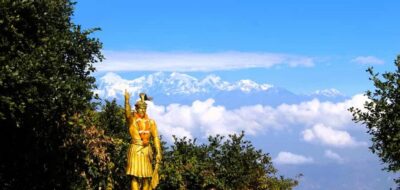
Day 8 begins early for Sarangkot, a 30-minute drive. The plan is sunrise views—Annapurna, Fishtail, Dhaulagiri, and other peaks in the background. Morning light can make the difference between “nice” and “wow,” and this stop is built for that.
After the sunrise, the rest of the day is structured but not frantic:
- International Mountain Museum (mountaineering industry exhibits)
- Devi’s Fall (water flowing from underground)
- Gupteshwor Mahadev Cave (a stalagmite worshipped as a Shiva lingam)
- World Peace Pagoda for views over Fewa Lake and a sunset-ish atmosphere
There’s also an optional activity: paragliding above Fewa Lake. The itinerary lists a 100 USD per person surcharge for a 30-minute tandem flight. If you’re debating it, consider weather and your comfort level with tandem sport activity. If you do it, this is one of the few chances on the trip to see the Annapurna region from the air.
Getting to the trek: Nayapul to Ulleri (and why day one feels easy)
Day 9 transitions you from transport days into hiking days.
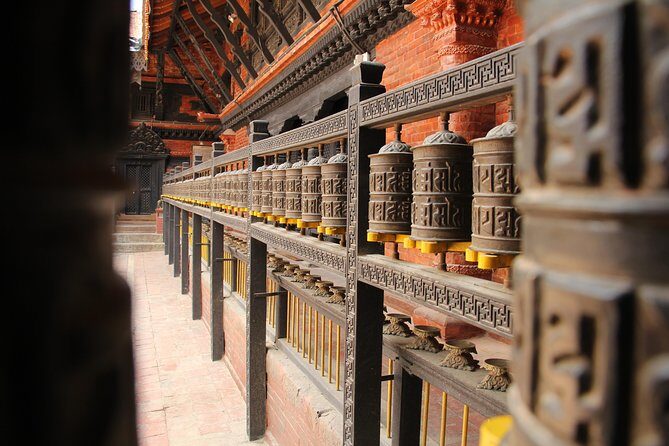
You drive from Pokhara to Nayapul, the trek starting point. From there, you hike toward Ulleri. Along the way, you pass old villages and green hills with terraced paddy fields. The walk also includes a lunch stop at Hile before continuing via Thikhedhunga to Ulleri.
You’ll check into a lodge and have a traditional Nepalese mountain dinner.
This first trekking day is often the “settle in” step. It’s not designed to destroy your legs. It’s designed to get you used to altitude rhythm: slower pace, steady breathing, lots of breaks, and time to watch how village life changes as elevation increases.
The Ghorepani to Poon Hill rhythm: villages, forests, and big morning light
Days 10 to 13 are the main hiking stretch.
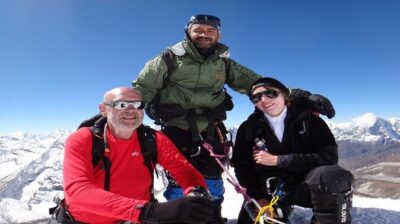
Day 10: You go from Ulleri toward Ghorepani, taking your time through local mountain lifestyle areas and enjoying views of Machhapuchhre, Huinchuli, and Annapurna South, plus a rhododendron forest. You reach Ghorepani in the afternoon, check in, and then you can stroll the village and interact with local people and other trekkers. The views from Ghorepani are a built-in bonus.
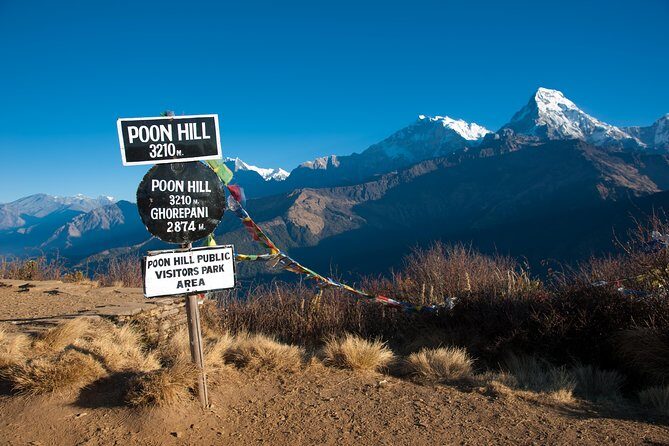
Day 11 is the classic sunrise move. You trek from Ghorepani to Poon Hill (3210m) early to catch the first rays of sunlight, then continue to Tadapani (2650m). The route passes culturally rich villages and rhododendron forest. After you return for breakfast at Ghorepani, you head onward—so the day has that satisfying “one big moment, then keep moving” structure.
Day 12 keeps it active. After breakfast, you trek through jungle areas and pass villages, jungles, and streams. After 3 to 4 hours, you reach Ghandruk, a Gurung village. You lunch and rest, then continue to Tolka via Landruk, check in, and enjoy lodge time.
Day 13 brings a downhill push toward Pokhara. You walk from Tolka via Australian Base Camp and hike downhill to Kande, where your driver picks you up and drives you back to Pokhara.
A few practical notes for this whole stretch:
- Plan for long walking days. The itinerary shows days like 7–8 hours for parts of the trek.
- Don’t chase speed. The experience is built around sunrise timing and steady footwork.
- The rhododendron forest and village scenery are part of the reward, not just the viewpoints.
Luggage, porters, and what small-group trekking really means here
Trek logistics can make or break your comfort, and this one is clearly designed to help.
During the trek, the tour uses a porter arrangement: two clients per one porter, and the porter can carry luggage up to 18 kilos. That means you’ll likely carry essentials, while your main load goes with your porter.
Also keep the trip’s overall style in mind. It’s maximum 10 travelers, so you’re not stuck in a huge group line at every stop. You still get guided pacing, but there’s room to pause for photos, rest, and ask questions.
Where the value comes from at $1,829.12 per person
Let’s talk money in a way that helps you decide.
At $1,829.12 per person, this isn’t “cheap budget travel.” But it’s also not just paying for a bus route. The price bundles in:
- Deluxe hotels with daily breakfast
- Professional guide (English-speaking)
- Private air-conditioned vehicles with a professional driver
- National park fees and trekking permits
- Trek support with porters and lodge meals during the trek portion (included breakfasts/lunches/dinners listed)
- Guided sightseeing across the itinerary
That combination is what keeps the experience from feeling like a DIY scramble. You spend less time negotiating transport, permits, and timing—especially important when the trip blends cities, parks, and a multi-day trek.
The best value tends to show up if you care about having your days planned tightly, but still want authentic stops (like Thamel cooking, monastery lodging in Lumbini, and multiple guided UNESCO visits).
What’s not included (and how to plan for it without surprises)
The tour lists several items you’ll likely budget for:
- Tipping for guide, drivers, and supporters
- Nepal visa fee
- Entry fees during sightseeing (approx. 60 USD per person)
- International flights to and from Nepal
- Travel insurance
- Some activities have surcharges, like paragliding (100 USD per person)
My advice: before you go, mentally split your budget into three buckets—major included costs, predictable add-ons, and optional splurges. That way the trip stays fun instead of becoming a math exercise.
Also remember that the itinerary lists that some admission tickets are not included at certain sites. Your guide will likely help you handle it day-by-day, but it’s smart to keep a portion of cash or card ready for these.
A balanced fit: who should book this private Nepal trip
This works well if you want:
- One trip that mixes temples, UNESCO sites, wildlife, and a real mountain trek
- A guide who can explain what you’re seeing (and not just point)
- Small-group pacing (max 10) with private vehicle comfort
- A trek that includes famous viewpoints like Poon Hill sunrise
You may want to rethink if:
- You dislike early starts (Poon Hill sunrise is non-negotiable in the plan)
- You’re very sensitive to weather-dependent mountain views (the trip includes a season factor in how people rate the experience)
- You’d rather build your own independent itinerary than follow an organized flow
Should you book it?
If you want a Nepal “best-of” trip that still feels grounded—temples with ritual details, Chitwan that combines canoe and jeep safari, Lumbini with a monastery overnight, and a Poon Hill trek that gives you that first-light mountain moment—this is a strong option.
Book it if you’re the type who likes structure but still appreciates real moments: learning a skill in Thamel, joining the kora at Boudhanath, watching sunset views from Pokhara’s hills, and walking through rhododendron forest while the mountains change color.
FAQ
Is this tour private or a small group?
The tour is described as private, and it also has a maximum of 10 travelers.
What’s included in the price?
The price includes deluxe accommodation (with daily breakfast as stated), taxes and handling charges, national park fees and trekking permits, an English-speaking guide, and all land transportation by private vehicle. Breakfast, lunch, and dinner are also listed for the trekking portion.
Are entry fees and visa costs included?
No. Nepal visa fee and sightseeing entry fees (listed as approx. 60 USD per person) are not included.
What about tipping?
Tipping for the guide, drivers, and supporters is not included.
How does porter support work on the trek?
During the trekking portion, there are two clients per one porter, and the porter can carry up to 18 kilos of luggage.
What’s the cancellation window for a full refund?
You can cancel up to 6 days in advance for a full refund, as long as you cancel at least 6 full days before the experience start time.