REVIEW · MALEKHU
Kathmandu: 3-Day Wildlife, Culture and Jungle Safari Tour
Book on GetYourGuide →Operated by Himalayan Nomad Treks Pvt. Ltd. · Bookable on GetYourGuide
Jeep tracks and Tharu songs in the same trip. This 2–3 day Chitwan adventure starts with a hotel pickup from Kathmandu or Pokhara, then lands you in Sauraha with an evening Tharu cultural show and an air-conditioned room to recharge.
I especially like the chance to pair wildlife with real people and real performances, not just a quick stop for photos. You also get a proper dinner on Day 1, so you’re not hunting for food after a long transfer.
My favorite part is how packed Day 2 feels without rushing the day to death: Jeep safari or elephant ride, a canoe glide on the Rapti River, plus a guided jungle walk and bird watching. You’ll be looking for rhinos and other big animals, then switching gears to calmer nature moments on the water.
One consideration before you book: the elephant option. The tour includes an elephant breeding center visit and a sharing-basis elephant ride option, but there’s a real ethical concern raised about elephant treatment at facilities that offer rides. If this matters to you, you may want to choose the jeep safari instead and ask specific questions about how animals are handled.
In This Review
- Key highlights worth planning for
- Chitwan National Park from Kathmandu or Pokhara: what this trip gets right
- The 6-hour road trip to Sauraha: first day logistics that affect the vibe
- Day 2 in Chitwan: jeep safari, Rapti canoeing, jungle walk, and village time
- The jeep safari (or elephant ride option)
- Canoeing on the Rapti River
- Guided jungle walk + bird watching
- Elephant breeding center visit
- Tharu village tour in the late day
- Elephant ethics: a real-world question you should ask before choosing a ride
- Accommodation, meals, and what’s actually included for the price
- 2-day vs 3-day option: how the experience changes
- Who this tour suits best (and who should think twice)
- What to pack so you don’t suffer on Day 2
- Price and logistics: is $127 a fair deal?
- Should you book this Chitwan safari and Tharu culture tour?
- FAQ
- How long is the Kathmandu to Chitwan tour?
- Where do I get picked up, and how early should I be ready?
- What wildlife activities are included in Chitwan?
- What meals are included?
- What accommodation will I stay in?
- Is free cancellation available?
Key highlights worth planning for
- Tharu cultural dance program at the community hall on your first evening in Chitwan
- Jeep safari or elephant ride through Chitwan’s prime wildlife areas on a sharing basis
- Rapti River canoeing where you can spot birds and keep an eye out for crocodiles and elephants
- Jungle walk + bird watching with a guide pointing out plants and wildlife you might otherwise miss
- Elephant breeding center visit built into the itinerary for a conservation-focused element
- Tharu village tour with community interactions, arts, music, dance, and local food
Chitwan National Park from Kathmandu or Pokhara: what this trip gets right
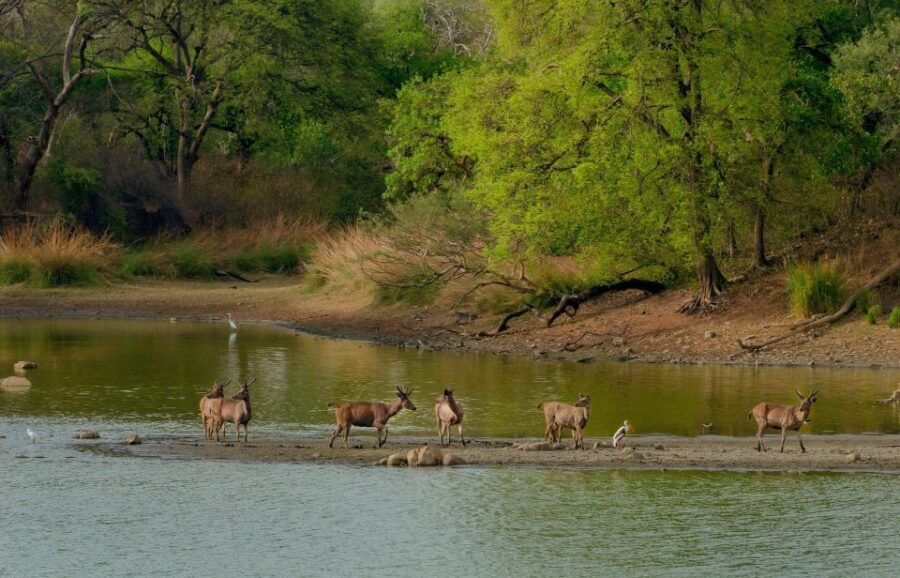
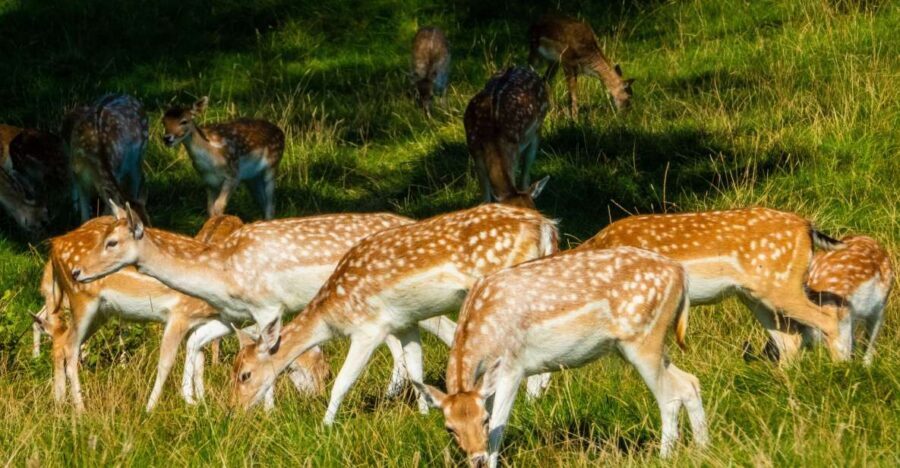
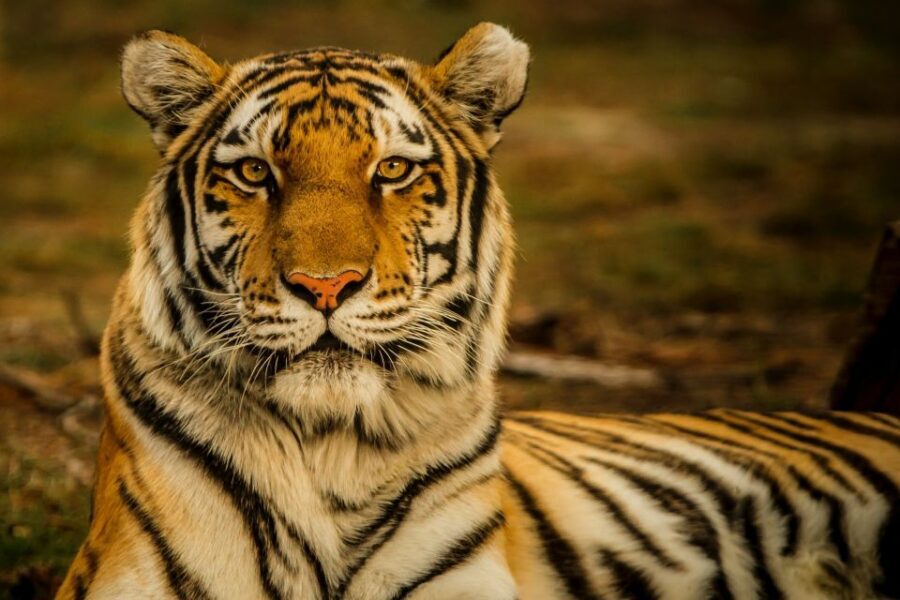
Chitwan National Park is one of Nepal’s easiest places to see wildlife without spending weeks trekking. On this tour, you get the best kind of contrast: an active safari day, then gentler river and jungle time, plus a Tharu cultural evening that makes the whole trip feel grounded in place.
I like that the itinerary isn’t only about animals. You’re also learning how local communities live around the park. That matters because Chitwan isn’t a theme park. It’s a living region where conservation, livelihoods, and daily culture overlap.
You’ll move as a group with an authorized English-speaking guide (English, Hindi, and Nepali are available). That’s helpful for practical things like safety rules on safari and knowing what to look for on your jungle walk.
The 6-hour road trip to Sauraha: first day logistics that affect the vibe
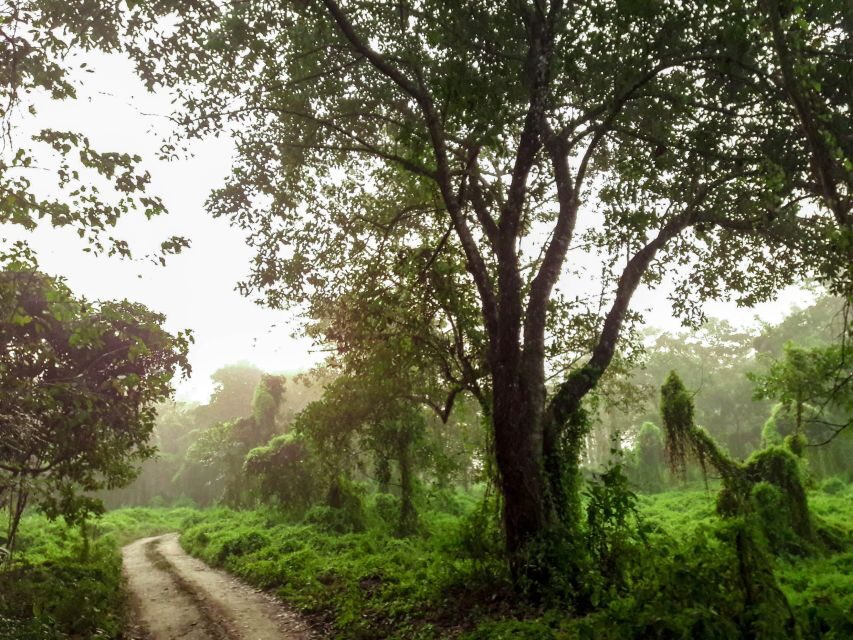
Day 1 is mostly travel, and that’s not a downside. It’s the price you pay for reaching one of Nepal’s best wildlife zones without flying. You’ll be picked up from your hotel in Pokhara or Kathmandu (near Thamel in Kathmandu or Lakeside in Pokhara), then you’ll ride by deluxe tourist coach for about 6 hours to Sauraha, the common base area for Chitwan.
Once you arrive, you get checked into your accommodation and can slow down. The stay is air-conditioned, in either Chitwan Village Resort or a similar Rainbow Safari resort. If you choose the 5-star option, it’s Greenpark resort.
After dinner, the cultural program is the perfect way to land. The Tharu cultural dance at the community hall gives you context fast: costumes, music, and dance styles tied to the Tharu community’s traditions. It’s also a nice reset after a long transfer, and it sets expectations for the village time later.
Practical tip: If your transfer starts early or traffic is slow, you may arrive tired. Pack light for Day 1 so you can actually enjoy the show and dinner instead of feeling like you’re dragging luggage around.
Day 2 in Chitwan: jeep safari, Rapti canoeing, jungle walk, and village time
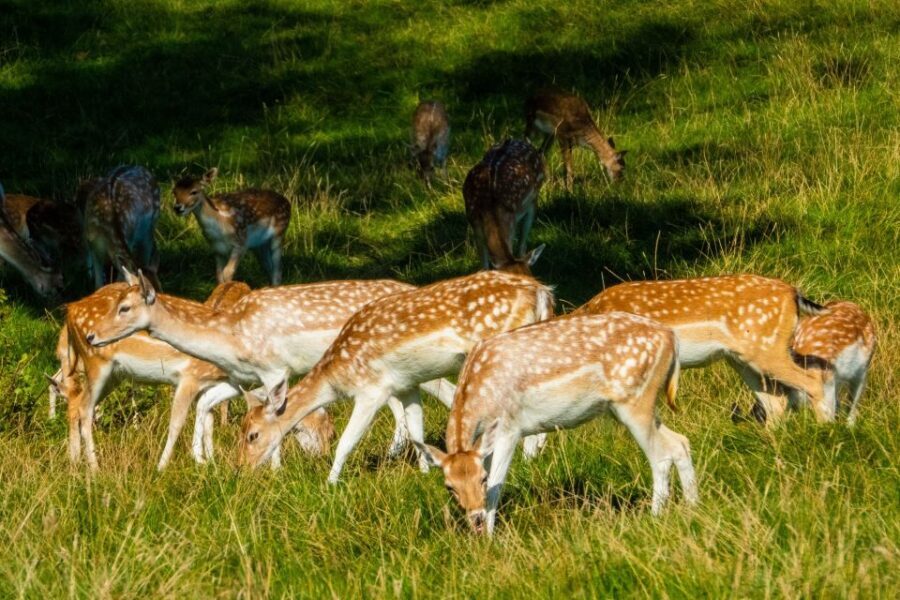
Day 2 is where the trip earns its name. After breakfast, you’ll head into the park area for wildlife time. You can choose a jeep safari or an elephant ride on a sharing basis, depending on what you picked for your booking.
The jeep safari (or elephant ride option)
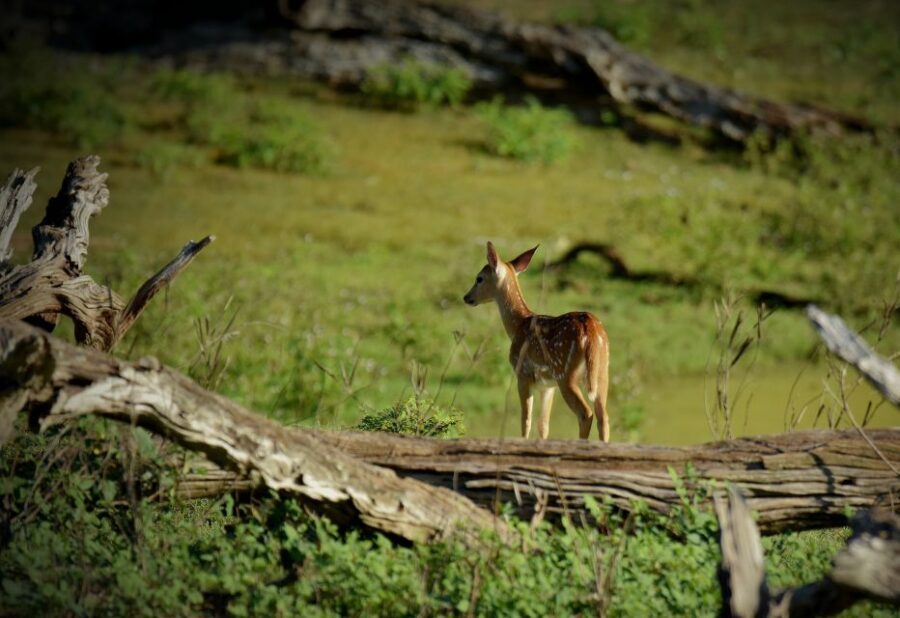
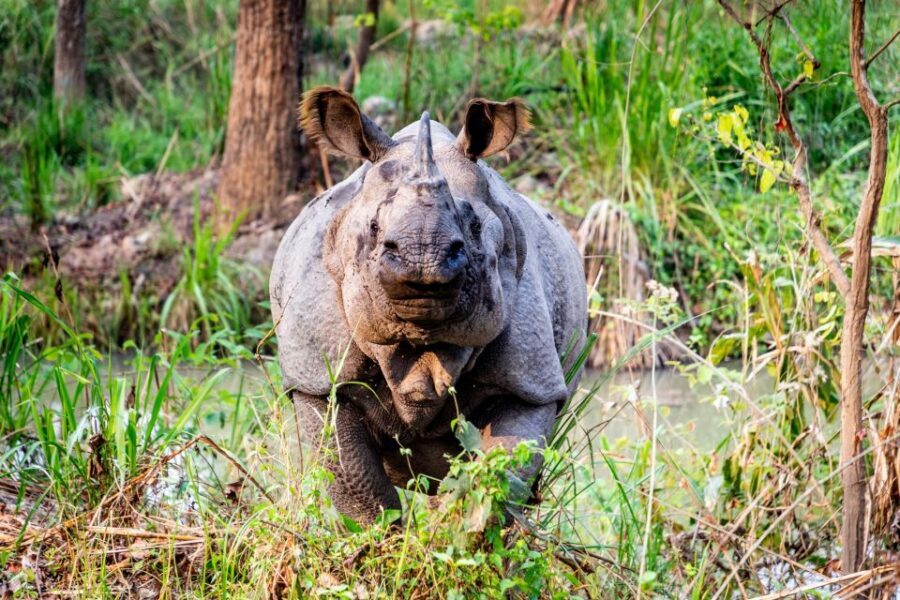
The jeep safari is the most straightforward way to maximize sightings because it’s designed for game viewing. Your guide will take you along safari routes where you can spot large mammals like rhinos. Even if you don’t see everything, the experience comes from seeing wildlife in real habitat conditions, not just in fenced enclosures.
If you choose the elephant ride option, you should know what you’re signing up for: you’re interacting with wildlife through a ride format at a facility context included in the itinerary. Since elephant welfare has raised concerns for some people, keep that in mind and consider asking the guide what the experience involves at the moment it happens, not just what’s promised in advance.
Canoeing on the Rapti River
After the safari, you’ll eat lunch and then shift to a slower, scenic activity: canoeing on the Rapti River. This is one of the best parts for many people because it changes the pace completely.
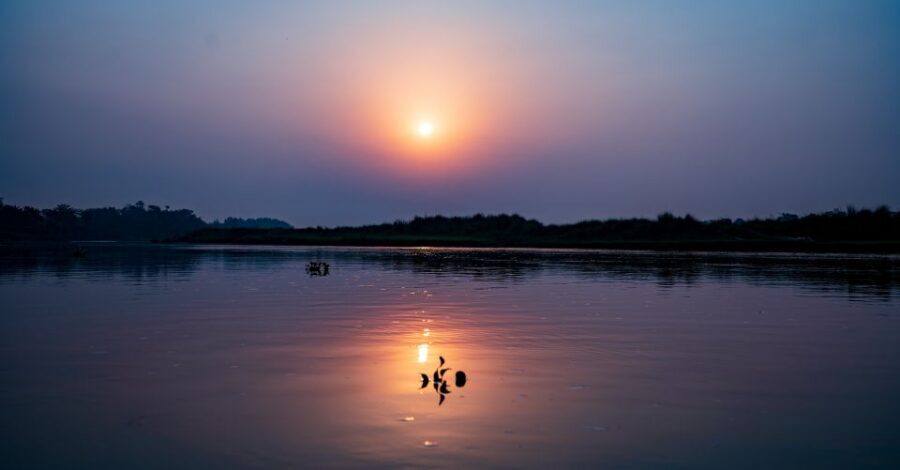
From the water, you’ll be watching the river edge and scanning for wildlife. The tour notes opportunities to keep an eye out for crocodiles, elephants, and birds. Even when animals stay hidden, you still get a calm wildlife perspective that feels different from the jeep’s search-and-spot rhythm.
Guided jungle walk + bird watching
Next comes the guided nature walk through the jungle. This is where your guide’s explanations can turn random leaves into recognizable features. You’ll focus on native plants and wildlife you might otherwise overlook, and you’ll get time to listen for sounds you’d miss at full speed.
Bird watching is included here too. If you like photography, this is also where you may get better chances for close, calmer shots than during a full safari rush.
Elephant breeding center visit
Then you’ll visit an elephant breeding center and learn about conservation efforts. The itinerary frames it as heartwarming and educational, which can be true—just remember that the way centers treat animals varies widely, and the elephant ride piece is the part that can be ethically complicated.
If animal welfare is important to you, you can still enjoy the educational visit while remaining cautious about the ride component. Choose based on your own comfort level.
Tharu village tour in the late day
Finally, you’ll head to a Tharu village tour and interact with local people. The tour includes exposure to art, music, dance, and local culinary delights, plus a look at unique local architecture and daily life.
This village segment is valuable because it explains how culture continues alongside conservation. It’s also one of the best places to ask questions directly, since you’re seeing how people interpret the park’s presence in their own community.
Elephant ethics: a real-world question you should ask before choosing a ride
This is the only part of the itinerary that needs extra homework from your side.
The tour offers an elephant ride option, and it also includes a breeding center visit. But one review concern highlighted gross animal cruelty claims related to elephant treatment in facilities where elephants are ridden. That’s not a small issue, and it’s exactly why you should be selective.
Here’s what you can do with the info you already have:
- If you’re uneasy, book the jeep safari instead of the elephant ride.
- If you still want the elephant experience, ask pointed questions through the operator before confirming payment. You want to know how elephants are managed day-to-day and what the ride involves in practice.
You don’t need to turn this trip into a debate. You just need to align your wildlife experience with your own ethics.
Accommodation, meals, and what’s actually included for the price
Let’s talk value. The listed price is $127 per person, and for that you get a lot of “hard to organize” items bundled together.
Included basics that make this feel like a real tour, not a loose plan:
- Hotel pickup and drop-off
- Deluxe tourist coach round-trip from Pokhara/Kathmandu to Sauraha (about 6 hours each way)
- An AC room at Chitwan Village Resort or a similar Rainbow Safari resort (single/twin/triple options)
- All meals during the tour: Breakfast x2, Lunch x2, Dinner x2 for the full multi-day option
- Cultural dance program at the community hall
- Jeep safari or elephant ride (sharing basis)
- Canoeing, bird watching, jungle walk
- Tharu village tour
- Entrance fees and applicable taxes
What’s not included is also clear: soft and hard drinks, personal expenses (phone calls, laundry, bar bills, bottled/boiled water), and travel/rescue insurance. Lunch and evening meals in Pokhara/Kathmandu are not included either.
Also note: you should budget for snacks and drinks on the road. The tour covers meals during the Chitwan portion, but it doesn’t cover your entire day of travel calories.
2-day vs 3-day option: how the experience changes
The itinerary offers a 2-day option (with 1 night accommodation) or a longer 2–3 day flow. In the 2-day version, you still get the elephant/jeep safari, Tharu cultural dance, and meals for that shorter schedule, plus a local village visit and sunset tour.
If you choose the longer option, you’ll have more breathing room between safari, river time, and additional exploration. That can matter if you’re the type who hates feeling rushed on wildlife days.
Who this tour suits best (and who should think twice)
This tour is a strong fit if you want:
- A wildlife-focused Chitwan visit without planning transport and entry fees
- A mix of safari plus quieter nature time (canoe and jungle walk)
- Cultural content tied to the Tharu community, not just a stand-alone performance
It may be less ideal if:
- You feel strongly against any elephant riding experiences and don’t want to deal with that decision
- You want a fully flexible schedule with lots of free time. This is structured, and the schedule is part of the package.
If you’re traveling solo, the tour is described as private group. That’s not the same as private everything, but it usually means you’re not swimming in a huge crowd.
What to pack so you don’t suffer on Day 2
You’ll be outside for safari and jungle walk time, so pack like you expect heat and sun. Bring:
- Camera and/or binoculars
- Sunscreen, hat, sunglasses
- Comfortable clothes and a towel
- A water bottle (and plan for bottled/boiled water since personal water is on you)
- ID or passport
If you forget binoculars, don’t panic. The safari is still worthwhile with a camera, but binoculars help a lot for bird watching and scanning.
Price and logistics: is $127 a fair deal?
For many people, the decision comes down to logistics. A guided, round-trip transfer between Kathmandu or Pokhara and Chitwan, plus a full schedule of park activities, meals, and entrance fees is not easy to stitch together on your own without spending time and effort.
At $127, you’re paying for:
- Convenience (pickup, coach, return)
- Guided activities that cost money individually (safari, canoeing, park entrance)
- AC accommodation and included meals
Is it “cheap”? Not really. But it’s also not inflated for a bundled wildlife-cultural experience—especially if you value English-speaking guidance and meals handled for you.
If you’re trying to shave costs, you might compare it to doing pieces independently. But then you’re also trading away the structured flow and the guide support that can make wildlife time less stressful.
Should you book this Chitwan safari and Tharu culture tour?
If you want a well-paced Chitwan visit with a real cultural connection and you’re okay choosing either jeep safari or elephant ride, this tour is a solid option.
I’d recommend booking if:
- You’re excited for Jeep safari + Rapti canoeing + jungle walk
- You like cultural nights and village interactions as part of your wildlife trip
- You want AC lodging and included meals without extra planning
I’d think twice if:
- Elephant riding is a hard no for you. The itinerary includes an elephant ride option and an elephant breeding center visit, and one ethical concern has been raised about facilities connected to riding.
Quick final move: if elephants are part of your plan, ask questions before you confirm. If you’d rather avoid the ethical risk entirely, choose the jeep safari route and focus on the park experience, canoe time, and Tharu culture.
FAQ
How long is the Kathmandu to Chitwan tour?
The tour duration is listed as 2 to 3 days. You’ll need to check availability to see the starting times.
Where do I get picked up, and how early should I be ready?
Pickup is optional from anywhere near Thamel in Kathmandu or Lakeside in Pokhara. You should wait in the hotel lobby about 10 minutes before your scheduled pickup time.
What wildlife activities are included in Chitwan?
The tour includes a wildlife jeep safari ride or an elephant ride on a sharing basis. It also includes canoeing on the Rapti River, bird watching, and a guided jungle walk.
What meals are included?
All meals during the tour are included: for the full multi-day option you get Breakfast x2, lunch x2, and dinner x2. Lunch and evening meals in Pokhara/Kathmandu are not included.
What accommodation will I stay in?
You’ll stay in private deluxe single/twin/triple rooms with AC at Chitwan Village Resort or a similar Rainbow Safari resort. If you choose the 5-star option, it is Greenpark resort.
Is free cancellation available?
Yes. You can cancel up to 24 hours in advance for a full refund.