REVIEW · PHERICHE
Everest Base Camp Trek: A short EBC Trek to Iconic Himalaya
Book on GetYourGuide →Operated by Bold Himalaya Treks and Travels · Bookable on GetYourGuide
Altitude dreams start with one small flight. This short Everest Base Camp trek moves quickly into Sherpa villages and Everest Base Camp scenery that feel earned, not handed to you. The main thing to plan for is high altitude: the route climbs to a maximum of 5,364m, so you’ll want real stamina and smart acclimatization.
What I like most is how the pacing supports the big moments without pretending you can just walk uphill and call it a day. You’ll spend time at acclimatization stops like Namche Bazaar and Dingboche, and the itinerary even allows for customizing with 1–2 extra days if you want a gentler rhythm. I also appreciate the human side of the operation: guides such as Ramesh or Palden (and a coordinator named Sobit) show up in past group experiences, and that kind of coordination usually makes the difference between smooth days and avoidable stress.
Finally, I’d flag one practical consideration: flights to Lukla can be affected by air traffic, and the route may start from Ramechhap instead of Kathmandu with about a 4-hour drive beforehand. If you’re the type who hates uncertainty, you’ll want to build in a buffer day before any international departure.
In This Review
- Key highlights that make this short EBC trek worth it
- Why Lukla and the Khumbu region work so well for a “short” EBC
- Day-by-day: what each stop gives you (and what to watch out for)
- Day 1: Fly to Lukla, then walk to Phakding (about 3 hours)
- Day 2: Phakding to Namche Bazaar (6–7 hours) + acclimatization
- Day 3: Namche to Tengboche (5–6 hours) + monastery visit
- Day 4: Tengboche to Dingboche (5–6 hours) + acclimatization
- Day 5: Dingboche to Lobuche (5–6 hours)
- Day 6: Lobuche to Gorak Shep, then Everest Base Camp (7–8 hours)
- Day 7: Kala Patthar sunrise hike + descent to Pheriche (7–8 hours)
- Day 8: Pheriche back to Namche (6–7 hours)
- Day 9: Namche to Lukla + fly back to Kathmandu
- The guides, support team, and why it changes your experience
- What the “included” package really gets you (and what still costs extra)
- Comfort on the trail: guesthouses, food, and gear that actually helps
- Fitness requirements that make the trek feel manageable
- Logistics that can surprise you: flights, Ramechhap, and buffers
- Should you book this 9-day Everest Base Camp trek?
- FAQ
- Where is this Everest Base Camp trek located?
- How long is the Everest Base Camp trek?
- What is the highest elevation you reach?
- How far is the trek overall?
- Where does the trek start and where does it end?
- Are meals included during the trek?
- Are trekking permits included?
- What trekking gear is included?
- What languages can the live guide speak?
- Can I cancel and get a full refund?
Key highlights that make this short EBC trek worth it
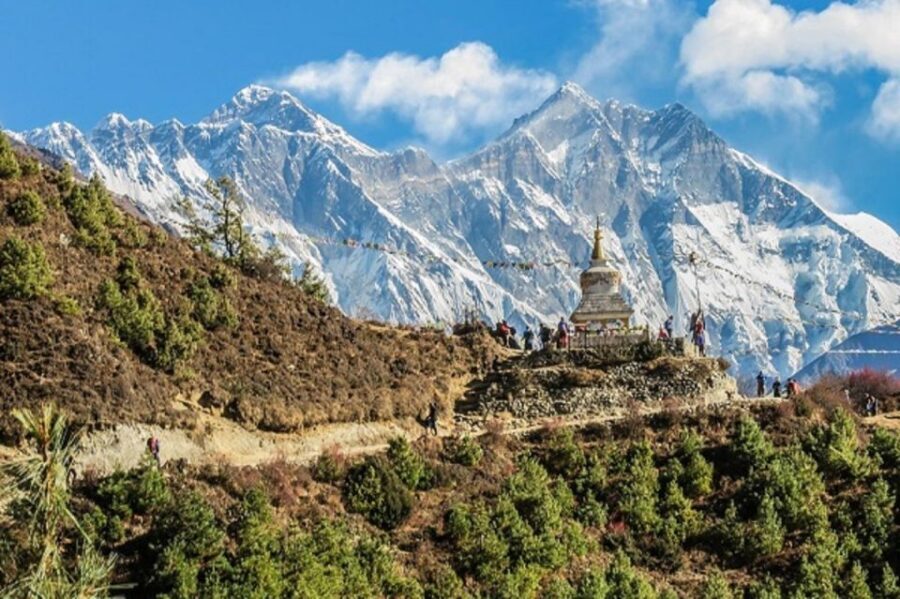
- Lukla jump-starts your trek with an early flight so you get to the action fast.
- Namche Bazaar and Dingboche acclimatization help you handle altitude before the highest section.
- Tengboche Monastery gives you a clear cultural stop, not just a view stop.
- Everest Base Camp and the Khumbu Icefall bring you to the most photographed glacier drama in the Himalaya.
- Kala Patthar sunrise hike is the payoff moment for big-Everest views.
- Gear support is built in (sleeping bag, down jacket, and trekking pole if you need them).
Why Lukla and the Khumbu region work so well for a “short” EBC
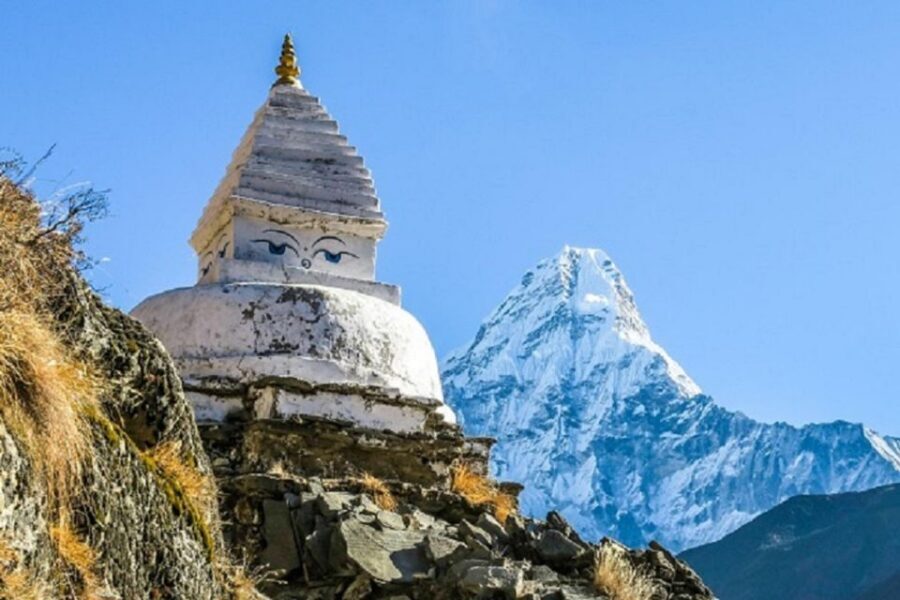
The Everest Base Camp Trek lives or dies by logistics, and Lukla is the key that makes this version feel shorter and more focused. Instead of spending days winding through valleys, you fly from Kathmandu to Lukla and start trekking from there. It’s a dramatic way to begin, and it compresses the time you spend traveling versus walking.
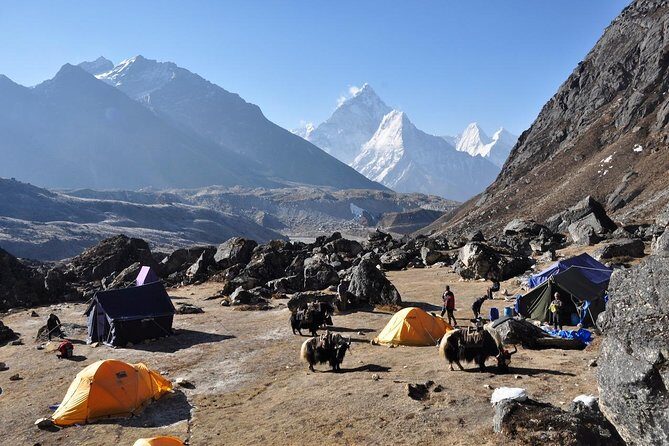
From Lukla, your trek covers about 130 kilometers round trip and reaches a maximum elevation of 5,364 meters. That’s still serious altitude, even if the overall trek is on the shorter side compared with longer EBC variations. The best part is that you get the classic Khumbu feel—rhododendron forests, suspension bridges, and village life—without getting lost in a slow shuffle for weeks.
You also get a built-in structure. Days are arranged around uphill effort, with time at higher points for acclimatization. That matters because altitude is not just a number. It changes how you sleep, how you breathe, and how quickly you get tired. If you keep pushing without those breathing-room days, “short” turns into “uncomfortable fast.”
You can also read our reviews of more hiking tours in Pheriche
Day-by-day: what each stop gives you (and what to watch out for)
Day 1: Fly to Lukla, then walk to Phakding (about 3 hours)
Day 1 is your reset and reality check. You land in Lukla, then hike to Phakding (2,610m). That first day is designed to get you moving and help you settle into walking rhythm.
What you’ll like here is the gradual transition. You’re not jumping straight into the highest climbing. Instead, you’re easing into the trail while your body learns the new altitude world. The drawback is simple: you’ll still be tired from travel and likely an early start. Keep your expectations modest. The goal is to arrive, eat, and sleep.
Day 2: Phakding to Namche Bazaar (6–7 hours) + acclimatization
Now the trek turns into the Khumbu you came for. You climb to Namche Bazaar (3,440m) and it’s a long day—about 6 to 7 hours. You’ll feel the change in air the moment the trail goes uphill and stays uphill.
Namche is more than a waypoint. It’s a hub where you’ll notice Sherpa life clearly—food, tea houses, small shops, and the sense that people here live with the mountains every day. That acclimatization time that follows is important because it gives your body a chance to adjust before you go higher.
If you’re tempted to treat acclimatization as a vacation day, don’t. Even if you walk gently, this is when you set yourself up for the bigger elevation gains later.
Day 3: Namche to Tengboche (5–6 hours) + monastery visit
You’ll head to Tengboche (3,860m), and along the way you get sweeping views of the high peaks that define this region. Tengboche is also where you slow down for something cultural: Tengboche Monastery.
This stop matters because Everest trekking isn’t only about physics and altitude. It’s also about meaning to the people who live here. A monastery visit gives context: you’re not just passing through landscapes; you’re stepping into the spiritual rhythm of the Khumbu.
The consideration is weather. Tengboche days can be a mix of clear mountain moments and foggy or windy sections. Bring layers and plan on the fact that visibility can change quickly.
Day 4: Tengboche to Dingboche (5–6 hours) + acclimatization
You climb again to Dingboche (4,410m), about 5–6 hours of trekking. Dingboche is another key acclimatization point. Your body has to learn how to work at higher elevations, and this day helps you do that the smart way.
What I like about this design is that it doesn’t pretend acclimatization is optional. If you’re adjusting well, the day in Dingboche can feel steady. If you’re struggling, it becomes your safety net. You can even add extra acclimatization time here—1–2 additional days are recommended if you want more margin, and it can make the whole trek feel more enjoyable rather than rushed.
Day 5: Dingboche to Lobuche (5–6 hours)
This is one of the higher “push” days, reaching Lobuche (4,910m). It’s still about 5–6 hours, but the air will feel thinner and every climb becomes more effort.
This is where you learn to pace. If you go too fast early in the day, you’ll pay for it later. The good news: once you settle into a slow, consistent step, the hike becomes about moving smoothly rather than fighting the terrain.
Day 6: Lobuche to Gorak Shep, then Everest Base Camp (7–8 hours)
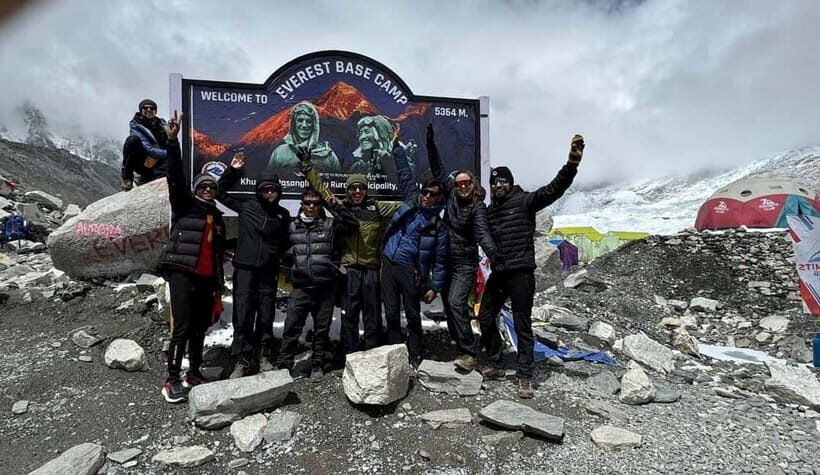
This is a big day. You go to Gorak Shep (5,140m), then continue onward to Everest Base Camp at 5,364m. Total time can be 7–8 hours, and yes, you’ll feel it.
You also get the glacier drama. The final approach includes walking alongside the Khumbu Glacier, and the scenery builds toward the Khumbu Icefall—a shifting, creaking mass of ice that’s hard to describe until you see it. Your “wow” moments will likely arrive in waves: first from the sheer scale, then from how close you feel to the world’s toughest engineering problem—moving ice in motion.
Important practical note: Gorak Shep is high and cold. Sleep can be tougher than lower villages. Keep your warmth gear accessible.
Day 7: Kala Patthar sunrise hike + descent to Pheriche (7–8 hours)
If you do one early-morning push on this trek, do it here. You hike to Kala Patthar (5,545m) for sunrise, then descend to Pheriche (4,371m) over about 7–8 hours.
Why Kala Patthar matters: it’s the classic moment when Everest looks closest and you get a memorable panorama. Sunrise is the big draw, but it also means cold starts and waking your body before it’s ready. If you tend to run cold, you’ll want to keep your layering simple and ready to go.
Then you descend. That descent can feel long, even if the altitude is lower. Take it slow on the legs. This is where good footwork saves knees.
Day 8: Pheriche back to Namche (6–7 hours)
You return to Namche Bazaar in about 6–7 hours. This day often feels like a “breather” compared to the day-to-day altitude drama of the high section.
Still, don’t treat it like a victory lap. Your body is tired, and you’re coming down from serious elevation. Hydrate, move carefully, and don’t rush just because the worst parts are behind you.
Day 9: Namche to Lukla + fly back to Kathmandu
You trek back down to Lukla (6–7 hours), then fly to Kathmandu. The day is a mix of relief and fatigue. You’ll likely feel both.
Also, don’t skip planning for flight reality. Lukla flying weather can be unpredictable, so this trek includes a strong suggestion to keep at least one buffer day before any international departure. That advice is not drama. It’s practical mountain math.
The guides, support team, and why it changes your experience
This trek runs with an experienced trekking guide, and you can arrange a porter if you request one. That matters more than people expect. On a route with steep days and thin air, carrying less weight can help you keep a steady pace rather than fighting fatigue.
You’ll also benefit from clear coordination. In previous experiences, people have credited guide support like Ramesh or Palden and smooth planning by a coordinator named Sobit. Even if you don’t get the exact same team, the point is the same: a well-run operation keeps things from turning into guesswork—especially around timing, gear readiness, and altitude pacing.
Language options are also a practical plus: English, Chinese, Korean, Russian, Traditional Chinese, and Japanese are listed. That helps if you want to ask questions about pacing, weather, or how to handle altitude day-by-day.
What the “included” package really gets you (and what still costs extra)
At $681 per person for 9 days, the value depends on how you handle the big-ticket items like flights and personal gear. The trek price is set up to include a lot of the operational cost: park and regional fees, food during the trek, guide service, and key accommodations in trekking lodges.
Here’s what stands out:
- Food is included: breakfast, lunch, dinner while trekking, with one item per meal plus some seasonal fruit. Meals on the trail are simple, but included food reduces daily spending and keeps you fueled.
- Lodging is included in trekking standard guesthouses/trekking lodges. Rooms are basic, but you’re paying for warmth, sleep, and access—not luxury.
- Park fees and permits are included: Sagarmatha National Park entrance fee, Pasang Lhamu Rural Municipality Entrance fee, and TIMS.
- Gear support is included if you need it: sleeping bag, down jacket, duffle bag, and trekking poles (if you need to return after trekking).
- Kathmandu cultural extras: a special cultural show and a farewell dinner program are included in Kathmandu.
What’s not included:
- Kathmandu hotel before and after the trek.
- Drinks, bars, tea/coffee, and water.
- Laundry and personal expenses.
- The Kathmandu-to-Lukla flights are listed under not included, though the operator says they can arrange flight or helicopter tickets upon request.
So here’s the reality check: the price can be a strong deal if you’re ready for the trekking-lodge style and you either already have gear or you plan to use the included items. If flights are a major expense for you, you’ll want to confirm what’s covered for your exact dates.
Comfort on the trail: guesthouses, food, and gear that actually helps
Treks succeed when you’re not constantly thinking about gear. This one tries to reduce that stress.
You’ll be in trekking guesthouses/trekking lodges. These places are basic, but they’re the standard way to trek the Khumbu without camping. The included meals mean you won’t be guessing where your next meal comes from.
Then there’s the clothing strategy. The trek provides a sleeping bag and a down jacket if you need them, plus a duffle bag and trekking poles if you require return. That’s helpful because high-altitude nights can be brutally cold. If you come from home with lighter gear, this support can save you from having to buy a full kit for one trip.
For what you personally bring, stick to warmth basics:
- warm clothing, gloves, socks
- hiking shoes and hiking pants
- thermal clothing and a jacket
You’re also told to bring warm layers, not just one big coat. On high mountains, you’ll sweat on climbs and then get cold fast after you stop. Layering is how you avoid freezing and overworking.
Fitness requirements that make the trek feel manageable
This is designed for physically fit travelers. A key rule is that you should be able to walk 4–5 hours per day even at high altitude. Some days in this plan are longer—like Namche to Tengboche at 5–6 hours, and the big pushes around Everest Base Camp.
If you’re a beginner, the trek might still work, but you should consider adding days. The operator explicitly recommends adding 1–2 extra days for acclimatization in Namche and Dingboche. If you’re not fully confident with steep walking or altitude, that buffer can turn a stressful grind into an experience you can enjoy.
Also, don’t ignore the downhill. Descents can be tough on legs even when altitude is lower. Good shoes and slow footwork matter.
Logistics that can surprise you: flights, Ramechhap, and buffers
The Lukla flight is famously weather-dependent. The trek notes that if air traffic is high, your flight may depart from Ramechhap instead of Kathmandu, with about a 4-hour drive from Kathmandu beforehand. That means you need flexibility early in the trip.
And the trek strongly suggests you plan for delays by leaving at least one buffer day before an international departure. In the mountains, time is a suggestion, not a promise.
You’ll also want to plan your airport transfer: pickup is included for your Kathmandu airport transfer, and they ask you to be at the airport at least 1 hour before your flight. They’ll calculate your pickup details based on your airport location.
Should you book this 9-day Everest Base Camp trek?
Book it if:
- You want the classic Everest Base Camp experience but prefer a shorter, more direct plan.
- You’re comfortable hiking 4–7 hours most days and want structured acclimatization stops.
- You like the idea of reaching Everest Base Camp, then finishing with a Kala Patthar sunrise payoff.
- You’d benefit from included trekking support, food during the trek, and key gear items like a sleeping bag and down jacket.
Skip or rethink it if:
- You’re not ready for high altitude (max 5,364m) or you struggle with steep hikes.
- You hate cold mornings and long days, especially around Gorak Shep and Kala Patthar.
- You have tight timing and no flexibility for flight delays out of Lukla.
If you’re on the fence, the best move is simple: choose your pace honestly. If you need extra acclimatization, adding 1–2 days in Namche and Dingboche can make the whole trek feel less like survival and more like adventure.
FAQ
Where is this Everest Base Camp trek located?
It’s in Nepal’s Koshi Zone.
How long is the Everest Base Camp trek?
The duration is 9 days.
What is the highest elevation you reach?
The trek reaches a maximum elevation of 5,364 meters.
How far is the trek overall?
The trek covers approximately 130 kilometers round trip.
Where does the trek start and where does it end?
It typically begins in Kathmandu and ends in Lukla (with a return flight from Lukla back to Kathmandu).
Are meals included during the trek?
Yes. Breakfast, lunch, and dinner are included while trekking.
Are trekking permits included?
Yes. It includes Sagarmatha National Park entrance fee, Pasang Lhamu Rural Municipality Entrance fee, and TIMS.
What trekking gear is included?
Gear can include a sleeping bag, down jacket, duffle bag, and trekking pole (if you need to return after trekking).
What languages can the live guide speak?
The live tour guide can speak English, Chinese, Korean, Russian, Traditional Chinese, and Japanese.
Can I cancel and get a full refund?
Yes. It offers free cancellation up to 24 hours in advance for a full refund.