REVIEW · KATHMANDU
Phulchoki bird-watching tour
Book on Viator →Operated by Himalayan Smile Treks and Adventure Pvt. Ltd · Bookable on Viator
Phulchoki turns a morning hike into bird time. You drive from Kathmandu to Godawari, then start up toward Phulchoki for bird watching plus huge 360-degree views over the valley. It’s a smart way to mix wildlife spotting with fresh-air hiking without committing to a multi-day trek.
I especially like how the tour keeps you focused on the living stuff—your guide helps you identify what’s around you as you move. With a good birding guide, the day stops being just scenery and turns into real learning.
The trade-off is the early start at 6:15 am and a hike that calls for moderate fitness. Also, entrance fees for Phulchoki and drinks aren’t included, so plan for a little extra cash beyond the base price.
Key highlights to know before you go
- Godawari to Phulchoki: a classic Kathmandu-valley birding route
- Pro birding guide: help spotting and identifying species on the hike
- Phulchowki hilltop at about 2,790–2,800 m with 360-degree views
- Phulchowki Mai temple stop on the way back down
- Bird-rich habitat: about 265 species are reported in this area
- Spring bonus: rhododendron and other wildflowers in bloom
In This Review
- Phulchoki: a Kathmandu-edge hill for bird lists and rhododendrons
- Getting there from Kathmandu: the Godawari pickup that sets the pace
- The hike from Godawari up via Naudhara entry point
- Spotting species with your guide: what you might actually see
- Phulchowki hilltop: temple stop and 360-degree Kathmandu views
- What’s included in the $324 price (and what costs extra)
- Timing and pace: why the 6:15 am start is part of the experience
- Best season and weather: when rhododendron and birds cooperate
- Who should book this bird-watching day hike?
- Should you book the Phulchoki bird-watching tour?
- FAQ
- What time does the Phulchoki bird-watching tour start, and how long is it?
- Is pickup and drop-off included?
- What’s included in the tour price?
- What is the hike route like?
- Are entrance fees and drinks included?
- What happens if weather is bad?
Phulchoki: a Kathmandu-edge hill for bird lists and rhododendrons
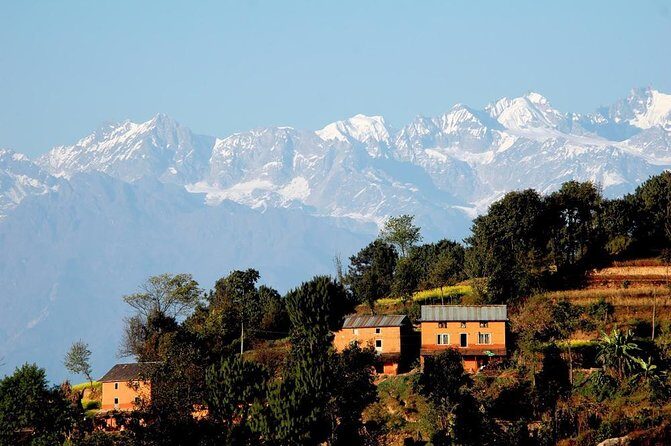
Phulchoki sits just south-east of Kathmandu Valley, high enough that it feels like you’re stepping into a different altitude world. The hill is listed around 2,782 m to about 2,791 m, and on a clear day you get wide views that make the effort feel earned.
The name Phulchoki literally points to flowers. If you visit in spring, the area can be alive with wildflowers, including Nepal’s national flower, rhododendron. Even if you’re not into botany, that kind of seasonal plant life usually means good habitat for birds too.
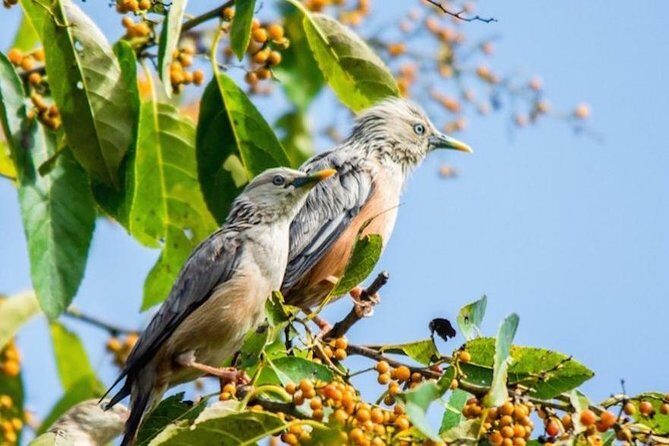
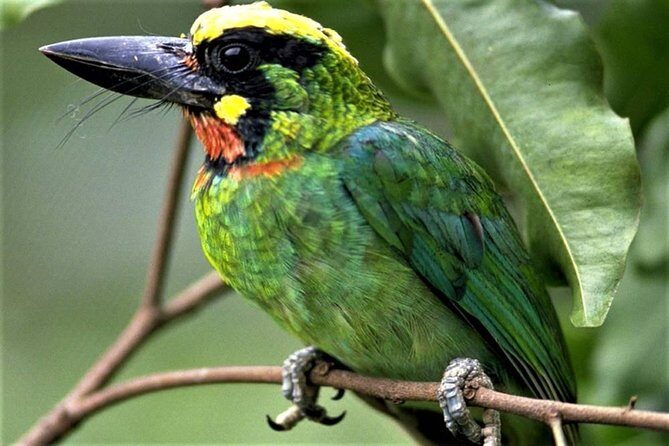
This is also one of the better spots near Kathmandu for birding. The area is associated with around 265 bird species, so you’re not relying on luck for a single dramatic sighting. Instead, you’re building a list as the forest changes from start to climb.
Getting there from Kathmandu: the Godawari pickup that sets the pace
Your day begins with a drive from Kathmandu toward Godawari, then you start the hiking portion from there. The route is roughly a 16 km drive, and the schedule is built around getting you on the trail early, before the valley warms up and birds get harder to track.
Pickup and drop-off are part of the experience, and it’s run as a private tour for your group. That matters because birding isn’t a one-size-fits-all sport. Having your own vehicle timing also helps if your guide wants to adjust the plan based on what birds are actually active.
You’ll be out roughly 7 to 8 hours total. That’s a good length if you want a full morning and early afternoon outside Kathmandu, without ending your day too late.
You can also read our reviews of more tours and experiences in Kathmandu.



The hike from Godawari up via Naudhara entry point
At the start, the vehicle drops you at Godawari, which is the trailhead for the climb toward Phulchoki. From there, your birding hike runs via the Naudhara entry point, and you’ll spend time walking through forest where your guide can point out birds as you go.
The tour lists a moderate physical fitness level requirement. Translation: you’re not doing a flat stroll. You should expect steady uphill hiking, plus pauses while your guide checks movements, calls, and likely perches.
One of the best practical aspects here is that the hike is structured around wildlife. Your guide isn’t just walking you up a hill. They’re actively helping you figure out what species you’re seeing and what their behavior suggests.
And yes, you’re given a gentle but clear responsibility note: don’t touch or harm animals you find along the way. It’s not just eco talk. In birding areas, quiet behavior helps you see more while disturbing less.
Spotting species with your guide: what you might actually see
This tour lives or dies on bird recognition, and the guide is central. The plan is built so your professional birding guide helps you identify species and learn what they’re doing in the habitat around you.
A few specific species that are called out include:
- Long-tailed Drongos
- Greater Yellow nape
- Grey-headed Woodpecker
- Nepal Cutia
- Ultramarine Flycatcher
- Black-winged Cuckoo shrike
That list is a mix of forest flyers and perch-hunters, which is a nice sign. It usually means you’ll have several chances to spot birds at different levels—rather than only scanning for one type.
The best part is how the guide turns sightings into understanding. In the kind of guiding described here, binoculars are part of the toolkit, and the guide uses them to help you confirm what you’re seeing. Some guides also bring cameras to capture the birds clearly, which can be helpful if you’re the type who likes a record rather than just a memory.
Also, don’t treat this as guaranteed species bingo. The area is bird-rich, but bird activity changes with weather and time of day. The real value is that your guide helps you stay engaged and interpret what you’re seeing instead of feeling lost.
Phulchowki hilltop: temple stop and 360-degree Kathmandu views
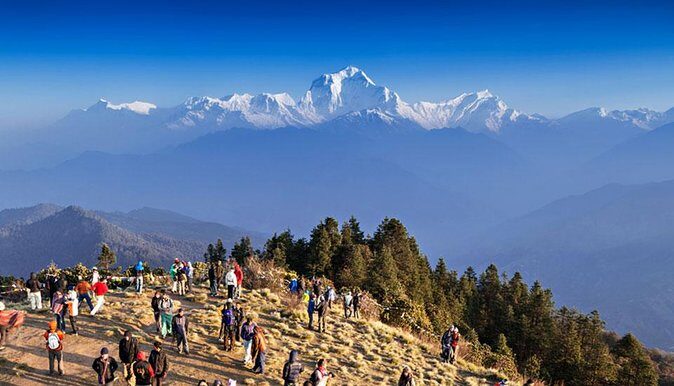
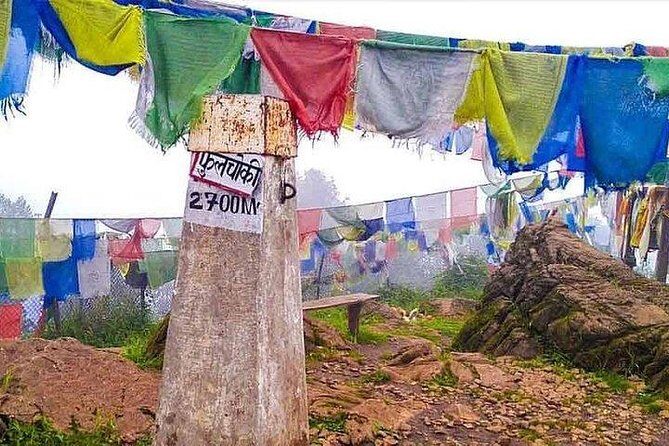
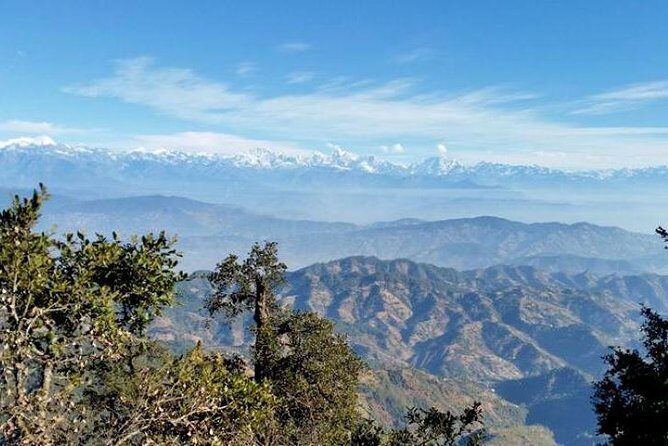
Reaching the hilltop is where the day starts rewarding your legs. As you arrive near the top—listed around 2,791 m—you can enjoy 360 scenic views of mountains, Kathmandu Valley, and the surrounding terrain.
There’s also a cultural stop: the Phulchowki Mai temple is located on the hilltop. This isn’t a random detour. It’s a simple way to balance the wildlife focus with a sense of place—especially because the hill is known for flowers and forest life, not just birds.
After a lunch break (you get a packed light lunch), you hike back down to Godawari. That downhill return is often where you notice birds more casually, because you’re not fighting uphill breath, and your attention can shift from “getting there” to “slow scanning.”
What’s included in the $324 price (and what costs extra)
At $324, this tour sits in a mid-range zone for Kathmandu day experiences. Here’s what you’re paying for: a professional birding guide, private transportation with pick-up and drop-off to Godawari, and a light packed lunch.
For many people, the value is in the combination. If you try to do this alone, you’d need to handle getting out to Godawari, find a reliable route up to Phulchoki, and then figure out bird identification on your own. A guide removes the guesswork and makes the walk more productive.
What’s not included matters too:
- Entrance fees while entering Phulchoki
- Hot drinks, soft drinks (like cola), and mineral water
- Emergency rescue evacuation if needed
One small naming detail to watch: lunch is listed as not included, but you do get a light packed lunch. In practice, that usually means you’ll have something to eat, but it may not be a full restaurant lunch. If you want a heavier meal, you may need to plan extra or confirm what the packed lunch includes.
There are also mentions of group discounts and a mobile ticket. If you’re traveling as a group, it’s worth asking how the discount applies to your party size.



Timing and pace: why the 6:15 am start is part of the experience
The tour starts at 6:15 am. That’s early, yes. But in birding country, early often means more active birds and cooler conditions for hiking.
Expect a full morning outdoors, with an uphill climb toward Phulchoki, then time at the hilltop for views and the temple. The tour length listed as about 7 hours fits that flow: you’re not rushed from one photo spot to the next. You’re moving, stopping, scanning, and learning.
Because it’s a private tour for your group, you won’t be dragged along at someone else’s speed. Your guide can pace breaks around what birds are doing, and that makes a difference for people who are either new to birding or just want to watch quietly without feeling pressured.
Best season and weather: when rhododendron and birds cooperate
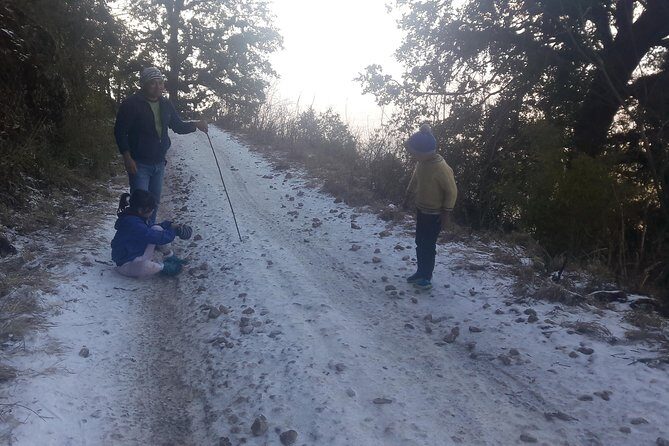
Phulchoki is tied to spring flower viewing because wildflowers and rhododendron bloom in that season. If you’re visiting in spring, you’re likely to see the hill living up to its name: hill of flowers.
Weather matters for this specific experience. The tour notes it requires good weather, and if it’s canceled due to poor weather you’ll be offered another date or a full refund. That’s important because fog, heavy rain, or strong winds can reduce visibility and make a forest hike less pleasant.
If you want the most comfortable birding conditions, aim for a day when visibility is good and the air isn’t stormy. Your guide can’t control bird behavior, but weather strongly affects what you can actually see and hear.
Who should book this bird-watching day hike?
This tour is a strong match if you:
- Want a birding-focused day outside Kathmandu without multi-day trekking
- Are new to birding and want help identifying species on the spot
- Like the idea of combining wildlife spotting with a hilltop viewpoint and a temple stop
- Prefer a private setup with transport handled for you
It’s less ideal if you:
- Want an easy, mostly flat walk
- Hate early starts
- Are hoping entrance fees and drinks are included in the price
Should you book the Phulchoki bird-watching tour?
I think you should book it if your time is short and you want the day to be guided, structured, and actually useful for learning birds. The route from Godawari up to Phulchoki is naturally suited to birding, and the hilltop payoff—views plus the Phulchowki Mai temple—keeps the day balanced.
The main thing to consider is logistics you’ll need to handle yourself: entrance fees and drinks aren’t included, and you’ll be hiking at a moderate level starting early. If you can handle that, this is a solid Kathmandu-area nature outing that feels grounded in the real habitat rather than just checking boxes.
If you’re the type who enjoys life-lists, bird calls, and patient scanning, Phulchoki is one of the best ways to spend a day near Kathmandu for that purpose.
FAQ
What time does the Phulchoki bird-watching tour start, and how long is it?
The tour starts at 6:15 am and runs about 7 hours (listed as approximately 7 to 8 hours total).
Is pickup and drop-off included?
Yes. The tour includes private transportation with pick-up and drop-off to Godawari, which is the starting point for the hike.
What’s included in the tour price?
Included items are a professional birding guide, private transport (pick/drop to Godawari), and a light packed lunch.
What is the hike route like?
You drive from Kathmandu to Godawari, then begin birdwatching hiking up to Phulchoki via the Naudhara entry point. After time at the hilltop (including a break and temple visit), you hike back down to Godawari.
Are entrance fees and drinks included?
No. Entrance fees while entering Phulchoki are not included, and hot drinks/soft drinks (including mineral water) are also not included.
What happens if weather is bad?
The tour requires good weather. If it’s canceled due to poor weather, you’ll be offered a different date or a full refund.