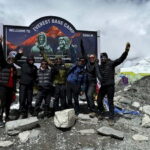
REVIEW · PHERICHE
From Kathmandu Budget: 15 Day Everest Base Camp Trek
Book on GetYourGuide →Operated by Nlook Nepal · Bookable on GetYourGuide
Everest looks close, but it never feels easy. This 15-day trek in Nepal’s Khumbu region pairs Everest Base Camp with the dramatic ridge views from Kala Patthar, so you get more than one “wow” moment. I especially like the focus on practical mountain days—rhodo forests down low, Sherpa villages in the middle, and a steady climb toward the 5,300m+ zone. I also like that you’re not doing it alone: you travel as a private group with an English-speaking trekking guide (English, Nepali, and Hindi). The main drawback to think about is the altitude and fitness load; this is a serious hike, and it’s not a fit for everyone.
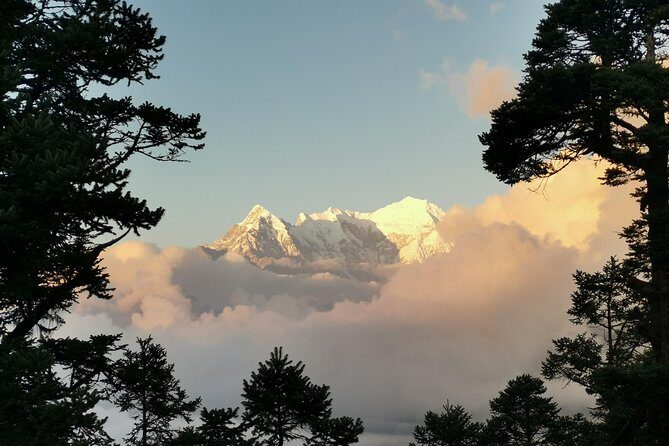
You’ll spend much of the trip around busy tea-house culture and monastery stop-offs, with suspension bridges and Himalayan prayer flags in the mix. Then you get the summit-style payoff: Kala Patthar (5,545m) is one of the best viewpoints in the Everest area, especially when weather behaves for sunrise or sunset. Just know that mountain weather can change fast, and you’ll need to plan your comfort around cold nights and big days.
In This Review
- Key highlights I’d plan around
- Everest Base Camp + Kala Patthar: what you’re really signing up for
- Pace and altitude: how you avoid getting wrecked
- From Kathmandu to the Khumbu: the early days set your rhythm
- Namche to Tengboche and Dingboche: monasteries, bridges, and big views
- Toward Everest Base Camp: Lobuche and the final approach feel serious
- Everest Base Camp at 5,364m: the expedition-zone feeling
- Kala Patthar (5,545m): the climb that earns the best Everest angles
- Guides, guest houses, and what your money covers
- What to pack: the cold is real, and the list isn’t optional
- Weather and seasons: when the peaks are most likely to show up
- Who should book this Everest Base Camp trek?
- Should you book the $796 Everest Base Camp + Kala Patthar trek?
- FAQ
- How long is the Everest Base Camp trek with Kala Patthar?
- How much does the trek cost?
- What’s included in the price?
- What is not included?
- What are the key altitude points on the trek?
- What’s the best time of year to go?
- Are pets allowed on the trek?
- Do you provide pick-up in Kathmandu and what languages are spoken by the guide?
Key highlights I’d plan around
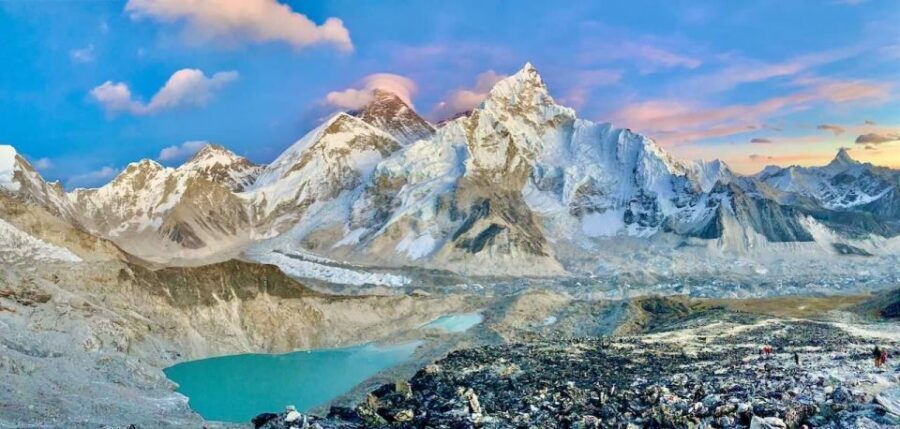
- Kala Patthar viewpoint (5,545m): Everest, Lhotse, and Nuptse views from a rocky outcrop above Base Camp.
- Base Camp at 5,364m: stand in the Everest expedition zone and feel how small you are.
- Sherpa villages and monasteries: Namche-area culture, prayer flags, and Buddhist monastery stops.
- Suspension bridges and rugged crossings: real adventure hiking, not just a smooth trail.
- Private trek with an experienced guide: including support with a first aid kit and trekking poles.
Everest Base Camp + Kala Patthar: what you’re really signing up for
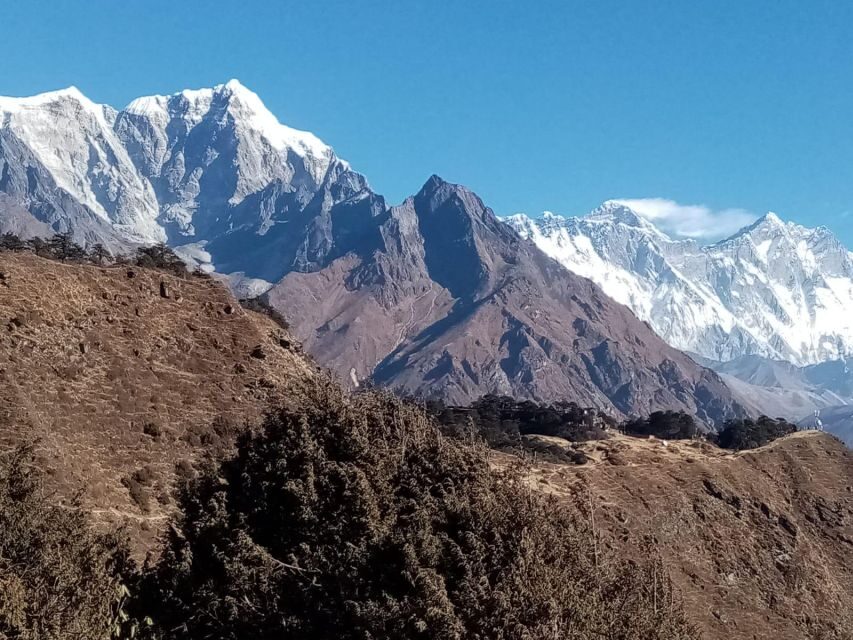
This trek is built around two different kinds of Everest moments.
First, Everest Base Camp puts you at the iconic expedition starting area, at 5,364m. The point isn’t only the name. It’s the feeling of arriving into the “Everest world,” where the mountain dominates your sense of scale and the air gets thin fast.
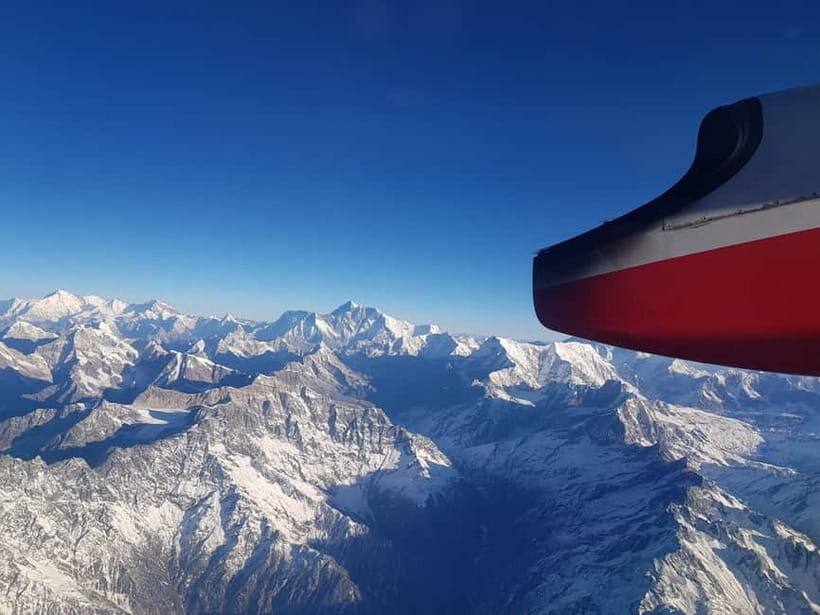
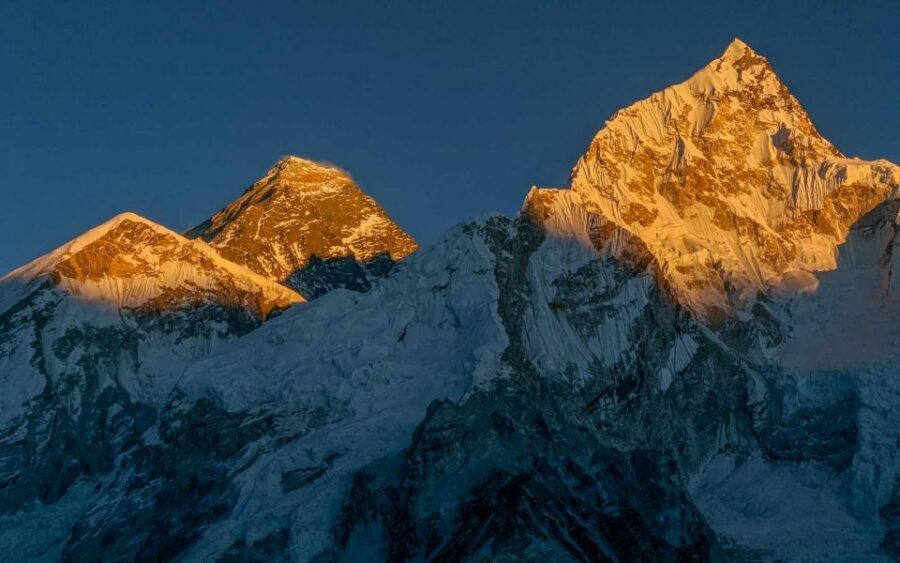
Second, Kala Patthar is a tougher, higher-feeling payoff at 5,545m. You go up to a rocky viewpoint that’s famous for wide sightlines across Everest’s neighboring giants—especially Everest from one angle, and the surrounding ridges from another. If you want the classic high-mountain photos, this is where you aim your schedule.
Why I like this combo: you’re not betting everything on one single viewpoint. If conditions make Base Camp a little cloudy, you still have another shot at a major vista later from Kala Patthar—assuming you pace yourself well and you’re feeling okay.
You can also read our reviews of more hiking tours in Pheriche
Pace and altitude: how you avoid getting wrecked
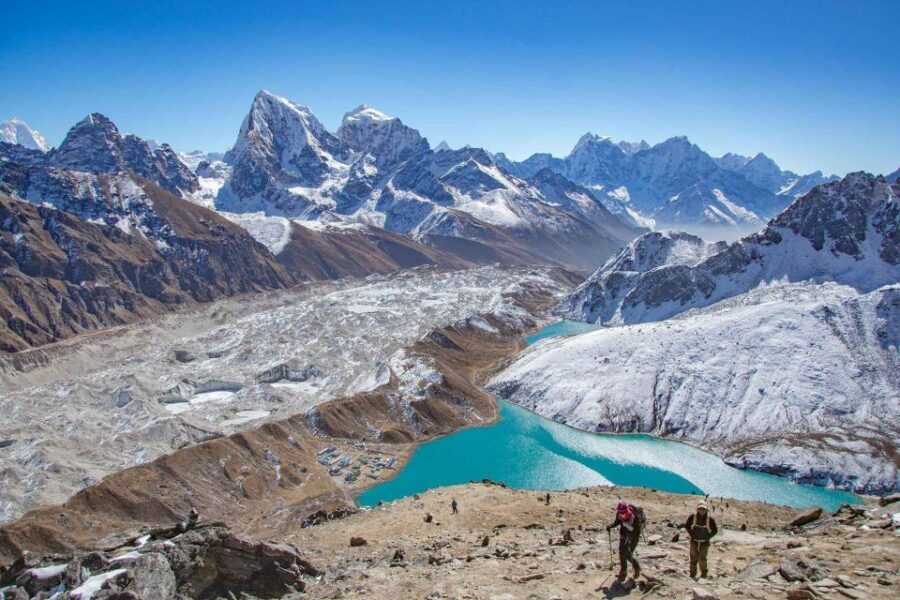
This is a 15-day mountain trek. That sounds long, but the altitude does the heavy lifting. The plan includes a dedicated acclimatization day in Dingboche, which matters. At altitude, you don’t just need strong legs—you need time for your body to adjust.
Here’s the practical reality: each higher step makes sleep harder, appetite can drop, and the cold can bite earlier than you expect. The route gradually lifts you from lower villages up through places like Namche and then further into the high settlements around Dingboche and Lobuche. That progression is what helps many hikers stay steady instead of blasting upward.
Also, you’ll be doing big stretches where you walk 6 to 8 hours on many days, plus longer climbs on some of the higher segments. You’ll feel it most during the higher days near Base Camp and on the Kala Patthar climb. If you’re used to hiking, great. If you’re not, then train for uphill endurance and carry your pace like it’s part of your gear.
From Kathmandu to the Khumbu: the early days set your rhythm
Your trip begins with a pickup in the Kathmandu area, then a long jeep ride toward the starting side of the route. The first day is all about transition: you’re moving a lot by road before your feet finally start doing the work.
After that, you ease into trekking by working up through smaller stops and villages, including Surkhe and then Phakding. This part of the hike is useful. It’s where you test your boots, figure out your breathing rate, and settle into the rhythm of stopping, drinking, and walking again. You also start seeing the Himalayan trail style: tea houses, simple rooms, and trails that feel busy enough to keep you grounded but remote enough to stay quiet inside your own head.
Then comes Namche Bazaar, the major hub of the Khumbu region. Namche is more than a pit stop. It’s where the trekking experience turns from “trail travel” into “mountain town life.” From here, you’ll likely notice prayer flags and monastery culture more clearly. You also start dealing with altitude as a real factor. Even if your legs feel fine, your body may get more alert (and less relaxed) at night.
One more practical note I like: this isn’t marketed as a rushed sprint. You have days built in to reach important points without stacking all the hardest climbs back-to-back.
Namche to Tengboche and Dingboche: monasteries, bridges, and big views
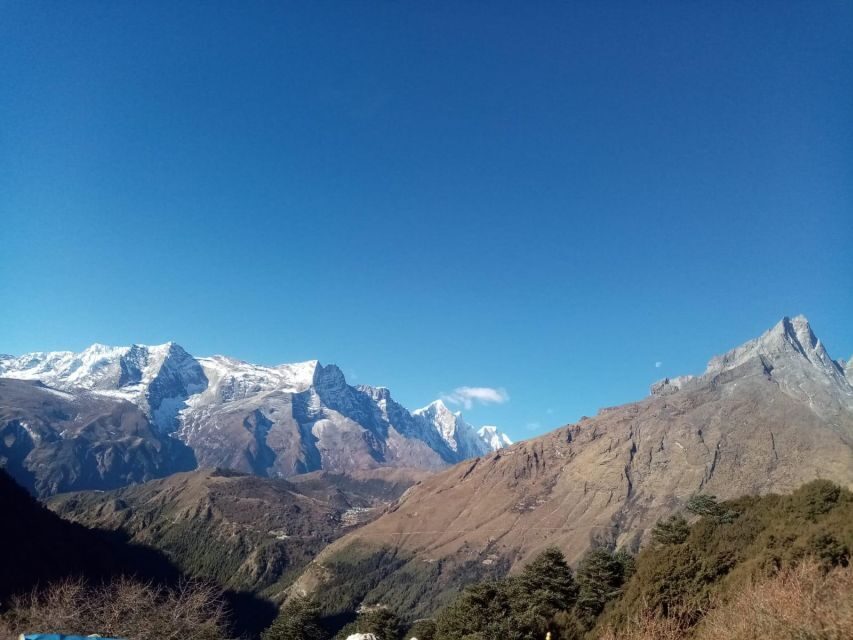
As you climb out of Namche, you’re moving into the part of the trek where scenery and culture line up.
On this stretch, you’ll pass Tengboche Monastery. Monastery stops can feel like a break, but at altitude they also help you slow down—sit, warm up, and let your body catch up. It’s also where you’ll see how deeply Buddhist practices are woven into everyday mountain life, including prayer flags and the quiet you don’t really get at lower elevations.
Then you reach Dingboche at a higher altitude where acclimatization day happens. This is smart planning. Dingboche is high enough that you’ll feel it, but it’s also a place where a day of recovery can mean the difference between feeling sharp later versus dragging yourself toward Base Camp.
You’ll also hike through the “real trail” terrain: suspension bridges over deep gorges, occasional rugged footing, and the kind of narrow trail that makes you pay attention to where your feet land. This is where your trekking poles can become your best friend.
Toward Everest Base Camp: Lobuche and the final approach feel serious
From Dingboche you move into Lobuche, higher and more exposed. This section is where the trek starts feeling less like village-to-village travel and more like a high-altitude mission.
At these heights, weather matters more. Clothing becomes part of your breathing plan. You’ll likely feel colder at night and more careful about how long you linger during breaks. I recommend you treat every rest stop like it has two jobs: hydrate now, and warm up so you don’t stiffen.
Then you push toward Everest Base Camp. Walking for 8 hours up in this zone is not just about stamina. It’s about mental calm. When the air is thin, you don’t want panic speed or wasted effort. Go steady, sip often, and accept that the climb takes longer when altitude hits your legs and lungs at the same time.
Everest Base Camp at 5,364m: the expedition-zone feeling
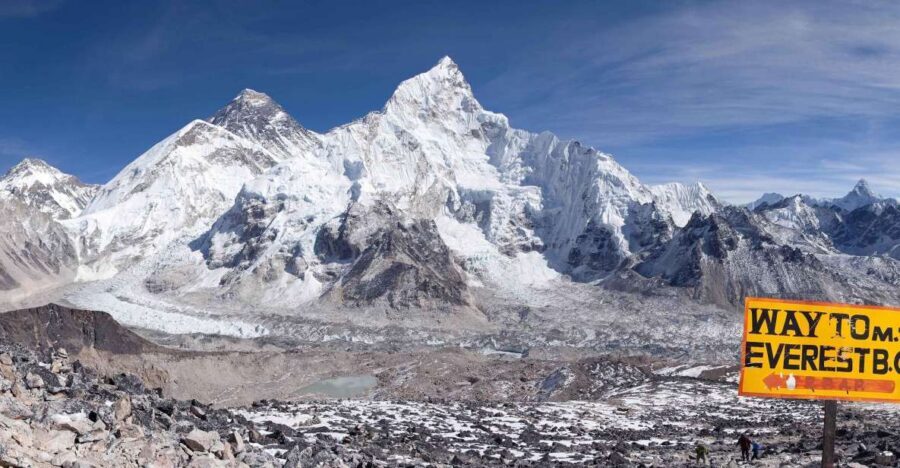
Reaching Everest Base Camp is the moment most people came for. At 5,364m, you’re standing in the shadow of enormous peaks and right in the heart of the expedition world.
What makes this day memorable isn’t only the views. It’s the atmosphere: the sense that you’ve arrived at a place built around Everest dreams, even though you’re also surrounded by thin air and hard hiking.
You’ll likely spend time around Base Camp itself, then continue onward toward Gorak Shep (a high village stop). This matters because you’re not just visiting Base Camp—you’re also setting yourself up for the Kala Patthar climb. If you rush, you’ll pay for it later.
Kala Patthar (5,545m): the climb that earns the best Everest angles
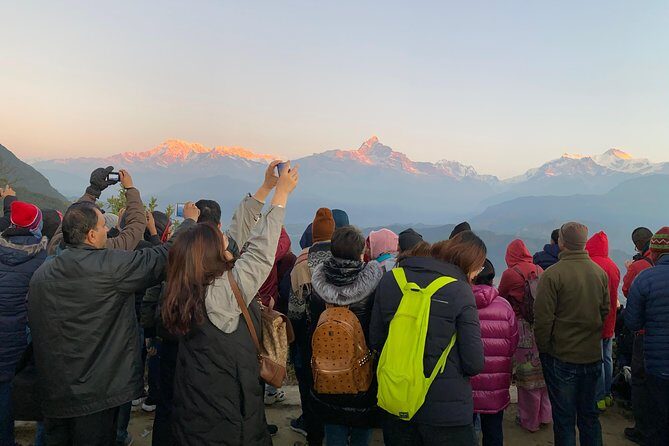
Kala Patthar is a rocky outcrop at 5,545m, and the climb is tougher than it sounds because your body is already tired and the altitude is still climbing. The payoff is the panoramic view across Everest, Lhotse, and Nuptse, plus other neighboring peaks.
Timing is big here. The information you’ll get from your guide emphasizes that sunrise or sunset can be prime for views. That usually means early starts, cold waits, and tight scheduling. I like that the trip gives you the structure to do it properly: you don’t just “guess” when the mountains are clear.
Practical tip: on summit-day style climbs, your pace should feel almost too slow. At high altitude, “too slow” is often the right speed. You want steady breathing, not a sprint.
After Kala Patthar, you work back down toward Pheriche and then continue through the remaining villages back toward Namche and the lower route. This is where your legs get tested again, just in a different way.
Guides, guest houses, and what your money covers
This trek is priced at $796 per person for 15 days. For Everest-area trekking, that can be good value if the basics are handled well: private guiding, permits, and guest-house logistics without you needing to manage a spreadsheet of details.
Here’s what stands out about the value package you’re getting:
- A friendly English-speaking trekking guide (languages: English, Nepali, Hindi).
- Accommodation in guest houses during the trek.
- Trekking permits and official documents handled for you.
- Trekking poles included.
- A first aid kit with the guide for emergencies.
What’s not included is just as important:
- Food and drinks are on you. Tea-house meals are usually available, but you should budget for it.
- Travel insurance is not included, and it’s important since emergency rescue isn’t covered by the tour.
- Your pace and comfort depend on what you bring, because warm clothing is on you.
One detail I appreciate from the guide-style feedback shared with this provider is the emphasis on care and adjustment. Guides such as Krisna are described as listening and adapting to group needs. Milan is noted for checking in often, putting the hiker first, and staying flexible if someone needs a slower day. That kind of human support matters on Everest terrain, where one wrong push can turn a good day into a miserable one.
Also, your group is private. Private doesn’t mean luxury. It means you’re not squeezed into someone else’s pace. In a high-altitude trek, that can be the difference between a controlled experience and a stressful one.
What to pack: the cold is real, and the list isn’t optional
You don’t need fancy gear, but you do need the right basics for cold, wind, and long hours walking.
Bring:
- Warm clothing (layering is key)
- Hiking shoes
- Hiking pants
- Passport (copy accepted) and a passport-sized photo
- Travel insurance (required as part of practical planning)
- Things like gloves and a hat aren’t explicitly listed, but warm clothing is your umbrella for the cold gaps you’ll feel at higher elevations
Not allowed:
- Pets
Not suitable for:
- Pregnant women
- Wheelchair users
I’d also keep your packing simple. In the Khumbu, you’re carrying what you bring, and every extra weight becomes fatigue when you’re walking 6 to 8 hours and sleeping in colder air.
Weather and seasons: when the peaks are most likely to show up
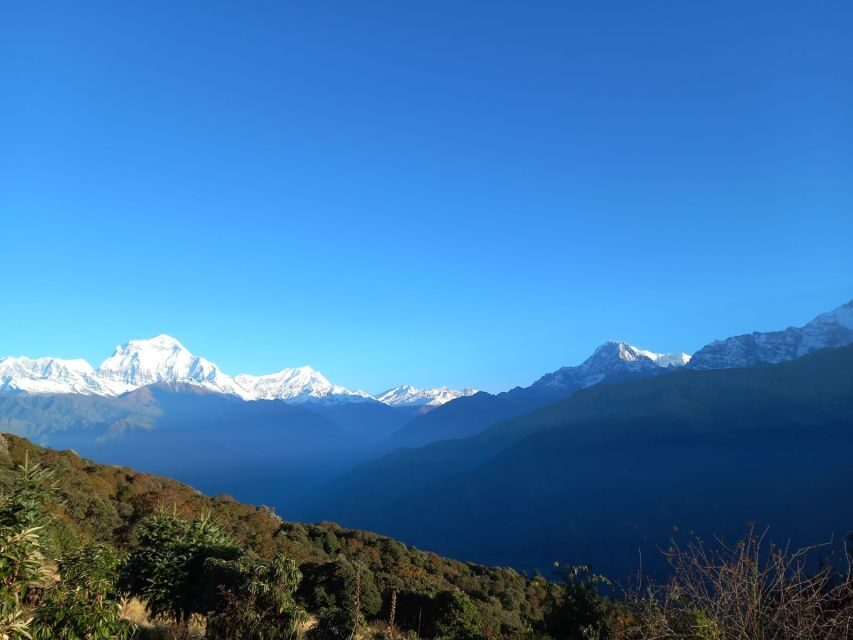
This trek can be done year-round, but the best windows for clearer views are spring (March to May) and autumn (September to November). Those months typically bring more stable conditions and better chances at visibility.
Still, the mountains don’t promise anything. Even in good seasons, you can get cloudy stretches. That’s why the trek’s design helps: you hit major viewpoints at multiple moments, and you have enough days to maintain a safe pace.
Who should book this Everest Base Camp trek?
If you want a classic Everest route with a real chance at the famous views from Base Camp and Kala Patthar, this is a strong pick. You’ll enjoy it most if:
- You can hike through steep, high-altitude days without needing constant shortcuts.
- You’re comfortable with guest-house simplicity.
- You value a guide who can manage pace and adapt based on how people feel.
It’s not a match if you’re looking for an easy walk, or if altitude is a known issue for you. It’s also specifically listed as not suitable for pregnant women and wheelchair users.
If you’re the type who likes a mix of nature, culture, and big-mountain payoff, this fits well. You’ll get monastery culture, Sherpa village life, prayer flags, and the expedition-zone feeling in the same trip.
Should you book the $796 Everest Base Camp + Kala Patthar trek?
I’d book this if you want the full Everest signature: Base Camp at 5,364m plus the viewpoint grind up to Kala Patthar at 5,545m, with permits, permits-handling, guest-house stays, and a private guide included.
I wouldn’t book it if you’re worried about high-altitude walking, if you can’t commit to warm clothing and steady hiking pace, or if you need an accessibility-friendly format. It’s a serious trek. That seriousness is also why it feels worthwhile.
If you book, do two things early: train for sustained uphill walking, and pack for cold. Then rely on your guide to keep you safe and moving at the right speed.
FAQ
How long is the Everest Base Camp trek with Kala Patthar?
The trek is listed as 15 days.
How much does the trek cost?
The price is $796 per person.
What’s included in the price?
Included items are hotel pickup and drop-off, round-trip transfers by sharing bus or jeep, a friendly English-speaking trekking guide, guest-house accommodation during the trek, trekking permits and official documents, and support items like a first aid kit (with guide) and trekking poles.
What is not included?
Food and drinks are not included (available for purchase). Travel insurance is also not included, and emergency rescue is not covered by the tour.
What are the key altitude points on the trek?
Everest Base Camp is at 5,364 meters, and Kala Patthar is at 5,545 meters.
What’s the best time of year to go?
The best seasons listed are spring (March to May) and autumn (September to November) for more stable weather and clearer mountain views.
Are pets allowed on the trek?
No. Pets are not allowed.
Do you provide pick-up in Kathmandu and what languages are spoken by the guide?
Yes, pickup is included from the Kathmandu area. The guide speaks English, Nepali, and Hindi.