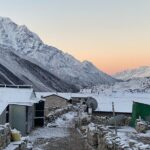
Morning light on Poon Hill changes everything. This Ghorepani trek wraps the Annapurna and Nilgiri ranges into a tight, well-run 9-day route, with early mountain viewpoints and village days that feel human-sized. I also like that the plan handles the hard parts for you: your guide manages direction, logistics, and even sleeping bags and down jackets if you need them.
You’ll get the Annapurna Conservation Area on foot, with rhododendron forests, ridge climbs, riverside trails, and Gurung villages like Ghorepani and Ghandruk. One consideration: you’re signing up for early starts (especially for Poon Hill), and the non-trek days include long bus drives, so plan for a steady, not lazy, rhythm.
In This Review
- Key highlights to notice before you go
- Why a 9-day Ghorepani Poon Hill trek makes sense
- Price and value: what you’re really paying for at $439
- Day 1 in Thamel: arrive, get oriented, and rest up
- Day 2: the Kathmandu to Pokhara drive and first Annapurna glimpses
- Day 3: from Nayapul through riverside climbs to Ulleri
- Day 4: Ulleri to Ghorepani and the rhododendron–oak ridge feel
- Day 5: Poon Hill sunrise, then the trek toward Tadapani
- Day 6: descending into Ghandruk and tasting Gurung village culture
- Day 7: Nayapul, back to Pokhara, and an evening at Phewa Lake
- Day 8: Pokhara back to Kathmandu via Trishuli River
- Day 9: airport drop-off timing that respects your flight
- The guide and logistics that reduce stress (and what to still bring)
- Trek fitness and timing: can most people do this?
- Booking checklist: the small things that make the trip smoother
- Should you book this Ghorepani Poon Hill trek?
- FAQ
- Where does the trip start, and what time is pickup scheduled?
- What’s included in the trek price?
- Is travel insurance included?
- How do you get between Kathmandu and Pokhara?
- Are guide and other staff tips included?
- Is this tour private?
Key highlights to notice before you go
- Poon Hill sunrise timing: you start early to catch big views before clouds roll in
- Meals plus Kathmandu and Pokhara stays: food is handled on trek, and you’re not searching for hotels in the two cities
- Rented warmth gear included: sleeping bags and down jackets can be covered by the operator
- An all-in logistics approach: English-speaking guide, route support, and necessary fees taken care of
- Village culture stops: Ghorepani and Ghandruk give you a break from pure hiking
Why a 9-day Ghorepani Poon Hill trek makes sense
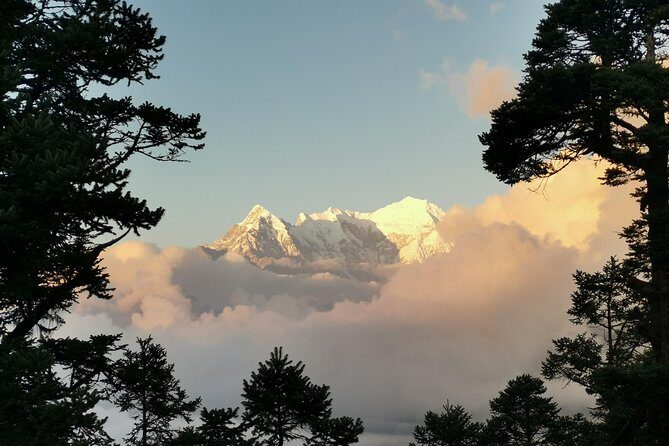
The Poon Hill sunrise viewpoint is the headline, but the reason this trip works is the balance. In 9 days, you get multiple days of trekking that build you toward the big morning, without needing a marathon-length itinerary.
On the walk, you’ll be repeatedly rewarded with mountain payoffs: Nilgiri (7061m), Hiunchuli (6441m), Annapurna I (8091m), Annapurna South (7219m), plus the ever-present Machhapuchhre (6997m) that you catch in glimpses from earlier in the journey. The route also threads through rhododendron and oak forests and old settlement patterns along river corridors. That mix matters: it makes the hike feel like a journey, not just a single photo stop.
You’re also not left to guess how to stitch together the big pieces. Transport between Kathmandu and Pokhara is handled by tourist bus, and the rest of the plan is guided and scheduled. If you’ve ever tried to self-organize a trek, you already know how quickly small decisions multiply.
You can also read our reviews of more hiking tours in Kathmandu


Price and value: what you’re really paying for at $439
$439 per person is not just “a guide.” It’s closer to a package that covers the moving parts that usually cost time and stress.
Here’s what stands out as value in the included items:
- Guide support with English-speaking guidance and his expenses handled
- All fees and taxes included
- Meals on trek: breakfast (9), lunch (5), dinner (5)
- Accommodation included in Kathmandu and Pokhara
- Sleeping bag and down jacket rental included if you need them
- First aid kit on the trip
What’s not included is also clear: Nepal visa fee, travel insurance, and tipping for guide/porter/driver. So you should budget for those separately.
If you’re comparing options, this is the sweet spot: you’re paying to avoid the common hidden costs (lodging logistics in cities, food procurement on trekking days, and gear rental hassles). For first-time trekkers or anyone who wants the experience with less admin, that’s real value.
Day 1 in Thamel: arrive, get oriented, and rest up
Your trek starts with a simple Kathmandu landing routine. You’ll be met at Tribhuvan International Airport and taken to your hotel. Then you have time to wander Thamel—the area known for shops, guesthouses, and street life that’s close enough to settle in quickly.
I like the way the plan gives you a low-stress day. You’re not immediately hiking. You’re spending time in the neighborhoods that explain the country’s culture through street art, Newari architecture, and daily life. That kind of pre-trek orientation helps because you’ll be better mentally “plugged in” when the trek starts.
Practical tip: keep your first evening early. Your body will thank you when sunrise is coming fast on Day 5.
Day 2: the Kathmandu to Pokhara drive and first Annapurna glimpses
The big journey day is Day 2 by tourist bus. You head out via Prithvi Highway through western Nepal’s greener hills, and you’ll pass key landmarks like Muglin (including a suspension bridge crossing). There’s a lunch stop at Dumre before you continue toward Pokhara.
What you should expect here is long-road time with a few moments that feel like rewards. On arrival, you’re told you’ll catch a distant glimpse of the Annapurna range and Machhapuchhre (6997m). It’s not the dramatic, close mountain wall you’ll see later, but it sets the emotional tone: yes, the mountains are real, and they’re coming.
If you dislike buses, this is your one “must accept” element of the trip. On the upside, it’s still organized—transport and timing are handled—so you’re not sitting around worrying.
Day 3: from Nayapul through riverside climbs to Ulleri
Day 3 is where trekking truly begins. After a short ride from Pokhara toward Nayapul (via Lumle), you start walking. The route follows the Bhurungdi Khola, and you’ll ascend through settlements like Hile via Birethanti.
This is the day for those classic trail moments: suspension bridges, waterfalls, and a steady climb that gradually changes your vegetation. The itinerary also calls out a close-up view of Annapurna South (7219m). That’s the kind of visual that makes the first long day feel worth it.
Why this day matters: it’s a bridge between city comfort and mountain routines. You’re not trying to summit anything. You’re learning the rhythm—where you stop, how the trail feels, and what “steady uphill” means for your legs.
If you want a tip that’s simple and effective: pack layers you can adjust quickly. Early trekking can start cool and end warmer fast.






Day 4: Ulleri to Ghorepani and the rhododendron–oak ridge feel
You leave Ulleri behind and head toward Ghorepani. The trail is described through green forests of rhododendron and oak, with stone-paved sections and lush scenery. You’ll also do a steep climb toward a ridge area at Nangethanti.
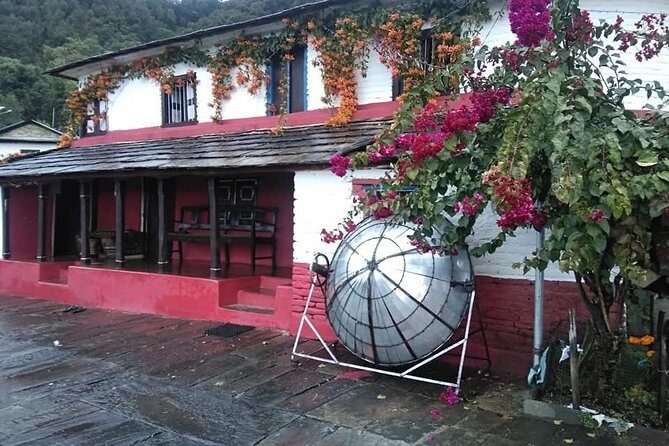
This is your staging day for Poon Hill. In real terms, that means you’re walking in the zones that feel “trek country” rather than just hillside villages. Ghorepani itself is framed as a gateway to Poon Hill, and you’ll experience hospitality associated with local Gurung communities. That matters because after hours of hiking, the tone of where you sleep can influence how much you enjoy the next day.
One more practical note: Ghorepani mornings can be cold. Since sleeping gear is included, you’ll be able to use that advantage, but bring whatever head/hand warmth you personally prefer.
Day 5: Poon Hill sunrise, then the trek toward Tadapani
This is the day you tell friends about later.
You start early and hike up to Poon Hill via stairs and stony paths. From there, the views listed are seriously stacked: Nilgiri (7061m), Hiunchuli (6441m), Annapurna I (8091m), and Annapurna South (7219m), plus other snow-capped peaks.
What makes this sunrise-focused day valuable is how it compresses the drama. Instead of chasing many far-off summits, you’re taking one early push to a key viewpoint that gives you a wide, meaningful “mountain wall” moment.
After you’ve soaked it in, you return to Ghorepani and continue trekking to Tadapani, passing Deurali and Banthanti. The route is described through forested areas of rhododendron and bamboo. So after the big-view morning, the rest of the day feels more like a forest walk—still scenic, less photo-heavy.
If clouds are rolling in where you are, remember that sunrise efforts are about timing. You’ll be in motion early either way; you can also manage expectations by thinking of the morning as a chase with a chance of a perfect payoff.
Day 6: descending into Ghandruk and tasting Gurung village culture
Day 6 is a long-feeling day that blends views and walking. You descend through rhododendron forest, cross small rivers, and follow trails that pass Bhaise Kharka. Then you reach Ghandruk.
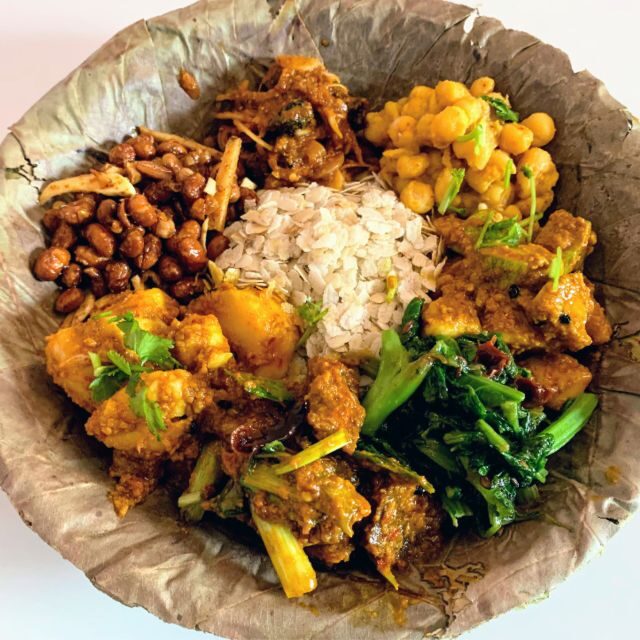
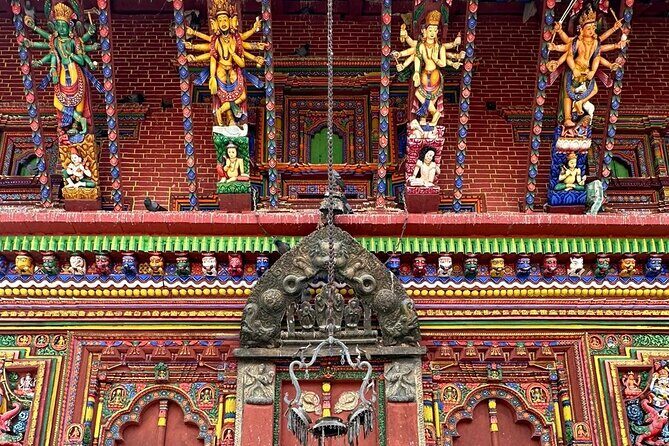
Ghandruk is where culture gets more direct. The plan includes time at local sites like a museum, a monastery, and nearby temples. You also get the point that Ghandruk is a major Gurung village and has views to the north.
This day is important for two reasons:
1) It’s a change of pace from uphill-only effort.
2) It reminds you that this is a living community, not a theme park trail.
Practical tip: if you’re sensitive to knee strain, take descents slower than you think you need to. Your body will recover better than you expect if you respect the downhill pace.
Day 7: Nayapul, back to Pokhara, and an evening at Phewa Lake
After breakfast, you trek toward Nayapul. The trail runs alongside the Modi Khola and passes through places like Syauli Bazaar before reaching Birethanti and then Nayapul.
Once you get to Nayapul, you take a short drive to Pokhara. That matters because it transitions you from hiking mode to recovery mode. The itinerary also gives you time to enjoy the lakeside setting, including Phewa Lake.
I like that the plan doesn’t rush you into more trekking right after the final long hike day. You get a genuine evening to reset—walk around at your own pace, grab food, and enjoy being off the trail for a night.
If you’re the kind of traveler who likes souvenir shopping, Pokhara is where that usually makes sense. You’re tired enough to enjoy it, not so tired that you’ll skip it.
Day 8: Pokhara back to Kathmandu via Trishuli River
The return to Kathmandu is another full-drive day. You cross through Dumre and Muglin and continue along the Trishuli River. There’s also an observation opportunity of Brahmin and Chhetri settlements along the way.
You’ll stop for lunch at Muglin and then head toward Thankot to reach Kathmandu. It’s a long day, but it’s a familiar rhythm: sit, watch, listen, and let the scenery do the work.
This is your last big Nepal road stretch before your final flight day. If you want to end the trip feeling clear-headed, treat this as a recovery day too—hydration, light meals, and early sleep will pay off.
Day 9: airport drop-off timing that respects your flight
On your final day, you’ll be dropped off about two hours before your scheduled flight. That’s a helpful buffer in Nepal logistics, where queues and paperwork can take longer than you expect.
You also have time to reflect or share your experience as you go to the airport. It’s the kind of closure that keeps the day from feeling like a scramble.
If you have a flight later in the day, you can keep your morning easy and save your energy.
The guide and logistics that reduce stress (and what to still bring)
The operator’s approach is built around removing common trek hassles:
- English-speaking guide and his expenses handled
- First aid kit
- Complimentary sleeping bags and down jackets (so you don’t have to pack heavy gear)
- Meals included while you’re trekking
- Accommodation included in Kathmandu and Pokhara
That said, you still want to show up ready. While the sleeping bag/down jacket rental can help a lot, you should still consider what matters for your own comfort: a warm hat, gloves, and a system for staying hydrated.
It’s also smart to line up travel insurance before you go. The trip data explicitly flags this, and for good reason: treks involve real risk, from weather changes to slips and falls.
One more thing I’d plan for: tipping is not included. Even when services are handled well, Nepal tipping norms are part of the culture of mountain guiding.
Trek fitness and timing: can most people do this?
This is listed as suitable for most travelers and runs about 9 days with trekking hours that generally fall in the 4 to 7 hour range most days. That’s not “easy,” but it’s manageable if you’re comfortable walking uphill and keeping a steady pace.
The route is not focused on extreme altitude challenges in the information provided, but it still asks for stamina, especially with early starts. The days with more hiking time are typically the walking-heavy segments: Ulleri to Ghorepani, Ghorepani through Poon Hill and onward, and the longer day down to Nayapul.
Who this suits best:
- First-time trekkers who want a signature viewpoint without a massive expedition
- Travelers who value logistics handled for you
- Anyone who wants a mix of mountain views and cultural stops in Gurung villages
Who should think twice:
- People who struggle with early mornings and want a slower schedule
- Anyone who hates long bus travel days (Day 2 and Day 8 are big drives)
Booking checklist: the small things that make the trip smoother
Before you book, confirm these basics so there are no surprises:
- You have your Nepal visa sorted separately (visa fee not included)
- You have travel insurance in place
- You’re ready to tip guide/porter/driver
- You understand that the trip includes private group participation
Also, since the plan includes sleeping bags and down jackets, you can pack lighter for warmth gear. That’s one of the best practical advantages of this trek package.
Finally, if you’re concerned about last-minute adjustments, know this team has been described as responsive and supportive by people who traveled with them. Names like Saran show up repeatedly as a key coordinator, and guides such as Kumar and Bikki have been praised for care and keeping people safe. You may or may not match with the same people, but the pattern is clear: service matters to them.
Should you book this Ghorepani Poon Hill trek?
If your goal is the classic Annapurna experience with a big payoff viewpoint, then yes, this is a strong choice. The best reasons to book are practical: included trek meals, included Kathmandu and Pokhara lodging, gear support like sleeping bags and down jackets, and a guided plan that keeps you from juggling details.
I’d only tell you to pause if you’re the type who can’t handle early starts or you’re expecting a relaxed, low-activity vacation with minimal road time. This trip runs with purpose, and the reward is real mountain viewing and a trail that feels grounded in village life.
If that sounds like your kind of Nepal trip, I’d book it and focus on one thing: prepare your layers, bring comfort for early mornings, and enjoy the fact that you’re seeing some of the Himalaya’s best-known names from a trail that’s accessible enough to fit into real travel schedules.
FAQ
Where does the trip start, and what time is pickup scheduled?
The trip starts at Tribhuvan Airport in Kathmandu, with a start time listed as 7:45 am.
What’s included in the trek price?
The price includes an English-speaking guide, first aid kit, sleeping bag and down jacket rental, all fees and taxes, private transportation, and meals while trekking (breakfast, lunch on select days, and dinner on select days). Accommodation in Kathmandu and Pokhara is also included.
Is travel insurance included?
No. Travel insurance is not included, and you’re advised to buy it before you go.
How do you get between Kathmandu and Pokhara?
Transport to and from Pokhara is by tourist bus, with the route passing via Prithvi Highway and returning via Trishuli River.
Are guide and other staff tips included?
No. Tipping for guide(s), porter(s), and driver(s) is not included.
Is this tour private?
Yes. This is a private tour/activity, so only your group participates.