REVIEW · PHEDI
Pokhara : Easy Dhampus & Astam Village Day Hike
Book on GetYourGuide →Operated by Linkage Tour & Travel · Bookable on GetYourGuide
A whole Himalayan trek in one day. This Pokhara hike takes you up to Dhampus Village and onward to Astam, mixing big Annapurna scenery with calm village stops where you can actually pause. I like the way the timing is built for a limited schedule, and I also appreciate the relaxed village rhythm—short breaks for photos and a real lunch stop. The one catch is you’ll still be walking several hours total, and since food and drinks aren’t included, you’ll want to plan what you carry.
The best part, though, is how the hike feels with the guide. English-speaking hikers have been well looked after by guides such as Bidur (friendly, answers questions) and Paras (patient when your pace slows, even helping with a backpack). Still, if you’re sensitive to cold mornings or steep-ish steps, wear grippy shoes and expect some uphill effort right after Phedi.
In This Review
- Key highlights to know before you go
- One-Day Hike From Pokhara: How the Route Works
- Phedi to Dhampus Village: Terraces, Forest Shade, and First Big Views
- Dhampus Village Stop: A Photo Break That Actually Helps Your Pace
- Dhampus to Astam: Lush Forest Walks and Himalayan Panoramas
- Arriving in Astam Early Afternoon: Lunch With a View and Time to Reset
- Astam to Hemja and the Shared Ride Back to Pokhara
- Price and Value: What $35 Gets You (and What It Doesn’t)
- Who This Hike Is Perfect For in Pokhara
- Packing Tips That Make Dhampus and Astam Feel Easier
- Guide Matters: English Support and the Calm Pace You’ll Appreciate
- Should You Book This One-Day Dhampus and Astam Hike?
- FAQ
- FAQ
- How much does the Pokhara Dhampus & Astam day hike cost?
- How long is the experience?
- Where does the tour start?
- Is there an English-speaking guide?
- What hikes are included in the day?
- How long are the hiking sections?
- What transportation is included?
- Is food or drinks included?
- What should I bring?
- What is the cancellation window?
Key highlights to know before you go
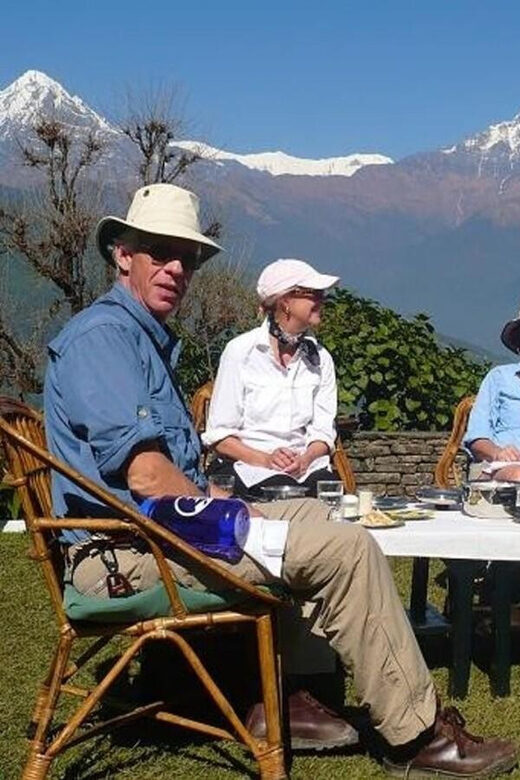
- Phedi to Dhampus in the morning: an early climb with terraced fields and wide views
- Annapurna-range photo payoff: viewpoints built into the Dhampus portion
- Astam Village break: time to rest, walk around, and eat lunch after arriving early afternoon
- Forest and hillside trail vibe: lush stretches plus village paths and fields
- Easy same-day logistics: shared vehicle transfers keep you from stressing about getting back
One-Day Hike From Pokhara: How the Route Works
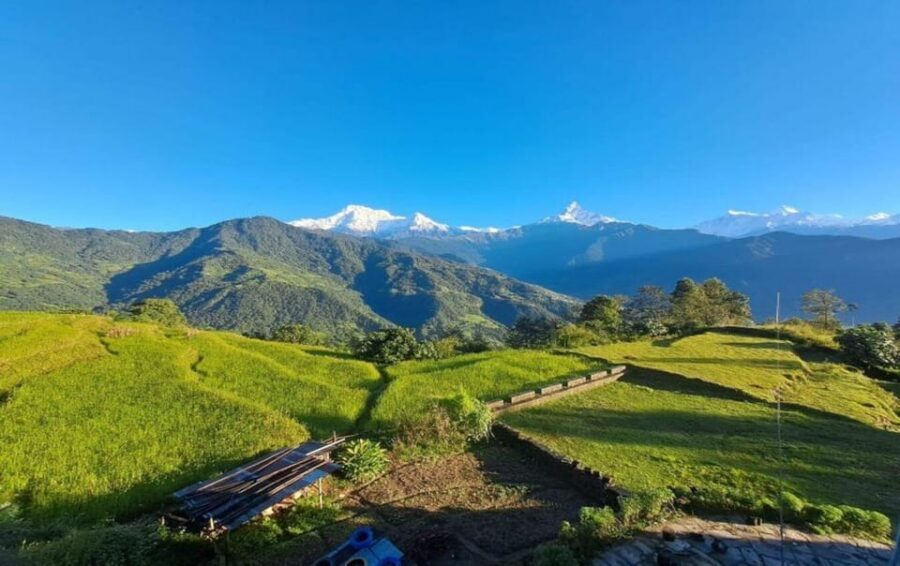
This is a same-day loop built around one simple idea: get you from Pokhara into the hills, make you hike for the best views and village scenes, then return before evening. The schedule starts with an early shared vehicle from Pokhara to Phedi, about 30 minutes. After that, the trail does the heavy lifting while the transfers handle the rest.
You’re looking at roughly 2–2.5 hours hiking to reach Dhampus, then about 3 hours from Dhampus to Astam. After an early afternoon arrival and a lunch/rest pause, the final trek to Hemja takes another 1–2 hours, followed by a 30-minute shared ride back to Pokhara. It’s not a “walk in the park” all day, but the pacing is realistic for a day hike if you set a steady tempo.
For value, I like that this tour doesn’t force an overnight stay in the mountains. If you’re visiting Pokhara for a short window, you get a real hiking day without adding the extra cost and time of an overnight trek.
Phedi to Dhampus Village: Terraces, Forest Shade, and First Big Views
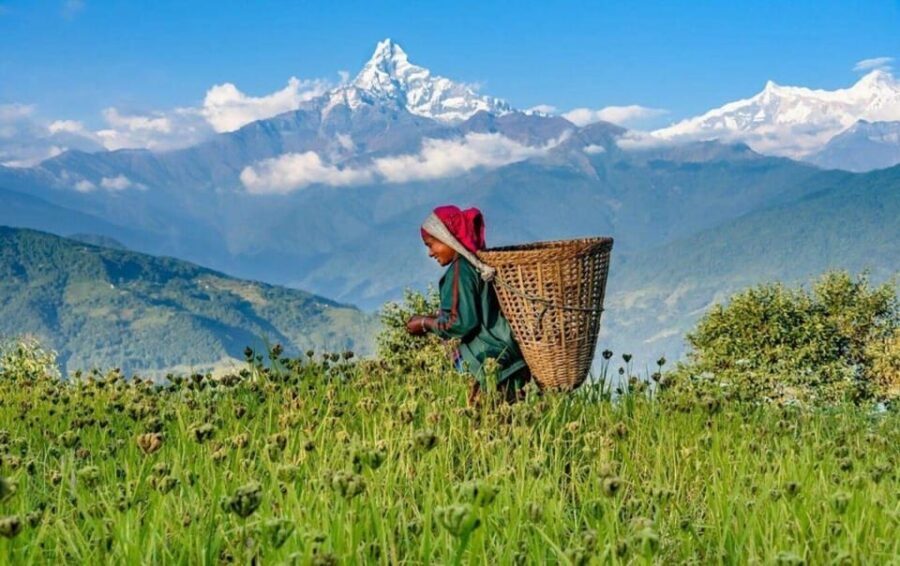
From Phedi, you start hiking toward Dhampus Village. The climb takes about 2 hours on the plan (sometimes listed closer to 2.5), and the trail leads you through terraced fields and greener stretches with forest sections. This morning segment is where the day starts to feel like Nepal beyond town streets—hillsides, farm layouts, and a sense of distance that’s hard to get any other way in Pokhara.
What you’ll likely notice first is the variety. Early on, terraced agriculture means the trail often angles past structured rows of crops, giving you that layered hillside look. As you ascend, the scenery opens up toward the Annapurna range, and you’ll have a clear moment to stop and take photos once you reach Dhampus.
Dhampus itself is short on chaos and long on calm. You’ll get a brief break to enjoy the surroundings and capture pictures before moving on. That stop matters more than it sounds: it’s your chance to reset your legs, check how you’re feeling, and then head deeper into the route.
Small drawback: Dhampus to Astam comes later, and it’s a longer hiking chunk. If you go too fast in the morning, you can pay for it later. I’d treat Dhampus as your pace checkpoint, not just another scenery stop.
Dhampus Village Stop: A Photo Break That Actually Helps Your Pace
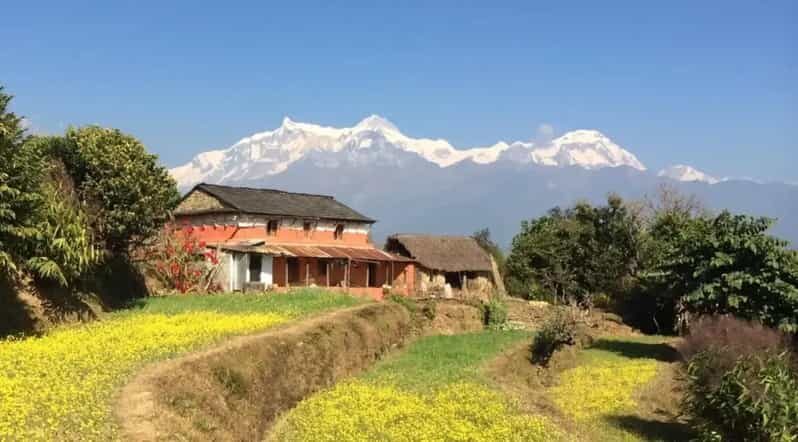
Reaching Dhampus isn’t the finish line—it’s a breather. The plan gives you time to take photos and enjoy the serene village environment before continuing. I like this approach because it turns the morning climb into something you can pace. Instead of rushing through for a single viewpoint, you get a real pause that helps you keep your energy for what comes next.
Also, this is where the tour’s “easy day hike” idea shows its practical side. Your goal isn’t to sprint up hills and hope for the best. It’s to arrive, look around, and continue while your body still feels workable. If you’re walking slower or carrying a heavier daypack, this is often the point where you’ll feel the benefit of a patient guide.
Dhampus to Astam: Lush Forest Walks and Himalayan Panoramas
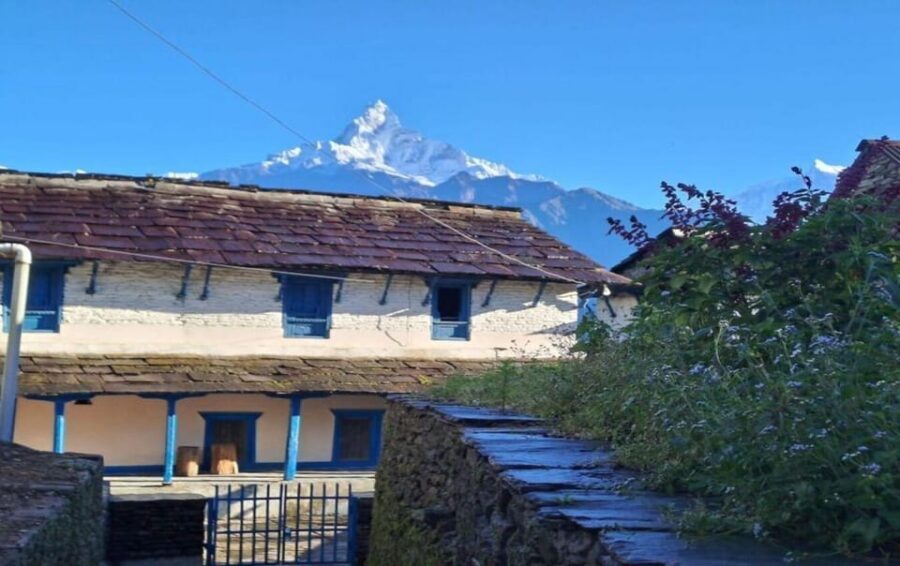
The hike from Dhampus to Astam is the heart of the day. Expect around 3 hours of trekking, and it’s described as particularly scenic—lush forests, panoramic Himalayan views, and hillside paths that keep changing what you see around you.
This part of the route tends to feel more “in the mountains.” The forest sections give you shade and a break from direct exposure, while the open views act like breathers for your mind. Even if you don’t catch a single perfect photo, the overall sense of perspective is what stays with you: villages below, hills around you, and the Himalayas showing themselves in phases.
One thing I’d plan for: this middle section can feel longer than you expect because it’s not just flat walking. You’re working your way along terrain that naturally includes ups and downs as it connects village areas. That’s why the guide matters here. The feedback around guides like Paras is meaningful—real patience if your pace slows down, and help with a backpack so you’re not fighting your load.
Arriving in Astam Early Afternoon: Lunch With a View and Time to Reset
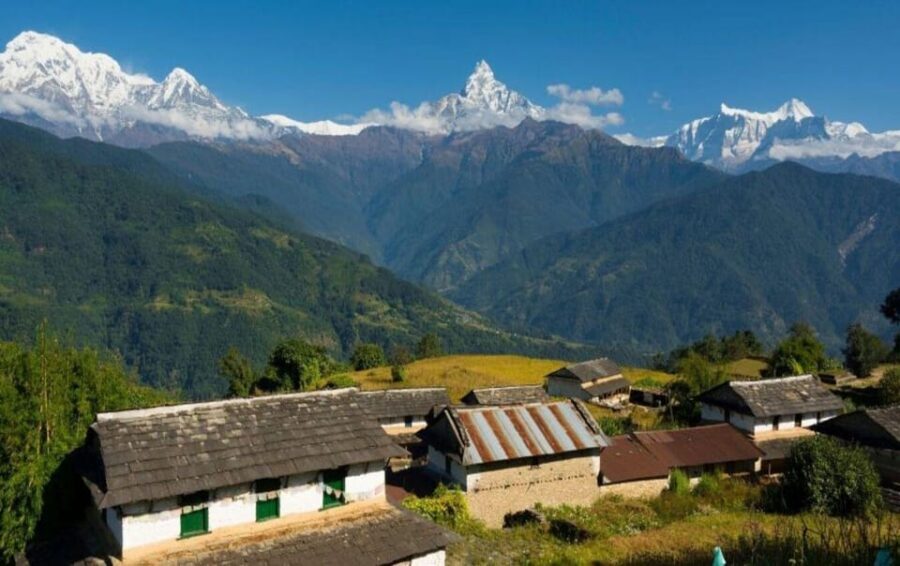
You’ll reach Astam by early afternoon, with time to rest and have lunch. This isn’t just a quick stop for photos. It’s the moment that turns the hike into an experience, because you can slow down and actually enjoy village life without feeling rushed to keep walking.
Astam is known here for its peaceful, picturesque setting. When people talk about Astam in a day-hike context, they usually highlight two things: the calm atmosphere and the feeling that you’re in a real community rather than just passing through. If you like small moments—quiet streets, gentle village movement, and scenery that doesn’t feel staged—this stop is a big part of the appeal.
And yes, lunch with Himalayan views is the payoff. The plan specifically includes lunch time as a key break, and it’s the kind of moment where the entire day makes sense. After hours on the trail, sitting down with a view helps you understand why the uphill effort was worth it.
Practical note: since food and drinks aren’t included, you’ll either buy what’s available at your stop or bring what you need. If you have any preferences (tea, snacks, water), plan for that before you start hiking.
Astam to Hemja and the Shared Ride Back to Pokhara
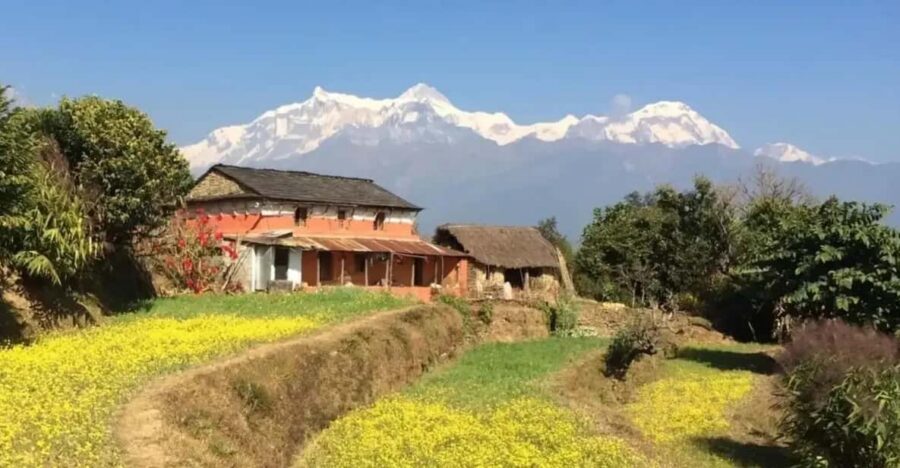
After lunch, you’ll continue from Astam to Hemja, about 1–2 hours of trekking. This final hike segment is described as scenic and enjoyable, with more chances to appreciate the natural beauty around you. Think of it as the “easy landing” portion of the day: you still walk, but it’s shorter and closer to the return.
When you reach Hemja, you take a shared vehicle back to Pokhara, about 30 minutes. Arriving late afternoon or early evening is part of the design. That matters if you want a day that fits your schedule without stealing your entire evening.
There’s a very real quality-of-life advantage here: shared transport reduces hassle. You’re not negotiating multiple rides or trying to find a timetable in the dark. You get dropped back near your starting point and can move on with your day—dinner, a lakeside stroll, or whatever you planned for Pokhara.
Price and Value: What $35 Gets You (and What It Doesn’t)
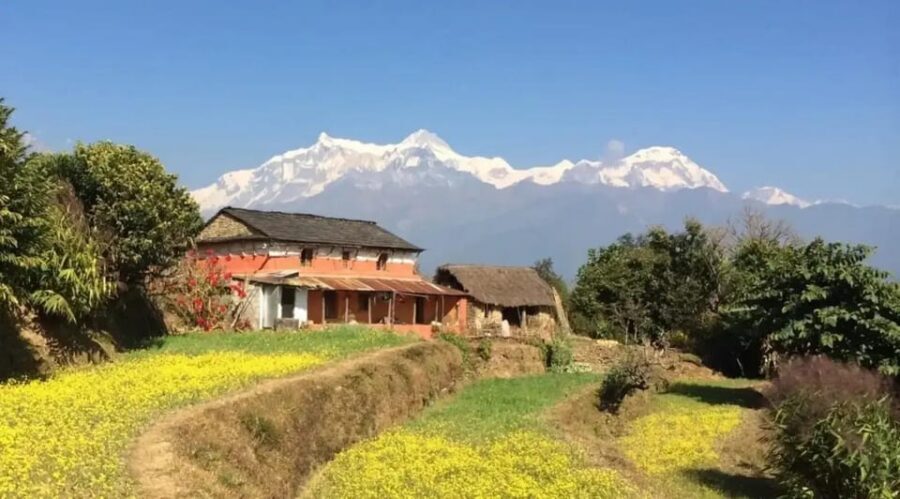
The price is about $35 per person for a one-day trek, and it includes some key essentials. You get an English-speaking hiking guide, roundtrip shared transportation, and pickup/drop-off from any hotel in the Lakeside area of Pokhara.
For value, the biggest win is the combination. A guide isn’t just for conversation—it helps with pace, route flow, and confidence while hiking. The included transfers matter too because they handle the tricky part: getting from Pokhara to the trailhead and back without you piecing it together.
What’s not included is also important: food and drinks and any personal drinks. That doesn’t make the trip bad value. It just means you should budget separately and pack wisely. If you show up with cash ready for a meal and water, the day runs smooth.
Also, this is listed as a private group. That tends to feel more personal than big group tours, especially when the guide is working around your pace. Based on the feedback, the guides here are attentive—patient, friendly, and quick to help if someone slows down.
Who This Hike Is Perfect For in Pokhara
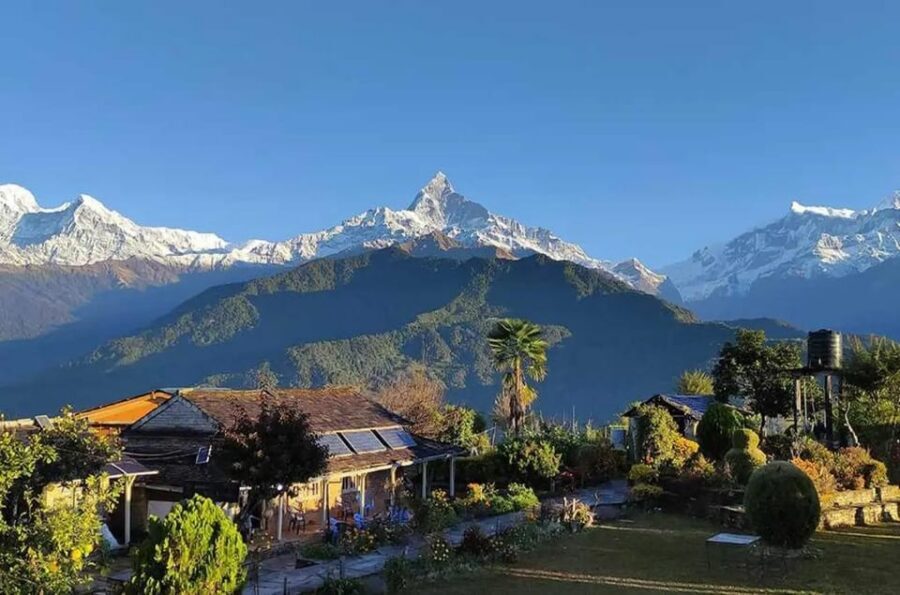
This tour fits best if you want a genuine hiking day without committing to an overnight trek. I’d point you to it if:
- You’re in Pokhara for a short time and still want mountain scenery
- You enjoy villages and want a quiet break from city-style sightseeing
- You like a mix of forest walking and terraced hillside views
- You’re happy with a guided experience where the route is handled for you
It’s also a good choice if you’ve been hiking a bit already and want one more day that doesn’t turn into a multi-day grind. The itinerary is designed to build in rests: Dhampus for photos and Astam for lunch, both of which help you recover while keeping the day’s flow.
Who might think twice: if you’re dealing with low stamina, you might find several hours of hiking in one day challenging. The guide can help with pace, but physics still applies. In that case, consider a shorter option rather than forcing a full day.
Packing Tips That Make Dhampus and Astam Feel Easier
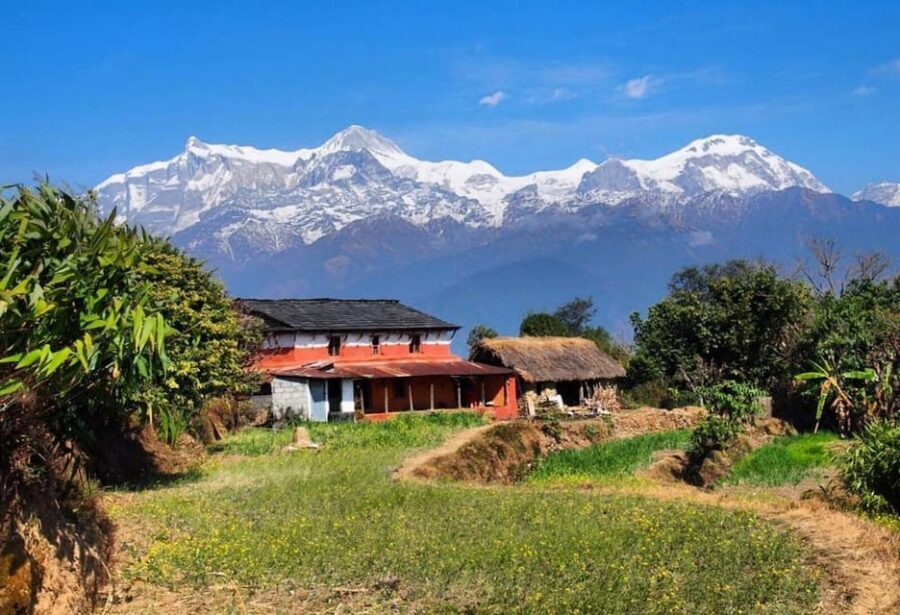
The tour asks you to bring practical stuff: comfortable shoes, comfortable clothes, and cash. That’s solid advice because a day hike is unforgiving about footwear and clothing. You’ll want shoes that grip and feel stable on uneven ground.
Here’s what I recommend you pack, based on what the day requires and what isn’t included:
- Water (since drinks aren’t included)
- A small snack or light energy food if you get hungry between stops
- Cash for lunch and any drinks you choose during the day
- Layers (mornings can feel cooler, even when the sun warms up)
Keep your daypack simple. The feedback mentions help with backpacks when someone’s pace slows, which is a nice reminder: less weight makes the trek feel better.
Guide Matters: English Support and the Calm Pace You’ll Appreciate
One of the strongest themes from the experience is the guide’s attitude. People highlight friendliness and clear answers—Bidur is noted as kind and friendly, and Paras is praised for being polite and patient, including helping with a backpack when someone wasn’t feeling well.
That kind of support is more than “nice.” On a day hike, it can be the difference between rushing and enjoying. If you start at a comfortable pace and you know the guide will be supportive, you’re more likely to stop for photos and actually take in the views instead of just surviving the trail.
In other words, you’re buying more than route guidance. You’re buying a calmer experience that helps you enjoy the day from Phedi to Hemja.
Should You Book This One-Day Dhampus and Astam Hike?
If your goal is a full, authentic-feeling hiking day with Himalayan views and village stops, I think this is a strong pick. The itinerary is built for people who want something active but not complicated: shared rides, an English guide, a morning climb to Dhampus, a scenic middle stretch to Astam, then an easier descent to Hemja.
I’d especially recommend it if you want village scenery and Annapurna-range viewpoints without planning an overnight trek. And if you’re someone who benefits from a patient, friendly guide, the feedback around Bidur and Paras is a great sign.
Skip it only if you know you’re not comfortable with multiple hours of hiking in one day or if you don’t want to manage your own food and drinks. With a little prep—good shoes, cash, and water—the day is set up to feel rewarding.
FAQ
FAQ
How much does the Pokhara Dhampus & Astam day hike cost?
It costs $35 per person.
How long is the experience?
The hike runs for one day.
Where does the tour start?
Pickup is from your hotel in Lakeside, Pokhara, and you travel to Phedi by shared vehicle before the hike starts.
Is there an English-speaking guide?
Yes. The hiking guide is English speaking.
What hikes are included in the day?
You hike from Phedi to Dhampus, then continue to Astam, and later trek from Astam to Hemja.
How long are the hiking sections?
The trek is about 2 hours from Phedi to Dhampus, about 3 hours from Dhampus to Astam, and about 1–2 hours from Astam to Hemja.
What transportation is included?
Roundtrip shared transportation is included, including pickup and drop-off from your Lakeside hotel, plus the ride back to Pokhara from Hemja.
Is food or drinks included?
No. Food and drinks (including personal drinks) are not included.
What should I bring?
Bring comfortable shoes, comfortable clothes, and cash.
What is the cancellation window?
You can cancel up to 24 hours in advance for a full refund.