Pokhara’s waterfalls, pagodas, and lakes in one loop. This Pokhara City Tour is built for people who want the big sights without wrestling buses, and it strings together standout places like Phewa Lake, Devis Fall, World Peace Pagoda, Seti River Gorge, and the International Mountain Museum. I also like that it’s a private setup with your own guide and car, so you can keep a comfortable pace and get questions answered on the spot. One drawback: entrance fees are not included, so your final total depends on what you choose to pay at each stop.
You’ll start around 9:15am after breakfast and return to the same meeting point by the end—easy, predictable, and ideal if you have only one half-day (or a bit more) in Pokhara. Confirmation happens after booking, and you’ll get a mobile ticket. Because it requires good weather, if the skies don’t cooperate you might be offered a different date or a refund.
In This Review
- Key Things To Know Before You Go
- The Big Picture: Why This Pokhara City Tour Works
- Starting in Pokhara: Timing, Meeting Point, and the Flow
- Gupteswar Gupha: A Quick Cave Stop With Clear Purpose
- Devis Fall: Waterfall Energy Without Needing a Full Day
- International Mountain Museum: Turn Photos Into Context
- World Peace Pagoda: Spiritual Views and a Big-Picture Pause
- Seti River Gorge: The Signature Terrain Moment
- Phewa Lake: Where the Day Feels Like Pokhara
- The Price: Is $130 Per Person Good Value?
- How the Private Guide Improves the Day
- Weather and Timing: The One Thing That Can Change Everything
- Who This Tour Suits Best (and Who Should Think Twice)
- Should You Book This Pokhara City Tour?
- FAQ
- What is the duration of the Pokhara City Tour?
- How much does the tour cost?
- What time does the tour start?
- Where does the tour start and end?
- What attractions are included in the tour?
- Is pickup offered?
- Is the tour private or shared?
- Are entrance fees included in the price?
- How do tickets work?
- What is the cancellation policy?
Key Things To Know Before You Go
- Private car and private guide: Your time is planned around you, not around random bus schedules.
- A tight circuit of Pokhara highlights: Phewa Lake, Devis Fall, World Peace Pagoda, Seti River Gorge, and the Mountain Museum fit into one outing.
- Gupteswar Gupha is quick: You’ll spend about 30 minutes there, so it’s a stop for a focused look.
- Davis Fall to Mountain Museum to Pagoda: The flow makes sense—water sights first, then museum context, then the viewpoint feel of the pagoda.
- About 5–7 hours: Long enough to see real variety, short enough to keep your day flexible.
- Entrance fees extra: Budget for tickets that aren’t included when you compare value.
The Big Picture: Why This Pokhara City Tour Works
If you’re arriving in Pokhara and want your bearings fast, this tour gives you a practical route through the city’s most photographed stops. It’s not a “drive past things” deal. You get specific time at major sights, and you’re guided through what you’re seeing instead of relying on guesswork.
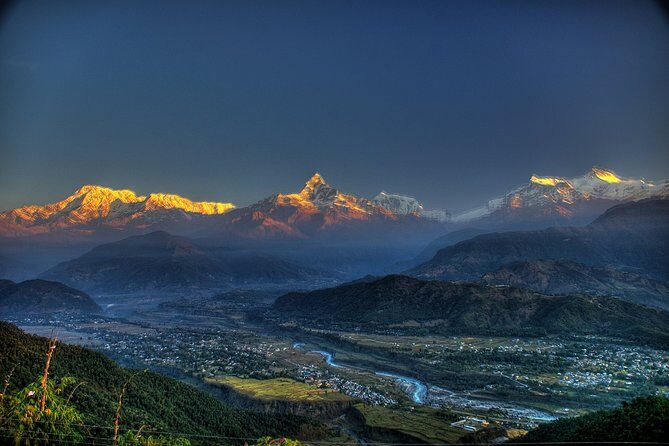
I like the balance of variety. You get water features (like Devis Fall and the feel of Phewa Lake), a museum stop that adds context (International Mountain Museum), and a spiritual/viewpoint element (World Peace Pagoda). Then you add a gorge scene (Seti River Gorge) and a cave visit (Gupteswar Gupha). That mix is exactly what helps Pokhara click.
The tour is also set up to protect your time. It runs about 5 to 7 hours, and you start at 9:15am. Ending back at the same meeting point keeps the logistics simple—no mystery transportation plans to figure out at the end of the day.
You can also read our reviews of more city tours in Pokhara
Starting in Pokhara: Timing, Meeting Point, and the Flow
Your day typically begins around 9:15am, starting at Gupteshwor Mahadev Cave (Pokhara 33700, Nepal). The tour is designed to start after breakfast, which matters because Pokhara mornings can be active, and you’ll want energy for a mix of short visits.
This is a private tour/activity, meaning only your group participates. That’s a big deal for comfort and pacing. If you want to move quickly between stops or linger a bit at one place, you’re not stuck with a large group’s timetable.
The route is built in a sensible order. You’ll first visit Gupteswar Gupha, then you move on to Devis Fall, and from there it’s on to the International Mountain Museum. After the museum, the plan continues to World Peace Pagoda. From there, the circuit naturally includes the remaining city highlights like Seti River Gorge and Phewa Lake.
Gupteswar Gupha: A Quick Cave Stop With Clear Purpose
Stop one is Gupteswar Gupha, where you’ll visit the cave. The time here is about 30 minutes, and it’s clearly meant to be a short, focused look rather than a long wander.
This kind of stop is useful early in the day. It breaks up the “travel day” feel and gets you somewhere different quickly—so your later outdoor sights feel like a natural contrast, not just another roadside attraction.
Practical tip: since the cave visit is time-limited, go in with the mindset of a quick exploration. Don’t expect hours. If you’re the type who likes long photo sessions, plan your extra time budget at the lake and viewpoint-style stops later.
Devis Fall: Waterfall Energy Without Needing a Full Day
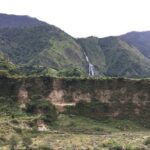
Devis Fall is one of Pokhara’s signature sights, and it fits this tour perfectly. You’ll reach it after your cave stop, and it’s part of the route that then leads you onward to the Mountain Museum.
Why it works in a city tour: a waterfall gives you a strong sense of place fast. Pokhara is about water and dramatic terrain, and Devis Fall is one of the places that makes that connection immediately.
What to watch for: if the weather isn’t good, conditions can change, since the experience requires good weather. If it’s rainy or unsettled, visibility and experience quality can be affected, and the operator may adjust plans.
International Mountain Museum: Turn Photos Into Context
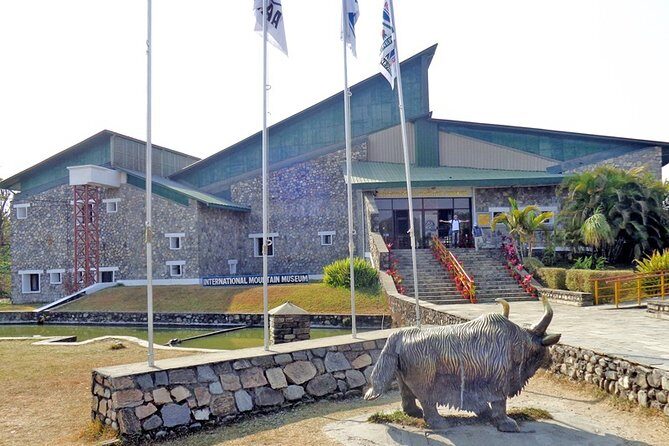
After Devis Fall, you visit the International Mountain Museum. You’ll have about 2 hours here—enough time to do more than skim. This stop is the “storytelling” part of the tour.
If you like mountains, you’ll get more meaning out of the day. A museum stop helps you connect what you see in Pokhara to the larger mountain culture that surrounds Nepal. Even if you’re not a big history reader, it’s still a worthwhile way to slow down for a bit and get your head around the region.
I also like that this stop sits between outdoor highlights. It gives your feet and brain a break. After two hours inside, the World Peace Pagoda and gorge/lake areas feel like a reward instead of just more sightseeing.
Entrance note: museum entry is not included in the base tour price, so plan for ticket costs if you want the full museum experience.


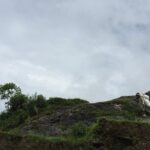
World Peace Pagoda: Spiritual Views and a Big-Picture Pause
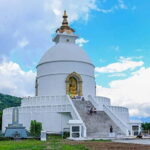
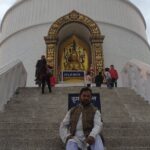
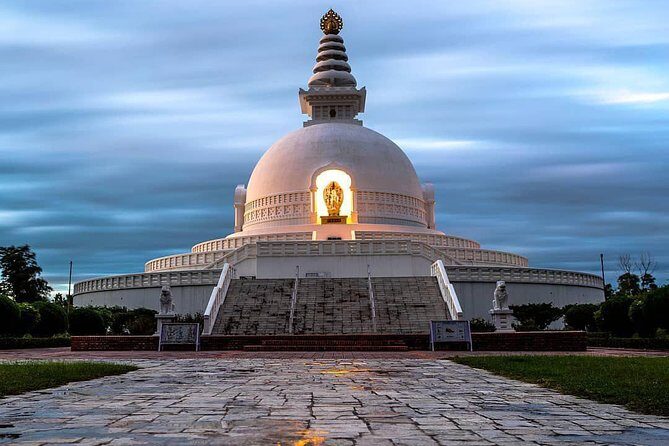
From the museum, you move to the World Peace Pagoda. This stop adds a viewpoint and spiritual feel to your city circuit.
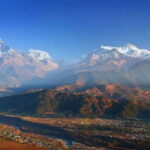
This is the kind of place that makes the rest of the day land. Museums give context, but pagodas tend to make you look outward—toward the city and beyond—so you get that “Pokhara is more than one landmark” perspective.
Practical consideration: since entrance fees are not included, include pagoda ticket costs in your budget if applicable. Also, this is a stop where you may want to take your time, especially for photos and for actually watching what’s going on around you.
Seti River Gorge: The Signature Terrain Moment
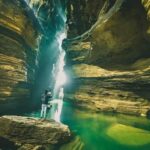
Next up is Seti River Gorge. It’s not just “another scenic point.” A gorge changes how you read a city, because it shows the terrain shaping what you’re seeing.
For me, this is one of the best stops for variety. After caves, water, and museum space, a gorge adds a strong “Pokhara is carved by nature” feeling. You’ll get that terrain drama without needing a full hiking plan.
Keep your expectations practical: it’s still a city tour schedule, so there will be time to see the main sights, not to plan a long outdoors expedition. If you want more walking later, Pokhara is good for extra add-ons, but this circuit is meant to be efficient.
Phewa Lake: Where the Day Feels Like Pokhara
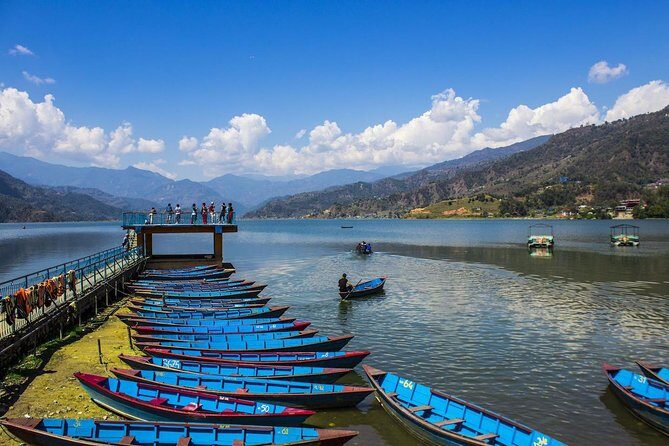
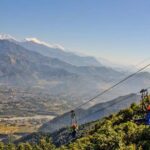
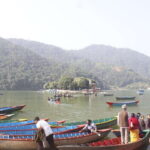
Finally, the tour includes Phewa Lake, one of the most iconic areas in Pokhara. This is where the mood shifts to classic lakeside time—wide views, a sense of calm, and an easy feeling that you’re in a real vacation town, not just a checklist.
This stop is especially strong if you want a “Pokhara memory” that isn’t just photos of buildings. Lake time gives you a different tempo. It’s also where you might decide to add your own extra activities during the free-ish moments in the area (depending on what’s offered and what you feel like doing that day).
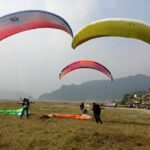
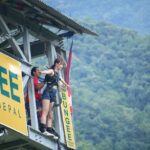
One small clue from past experiences: people often highlight Phewa Lake for boating and paragliding options around the lake area. So if you’re even curious about those experiences, this is the part of the day that gives you the best chance to line them up—assuming conditions and your energy level cooperate.
The Price: Is $130 Per Person Good Value?
At $130 per person for an outing of about 5 to 7 hours, the price is best understood as a convenience + guidance package.
What you get for the money:
- Private car
- Private guide
- A route that covers multiple major sites in one morning/afternoon block
What’s extra:
- Entrance fees
So when is it a good value? It’s a solid deal when you:
- Want to hit several famous places without coordinating separate transport
- Care about context (having a guide helps you get more meaning from museum and cultural stops)
- Prefer a comfortable pace over crowd-wrangling
If you’re the type who already knows exactly how you’ll get around, and you’re fine doing everything solo with public transport, the private pricing may feel less attractive. But in Pokhara—where time and routing can add up—this kind of private circuit often saves you hassle.
How the Private Guide Improves the Day
A guide doesn’t just translate signs. The real value is flow and context.
In recent Nepal experiences with this kind of Travel Pinto service, people have praised drivers and guides for being easy to talk to and for handling the driving well. Names that popped up include Prakash (driver) and Mohan (guide), noted for being knowledgeable and comfortable to communicate with. Another name that came up for detail-checking was Bikash.
I can’t guarantee any specific person will be your guide on your exact date, but those comments are a useful hint about the service level you can expect: you’re not just booking a car, you’re booking someone who can keep the day moving and explain what you’re seeing in plain language.
Weather and Timing: The One Thing That Can Change Everything
The tour requires good weather. That matters in Pokhara because views and outdoor conditions can shift quickly.
If the day’s weather turns unfriendly, you may be offered:
- A different date, or
- A full refund
This is also why the tour starts in the morning. Plan for the possibility that you’ll spend your best daylight hours at the stops most affected by visibility—especially the lake and viewpoint-style locations.
Who This Tour Suits Best (and Who Should Think Twice)
This Pokhara City Tour is a great fit if you:
- Have limited time (5 to 7 hours) and want the top highlights
- Prefer private comfort over shared group pacing
- Like having a guide to explain and connect the dots between stops
- Want a balanced mix of water sights, a museum, terrain views, and a spiritual location
You might think twice if you:
- Want a do-it-yourself day where you choose stops on the fly with no set route
- Hate paying entrance fees on top of the ticket price
- Are only interested in one or two spots (because the value is in seeing several key places)
Should You Book This Pokhara City Tour?
I’d book it if you want a clean, efficient way to understand Pokhara in a single sitting. The route makes sense: cave curiosity, waterfall energy, museum context, pagoda viewpoints, gorge terrain, and then lakeside calm.
The main reason to hesitate is simple: entrance fees are not included, so do a quick budget check before you commit. If you’re okay with that and your schedule matches a morning-to-afternoon outing, this tour is one of the easiest ways to turn limited Pokhara time into a real set of memories.
If you’re planning paragliding or boating around Phewa Lake, this circuit also puts you in the right location at the right time to decide what to add next—just keep an eye on conditions.
FAQ
What is the duration of the Pokhara City Tour?
The tour runs for about 5 to 7 hours.
How much does the tour cost?
The price is $130 per person.
What time does the tour start?
It starts at 9:15am.
Where does the tour start and end?
It starts at Gupteshwor Mahadev Cave (Pokhara 33700, Nepal) and ends back at the same meeting point.
What attractions are included in the tour?
The tour covers major sights including Phewa Lake, Devis Fall, World Peace Pagoda, Seti River Gorge, and the International Mountain Museum, plus Gupteswar Gupha.
Is pickup offered?
Yes, pickup is offered.
Is the tour private or shared?
It’s a private tour/activity. Only your group will participate.
Are entrance fees included in the price?
No. Entrance fees are not included.
How do tickets work?
You’ll receive a mobile ticket.
What is the cancellation policy?
You can cancel for a full refund up to 24 hours before the experience’s start time. The experience requires good weather, and if it’s canceled due to poor weather you’ll be offered a different date or a full refund.