REVIEW · NEPAL
From Chitwan : Half Day Jeep Safari Tour
Book on GetYourGuide →Operated by Adventure in Nepal · Bookable on GetYourGuide
Four hours in Chitwan can change your whole day. A half-day Jeep safari takes you into Chitwan National Park from Sauraha, where your route can swing between forest edges, riverbanks, and open grasslands. I love that it’s short enough to fit into a quick Nepal stop, yet long enough to feel like you’re actually on safari, not just passing through.
You’ll also get big, unforgettable animal moments plus excellent bird time. Expect a mix of species that can include hornbills and kingfishers, and the guides help you notice them while you’re bouncing along in the Jeep. One verified guest (Isabella, Germany) said they saw rhinos along with sloth bears, elephants, monkeys, wild boar, and even an eagle.
The main thing to keep in mind is that wildlife sightings can vary by day and by route. One guest found their Jeep safari was adjusted to a different area and mostly saw deer, which is still pleasant, but not the kind of day people hope for. Also, this tour is not suitable for pregnant women, and you’ll need to travel light since luggage or large bags aren’t allowed.
In This Review
- Key Things You’ll Notice on This Chitwan Jeep Safari
- From Sauraha Pickup to the Park Gate: How the Half-Day Gets Moving
- The Jeep Safari Ride: Expect Bumpy Ground and Open Sightlines
- What You’ll Actually Be Looking For: Rhino, Tiger, Elephant, Deer, and Birds
- Tharu Communities on a Wildlife Day: Culture You May Catch Along the Way
- The Guide Factor: How Languages and Scanning Improve Your Odds
- Route Adjustment Risk: When the Day Changes Midstream
- Price and Value at $75: What You’re Paying For, and What You’ll Need to Budget
- Best Season: October to June for Higher Safari Chances
- Who Should Book This and Who Might Skip It
- Quick Practical Tips Before You Go
- Should You Book This Half-Day Jeep Safari?
- FAQ
- How long is the half-day Jeep safari in Chitwan?
- Where does pickup happen for this tour?
- What animals and birds can you expect to see?
- What languages will the guide speak?
- What do I need to bring?
- Is food included in the price?
- What items are not allowed during the safari?
- Is the tour suitable for pregnant women?
- Can I cancel and get a refund?
Key Things You’ll Notice on This Chitwan Jeep Safari
- Big-animal chances in a tight time window: rhinos, elephants, tigers (when conditions allow), plus deer and wild boar
- Birding can be a real part of the drive with species like hornbills and kingfishers
- Your guide is your wildlife filter: they help you spot what’s around before you miss it
- Route changes happen: some days can be outstanding, other days more quiet
- Short, focused cultural moments: you may encounter Tharu communities and learn about traditions and lifestyle
From Sauraha Pickup to the Park Gate: How the Half-Day Gets Moving
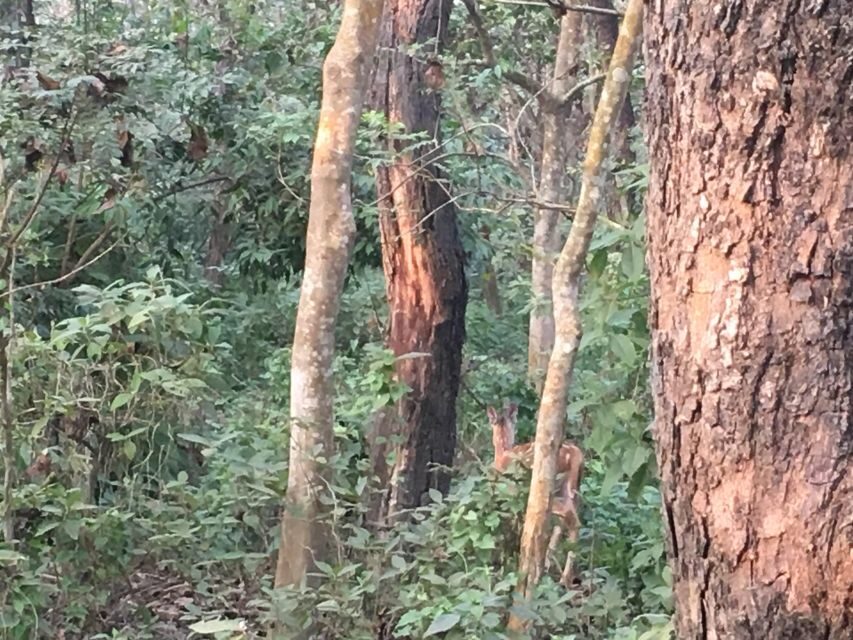
Most people start this safari in Sauraha, with pickup from your hotel. You’ll get picked up with your name card and then head to the Chitwan National Park entrance gate for check-in. At the gate, you’ll do the paperwork and get a quick run-through of park rules from your guide.
This first stretch matters more than it sounds. If you’re trying to cram Chitwan into a short trip, a clean start keeps you from losing the best part of the day sitting around. And with a half-day format of about 3–4 hours (listed as 4 hours), you’ll want that time moving.
Once you’re inside, you’re not just driving for transport. You’re driving for position: where the Jeep can go, where animals tend to be active, and where your guide thinks you’ll have the best odds.
A few more Nepal tours and experiences worth a look
The Jeep Safari Ride: Expect Bumpy Ground and Open Sightlines
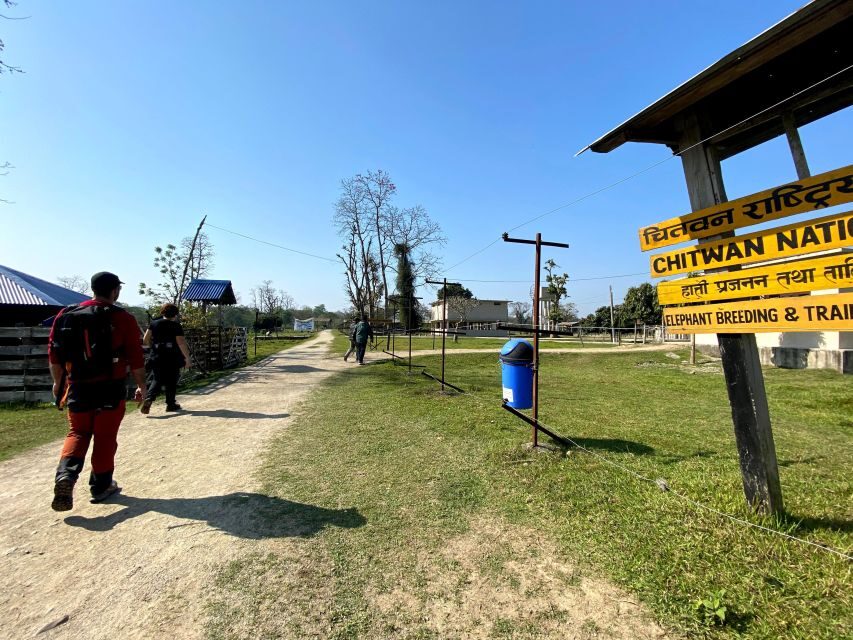
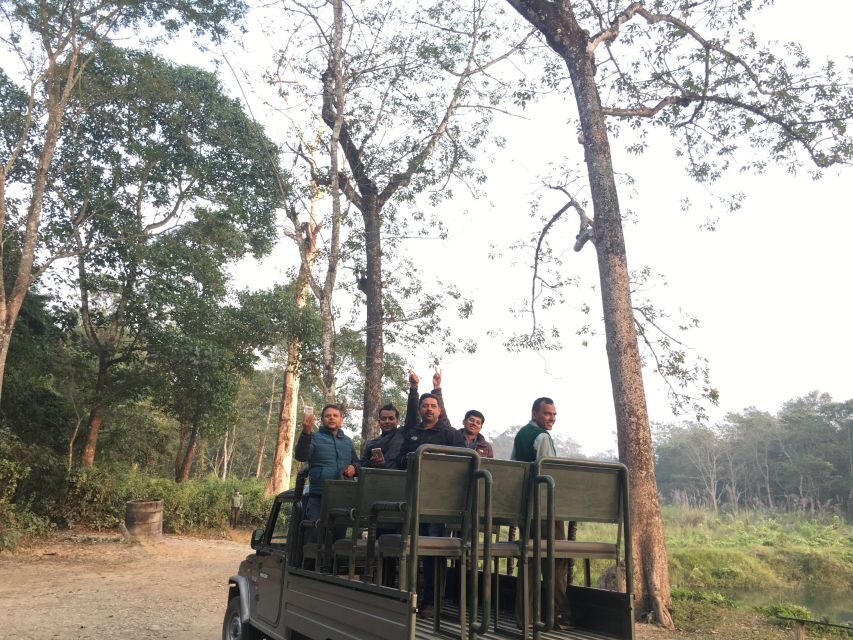
The Jeep ride is part of the experience, not a side detail. One of the highlights is the bumpy route through lush forest areas, riverbanks, and open grasslands. Those changes in terrain can affect what you see—animals often show up near edges (cover plus visibility), and birds are easier to spot when the habitat opens up.
Because it’s a sharing Jeep tour, you should expect a small group dynamic. That usually makes the ride more social, but it also means you might not have total control over camera angles or where everyone sits for the best sighting.
Logistics also tend to be straightforward. A U.S. guest (Johnny) said check-in and the overall flow were easy, and that the guide pointed out lots of different animals. That’s the ideal setup: you spend your energy looking, not figuring out what happens next.
What You’ll Actually Be Looking For: Rhino, Tiger, Elephant, Deer, and Birds
The safari pitch is simple: you go looking for wildlife in their natural habitat. Your most likely targets include rhinoceroses, deer, and other park animals such as elephants and wild boar. The tour description also calls out Bengal tigers as a possibility, though with wildlife, the only honest promise is that you’ll search.
What makes this more enjoyable than a generic wildlife drive is the variety. You’re not limited to one habitat or one kind of animal. The same safari can put you through forested areas, along river edges, and out into open grasslands—exactly the kind of mix where different species show up.
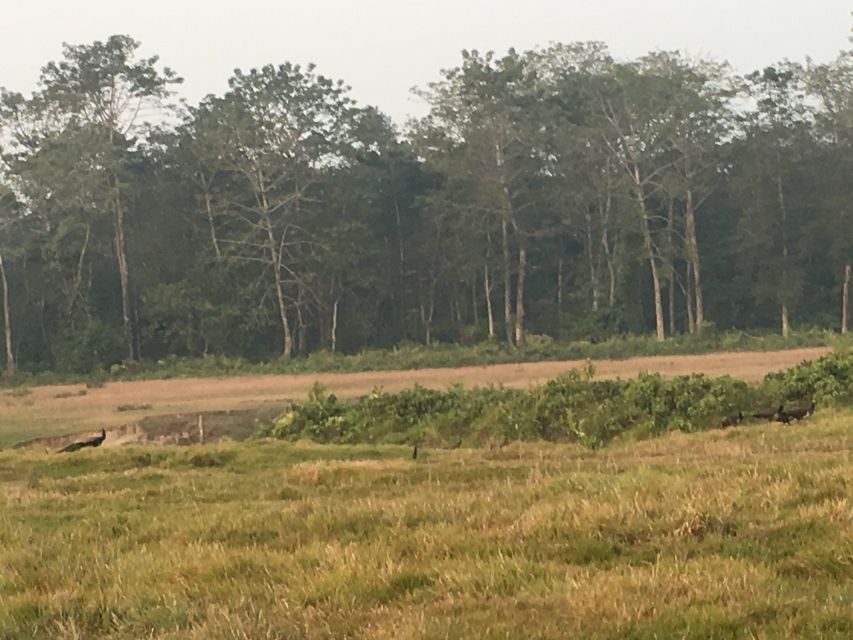
Bird lovers have a strong reason to book, too. The highlights specifically mention colorful birds like hornbills and Kingfishers. And in practice, a good guide can turn slow moments into something useful by pointing out activity you’d otherwise miss—calls, movement in the undergrowth, or birds perched where you can’t see the nest but can see the behavior.
One German guest (Isabella) gave a great example of how rewarding a strong day can be, naming rhinos, sloth bears, elephants, monkeys, wild boar, and an eagle. That kind of spread tells you this is designed for more than a quick rhino sighting.
At the same time, don’t assume every safari is equally loud. A traveler (Johnny) noted that wildlife was a little shy that day, but they still got to observe animals in their habitat. Shy animals don’t mean a wasted drive. It usually means you’ll need patience and your guide’s scanning skills matter even more.
Tharu Communities on a Wildlife Day: Culture You May Catch Along the Way
One of the tour highlights is the chance to encounter indigenous Tharu communities and learn about traditions and lifestyle. In a half-day Jeep safari, that kind of cultural interaction works best when it’s brief but meaningful—think of it as a human layer added to the animal-focused trip.
You should treat this as a bonus rather than a guaranteed destination. The tour info frames it as something you might experience during the safari. Still, if you’re interested in Nepal beyond the wildlife checklist, this is one of the better reasons to choose a Jeep safari in Chitwan instead of only watching from a distance.
The Guide Factor: How Languages and Scanning Improve Your Odds
This is not a DIY drive. You’ll be traveling with an experienced guide on a sharing tour, and the guide’s job is to provide insights into the park’s ecology and help you spot animals.
That last part—spotting—can be the difference between seeing something for real and only hearing the story later. A guide who knows how to read signs (tracks, movement, calls, and likely animal routes) can turn an ordinary stretch of road into a real sighting moment.
Language options are another practical advantage. The guide may speak Nepali, Hindi, and English, so you’re more likely to understand what’s happening and why the Jeep stops where it stops. That matters when you’re watching a bird for ten seconds and the guide explains what behavior you’re looking at.

Route Adjustment Risk: When the Day Changes Midstream
Here’s the honest caution I’d give you: route changes can happen, and they can affect what you see. One verified guest (from Gibraltar) said their Jeep safari was changed so they’d visit a different area than the day before. The guide and transport were praised, but the area turned out to be disappointing, with only deer sightings, and the safari felt shorter than the original booking.
I wouldn’t panic about this, because animal sightings depend on real conditions on the ground. But it does suggest a mindset: don’t book this expecting the exact same lineup every time. Treat it as a high-odds wildlife search, not a guaranteed best-of-Chitwan compilation.
If you’re on a tight schedule, that’s fine. Chitwan is one of those places where you’re chasing timing and animal behavior. If you can be flexible and keep your expectations grounded, you’re more likely to feel satisfied even on quieter days.
Price and Value at $75: What You’re Paying For, and What You’ll Need to Budget
At $75 per person for a half-day (about 4 hours), the value is mostly in what’s included. You get hotel pickup and drop-off within the Sauraha area, a half-day Jeep safari in a sharing Jeep, and a sharing tour guide.
That’s useful if you don’t want the friction of arranging transport to the park gate and managing check-in yourself. For many visitors, that’s the hidden cost of going independent—time, logistics, and the uncertainty of who’s running the show at the entrance.
What’s not included is also important: food and drinks aren’t part of the price, but you can purchase them. So plan for snacks or meals outside the safari window, or bring cash if that’s how purchases work for you on the day.
The other value factor is seasonality. The tour notes that October to June is the best season for safari chances. If you book during the better window, your $75 is buying more opportunity to see wildlife, not just a ride.
Best Season: October to June for Higher Safari Chances
This safari is marketed with a clear seasonal suggestion: October to June is the best time for safari. If you’re choosing dates specifically to maximize wildlife odds in Chitwan, that’s the window you should aim for.
Why? In general, animal behavior and visibility shift with the seasonal rhythm. You’re still going to deal with the reality that wildlife sightings aren’t guaranteed, but being in the recommended months helps tilt the odds toward success.
If you’re traveling outside those months, you can still enjoy the Jeep ride and birding moments. Just don’t expect the same level of consistent sightings.
Who Should Book This and Who Might Skip It
This Jeep safari suits people who want a compact Chitwan experience. If you have limited time in Sauraha and want a guided drive that focuses on wildlife and birds, this is a good match. It’s also a solid choice if you like the idea of both animal watching and the possibility of a cultural encounter with Tharu communities.
It’s not suitable for pregnant women, based on the tour’s “not suitable for” note. And it’s also not a good fit if you rely on carrying lots of luggage—luggage or large bags aren’t allowed, and pets aren’t allowed either.
Finally, it’s worth knowing it’s a sharing tour. That’s usually fine and often lowers cost, but it does mean you’re sharing attention, stopping points, and ride comfort with others.
Quick Practical Tips Before You Go
You’ll want to bring a passport or ID card, since that’s specifically listed as required. Also, travel light because large bags and luggage aren’t allowed on the tour.
If you’re a bird-focused traveler, go in ready to look closely, not just scan for big mammals. The tour highlights mention hornbills and kingfishers, and a good guide can turn small moments into real sightings.
And if you’re hoping for big cats or rhinos, keep your expectations smart. You’re searching for wildlife, not ordering it. Some days are hot and active; some days are quiet. Both can still be worth it if you’re paying attention.
Should You Book This Half-Day Jeep Safari?
Yes—if you want a guided, time-friendly way to see Chitwan without committing a full day. The included pickup and entrance logistics, plus the chance to spot rhinos, elephants, deer, and birds, makes this a strong use of a half-day. If you travel in October to June, you’re also booking during the recommended safari season.
Skip it or rethink it if you’re not comfortable with sharing a Jeep, if you need to carry large luggage, or if you’re pregnant. And if you’re the type who needs guaranteed animal lineups, you should expect the day to vary—wildlife can be shy, and route adjustments can change what you see.
If you go with patience and a flexible mindset, this safari can deliver the kind of Chitwan day you’ll remember long after you’ve left Sauraha.
FAQ
How long is the half-day Jeep safari in Chitwan?
The duration is listed as 4 hours, and the tour is described as typically taking around 3–4 hours.
Where does pickup happen for this tour?
Hotel pickup and drop-off are included within the Sauraha area. You’ll be picked up with your name card.
What animals and birds can you expect to see?
The tour highlights mention rhinoceros, tigers, elephants, and deer, plus other animals like wild boars. Bird enthusiasts can look for species such as hornbills and Kingfishers.
What languages will the guide speak?
The guide may speak Nepali, Hindi, and English.
What do I need to bring?
You should bring a passport or an ID card.
Is food included in the price?
No. Food and drinks are not included, but they are available for purchase.
What items are not allowed during the safari?
Luggage or large bags are not allowed, and pets are not allowed.
Is the tour suitable for pregnant women?
No. The tour is listed as not suitable for pregnant women.
Can I cancel and get a refund?
Yes. Free cancellation is available up to 24 hours in advance for a full refund.