REVIEW · POKHARA
Pokhara: Horseback Adventure
Book on GetYourGuide →Operated by Linkage Tour & Travel · Bookable on GetYourGuide
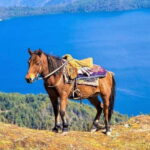
Hoofbeats are a different way to see Pokhara. This 2.5-hour horseback adventure takes you around the lakeside city and past Fewa Lake scenery, with forest trails lit up through the trees. I especially love the calm rhythm of riding and the frequent lake views, but one important thing to consider is that safety items may not be consistent, since a prior rider noted there were no helmets available even though the listing suggested otherwise.
I also like that the experience is built for real-life riders, not just experienced equestrians. Guides are there to help you stay steady, and English-speaking support makes it easier to understand what to do and when.
The main drawback is simple: this ride is scenic, not athletic. If you’re expecting a long, intense ride or extra comfort perks like food or drinks, you’ll want to plan for that before you go.
In This Review
- Key things to know before you go
- Pokhara on horseback: why this ride feels like more than scenery
- The 2.5-hour route: forests, lake paths, and the pace you can actually enjoy
- Guides and horses: how safety works without killing the fun
- Price and what $36 covers in real terms
- What you’ll do before the first hoofbeat
- Stops and scenery: what to look for during the ride
- What’s not included (and how to handle it)
- Transfers from lakeside hotels: convenient, but check the details
- Who this horseback ride is best for in Pokhara
- Should you book this horseback adventure in Pokhara?
- FAQ
- How long is the horseback adventure?
- Is the guide available in English?
- Where does pickup happen?
- What’s included in the tour price?
- What is not included?
- Is this ride suitable for beginners?
- What are the cancellation rules?
Key things to know before you go
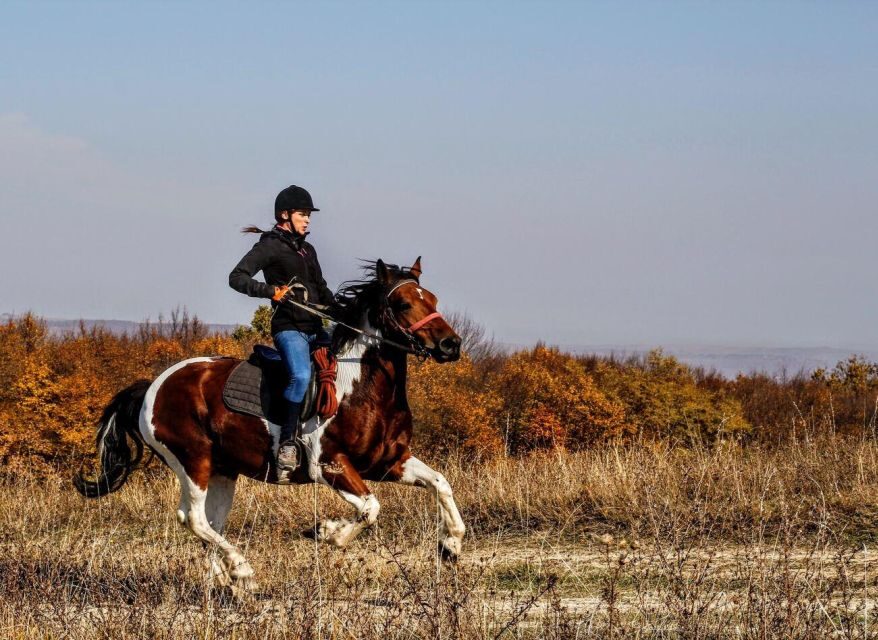
- Fewa Lake views on a short timeline: You get a focused 2.5 hours, so it fits easily into a busy Pokhara day.
- Forest trails with dappled sunlight: Expect shaded stretches that feel cooler and more peaceful than the main lake road.
- English guide + safety gear included: You’ll ride with an experienced guide and bring your questions (they handle the basics).
- Trained horses for all skill levels: This is designed so beginners can participate without feeling “thrown in.”
- Pickup from lakeside hotels: If you’re staying in Pokhara’s lakeside area, the start is usually straightforward.
- Check about helmets before mounting: One booking mentioned none were on hand, so it’s smart to ask what’s available for your group.
Pokhara on horseback: why this ride feels like more than scenery
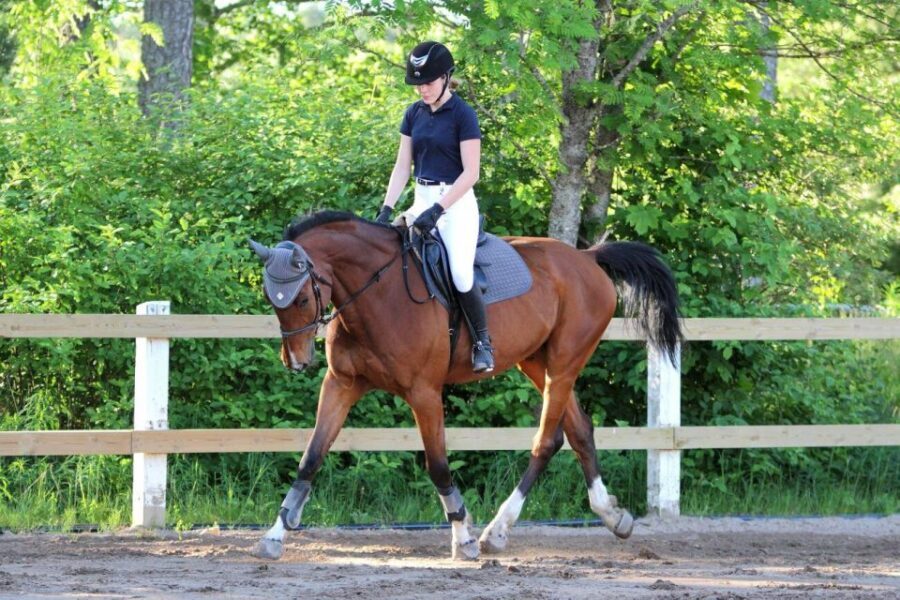
Pokhara is famous for its lake, but roads can turn the view into something you rush past. On horseback, you slow down naturally. Instead of stopping every few minutes for photos, you just move at an animal’s pace and let the lake and hills reveal themselves gradually.
I like that this tour blends two different moods of Pokhara: quiet forest walking and calmer waterside air. You’re not just looking outward. You’re also experiencing the small things along the path—cool shade, soft footing, and the steady, human-sized pace that makes a short ride feel longer in a good way.
And because it’s only 2.5 hours, it works as an “experience day” add-on even if you’re also doing Phewa Lake strolls, paragliding, or a day trip. It’s an easy win for people who want a memorable Pokhara moment without committing half their day.
A few more Pokhara tours and experiences worth a look
The 2.5-hour route: forests, lake paths, and the pace you can actually enjoy
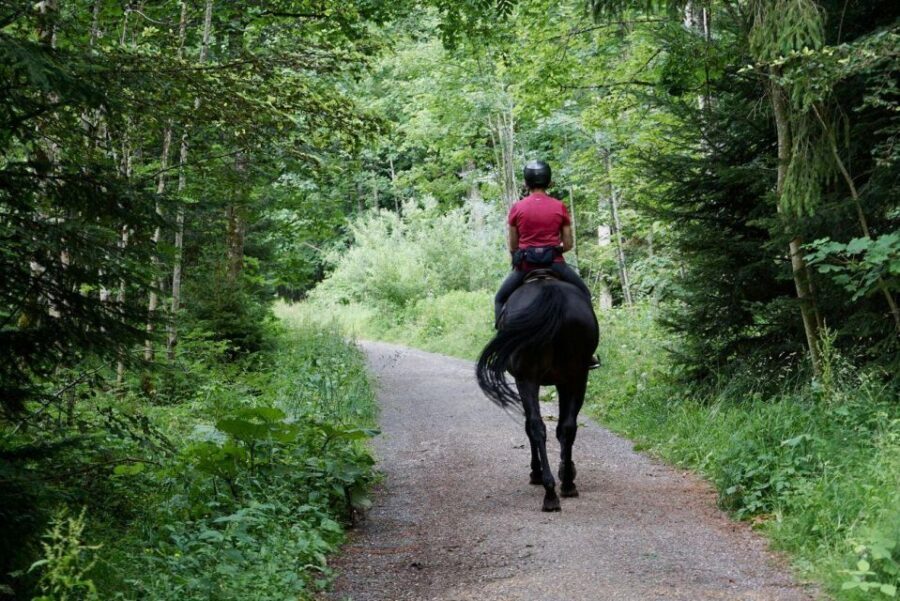
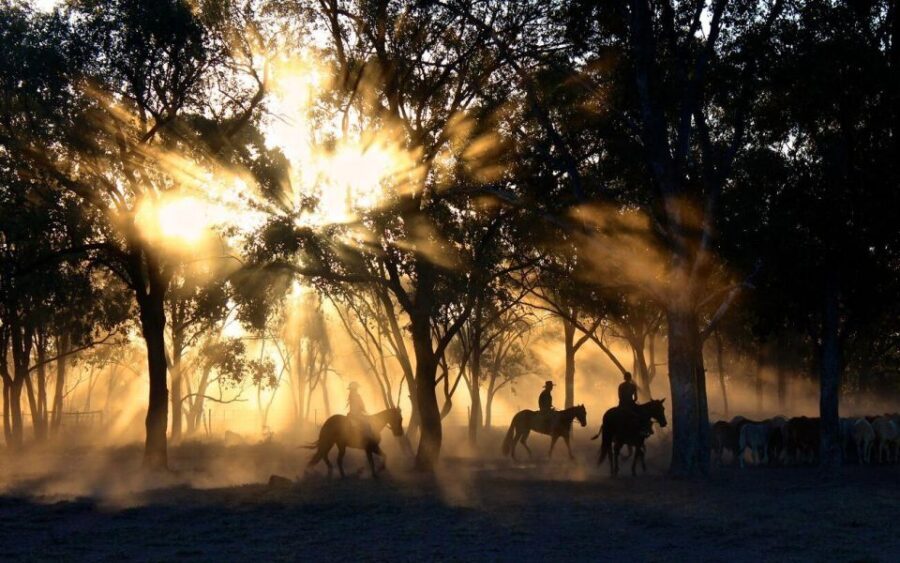
The ride is built around two scenic segments: forest trails and peaceful paths with lake vistas. In the forest portion, sunlight often filters through leaves, so the trail looks brighter and more dramatic than you’d expect from just a shaded track. This is where the ride feels most “Pokhara local”—less postcard, more real.
Then the course winds along quieter routes that hug the lake area. This is where you’ll likely slow your attention down. The lake views aren’t just a background—they become the thing you keep turning toward as the path curves.
What makes this timing work is that it’s long enough to feel like a real outing, but short enough that beginners don’t feel trapped on a saddle. If you can handle 2–3 hours of gentle movement, you’re in the right zone. If you’re looking for a full-day ride across major terrain, this isn’t that.
Guides and horses: how safety works without killing the fun
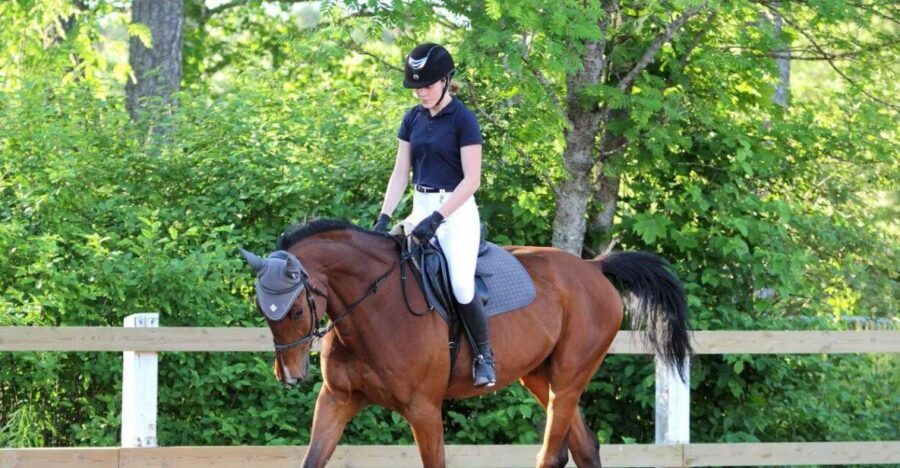
The tour is led by experienced guides, and the horses are trained for riders of all skill levels. That combination matters. Trained horses reduce surprises, and a guide who knows the route reduces anxiety—especially if this is your first time riding in years.
One rider specifically mentioned a guide named Bhandip helping them and their horse (Sila) up and down the mountain for great views of Pokhara. Even if your ride doesn’t include every same detail, it’s a good signal: these guides don’t just hand you the reins and vanish. They pay attention to where riders need help.
English is part of the package too. That’s not a tiny detail in Nepal, where instructions can quickly get lost if you don’t speak the local language. Having an English-speaking instructor helps you understand how to mount, how to hold on, and what the guide expects from you while riding.
Safety gear is included, which is a big plus for peace of mind. Still, here’s the practical move: when you meet your guide, ask what safety gear is provided for your group and whether helmets are available. One previous rider noted helmets weren’t present when they went, so you don’t want to assume.
Price and what $36 covers in real terms
At $36 per person for a 2.5-hour ride, this price is mostly about paying for three things: a trained horse, an experienced guide, and time. Add in pickup and drop-off from lakeside hotels and safety gear, and you can see why this doesn’t feel overpriced compared to activities that only give you a ticket and a map.
You also aren’t paying for a “seat” on a bus. The core cost is the animal and the guide support that keeps the ride smooth for beginners. That’s the value here: someone handles the horse coordination and the flow of the outing while you focus on staying balanced and enjoying the route.
One more value angle: the tour saves effort. Instead of you finding a stable, arranging transport, and negotiating ride details, pickup and drop-off are included for hotels in the lakeside areas. That’s worth something, especially if you’re trying to keep your Pokhara days simple.
What you’ll do before the first hoofbeat
The experience starts with pickup from your hotel in Pokhara’s lakeside area. The tour includes hotel pickup and drop-off by horse as part of the experience, so it’s designed to be “ready when you arrive,” not “find your way to a stable and figure it out.”
Once you’re with the guide, you’ll get oriented enough to ride comfortably. Trained horses are part of that plan, but you still want clear instructions on how to sit, where to place your hands, and what the guide expects you to do if the horse slows down or turns.
Safety gear is included, and that’s where you should spend your first few minutes. Check it fits correctly, and don’t be shy about asking the guide to adjust it. A small adjustment now can prevent irritation later.
And because this is described as suitable for all skill levels, you don’t need to be a “horse person” to enjoy it. But you should still treat it with respect. This is an animal ride in the outdoors—so show up with calm energy and follow the guide’s lead.

Stops and scenery: what to look for during the ride
This tour doesn’t feel like a checklist of monuments. Instead, the ride is a sequence of changing views: forest shade, then lake air and open sightlines. The best way to enjoy it is to let your eyes do the work.
Here’s what to watch for as you go:
- Tree-shaded stretches: Look up and around as the sunlight breaks through. It’s one of the nicest moments on the trail.
- Curving paths near the water: When the route faces the lake, your sense of space changes fast.
- Lake vistas from the movement itself: Because you’re riding rather than walking, the view shifts smoothly as the horse turns and follows the trail.
If you want the “best pictures,” don’t chase perfect angles while you’re moving. Instead, keep your focus on staying comfortable in the saddle, then take your time with the views when the guide indicates a good moment.
What’s not included (and how to handle it)
Food and drinks are not included. That’s totally normal for a short tour, but it does affect your planning. I’d bring water, and if you tend to get hungry during outdoor activities, have a snack before pickup so you’re not trying to eat later while you’re also tired.
Emergency rescue is also not included. The practical takeaway is not panic—it’s just that you should ride with common sense. Follow guide instructions, wear any provided safety gear, and don’t treat this as a high-risk stunt.
Everything else that matters for the ride is covered: the guide, trained horses, and safety gear, plus pickup and drop-off for lakeside hotels. That makes it one of those activities that’s easy to fit into a day with minimal extra arranging.
Transfers from lakeside hotels: convenient, but check the details
Pokhara’s lakeside area is built for visitors, and pickup helps keep this experience from becoming a logistics puzzle. The tour states they pick you up from any hotel in the lakeside areas, so if you’re staying near the water, it’s likely to be straightforward.
There’s also that interesting detail: hotel pickup and drop-off by horse. That suggests the tour is designed so you don’t have to coordinate a separate vehicle for every movement. Still, I recommend you confirm exactly where you’ll meet and what the drop-off point looks like for your specific hotel.
If you’re the type who likes a precise plan, ask:
- what time you’ll be collected,
- where you’ll be dropped off,
- and what you should do right before boarding.
It keeps the whole thing calm and relaxed.
Who this horseback ride is best for in Pokhara
I think this is a great match if you want a Pokhara experience that feels local and sensory, without demanding long hikes. The mix of forest trail riding and lake-path views is perfect for people who love being outside but still want a manageable time commitment.
It’s also a strong choice if you’re not confident on horseback. The horses are trained and the guides are there to help, and that’s exactly what you want on your first try.
Where it might not fit: if you’re uncomfortable around horses, or you need an activity with lots of stops, instruction-heavy coaching, or amenities like drinks and snacks, you’ll probably feel limited.
Should you book this horseback adventure in Pokhara?
If you’re in Pokhara for a few days and you want one activity that adds variety without complexity, I’d book it. The value is solid: you’re paying a single fee that covers pickup from lakeside hotels, an English-speaking guide, trained horses, and safety gear—then you get a scenic 2.5-hour ride built around forests and Fewa Lake views.
Do it with one smart check: ask about safety gear like helmets right at the meeting point. And plan your day so you’re not relying on the tour for food and drinks.
If you can handle a gentle outdoor ride and you want a different way to see Pokhara than walking alone, this is the kind of simple, memorable experience that sticks.
FAQ
How long is the horseback adventure?
The duration is 2.5 hours.
Is the guide available in English?
Yes. The instructor/guide language is English.
Where does pickup happen?
Pickup is included from any hotel in the lakeside areas.
What’s included in the tour price?
The tour includes hotel pickup and drop-off by horse, a guide, trained horses, and safety gear.
What is not included?
Food and drinks are not included. Emergency rescue is also not included.
Is this ride suitable for beginners?
Yes. The horses are described as suitable for riders of all skill levels.
What are the cancellation rules?
You can cancel up to 24 hours in advance for a full refund.